
Understanding the specific speed limits for different road categories is essential for both passing the Swiss driving theory test and ensuring road safety. This article clarifies the regulations for motorways, expressways, rural roads, and built-up zones, helping you recognize when limits change based on signage and environment. By mastering these rules, you will be well-prepared for exam questions regarding speed adjustments and vehicle-specific requirements.
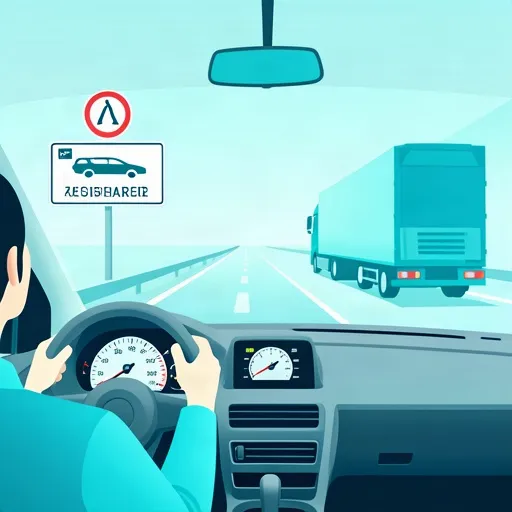
Article content overview
Navigating the Swiss road network requires a solid understanding of both the general speed limits and the specific regulations that apply to different road categories. In Switzerland, speed limits are strictly enforced, and failing to understand the transition points between different zones is a common cause of errors in the theory exam. Whether you are driving on a motorway, through a rural area, or inside a village, the rules are designed to ensure safety and maintain traffic flow across the country.
The Swiss system of speed limits is based on the classification of the road rather than arbitrary changes. Knowing these limits by heart is essential, as they apply unless specific road signs indicate a deviation.
| Road Type | General Speed Limit |
|---|---|
| Built-up Areas (Ortschaft) | 50 km/h |
| Rural Roads (Ausserorts) | 80 km/h |
| Expressways (Autostrassen) | 100 km/h |
| Motorways (Autobahnen) | 120 km/h |
Inside built-up areas, the 50 km/h limit begins at the village entry sign. Crucially, if you are entering a village from a minor road, such as an agricultural path or a forest trail, the 50 km/h limit applies the moment you encounter dense housing, even if a sign is absent. Conversely, the 80 km/h limit for rural roads commences as soon as you pass the village exit sign, which is indicated by the name of the locality crossed out with a diagonal red line.
While the general limits cover most of the country, Switzerland makes extensive use of traffic calming measures in residential areas. A "Tempo-30" zone is a common feature in many Swiss cities and neighborhoods. When you enter such a zone, the speed limit is reduced to 30 km/h to increase safety for pedestrians, cyclists, and residents. You must remain at this speed until you pass the sign indicating the end of the zone.
Always look for the end-of-zone signs. Unlike general speed limits that might change based on a road junction or the end of a village, zone-based speed limits only terminate when explicitly indicated by a sign.
Not all vehicles are subject to the same speed regulations. Heavy goods vehicles and light vehicle combinations have specific restrictions that you must know for your driving theory exam. For instance, while a standard passenger car can travel at 120 km/h on a motorway, a car towing a light trailer is limited to 100 km/h.
Furthermore, heavy goods vehicles exceeding 3.5 tonnes have even stricter requirements. These vehicles are generally limited to 80 km/h on motorways and 60 km/h on rural roads. Understanding these differences is critical because exam questions often test your knowledge of how vehicle type influences the legal maximum speed.
When speeding violations are recorded by authorities, a mandatory safety deduction is applied to the measured speed to account for potential technical inaccuracies in measuring equipment. This is why you should never rely on the "fudge factor" when driving; always aim to remain within the posted limit.
A frequent mistake for learners is forgetting that variable speed limits on motorways—often displayed on overhead gantries—take precedence over the general 120 km/h limit. If a gantry displays a speed of 100 km/h or 80 km/h due to traffic congestion or environmental factors, that speed is legally binding.
Another area that causes confusion is the "Autostrasse" or semi-motorway. These roads often look like motorways but feature at-grade junctions and are marked with a specific sign. The maximum speed here is 100 km/h. Always pay close attention to the background color and symbols on road signs to identify the road type correctly.
This guide establishes the four-tier Swiss speed limit system based on road classification: 50 km/h in built-up areas, 80 km/h on rural roads, 100 km/h on expressways, and 120 km/h on motorways. Critical transition points—village entry and exit signs, dense housing indicators, and zone boundaries—define when limits change, and these transition rules are frequent exam topics. Vehicle-specific restrictions add another layer, with heavy goods vehicles and trailer combinations facing reduced maximum speeds. Special zones like Tempo-30 require attention to end-of-zone signage, while variable limits on motorway gantries always take precedence over standard limits.
A short set of high-value points that capture the most important ideas from this article.
Speed limits in Switzerland are determined by road type: 50 km/h in built-up areas (Ortschaft), 80 km/h on rural roads (Ausserorts), 100 km/h on expressways (Autostrassen), and 120 km/h on motorways (Autobahn)
Built-up area limits (50 km/h) begin at the village entry sign and apply immediately when entering dense housing, even without a sign if coming from minor roads
The 80 km/h rural road limit takes effect immediately after passing the village exit sign, which shows the locality name crossed out with a diagonal red line
Vehicle type significantly affects speed limits: vehicles over 3.5 tonnes are limited to 80 km/h on motorways and 60 km/h on rural roads, while cars with trailers are capped at 100 km/h
Variable speed limits displayed on motorway gantries override the standard 120 km/h limit and are legally binding
Tempo-30 zones remain in effect until you see the explicit end-of-zone sign; they do not change at junctions like general limits do
Autostrassen (semi-motorways) have a 100 km/h limit despite looking similar to full motorways and feature at-grade junctions
The tolerance deduction applied by authorities means you cannot rely on any margin when driving
Dense housing on a minor road approach triggers the 50 km/h limit even without a posted sign
Heavy goods vehicles exceeding 3.5 tonnes face stricter limits (80 km/h motorway, 60 km/h rural) compared to standard passenger vehicles
Assuming the 80 km/h rural limit only applies after reaching the first sign following a village exit, when it actually applies immediately past the exit sign
Confusing Autostrassen with full Autobahn and incorrectly applying the 120 km/h limit to expressways limited to 100 km/h
Forgetting that variable speed limits shown on motorway gantries are mandatory and supersede the general motorway limit
Believing that Tempo-30 zones end automatically at the next junction rather than requiring an explicit end-of-zone sign
Assuming all vehicles can travel at the same maximum speed without accounting for weight categories and trailer requirements
Article content overview
A short set of high-value points that capture the most important ideas from this article.
Speed limits in Switzerland are determined by road type: 50 km/h in built-up areas (Ortschaft), 80 km/h on rural roads (Ausserorts), 100 km/h on expressways (Autostrassen), and 120 km/h on motorways (Autobahn)
Built-up area limits (50 km/h) begin at the village entry sign and apply immediately when entering dense housing, even without a sign if coming from minor roads
The 80 km/h rural road limit takes effect immediately after passing the village exit sign, which shows the locality name crossed out with a diagonal red line
Vehicle type significantly affects speed limits: vehicles over 3.5 tonnes are limited to 80 km/h on motorways and 60 km/h on rural roads, while cars with trailers are capped at 100 km/h
Variable speed limits displayed on motorway gantries override the standard 120 km/h limit and are legally binding
Tempo-30 zones remain in effect until you see the explicit end-of-zone sign; they do not change at junctions like general limits do
Autostrassen (semi-motorways) have a 100 km/h limit despite looking similar to full motorways and feature at-grade junctions
The tolerance deduction applied by authorities means you cannot rely on any margin when driving
Dense housing on a minor road approach triggers the 50 km/h limit even without a posted sign
Heavy goods vehicles exceeding 3.5 tonnes face stricter limits (80 km/h motorway, 60 km/h rural) compared to standard passenger vehicles
Assuming the 80 km/h rural limit only applies after reaching the first sign following a village exit, when it actually applies immediately past the exit sign
Confusing Autostrassen with full Autobahn and incorrectly applying the 120 km/h limit to expressways limited to 100 km/h
Forgetting that variable speed limits shown on motorway gantries are mandatory and supersede the general motorway limit
Believing that Tempo-30 zones end automatically at the next junction rather than requiring an explicit end-of-zone sign
Assuming all vehicles can travel at the same maximum speed without accounting for weight categories and trailer requirements
Explore related topics, search based questions, and concepts that learners often look up when studying Swiss Speed Limits Guide. These themes reflect real search intent and help you understand how this topic connects to wider driving theory knowledge in Switzerland.
Find clear and practical answers to common questions learners often have about Swiss Speed Limits Guide. This section helps explain difficult points, remove confusion, and reinforce the key driving theory concepts that matter for learners in Switzerland.
The general speed limit in built-up areas (Ortschaft) is 50 km/h, starting from the entry sign indicating the town name until the exit sign.
The general speed limit on motorways (Autobahnen) is 120 km/h, while on semi-motorways (Autostrassen) it is 100 km/h.
Yes, vehicles over 3.5 tonnes are generally limited to 80 km/h on motorways and 60 km/h on rural roads.
A Tempo-30 zone is a residential area marked with a specific blue rectangular sign where the maximum speed is restricted to 30 km/h to increase safety.
Continue your learning journey by searching our extensive library of Swiss driving theory articles. Explore additional topics, review specific road rules, or deepen your understanding of official traffic procedures to excel in your exam and drive safely in Switzerland.