
This lesson explores the technical and safety aspects of vehicle tyres, which are your only contact with the road. You will learn the legal requirements for tread depth and pressure, ensuring you understand how to maintain your vehicle for both the official ETG theory exam and safe driving on French roads.
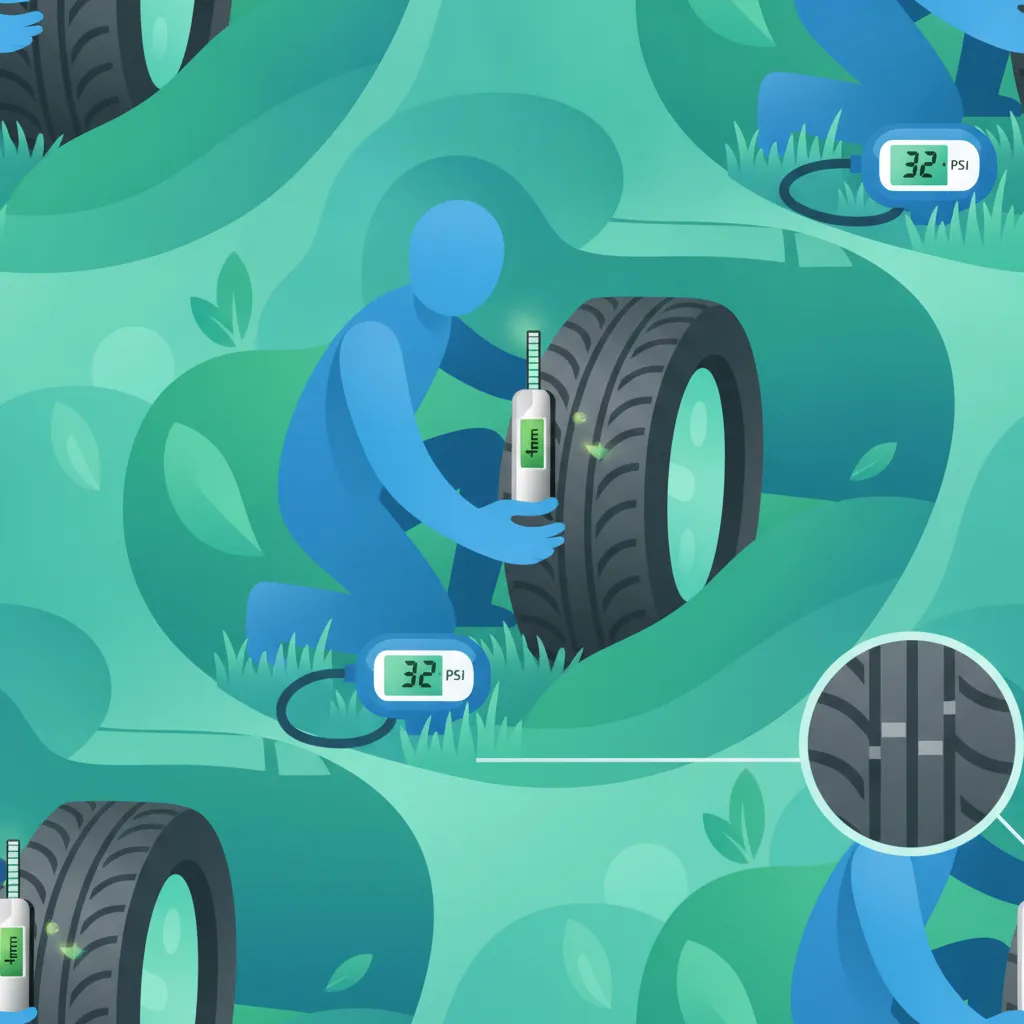
Lesson content overview
Your tyres are the only physical connection between your vehicle and the road surface. This small area of contact—no larger than the palm of your hand for each wheel—is solely responsible for transmitting your steering, braking, and acceleration forces to the asphalt.
Under the French Code de la route, maintaining your tyres in peak condition is not just a safety recommendation; it is a strict legal obligation. Failing to comply can result in heavy fines, vehicle immobilization, and, most importantly, a catastrophic loss of control on the road.
The tread pattern on your tyres is designed to displace water when driving on wet roads, ensuring that the rubber maintains direct contact with the pavement. As the tread wears down, the tyre's ability to evacuate water decreases exponentially, dramatically increasing the risk of aquaplaning (aquaplanage).
Under Article R313-1 of the French Code de la route, the absolute legal minimum tread depth for passenger cars (Category B) is 1.6 mm across the entire circumference of the tyre and across at least three-quarters of the tread width.
A physical phenomenon where a layer of water builds up between the tyre and the road surface, causing the vehicle to lose traction and stop responding to steering or braking inputs. It occurs when tread depth is insufficient to evacuate water or when vehicle speed is too high for the volume of water on the road.
If your tyres do not meet this 1.6 mm threshold, you face a Class 4 contravention, which carries:
You do not need specialized tools to check if your tyres are legal. Manufacturers integrate small, raised rubber bars inside the main longitudinal grooves of the tread. These are called wear indicators (témoins d'usure).
Locate the indicator marks: Look at the outer sidewall of the tyre near the top edge. You will find small symbols pointing toward the tread grooves, such as the letters "TWI" (Tread Wear Indicator), a small triangle, or the manufacturer's logo (e.g., the Michelin Man).
Check the grooves: Follow these markers straight into the tread grooves to find the raised rubber bars.
Assess the depth: If the surrounding tread has worn down to the exact same level as these raised bars (making them flush with the road-facing surface), the tyre has reached the legal limit of 1.6 mm and must be replaced immediately.
Tyre wear must be uniform. Even if some parts of your tread are deep, uneven wear across the tyre can make it illegal and highly dangerous.
If the difference in tread depth between two tyres mounted on the same axle exceeds 5 mm, it is a safety violation, and your vehicle will fail its contrôle technique.
Tyre pressure directly influences the shape and size of the tyre's contact patch. Keeping your tyres at the exact pressure recommended by your vehicle manufacturer is vital for handling stability, braking efficiency, tyre longevity, and fuel economy.
The Danger of Underinflation: An underinflated tyre flexes excessively under load. This rapid bending of the rubber and internal steel belts generates extreme heat, which can lead to structural delamination and a sudden, violent tyre blowout (éclatement) at highway speeds.
| Metric / Aspect | Underinflation (Sous-gonflage) | Correct Inflation | Overinflation (Sur-gonflage) |
|---|---|---|---|
| Contact Patch | Edges support weight; center lifts. Reduced contact. | Even distribution across entire tread width. | Center bulges; edges lift off the road surface. |
| Braking Distance | Significantly increased (especially on wet roads). | Optimized as designed by the manufacturer. | Increased due to a smaller total contact patch. |
| Fuel Consumption | Increases by up to 3% due to high rolling resistance. | Baseline/optimal efficiency. | Marginally lower, but negated by lack of safety. |
| Tyre Lifespan | Accelerated wear on outer shoulders. | Even, maximum lifespan. | Accelerated wear in the center of the tread. |
| Handling & Grip | Sluggish steering, poor lateral grip, high blowout risk. | Stable, responsive cornering and high-speed stability. | Harsh, bumpy ride, prone to sliding on wet surfaces. |
Tyre pressure must always be measured when the tyres are cold (à froid). This means the vehicle must have been stationary for at least three hours, or driven for less than 3 km at low speed.
Find the manufacturer specifications: Locate the official pressure sticker, usually found on the driver's door pillar, inside the fuel filler flap, or in the owner's manual. Note that different pressures are specified for normal loads versus full loads (passengers and luggage) or highway driving.
Remove the valve cap: Unscrew the cap on the tyre valve stem and securely attach the air compressor chuck.
Read and adjust: Read the current pressure (measured in bar in France, or sometimes in PSI). Inflate or deflate to match the target specification.
Check the spare wheel: Always check your spare tyre (roue de secours) during this process. It should generally be inflated to its maximum recommended pressure (often 2.5 to 3.0 bar for space-savers) so it is ready for emergencies.
Different weather conditions require different rubber compounds and tread designs. France experiences wide seasonal variations, meaning a single tyre type may not be safe or legal year-round in every region.
Summer tyres are made of a hard rubber compound that softens slightly in warm weather to maximize grip. However, when ambient temperatures drop below 7°C, this rubber hardens, losing its flexibility and grip, which drastically increases braking distances even on dry roads.
Winter tyres are engineered with soft rubber compounds rich in silica that remain pliable at sub-zero temperatures. Their tread blocks feature thousands of microscopic slits called sipes that act as claws to bite into snow and ice.
These tyres represent a compromise, blending the tread patterns and rubber compounds of summer and winter tyres. They perform adequately in moderate conditions but cannot match the performance of dedicated winter tyres on heavy ice/snow or summer tyres in hot weather.
To improve road safety and prevent traffic blockages in mountainous regions, French law mandates specific winter equipment in designated zones from November 1st to March 31st inclusive.
Under the Loi Montagne II, prefects of 34 departments (including parts of the Alps, Pyrenees, Massif Central, Vosges, Jura, and Corsica) establish zones where winter equipment is mandatory.
In these designated zones, drivers must choose one of the following setups:
Every tyre features a standardized alphanumeric string on its sidewall that details its physical dimensions and performance limits. Under French law, you cannot fit tyres that do not match the structural specifications homologated by your vehicle manufacturer.
Let us break down a typical marking: 205 / 55 R 16 91 V
| Speed Rating Letter | Maximum Approved Speed |
|---|---|
| Q | 160 km/h |
| S | 180 km/h |
| T | 190 km/h |
| H | 210 km/h |
| V | 240 km/h |
| W | 270 km/h |
| Y | 300 km/h |
The Winter Tyre Exception: You are legally permitted to fit winter tyres (3PMSF) with a speed rating lower than your original summer tyres (by up to one index level, e.g., using "H" instead of "V"), provided you do not exceed the speed capability of the winter tyre and a warning label is clearly displayed inside the cabin in view of the driver.
Rubber is an organic compound that naturally degrades, hardens, and cracks over time, regardless of whether the tyre is being driven on or stored in a garage.
To determine when a tyre was made, locate the DOT code on the sidewall. The last four digits of this code indicate the manufacturing date:
Even if the tread depth looks brand-new, tyres older than 6 years should be inspected annually by a specialist, and those older than 10 years must be replaced immediately. The dried rubber loses its structural integrity and can disintegrate at speed.
To guarantee predictable vehicle handling under braking and cornering, French traffic law strictly regulates how tyres are mixed:
Explore all units and lessons included in this driving theory course.
Lesson content overview
Explore all units and lessons included in this driving theory course.
Explore search topics learners often look for when studying Tyre Conditions, Pressures and Selection. These topics reflect common questions about road rules, driving situations, safety guidance, and lesson level theory preparation for learners in France.
Browse additional driving theory lessons that cover connected traffic rules, road signs, and common driving situations related to this topic. Improve your understanding of how different rules interact across everyday traffic scenarios.
Learn the legal obligations for maintaining your vehicle to ensure roadworthiness for the French ETG exam. This lesson covers mandatory safety checks including tyre condition, lighting, and biennial technical inspection requirements necessary to comply with the Code de la route and maintain a safe vehicle.

Every driver in France must be able to present official, up-to-date documentation during routine roadside police checks. This lesson details the certificat d'immatriculation (commonly known as the carte grise), valid insurance documents, and the Crit'Air environmental vignette required in low-emission zones. It explains how to complete transfers of ownership and update addresses using the official ANTS digital portal.

Operating a passenger vehicle in France requires strict compliance with dynamic safety laws and maintenance rules. This lesson explains your duty of care toward other road users, mandatory child restraint and seatbelt laws, and strict prohibitions on phone use while driving. You will also learn about the required periodic technical vehicle inspections (controle technique) and third-party insurance mandates.

Correctly using your vehicle's lighting system is critical for visibility and communicating with other drivers on the road. This lesson explains when to use low beams (feux de croisement), high beams (feux de route), position lights, and specialized front and rear fog lights. You will learn the legal lighting configurations for driving in urban tunnels, rainy weather, dense fog, and dark rural roads.

Carrying heavy loads or pulling trailers significantly alters a passenger vehicle's braking distances and stability characteristics. This lesson covers how to read weight limits (like gross vehicle weight ratings), distribute cargo weight evenly, and secure items inside the boot or on roof racks. You will learn to use specialized cargo straps and understand the risks of overloading your suspension and tyres.

This lesson outlines the essential components of a comprehensive pre-trip vehicle inspection for goods vehicles, emphasizing safety checks for brakes, tyres, lights, mirrors, coupling devices, and cargo. Learners will understand the importance of verifying that all safety equipment is functional and that cargo is properly secured before commencing a journey. The content also details the necessary documentation checks to ensure compliance with French road regulations.

In this lesson, drivers will learn about the mandatory documentation required for operating a goods vehicle in France. The content covers the NEPH number needed for licence applications, vehicle registration certificates (carte grise), and proof of insurance. Learners will also explore the technical inspection process, load and customs documentation for cross-border transport, and the importance of maintaining an up-to-date driver logbook.
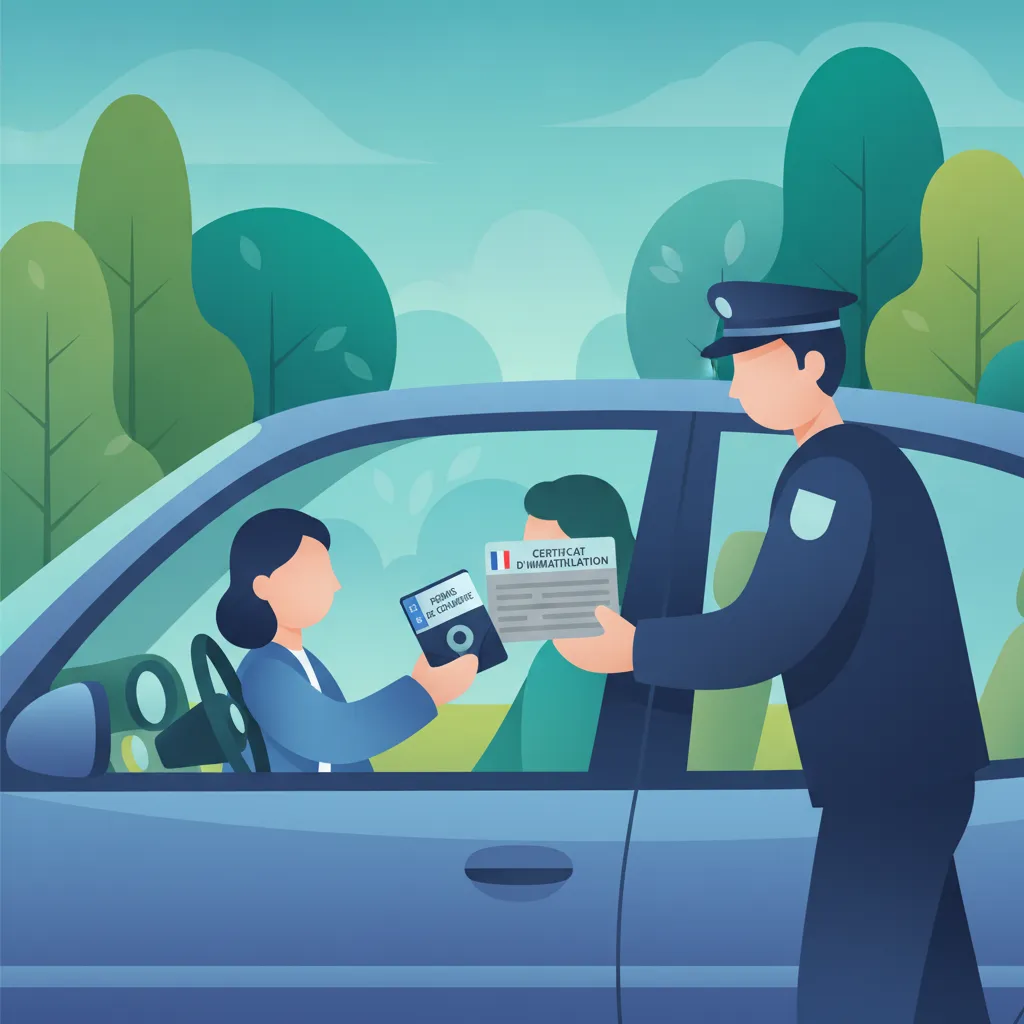
This lesson explains the critical documentation required to be kept onboard every passenger vehicle under French and European transport regulations. Learners will explore requirements for passenger manifests, insurance policies, valid transport permits, and official logbooks like the chronotachygraphe. Crucially, the lesson covers proper procedures for presenting these documents during routine roadside inspections by French law enforcement agencies.

The driver of a vehicle is legally responsible for ensuring that all passengers, particularly minors, are safely restrained. This lesson explains seatbelt enforcement laws and the mandatory child safety seat requirements based on height, weight, and age. You will learn to use the standardized ISOFIX system and understand when and how to safely deactivate passenger airbags for rear-facing infant seats.
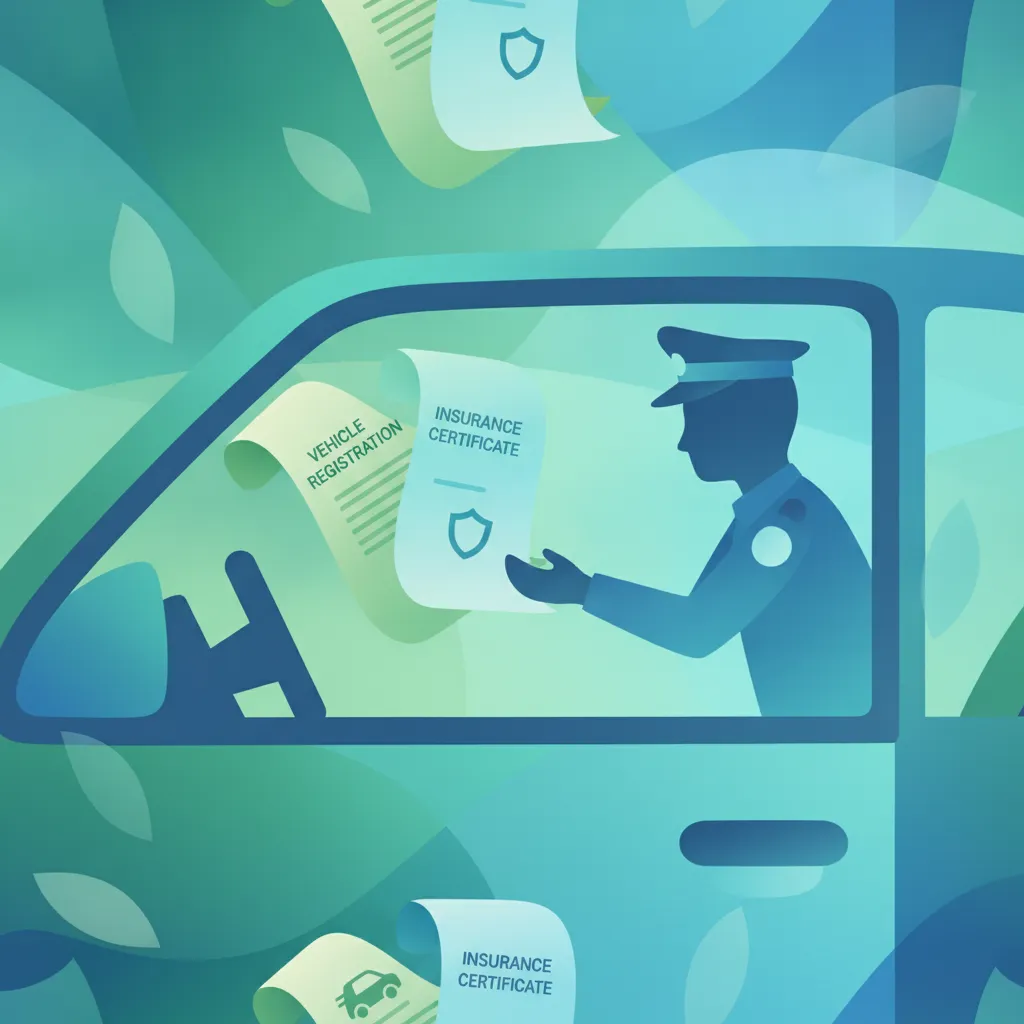
This lesson provides a comprehensive breakdown of the mandatory paperwork required to legally operate a motorcycle in France. It covers the exact details of obtaining the vehicle registration document, known as the carte grise, and securing the mandatory civil liability insurance. Additionally, you will learn how to properly display the green insurance certificate and understand the serious penalties for driving without proper coverage.

This lesson addresses the procedures and expectations when professional drivers encounter law enforcement or customs officials in France. Topics include the types of checks that may be performed, required documentation, rights and obligations of drivers, and the consequences of non-compliance. Learners will be guided on best practices for interacting with authorities, emphasizing cooperation, transparency, and the importance of maintaining valid and up-to-date documents for both the vehicle and driver.
Understand how to adapt your driving style and vehicle preparation for rain, snow, and low-visibility conditions. Explore the impact of weather on stopping distances, tyre grip requirements, and the specific application of the Loi Montagne to ensure you remain compliant with French winter road safety regulations.

Adverse weather reduces tyre traction and limits visibility, dramatically raising the risk of multi-car accidents on highways. This lesson details speed reductions required during rainfall, techniques for avoiding aquaplaning, and demisting windshields for visibility. You will learn how to maintain extra stopping distance on snow-covered roads and the correct headlight adjustments to make during fog.

This lesson focuses on the skill of adjusting speed according to real-time road conditions, visibility, and traffic density. Learners will learn to assess factors such as weather, road surface quality, and pedestrian activity to determine a safe riding speed under French regulatory expectations. By mastering adaptive speed control, riders can enhance safety and reduce the likelihood of accidents caused by inappropriate speed.
This lesson covers the mechanical and physical adaptations required to drive a passenger coach in rain, heavy fog, snow, and crosswinds. Drivers will learn to recognize signs of aquaplaning and understand the dramatic traction loss associated with wet or icy roads. It also details French winter equipment regulations (Loi Montagne) requiring snow tires or chains in designated mountainous regions.
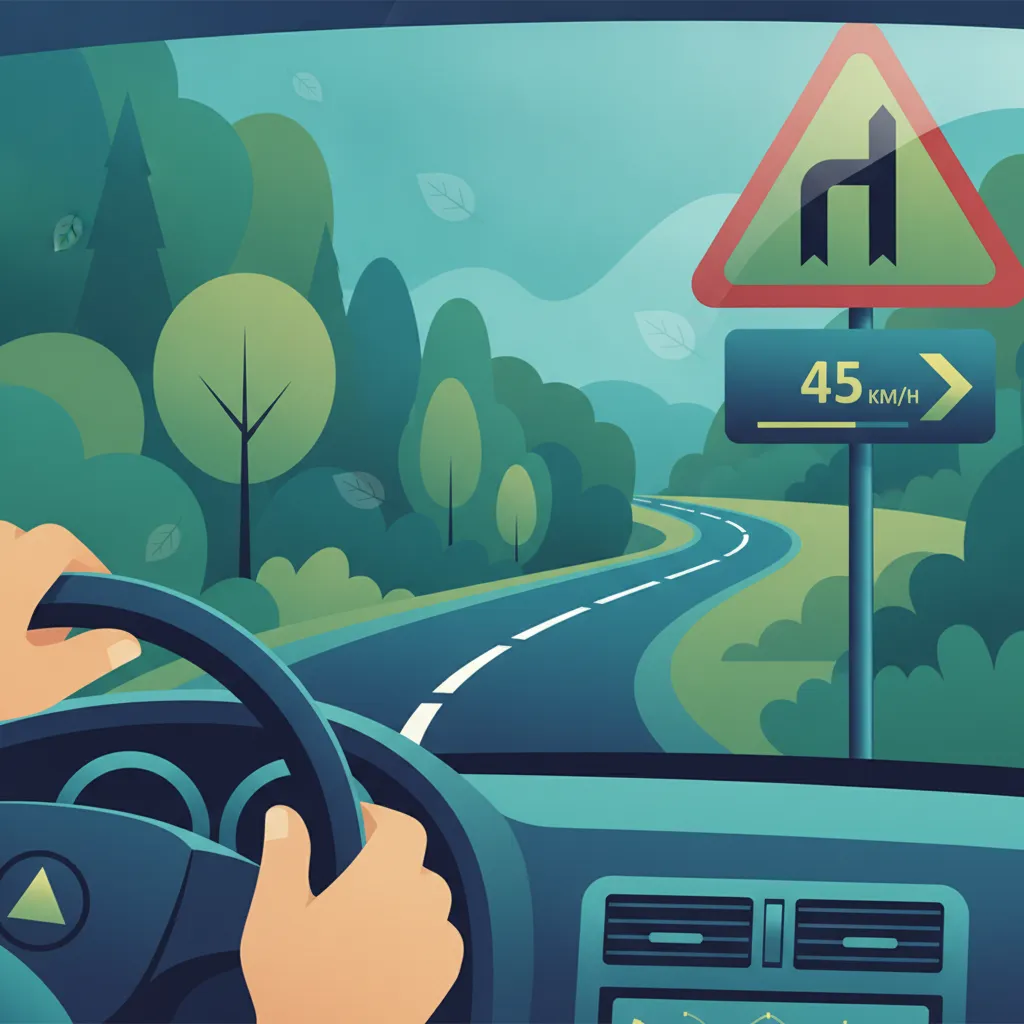
The legal speed limit is a maximum threshold, not a target speed that is always safe to maintain. This lesson teaches you how to select an appropriate, safe speed based on visibility, traffic congestion, and road topography. You will learn how to negotiate blind turns, approach summits with caution, and reduce speeds in heavy traffic to ensure you always maintain complete control of your vehicle.

This lesson focuses on adapting your riding behavior to sudden environmental shifts, such as heavy fog or strong crosswinds on exposed bridges. You will learn specific technical adjustments, including leaning slightly into crosswinds and widening your safety margins during low-visibility fog. The lesson also highlights how seasonal temperature drops affect your tires' ability to warm up and achieve reliable, safe levels of road adhesion.

In this lesson, drivers will learn how to adjust their driving techniques in response to adverse weather conditions such as rain, fog, snow, ice, and strong winds. The content covers strategies for maintaining visibility, managing reduced traction on wet or icy surfaces, and adjusting speed and braking distances accordingly. Learners will also be introduced to the use of anti-skid and stability control systems under challenging weather.

Learners will explore techniques for maintaining control and safety while riding in rain, focusing on reduced braking efficiency, hydroplaning prevention, and visibility challenges. The lesson emphasizes appropriate speed reduction, tire condition checks, and the use of rain gear to enhance rider comfort and protection. By mastering these adaptations, riders can navigate wet French conditions with confidence.
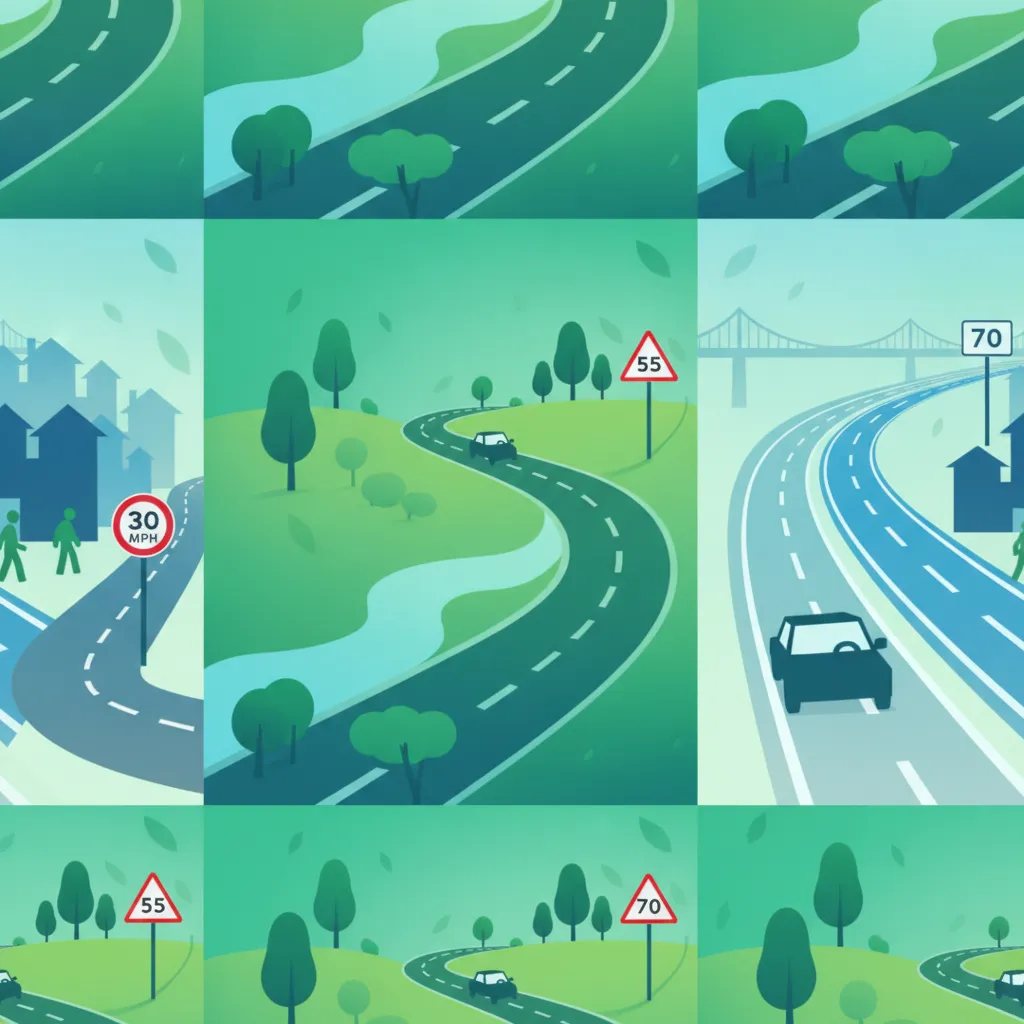
Speed limits in France are strictly regulated based on road category, weather conditions, and the driver's licensing status. This lesson covers standard speeds: 50 km/h in urban areas, 80 km/h on two-lane rural roads, 110 km/h on dual carriageways, and 130 km/h on motorways. You will also learn how these limits drop during rain or fog, and the reduced speed limits applicable to probationary drivers.
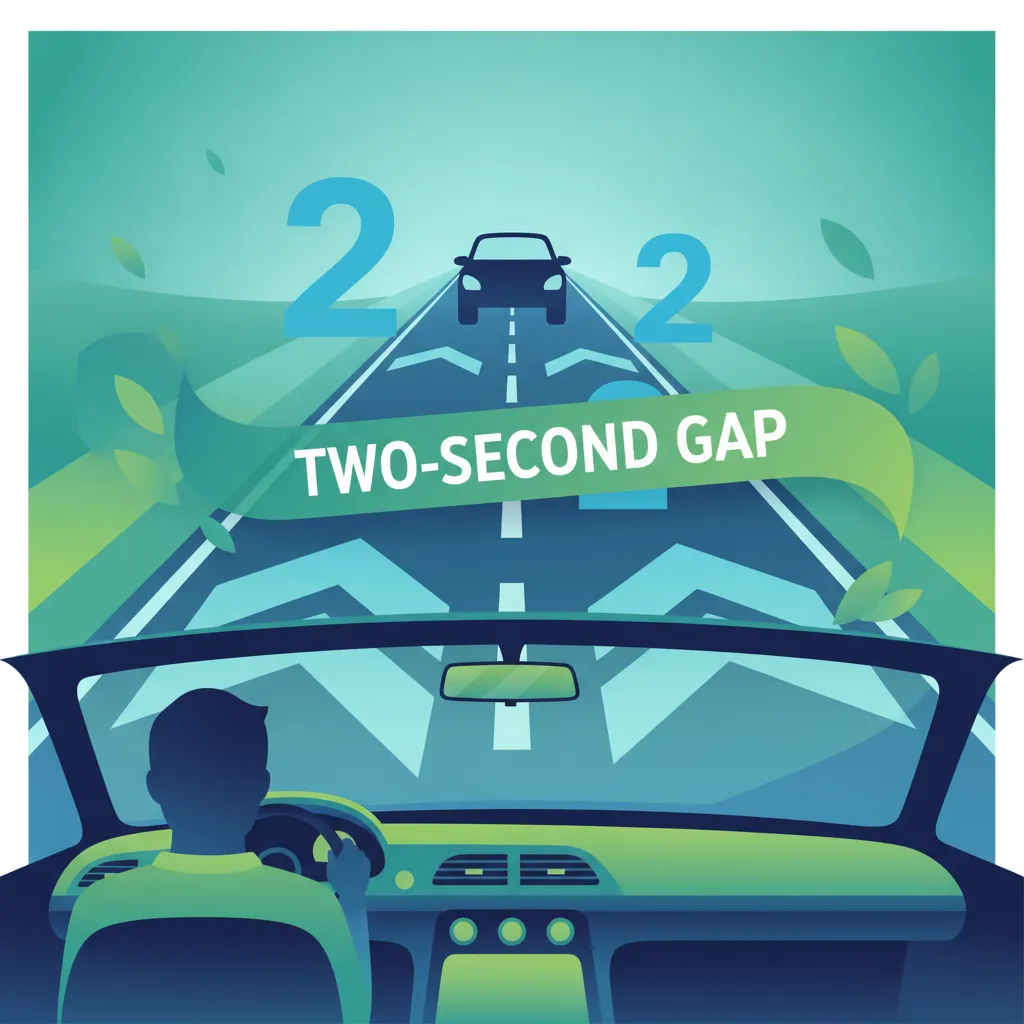
Maintaining a safe distance behind the lead vehicle is essential to prevent rear-end collisions during sudden braking maneuvers. This lesson teaches you the two-second safety rule and how to calculate this gap at different highway speeds. You will also study unique safety margin requirements, such as maintaining minimum distance intervals in road tunnels or doubling your following distance on wet roads.
Correctly using your vehicle's lighting system is critical for visibility and communicating with other drivers on the road. This lesson explains when to use low beams (feux de croisement), high beams (feux de route), position lights, and specialized front and rear fog lights. You will learn the legal lighting configurations for driving in urban tunnels, rainy weather, dense fog, and dark rural roads.
Find clear answers to common questions learners have about Tyre Conditions, Pressures and Selection. Learn how the lesson is structured, which driving theory objectives it supports, and how it fits into the overall learning path of units and curriculum progression in France. These explanations help you understand key concepts, lesson flow, and exam focused study goals.
The legal minimum tread depth for passenger vehicles in France is 1.6 mm across the entire width of the tread. If your tyres reach this depth, they must be replaced immediately to ensure road safety and legal compliance.
Wear indicators (témoins d'usure) are small raised rubber bumps located inside the main grooves of the tyre. You can also find a small mark or triangle on the sidewall of the tyre that points to the location of these indicators.
Correct pressure is vital because it influences braking distance, grip, and fuel consumption. In the ETG exam, you may be asked how underinflation or overinflation affects handling, or where to find the manufacturer's recommended pressure settings.
In certain mountainous regions of France, the Mountain Law requires vehicles to be equipped with winter tyres, all-season tyres with specific markings, or snow chains during the winter period. Always check local road signs for seasonal requirements.
Ready to focus your study? Use the practice search to find exactly the French driving theory questions you need for the Code de la route and permis de conduire ETG. Refine your knowledge on specific topics or challenging rules to boost your confidence and exam readiness.