
Welcome to the 'Engine Braking and Power Management' lesson, a key part of your Category A motorcycle theory preparation in Poland. Building on your knowledge of motorcycle controls, this lesson delves into advanced speed control techniques using the engine, essential for safe riding and exam success.
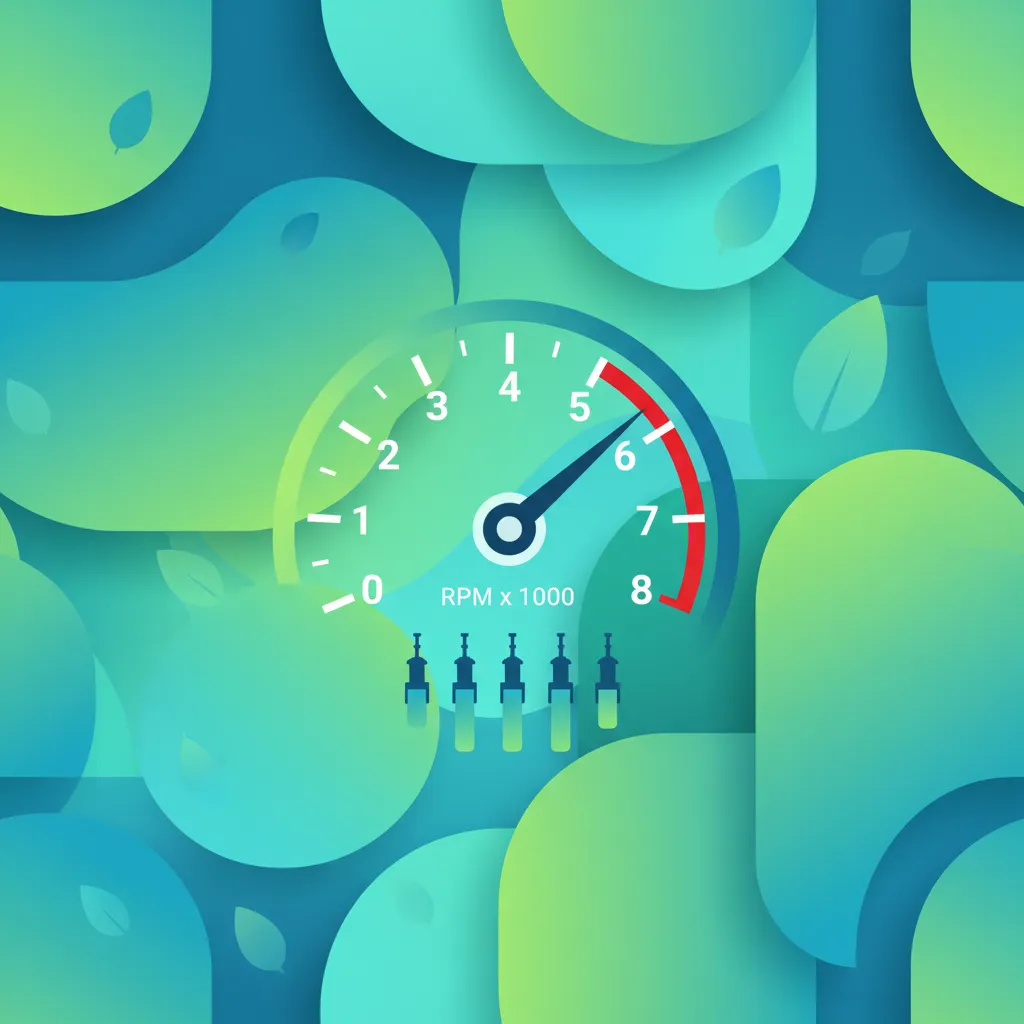
Lesson content overview
Understanding how to effectively use your motorcycle's engine for braking and power management is a cornerstone of safe, efficient, and confident riding, particularly crucial for those preparing for the Polish Category A motorcycle theory exam. This lesson will delve into the techniques that allow riders to maintain control, reduce wear on mechanical brakes, and optimize fuel consumption across various road conditions. By mastering these principles, you'll enhance your ability to navigate challenging terrain, manage speed on descents, and respond smoothly to traffic demands.
Engine braking is a technique where the natural resistance of the engine is used to slow down the motorcycle. Instead of relying solely on the friction brakes (front and rear), the engine itself acts as a retarder, converting the motorcycle's kinetic energy into heat and internal friction. This method is especially valuable for motorcycle riders as it contributes significantly to stability, brake longevity, and overall control.
Deceleration achieved by closing the throttle and utilizing the engine's internal compression resistance to slow the motorcycle, often combined with downshifting.
When you close the throttle on a moving motorcycle, the fuel supply to the engine is cut off, but the wheels continue to turn the engine via the drivetrain. The engine then has to work against its own compression and internal friction. In a lower gear, the engine spins faster for a given wheel speed, increasing this resistance and thus providing more deceleration.
Proper application of engine braking offers several key advantages:
Engine braking can be applied in two primary ways:
Active engine braking relies heavily on skilled downshifting, which involves more than just selecting a lower gear. It requires coordination between the throttle, clutch, and gear lever to ensure smooth transitions and prevent loss of control.
The act of shifting to a lower gear to increase engine revolutions per minute (RPM) and torque, typically for acceleration or to enhance engine braking.
Clutch modulation is the partial engagement of the clutch. During a downshift, it's crucial for smoothing out the transition between gears. Without it, an abrupt release of the clutch can cause the rear wheel to momentarily lock up or skid, especially on wet or slippery surfaces, leading to instability.
Rev-matching, also known as a "throttle blip" or "blipping the throttle," is a technique used during downshifts to synchronize the engine speed (RPM) with the wheel speed in the lower gear.
Roll off the throttle: Completely close the throttle.
Pull in the clutch: Disengage the clutch fully.
Select a lower gear: Use the gear lever to shift down.
Blip the throttle: Briefly and sharply open the throttle to quickly raise engine RPM. The goal is to match the engine speed to what it would be in the newly selected lower gear at your current road speed.
Gradually release the clutch: As the engine RPM matches, slowly and smoothly release the clutch lever. The smoother the release, the less shock will be transferred to the rear wheel.
Practice rev-matching in a safe, open area. The goal is to make gear changes so smooth that your passenger wouldn't even notice.
Effective power management means consistently selecting the appropriate gear for the situation. This ensures you have adequate torque for acceleration, efficient fuel consumption, and safe control, whether you're climbing a steep hill or cruising on a highway.
When ascending an incline, your motorcycle needs more torque to overcome gravity.
On downhill stretches, gear selection is primarily about controlling speed.
Understanding and managing your motorcycle's RPM (Revolutions Per Minute) is fundamental to efficient and safe riding. It dictates how much power and torque your engine is producing and plays a critical role in engine health and fuel economy.
RPM is the number of times the engine's crankshaft rotates per minute. It's displayed on your tachometer (rev counter). Higher RPM generally means more engine work, more power, and more fuel consumption.
Every motorcycle engine has a "power band"—a specific RPM range where it produces its optimal torque and horsepower. For most street motorcycles, this range is typically between 3,000 and 6,500 RPM.
The range of engine RPMs where the engine produces its most efficient and effective torque and horsepower, providing optimal performance.
The maximum safe engine RPM, indicated on the tachometer, beyond which sustained operation can cause mechanical damage.
Beyond safety and control, intelligent power management techniques directly translate into better fuel economy and reduced operating costs.
Coasting with the clutch fully disengaged for extended periods is generally discouraged as it reduces your ability to react quickly and can lead to a loss of engine power steering/braking assistance in some bikes. It's better to use controlled engine braking.
While Polish traffic law does not explicitly mandate engine braking, it does place a clear emphasis on safe vehicle operation and control, making the techniques discussed here essential for compliance.
Under the Polish Road Traffic Act (Ustawa Prawo o Ruchu Drogowym):
The Guidelines of the Polish Road Safety Authority recommend against continuous, prolonged reliance on mechanical brakes on long downhill gradients (typically those steeper than 6%). This is to preserve brake function and prevent overheating and subsequent brake fade, especially critical for heavy vehicles or those carrying loads. Engine braking is the recommended primary method for speed control in such situations.
Forcing the engine beyond its redline can be considered negligent operation, as it directly risks severe mechanical damage. While not a direct traffic law, operating a vehicle unsafely or in a manner that causes damage can lead to legal consequences or insurance issues.
Even experienced riders can sometimes fall into bad habits. Being aware of common pitfalls helps ensure safer riding.
The effective application of engine braking and power management techniques must adapt to varying external factors.
Smooth deceleration through engine braking is less abrupt than sudden friction braking. This makes your speed changes more predictable for other road users, especially pedestrians and cyclists, enhancing overall safety in mixed traffic environments.
Engine braking and proper power management are not just techniques; they are integral parts of a rider's skill set, directly impacting safety, vehicle longevity, and riding enjoyment.
When you close the throttle, the engine essentially becomes an air pump. During the compression stroke, the piston must work against compressed air trapped in the cylinder, slowing the engine's rotation. This resistance is transferred through the drivetrain to the rear wheel, creating a braking effect. It's a fundamental principle of internal combustion engines that, when harnessed, provides a powerful and controlled deceleration force.
Many new riders tend to over-rely on friction brakes due to habit from other vehicles. Learning to integrate engine braking provides a smoother, more controlled deceleration experience, reducing rider anxiety and allowing for better focus on hazard perception. Predictable speed changes contribute to overall psychological comfort and confidence on the road. Studies, like those from the Polish Institute of Road Safety (2022), have shown that proper use of engine braking can significantly reduce the incidence of rear-wheel lock-ups, especially in adverse conditions.
Mastering engine braking and power management is vital for any motorcyclist, especially for those navigating the varied conditions found on Polish roads.
By integrating these techniques, you'll not only ride more safely and efficiently but also deepen your connection with your motorcycle, enhancing your overall riding experience.
Engine braking is a controlled deceleration technique using the engine's compression resistance, combined with strategic downshifting and clutch modulation. Active engine braking through rev-matched downshifts provides stronger deceleration than passive throttle-off braking, maintaining stability and preventing brake fade on descents. Effective power management requires selecting gears that keep the engine within its optimal power band while avoiding lugging at low RPM or over-revving beyond the redline. Polish traffic law emphasizes speed appropriate to conditions and vehicle control, making these techniques essential for safe riding and exam success. Riders must adapt their technique to conditions such as wet roads, mountainous terrain, or heavy loads for maximum safety and effectiveness.
A short set of high-value points that capture the most important learning from this lesson.
Engine braking uses the engine's internal compression resistance to slow the motorcycle, distributing deceleration load and preventing brake overheating on descents.
Active engine braking involves deliberate downshifting to lower gears, creating stronger deceleration compared to passive throttle-off engine braking.
Rev-matching (throttle blip) synchronizes engine RPM with wheel speed during downshifts to ensure smooth clutch engagement and prevent rear-wheel lock-up.
Optimal gear selection keeps the engine within its power band (typically 3,000–6,500 RPM for most street motorcycles) to maintain torque and avoid lugging or over-revving.
Polish Road Traffic Act Article 22-2 requires speed appropriate to conditions, implying use of engine braking for safe speed management on descents.
Explore all units and lessons included in this driving theory course.
The 'power band' is the RPM range where the engine produces optimal torque and horsepower; 'redline' is the maximum safe RPM marked on the tachometer.
On long downhill gradients steeper than 6%, engine braking is the recommended primary speed control method to prevent brake fade.
Lugging means riding at too low RPM in a high gear, causing engine strain; over-revving means exceeding the redline, risking mechanical damage.
When downshifting, always roll off the throttle completely before initiating the shift, except for the brief blip during rev-matching.
Heavy loads or passengers require earlier and more pronounced gear changes to compensate for increased mass.
Relying excessively on rear friction brakes on descents causes brake fade and reduces stopping power; engine braking should be the primary method.
Abruptly releasing the clutch after a downshift without rev-matching can cause rear-wheel lock-up or skid, especially on wet roads.
Climbing a hill in too high a gear causes the engine to lug, resulting in reduced torque, poor acceleration, and potential stalling.
Keeping the throttle open while downshifting causes engine surge and loss of smooth deceleration; always close throttle before downshifting.
Downshifting into a gear that would push RPM above the redline risks severe engine damage; use progressive smaller downshifts when uncertain.
Lesson content overview
A short set of high-value points that capture the most important learning from this lesson.
Engine braking uses the engine's internal compression resistance to slow the motorcycle, distributing deceleration load and preventing brake overheating on descents.
Active engine braking involves deliberate downshifting to lower gears, creating stronger deceleration compared to passive throttle-off engine braking.
Rev-matching (throttle blip) synchronizes engine RPM with wheel speed during downshifts to ensure smooth clutch engagement and prevent rear-wheel lock-up.
Optimal gear selection keeps the engine within its power band (typically 3,000–6,500 RPM for most street motorcycles) to maintain torque and avoid lugging or over-revving.
Polish Road Traffic Act Article 22-2 requires speed appropriate to conditions, implying use of engine braking for safe speed management on descents.
Explore all units and lessons included in this driving theory course.
The 'power band' is the RPM range where the engine produces optimal torque and horsepower; 'redline' is the maximum safe RPM marked on the tachometer.
On long downhill gradients steeper than 6%, engine braking is the recommended primary speed control method to prevent brake fade.
Lugging means riding at too low RPM in a high gear, causing engine strain; over-revving means exceeding the redline, risking mechanical damage.
When downshifting, always roll off the throttle completely before initiating the shift, except for the brief blip during rev-matching.
Heavy loads or passengers require earlier and more pronounced gear changes to compensate for increased mass.
Relying excessively on rear friction brakes on descents causes brake fade and reduces stopping power; engine braking should be the primary method.
Abruptly releasing the clutch after a downshift without rev-matching can cause rear-wheel lock-up or skid, especially on wet roads.
Climbing a hill in too high a gear causes the engine to lug, resulting in reduced torque, poor acceleration, and potential stalling.
Keeping the throttle open while downshifting causes engine surge and loss of smooth deceleration; always close throttle before downshifting.
Downshifting into a gear that would push RPM above the redline risks severe engine damage; use progressive smaller downshifts when uncertain.
Explore search topics learners often look for when studying Engine Braking and Power Management. These topics reflect common questions about road rules, driving situations, safety guidance, and lesson level theory preparation for learners in Poland.
Browse additional driving theory lessons that cover connected traffic rules, road signs, and common driving situations related to this topic. Improve your understanding of how different rules interact across everyday traffic scenarios.
Explore the mechanics of engine braking and master smooth downshifting with rev-matching. Understand how these techniques enhance speed control, brake longevity, and safety on Polish roads.
This lesson explores how increasing speed amplifies kinetic energy, thereby affecting braking efficiency and required stopping distances. Learners will learn about brake fade due to heat, the differing contributions of front and rear brakes, and how ABS assists in maintaining stability on slippery surfaces. The lesson covers techniques for proper brake modulation, especially when decelerating from high speeds, to help riders apply appropriate braking techniques for safety.
This lesson covers the principles of motorcycle braking, differentiating between the front and rear brake systems and their respective contributions to stopping power. It explains how anti-lock braking system (ABS) works to prevent wheel lock-up and improve control on slippery surfaces. Learners will explore the optimal brake balance, techniques for progressive deceleration, and the factors influencing stopping distances under various road conditions, ensuring riders can maintain reliable braking performance.
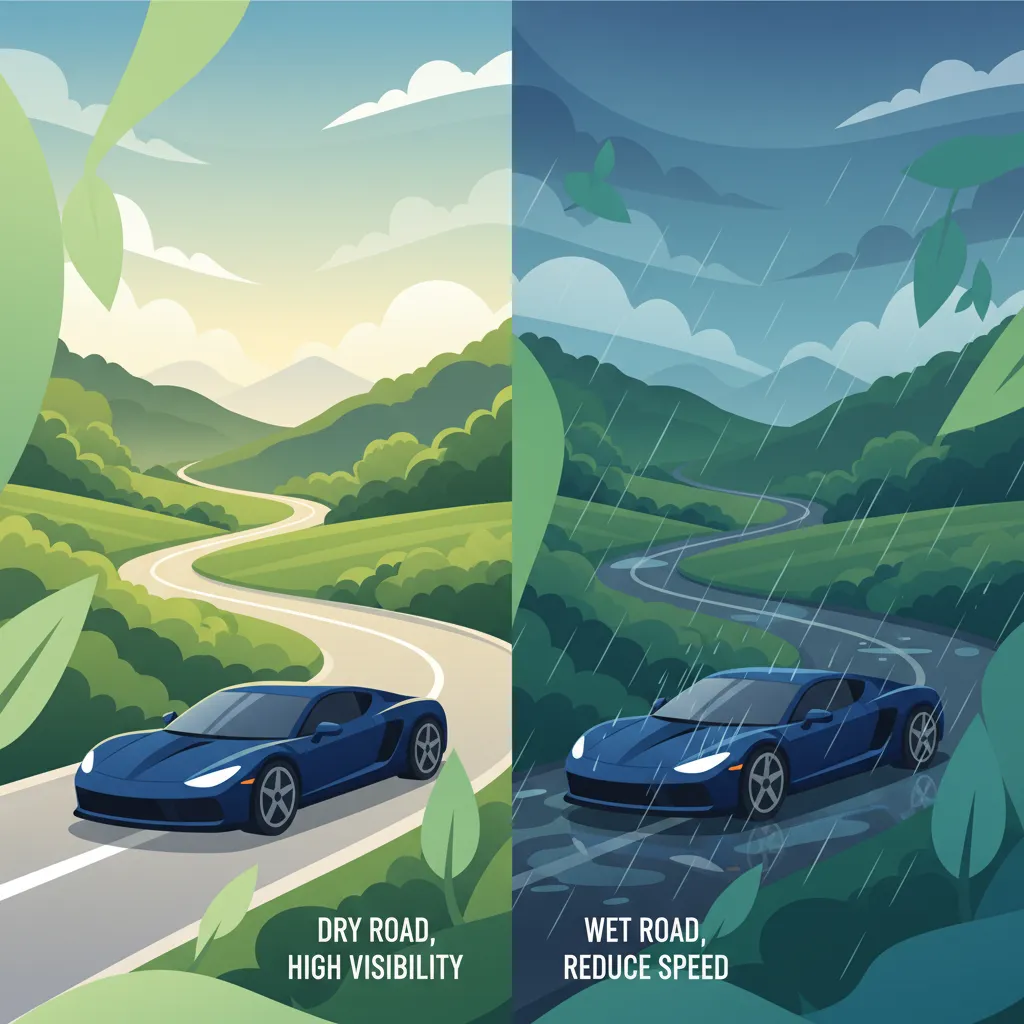
In this lesson, learners examine how environmental conditions such as rain, wind, ice, and reduced visibility necessitate adjustments in riding speed. The content provides guidelines for assessing road surfaces, judging appropriate cornering speeds, and reducing speed proactively in adverse weather. Learners will understand the impact of temperature on tyre performance and the need to increase safety margins, mastering adaptive speed management to maintain control.
This lesson outlines strategies for planning escape routes and adopting protective positioning to avoid potential collisions. Learners will study the concept of a defensive riding line that maximizes visibility and provides an optimal safety corridor. The content emphasizes maintaining adequate distance buffers, choosing lanes that reduce exposure to hazards, and preparing for emergency maneuvers such as swift swerves, allowing riders to react quickly in critical situations.
This lesson introduces the core operations of the throttle, clutch, and gearbox, explaining how throttle input modulates engine power and how clutch engagement allows seamless gear changes. Learners will study the gear ratio system, the sequential shifting pattern, and the importance of locating the neutral position correctly. The content also covers techniques for smooth acceleration, proper timing for upshifts and downshifts, and the concept of rev matching to maintain vehicle stability during transitions.
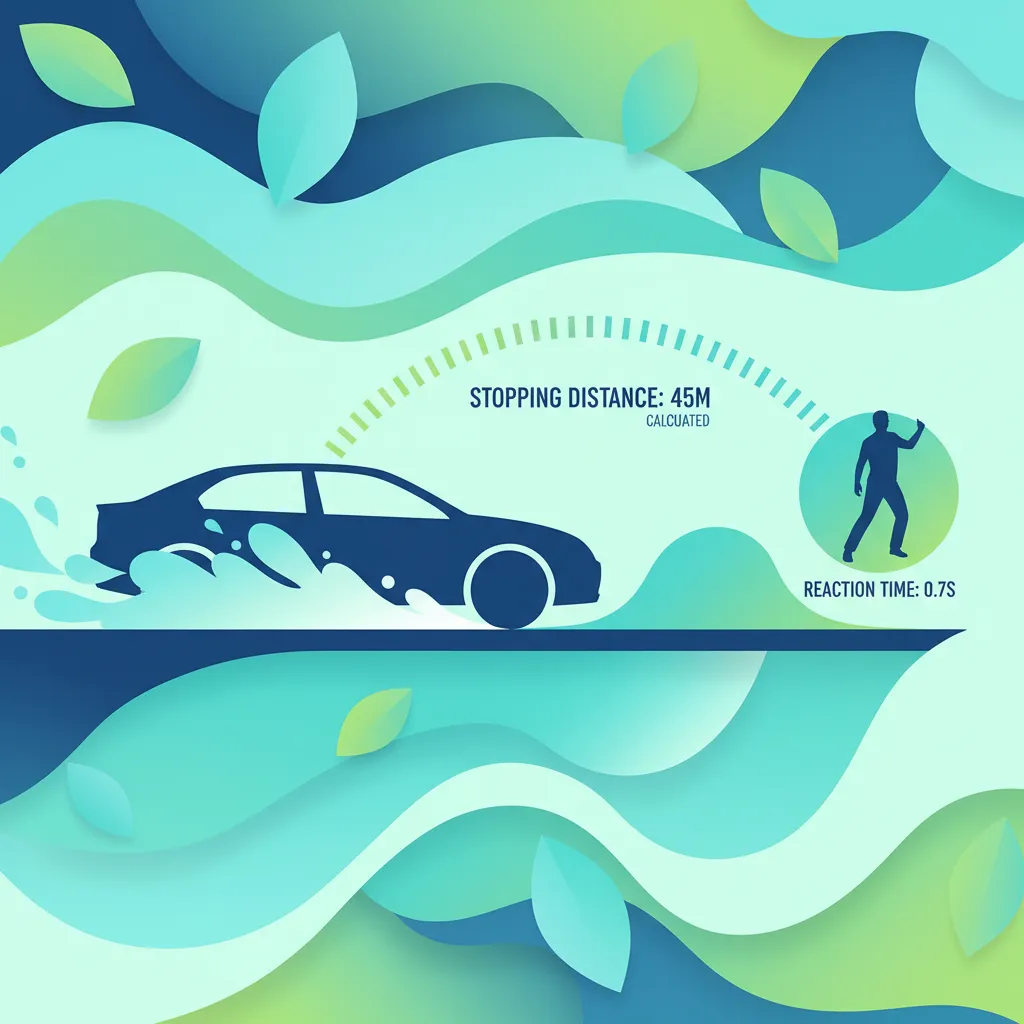
In this lesson, learners study the physics behind stopping distances, breaking it down into perception-reaction time and braking distance components. The content explains how speed, vehicle mass, and road surface friction influence the total stopping distance. Learners will practice calculating stopping distances under different conditions and understand the importance of maintaining a safety margin by improving hazard perception and rider response.

In this lesson, learners examine defensive overtaking practices, focusing on when and how to safely pass other road users. The content covers speed differential calculations, appropriate passing distances, and the importance of maintaining clear visibility during overtaking. Learners will also study the impact of road curvature, traffic flow, and lane selection on overtaking safety, allowing them to minimize risks associated with passing maneuvers.
In this lesson, learners explore the complexities of winter riding, including snow-covered roads, ice patches, and the impact of low temperatures on both the rider and the motorcycle. The content addresses the use of ABS and traction control on slippery surfaces and the need for appropriate tyre pressure. Learners will also learn about appropriate clothing layers, frostbite prevention, and how to adjust riding technique for safe cornering and braking on ice.
This lesson examines how cross-winds affect motorcycle stability and control, providing strategies for compensating wind gusts through rider body positioning and throttle management. Learners will understand the aerodynamic effects of wind on the bike, how to position within the lane to minimize drift, and techniques for maintaining balance during sudden gusts. The content also covers the influence of wind on braking distances and the importance of adjusting speed.
Learn how to select the right gear for different conditions like hill climbing, cruising, and descending. Optimize your motorcycle's power delivery for efficiency and safety.
This lesson introduces the core operations of the throttle, clutch, and gearbox, explaining how throttle input modulates engine power and how clutch engagement allows seamless gear changes. Learners will study the gear ratio system, the sequential shifting pattern, and the importance of locating the neutral position correctly. The content also covers techniques for smooth acceleration, proper timing for upshifts and downshifts, and the concept of rev matching to maintain vehicle stability during transitions.
This lesson details the operation of a vehicle's pedals and transmission. It explains the distinct functions of the accelerator, brake, and clutch, and contrasts the operation of manual and automatic gearboxes. Proper gear selection for different driving situations is covered to optimize fuel efficiency and vehicle performance.
Find clear answers to common questions learners have about Engine Braking and Power Management. Learn how the lesson is structured, which driving theory objectives it supports, and how it fits into the overall learning path of units and curriculum progression in Poland. These explanations help you understand key concepts, lesson flow, and exam focused study goals.
Engine braking is the process of using the engine's internal resistance to slow down the motorcycle. By downshifting and releasing the clutch, the engine's compression and drivetrain drag create a braking effect. This is crucial for maintaining control, especially on long descents, and reduces wear on your mechanical brakes.
Engine braking is ideal for managing speed on downhill sections, maintaining control without overheating your brakes. It's also useful for slowing down gradually in traffic or when approaching a hazard, allowing for smoother deceleration and better anticipation of other road users' actions. It complements, rather than replaces, your primary braking system.
To perform a safe downshift, first apply the brakes lightly if needed. Then, briefly blip the throttle to match engine speed, press the clutch lever in, select a lower gear, and smoothly release the clutch lever. Practice this coordination to avoid jerky movements that can upset the motorcycle's balance.
For steep hills, select a gear that allows the engine to operate within its optimal power band without straining. Typically, this means a lower gear than you might use on level ground, ensuring sufficient torque to maintain speed and momentum. Avoid lugging the engine at very low RPMs.
When you engine brake by downshifting, modern fuel-injected motorcycles often cut off fuel supply to the engine. This means you use zero fuel while decelerating, making it more fuel-efficient than maintaining speed or braking excessively, especially on longer descents.
Yes, aggressive downshifting with excessive engine braking, especially on slippery surfaces or without proper throttle coordination, can cause the rear wheel to lock up or skip. This is why smooth gear changes and understanding your motorcycle's behaviour are vital. Practicing in a safe environment is recommended.
Build custom practice sessions tailored precisely to your needs. Focus on areas requiring improvement, review specific Polish road signs, or master complex traffic rules to ensure full preparation for your official driving license exam.