
This lesson delves into the fundamental controls that propel your vehicle: the pedals, gears, and transmission types. You'll learn the distinct functions of the accelerator, brake, and clutch, and understand the differences between manual and automatic gearboxes. Mastering these controls is crucial for safe and efficient driving, directly preparing you for key questions in the Polish Category B theory exam regarding vehicle operation.
Lesson content overview
Mastering your vehicle's pedals, gear selector, and understanding different transmission types is fundamental to becoming a safe, competent, and fuel-efficient driver, especially when preparing for the Polish Category B driving theory test. This comprehensive lesson will guide you through the functions of each control, explain how various transmission systems work, and provide essential insights into proper gear selection for diverse driving conditions.
The primary interface between you and your vehicle's movement consists of three foot-operated pedals in manual cars, or two in automatics. Each pedal serves a distinct purpose, and their coordinated use is crucial for smooth acceleration, deceleration, and gear changes.
The accelerator pedal (often called the "gas pedal") is the rightmost pedal on the floor. When pressed, it controls the throttle valve, regulating the amount of air and fuel entering the engine. This directly impacts the engine's power output and, consequently, the vehicle's speed.
Proper accelerator control is not just about speed; it's also about maintaining a safe following distance and reacting smoothly to traffic conditions. Abrupt acceleration can be dangerous and wasteful.
The brake pedal is the central foot pedal. Pressing it activates the vehicle's service braking system, which typically uses hydraulic pressure to clamp brake pads against rotating discs (disc brakes) or push brake shoes against drums (drum brakes), creating friction to slow or stop the vehicle.
It's a common misconception that "pumping the brakes" is always the best way to stop. Modern vehicles equipped with Anti-lock Braking Systems (ABS) require a firm, continuous press on the brake pedal during emergency stops for the system to function correctly and prevent wheel lock-up.
The clutch pedal is the leftmost pedal, present only in vehicles with manual transmissions. Its function is to temporarily disconnect the engine from the gearbox, allowing you to change gears without damaging the transmission.
Polish Traffic Law (Art. 58 §1): When changing gears in a manual transmission vehicle, the clutch pedal must be fully depressed. Failure to do so can lead to gear grinding and severe transmission damage.
"Clutch riding," which means keeping your foot resting on the clutch pedal or partially depressing it while driving, causes premature wear and is a common bad habit to avoid.
The transmission system, or gearbox, is a critical component that transmits power from the engine to the wheels. It allows the driver (or the vehicle itself) to select different gear ratios, optimizing engine performance for various speeds and loads.
A manual transmission requires the driver to manually select each gear ratio using the clutch pedal and a gear lever (also known as a shift stick). This system offers the driver complete control over gear selection, which can be advantageous for specific driving situations like steep inclines, towing, or maximizing fuel efficiency for experienced drivers.
An automatic transmission system selects gears without direct driver input for gear changes. The driver typically selects "Drive" (D), "Reverse" (R), "Neutral" (N), or "Park" (P), and the vehicle manages the gear changes based on factors like vehicle speed, engine load, and throttle position.
Semi-automatic transmissions (often referring to DCTs or automated manual transmissions) offer a hybrid experience. They automate the clutch operation but allow the driver to manually select gears using a gear lever (pushing forward/backward for up/down) or paddle shifters mounted on the steering wheel. Many modern automatics also include a manual mode, allowing the driver to override the automatic selection.
Effective gear selection is paramount for vehicle performance, safety, and fuel efficiency. It involves understanding the relationship between gear ratios, engine RPM (Revolutions Per Minute), and the demands of the driving situation.
Each gear in a transmission has a specific gear ratio, which is the ratio of how many times the engine crankshaft rotates for a single rotation of the drive wheels.
Your vehicle's tachometer displays the engine's RPM. It's crucial to keep the engine within its optimal RPM range (typically between 1500–3000 RPM for most passenger cars) to achieve a balance of power, efficiency, and longevity. Exceeding the "redline" (maximum safe RPM) can cause severe engine damage.
Choosing the correct gear for fuel efficiency, a key aspect of eco-driving, means selecting the highest possible gear without causing the engine to "lug" (struggle at very low RPM) or over-rev.
Engine braking is the use of the engine's natural resistance to slow the vehicle. It's achieved by releasing the accelerator while a gear is engaged. This is especially useful for:
How to use engine braking effectively: Before a descent, down-shift to a lower gear (e.g., 2nd or 3rd, depending on the steepness). The engine will rev higher, but its resistance will help maintain a safe, controlled speed without constant reliance on the foot brake.
Polish road safety guidelines strongly recommend using engine braking on steep descents (R2 – Mountain roads, grades > 6%). Relying solely on service brakes in such conditions can lead to brake failure.
Neutral (N) disengages the engine from the drivetrain. The wheels are free to turn, but no power is transmitted.
Polish Traffic Law (Art. 102): Driving a vehicle in neutral while it is in motion is forbidden. This can lead to a loss of control, especially when needing to accelerate or apply engine braking suddenly.
Park (P) is a position found only in automatic transmissions. It mechanically locks the transmission, preventing the drive wheels from rotating.
Starting a manual car smoothly requires precise coordination between the clutch, accelerator, and brake.
Ensure the gear lever is in neutral and the parking brake is engaged.
Start the engine.
Depress the clutch pedal fully with your left foot and select first gear with the gear lever.
With your right foot, gently press the accelerator to raise the engine RPM slightly above idle.
Slowly release the clutch pedal until you feel the vehicle begin to pull slightly (the "friction point"). Hold it there.
Continue to release the clutch smoothly while simultaneously applying a little more accelerator.
Once moving, completely release the clutch pedal and move your left foot off the pedal.
When parking on a hill, proper gear selection and handbrake use are critical to prevent the vehicle from rolling away.
Polish Traffic Law (Art. 96): The parking brake must be engaged when a vehicle is stationary on an incline.
Adherence to specific regulations and general safety guidelines related to vehicle controls is mandatory for all drivers in Poland.
The driver must ensure the vehicle is always under control and operates in a manner that does not endanger other road users or cause damage to the vehicle. This includes proper use of the clutch and gear system.
Even experienced drivers can fall into bad habits. Being aware of common violations and edge cases can significantly improve your driving safety and vehicle longevity.
Driving conditions are rarely static, and your approach to pedals and gears must adapt accordingly.
Like engine oil, transmission fluid is vital for the health of your gearbox. It lubricates moving parts, cools the system, and helps transmit power. Regular checks and changes according to your vehicle manufacturer's schedule are essential to prevent wear, overheating, and costly repairs. Ignoring transmission fluid maintenance can significantly shorten the lifespan of your gearbox.
Understanding and skillfully operating the pedals and gear system is fundamental to safe, confident, and efficient driving, crucial for success in your Polish Category B driving theory and practical exams. It’s about more than just moving the car; it’s about control, anticipation, safety, and respect for your vehicle and the road. By applying the principles of proper pedal coordination, intelligent gear selection, and adherence to traffic regulations, you will develop the necessary skills to navigate Polish roads responsibly.
This lesson covers the fundamental vehicle controls essential for Polish Category B theory and practical driving. The three pedals in manual cars (or two in automatics) each have specific functions: the accelerator regulates engine power, the brake provides controlled deceleration through friction, and the clutch enables gear changes by disconnecting the engine from the gearbox. Manual transmissions give drivers full control over gear selection, while automatics manage shifts automatically based on speed and load. Proper gear selection keeps the engine within its optimal RPM range (typically 1500–3000 RPM) for best performance and fuel economy. Engine braking is a critical technique for descents that reduces brake wear and prevents dangerous brake fade. Polish traffic law contains specific requirements regarding clutch use, prohibition of neutral while driving, and mandatory parking brake engagement on inclines.
A short set of high-value points that capture the most important learning from this lesson.
The accelerator, brake, and clutch each serve distinct functions: the accelerator controls engine power, the brake provides deceleration through friction, and the clutch disconnects the engine from the gearbox for gear changes.
Manual transmissions require driver-controlled gear selection using the clutch pedal and gear lever, while automatic transmissions manage gear changes without direct driver input.
Optimal gear selection balances engine RPM within the 1500–3000 range to maximize fuel efficiency and vehicle longevity.
Engine braking uses the engine's natural resistance to slow the vehicle, which is essential on long descents to prevent brake overheating and fade.
Polish Traffic Law prohibits driving in neutral while moving (Art. 102) and mandates full clutch depression when changing gears (Art. 58 §1).
Explore all units and lessons included in this driving theory course.
In manual vehicles, the clutch must be fully depressed when changing gears; partial engagement causes premature wear.
When parking on any incline, engage the parking brake AND select first gear (uphill) or reverse gear (downhill) in manuals, or 'P' in automatics.
Engine braking should be used on steep descents (grades over 6%) by down-shifting to a lower gear to prevent brake fade.
Keep engine RPM within the optimal range (1500–3000 RPM) and avoid lugging (engine straining at very low RPM in high gears).
The parking brake is for parking only; using it to slow a moving vehicle can lock rear wheels and cause skidding.
Clutch riding—keeping the foot resting on the clutch pedal while driving—which causes premature clutch wear and reduces fuel efficiency.
Relying entirely on service brakes on steep descents instead of using engine braking through lower gear selection, risking brake fade.
Attempting to shift into reverse while the vehicle is still moving forward, which can cause severe transmission damage.
Parking an automatic vehicle using only 'Park' mode without engaging the parking brake, allowing the vehicle to roll if the parking lock fails.
Down-shifting to a lower gear at inappropriately high speeds without matching engine RPM, causing violent over-revving.
Lesson content overview
A short set of high-value points that capture the most important learning from this lesson.
The accelerator, brake, and clutch each serve distinct functions: the accelerator controls engine power, the brake provides deceleration through friction, and the clutch disconnects the engine from the gearbox for gear changes.
Manual transmissions require driver-controlled gear selection using the clutch pedal and gear lever, while automatic transmissions manage gear changes without direct driver input.
Optimal gear selection balances engine RPM within the 1500–3000 range to maximize fuel efficiency and vehicle longevity.
Engine braking uses the engine's natural resistance to slow the vehicle, which is essential on long descents to prevent brake overheating and fade.
Polish Traffic Law prohibits driving in neutral while moving (Art. 102) and mandates full clutch depression when changing gears (Art. 58 §1).
Explore all units and lessons included in this driving theory course.
In manual vehicles, the clutch must be fully depressed when changing gears; partial engagement causes premature wear.
When parking on any incline, engage the parking brake AND select first gear (uphill) or reverse gear (downhill) in manuals, or 'P' in automatics.
Engine braking should be used on steep descents (grades over 6%) by down-shifting to a lower gear to prevent brake fade.
Keep engine RPM within the optimal range (1500–3000 RPM) and avoid lugging (engine straining at very low RPM in high gears).
The parking brake is for parking only; using it to slow a moving vehicle can lock rear wheels and cause skidding.
Clutch riding—keeping the foot resting on the clutch pedal while driving—which causes premature clutch wear and reduces fuel efficiency.
Relying entirely on service brakes on steep descents instead of using engine braking through lower gear selection, risking brake fade.
Attempting to shift into reverse while the vehicle is still moving forward, which can cause severe transmission damage.
Parking an automatic vehicle using only 'Park' mode without engaging the parking brake, allowing the vehicle to roll if the parking lock fails.
Down-shifting to a lower gear at inappropriately high speeds without matching engine RPM, causing violent over-revving.
Explore search topics learners often look for when studying Pedals, Gears, and Transmission Types. These topics reflect common questions about road rules, driving situations, safety guidance, and lesson level theory preparation for learners in Poland.
Browse additional driving theory lessons that cover connected traffic rules, road signs, and common driving situations related to this topic. Improve your understanding of how different rules interact across everyday traffic scenarios.
Understand the function of accelerator, brake, and clutch pedals. Learn the differences between manual and automatic transmissions, and how to select gears properly for optimal performance and fuel efficiency according to Polish driving theory.
This lesson introduces the core operations of the throttle, clutch, and gearbox, explaining how throttle input modulates engine power and how clutch engagement allows seamless gear changes. Learners will study the gear ratio system, the sequential shifting pattern, and the importance of locating the neutral position correctly. The content also covers techniques for smooth acceleration, proper timing for upshifts and downshifts, and the concept of rev matching to maintain vehicle stability during transitions.

This lesson provides an in-depth look at the transmission and drivetrain systems in heavy trucks. It explains the differences between manual and automated manual transmissions and details the function of components like the clutch, drive shafts, and differential. Learners will study effective gear shifting strategies that account for load and terrain, ensuring efficient power delivery, improved fuel economy, and reduced mechanical wear on the entire drivetrain system.
This lesson covers the fundamental procedures for vehicle operation, from starting the engine to securing the vehicle after a journey. It explains the correct use of the ignition system, handbrake, and techniques for smooth starts, including on an incline. The content also addresses fuel-efficient idling and proper engine shutdown protocols to protect the vehicle and the environment.
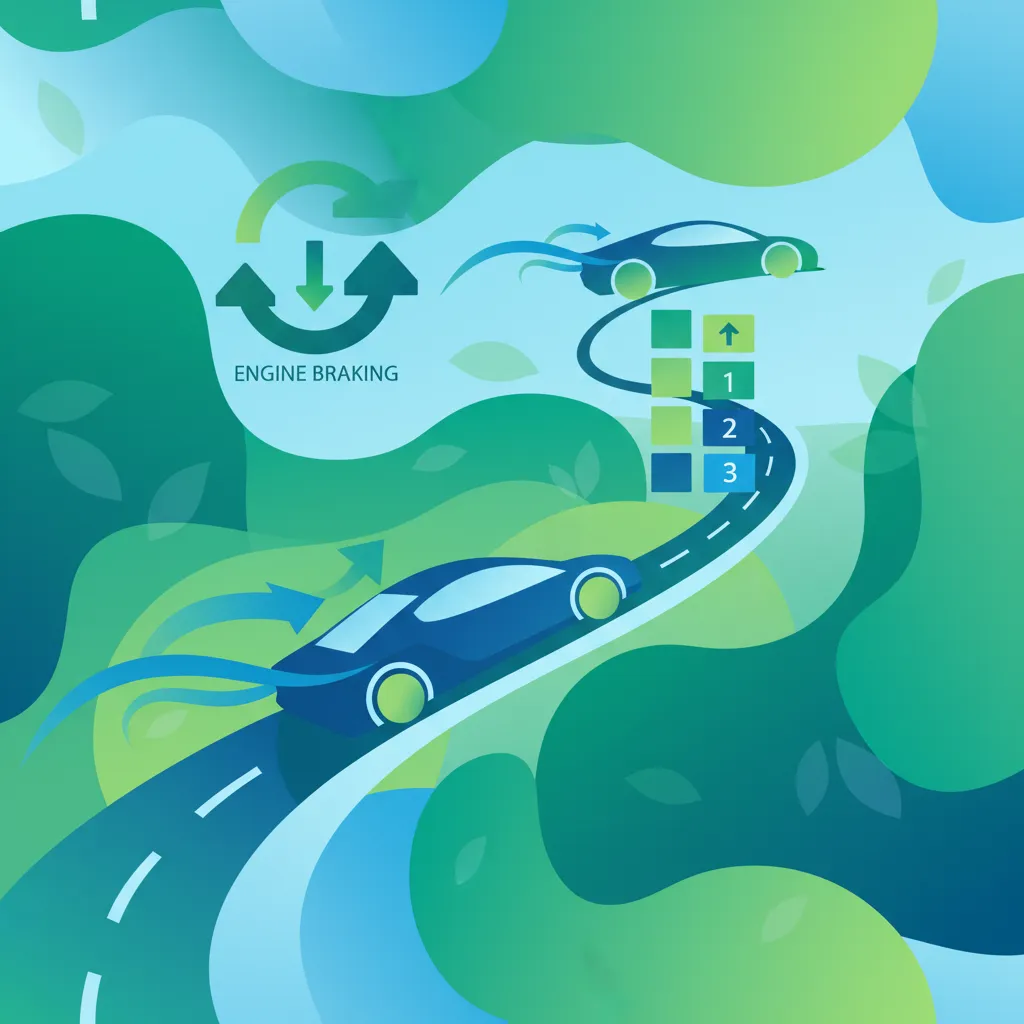
This lesson focuses on optimizing powertrain performance through skilled driving techniques. It teaches learners how to select the correct gears and shift points by understanding the engine's torque curve, which is crucial for both efficient acceleration and fuel economy. Additionally, the content details the proper application of engine braking and retarders to control speed on descents, preserving the service brakes and maintaining vehicle control without excessive fuel use.
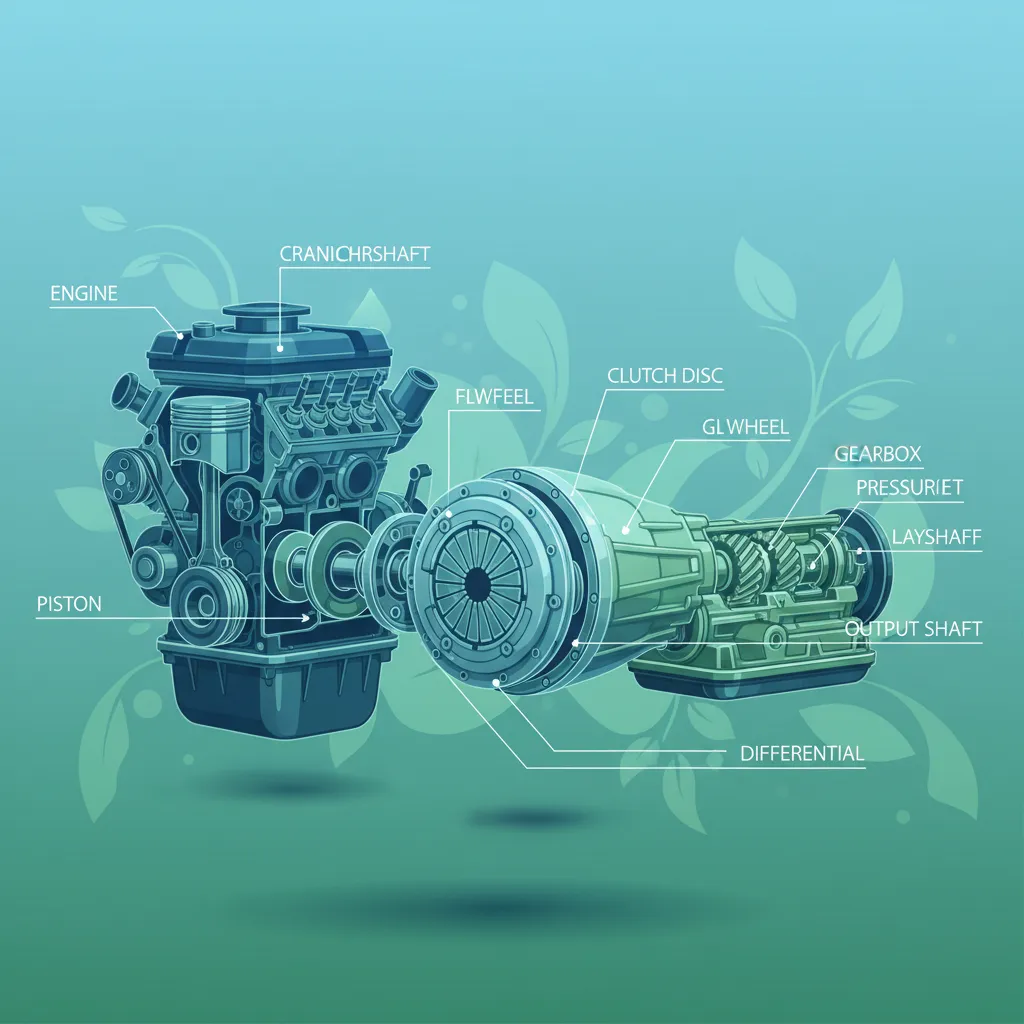
This lesson introduces the core powertrain components of a tractor, detailing how the engine generates torque and how the gearbox translates this power into usable speed ranges. It explains the role of the clutch in managing power transfer, including proper engagement techniques for smooth acceleration. The lesson also covers the impact of gear selection on fuel efficiency and vehicle control on various terrains.
This lesson covers the fundamental procedures for starting and stopping a tractor, with emphasis on selecting the appropriate gear and clutch engagement for smooth motion. It explains how to manage traction on soft fields, loose gravel, and wet paved roads, and how to calculate safe stopping distances. The content also discusses hill starts and the prevention of wheel slip during acceleration and deceleration.
In this lesson, learners explore riding on rural and countryside roads, where road markings may be sparse and surface conditions varied. The content covers safe overtaking in single-lane sections, interaction with agricultural vehicles and animals, and the handling of gravel or uneven surfaces. Learners will also study the importance of anticipating curves and adjusting speed to light conditions, equipping them with the skills needed for safe countryside travel.
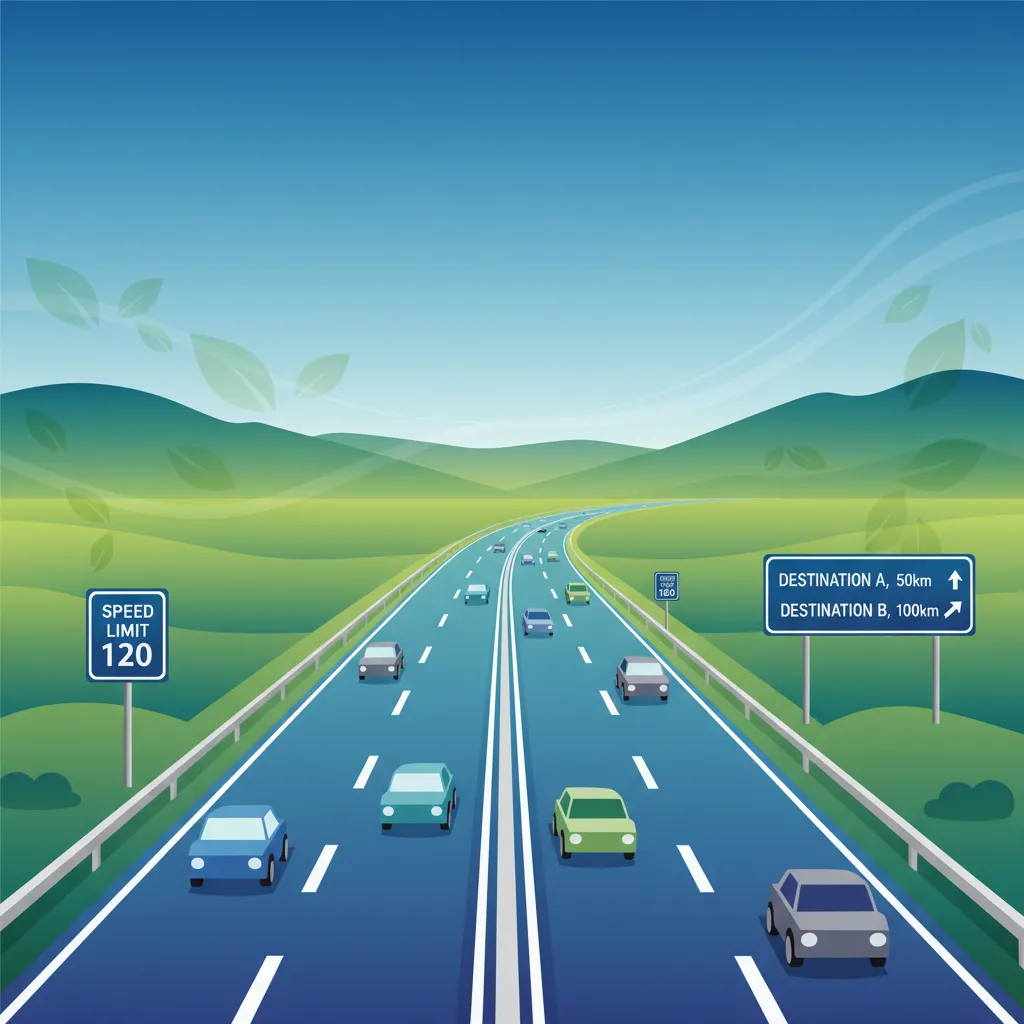
This lesson details the rules and best practices for driving on Poland's fastest roads. It covers the higher speed limits, the strict lane discipline of keeping right except to overtake, and prohibitions on stopping. The aim is to ensure drivers can handle the demands of sustained high-speed travel safely and efficiently.
This lesson provides an overview of powertrain technologies in modern buses, including diesel, hybrid, and electric systems. It covers the function of engines and transmissions and their impact on acceleration and fuel economy. Emphasis is placed on understanding emissions standards like Euro 6 and the principles of efficient power management.
This lesson enumerates the mandatory safety equipment every vehicle must carry in Poland, such as a warning triangle and a fire extinguisher. It explains their proper use and storage, alongside routine pre-journey inspections that a driver should perform. These checks include verifying lights, tire pressure, and fluid levels to ensure the vehicle is roadworthy and compliant with safety regulations.
Learn how to select gears for optimal fuel efficiency and smooth driving. Explore the importance of engine braking on descents and understand eco-driving strategies relevant to the Polish driving theory curriculum.
This lesson introduces the concept of eco-driving, a style that promotes fuel efficiency and reduces environmental impact. It teaches techniques such as maintaining a steady speed, anticipating traffic flow to avoid unnecessary braking, and ensuring the vehicle is well-maintained. These simple habits can lead to significant savings on fuel and reduce a driver's carbon footprint.
This lesson introduces the principles of eco-driving, a set of techniques designed to minimize fuel consumption and emissions. It explains how factors like smooth acceleration, maintaining a steady speed, and anticipating traffic flow can lead to significant fuel savings. Learners will understand the benefits of reducing unnecessary idling, using cruise control effectively on appropriate terrain, and planning routes to avoid congestion, contributing to both economic and environmental sustainability.
This lesson focuses on optimizing powertrain performance through skilled driving techniques. It teaches learners how to select the correct gears and shift points by understanding the engine's torque curve, which is crucial for both efficient acceleration and fuel economy. Additionally, the content details the proper application of engine braking and retarders to control speed on descents, preserving the service brakes and maintaining vehicle control without excessive fuel use.
This final lesson consolidates the principles of eco-driving and places them in the wider context of environmental responsibility. It recaps techniques like smooth acceleration and braking, maintaining correct tire pressure, and removing unnecessary weight from the vehicle. The goal is to instill driving habits that are not only economical but also contribute to reducing pollution and conserving resources.
This lesson covers the fundamental procedures for vehicle operation, from starting the engine to securing the vehicle after a journey. It explains the correct use of the ignition system, handbrake, and techniques for smooth starts, including on an incline. The content also addresses fuel-efficient idling and proper engine shutdown protocols to protect the vehicle and the environment.
Find clear answers to common questions learners have about Pedals, Gears, and Transmission Types. Learn how the lesson is structured, which driving theory objectives it supports, and how it fits into the overall learning path of units and curriculum progression in Poland. These explanations help you understand key concepts, lesson flow, and exam focused study goals.
New drivers often release the clutch too quickly, causing the car to stall or lurch. The key is a smooth, controlled release while simultaneously pressing the accelerator to get the vehicle moving smoothly, especially during hill starts and for Category B driving tests.
You should downshift when approaching an intersection, slowing down, or going downhill to use engine braking and maintain better control. The Polish theory exam often tests your understanding of using lower gears for increased power or control, not just acceleration, relevant for Category B.
The core traffic rules are the same regardless of transmission. However, if you pass your practical exam in an automatic car, your Category B license may be restricted to automatic vehicles. The theory test questions on vehicle operation will cover both types, so understanding both is crucial.
Proper gear selection is critical for fuel economy. Driving in too low a gear at high speeds or too high a gear at low speeds forces the engine to work inefficiently. The Polish theory teaches you to select the highest possible gear appropriate for your speed and road conditions without straining the engine, which saves fuel for Category B vehicles.
In a manual car, from left to right, they are: the clutch (disengages the engine from the wheels to change gears), the brake (slows or stops the vehicle), and the accelerator (controls engine speed and power). In an automatic car, there are only the brake and accelerator, making it simpler for Category B learners.
Build custom practice sessions tailored precisely to your needs. Focus on areas requiring improvement, review specific Polish road signs, or master complex traffic rules to ensure full preparation for your official driving license exam.