
This lesson details the mandatory daily safety inspections required for all passenger vehicles in Denmark. By following this systematic approach, you will ensure your vehicle meets strict legal roadworthiness standards and gain the professional habits necessary for your Category D theory test and career.

Lesson content overview
Operating a passenger vehicle, particularly within the context of Danish Category D Licence Theory, carries a significant responsibility. Before any journey begins, drivers are legally and professionally obligated to conduct a thorough pre-trip inspection. This daily check is not merely a formality; it is a critical safety procedure designed to ensure the vehicle is fully roadworthy and safe for passengers and other road users. Identifying and addressing potential mechanical faults before they compromise safety or cause breakdowns is paramount.
This lesson outlines the systematic approach to these mandatory inspections, focusing on key components such as brakes, lights, tires, mirrors, and emergency equipment. By adhering to these procedures, drivers can prevent accidents, ensure compliance with Danish traffic law, and maintain the highest standards of passenger transport safety.
Pre-trip checks are built upon several fundamental principles that underpin safe and responsible vehicle operation. Understanding these core tenets helps drivers appreciate the importance of each step in the inspection process.
At the heart of every pre-trip inspection is the unwavering commitment to safety. A passenger vehicle is responsible for the well-being of many individuals, and any mechanical failure can have severe consequences. Drivers must prioritize the safety of their passengers, as well as pedestrians, cyclists, and other motorists, by ensuring the vehicle is in optimal condition. This principle demands that drivers allocate sufficient time for a diligent inspection, recognizing that even minor delays are justifiable when passenger safety is at stake.
In Denmark, the performance of daily pre-trip checks for passenger vehicles is not just a recommendation but a statutory requirement. The Danish Road Traffic Act (Færdselsloven) mandates these inspections to uphold road safety standards. Compliance with these laws is non-negotiable for Category D licence holders. Failure to conduct proper checks, or operating a vehicle found to be unroadworthy, can lead to significant fines, legal penalties, and even the suspension of a driving licence. This legal obligation reinforces the importance of meticulous inspections as a routine part of professional driving.
Pre-trip inspections serve as a powerful tool for preventive maintenance. By systematically examining critical vehicle systems, drivers can identify minor issues before they escalate into major problems. For example, spotting a slightly worn brake pad during a daily check allows for timely replacement, preventing a complete brake failure later. This proactive approach not only reduces the likelihood of inconvenient and potentially dangerous breakdowns but also contributes to the longevity of vehicle components and reduces costly emergency repairs. Regular checks are an investment in the vehicle's operational reliability and efficiency.
A thorough pre-trip inspection covers several vital vehicle systems. Each component plays a crucial role in the overall safety and performance of the passenger vehicle.
The braking system is arguably the most critical safety feature of any vehicle. Its proper function is essential for controlling speed, stopping safely, and preventing collisions. During a pre-trip check, drivers must evaluate both the service brakes and the parking brake.
The service brakes, operated by the foot pedal, should feel firm and responsive. A "spongy" or soft brake pedal can indicate air in the hydraulic system or a leak, severely compromising stopping power. Drivers should also listen for any unusual noises, such as grinding or squealing, which often signal worn brake pads or discs. Visually inspect brake fluid levels and ensure there are no visible leaks around the wheels or under the vehicle.
The parking brake, also known as the handbrake, must hold the vehicle securely on an incline. Test its engagement and disengagement to confirm it is fully functional. Any issues with the brake system, no matter how minor, must be addressed immediately before the vehicle is put into service.
Effective lighting is crucial for both the driver's visibility of the road and the vehicle's visibility to other road users, especially during darkness or adverse weather. The pre-trip check requires verifying the operation and cleanliness of all lights.
Headlights: Both low beam and high beam headlights must function correctly, providing adequate illumination without blinding oncoming traffic. Ensure their alignment is proper. Brake Lights: All brake lights (including any high-mounted stop lamps) must illuminate brightly when the brake pedal is pressed, effectively warning following drivers of deceleration. Turn Signals: Check that all front, side, and rear turn signal indicators flash at a consistent rate. A rapid flash often indicates a burnt-out bulb on that side. Rear Lights: Tail lights must be visible from the rear, especially important for night driving and poor visibility conditions. Fog Lights: If equipped, ensure front and rear fog lights are operational, for use in thick fog or heavy rain.
All lenses must be clean and free of cracks or obstructions. Relying solely on automatic light systems is insufficient; manual verification is always necessary.
Never assume automatic light systems are faultless. Always manually verify all lights are working correctly before starting a journey, especially in changing light conditions or before night driving.
Tires are the vehicle's sole point of contact with the road, making their condition paramount for grip, stability, and braking performance. Three key aspects require diligent inspection: tread depth, pressure, and sidewall integrity.
Tread Depth: Danish law mandates a minimum tread depth of 1.6 mm across the central three-quarters of the tire width. Insufficient tread depth severely reduces traction, particularly on wet or icy roads, increasing the risk of aquaplaning. Drivers should use a tread depth gauge or observe wear indicators. Tire Pressure: Correct tire pressure is vital for safe handling, optimal fuel efficiency, and even tire wear. Refer to the vehicle manufacturer's specifications (usually found on a sticker inside the door frame or fuel flap) and adjust pressure based on load (number of passengers, luggage). Underinflated tires increase rolling resistance, generate excessive heat, accelerate wear, and compromise handling. Overinflated tires can reduce traction and cause uneven wear. Sidewall Condition: Inspect tire sidewalls for any signs of damage, such as cuts, bulges, cracks, or embedded foreign objects. These can indicate internal structural damage and pose a significant blow-out risk.
Mirrors and other visibility aids are essential for maintaining awareness of the vehicle's surroundings and managing blind spots. Passenger vehicles, especially larger buses, have extensive blind spots that must be actively monitored.
During the pre-trip check, ensure all mirrors—interior rearview mirror (if applicable) and exterior side mirrors—are clean, free of damage, and securely mounted. Crucially, adjust each mirror to the driver's seating position before moving the vehicle. Correct adjustment maximizes the field of view and minimizes blind spots, which is vital for safe lane changes, turning, and maneuvering. If the vehicle is equipped with cameras or other electronic visibility systems, ensure they are functional and provide a clear image.
Areas around a vehicle that cannot be seen directly by the driver using mirrors alone, requiring careful head checks or electronic aids.
Being prepared for emergencies is a non-negotiable aspect of professional passenger transport. Danish regulations require specific emergency equipment to be carried and maintained.
First Aid Kit: Verify that a comprehensive first aid kit is present, easily accessible, and fully stocked. Check for any expired items and replace them as necessary. Fire Extinguisher: Ensure the fire extinguisher is fully charged, unexpired, and securely mounted in its designated location. The pressure gauge should be in the green zone. Safety Triangle: Confirm the presence of a reflective safety triangle, which is used to warn other road users in the event of a breakdown or accident.
All emergency equipment must be in good working order and readily accessible. Failure to carry required equipment, or carrying expired/damaged items, can lead to legal penalties and compromise safety in an emergency situation.
The operation of passenger vehicles in Denmark is strictly regulated to ensure high standards of safety. Drivers holding a Danish Category D Licence must be intimately familiar with these legal obligations.
The core legal framework governing vehicle inspections is the Danish Road Traffic Act (Færdselsloven). This act explicitly mandates that all vehicles, especially those used for passenger transport, must be maintained in a roadworthy condition at all times. A fundamental component of this mandate is the requirement for daily pre-trip checks. These checks ensure that critical safety features are operational before the vehicle embarks on any journey, directly preventing accidents caused by mechanical failures. Drivers are personally responsible for conducting these checks and for not operating a vehicle deemed unsafe.
Beyond the general obligation, Færdselsloven specifies detailed requirements for individual vehicle components:
Regularly verify specific legal requirements for mandatory emergency equipment with official Danish transport authorities, as regulations may be updated periodically.
Even experienced drivers can overlook critical details or make common mistakes during pre-trip inspections. Awareness of these pitfalls, along with understanding how to adapt checks to different conditions, enhances safety.
Pre-trip checks are not static; they must be adapted to the prevailing conditions and planned journey.
The daily pre-trip inspection is an indispensable part of operating a passenger vehicle under a Danish Category D Licence. It is a comprehensive safety routine that extends beyond mere legal compliance, embodying the professional driver's duty of care towards their passengers and the wider public. By systematically checking critical components such as brakes, lights, tires, mirrors, and emergency equipment, drivers actively prevent mechanical failures, reduce the risk of accidents, and contribute to a safer road environment for everyone.
Adhering to these procedures ensures that every journey begins with the vehicle in optimal condition, enhancing both safety and operational reliability. It is a proactive measure that underpins the trust placed in professional passenger transport drivers.
Daily pre-trip inspections are a mandatory legal requirement for all Danish Category D passenger vehicle operators under Færdselsloven, serving as both a safety protocol and professional duty of care. A systematic inspection must cover the brake system (service and parking brakes), all lighting (headlights, brake lights, turn signals, fog lights), tires (tread depth minimum 1.6mm, correct pressure, sidewall condition), mirrors and visibility aids (proper adjustment to driver position), and emergency equipment (first aid kit, fire extinguisher, safety triangle). These checks must be adapted to weather conditions, load, and driving environment, with particular attention to brakes and lights in urban driving and tire condition for longer journeys.
A short set of high-value points that capture the most important learning from this lesson.
Pre-trip checks are a legal requirement under Danish Road Traffic Act (Færdselsloven) and must be conducted daily before operating a passenger vehicle.
The brake system is the most critical safety component requiring inspection of both service brakes (pedal feel, no unusual noises, fluid levels) and parking brake functionality.
All lights must be manually verified despite automatic systems being present, including headlights, brake lights, turn signals, and fog lights.
Tire inspection must verify minimum 1.6mm tread depth across central three-quarters of tire width, correct pressure per manufacturer specifications, and sidewall integrity.
Emergency equipment (first aid kit, fire extinguisher, safety triangle) must be present, accessible, unexpired, and in good working order.
Explore all units and lessons included in this driving theory course.
Danish law mandates minimum 1.6mm tread depth and low beam headlights at all times when driving.
A 'spongy' brake pedal indicates air in the hydraulic system or a leak—vehicle must not enter service.
Tire pressure must be checked with a gauge; tires can appear full while being underinflated.
All mirrors must be adjusted to the current driver's seating position before moving the vehicle.
High beams are only permitted on unlit roads with no oncoming traffic present.
Assuming automatic light systems are working correctly without manually verifying each light individually.
Skipping thorough brake checks and failing to listen for grinding or squealing sounds indicating worn components.
Neglecting to use a pressure gauge for tire inspection, relying on visual appearance alone.
Forgetting to check expiry dates and functionality of first aid kits and fire extinguishers.
Failing to adjust mirrors from the previous driver's position, creating dangerous blind spots.
Lesson content overview
A short set of high-value points that capture the most important learning from this lesson.
Pre-trip checks are a legal requirement under Danish Road Traffic Act (Færdselsloven) and must be conducted daily before operating a passenger vehicle.
The brake system is the most critical safety component requiring inspection of both service brakes (pedal feel, no unusual noises, fluid levels) and parking brake functionality.
All lights must be manually verified despite automatic systems being present, including headlights, brake lights, turn signals, and fog lights.
Tire inspection must verify minimum 1.6mm tread depth across central three-quarters of tire width, correct pressure per manufacturer specifications, and sidewall integrity.
Emergency equipment (first aid kit, fire extinguisher, safety triangle) must be present, accessible, unexpired, and in good working order.
Explore all units and lessons included in this driving theory course.
Danish law mandates minimum 1.6mm tread depth and low beam headlights at all times when driving.
A 'spongy' brake pedal indicates air in the hydraulic system or a leak—vehicle must not enter service.
Tire pressure must be checked with a gauge; tires can appear full while being underinflated.
All mirrors must be adjusted to the current driver's seating position before moving the vehicle.
High beams are only permitted on unlit roads with no oncoming traffic present.
Assuming automatic light systems are working correctly without manually verifying each light individually.
Skipping thorough brake checks and failing to listen for grinding or squealing sounds indicating worn components.
Neglecting to use a pressure gauge for tire inspection, relying on visual appearance alone.
Forgetting to check expiry dates and functionality of first aid kits and fire extinguishers.
Failing to adjust mirrors from the previous driver's position, creating dangerous blind spots.
Explore search topics learners often look for when studying Pre-Trip Checks for Passenger Vehicles. These topics reflect common questions about road rules, driving situations, safety guidance, and lesson level theory preparation for learners in Denmark.
Browse additional driving theory lessons that cover connected traffic rules, road signs, and common driving situations related to this topic. Improve your understanding of how different rules interact across everyday traffic scenarios.
Explore essential safety systems in Danish passenger vehicles, including brakes, lights, and tires. Understand the legal requirements for pre-trip inspections and ensuring roadworthiness for Category D licence holders.

Beyond basic checks, this lesson covers the inspection of critical vehicle systems like brakes, steering, and suspension to ensure they are functioning correctly. It also details the importance of properly adjusted mirrors and the use of modern camera systems for monitoring blind spots and enhancing situational awareness. Understanding these systems is vital for safe maneuvering, compliance with Danish regulations, and overall vehicle roadworthiness.
Properly functioning lighting and signaling systems are fundamental for safe communication on the road. This lesson details the purpose and correct use of all exterior lights, including headlights, brake lights, turn signals, and hazard lights, according to Danish law. It emphasizes the driver's responsibility to ensure these systems are clean and operational to maintain visibility and clearly signal maneuvers to other road users.
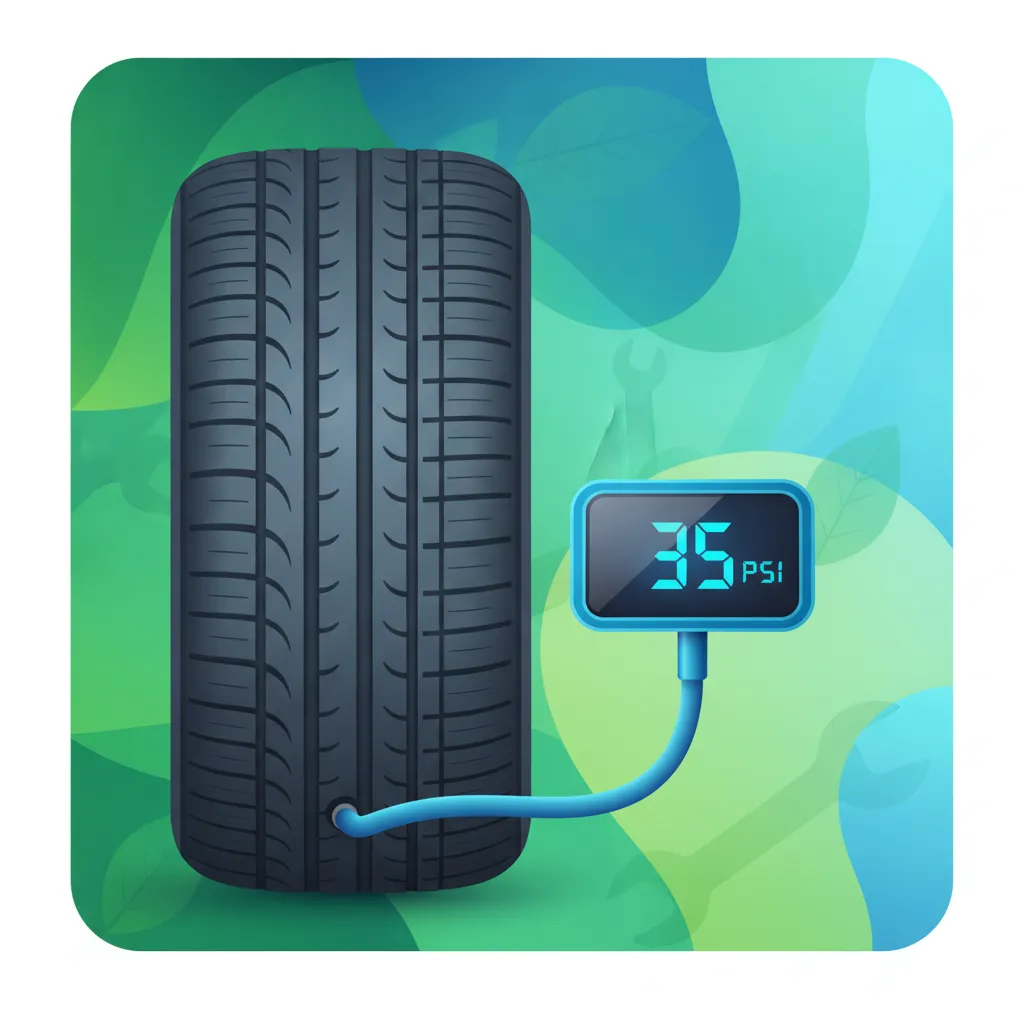
This lesson highlights the vital role tyres play in vehicle safety. It explains how to conduct regular checks on tyre pressure and tread depth, and how incorrect values can compromise grip, braking efficiency, and overall handling. You will also learn the legal minimum requirements for tyres in Denmark to ensure your vehicle is always compliant and safe.

This lesson introduces a structured pre-trip inspection checklist, a critical daily routine for any professional driver. It guides you through a thorough walk-around check, covering safety-critical components, fluid levels, tyre condition, and brake functionality. The process ensures that lighting systems, mirrors, and load securement are all verified, helping to identify and address potential problems before they can cause a breakdown or accident.

This lesson focuses on the critical task of managing the air pressure within a pneumatic brake system. It details the function of key components such as the air compressor, air tanks, and regulators, explaining how to interpret air pressure gauges correctly. Learners will understand the purpose of safety devices that provide warnings in case of pressure loss, which is vital for preventing brake failure.

This lesson focuses on the safe and correct operation of passenger vehicle doors. It covers the different types of door mechanisms and the importance of monitoring the door area to prevent injury during boarding and alighting. The content details Danish regulations regarding door safety systems and the driver's responsibility to ensure doors are fully closed and secured before moving.

This lesson details the procedures for safe door operation during passenger boarding. It explains the driver's responsibility to visually clear the doorway and surrounding area before opening or closing doors. The content covers the function of safety features like sensors and interlock systems, ensuring compliance with Danish vehicle regulations to prevent passenger injuries.

This lesson focuses on the safe transportation of both passengers and cargo. It details the legal requirements for using seat belts and the mandatory use of appropriate child restraints for younger passengers. Additionally, it explains the principles of proper load distribution and securing methods to prevent cargo from shifting, which could dangerously affect the vehicle's stability and handling.

This lesson focuses on the core safety duties of a stor knallert rider. It explains the legal requirement for wearing a helmet and the benefits of other protective gear. The content also covers essential pre-ride checks, including brakes, tyres, and lights, to ensure the vehicle is in safe operating condition.

This lesson provides a detailed breakdown of the Danish licence categories for passenger transport. It explains the differences between D1, D1E, D, and DE licences based on passenger capacity, vehicle size, and permitted combinations. The content clarifies the legal definitions and professional qualifications necessary for obtaining each licence, ensuring drivers operate within the correct regulatory framework.
Understand the legal framework and driver duties under the Danish Road Traffic Act concerning pre-trip vehicle inspections. Focus on compliance, mandatory equipment, and preventing common faults.
This lesson introduces a structured pre-trip inspection checklist, a critical daily routine for any professional driver. It guides you through a thorough walk-around check, covering safety-critical components, fluid levels, tyre condition, and brake functionality. The process ensures that lighting systems, mirrors, and load securement are all verified, helping to identify and address potential problems before they can cause a breakdown or accident.
Properly functioning lighting and signaling systems are fundamental for safe communication on the road. This lesson details the purpose and correct use of all exterior lights, including headlights, brake lights, turn signals, and hazard lights, according to Danish law. It emphasizes the driver's responsibility to ensure these systems are clean and operational to maintain visibility and clearly signal maneuvers to other road users.
Beyond basic checks, this lesson covers the inspection of critical vehicle systems like brakes, steering, and suspension to ensure they are functioning correctly. It also details the importance of properly adjusted mirrors and the use of modern camera systems for monitoring blind spots and enhancing situational awareness. Understanding these systems is vital for safe maneuvering, compliance with Danish regulations, and overall vehicle roadworthiness.

Operating a heavy goods vehicle comes with heightened professional and legal responsibilities. This lesson examines the driver's duties regarding pre-trip inspections, load security, and continuous vehicle maintenance. It emphasizes the ethical obligation to protect vulnerable road users like cyclists and pedestrians, and stresses the importance of maintaining professional conduct and adhering to all traffic regulations to ensure road safety.
This lesson highlights the rider's responsibility for ensuring their vehicle is in a safe, roadworthy condition. It provides a systematic guide to pre-ride checks, including inspecting tyres for correct pressure and wear, testing brakes, and verifying all lights work. Regular maintenance is presented as a critical component of overall rider safety.
This lesson focuses on the core safety duties of a stor knallert rider. It explains the legal requirement for wearing a helmet and the benefits of other protective gear. The content also covers essential pre-ride checks, including brakes, tyres, and lights, to ensure the vehicle is in safe operating condition.

This lesson details the systematic pre-ride inspection process that all motorcyclists must perform. It covers critical safety checks, including verifying correct tyre pressure, assessing brake pad wear, and ensuring all lights are functional. Regular completion of these checks is essential for preventing mechanical failures and ensuring rider safety.
Find clear answers to common questions learners have about Pre-Trip Checks for Passenger Vehicles. Learn how the lesson is structured, which driving theory objectives it supports, and how it fits into the overall learning path of units and curriculum progression in Denmark. These explanations help you understand key concepts, lesson flow, and exam focused study goals.
In Denmark, the driver is legally responsible for the roadworthiness of the bus before passengers board. Failing to identify a critical defect, such as faulty brakes or lights, can lead to severe legal and safety consequences.
You must immediately report the fault to your dispatcher or maintenance department and not operate the vehicle until it has been inspected and cleared by a qualified technician.
Yes, all visibility aids, including mirrors and any installed camera systems, must be checked for cleanliness, proper positioning, and clear operation to ensure full coverage of blind spots.
The theory exam often presents scenarios where you must identify which components are mandatory to check or what actions to take if a specific warning light appears during your inspection.
Use our powerful search tool to pinpoint specific Danish driving theory topics, road signs, or traffic situations you need to review. Start exploring relevant practice sets now to reinforce your knowledge and build confidence for your upcoming driving licence exam.