
This lesson explores the essential professional identity of a bus driver and its vital link to maintaining public trust. As you progress through this unit, you will learn how your conduct, ethical adherence, and reliability contribute to the high standards expected of passenger transport operators in Denmark.
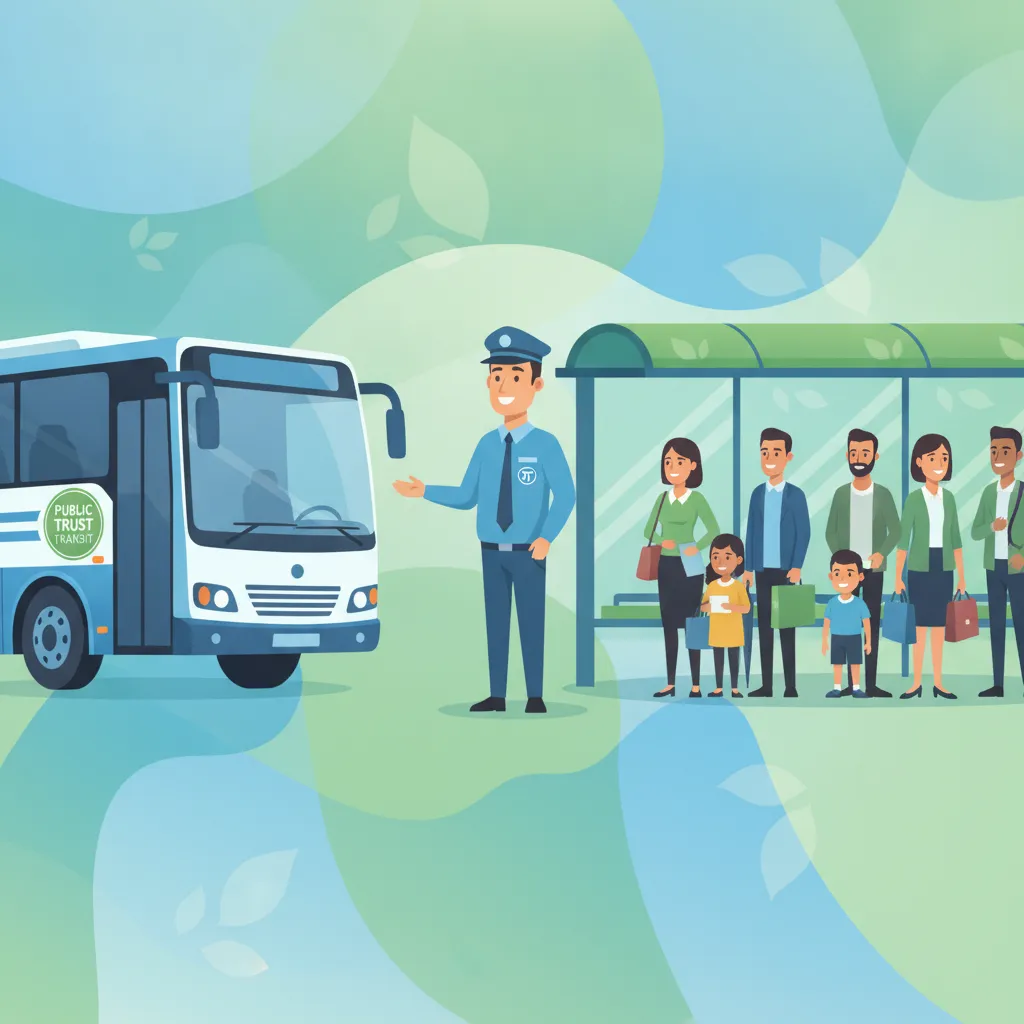
Lesson content overview
Driving a bus in Denmark is more than just operating a vehicle; it is a vital public service that carries significant responsibility. As a professional bus driver, your actions directly shape the perception of public transport and the confidence passengers place in the system. This lesson explores the fundamental concept of professional identity for bus drivers and its profound connection to building and maintaining public trust within the Danish transport sector. Understanding this relationship is crucial for any aspiring Category D licence holder.
A bus driver's professional identity is their self-conception and societal role as a custodian of public safety and a provider of essential service. It encompasses a specific set of ethical standards, a commitment to reliability, and a focus on high-quality service. This identity is not merely about job performance; it is about how drivers perceive their role and how that perception translates into their daily behavior, communication, and decision-making on the road and with passengers.
This collective self-image is built upon several core pillars: an ethical identity that values fairness and respect, a service-oriented identity focused on passenger welfare, and a safety-driven identity that prioritizes accident prevention. When drivers internalize these aspects, it reflects in their professional conduct, enhancing the overall passenger experience and the reputation of public transport in Denmark. Neglecting these responsibilities and viewing the role solely as a task, rather than a public service, can undermine this essential professional identity.
Public trust is the confidence that passengers and the general public have in bus drivers to provide safe, reliable, and ethical transport services. This trust is not automatically granted; it is earned through consistent, positive interactions and adherence to high operational standards. It is a critical factor determining passenger willingness to use public transport and directly impacts ridership levels and the overall effectiveness of the transport system in Denmark.
When passengers trust bus drivers, they feel safer, more comfortable, and more likely to choose public transport over other options. This trust is a dynamic concept, constantly being reinforced or eroded by every journey. Consistent demonstration of professionalism, strict adherence to traffic regulations, and an unwavering commitment to passenger welfare are the foundations upon which public trust is built. Professional identity and public trust are mutually reinforcing; a strong professional identity directly contributes to greater trust, and increased trust further encourages professional behavior.
Every interaction a bus driver has, from how they drive to how they communicate, contributes to the public's perception of the entire public transport sector. A driver who is consistently courteous, skilled, and attentive not only provides a pleasant journey but also projects an image of competence and care. Conversely, inconsistent behavior or a disregard for passenger comfort can quickly erode confidence. The public's perception is shaped by these everyday experiences, influencing decisions about future travel and contributing to the overall reputation of Danish public transport.
Remember that your uniform, clean vehicle, and courteous demeanor are all visual cues that immediately convey professionalism and help build initial trust with passengers.
Adhering to strict ethical standards is a cornerstone of a professional bus driver's identity and fundamental to fostering public trust. These principles govern honesty, integrity, and fairness in all aspects of bus driving. For example, a professional driver avoids any form of discriminatory behavior and ensures equitable service for all passengers, regardless of their background, appearance, or ability.
The duty of care is a fundamental legal and ethical obligation for all bus drivers to ensure the safety of their passengers and other road users. This principle mandates that drivers must take all reasonable precautions to prevent harm or injury. In Denmark, this is outlined in the Road Traffic Act (Færdselsloven). It means drivers must be attentive, comply with all traffic laws, and proactively implement safety measures, such as monitoring blind spots and maintaining appropriate following distances. Neglecting this duty can lead to severe consequences, including accidents, injuries, and a profound loss of public trust.
Professional conduct goes beyond mere compliance with rules; it involves adhering to a high standard of behavior that promotes safe, efficient, and pleasant travel experiences. This includes punctuality, courtesy towards all passengers, and respectful communication. Drivers' decisions, communication styles, and approaches to conflict resolution are all influenced by their commitment to professional conduct. For instance, addressing passenger concerns with empathy and clarity, even during stressful situations, reinforces a professional image.
Professional drivers must also maintain confidentiality regarding passenger information they might incidentally encounter and avoid any actions that could be perceived as discriminatory. Ignoring the accessibility needs of disabled passengers, for example, is a direct violation of ethical standards and legal obligations.
Service reliability is the consistent adherence to schedules, routes, and established service standards. It is a critical factor in building predictability and confidence in the public transport system. When passengers can depend on buses to arrive and depart on time, they can plan their journeys confidently, which significantly enhances their satisfaction and loyalty.
However, service reliability must always be balanced with safety. While adherence to timetables is important, a professional driver must never compromise passenger safety to make up for lost time. This means adjusting driving speed and style according to road conditions, weather, and traffic, even if it causes a slight delay.
Unexpected delays, whether due to traffic, weather, or unforeseen incidents, are an inevitable part of public transport. A professional driver's response to such situations is paramount for maintaining public trust. Promptly and clearly communicating delays, apologizing for inconvenience, and explaining the situation, where appropriate, can significantly mitigate passenger frustration. This transparency reinforces reliability, even when schedules cannot be met precisely. Conversely, a lack of communication or a dismissive attitude can quickly erode passenger confidence.
In adverse weather conditions like heavy rain or snow, adjust your driving speed and increase following distances. Prioritizing safety over strict adherence to the timetable during such times is a hallmark of professional reliability and responsibility.
A key aspect of service quality and ethical standards is ensuring accessibility for all passengers, especially those with reduced mobility. In Denmark, as in other EU countries, specific regulations mandate that bus drivers provide reasonable assistance to passengers using wheelchairs or those who require additional support to board, alight, or secure themselves within the vehicle. This includes properly deploying ramps or lifts and ensuring that designated spaces are clear and usable.
Neglecting accessibility needs, such as failing to assist a wheelchair user or parking too far from the curb for easy boarding, is not only a violation of anti-discrimination laws but also a significant breach of public trust. A professional driver views this assistance as an integral part of their duty of care and service-oriented identity.
Professional bus drivers in Denmark operate under a strict legal framework designed to ensure safety and public welfare. The Færdselsloven (Road Traffic Act) and related regulations, along with EU directives, establish clear obligations.
Færdselsloven requires drivers to protect passengers and other road users at all times. This underpins every decision a driver makes.Professional drivers often face challenging situations that test their identity and commitment to public trust. Understanding these common pitfalls and adopting best practices can help maintain high standards.
One common temptation is to prioritize adherence to a tight timetable over safety, such as accelerating aggressively in dense traffic. This increases the risk of accidents and demonstrates a disregard for the duty of care. A professional driver will always choose safety, even if it means a slight delay. Communicating the reason for the delay calmly is preferable to risking passenger injury or public trust.
Bus drivers can encounter challenging passenger interactions, from complaints about vehicle conditions to instances of disruptive behavior. An unprofessional or dismissive attitude, such as ignoring complaints about temperature, can quickly escalate situations and erode trust. Effective conflict resolution skills, including remaining calm, listening actively, and communicating respectfully, are essential for maintaining a positive atmosphere and preserving public confidence. Drivers must also learn to manage their personal stress to consistently maintain a professional demeanor.
Inconsistent or absent communication regarding delays, route changes, or other issues can lead to passenger frustration and a loss of trust. Professional drivers make an effort to keep passengers informed, using the vehicle's public address system or direct communication where appropriate. This transparency is key to managing expectations and showing respect for passengers' time.
The demands on a bus driver can vary significantly depending on the operating environment.
The cumulative effect of professional identity and public trust is profound for the entire public transport sector in Denmark. A high level of trust encourages greater ridership, supports investments in infrastructure, and enhances the overall perception of public transport as a reliable, safe, and sustainable mode of travel. Conversely, a decline in trust can lead to reduced ridership, financial strain, and a diminished role for public transport in urban and rural mobility.
Every bus driver, therefore, plays a crucial role not just in their immediate service, but in contributing to the long-term viability and success of public transport as a whole. Embracing a strong professional identity is an investment in this future.
This lesson covers the professional identity required for Category D bus drivers in Denmark, emphasizing that driving is a vital public service with significant responsibilities. Key themes include the mutual relationship between professional conduct and public trust, the legal duty of care under Færdselsloven, and the need for ethical behavior in all passenger interactions. The lesson highlights practical requirements such as ensuring accessibility for all passengers, balancing service reliability with safety, and maintaining effective communication during delays or conflicts. Understanding these concepts prepares learners for exam questions on driver conduct while building a foundation for real-world professional practice in Danish public transport.
A short set of high-value points that capture the most important learning from this lesson.
A bus driver's professional identity is built on ethical standards, reliability, and service quality—not just job performance.
Public trust is earned through consistent, positive interactions and strict adherence to traffic regulations and passenger welfare.
The duty of care is a legal and ethical obligation under Færdselsloven requiring drivers to take all reasonable precautions to prevent harm.
Safety must always be prioritized over schedule adherence; a professional driver accepts delays rather than compromise passenger safety.
Accessibility is a legal requirement—drivers must provide reasonable assistance to passengers with reduced mobility, including deploying ramps and maintaining designated spaces.
Explore all units and lessons included in this driving theory course.
Professional identity has three core pillars: ethical identity (fairness/respect), service-oriented identity (passenger welfare), and safety-driven identity (accident prevention).
Under Danish law, drivers must ensure emergency exits are functional and unobstructed as part of pre-departure checks.
Anti-discrimination laws prohibit unfair treatment based on disability, ethnicity, gender, or other characteristics.
In adverse weather conditions, increase following distances and adjust speed—prioritizing safety over strict timetable adherence is professional conduct.
Conflict resolution skills are essential: remain calm, listen actively, and communicate respectfully to preserve public confidence.
Prioritizing a tight timetable over safety by accelerating aggressively or taking unnecessary risks in traffic.
Failing to communicate delays promptly, which leads to passenger frustration and erodes trust.
Neglecting accessibility obligations, such as failing to assist wheelchair users or parking too far from the curb.
Displaying dismissive or unprofessional behavior when addressing passenger complaints or concerns.
Viewing bus driving as merely a task rather than a public service, which undermines professional identity and ethical conduct.
Lesson content overview
A short set of high-value points that capture the most important learning from this lesson.
A bus driver's professional identity is built on ethical standards, reliability, and service quality—not just job performance.
Public trust is earned through consistent, positive interactions and strict adherence to traffic regulations and passenger welfare.
The duty of care is a legal and ethical obligation under Færdselsloven requiring drivers to take all reasonable precautions to prevent harm.
Safety must always be prioritized over schedule adherence; a professional driver accepts delays rather than compromise passenger safety.
Accessibility is a legal requirement—drivers must provide reasonable assistance to passengers with reduced mobility, including deploying ramps and maintaining designated spaces.
Explore all units and lessons included in this driving theory course.
Professional identity has three core pillars: ethical identity (fairness/respect), service-oriented identity (passenger welfare), and safety-driven identity (accident prevention).
Under Danish law, drivers must ensure emergency exits are functional and unobstructed as part of pre-departure checks.
Anti-discrimination laws prohibit unfair treatment based on disability, ethnicity, gender, or other characteristics.
In adverse weather conditions, increase following distances and adjust speed—prioritizing safety over strict timetable adherence is professional conduct.
Conflict resolution skills are essential: remain calm, listen actively, and communicate respectfully to preserve public confidence.
Prioritizing a tight timetable over safety by accelerating aggressively or taking unnecessary risks in traffic.
Failing to communicate delays promptly, which leads to passenger frustration and erodes trust.
Neglecting accessibility obligations, such as failing to assist wheelchair users or parking too far from the curb.
Displaying dismissive or unprofessional behavior when addressing passenger complaints or concerns.
Viewing bus driving as merely a task rather than a public service, which undermines professional identity and ethical conduct.
Explore search topics learners often look for when studying Professional Identity and Public Trust in Bus Driving. These topics reflect common questions about road rules, driving situations, safety guidance, and lesson level theory preparation for learners in Denmark.
Browse additional driving theory lessons that cover connected traffic rules, road signs, and common driving situations related to this topic. Improve your understanding of how different rules interact across everyday traffic scenarios.
Understand the core professional identity for Danish Category D bus drivers. Learn how ethical standards, reliable service, and consistent conduct build essential public trust in public transport operations.
This lesson focuses on the principle of duty of care, a core responsibility for professional drivers. It examines the ethical and legal obligations to ensure passenger safety from boarding to alighting. The content explores how professional conduct builds a strong safety culture and reinforces public trust in the transport service, as mandated by Danish law.

Operating a heavy goods vehicle comes with heightened professional and legal responsibilities. This lesson examines the driver's duties regarding pre-trip inspections, load security, and continuous vehicle maintenance. It emphasizes the ethical obligation to protect vulnerable road users like cyclists and pedestrians, and stresses the importance of maintaining professional conduct and adhering to all traffic regulations to ensure road safety.

This lesson contrasts the driving techniques required for rural roads and motorways. It covers managing speed on narrow, winding lanes with potential hazards like farm machinery or animals. The content also explains the principles of safe motorway driving, including maintaining lane discipline, managing high-speed stability, and executing safe overtaking maneuvers.

This lesson emphasizes the professional driver's heightened responsibility to protect vulnerable road users. It revisits Danish regulations concerning cyclist priority, particularly during right turns, and details the correct procedures for maintaining safe overtaking distances. The content focuses on developing advanced situational awareness, using mirrors and cameras effectively, and anticipating the behavior of pedestrians and cyclists in urban environments.

This lesson provides a detailed breakdown of the Danish licence categories for passenger transport. It explains the differences between D1, D1E, D, and DE licences based on passenger capacity, vehicle size, and permitted combinations. The content clarifies the legal definitions and professional qualifications necessary for obtaining each licence, ensuring drivers operate within the correct regulatory framework.

This lesson introduces cooperative driving as a fundamental element of road safety in Denmark. It highlights the social responsibility of drivers to act predictably, anticipate the actions of others, and maintain courteous interactions with all road users. By fostering mutual respect and cooperation, you will learn how to reduce the potential for conflict and enhance overall traffic safety.

This lesson details the legal consequences for professional drivers who commit traffic infractions. It explains the Danish system of fines and penalty points for various offenses, from speeding to load security violations, and outlines the conditions that can lead to license suspension. The content underscores the professional and legal obligation to uphold traffic law at all times to maintain a clean driving record.

This lesson introduces the essential principles of defensive driving, shifting the focus from reacting to hazards to proactively anticipating them. You will learn techniques for systematic scanning of the driving environment, maintaining a safety cushion around your vehicle, and identifying potential risks before they develop. These proactive strategies are fundamental to becoming a safer, more confident driver.

This lesson focuses on the rules and best practices for operating heavy vehicles on motorways and interchanges. It details Danish regulations regarding lane usage and speed limits for lorries, and explains safe techniques for merging into and exiting high-speed traffic. Maintaining a safe and appropriate following distance to allow for longer stopping distances is a key focus of the content.
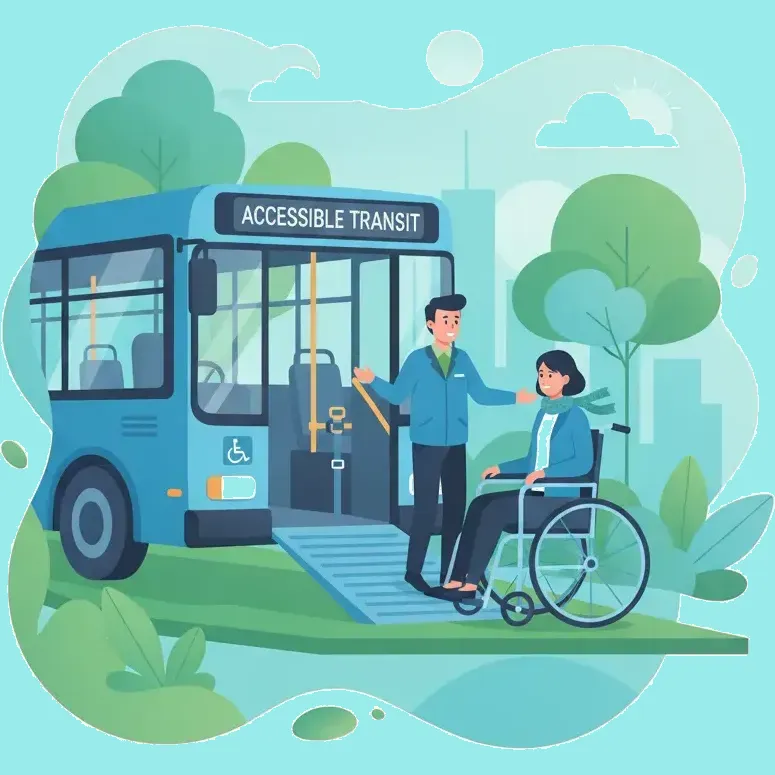
This lesson covers the driver's responsibilities in providing accessible transport for passengers with reduced mobility. It details the correct operation of wheelchair ramps and lifts, as well as the procedures for safely securing wheelchairs inside the vehicle. The content also emphasizes respectful communication and awareness of passenger needs, in line with Danish accessibility laws and standards.
Explore the key ethical standards and legal responsibilities for bus drivers in Denmark. This lesson covers duty of care, professional conduct, and service reliability essential for passenger safety and trust.
This lesson focuses on the principle of duty of care, a core responsibility for professional drivers. It examines the ethical and legal obligations to ensure passenger safety from boarding to alighting. The content explores how professional conduct builds a strong safety culture and reinforces public trust in the transport service, as mandated by Danish law.
Operating a heavy goods vehicle comes with heightened professional and legal responsibilities. This lesson examines the driver's duties regarding pre-trip inspections, load security, and continuous vehicle maintenance. It emphasizes the ethical obligation to protect vulnerable road users like cyclists and pedestrians, and stresses the importance of maintaining professional conduct and adhering to all traffic regulations to ensure road safety.

This lesson provides an overview of essential first aid principles relevant to a transport environment. It covers how to assess a casualty, perform basic life support, and manage common injuries until professional help arrives. The content also details the correct procedure for contacting emergency services, providing clear and accurate information, and completing required incident reports.

This lesson details the specific rules related to bus lanes and bus stops. It clarifies when other vehicles may use bus lanes, the legal requirement to yield to buses pulling away from a stop, and the importance of being cautious around embarking or disembarking passengers. Adherence to these rules is vital for the efficient and safe operation of public transportation.
This lesson covers the driver's responsibilities in providing accessible transport for passengers with reduced mobility. It details the correct operation of wheelchair ramps and lifts, as well as the procedures for safely securing wheelchairs inside the vehicle. The content also emphasizes respectful communication and awareness of passenger needs, in line with Danish accessibility laws and standards.
This lesson encourages riders to consider their impact on the community and environment. It covers the principles of ethical riding, such as respecting pedestrians and other drivers, minimizing noise, and contributing to a positive road safety culture. The goal is to develop a sense of social responsibility that complements technical riding skills.
This lesson details the procedures for safe door operation during passenger boarding. It explains the driver's responsibility to visually clear the doorway and surrounding area before opening or closing doors. The content covers the function of safety features like sensors and interlock systems, ensuring compliance with Danish vehicle regulations to prevent passenger injuries.

This lesson explains the importance of clear and professional communication with passengers. It covers techniques for making timely announcements about stops, delays, and route changes to manage passenger expectations effectively. The content also provides guidance on handling difficult passenger interactions and applying de-escalation strategies to resolve conflicts calmly and maintain a safe environment.
Find clear answers to common questions learners have about Professional Identity and Public Trust in Bus Driving. Learn how the lesson is structured, which driving theory objectives it supports, and how it fits into the overall learning path of units and curriculum progression in Denmark. These explanations help you understand key concepts, lesson flow, and exam focused study goals.
Public transport is a service based on safety and trust. The theory test includes these topics because a driver's professional attitude directly impacts passenger safety and their perception of the transport system.
A professional image involves consistency, reliability, and clear communication. When passengers trust the driver's professionalism, they are more likely to follow safety instructions and remain calm during transit.
Failing to meet these standards can lead to passenger conflict, loss of public trust, and potential disciplinary actions. In the context of your exam, understanding these outcomes helps you make the correct safety-first decisions in scenarios.
Use our powerful search tool to pinpoint specific Danish driving theory topics, road signs, or traffic situations you need to review. Start exploring relevant practice sets now to reinforce your knowledge and build confidence for your upcoming driving licence exam.