
This lesson guides you through the critical procedures for operating passenger vehicle doors safely in accordance with Danish traffic standards. You will learn the importance of monitoring boarding and alighting to prevent accidents and fulfill your professional duty of care. This knowledge is essential for both your theory exam and your future role as a bus driver.

Lesson content overview
Operating a passenger vehicle, such as a bus or coach, places a significant responsibility on the driver to ensure the safety and comfort of all passengers. A critical aspect of this duty, particularly in Denmark, involves the correct and vigilant management of vehicle doors. This lesson provides an in-depth understanding of door mechanisms, legal requirements, and best practices for safe door operation during boarding, transit, and alighting. Mastering these principles is essential not only for passenger well-being but also for compliance with Danish traffic regulations for Category D licence holders.
Passenger vehicles, especially buses and coaches, are equipped with various door mechanisms designed for efficiency, safety, and passenger flow. As a professional driver, understanding these systems is fundamental to their correct and safe operation.
Modern passenger transport vehicles employ a range of door types, each with specific operational characteristics. Knowing the differences helps drivers respond appropriately and ensure safety.
Regardless of the type, every door on a passenger vehicle relies on a secure latching mechanism to keep it closed during transit. A door latch is a mechanical or electronic device that locks the door panel to the vehicle body, preventing accidental opening.
Many passenger vehicles are also equipped with advanced safety interlocks. These systems prevent the vehicle from moving if any door is detected as open or improperly latched. They may also prevent doors from being opened while the vehicle is in motion. While these systems provide an additional layer of safety, they do not absolve the driver of their primary responsibility for visual and physical checks.
The driver's role extends far beyond simply pressing a button or pulling a lever to operate doors. It encompasses active vigilance, proactive monitoring, and effective communication to safeguard passengers and other road users. This is a core aspect of the passenger duty of care that all Category D licence holders in Denmark must uphold.
The periods of boarding (passengers entering) and alighting (passengers exiting) are high-risk times for door-related incidents. Drivers must adopt a proactive monitoring strategy to prevent injuries. This means continuously observing the entire door area, both inside and outside the vehicle, before, during, and after door operation.
During Boarding: As passengers enter, observe their movements, luggage, and any children or individuals with reduced mobility. Ensure they are fully inside the vehicle and clear of the door path before closing.
During Alighting: Before opening doors, scan the external area for pedestrians, cyclists, or other hazards. As passengers exit, ensure they have safely cleared the immediate vicinity of the vehicle before preparing to move.
Even with the aid of mirrors, passenger vehicles have significant blind spots—areas around the vehicle that are not visible through mirrors or direct line of sight. These areas are particularly critical around door zones, where passengers or external obstacles might be obscured.
Drivers must develop a habit of conducting thorough visual checks, which include:
Before operating any door, always perform a comprehensive check of the surrounding area using mirrors and direct observation. This proactive step can prevent injuries to passengers and others.
Effective communication, both verbal and non-verbal, plays a vital role in enhancing door safety.
Danish traffic law places specific, mandatory requirements on Category D licence holders regarding door operation and passenger safety. Adhering to these regulations is not just a best practice; it is a legal obligation designed to prevent accidents and ensure public safety.
The overarching legal requirement in Denmark is explicit: the driver must ensure that all passenger doors are fully closed and securely latched before the vehicle starts moving. This rule is non-negotiable and applies to all passenger vehicles, particularly buses and coaches, after any boarding or alighting procedure.
Failure to comply with this regulation can lead to severe consequences, including fines, licence points, and, most importantly, serious injury or fatality if a door opens while the vehicle is in motion.
Never assume an automatic door is securely latched based solely on its closure. Always verify closure and latch engagement through dashboard indicators and, where possible, visual or auditory confirmation.
The principle of passenger duty of care is central to professional driving in Denmark. This legal and ethical obligation requires drivers to take all reasonable steps to ensure the safety, comfort, and well-being of their passengers. In the context of door operations, this means:
Violations of door safety regulations can lead to significant penalties under Danish law. These may include:
Even experienced drivers can face challenges related to door operation. Being aware of these issues and implementing best practices can significantly enhance safety.
One of the most dangerous scenarios is a door opening unexpectedly while the vehicle is in motion. This can be caused by:
Best Practices:
Environmental and contextual factors can complicate door operations, requiring heightened caution from the driver.
Drivers can inadvertently make errors during door operation. Awareness of these common mistakes can help prevent them.
Always remember that your eyes and judgment are the ultimate safety features. Technology is an aid, not a substitute for active driver vigilance.
The safe and correct operation of passenger vehicle doors is a fundamental skill for any professional driver holding a Danish Category D licence. It is a critical component of your duty of care, directly impacting passenger safety, vehicle integrity, and compliance with Danish traffic laws. By understanding the different door mechanisms, meticulously monitoring door areas and blind spots, and diligently ensuring all doors are securely latched before every departure, you actively contribute to a safe and comfortable journey for everyone on board. Continuous vigilance, combined with a thorough knowledge of procedures and regulations, forms the cornerstone of responsible passenger transport.
Safe bus door operation requires understanding three door mechanism types (manual, hydraulic/pneumatic, and automatic sliding) and their safety features. Drivers must actively monitor boarding and alighting using both mirrors and direct head checks, especially for blind spots. Danish law mandates that all doors be fully closed and securely latched before vehicle movement—automatic system indicators must always be verified visually. The driver's passenger duty of care is a legal obligation that includes preventing injuries during door operations, assisting passengers with mobility needs, and accounting for weather and environmental conditions that affect door control and passenger safety.
A short set of high-value points that capture the most important learning from this lesson.
Three main door types exist in passenger vehicles: manual, hydraulic/pneumatic, and automatic sliding doors, each requiring driver awareness of their operational characteristics
Safety interlocks prevent vehicle movement when doors are open, but they supplement rather than replace driver responsibility for visual verification
Drivers must perform continuous monitoring of door areas inside and outside the vehicle during boarding and alighting, using mirrors and head checks
Under Danish law, all passenger doors must be fully closed and securely latched before the vehicle moves—this is a non-negotiable legal requirement
Environmental factors like rain, wind, and low light require heightened caution as they affect door operation and passenger safety
Explore all units and lessons included in this driving theory course.
Full closure AND secure latching must be confirmed through dashboard indicators and where possible visual/auditory confirmation before moving
Head checks are mandatory for blind spots—mirrors alone are insufficient before door operation
Doors must only be operated when the vehicle is completely stationary
Safety interlocks are aids, not substitutes for active driver vigilance
Passenger duty of care is a legal and ethical obligation requiring drivers to take all reasonable steps to prevent injuries
Relying solely on automatic door systems without performing independent visual checks of door closure
Failing to conduct head checks for blind spots, particularly around rear doors or opposite-side doors
Attempting to open or close doors while the vehicle is still moving or creeping forward
Opening doors before the vehicle has come to a complete, safe stop at the designated stop area
Becoming distracted after alighting and departing without confirming all doors are securely latched
Lesson content overview
A short set of high-value points that capture the most important learning from this lesson.
Three main door types exist in passenger vehicles: manual, hydraulic/pneumatic, and automatic sliding doors, each requiring driver awareness of their operational characteristics
Safety interlocks prevent vehicle movement when doors are open, but they supplement rather than replace driver responsibility for visual verification
Drivers must perform continuous monitoring of door areas inside and outside the vehicle during boarding and alighting, using mirrors and head checks
Under Danish law, all passenger doors must be fully closed and securely latched before the vehicle moves—this is a non-negotiable legal requirement
Environmental factors like rain, wind, and low light require heightened caution as they affect door operation and passenger safety
Explore all units and lessons included in this driving theory course.
Full closure AND secure latching must be confirmed through dashboard indicators and where possible visual/auditory confirmation before moving
Head checks are mandatory for blind spots—mirrors alone are insufficient before door operation
Doors must only be operated when the vehicle is completely stationary
Safety interlocks are aids, not substitutes for active driver vigilance
Passenger duty of care is a legal and ethical obligation requiring drivers to take all reasonable steps to prevent injuries
Relying solely on automatic door systems without performing independent visual checks of door closure
Failing to conduct head checks for blind spots, particularly around rear doors or opposite-side doors
Attempting to open or close doors while the vehicle is still moving or creeping forward
Opening doors before the vehicle has come to a complete, safe stop at the designated stop area
Becoming distracted after alighting and departing without confirming all doors are securely latched
Explore search topics learners often look for when studying Door Operation and Passenger Safety. These topics reflect common questions about road rules, driving situations, safety guidance, and lesson level theory preparation for learners in Denmark.
Browse additional driving theory lessons that cover connected traffic rules, road signs, and common driving situations related to this topic. Improve your understanding of how different rules interact across everyday traffic scenarios.
Understand the critical procedures for operating passenger vehicle doors in Denmark. This lesson covers door mechanisms, passenger safety during boarding and alighting, Danish legal requirements, and driver responsibilities for Category D theory.

This lesson details the procedures for safe door operation during passenger boarding. It explains the driver's responsibility to visually clear the doorway and surrounding area before opening or closing doors. The content covers the function of safety features like sensors and interlock systems, ensuring compliance with Danish vehicle regulations to prevent passenger injuries.
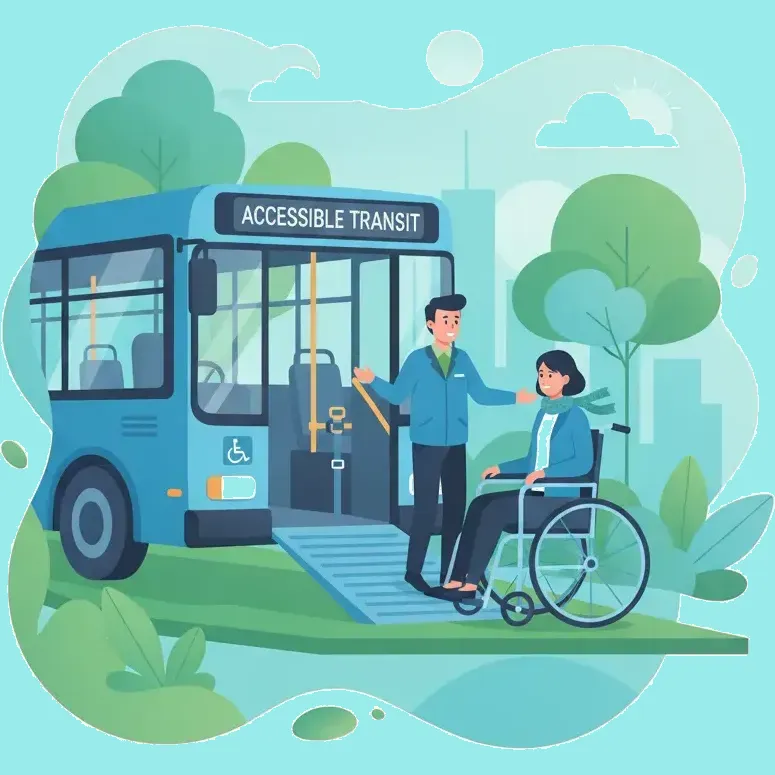
This lesson covers the driver's responsibilities in providing accessible transport for passengers with reduced mobility. It details the correct operation of wheelchair ramps and lifts, as well as the procedures for safely securing wheelchairs inside the vehicle. The content also emphasizes respectful communication and awareness of passenger needs, in line with Danish accessibility laws and standards.

This lesson covers strategies for safely managing passenger movement at bus stops. It provides guidance on directing passenger flow, encouraging the use of handrails, and providing assistance to those who need it. The content emphasizes the driver's observational role in preventing slips, trips, and falls, particularly during peak hours or in adverse weather.

This lesson provides a detailed breakdown of the Danish licence categories for passenger transport. It explains the differences between D1, D1E, D, and DE licences based on passenger capacity, vehicle size, and permitted combinations. The content clarifies the legal definitions and professional qualifications necessary for obtaining each licence, ensuring drivers operate within the correct regulatory framework.

This lesson outlines the mandatory daily pre-trip inspection for passenger vehicles as required by Danish law. It provides a systematic checklist for examining brakes, lights, tires, mirrors, and emergency equipment to confirm the vehicle's roadworthiness. Following these procedures helps drivers identify and report potential mechanical faults before they can compromise passenger or public safety.

This lesson explains the relationship between a bus's dimensions—length, width, and height—and its maneuverability. It covers key concepts such as turning radius, rear overhang, and swept path, which are critical for navigating turns and tight spaces safely. Learners will also understand how these physical characteristics create significant blind spots that require specific observation techniques to manage.

This lesson addresses the unique environment of bus terminals, focusing on safe, low-speed maneuvering around other vehicles and pedestrians. It also introduces the theory for combination vehicles (Category DE), including the principles of coupling and uncoupling trailers. The content emphasizes the different handling characteristics and increased turning radius associated with articulated buses or buses with trailers.

This lesson contrasts the driving techniques required for rural roads and motorways. It covers managing speed on narrow, winding lanes with potential hazards like farm machinery or animals. The content also explains the principles of safe motorway driving, including maintaining lane discipline, managing high-speed stability, and executing safe overtaking maneuvers.

This lesson addresses the specific challenges of school and tourist transport. It outlines heightened safety protocols for stops near schools, including monitoring child behavior and working with school patrols. The content also covers techniques for managing large groups of tourists, dealing with luggage, and providing clear information at popular destinations.
Explore common risks and challenges in passenger transport, with a focus on door safety, passenger movement, and the driver's duty of care under Danish regulations. Essential knowledge for Category D theory exam preparation.
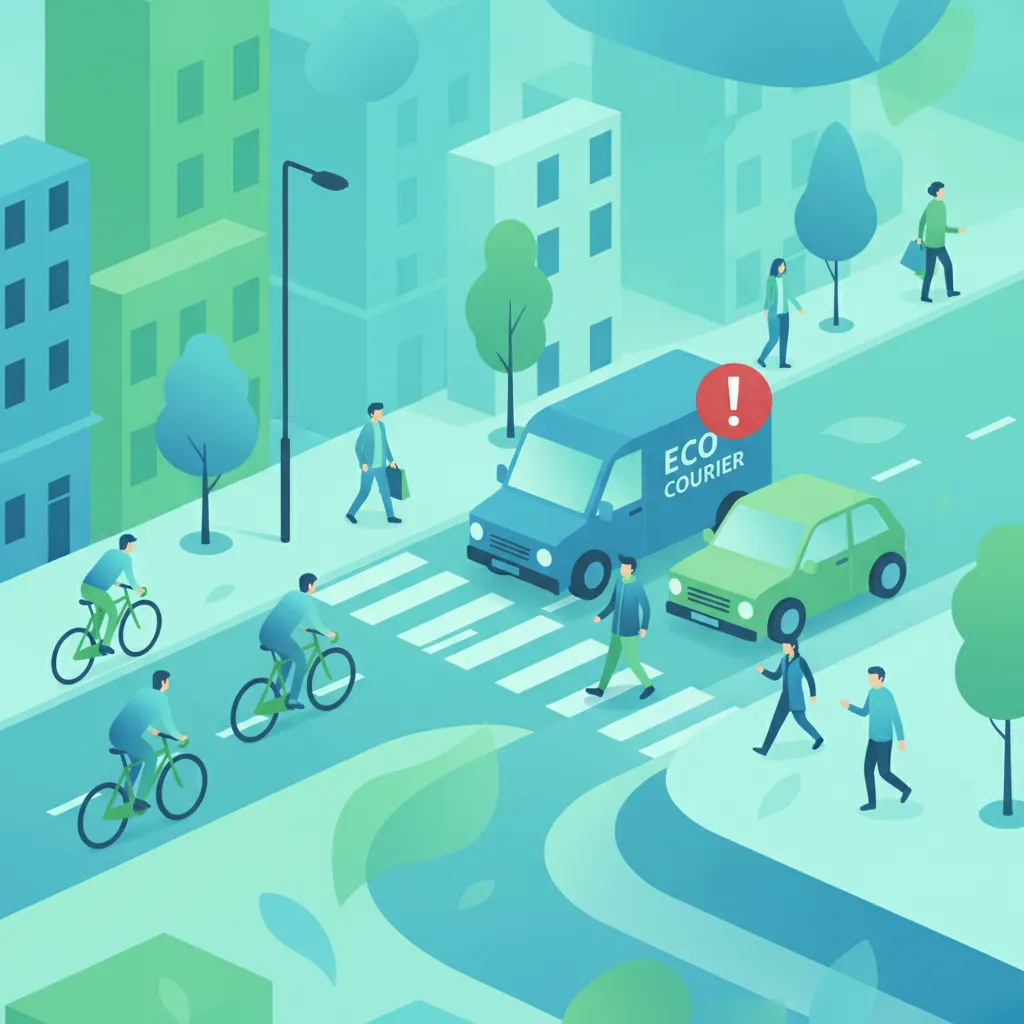
This lesson trains drivers to perform a risk assessment of bus stops along their route. It explains how to identify hazards such as poor visibility, proximity to busy intersections, or obstructed pedestrian access. The content provides proactive strategies for positioning the bus and managing passenger boarding and alighting to mitigate the identified risks effectively.
This lesson covers strategies for safely managing passenger movement at bus stops. It provides guidance on directing passenger flow, encouraging the use of handrails, and providing assistance to those who need it. The content emphasizes the driver's observational role in preventing slips, trips, and falls, particularly during peak hours or in adverse weather.
This lesson addresses the specific challenges of school and tourist transport. It outlines heightened safety protocols for stops near schools, including monitoring child behavior and working with school patrols. The content also covers techniques for managing large groups of tourists, dealing with luggage, and providing clear information at popular destinations.

This lesson focuses on the safe transportation of both passengers and cargo. It details the legal requirements for using seat belts and the mandatory use of appropriate child restraints for younger passengers. Additionally, it explains the principles of proper load distribution and securing methods to prevent cargo from shifting, which could dangerously affect the vehicle's stability and handling.
This lesson contrasts the driving techniques required for rural roads and motorways. It covers managing speed on narrow, winding lanes with potential hazards like farm machinery or animals. The content also explains the principles of safe motorway driving, including maintaining lane discipline, managing high-speed stability, and executing safe overtaking maneuvers.

This lesson addresses the unique challenges of driving in tourist-heavy urban centers alongside cyclists. It teaches drivers to anticipate the behavior of individuals who may be distracted or unfamiliar with local traffic rules. The content provides strategies for communicating intentions clearly and navigating safely around large groups, luggage, and cyclists.

This lesson covers the core principles of defensive driving in an urban context. It teaches drivers how to anticipate the actions of other road users, maintain safe following distances in dense traffic, and navigate complex intersections with multiple signals. The content emphasizes heightened awareness of pedestrians, cyclists, and unexpected events common in Danish city environments.

This lesson reinforces the driver's responsibility to protect pedestrians, particularly in busy urban areas and near schools. It details the procedures for approaching pedestrian crossings, the legal requirement to reduce speed significantly in marked school zones, and how to anticipate the unpredictable actions of pedestrians. The content covers traffic calming measures and the legal rights of pedestrians in various settings.
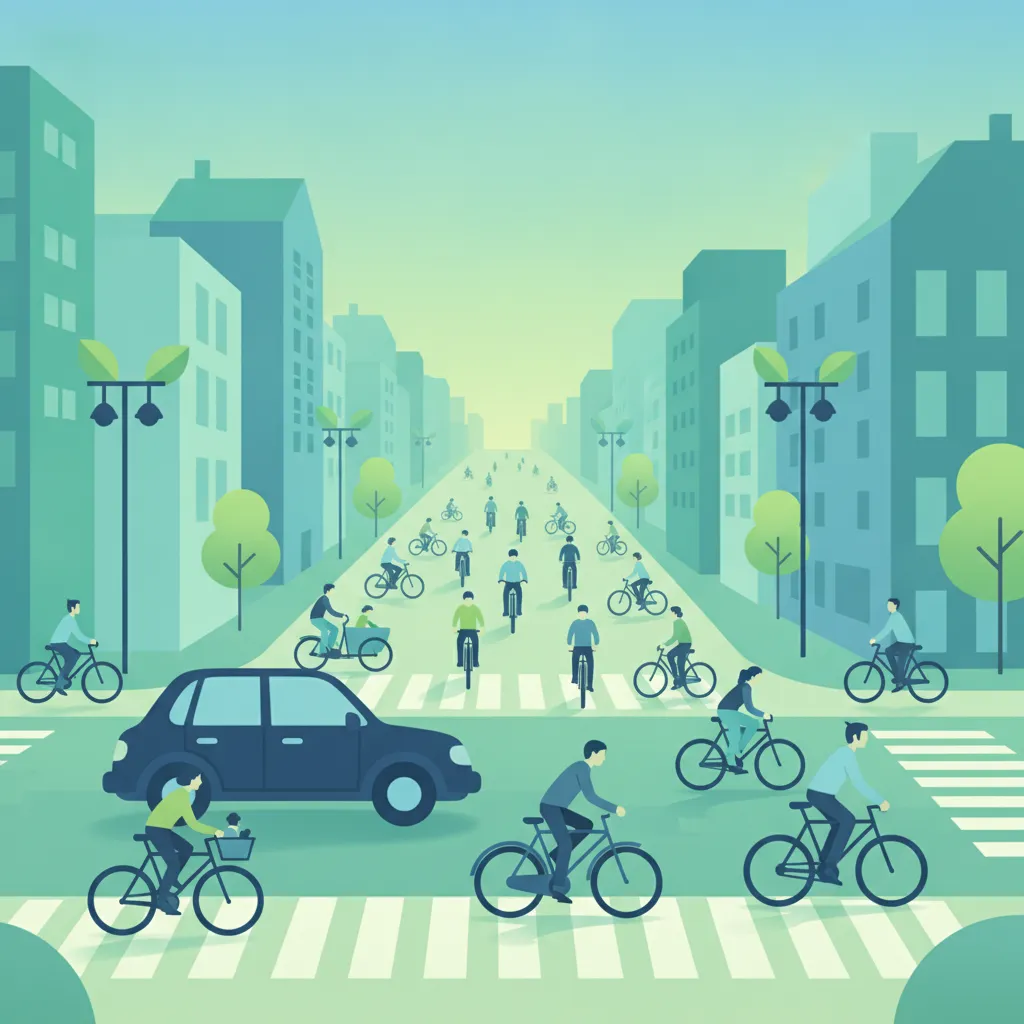
This lesson provides critical guidance for driving in environments with heavy cycle traffic, typical of Danish cities. It focuses on identifying and yielding to cyclists in dedicated bike lanes, especially when turning right across their path. The content emphasizes advanced observation skills to detect cyclists in blind spots and the importance of giving adequate space.

This lesson introduces cooperative driving as a fundamental element of road safety in Denmark. It highlights the social responsibility of drivers to act predictably, anticipate the actions of others, and maintain courteous interactions with all road users. By fostering mutual respect and cooperation, you will learn how to reduce the potential for conflict and enhance overall traffic safety.
Find clear answers to common questions learners have about Door Operation and Passenger Safety. Learn how the lesson is structured, which driving theory objectives it supports, and how it fits into the overall learning path of units and curriculum progression in Denmark. These explanations help you understand key concepts, lesson flow, and exam focused study goals.
The interlock system prevents the bus from moving while the doors are open. Failing to ensure it is functioning or bypassing it is a major safety violation and a common trap in theory exams; it is designed to protect passengers during the critical boarding phase.
The driver must remain observant of the mirrors and camera systems to ensure all passengers have fully cleared the threshold and are stable before closing the doors and pulling away, maintaining constant oversight of the passenger flow.
You must immediately stop the door cycle using the emergency release or standard controls. Safety always overrides schedule pressure, and in the theory test, you should always choose the option that prioritizes passenger physical integrity.
Yes, you must ensure the door area is adequately illuminated and that you use your mirrors and internal lighting to confirm no one is caught in the doorway, as visibility is a common factor in theoretical accident scenarios.
Use our powerful search tool to pinpoint specific Danish driving theory topics, road signs, or traffic situations you need to review. Start exploring relevant practice sets now to reinforce your knowledge and build confidence for your upcoming driving licence exam.