
This lesson focuses on the critical procedures for safe door operation when boarding and alighting passengers in Category D vehicles. You will learn to integrate technical safety systems like sensors and interlocks with your visual responsibilities as a professional driver to ensure passenger security. This knowledge is essential for both your theory exam and the practical requirements of public transport service in Denmark.

Lesson content overview
Operating the doors of a passenger vehicle is a fundamental daily task for a professional driver holding a Danish Category D Licence. However, it is a task that carries significant responsibility and potential risks if not executed with the utmost care and attention. This lesson delves into the critical procedures and safety protocols required for secure door operation during passenger boarding and alighting, ensuring compliance with Danish vehicle regulations and promoting a safe environment for all passengers.
The primary objective is to equip you with the knowledge to prevent injuries, manage passenger flow effectively, and maintain the integrity of your vehicle's safety systems. We will explore the driver's indispensable role in visually confirming a clear area, understanding advanced safety features, and adhering to strict legal requirements governing door use in public transport.
As a professional driver in Denmark, operating a passenger vehicle for public transport, your responsibility extends far beyond merely navigating the roads. A critical aspect of your passenger duty of care involves the safe operation of vehicle doors. This duty is non-negotiable and remains paramount, regardless of any automated systems or assistance features present in the vehicle.
The driver holds primary responsibility for all aspects of door safety. This includes ensuring that doors are only opened and closed under safe conditions, that safety systems are functioning correctly, and that passengers are aware of safe boarding and alighting procedures. It is an active role that requires constant vigilance and cannot be delegated to passengers or automated systems alone. This proactive approach is essential to prevent accidents, such as doors closing on passengers, or passengers falling while attempting to board or alight.
Drivers must consistently verify that the vehicle is stationary and safely positioned before initiating any door movement. This involves not only checking the immediate vicinity of the door but also considering the broader environment, including surrounding traffic and pedestrian movement. Your actions directly impact passenger safety and the smooth operation of public transport services.
Before any door operation, a series of diligent checks are mandatory to ensure the safety of passengers and other road users. These checks are fundamental to accident prevention and are legally required under Danish traffic regulations.
Visual confirmation is the cornerstone of safe door operation. While modern vehicles are equipped with mirrors and sometimes cameras, these are aids and do not replace the driver's direct visual inspection. Before opening or closing any door, you must actively turn your head and visually clear the entire doorway area, including the immediate rear and sides of the vehicle. This is particularly crucial for blind spots that might not be fully covered by mirrors.
For instance, before opening the passenger doors at a bus stop, glance over your shoulder to confirm no pedestrians, cyclists, or other vehicles are positioned in the door's path. This practice prevents the door from striking someone or something unexpectedly. This direct visual check is a mandatory requirement under Danish traffic law, underscoring its importance in safeguarding vulnerable road users.
Maintaining a clear safe zone around your vehicle is critical, especially when operating doors in dynamic environments such as busy urban streets or at crowded bus stops. This safe zone is the buffer area required to open doors fully without endangering pedestrians, cyclists, or vehicles passing close by. You must assess the surrounding area to ensure sufficient clearance before any door movement.
Consider the width of your vehicle and the arc of the opening door. In urban settings, this often means being acutely aware of cyclists using bike lanes adjacent to the bus stop, or pedestrians walking on the pavement. Doors must never be opened into the path of oncoming or passing traffic. Ensuring an adequate safe zone is a proactive measure that prevents collisions and protects individuals who may not be paying full attention to your vehicle.
Modern passenger vehicles, particularly buses, are equipped with sophisticated safety systems designed to enhance door operation safety. These technologies act as crucial safeguards, complementing the driver's vigilance.
Door sensors are vital safety features that detect objects or persons in the path of a closing door. These sensors typically use pressure plates, infrared beams, or ultrasonic technology to identify obstructions. If a sensor detects a hand, a bag, or any part of a passenger's body, the door's closing mechanism will automatically stop, and often, an audible or visual warning will be activated. In many systems, the door will then reopen slightly to release the obstruction.
It is imperative that these sensors are fully functional and properly calibrated according to the manufacturer's specifications. Drivers must never ignore sensor warnings or attempt to force doors closed against an obstruction. While highly effective, these systems are aids and do not absolve the driver of the primary responsibility for visually confirming a clear doorway. Regular checks during vehicle inspections should confirm their operational status.
The interlock system is a fundamental safety feature designed to prevent dangerous situations where doors are opened or remain open while the vehicle is in motion. This system typically has two primary functions:
These systems are mandatory under Danish vehicle regulations for public transport vehicles. Drivers must ensure that the interlock system is operational and never attempt to bypass or override it. It is a critical layer of protection that safeguards passengers during the entire journey, from departure to arrival at the next stop.
Operating a passenger vehicle in Denmark requires strict adherence to specific legal provisions governing door operation. These regulations are designed to maximize safety for passengers and other road users.
Under the Danish Road Traffic Act (Færdselsloven) and associated vehicle safety standards, specific rules are laid out for the operation of doors on vehicles used for passenger transport. These rules mandate certain behaviors and the functionality of safety equipment. The overarching principle is that door operation must always be performed in a manner that ensures safety and prevents harm.
Key legal requirements include:
Failure to comply with these regulations can lead to serious accidents, legal penalties, and a breach of the driver's professional duty of care.
For professional drivers operating vehicles under a Danish Category D Licence, the following operational requirements are mandatory:
Vehicle Stationary: The driver must always ensure the vehicle is completely stationary and safely parked at the designated stop before attempting to open any passenger doors. Opening doors while the vehicle is still moving, even slowly, is strictly prohibited and extremely dangerous.
Visual Inspection: Conduct a thorough visual inspection of the entire door area and its surroundings (sides, rear, pavement) to confirm it is clear of pedestrians, cyclists, or obstacles. Do not rely solely on mirrors.
Safe Zone Confirmation: Verify that a clear safe zone exists around the vehicle, allowing doors to open fully without impeding or colliding with any adjacent traffic or infrastructure.
System Functionality: Ensure that all door safety systems, including sensors and interlock mechanisms, are operational and that no warning lights or alarms are active.
Passenger Instruction: Where necessary, communicate with passengers to ensure they stand clear of the doorway until the doors are fully open and safe for boarding or alighting.
These rules are non-negotiable and form the core of safe and compliant door operation for public transport drivers in Denmark.
Effective management of passenger behavior during boarding and alighting is another critical aspect of door safety. While passengers have a responsibility for their own safety, the driver plays a crucial role in facilitating a safe and orderly process.
Clear and concise communication with passengers can significantly reduce the risk of incidents related to door operation. This is especially important in crowded situations or when dealing with vulnerable passengers, such as children or individuals with reduced mobility.
Drivers should be prepared to:
Effective communication helps manage expectations and ensures a smoother, safer flow of passengers, minimizing the potential for door-related incidents.
Common incidents related to door operation often stem from a lack of vigilance or misjudgment. Drivers must remain attentive throughout the boarding and alighting process to prevent these occurrences.
By actively monitoring and managing the interaction between passengers and the vehicle doors, drivers contribute significantly to overall passenger safety.
The environment in which you operate can significantly impact door safety. Drivers must adapt their procedures based on prevailing conditions and be aware of common pitfalls.
Weather Conditions:
Road Type and Environment:
Several common mistakes and challenging scenarios can compromise door safety:
Understanding these common pitfalls allows you to anticipate potential problems and act proactively to prevent accidents, reinforcing your role as a responsible and professional driver.
Safe door operation is a critical skill for any Danish Category D Licence holder. It encompasses more than just pressing a button; it involves a blend of constant vigilance, adherence to legal requirements, effective use of technology, and proactive passenger management. By consistently performing thorough visual checks, respecting safety systems like sensors and interlocks, maintaining clear safe zones, and communicating effectively with passengers, you fulfill your duty of care and contribute to a secure and efficient public transport system in Denmark. Your commitment to these principles directly ensures the safety and well-being of every passenger you transport.
This lesson covers the mandatory safety protocols for operating bus doors during passenger boarding and alighting under Danish traffic law. Drivers must perform thorough visual checks of the doorway area, maintain a clear safe zone, and verify all safety systems are operational before opening doors. Door sensors detect obstructions and automatically stop closing, while interlock systems prevent vehicle movement with open doors and prevent door opening while moving. The driver's duty of care includes communicating with passengers, monitoring the door area throughout the process, and adapting procedures for adverse weather, urban environments, and school zones. These procedures are essential for both passing the Danish Category D theory exam and ensuring safe professional practice.
A short set of high-value points that capture the most important learning from this lesson.
The driver holds primary responsibility for door safety and must perform visual checks regardless of automated systems present on the vehicle
Door sensors automatically detect obstructions and halt door movement, but do not replace the driver's mandatory visual confirmation of the doorway area
Interlock systems prevent vehicle movement when doors are open and prevent doors from opening while the vehicle is in motion
Danish law requires a clear safe zone around the vehicle before any door operation to protect vulnerable road users
Effective passenger communication and management during boarding and alighting is essential to prevent door-related incidents
Explore all units and lessons included in this driving theory course.
Visual confirmation requires physically turning your head to check blind spots - mirrors alone are insufficient before any door operation
The vehicle must be completely stationary in a safe position before opening passenger doors
Never attempt to force doors closed against an obstruction or override sensor warnings
All door safety systems including sensors and interlocks must be confirmed operational before passenger service begins
In adverse weather, crowded urban areas, or near schools, extend your visual checks and safe zone assessment
Opening doors without a direct visual check, assuming mirrors provide sufficient coverage of blind spots
Ignoring sensor warnings or attempting to force doors closed when an obstruction is detected
Operating doors while the vehicle is still moving, even at very low speeds or rolling slightly forward
Failing to establish an adequate safe zone in tight urban spaces where cyclists or pedestrians may pass
Allowing passengers to board before doors are fully open or placing objects in the doorway area
Lesson content overview
A short set of high-value points that capture the most important learning from this lesson.
The driver holds primary responsibility for door safety and must perform visual checks regardless of automated systems present on the vehicle
Door sensors automatically detect obstructions and halt door movement, but do not replace the driver's mandatory visual confirmation of the doorway area
Interlock systems prevent vehicle movement when doors are open and prevent doors from opening while the vehicle is in motion
Danish law requires a clear safe zone around the vehicle before any door operation to protect vulnerable road users
Effective passenger communication and management during boarding and alighting is essential to prevent door-related incidents
Explore all units and lessons included in this driving theory course.
Visual confirmation requires physically turning your head to check blind spots - mirrors alone are insufficient before any door operation
The vehicle must be completely stationary in a safe position before opening passenger doors
Never attempt to force doors closed against an obstruction or override sensor warnings
All door safety systems including sensors and interlocks must be confirmed operational before passenger service begins
In adverse weather, crowded urban areas, or near schools, extend your visual checks and safe zone assessment
Opening doors without a direct visual check, assuming mirrors provide sufficient coverage of blind spots
Ignoring sensor warnings or attempting to force doors closed when an obstruction is detected
Operating doors while the vehicle is still moving, even at very low speeds or rolling slightly forward
Failing to establish an adequate safe zone in tight urban spaces where cyclists or pedestrians may pass
Allowing passengers to board before doors are fully open or placing objects in the doorway area
Explore search topics learners often look for when studying Door Operation and Passenger Boarding Safety. These topics reflect common questions about road rules, driving situations, safety guidance, and lesson level theory preparation for learners in Denmark.
Browse additional driving theory lessons that cover connected traffic rules, road signs, and common driving situations related to this topic. Improve your understanding of how different rules interact across everyday traffic scenarios.
Understand the legal requirements and driver responsibilities for safe passenger door operation in Denmark. Covers compliance with Danish traffic law and passenger duty of care for Category D vehicles.

This lesson focuses on the safe and correct operation of passenger vehicle doors. It covers the different types of door mechanisms and the importance of monitoring the door area to prevent injury during boarding and alighting. The content details Danish regulations regarding door safety systems and the driver's responsibility to ensure doors are fully closed and secured before moving.

This lesson covers strategies for safely managing passenger movement at bus stops. It provides guidance on directing passenger flow, encouraging the use of handrails, and providing assistance to those who need it. The content emphasizes the driver's observational role in preventing slips, trips, and falls, particularly during peak hours or in adverse weather.
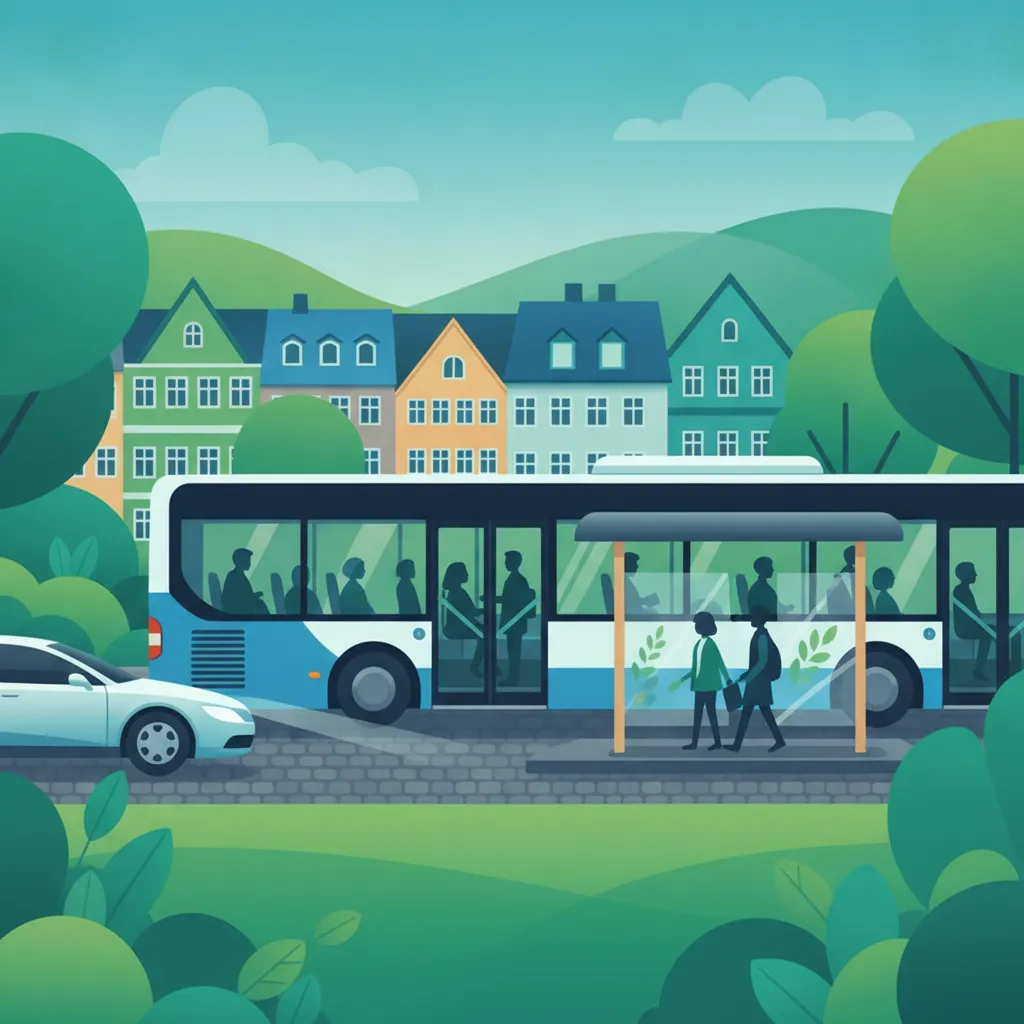
This lesson focuses on the precise maneuvers required for approaching and stopping at bus stops. It covers how to manage vehicle speed, align the bus parallel to the curb for safe access, and correctly position it relative to stop lines and shelters. The content also explains how to interpret Danish road signs and markings specific to public transport stops.

This lesson addresses the unique environment of bus terminals, focusing on safe, low-speed maneuvering around other vehicles and pedestrians. It also introduces the theory for combination vehicles (Category DE), including the principles of coupling and uncoupling trailers. The content emphasizes the different handling characteristics and increased turning radius associated with articulated buses or buses with trailers.
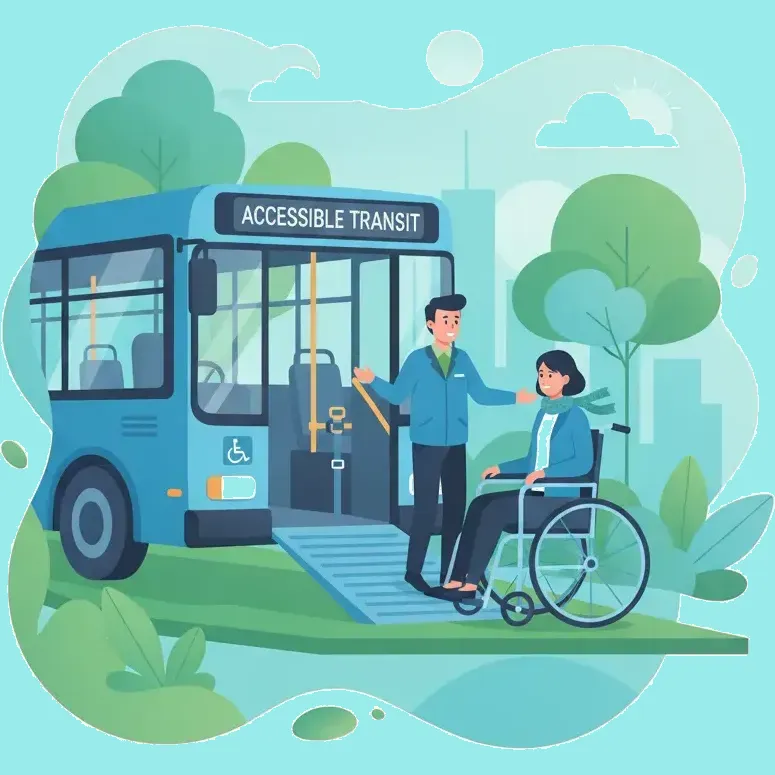
This lesson covers the driver's responsibilities in providing accessible transport for passengers with reduced mobility. It details the correct operation of wheelchair ramps and lifts, as well as the procedures for safely securing wheelchairs inside the vehicle. The content also emphasizes respectful communication and awareness of passenger needs, in line with Danish accessibility laws and standards.

This lesson details the specific rules related to bus lanes and bus stops. It clarifies when other vehicles may use bus lanes, the legal requirement to yield to buses pulling away from a stop, and the importance of being cautious around embarking or disembarking passengers. Adherence to these rules is vital for the efficient and safe operation of public transportation.

This lesson outlines the mandatory daily pre-trip inspection for passenger vehicles as required by Danish law. It provides a systematic checklist for examining brakes, lights, tires, mirrors, and emergency equipment to confirm the vehicle's roadworthiness. Following these procedures helps drivers identify and report potential mechanical faults before they can compromise passenger or public safety.

This lesson explains the relationship between a bus's dimensions—length, width, and height—and its maneuverability. It covers key concepts such as turning radius, rear overhang, and swept path, which are critical for navigating turns and tight spaces safely. Learners will also understand how these physical characteristics create significant blind spots that require specific observation techniques to manage.
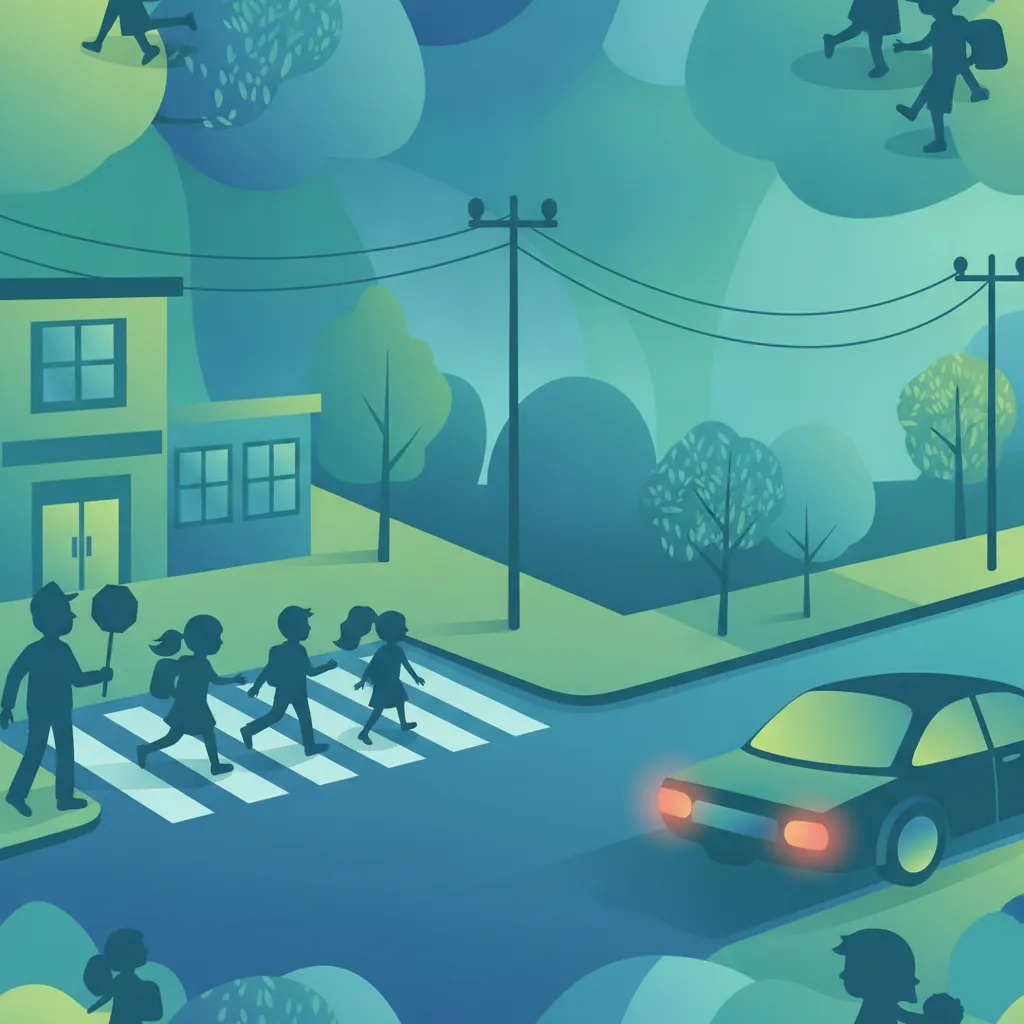
This lesson details the legal requirements and safety protocols for operating a bus near schools and pedestrian crossings. It covers mandatory speed reductions, the rules for yielding to pedestrians, and techniques for anticipating the sudden movements of children. The content emphasizes the importance of constant visual scanning and maintaining a high state of alert in these sensitive areas.
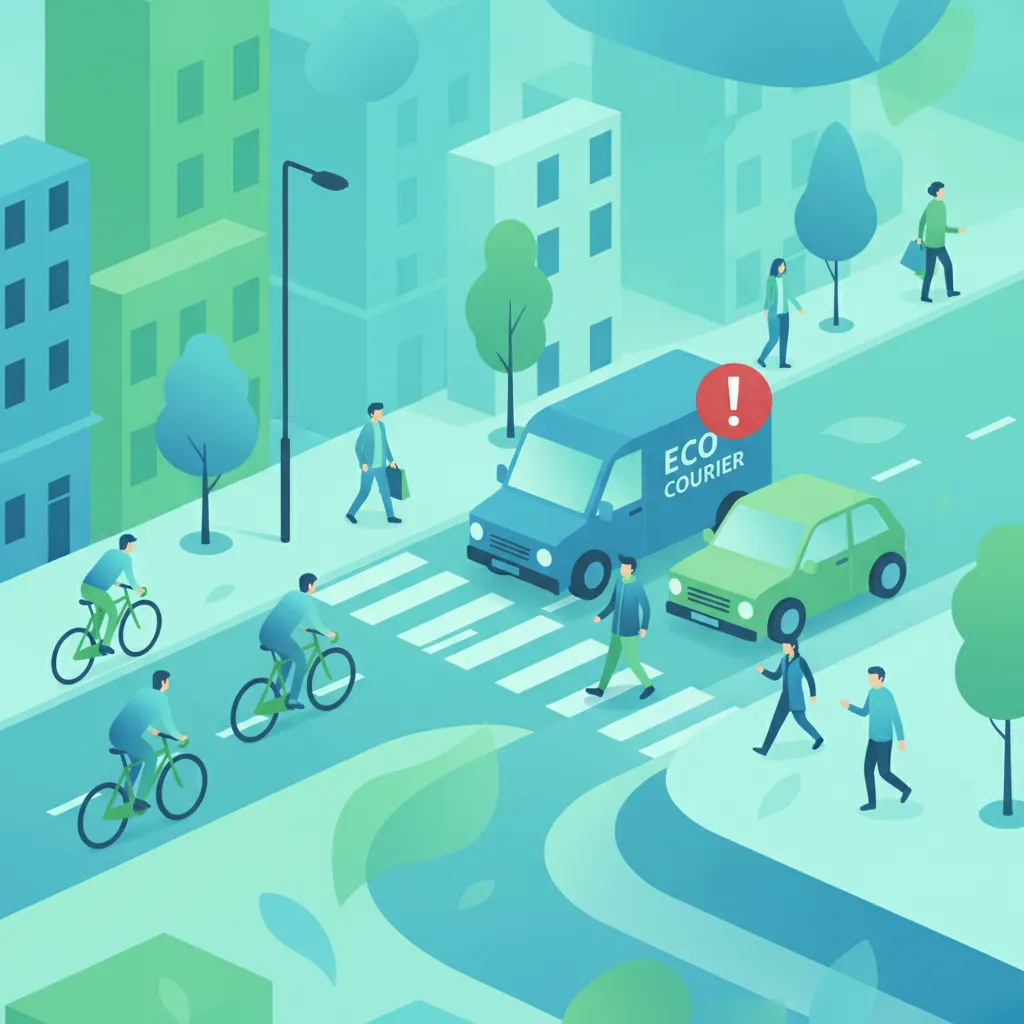
This lesson trains drivers to perform a risk assessment of bus stops along their route. It explains how to identify hazards such as poor visibility, proximity to busy intersections, or obstructed pedestrian access. The content provides proactive strategies for positioning the bus and managing passenger boarding and alighting to mitigate the identified risks effectively.
Learn effective communication and management techniques for passenger boarding and alighting on Danish buses. Focuses on preventing incidents and ensuring passenger safety in various traffic conditions.
This lesson covers strategies for safely managing passenger movement at bus stops. It provides guidance on directing passenger flow, encouraging the use of handrails, and providing assistance to those who need it. The content emphasizes the driver's observational role in preventing slips, trips, and falls, particularly during peak hours or in adverse weather.
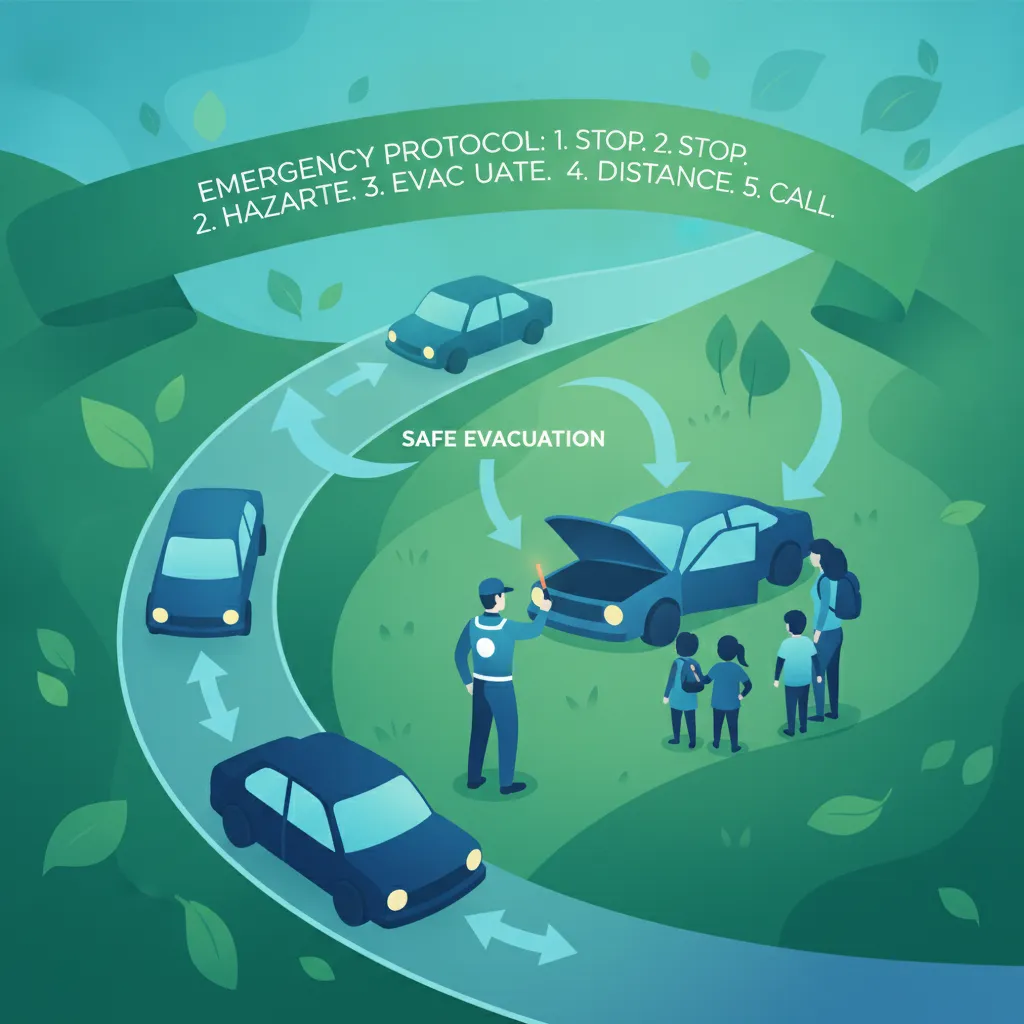
This lesson focuses on the driver's role as a leader during an emergency evacuation. It covers how to assess a situation, make the decision to evacuate, and provide clear, calm instructions to passengers. The content details the location and operation of all emergency exits and procedures for assisting passengers with reduced mobility to a safe gathering point.
This lesson focuses on the safe and correct operation of passenger vehicle doors. It covers the different types of door mechanisms and the importance of monitoring the door area to prevent injury during boarding and alighting. The content details Danish regulations regarding door safety systems and the driver's responsibility to ensure doors are fully closed and secured before moving.
This lesson details the specific rules related to bus lanes and bus stops. It clarifies when other vehicles may use bus lanes, the legal requirement to yield to buses pulling away from a stop, and the importance of being cautious around embarking or disembarking passengers. Adherence to these rules is vital for the efficient and safe operation of public transportation.
This lesson provides drivers with tools to manage challenging interactions with passengers. It covers verbal and non-verbal de-escalation techniques to resolve conflicts peacefully and professionally. The content emphasizes maintaining a calm demeanor, setting clear boundaries, and knowing when and how to report incidents or request assistance while prioritizing everyone's safety.

This lesson explains the importance of clear and professional communication with passengers. It covers techniques for making timely announcements about stops, delays, and route changes to manage passenger expectations effectively. The content also provides guidance on handling difficult passenger interactions and applying de-escalation strategies to resolve conflicts calmly and maintain a safe environment.

This lesson addresses the specific challenges of school and tourist transport. It outlines heightened safety protocols for stops near schools, including monitoring child behavior and working with school patrols. The content also covers techniques for managing large groups of tourists, dealing with luggage, and providing clear information at popular destinations.
This lesson trains drivers to perform a risk assessment of bus stops along their route. It explains how to identify hazards such as poor visibility, proximity to busy intersections, or obstructed pedestrian access. The content provides proactive strategies for positioning the bus and managing passenger boarding and alighting to mitigate the identified risks effectively.
Find clear answers to common questions learners have about Door Operation and Passenger Boarding Safety. Learn how the lesson is structured, which driving theory objectives it supports, and how it fits into the overall learning path of units and curriculum progression in Denmark. These explanations help you understand key concepts, lesson flow, and exam focused study goals.
While sensors and door interlocks are vital safety features, they do not replace the driver's duty to visually scan the door area. Sensors can have blind spots or malfunctions, so the driver remains legally responsible for verifying that no passengers or obstacles are in the way before closing the doors.
If a safety system fails, you must follow the procedures for an incapacitated vehicle. This typically involves ensuring passenger safety first, informing the transport operator, and potentially removing the vehicle from service if the door safety cannot be guaranteed, as dictated by Danish safety regulations.
Yes. Every time you prepare to close the doors after a stop, you must perform a full visual check. Even if the bus has been stationary, a passenger or pedestrian could have moved into a blind spot near the doors just before you initiated the closing sequence.
The theory exam frequently includes scenario-based questions about bus stops and boarding. You will be tested on your ability to identify the correct sequence of safety checks, the legal requirement for passenger safety, and your understanding of how technical aids support, but do not replace, your professional oversight.
Use our powerful search tool to pinpoint specific Danish driving theory topics, road signs, or traffic situations you need to review. Start exploring relevant practice sets now to reinforce your knowledge and build confidence for your upcoming driving licence exam.