
This lesson moves beyond passive observation to teach you active, systematic scanning techniques vital for large passenger vehicles. As part of your Category D training, you will learn to manage extensive blind spots using a disciplined sequence of mirror and camera checks, ensuring the safety of vulnerable road users around your bus.

Lesson content overview
Driving a bus or coach in Austria demands a heightened level of awareness, far beyond what is required for a standard passenger car. As a professional driver in the Austrian Driving Theory Course for Bus & Coach Licence (Category D), your primary responsibility is the safety and well-being of your passengers and all other road users. This includes actively managing the extensive blind spots inherent to large passenger vehicles. Passive reliance on mirrors is insufficient; this lesson provides advanced, systematic scanning techniques to build a continuous mental map of your surroundings, ensuring you account for unseen pedestrians, cyclists, and other vehicles before any change of direction or speed.
Blind spots are areas around a vehicle that cannot be directly observed by the driver through the windscreen or mirrors. For buses and coaches, these hidden zones are significantly larger and more complex than those of smaller vehicles due to their dimensions, structure, and passenger load. Mastering advanced blind spot awareness and management is not merely a recommended practice; it is a fundamental aspect of your professional duty of care, directly contributing to collision prevention and enhanced safety for everyone on the road.
This advanced lesson builds upon foundational knowledge from previous modules, including basic mirror adjustments (Lesson 2), vehicle dimensions, and safe stopping procedures (Lessons 3-4). It integrates seamlessly with concepts like executing turns safely (Lesson 7.1) and provides a crucial foundation for safe reversing (Lesson 7.3) and navigating complex terminals (Lesson 7.4). By developing a proactive approach to scanning, you will significantly reduce risks and uphold the highest standards of professional driving.
The sheer size of buses and coaches creates distinct and challenging blind spots. These are not static areas but change dynamically with vehicle movement and surrounding conditions. Recognizing the specific types and locations of these hidden zones is the first step towards effective management.
Practical Implications: Pedestrians, cyclists, and even entire vehicles can easily become "invisible" within these zones. An active scanning strategy is critical because passively checking mirrors is simply not enough to cover these extensive hidden areas. Underestimating the size and dynamism of these blind spots is a common misunderstanding that can lead to severe accidents.
Many drivers, particularly those accustomed to smaller vehicles, tend to rely solely on their mirrors. However, for a bus or coach, this passive approach is inadequate and inherently dangerous. Mirrors provide a limited, two-dimensional view and cannot account for all the spatial challenges presented by a large vehicle.
The primary issue is occlusion. Mirrors, by design, are mounted in fixed positions and offer specific fields of view. They cannot "see around" the substantial A-pillars, nor can they provide a comprehensive view of the entire length and rear of a bus, especially considering potential objects directly at ground level. Furthermore, mirrors can be affected by weather conditions (rain, fog, dirt) and glare, further reducing their effectiveness.
Why passive mirror use fails:
Relying solely on mirrors leaves critical gaps in a driver's perception, directly undermining the legal obligation to exercise extreme caution, especially when operating a large passenger vehicle.
To counteract the limitations of passive mirror use, professional bus and coach drivers must adopt an active, systematic scanning approach. This involves deliberate head and eye movements, coordinated mirror checks, and intelligent integration of technology to form a comprehensive understanding of the vehicle's surroundings.
The A-pillar sweep is a fundamental technique designed to overcome the significant blind spots created by the front structural columns of your vehicle. These pillars can easily obscure an entire person or a small vehicle, making a head movement essential.
How to perform the A-pillar sweep:
Before a Maneuver: As you approach a junction, prepare for a lane change, or anticipate pulling away from a stop, perform the sweep.
Left and Right Rotation: Systematically turn your head to the left, looking past the left A-pillar. Then, rotate your head to the right, looking past the right A-pillar. This quick left-right-left motion expands your field of vision significantly.
Upward Tilt (Pre-Turn Sweep): When preparing to turn, especially at intersections with pedestrian crossings, incorporate a slight upward tilt of your head. This helps to detect pedestrians or cyclists who might be entering the crossing area from either side, potentially obscured by the A-pillar or even the vehicle's roofline.
Duration: This is not a quick flick of the eyes. Allow a brief but thorough moment (1-2 seconds) for each sweep to fully register what is in the cleared zone.
The A-pillar sweep must be integrated into your routine before every lane change, turn, acceleration, or deceleration. A common misunderstanding is that a quick glance is sufficient; a proper sweep involves deliberate head rotation to visually "clear" the obscured area.
Practice makes perfect: Consistently performing the A-pillar sweep will make it a subconscious habit, significantly enhancing your hazard detection capabilities.
Beyond the A-pillar sweep, a fixed, systematic mirror checking sequence is vital to avoid missing any critical views. This structured approach reduces the chance of omissions due to distraction or hurried movements.
The recommended sequence:
Left Side Mirror: Check for vehicles approaching from the left, especially when preparing for a right turn (they might be attempting to overtake on the left) or before merging left.
Right Side Mirror: Check for vehicles, cyclists, or pedestrians approaching from the right, crucial before making a left turn or merging right. This also covers immediate side hazards.
Rearview Mirror / Rear Camera: For buses and coaches, the traditional rearview mirror often provides a limited view. Prioritize checking your internal rearview monitor (if equipped) or your dedicated rear-view camera display. This confirms traffic directly behind you and in your longitudinal blind spot.
Blind Spot Detection System (if available): If your vehicle is equipped with electronic blind spot monitors, briefly check their indicators as a supplementary confirmation. However, remember these are aids, not replacements for visual checks.
Each glance should last 2-3 seconds, allowing your brain to process the information. This sequence should be completed before signaling your intention and before starting the maneuver. Random, non-sequential mirror checks significantly increase the risk of overlooking a hazard.
Never neglect the rearview mirror or camera, even in long vehicles. Understanding the speed and proximity of vehicles behind you is crucial for safe deceleration and emergency braking.
Modern buses and coaches are increasingly equipped with advanced camera systems designed to enhance driver visibility in traditionally hidden areas. These systems are invaluable but must be used correctly.
Purpose and proper integration:
Effective blind spot management culminates in the continuous creation and updating of a "mental map." This is a sophisticated cognitive process where you maintain an internal, dynamic representation of the vehicle's surroundings.
How to develop and use a mental map:
Treating your mental map as an optional component or assuming it remains static between checks is a common and dangerous misunderstanding. A professional driver actively updates and references this internal representation at all times.
To ensure no critical step is omitted, especially under pressure, professional drivers should internalize and execute a pre-maneuver scanning checklist before any change in direction or speed. This formalized sequence guarantees comprehensive blind spot verification.
Check Left Side Mirror: Confirm no vehicles are approaching or overtaking on the left.
Check Right Side Mirror: Confirm no vehicles, cyclists, or pedestrians are approaching from the right.
Check Rearview Mirror / Blind-Spot Camera: Verify the situation directly behind and in the extended longitudinal blind spot.
Perform A-Pillar Sweep: Rotate your head left, right, and optionally up, to visually clear the immediate side blind spots around the A-pillars.
Verify Mental Map Accuracy: Reconcile all visual information with your internal representation of the surroundings. Is everything clear and safe for the intended maneuver?
This entire sequence should take approximately 5-6 seconds to perform thoroughly. While it might seem like a long time, it is a small investment for accident prevention. This checklist must be performed before:
Skipping any step under time pressure is a serious violation of safety protocol and a common cause of accidents.
As a bus and coach driver in Austria, your advanced blind spot awareness is not just a best practice; it is mandated by law. Several articles within the Austrian Road Traffic Regulations (StVO) and the Passenger Transport Act (PVA) underscore your duty of care and the necessity of thorough observation.
Austrian Road Traffic Regulations (StVO) § 16 (Overtaking / Lane Changes): This article mandates that drivers must ensure no vehicle is in their blind spot before initiating an overtaking maneuver or changing lanes. This explicitly covers situations where you might merge or shift position on motorways or multi-lane urban roads.
Austrian Road Traffic Regulations (StVO) § 12 (Turning): Before turning, the driver is legally obligated to check for pedestrians, cyclists, and other vehicles in all directions. This is especially critical for turns at intersections where vulnerable road users frequently cross the vehicle's path.
Austrian Road Traffic Regulations (StVO) § 38 (Legal Standard of Caution): This general principle states that drivers must exercise particular caution, with increased stringency for vehicles like buses and coaches due to their size and potential for harm. This encompasses all driving situations and underlines the continuous nature of your duty.
Austrian Passenger Transport Act (PVA) § 27 (Duty of Care): This act specifically places a duty of care on bus and coach operators (and by extension, their drivers) to protect passengers and other road users from hazards. Blind-spot-related risks fall directly under this umbrella.
Austrian Road Traffic Regulations (StVO) § 9 (Speed Limits): While not directly about blind spots, this regulation emphasizes that speed must be adapted to conditions. Your awareness of blind spots directly influences what constitutes a safe speed, particularly in complex environments like city centers or residential areas.
Adherence to these regulations is not just about avoiding fines; it's about upholding your professional integrity and ensuring the absolute safety of every journey.
Even experienced drivers can fall into traps when it comes to blind spot management. Recognizing these common violations and understanding their consequences is crucial for maintaining safety.
| Violation | Why it’s wrong | Correct Behavior | Possible Consequences |
|---|---|---|---|
| Skipping A-pillar sweep during a lane change | May miss pedestrians or cyclists hidden by the thick A-pillar. | Always perform a head turn to clear side blind spots before any lane change. | Collision with a cyclist or pedestrian, severe injury, legal liability. |
| Relying solely on side mirrors in urban streets | Mirrors often fail to show close-in objects, children, or crossing pedestrians. | Combine mirror checks with head turns and integrate rear-view camera when available. | Pedestrian struck, passenger injury, significant fines. |
| Accelerating before confirming rear blind spot is clear | Faster speed reduces reaction time; unseen vehicle or pedestrian may be trapped. | Perform a full scanning sequence and confirm clear before any acceleration, especially from a stop. | Rear-end collision, striking a pedestrian stepping off the curb. |
| Turning right without checking left blind spot | Cyclists or pedestrians may approach from the left, hidden by the A-pillar, attempting to cross. | Perform a left-side A-pillar sweep and left-side mirror check before initiating a right turn. | Cyclist collision, severe injury or fatality. |
| Neglecting rear-view camera when reversing | The blind zone behind a bus is extensive; mirrors alone are insufficient. | Activate the camera, perform slow reverse while continuously monitoring the feed and mirrors. | Hitting an obstacle, another vehicle, or a person; serious legal repercussions. |
| Assuming blind-spot detection systems replace visual checks | Systems can have limitations due to weather, dirt, or inherent blind zones in their sensors. | Use the system as a supplementary aid; always verify with thorough mirror checks and head turns. | Missed hazards leading to unexpected collisions. |
| Changing lanes at high speed on a motorway | Minimal reaction time for vehicles in the blind zone. | Reduce speed slightly before a lane change, perform a full scan sequence well in advance. | Multi-vehicle collision, severe damage, potential fatalities. |
| Leaving a stop with passengers still loading/alighting | Passengers may be in blind zones or step into traffic after alighting. | Ensure stop is clear, passengers are safely aboard/alighted, and blind zones are thoroughly scanned before departure. | Passenger injury, legal liability, public outcry. |
The consequences of blind spot violations for professional drivers are far more severe due to the size of the vehicle and the legal duty of care towards passengers.
The effectiveness of your blind spot management techniques is not static; it must adapt to varying environmental, road, and vehicle conditions. Professional drivers must learn to adjust their scanning intensity and duration based on the context.
Understanding the underlying physical and psychological principles reinforces why active blind spot management is so crucial for professional drivers.
Data insights from various studies suggest that consistent, systematic scanning can reduce lane-change collisions by up to 35% among professional bus drivers. This reinforces the tangible safety benefits of the techniques outlined in this lesson.
Mastering advanced blind spot awareness and management is a cornerstone of professional bus and coach driving in Austria. It is an ongoing commitment to safety, rooted in both practical techniques and a deep understanding of legal and scientific principles.
By diligently applying these principles, you will enhance your ability to detect hidden hazards, execute maneuvers safely, and consistently fulfill your legal and ethical duty of care towards your passengers and all other road users. This proactive approach not only prevents accidents but also reinforces your professional identity as a safe and responsible bus and coach driver.
This lesson teaches professional Category D drivers advanced techniques for managing the extensive blind spots inherent to large passenger vehicles. The core methodology involves the A-pillar sweep (head rotation to clear pillar-obscured zones) combined with a systematic mirror sequence (left, right, rearview, camera) performed before every change of direction or speed. Building a continuous mental map of surroundings and executing a formal 5-step pre-maneuver checklist are essential habits. Austrian traffic law (StVO §§ 12, 16, 38) and the Passenger Transport Act § 27 mandate these practices as legal duties of care. Scanning thoroughness must adapt to weather, road type, vehicle load, and the presence of vulnerable road users like cyclists and pedestrians.
A short set of high-value points that capture the most important learning from this lesson.
Blind spots in buses are categorized into longitudinal (behind), lateral (sides), and dynamic (appearing during turns), each requiring specific scanning strategies.
The A-pillar sweep requires deliberate head rotation left and right with 1-2 seconds per position to clear areas hidden by thick structural pillars before any maneuver.
The systematic mirror sequence must follow Left → Right → Rearview/Camera → Blind-spot detection order, taking 2-3 seconds per check before signaling.
A mental map is a continuously updated cognitive representation of surroundings that must be actively reconciled before every maneuver.
Austrian StVO § 12 (turning) and § 16 (lane changes) legally mandate checking for pedestrians, cyclists, and vehicles in blind zones before initiating any change of direction.
Explore all units and lessons included in this driving theory course.
Pre-maneuver scanning checklist: Mirror checks (left, right, rear), A-pillar sweep, then verify mental map—takes approximately 5-6 seconds.
Blind spot cameras supplement but never replace visual checks and head turns; they can fail due to weather, dirt, or system malfunction.
Dynamic blind spots created by a bus's swept path during turns can suddenly hide cyclists or pedestrians who were previously visible.
StVO § 38 requires heightened caution for large vehicles, meaning active scanning is a legal requirement, not merely advisable technique.
When fully loaded, incorporate an upward head tilt during A-pillar sweeps to account for the altered roofline and increased blind zone height.
Skipping the A-pillar head turn during lane changes, assuming side mirrors show everything—this misses pedestrians and cyclists completely hidden by the thick A-pillars.
Relying exclusively on mirrors in urban environments—mirrors fail to show close-in objects, children at curb level, or crossing pedestrians near the vehicle body.
Accelerating from a stop before confirming the longitudinal blind spot is clear, trapping unseen vehicles or pedestrians behind the bus.
Over-relying on electronic blind-spot detection systems as a replacement for visual checks rather than as a supplementary aid.
Failing to adjust scanning intensity for weather conditions—rain, fog, and snow reduce mirror and camera effectiveness, requiring more thorough head movements.
Lesson content overview
A short set of high-value points that capture the most important learning from this lesson.
Blind spots in buses are categorized into longitudinal (behind), lateral (sides), and dynamic (appearing during turns), each requiring specific scanning strategies.
The A-pillar sweep requires deliberate head rotation left and right with 1-2 seconds per position to clear areas hidden by thick structural pillars before any maneuver.
The systematic mirror sequence must follow Left → Right → Rearview/Camera → Blind-spot detection order, taking 2-3 seconds per check before signaling.
A mental map is a continuously updated cognitive representation of surroundings that must be actively reconciled before every maneuver.
Austrian StVO § 12 (turning) and § 16 (lane changes) legally mandate checking for pedestrians, cyclists, and vehicles in blind zones before initiating any change of direction.
Explore all units and lessons included in this driving theory course.
Pre-maneuver scanning checklist: Mirror checks (left, right, rear), A-pillar sweep, then verify mental map—takes approximately 5-6 seconds.
Blind spot cameras supplement but never replace visual checks and head turns; they can fail due to weather, dirt, or system malfunction.
Dynamic blind spots created by a bus's swept path during turns can suddenly hide cyclists or pedestrians who were previously visible.
StVO § 38 requires heightened caution for large vehicles, meaning active scanning is a legal requirement, not merely advisable technique.
When fully loaded, incorporate an upward head tilt during A-pillar sweeps to account for the altered roofline and increased blind zone height.
Skipping the A-pillar head turn during lane changes, assuming side mirrors show everything—this misses pedestrians and cyclists completely hidden by the thick A-pillars.
Relying exclusively on mirrors in urban environments—mirrors fail to show close-in objects, children at curb level, or crossing pedestrians near the vehicle body.
Accelerating from a stop before confirming the longitudinal blind spot is clear, trapping unseen vehicles or pedestrians behind the bus.
Over-relying on electronic blind-spot detection systems as a replacement for visual checks rather than as a supplementary aid.
Failing to adjust scanning intensity for weather conditions—rain, fog, and snow reduce mirror and camera effectiveness, requiring more thorough head movements.
Explore search topics learners often look for when studying Advanced Blind Spot Awareness and Management. These topics reflect common questions about road rules, driving situations, safety guidance, and lesson level theory preparation for learners in Austria.
Browse additional driving theory lessons that cover connected traffic rules, road signs, and common driving situations related to this topic. Improve your understanding of how different rules interact across everyday traffic scenarios.
Explore realistic traffic scenarios to understand how blind spots impact bus and coach driving. Learn to identify and avoid common mistakes in Austrian driving theory related to vehicle dimensions and visibility.

Buses and coaches have significant blind spots that pose a major risk to pedestrians, cyclists, and other vehicles. This lesson teaches you how to correctly set up and systematically scan all mirrors, including wide-angle and kerb-view mirrors. It also covers the use of modern camera systems to gain a complete picture of the area surrounding the vehicle, especially before moving off.

Rural Austrian roads present unique challenges, including lack of markings, tight spaces, and slow-moving agricultural vehicles. This lesson teaches how to read the road ahead, anticipate hazards around blind bends, and use passing places effectively when meeting other large vehicles. It emphasizes adjusting speed to suit the limited visibility and variable road conditions.

Not all bus stops are created equal. This lesson trains you to assess a stop's environment and identify potential hazards, such as poor sightlines, proximity to a busy junction, or frequent presence of vulnerable road users. It encourages a proactive approach, where the driver heightens their observation and slows their approach when dealing with these known high-risk locations.

Driving in tourist hotspots in cities like Salzburg or alpine resorts requires extra patience and vigilance. This lesson explores common unpredictable behaviours, such as pedestrians stepping into the road to take photos or groups of tourists being unaware of traffic. It teaches drivers to slow down, be prepared for anything, and use communication tools like the horn sparingly and appropriately.

Driving a bus in a busy city like Vienna or Salzburg requires constant forward planning and anticipation. This lesson teaches techniques for maintaining adequate space around the vehicle, positioning correctly for upcoming junctions, and reading the flow of traffic. Adopting a defensive mindset is key to navigating complex urban environments without incident.
A safe stop begins with a planned approach. This lesson covers how to signal your intentions early, manage your speed, and scan for hazards like pedestrians and cyclists near the stop. It emphasizes the importance of aligning the bus parallel and close to the kerb to minimize the step for passengers, creating a safe platform for boarding and alighting.

Cyclists and e-scooter riders are highly vulnerable and can be hard to see from a high driving position. This lesson focuses on the critical danger points, such as making right turns across cycle lanes and checking blind spots before pulling away from a stop. It teaches the importance of giving ample space when overtaking and anticipating their movements in busy city traffic.

This lesson focuses on the critical role of mirrors, cameras, and other electronic aids in minimizing blind spots around a large vehicle. It provides guidance on how to properly adjust mirrors to maximize visibility. Effective use of these systems is vital for detecting smaller vehicles, cyclists, and pedestrians, especially during manoeuvres.

Reversing is statistically one of the most dangerous manoeuvres. This lesson outlines a strict safety protocol: get out and check the area first, use a competent banksman (marshal) whenever possible, and proceed at a slow walking pace. It also covers the use of reversing cameras and alarms as aids, but stresses they are no substitute for a thorough physical check and direct assistance.

Pedestrians have absolute priority on marked crossings in Austria, and a bus driver must always be ready to give way. This lesson covers the rules for approaching and stopping for pedestrians, and highlights the risk of pedestrians being hidden by the vehicle's structure. It also stresses the danger of passengers crossing the road after alighting from your bus.
Understand the specific legal requirements and duty of care for bus and coach drivers regarding blind spot management in Austria. Covers StVO and Passenger Transport Act regulations.
Buses and coaches have significant blind spots that pose a major risk to pedestrians, cyclists, and other vehicles. This lesson teaches you how to correctly set up and systematically scan all mirrors, including wide-angle and kerb-view mirrors. It also covers the use of modern camera systems to gain a complete picture of the area surrounding the vehicle, especially before moving off.

Transporting children carries the highest level of responsibility. This lesson covers the specific Austrian rules for school buses, including the use of warning signs and lights. It focuses on developing a mindset of extreme caution, anticipating that children may run into the road unexpectedly, and managing the chaotic traffic environment often found around schools during drop-off and pick-up times.
This lesson details the specific regulations and best practices for driving in areas with high pedestrian activity, such as bus stops and school zones. It explains the driver's obligation to stop for school buses with flashing lights and to yield to public buses pulling out from a stop. The content emphasizes the requirement to significantly reduce speed in marked school zones to ensure the safety of children.

This lesson delves into the specific Austrian laws and regulations that professional passenger drivers must adhere to. It provides an overview of rules concerning driving and rest times, the use of the digital tachograph, and the essential documents that must be carried at all times. Understanding these legal obligations is crucial for compliance and avoiding penalties during roadside checks.
Pedestrians have absolute priority on marked crossings in Austria, and a bus driver must always be ready to give way. This lesson covers the rules for approaching and stopping for pedestrians, and highlights the risk of pedestrians being hidden by the vehicle's structure. It also stresses the danger of passengers crossing the road after alighting from your bus.
This lesson focuses on the critical role of mirrors, cameras, and other electronic aids in minimizing blind spots around a large vehicle. It provides guidance on how to properly adjust mirrors to maximize visibility. Effective use of these systems is vital for detecting smaller vehicles, cyclists, and pedestrians, especially during manoeuvres.

A driver's duty of care extends to passengers until they are safely away from the vehicle. This lesson stresses the importance of monitoring passengers as they step off, ensuring they have stable footing and are clear of the bus's path. It highlights the particular need for vigilance when children or elderly passengers are alighting, and the importance of checking mirrors before closing the doors.
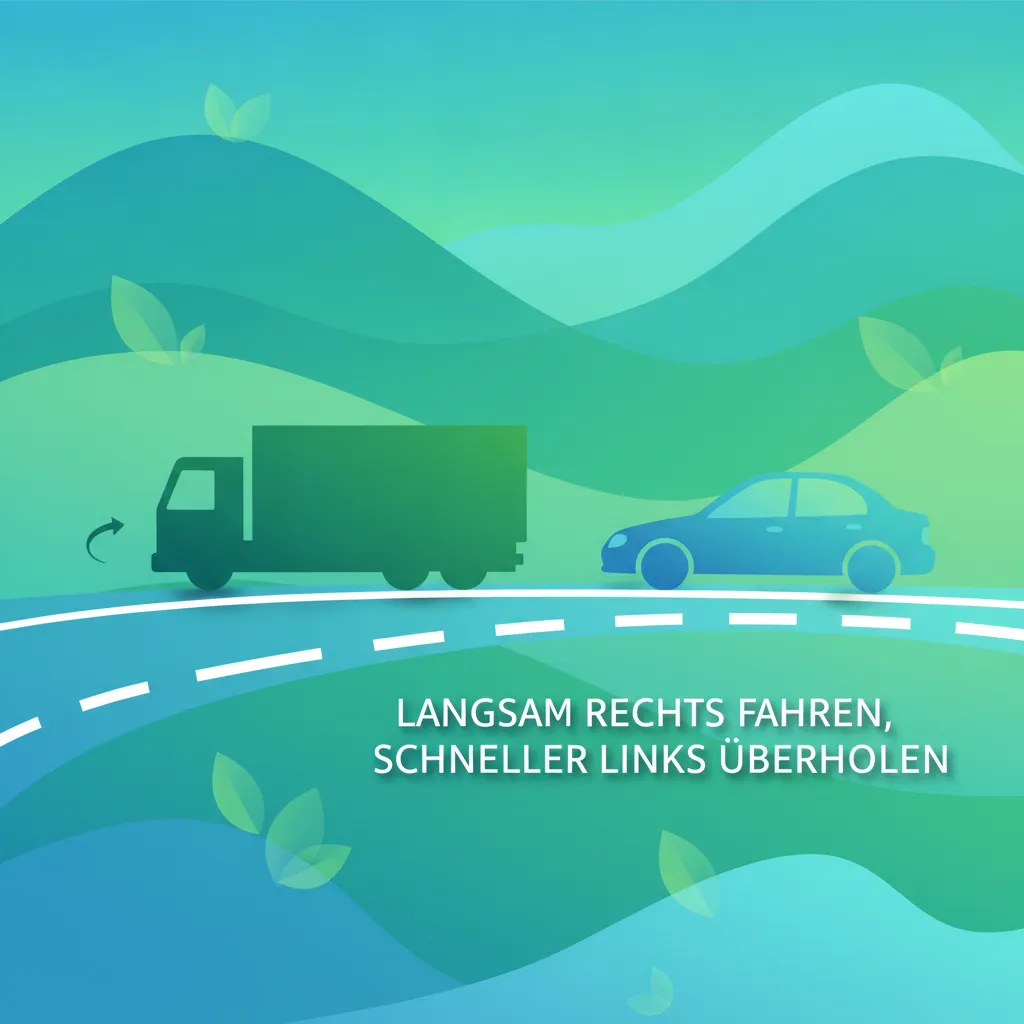
High-speed driving in a large vehicle requires excellent lane discipline and forward planning. This lesson covers Austrian speed limits for buses, rules for joining and leaving the motorway, safe overtaking procedures, and maintaining appropriate following distances. The critical importance of forming an emergency corridor ('Rettungsgasse') in traffic jams is also a key topic.

Providing safe and respectful access for all passengers is a legal and professional duty. This lesson details the correct operation of accessibility features like ramps, lifts, and kneeling systems. It covers how to secure wheelchairs and mobility aids, and how to communicate effectively and respectfully with passengers who may require assistance with boarding or alighting.
Rural Austrian roads present unique challenges, including lack of markings, tight spaces, and slow-moving agricultural vehicles. This lesson teaches how to read the road ahead, anticipate hazards around blind bends, and use passing places effectively when meeting other large vehicles. It emphasizes adjusting speed to suit the limited visibility and variable road conditions.
Find clear answers to common questions learners have about Advanced Blind Spot Awareness and Management. Learn how the lesson is structured, which driving theory objectives it supports, and how it fits into the overall learning path of units and curriculum progression in Austria. These explanations help you understand key concepts, lesson flow, and exam focused study goals.
Mirrors have inherent blind spots that change based on the bus's length and curvature. Relying on them exclusively without active head movement or camera cross-referencing means you could miss small vehicles, cyclists, or pedestrians right next to your passenger door.
The A-pillar of a bus is often thick and can obstruct a large portion of your view. Moving your head to look around it is vital to spot pedestrians or cyclists who may be hidden from your peripheral vision during intersection approaches.
You should maintain a continuous, rhythmic cycle of checking all mirrors and cameras. Always increase your scanning frequency before any change in speed, direction, or when approaching bus stops and junctions to ensure your mental map of the vehicle's surroundings remains current.
Yes, while the specific configuration of mirrors and cameras varies by model, the fundamental need for a systematic, active scanning routine is universal for all Category D vehicles to ensure passenger and public safety.
Refine your study plan by searching for specific Austrian driving theory practice sets. Pinpoint questions related to particular road rules, signs, or challenge levels, and begin practicing immediately to reinforce your knowledge and excel in your official exam with confidence. Get started with focused revision today.