
This lesson explores the essential rules and techniques for operating heavy goods vehicles on Danish motorways and interchanges. By understanding correct lane usage, merging protocols, and speed constraints, you will develop the professional driving habits required for your Category C license exam.

Lesson content overview
Motorways and their associated interchanges are high-speed, controlled-access road systems designed for efficient traffic flow. For professional drivers operating heavy goods vehicles (HGVs) in Denmark, navigating these environments demands a specific set of skills, a thorough understanding of unique regulations, and enhanced safety precautions. This lesson provides a comprehensive guide to operating Category C vehicles safely and legally on Danish motorways, focusing on the critical differences and increased responsibilities compared to driving lighter vehicles.
Motorways are engineered for consistent, higher-speed travel, minimizing intersections and direct property access. Interchanges facilitate the smooth transition of vehicles between different motorways or major roads, using ramps for merging and exiting. For Category C drivers, these high-speed settings amplify the impact of vehicle characteristics such as greater mass, longer length, and extended stopping distances. Consequently, adhering to strict lane discipline, specific speed limits, and advanced safety practices is paramount to ensure not only your safety but also that of other road users. This section builds upon foundational knowledge of vehicle mass, braking systems, and load management, integrating them into the dynamic context of high-speed motorway operations.
Heavy vehicles have significantly longer braking distances than passenger cars, especially when fully loaded. This fundamental difference dictates many of the specific rules and best practices for lorries on motorways.
Effective lane discipline is crucial for maintaining safe and fluid traffic flow on motorways, particularly when driving heavy vehicles. Danish traffic regulations impose specific rules on Category C vehicles regarding lane usage and overtaking to accommodate their size and performance characteristics.
In Denmark, as in many European countries, heavy goods vehicles are generally required to use the rightmost available lane on motorways. This rule is designed to ensure that faster-moving traffic, primarily passenger cars, can use the left lanes for overtaking without being obstructed by lorries. You should only move out of the right lane when it is absolutely necessary to overtake a slower vehicle or when directed by road signs. Once an overtaking maneuver is complete and it is safe to do so, you must return to the rightmost lane promptly.
Remaining in the left lane unnecessarily, also known as "lane hogging," is a common violation that can impede traffic flow, increase frustration among other drivers, and contribute to hazardous situations. Always assess the traffic situation ahead and behind before initiating any lane change, ensuring ample space and clear intentions.
The adherence to specific rules and guidelines dictating which road lanes different vehicle types or traffic flows should use, crucial for maintaining order and safety on multi-lane roads.
When a Category C vehicle needs to overtake a slower vehicle on a motorway, the maneuver must be performed in the lane immediately to the left of the current lane. It is generally prohibited for heavy vehicles to use the leftmost lane on a three-lane or more motorway for overtaking, unless specific signage indicates otherwise or traffic density mandates it (e.g., in heavy congestion where all lanes are moving slowly).
Before initiating an overtaking maneuver, ensure you have a clear view, check all mirrors, and be acutely aware of your vehicle's larger blind spots. Signal your intention well in advance and execute the lane change smoothly and decisively, accelerating only to the speed limit applicable to your vehicle type. After safely passing the slower vehicle and ensuring sufficient clearance, signal your intention to return to the rightmost lane and complete the maneuver smoothly. Never remain in the overtaking lane for longer than necessary.
Overtaking on the right is strictly prohibited on Danish motorways unless traffic is moving in queues and the lane to the left is moving slower than your lane, or you are directed by signs. Always overtake on the left.
Speed limits for heavy goods vehicles on Danish motorways are distinct from those for passenger cars and are set to reflect the increased mass, longer braking distances, and reduced agility of lorries. Adhering to these specific limits is a legal requirement and a critical safety measure.
On Danish motorways, the general maximum speed limit for Category C vehicles, including lorries and road trains (heavy goods vehicles with trailers), is 80 km/h. This limit is typically lower than the general motorway speed limit for passenger cars, which can be 110 km/h or 130 km/h. It is vital for drivers of heavy vehicles to recognize and strictly observe their specific speed limits, regardless of what other vehicles around them might be doing.
Exceeding this speed limit not only carries significant legal penalties, including fines and potential license points, but also dramatically increases the risk and severity of accidents. Higher speeds mean longer stopping distances and less time to react to unexpected hazards.
While 80 km/h is the general maximum, the safe operating speed for a heavy vehicle should always be adjusted based on prevailing conditions.
The total distance a vehicle travels from the moment a driver perceives a hazard and applies the brakes until the vehicle comes to a complete stop. For heavy vehicles, this distance is significantly longer.
Merging onto a motorway is a critical maneuver that requires careful planning, accurate speed control, and clear communication with other drivers. For heavy vehicles, this process is even more demanding due to their slower acceleration and larger size.
Motorways are equipped with acceleration lanes (tilkørselsbaner in Danish) specifically designed to allow vehicles to gain sufficient speed before entering the main flow of traffic. As a Category C driver, you must use the entire length of the acceleration lane to match the speed of vehicles already on the motorway as closely as possible. Do not enter the acceleration lane slowly and then try to merge without adequate speed. This forces main-road traffic to brake or swerve, creating dangerous situations.
Assess and Plan Early: As you approach the on-ramp, identify the traffic flow on the motorway. Look for gaps you can merge into.
Accelerate Decisively: Use the acceleration lane to build speed, aiming to reach a speed close to the motorway traffic flow (while respecting your vehicle's speed limit).
Check Mirrors and Blind Spots: Continuously check your left mirror and crucial blind spots. Heavy vehicles have extensive blind spots; be extra vigilant for smaller vehicles.
Signal Intention Early: Activate your left turn signal well in advance to communicate your intention to merge to other drivers.
Adjust and Merge Smoothly: If necessary, adjust your speed slightly to align with a suitable gap. Merge smoothly and confidently, maintaining your speed. Do not hesitate or brake suddenly in the acceleration lane unless absolutely necessary to prevent a collision.
Blind spots are areas around your vehicle that cannot be seen in your mirrors. For heavy vehicles, these areas are significantly larger, often encompassing entire vehicles. Before merging, a thorough check of all mirrors is essential, followed by a quick head check (if practical and safe) to verify your blind spot. Modern heavy vehicles often have additional mirrors designed to reduce blind spots, but they do not eliminate them entirely.
Always signal your intention to merge early. A signal that is too late gives other drivers insufficient time to react to your maneuver. Other drivers on the motorway are generally expected to facilitate merging traffic where safe, but it is ultimately the merging driver's responsibility to enter safely without causing disruption or danger.
Exiting a motorway also requires a controlled and planned approach, especially for heavy vehicles that need more distance to decelerate. Proper technique ensures a smooth exit and prevents hazards for traffic following behind.
Planning your exit well in advance is crucial. Look for road signs indicating upcoming exits (fraKørselsbaner in Danish) and be prepared to move into the correct lane. As a general rule in Denmark, you should signal your intention to exit at least 5 seconds before reaching the deceleration lane. This allows drivers behind you ample time to anticipate your speed reduction and lane change.
Move into the rightmost lane of the motorway well before your intended exit, and then smoothly transition into the deceleration lane (frakørselsbane). The deceleration lane is specifically designed for you to reduce your speed without affecting the flow of traffic on the main motorway.
Once in the deceleration lane, gradually reduce your speed. Avoid sudden or harsh braking on the main motorway or immediately upon entering the deceleration lane, as this could lead to a rear-end collision, especially from lighter vehicles that may not anticipate the lorry's longer stopping distance. Use the full length of the deceleration lane to bring your vehicle's speed down to a safe level for the exit ramp curve and subsequent road conditions.
Identify Exit Early: Look for exit signs and plan your lane changes well in advance.
Move to Rightmost Lane: Safely move your heavy vehicle into the rightmost lane of the motorway.
Signal Early: Activate your right turn signal at least 5 seconds before the deceleration lane begins.
Enter Deceleration Lane Smoothly: Guide your vehicle into the deceleration lane without abrupt movements.
Decelerate Gradually: Use the full length of the deceleration lane to reduce speed, anticipating the tightness of the exit ramp curve. Avoid hard braking.
Observe Ramp Speed Limits: Be aware of any posted speed limits for the exit ramp and adjust accordingly.
Exit ramps often have significantly lower speed limits and tighter curves than the motorway itself. Heavy vehicles with high centers of gravity are particularly susceptible to rollovers if corners are taken too quickly. Always observe any posted advisory speeds on the ramp and adjust your speed to maintain stability.
Maintaining an adequate following distance is perhaps the single most important safety measure for heavy vehicles on motorways. Due to their immense mass, Category C vehicles require significantly more distance to stop compared to passenger cars.
The commonly taught "two-second rule" for passenger cars is insufficient for heavy vehicles. For lorries, a minimum three-second rule should be observed under normal driving conditions. This means you should maintain a gap that allows you to count "one thousand one, one thousand two, one thousand three" after the vehicle ahead passes a fixed point, before your own vehicle reaches that same point. This three-second interval provides crucial reaction time and stopping distance.
To perform this check:
The three-second rule is a minimum for ideal conditions. In many situations, you must increase this distance even further:
On motorways, where speeds are high, even a small lapse in attention or a sudden maneuver by another driver can lead to a severe incident if you are following too closely. Always prioritize a safe gap.
Understanding common pitfalls can help Category C drivers avoid legal penalties and, more importantly, prevent dangerous situations.
Driving too closely behind another vehicle, leaving an insufficient following distance to react safely to sudden braking or changes in traffic flow.
Driving a heavy vehicle on a motorway requires constant adaptation to changing conditions. These variations significantly impact vehicle performance and safety.
Here are some real-world examples to solidify your understanding of motorway rules for heavy vehicles.
Scenario 1: Overtaking on a Two-Lane Motorway
Scenario 2: Adapting to Adverse Weather
Scenario 3: Planned Motorway Exit
This lesson covers the essential rules and techniques for driving Category C heavy vehicles on Danish motorways, emphasizing that lorries must use the rightmost lane except when overtaking and are restricted to 80 km/h maximum speed. Safe motorway operation requires mastering the three-second following distance rule (extended in adverse conditions), proper use of acceleration and deceleration lanes for merging and exiting, and early signaling to communicate intentions clearly to other road users. The content addresses specific risks of heavy vehicles including longer stopping distances, larger blind spots, and reduced stability on curves, while providing practical scenarios to illustrate correct versus incorrect behavior.
A short set of high-value points that capture the most important learning from this lesson.
Heavy vehicles must generally stay in the rightmost lane on Danish motorways, only moving left to overtake and returning promptly
Category C vehicles have a maximum motorway speed limit of 80 km/h, significantly lower than passenger car limits of 110-130 km/h
Merging onto motorways requires using the full acceleration lane to match traffic speed; entering too slowly creates dangerous situations
A minimum three-second following distance is required for lorries, double that of the two-second rule for cars
Exit signaling must occur at least 5 seconds before the deceleration lane to give following traffic adequate reaction time
Explore all units and lessons included in this driving theory course.
The leftmost lane on multi-lane motorways is generally prohibited for overtaking by heavy vehicles
Stopping distance for loaded lorries is substantially longer than for cars due to greater mass and momentum
Adverse weather (rain, fog, ice) demands speed reduction and increased following distance to six seconds or more
Acceleration lanes (tilkørselsbaner) and deceleration lanes (frakørselsbane) exist specifically to integrate heavy vehicles safely into motorway traffic
Exit ramps often have tight curves and lower advisory speeds; heavy vehicles with high centers of gravity risk rollover if taken too fast
Lane hogging: remaining in the left lane without actively overtaking, blocking faster traffic and creating frustration
Insufficient following distance: maintaining only a 2-second gap instead of the required 3-second minimum for lorries
Merging at inadequate speed: entering acceleration lanes too slowly and forcing main-road traffic to brake or swerve
Late exit signaling: signaling less than 5 seconds before the deceleration lane, leaving insufficient time for following drivers to react
Exceeding the 80 km/h speed limit for Category C vehicles while observing higher general motorway limits
Lesson content overview
A short set of high-value points that capture the most important learning from this lesson.
Heavy vehicles must generally stay in the rightmost lane on Danish motorways, only moving left to overtake and returning promptly
Category C vehicles have a maximum motorway speed limit of 80 km/h, significantly lower than passenger car limits of 110-130 km/h
Merging onto motorways requires using the full acceleration lane to match traffic speed; entering too slowly creates dangerous situations
A minimum three-second following distance is required for lorries, double that of the two-second rule for cars
Exit signaling must occur at least 5 seconds before the deceleration lane to give following traffic adequate reaction time
Explore all units and lessons included in this driving theory course.
The leftmost lane on multi-lane motorways is generally prohibited for overtaking by heavy vehicles
Stopping distance for loaded lorries is substantially longer than for cars due to greater mass and momentum
Adverse weather (rain, fog, ice) demands speed reduction and increased following distance to six seconds or more
Acceleration lanes (tilkørselsbaner) and deceleration lanes (frakørselsbane) exist specifically to integrate heavy vehicles safely into motorway traffic
Exit ramps often have tight curves and lower advisory speeds; heavy vehicles with high centers of gravity risk rollover if taken too fast
Lane hogging: remaining in the left lane without actively overtaking, blocking faster traffic and creating frustration
Insufficient following distance: maintaining only a 2-second gap instead of the required 3-second minimum for lorries
Merging at inadequate speed: entering acceleration lanes too slowly and forcing main-road traffic to brake or swerve
Late exit signaling: signaling less than 5 seconds before the deceleration lane, leaving insufficient time for following drivers to react
Exceeding the 80 km/h speed limit for Category C vehicles while observing higher general motorway limits
Explore search topics learners often look for when studying Driving on Motorways and Interchanges. These topics reflect common questions about road rules, driving situations, safety guidance, and lesson level theory preparation for learners in Denmark.
Browse additional driving theory lessons that cover connected traffic rules, road signs, and common driving situations related to this topic. Improve your understanding of how different rules interact across everyday traffic scenarios.
Understand critical hazards on Danish motorways specifically for heavy vehicles. Learn how to adapt your driving speed, following distance, and procedures for adverse weather, load conditions, and unexpected emergencies to ensure safety.

This lesson addresses the combined challenges of navigating narrow rural roads and driving in adverse weather. It explains how to adapt speed and braking techniques for conditions like heavy rain, fog, or ice, which are common on rural routes. The content also integrates these factors into route planning, teaching drivers how to select the safest and most appropriate path while avoiding local weight or height restrictions.
This lesson provides a clear, safety-oriented protocol for handling a vehicle breakdown or tyre failure. It covers how to safely maneuver the vehicle to the roadside, the correct use of hazard lights and warning triangles to alert other traffic, and procedures for contacting assistance. Adhering to these steps, as required by Danish law, is critical for protecting yourself and other road users from further incident.
This lesson prepares drivers for critical incidents, including vehicle fires, significant load loss, and traffic collisions. It explains fire prevention measures and the proper use of an on-board fire extinguisher. The content also outlines the legal and safety procedures for responding to an accident scene, including securing the area, reporting the incident to emergency services, and providing basic first aid if necessary.

Crossing large bridges presents unique challenges, including strict weight restrictions and significant exposure to crosswinds. This lesson explains how to identify and respect these limits and teaches techniques for maintaining vehicle stability when hit by strong wind gusts. It covers the importance of reducing speed and making subtle steering corrections to counteract aerodynamic forces and stay safely in your lane.

This lesson contrasts the driving techniques required for rural roads and motorways. It covers managing speed on narrow, winding lanes with potential hazards like farm machinery or animals. The content also explains the principles of safe motorway driving, including maintaining lane discipline, managing high-speed stability, and executing safe overtaking maneuvers.

This lesson addresses the specific skills required to navigate around public transport and heavy goods vehicles safely. You will learn the rules for bus lanes, recognize when buses have priority at stops, and understand the unique challenges posed by large vehicles, such as wider turning circles and larger blind spots. The material also provides clear protocols for overtaking these vehicles while maintaining adequate safety margins.

Properly functioning lighting and signaling systems are fundamental for safe communication on the road. This lesson details the purpose and correct use of all exterior lights, including headlights, brake lights, turn signals, and hazard lights, according to Danish law. It emphasizes the driver's responsibility to ensure these systems are clean and operational to maintain visibility and clearly signal maneuvers to other road users.
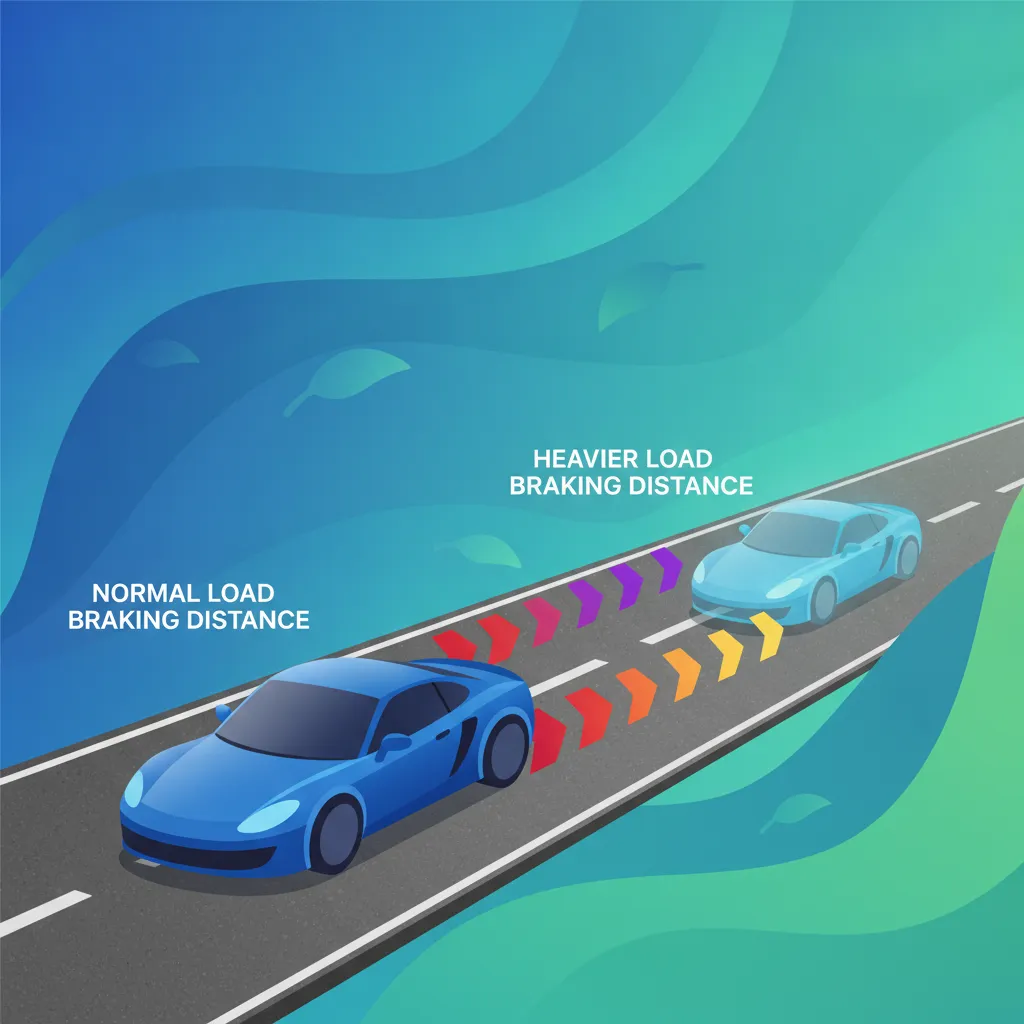
This lesson explores the direct relationship between a vehicle's mass, its speed, and the distance required to stop. It explains how increased load significantly lengthens the braking distance and details how road conditions like gradient and surface friction further affect this calculation. Learners will understand the importance of anticipating stops and maintaining a greater following distance to ensure safety.

This lesson emphasizes the professional driver's heightened responsibility to protect vulnerable road users. It revisits Danish regulations concerning cyclist priority, particularly during right turns, and details the correct procedures for maintaining safe overtaking distances. The content focuses on developing advanced situational awareness, using mirrors and cameras effectively, and anticipating the behavior of pedestrians and cyclists in urban environments.
This lesson explains how to adjust driving techniques for adverse conditions. It covers the effects of rain, snow, ice, and fog on tire grip and visibility, emphasizing the need to increase following distances and reduce speed. The content also details the correct use of lights for night driving and in poor weather to ensure the bus is visible to others.
Explore advanced regulations and scenarios for Category C drivers on Danish motorways. This lesson details specific nuances of lane discipline, complex merging and exiting situations, and adaptive strategies for heavy vehicles in challenging traffic conditions.

This lesson provides essential training for driving on motorways. It details the correct procedure for using acceleration lanes to merge safely into fast-moving traffic, maintaining proper lane discipline, and executing safe overtaking manoeuvres. You will also learn the importance of keeping a safe following distance and planning for your exit well in advance.
This lesson contrasts the driving techniques required for rural roads and motorways. It covers managing speed on narrow, winding lanes with potential hazards like farm machinery or animals. The content also explains the principles of safe motorway driving, including maintaining lane discipline, managing high-speed stability, and executing safe overtaking maneuvers.
This lesson addresses the combined challenges of navigating narrow rural roads and driving in adverse weather. It explains how to adapt speed and braking techniques for conditions like heavy rain, fog, or ice, which are common on rural routes. The content also integrates these factors into route planning, teaching drivers how to select the safest and most appropriate path while avoiding local weight or height restrictions.
This lesson addresses the specific skills required to navigate around public transport and heavy goods vehicles safely. You will learn the rules for bus lanes, recognize when buses have priority at stops, and understand the unique challenges posed by large vehicles, such as wider turning circles and larger blind spots. The material also provides clear protocols for overtaking these vehicles while maintaining adequate safety margins.

This lesson prepares drivers for the unique operational environment of ports and large industrial sites. It explains the specific traffic rules, signage, and safety protocols that govern these areas, which often differ from public roads. Learners will understand how to safely navigate around loading docks, container yards, and other industrial traffic to ensure efficient and incident-free operations.

This lesson focuses on the practical skills needed to maneuver a large vehicle in confined environments such as urban delivery zones and loading docks. It teaches how to accurately judge the required space, understand the vehicle's turning radius, and use reference points to position the vehicle precisely. The content covers strategies for navigating tight corners and avoiding fixed obstacles, which is essential for damage-free urban operations.

Operating a heavy goods vehicle comes with heightened professional and legal responsibilities. This lesson examines the driver's duties regarding pre-trip inspections, load security, and continuous vehicle maintenance. It emphasizes the ethical obligation to protect vulnerable road users like cyclists and pedestrians, and stresses the importance of maintaining professional conduct and adhering to all traffic regulations to ensure road safety.
This lesson emphasizes the professional driver's heightened responsibility to protect vulnerable road users. It revisits Danish regulations concerning cyclist priority, particularly during right turns, and details the correct procedures for maintaining safe overtaking distances. The content focuses on developing advanced situational awareness, using mirrors and cameras effectively, and anticipating the behavior of pedestrians and cyclists in urban environments.

This lesson focuses on the legal dimensional limits—length, width, and height—for heavy goods vehicles and their interaction with road infrastructure. It explains Danish regulations and the importance of planning routes to avoid constraints such as low bridges, narrow tunnels, and weight-restricted roads. Learners will understand how to interpret road signs indicating these limits and the procedures for obtaining permits for oversized loads.

This lesson provides practical guidance for navigating the challenges of urban deliveries. It details Danish regulations for using loading zones, including time restrictions and parking rules, and offers strategies for effective route planning in dense traffic. The content emphasizes awareness of pedestrian-heavy areas and the importance of maneuvering with caution to ensure public safety during delivery operations.
Find clear answers to common questions learners have about Driving on Motorways and Interchanges. Learn how the lesson is structured, which driving theory objectives it supports, and how it fits into the overall learning path of units and curriculum progression in Denmark. These explanations help you understand key concepts, lesson flow, and exam focused study goals.
Category C vehicles must adhere to specific lane restrictions, often being prohibited from using the outermost lanes on motorways with three or more lanes. You must always plan your lane changes well in advance to accommodate the vehicle's size and longer acceleration time.
You must utilize the entire length of the acceleration lane to match the speed of the traffic on the main carriageway as closely as possible, without exceeding legal speed limits for lorries. Always check your blind spots thoroughly, as your acceleration will be slower than that of passenger cars.
Heavy vehicles have significantly longer stopping distances due to their mass. Maintaining a generous following distance allows you more time to react to sudden braking ahead, preventing the need for emergency stops which can lead to load shifting or loss of stability.
Yes, you must anticipate the curvature and gradients of interchanges early. Due to a higher centre of gravity, it is essential to reduce speed significantly before entering tight curves to maintain vehicle stability and prevent the risk of rollover.
Use our powerful search tool to pinpoint specific Danish driving theory topics, road signs, or traffic situations you need to review. Start exploring relevant practice sets now to reinforce your knowledge and build confidence for your upcoming driving licence exam.