
This lesson explores how to select the safest position on the road while riding your stor knallert. By mastering lane placement and visibility, you will reduce your risk of accidents and prepare yourself for crucial scenarios in your Category AM theory exam.
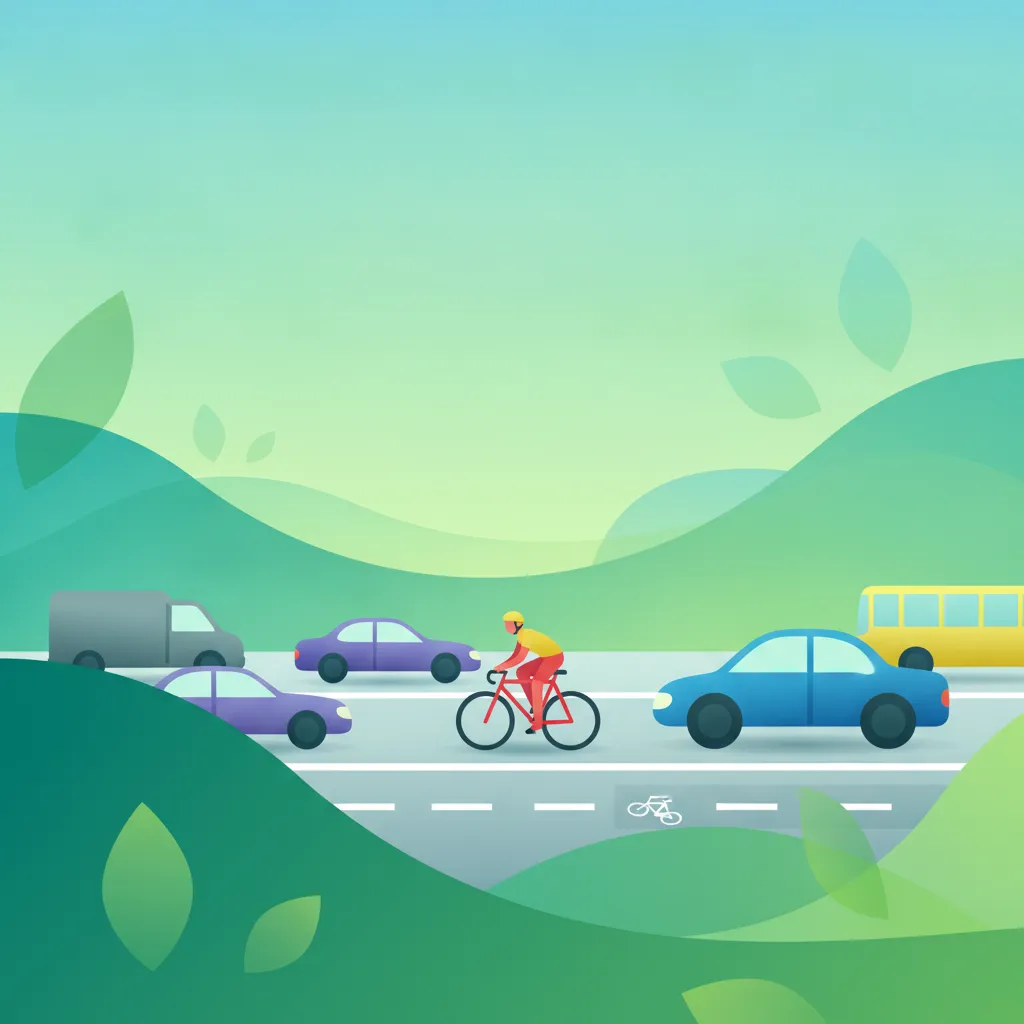
Lesson content overview
Navigating Danish roads on a stor knallert (large moped) requires more than just knowing where you're going; it demands strategic road positioning to ensure your safety and visibility to other road users. This lesson delves into the critical aspects of selecting the correct part of the lane in various traffic scenarios, helping you to minimize risks, avoid dangerous blind spots, and enhance your ability to anticipate hazards. Mastering road position is a fundamental skill that underpins safe and confident riding.
Optimal road positioning involves deliberately placing your stor knallert within its lane to create a safe environment around you. This proactive approach is crucial for all riders, but particularly for those on two-wheeled vehicles who are inherently more vulnerable.
Your position on the road directly impacts how well you can see potential hazards and, equally important, how well other drivers can see you. A well-chosen road position can mean the difference between being noticed and being overlooked, significantly reducing the risk of collisions. It also provides you with more space and time to react to unexpected situations, such as sudden braking by the vehicle ahead or an opening car door.
Effective road positioning is guided by several key principles that, when applied consistently, create a robust safety strategy. These principles are interconnected and should be considered together in every riding situation.
Lane discipline refers to riding on the correct part of the lane as dictated by road type, traffic flow, and legal requirements. This means understanding where your vehicle should be in relation to lane markings, other vehicles, and the road edge. Maintaining proper lane discipline ensures predictable behavior, which is vital for preventing misunderstandings and accidents with other road users.
One of the most crucial aspects of road positioning is ensuring you are visible. Many drivers, particularly those in larger vehicles, may not actively look for mopeds. By positioning yourself where you are most likely to be seen—for example, in the center of a vehicle's rear-view mirror or within their peripheral vision—you significantly increase your chances of being noticed and given adequate space.
Every vehicle has blind spots, areas around it that the driver cannot see, even with mirrors. For stor knallert riders, it is imperative to identify and actively avoid these zones, especially when riding near trucks, buses, or vans. Staying out of blind spots means frequently adjusting your position to remain visible in the driver's mirrors, or ensuring you are either well ahead of or well behind the larger vehicle.
A safety buffer is the lateral and longitudinal space you maintain around your stor knallert. This buffer acts as a personal safety zone, providing room for emergency maneuvers, absorbing unexpected movements from other vehicles, and protecting you from road hazards like potholes or debris. It includes a safe following distance from the vehicle ahead and adequate lateral clearance from parked cars, curbs, and other traffic.
Different traffic situations demand specific adjustments to your road positioning strategy. Understanding these variations is key to safe riding on your stor knallert.
Intersections are high-risk areas where different traffic flows converge. Your road position here is critical for communicating your intentions and ensuring others can see you.
When approaching an intersection, position your stor knallert to ensure you have a clear view of all potential cross-traffic, and critically, that cross-traffic has a clear view of you. Generally, this means avoiding riding too close to the curb, which can obscure you behind parked cars or roadside structures. Instead, position yourself slightly to the left within your lane. This central or left-of-center position makes you more prominent in the vision of drivers approaching from other directions.
Danish priority rules (vigepligt) heavily influence how you should position yourself. If you are approaching a stop line or a give-way sign, your positioning before the line ensures you are seen by traffic with priority. If you have priority, maintaining a confident and clear lane position communicates your right-of-way to other road users, reducing ambiguity.
A common mistake is riding too far to the right, which places you in a less visible position and can be mistaken for yielding even when you have priority. Another error is failing to anticipate the movement of other vehicles, such as those turning left or right across your path. Always assume others might not see you and adjust your position to be as visible as possible.
Navigating curves effectively is not just about speed and lean angle; it's also about choosing the right line through the bend to maintain optimal traction and visibility.
A curve can be broken down into three main phases:
Correct positioning helps you avoid hazards that might be around the bend, such as oncoming traffic, pedestrians, or debris. By staying slightly to the left in a right-hand curve, for instance, you increase your line of sight, allowing you to react sooner to anything unexpected. This also helps in maintaining better control and traction, as it allows for a smoother, wider arc through the curve.
Riding too close to the outer edge of the lane in a curve can limit your view of oncoming traffic and reduce your margin for error if another vehicle drifts into your lane. Conversely, riding too close to the inner edge can risk contact with curbs or other road edge hazards.
Overtaking and being overtaken are common maneuvers that require careful positioning to ensure safety.
When you intend to overtake a slower vehicle, position your stor knallert to the left part of your lane (in countries with right-hand traffic like Denmark). This allows you to clearly see the road ahead, assess for oncoming traffic, and ensure you have sufficient space to complete the maneuver safely. Before moving out, signal your intention well in advance and ensure you have a clear path. Once past, return to your original lane position, ensuring adequate clearance before re-entering.
If another vehicle is preparing to overtake you, maintain a steady and predictable lane position. Avoid hugging the right edge of the road too closely if it’s narrow, as this can make it difficult for the overtaking vehicle to see you and pass safely. A slightly more central position can actually give them more room to maneuver around you. Maintain your speed and allow them to pass without unnecessary impedance.
Clear signalling is paramount. Use your indicators well before initiating an overtake and keep them on until you have safely completed the maneuver. This communicates your intentions to both the vehicle you are overtaking and any oncoming traffic or vehicles behind you.
Heavy traffic, especially in urban areas, presents unique challenges for stor knallert riders. Strategic positioning is vital for maintaining safety and visibility.
In dense, slow-moving traffic, avoid the temptation to weave between vehicles or ride too close to the curb. Instead, maintain a stable and central position within your lane. This makes you more visible to drivers ahead and behind and prevents you from being "squeezed" by larger vehicles. It also keeps you away from potential hazards like opening car doors or pedestrians stepping out between parked cars.
Always ensure you maintain a safe following distance from the vehicle in front, even in heavy traffic. This buffer space allows you to react to sudden stops and gives you a visual escape route if needed. A minimum of a two-second gap is generally recommended, increasing in adverse conditions.
Lane changes in heavy traffic demand extra caution. Signal your intentions early, check your mirrors, and perform a head check (looking over your shoulder) to confirm your blind spot is clear. Position yourself to ensure you have adequate space in the adjacent lane before initiating the change smoothly and deliberately.
Riding too close to the road edge or inadvertently placing yourself in blind spots are common causes of accidents for moped riders.
While it might seem polite to ride far to the right to allow cars to pass, riding too close to the curb or shoulder presents several dangers. It can:
Instead, maintain a safe lateral distance from the curb or parked vehicles, typically at least 0.5 to 1 meter, to create a buffer zone.
As mentioned earlier, blind spots are critical. When riding alongside larger vehicles, always assume their drivers cannot see you unless you can clearly see their face in their side mirror. Position yourself so you are clearly visible in their mirrors, or move ahead or drop behind to avoid lingering in their blind zones. This is especially true when approaching or passing trucks and buses.
Danish traffic law, Færdselsloven, includes specific requirements regarding road positioning, which are mandatory for all road users, including stor knallert riders. Adherence to these regulations is not only a legal obligation but a cornerstone of safe riding.
Under Danish law, riders must position their vehicle such that they maintain visibility, stay clear of blind spots, and adhere to proper lane discipline. This means generally keeping to the right side of the road, but not so far right that it compromises safety or visibility. At intersections, for turns, or when preparing to overtake, specific positioning rules apply to ensure clear communication of intent and to facilitate safe traffic flow. Failure to position correctly can be considered a traffic violation.
Incorrect road positioning, especially if it leads to a dangerous situation or impedes traffic, can result in penalties under Danish traffic law. These may include fines, and in severe cases or repeat offenses, points on your license or even a ban. The rationale behind these regulations is to enhance mutual visibility, reduce the risk of collisions, and ensure predictable behavior from all road users.
Road conditions, weather, and the presence of other road users require dynamic adjustments to your road positioning strategy.
A stor knallert with a passenger or heavy luggage will handle differently than when ridden solo. Your braking distance may increase, and your balance might be affected. Adjust your road position to compensate, increasing your buffer zones and giving yourself more time and space for maneuvers.
When riding near cyclists or pedestrians, position your stor knallert to give them ample space. This means moving further away from the curb if a cyclist is present, or anticipating pedestrians who might step into the road. Signal your intentions early to avoid startling them.
Understanding common road positioning errors can help you actively prevent them.
This reduces your visibility and maneuverability, and increases the risk of hitting road debris or an opening car door. Correct behavior: Stay in the central or slightly left part of the lane, maintaining at least 0.5 to 1 meter lateral distance from the curb or parked cars.
You become invisible to the driver, significantly increasing collision risk. Correct behavior: Actively avoid riding directly alongside trucks, buses, or vans. Position yourself so you can clearly see the driver's face in their side mirror, or stay well ahead or behind.
This can lead to ambiguous right-of-way situations and increased collision risk. Correct behavior: Position to the left of the lane when approaching an intersection with a stop line or give-way, allowing cross-traffic to see you clearly.
Reduces your reaction time for sudden stops, leading to rear-end collisions. Correct behavior: Maintain at least a 2-second following distance from the vehicle ahead, increasing it in adverse conditions.
Causes surprise and potential hazards for other road users. Correct behavior: Always signal your intentions early, check mirrors, and perform a head check before smoothly changing lanes.
Limits visibility and increases the risk of contacting road hazards or preventing you from seeing oncoming traffic. Correct behavior: Adjust your lane position within the curve (e.g., slightly to the left for a right-hand curve) to maximize your line of sight and stability.
This lesson covers the critical skill of strategic road positioning for stor knallert riders in Denmark, emphasizing that where you place yourself within the lane directly impacts your visibility and safety. Key principles include maintaining a safety buffer zone around your vehicle, actively avoiding the blind spots of larger vehicles, and positioning slightly left at intersections for maximum visibility to cross-traffic. The content addresses specific scenarios including curves, overtaking maneuvers, and heavy traffic navigation, while incorporating Danish legal requirements under Færdselsloven. Common mistakes covered include riding too close to the curb, lingering in blind spots, and maintaining insufficient following distance, all of which are test-relevant hazards that learners must understand for the Category AM theory exam.
A short set of high-value points that capture the most important learning from this lesson.
Strategic lane positioning on a stor knallert directly determines your visibility to other drivers and your ability to react to hazards
Always stay out of blind spots by positioning yourself where you can clearly see the driver's face in their side mirror
At intersections, position slightly to the left within your lane to maximize visibility to cross-traffic and communicate your intentions
Maintain a safety buffer zone at all times—lateral distance from curbs and parked cars, plus a minimum 2-second following distance
Adjust your road position dynamically based on traffic density, weather conditions, road type, and the presence of larger vehicles
Explore all units and lessons included in this driving theory course.
Keep at least 0.5 to 1 meter lateral distance from the curb or parked cars to avoid debris, potholes, and the door zone
Maintain a minimum 2-second following distance from the vehicle ahead, increasing in adverse weather or heavy traffic
Vigepligt (Danish priority rules) dictate how you must position yourself at junctions and crossings
In curves, position slightly to the left for right-hand bends to maximize your line of sight around the corner
Use early signalling, mirror checks, and head checks before any lane change or maneuver to communicate intentions clearly
Riding too close to the curb reduces visibility to drivers pulling out and limits your available escape route if a hazard appears
Positioning directly alongside trucks, buses, or vans puts you in their blind spot where the driver cannot see you at all
Approaching an intersection positioned too far right can be misinterpreted by other drivers as yielding even when you have priority
Following too closely behind the vehicle ahead reduces your reaction time and increases the risk of a rear-end collision
Making lane changes without signalling surprises other road users and creates unpredictable traffic situations
Lesson content overview
A short set of high-value points that capture the most important learning from this lesson.
Strategic lane positioning on a stor knallert directly determines your visibility to other drivers and your ability to react to hazards
Always stay out of blind spots by positioning yourself where you can clearly see the driver's face in their side mirror
At intersections, position slightly to the left within your lane to maximize visibility to cross-traffic and communicate your intentions
Maintain a safety buffer zone at all times—lateral distance from curbs and parked cars, plus a minimum 2-second following distance
Adjust your road position dynamically based on traffic density, weather conditions, road type, and the presence of larger vehicles
Explore all units and lessons included in this driving theory course.
Keep at least 0.5 to 1 meter lateral distance from the curb or parked cars to avoid debris, potholes, and the door zone
Maintain a minimum 2-second following distance from the vehicle ahead, increasing in adverse weather or heavy traffic
Vigepligt (Danish priority rules) dictate how you must position yourself at junctions and crossings
In curves, position slightly to the left for right-hand bends to maximize your line of sight around the corner
Use early signalling, mirror checks, and head checks before any lane change or maneuver to communicate intentions clearly
Riding too close to the curb reduces visibility to drivers pulling out and limits your available escape route if a hazard appears
Positioning directly alongside trucks, buses, or vans puts you in their blind spot where the driver cannot see you at all
Approaching an intersection positioned too far right can be misinterpreted by other drivers as yielding even when you have priority
Following too closely behind the vehicle ahead reduces your reaction time and increases the risk of a rear-end collision
Making lane changes without signalling surprises other road users and creates unpredictable traffic situations
Explore search topics learners often look for when studying Road Position in Different Traffic Scenarios. These topics reflect common questions about road rules, driving situations, safety guidance, and lesson level theory preparation for learners in Denmark.
Browse additional driving theory lessons that cover connected traffic rules, road signs, and common driving situations related to this topic. Improve your understanding of how different rules interact across everyday traffic scenarios.
Identify and learn to prevent typical errors in road positioning for stor knallert riders. This lesson covers dangers of riding too close to the curb, staying in blind spots, and incorrect intersection approaches.
This lesson focuses on interpreting the various markings painted on Danish road surfaces. It explains the rules associated with solid and broken lane lines, directional arrows, and special-purpose lanes for buses and cyclists. Understanding these markings is crucial for maintaining correct lane discipline and safely navigating complex road layouts.
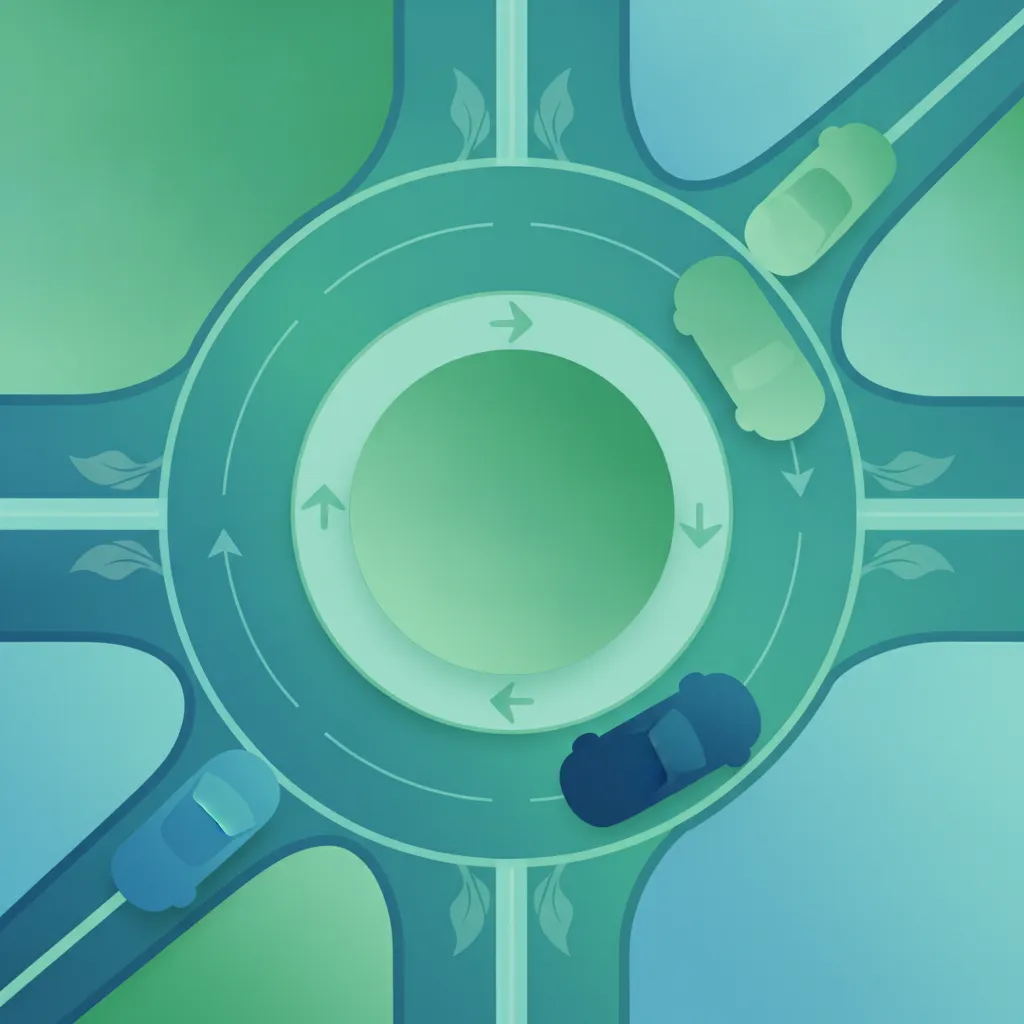
This lesson provides detailed instructions for navigating Danish roundabouts. It covers the rules for yielding upon entry, selecting the correct lane based on the intended exit, and signalling intentions clearly. The lesson also highlights the specific rules regarding priority for cyclists crossing entry and exit lanes.

This lesson addresses the critical skill of safely coexisting with cyclists and cargo bikes, which are prevalent in Denmark. It explains how to maintain a safe distance, overtake properly, and be vigilant for cyclists, especially when turning right. Understanding the infrastructure of cycle lanes and predicting cyclist behavior is a key focus.
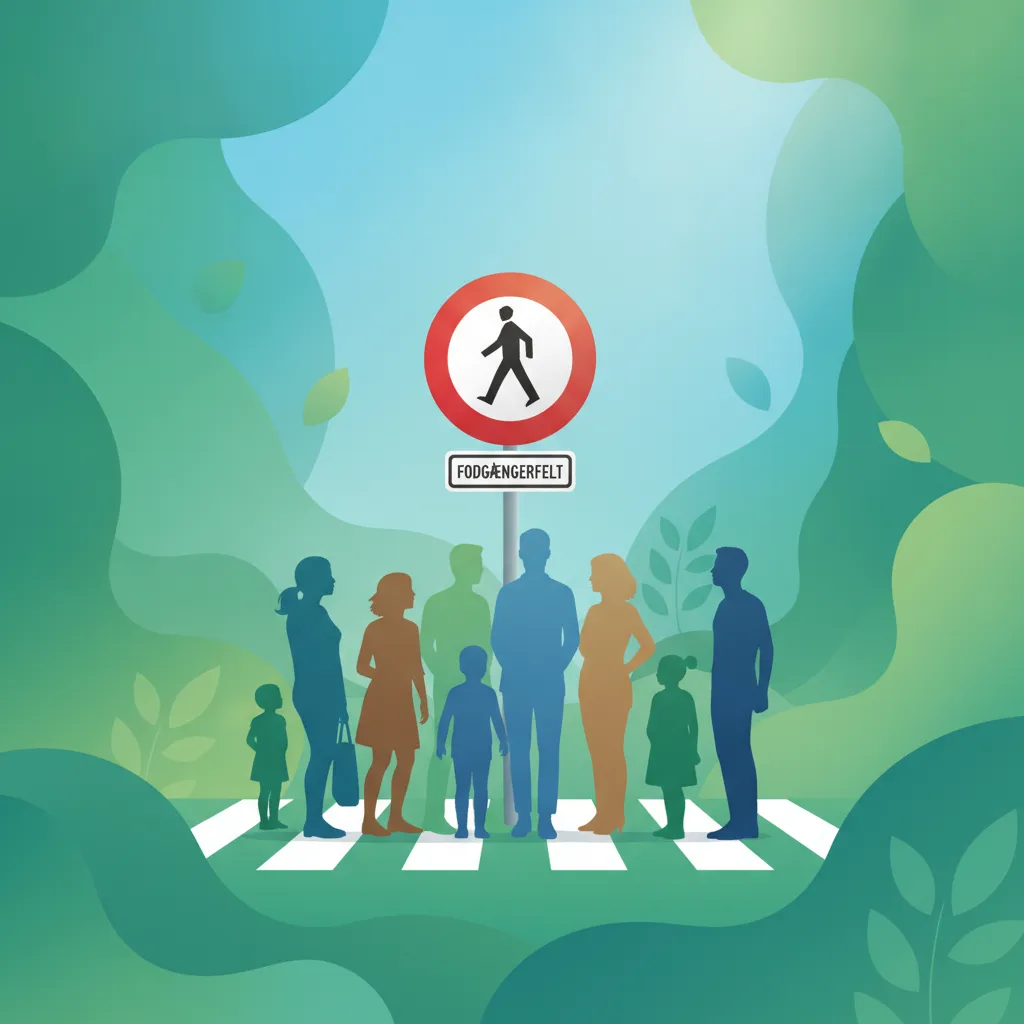
This lesson introduces the primary categories of Danish road signs and their legal implications. It covers regulatory signs that dictate mandatory actions or prohibitions, and warning signs that indicate upcoming hazards. Correct interpretation of these signs is fundamental for lawful and safe riding on Danish roads.

This lesson focuses on the safe integration of cyclists and pedestrians within the traffic system, a key feature of Danish roads. It covers the specific rights and common behaviors of cyclists, including those on e-bikes and cargo bikes, and explains procedures for yielding to pedestrians. The content emphasizes maintaining safe distances and heightened awareness to prevent accidents and promote harmonious road sharing.

This lesson explores non-verbal communication techniques for safer road sharing. It discusses the importance of making eye contact with other drivers and pedestrians to confirm they have seen you. The content also explains the appropriate and legal use of the horn to alert others of your presence.
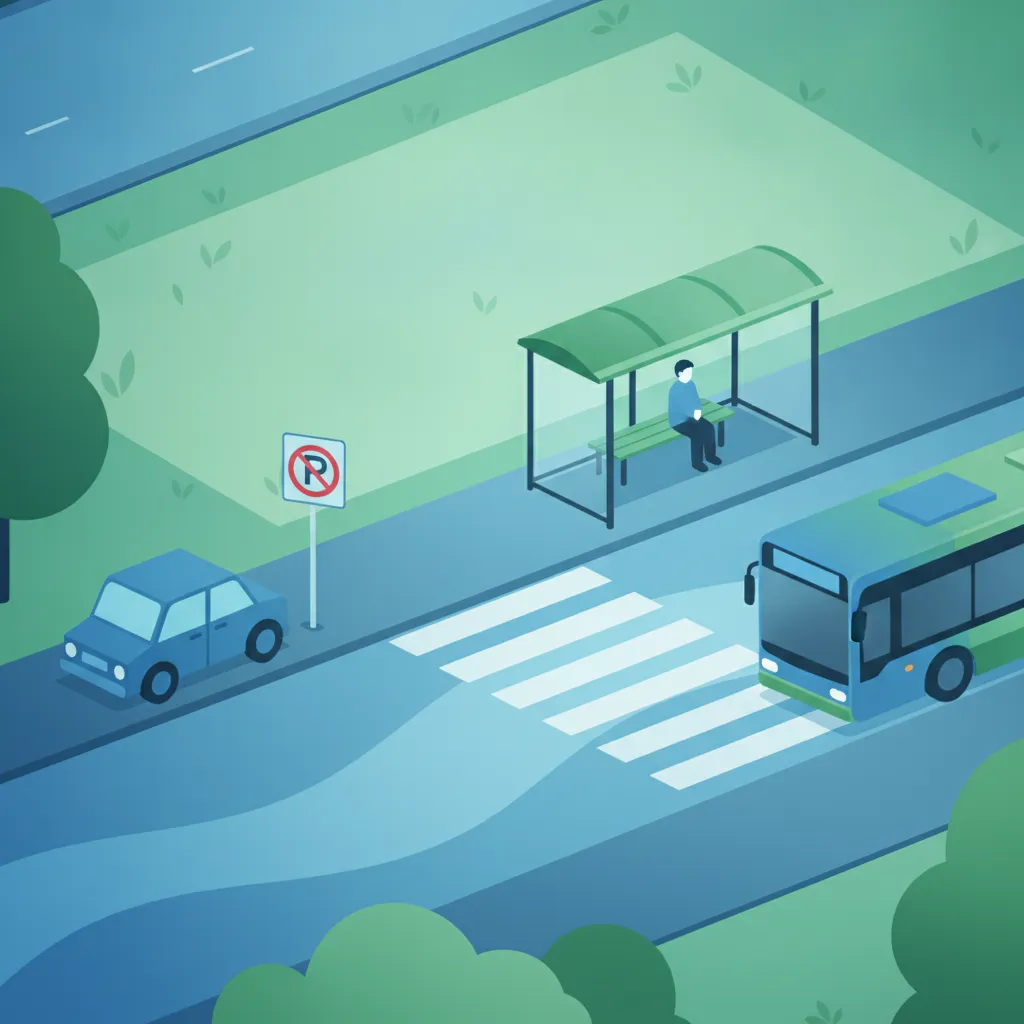
This lesson focuses on identifying and mitigating common hazards in built-up areas. It covers the risks associated with pedestrians emerging from behind buses or parked cars, and the danger of suddenly opening car doors. Learners will understand the importance of reducing speed and increasing observation in these high-risk environments.

This lesson details the function and meaning of traffic light signals in Denmark. It covers the standard red, amber, and green sequences, as well as special signals like flashing amber lights and green arrows for turning. The content also explains signals specific to cyclists and pedestrians that moped riders must observe at intersections.
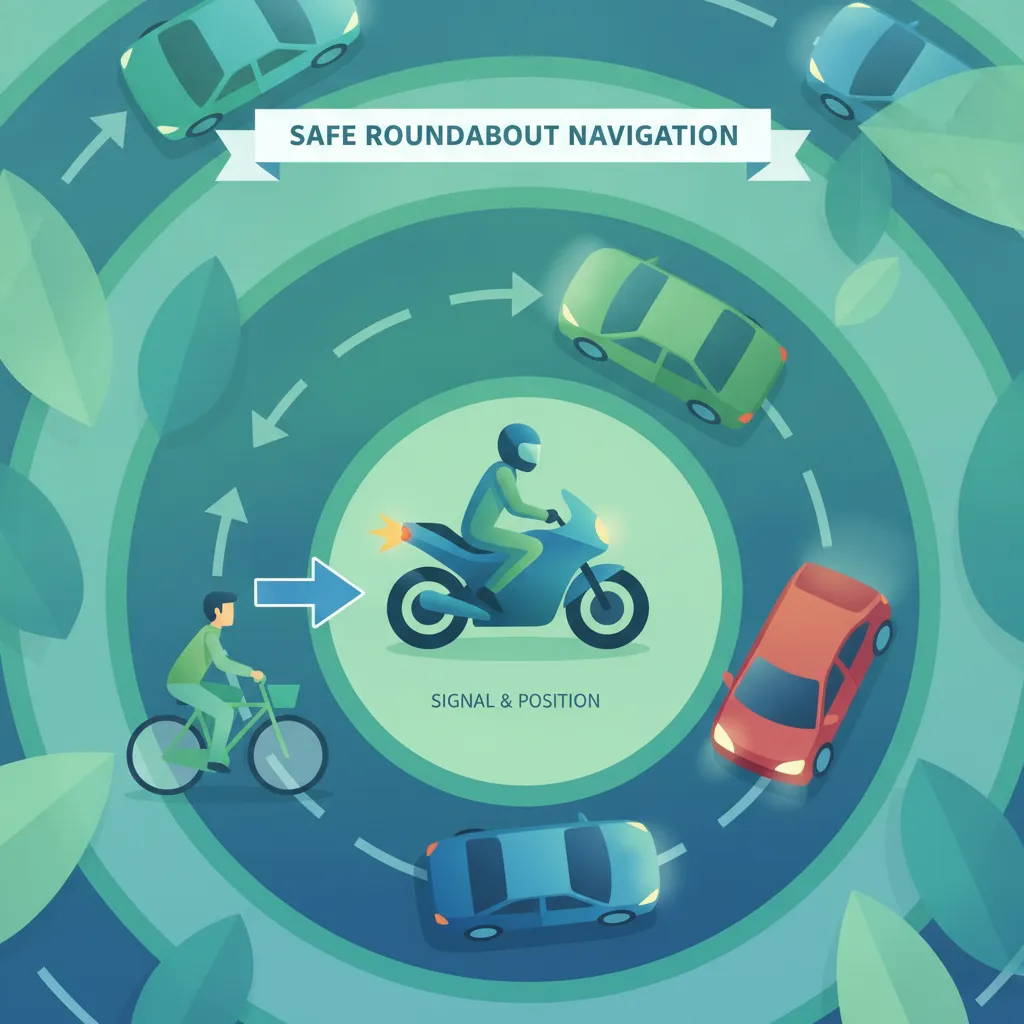
This lesson details the specific skills needed to navigate roundabouts on a motorcycle. It explains how to approach at a safe speed, select the correct lane based on your intended exit, and yield to circulating traffic. Proper use of signals to indicate intentions when entering and exiting is also covered.

This lesson focuses on safe interactions with Denmark's large population of cyclists and other vulnerable road users. It covers the rules for passing cyclists, yielding at pedestrian crossings, and the specific hazard of turning across a bike lane. Developing heightened awareness for these interactions is critical for urban riding.
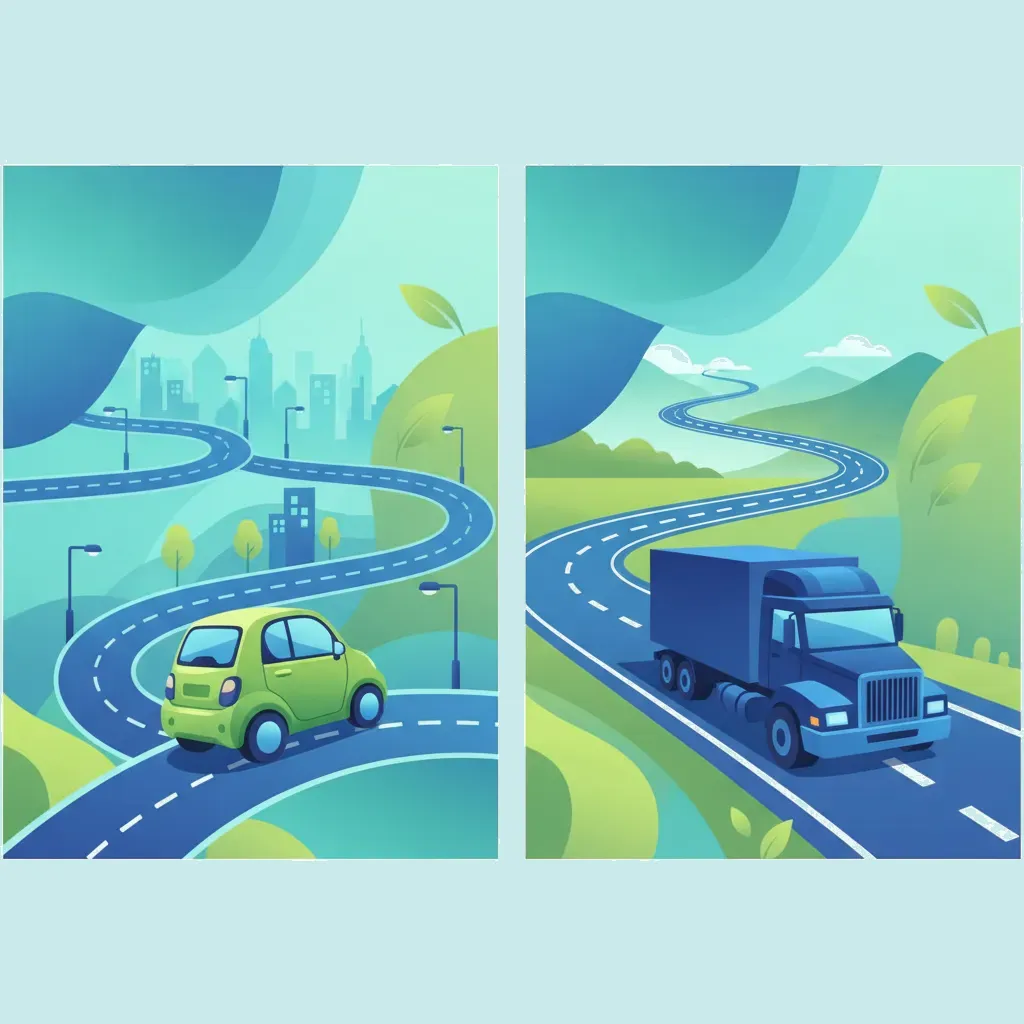
Understand how to adjust your road position for a stor knallert on different types of roads. Learn the specific positioning requirements and safety considerations for urban streets compared to open rural routes in Denmark.
This lesson provides a comparative analysis between a stor knallert and other road users like bicycles, e-bikes, and cars. It examines the differences in speed, maneuverability, and visibility, which create unique challenges for moped riders. Understanding these distinctions is key to anticipating interactions and positioning oneself safely in mixed traffic.
Find clear answers to common questions learners have about Road Position in Different Traffic Scenarios. Learn how the lesson is structured, which driving theory objectives it supports, and how it fits into the overall learning path of units and curriculum progression in Denmark. These explanations help you understand key concepts, lesson flow, and exam focused study goals.
Because a stor knallert is smaller than a car, your road position is your primary tool for being seen. Correct positioning ensures you stay out of vehicle blind spots and signals your intentions clearly to other drivers.
You should generally position yourself where you are most visible, often slightly off-center in the lane depending on the situation, such as approaching an intersection, to avoid being squeezed by turning vehicles.
Your road position helps establish your path of travel, making your intentions clear to other drivers. However, always remember that you must still follow the official Danish vigepligt (priority) rules regardless of your position.
Avoid riding alongside or trailing large vehicles like trucks or buses too closely. By positioning yourself where the driver can clearly see you in their mirrors or by keeping a safe distance, you prevent being hidden in their blind spots.
Use our powerful search tool to pinpoint specific Danish driving theory topics, road signs, or traffic situations you need to review. Start exploring relevant practice sets now to reinforce your knowledge and build confidence for your upcoming driving licence exam.