
This lesson provides a step-by-step guide to safely navigating roundabouts as a stor knallert rider in Denmark. You will learn the correct approach, how to signal your intentions, and the critical rules regarding cyclist priority to ensure you pass your Category AM theory exam.
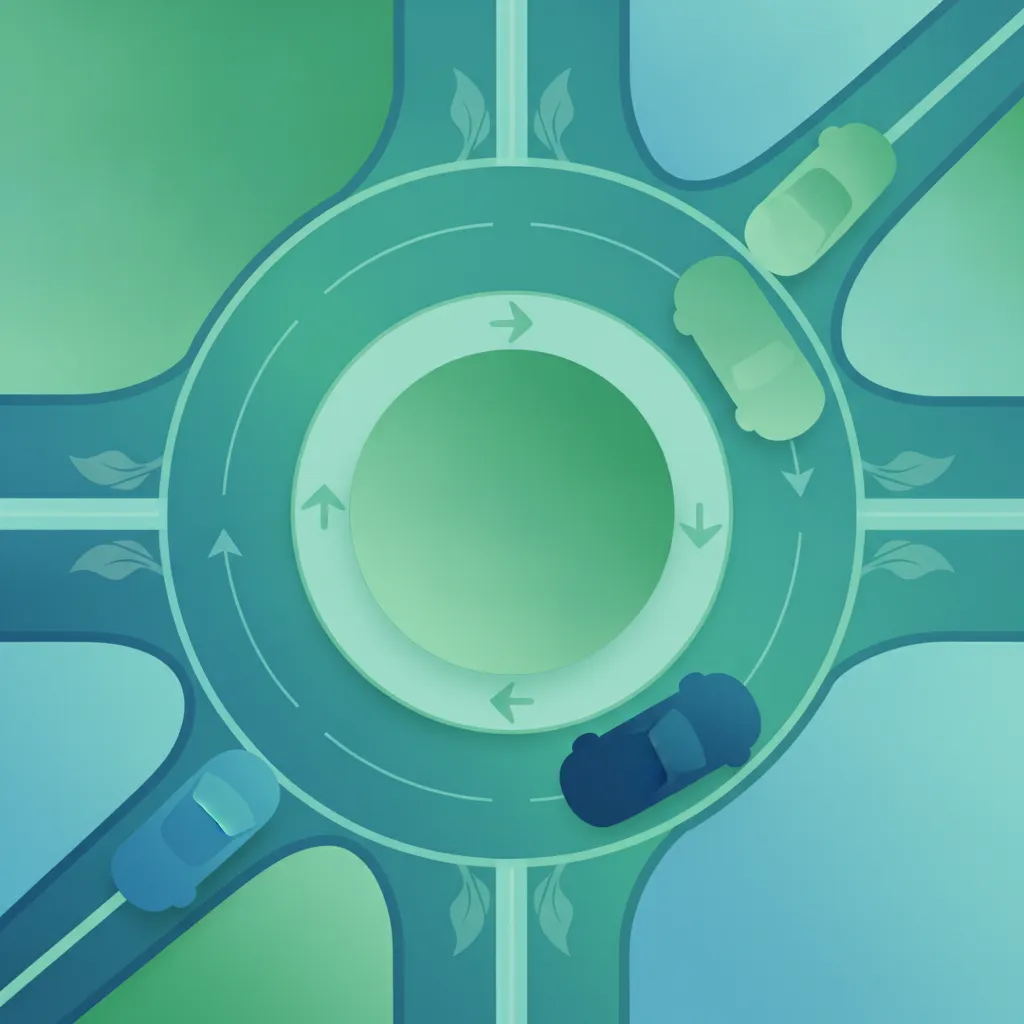
Lesson content overview
Welcome to this comprehensive lesson on safely and legally navigating roundabouts in Denmark. As a rider of a Category AM vehicle, or stor knallert, understanding the specific rules and procedures for these circular intersections is crucial for your safety and the smooth flow of traffic. This guide will provide detailed instructions covering everything from yielding correctly upon entry to selecting the appropriate lane, signaling your intentions, and understanding the unique priority rules for cyclists.
Roundabouts, known as trafikplads in Danish, are circular intersections designed to manage traffic flow more efficiently and safely than traditional crossroads. By requiring vehicles to circulate around a central island and yield upon entry, they significantly reduce the number of potential conflict points, thereby minimizing the risk of head-on collisions and high-speed crashes. For stor knallert riders, mastering roundabout navigation is an essential part of the Official Danish Driving Theory Course for Category AM.
This lesson builds upon your foundational knowledge of basic traffic signs, right-of-way rules (vigepligt), lane discipline, and general signalling conventions. Applying these principles within the unique structure of a roundabout will enhance your ability to interact safely with other road users, especially vulnerable ones like cyclists and pedestrians.
Successful navigation of Danish roundabouts hinges on adherence to four core principles:
The most critical rule when approaching a roundabout is the requirement to yield. This means you must slow down or stop if necessary to allow traffic already in the roundabout to proceed.
Upon approaching a roundabout, you will almost always encounter a yield sign. This sign indicates that you must give way to all traffic already circulating within the roundabout. This applies whether the circulating traffic is a car, a bus, or another stor knallert. It ensures that traffic within the roundabout can flow continuously without interruption from entering vehicles.
When approaching a roundabout, scan for circulating traffic well in advance. Prepare to slow down and stop if there isn't a safe gap to enter without forcing other vehicles to brake or swerve.
Failing to yield is a common cause of collisions at roundabouts. Always check your mirrors and blind spots as you approach, and make eye contact with other drivers or riders if possible, to confirm their intentions.
A crucial aspect of yielding in Danish roundabouts concerns cyclists. Even if you perceive a clear gap in circulating vehicle traffic, you must also yield to cyclists who are crossing the entry lane you are about to use. This rule is often overlooked but is paramount for cyclist safety.
Do not assume that because you have a clear path to enter the roundabout, you have priority over all other road users. Cyclists crossing the entry lane always have priority over vehicles entering the roundabout.
Proper lane selection is fundamental for navigating roundabouts safely and efficiently. You must choose the correct lane before you enter the roundabout, based on your intended exit. Changing lanes within a roundabout is generally discouraged and can lead to dangerous situations.
The general principle for lane selection is similar to multi-lane intersections:
Always pay close attention to road markings and signs on the approach to the roundabout, as these may provide specific instructions for lane usage that override the general rules.
Once you have chosen your lane and safely entered the roundabout, it is crucial to maintain that lane throughout your circulation. Do not drift between lanes or make sudden lane changes. This can create confusion for other drivers and lead to collisions. Keep a consistent speed, neither too fast nor too slow, and be aware of vehicles to your side, especially those in adjacent lanes who may be taking a different exit.
Clear and timely signaling is a cornerstone of safe driving, and its importance is amplified in the dynamic environment of a roundabout. Your signals communicate your intentions to other road users, allowing them to anticipate your actions and react appropriately.
Unlike entering, where you generally do not signal unless taking the immediate first exit to the right, signaling before exiting is mandatory and crucial.
Identify Your Exit: As you circulate, be aware of which exit is yours.
Signal After Passing the Preceding Exit: Once you have passed the exit immediately before your intended exit, activate your right turn signal. This clearly indicates to vehicles waiting to enter and those behind you that you are about to leave the roundabout.
Maintain Signal Until Exiting: Keep your right turn signal active until your stor knallert has fully cleared the roundabout.
Cancel Signal: Once you have exited and are safely on the new road, cancel your signal.
If you are taking the very first exit (a right turn), you should activate your right turn signal before entering the roundabout, and maintain it throughout your short circulation and exit.
Danish traffic law places a strong emphasis on the safety of vulnerable road users, and cyclists receive specific priority within roundabouts that differs from general yielding rules. For stor knallert riders, it is paramount to understand and respect these rules.
As previously mentioned, when you are approaching a roundabout to enter, you must yield to all circulating traffic. However, you must also yield to cyclists who are crossing the entry lane you are about to use, even if there is a green light for you or no vehicle traffic in the roundabout. Cyclists often have dedicated cycle paths that run parallel to the entry lanes and cross the flow of vehicles entering the roundabout.
Always check for cyclists on cycle paths before entering a roundabout. They have priority over your stor knallert when crossing the entry lane.
This rule is equally important: when you are exiting a roundabout, you must yield to cyclists who are crossing the exit lane you are using. This means that as you turn to exit, you need to check for cyclists who may be continuing straight through the roundabout's perimeter or making their own turns, using the cycle path that runs across your exit path.
The specific priority rules for cyclists in Danish roundabouts highlight the need for extreme vigilance. As a stor knallert rider, you are also relatively vulnerable compared to cars and trucks, but you still have a responsibility to protect even more vulnerable road users. Always scan thoroughly for cyclists and pedestrians, especially when entering and exiting, and be prepared to stop.
The specific right granted to cyclists in Denmark to have priority over vehicles when crossing the entry or exit lanes of a roundabout.
Appropriate speed management and a high level of situational awareness are crucial for safe roundabout navigation, especially on a stor knallert.
When encountering roundabouts with multiple lanes, always be aware of the blind spots of larger vehicles like trucks and buses. They may not see you, especially if you are positioned close to them.
Adhering to Danish traffic laws concerning roundabouts is not only a legal obligation but also the foundation of safe riding.
Navigating Danish roundabouts safely and confidently as a stor knallert rider involves a systematic approach and consistent application of key rules:
By consistently applying these principles, you will master Danish roundabout navigation, ensuring your safety and contributing to a smooth traffic flow for all.
Navigating Danish roundabouts as a stor knallert rider requires a systematic approach: approach at a speed allowing you to yield, select the correct lane before entering based on your intended exit, and yield to both circulating traffic and cyclists crossing entry lanes. Signal your exit by activating the right turn signal only after passing the exit immediately before yours, maintaining it until fully clear. Cyclist priority rules apply at both entry and exit lanes, and lane discipline must be maintained throughout circulation. Adjust speed for conditions and remain vigilant for vulnerable road users, as these rules are directly relevant to the Danish Category AM theory exam.
A short set of high-value points that capture the most important learning from this lesson.
Always yield to circulating traffic AND cyclists crossing the entry lane before entering a Danish roundabout.
Select your lane before entering based on your intended exit: right lane for first exit, left lane for last exit, middle lane for straight ahead.
Signal your exit only after passing the exit immediately before your intended exit, then maintain the signal until fully clear.
Cyclist priority is mandatory at both entry and exit lanes, overriding gaps in vehicle traffic.
Maintain consistent speed and lane discipline throughout circulation; changing lanes within a roundabout is discouraged.
Explore all units and lessons included in this driving theory course.
Yield (vigepligt) at roundabouts means giving way to all traffic already circulating and to cyclists crossing your entry lane.
For the first exit (right turn), signal right before entering; for all other exits, signal right after passing the preceding exit.
Cyclists always have priority when crossing entry and exit lanes of a roundabout, even if you have a gap in vehicle traffic.
Choose your lane before entering and maintain it throughout; lane changes inside the roundabout create dangerous conflicts.
Speed should be moderate enough to react to hazards but sufficient to maintain traffic flow without blocking others.
Signalling too early before exiting, which misleads other drivers into believing you will exit at the next opportunity.
Failing to yield to cyclists at entry or exit lanes, assuming vehicle gaps mean you have priority.
Changing lanes within the roundabout, which causes confusion and increases collision risk.
Not signalling at all or failing to cancel the signal after exiting, leaving other road users uncertain of your intentions.
Approaching at excessive speed, leaving insufficient time to react to circulating traffic or cyclists.
Lesson content overview
A short set of high-value points that capture the most important learning from this lesson.
Always yield to circulating traffic AND cyclists crossing the entry lane before entering a Danish roundabout.
Select your lane before entering based on your intended exit: right lane for first exit, left lane for last exit, middle lane for straight ahead.
Signal your exit only after passing the exit immediately before your intended exit, then maintain the signal until fully clear.
Cyclist priority is mandatory at both entry and exit lanes, overriding gaps in vehicle traffic.
Maintain consistent speed and lane discipline throughout circulation; changing lanes within a roundabout is discouraged.
Explore all units and lessons included in this driving theory course.
Yield (vigepligt) at roundabouts means giving way to all traffic already circulating and to cyclists crossing your entry lane.
For the first exit (right turn), signal right before entering; for all other exits, signal right after passing the preceding exit.
Cyclists always have priority when crossing entry and exit lanes of a roundabout, even if you have a gap in vehicle traffic.
Choose your lane before entering and maintain it throughout; lane changes inside the roundabout create dangerous conflicts.
Speed should be moderate enough to react to hazards but sufficient to maintain traffic flow without blocking others.
Signalling too early before exiting, which misleads other drivers into believing you will exit at the next opportunity.
Failing to yield to cyclists at entry or exit lanes, assuming vehicle gaps mean you have priority.
Changing lanes within the roundabout, which causes confusion and increases collision risk.
Not signalling at all or failing to cancel the signal after exiting, leaving other road users uncertain of your intentions.
Approaching at excessive speed, leaving insufficient time to react to circulating traffic or cyclists.
Explore search topics learners often look for when studying Roundabouts: Entry, Circulation, and Exit. These topics reflect common questions about road rules, driving situations, safety guidance, and lesson level theory preparation for learners in Denmark.
Browse additional driving theory lessons that cover connected traffic rules, road signs, and common driving situations related to this topic. Improve your understanding of how different rules interact across everyday traffic scenarios.
Understand the critical Danish traffic laws regarding cyclist priority when navigating roundabouts. This lesson focuses on specific scenarios at entry and exit lanes for AM licence riders, ensuring you protect vulnerable road users.

This lesson provides an in-depth explanation of Denmark's priority rules, known as 'vigepligt.' It differentiates between unconditional priority ('ubetinget vigepligt'), often indicated by signs, and the default right-hand priority rule ('højre vigepligt'). Applying these rules correctly is essential for preventing collisions at junctions without traffic signals.
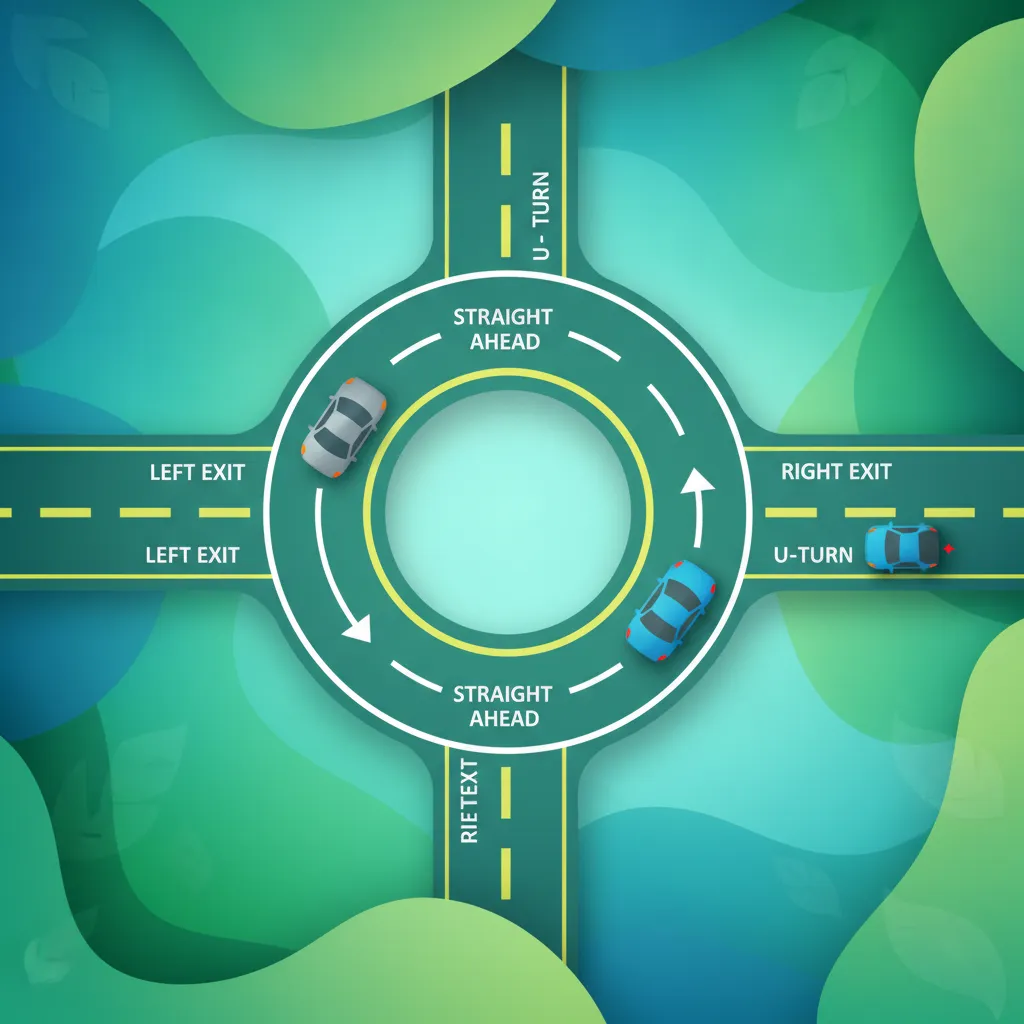
This lesson offers a step-by-step guide to navigating roundabouts in Denmark. You will learn how to approach and enter a roundabout, the requirement to yield to circulating traffic, and how to select the appropriate lane for your intended exit. Special attention is given to safely managing interactions with cyclists and pedestrians who may be present at roundabout entrances and exits.
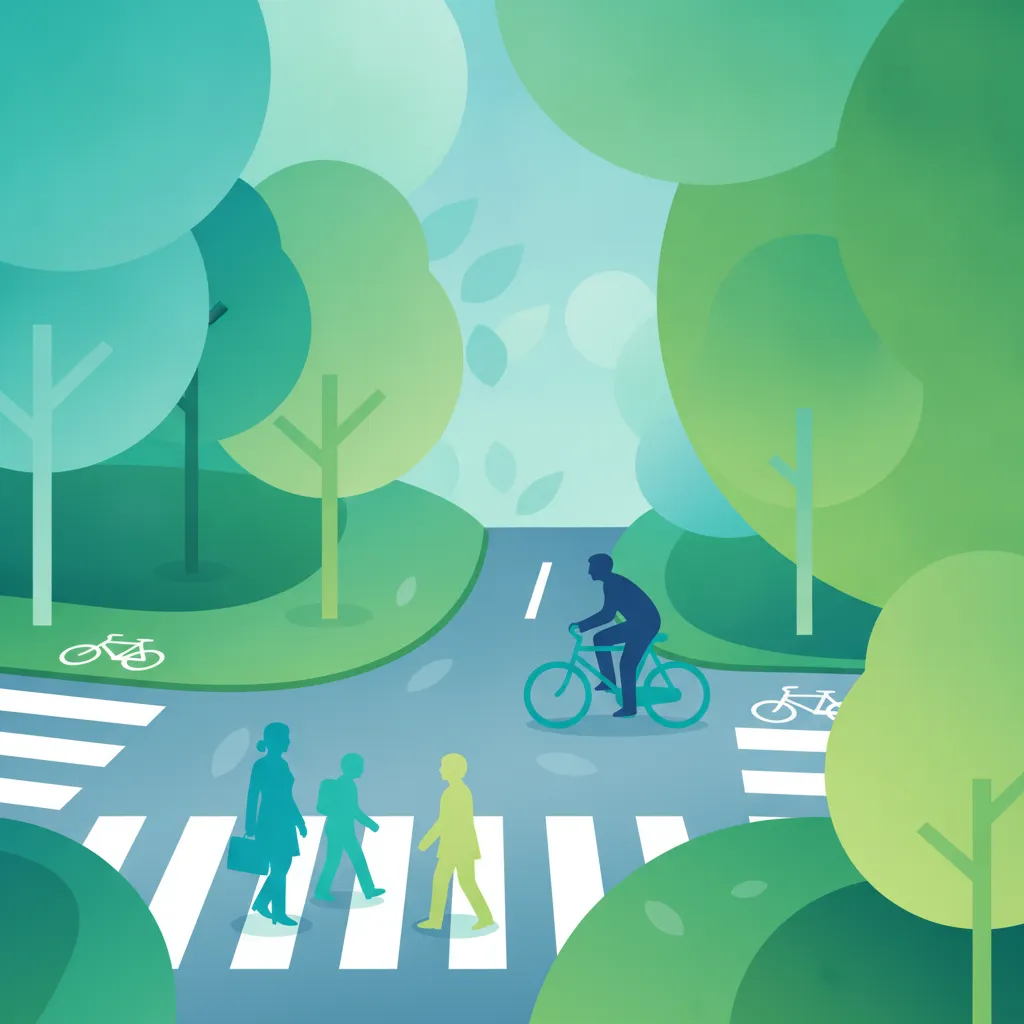
This lesson provides detailed guidance on navigating pedestrian crossings (fodgængerfelter) and areas with high cyclist traffic. It clarifies your legal obligation to stop for pedestrians at zebra crossings and the proper speed to approach these zones. A central theme is understanding the rights of vulnerable road users and how to yield safely to them in accordance with Danish traffic law.
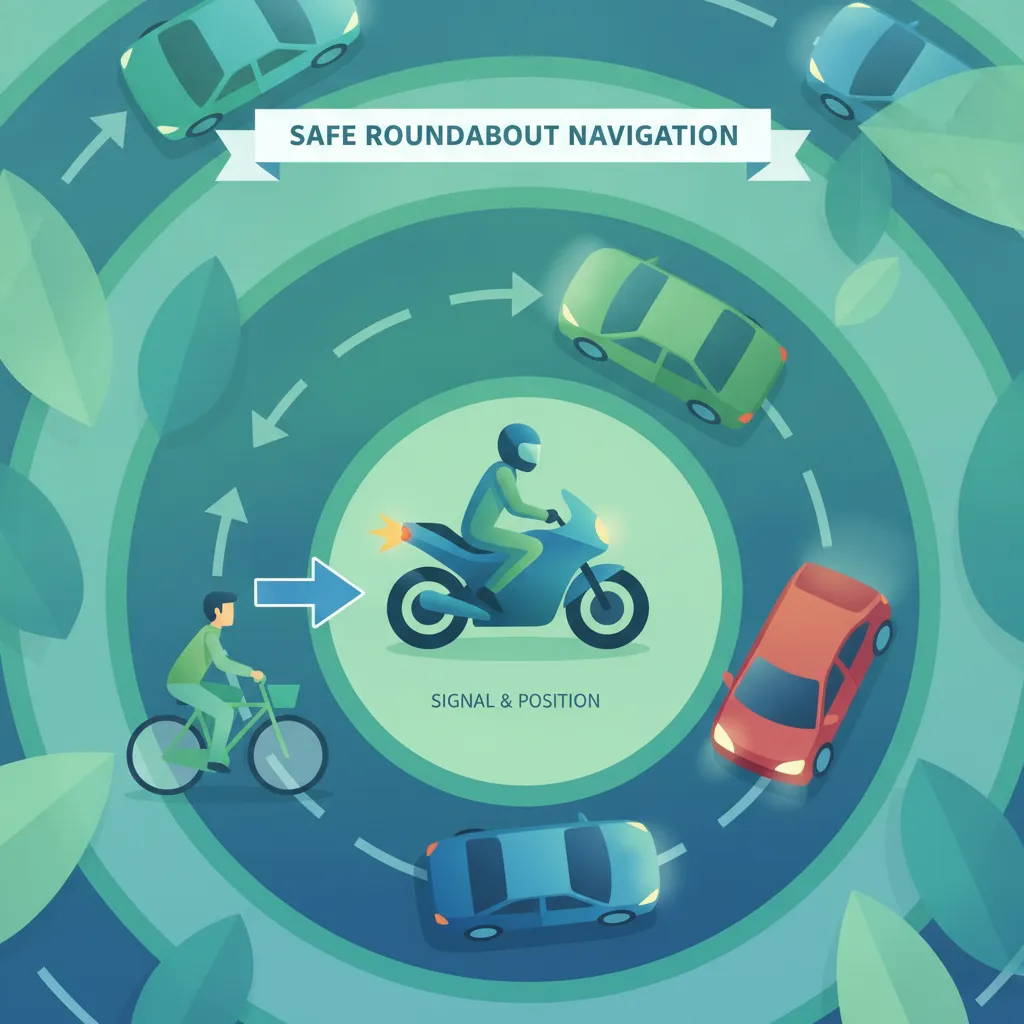
This lesson details the specific skills needed to navigate roundabouts on a motorcycle. It explains how to approach at a safe speed, select the correct lane based on your intended exit, and yield to circulating traffic. Proper use of signals to indicate intentions when entering and exiting is also covered.
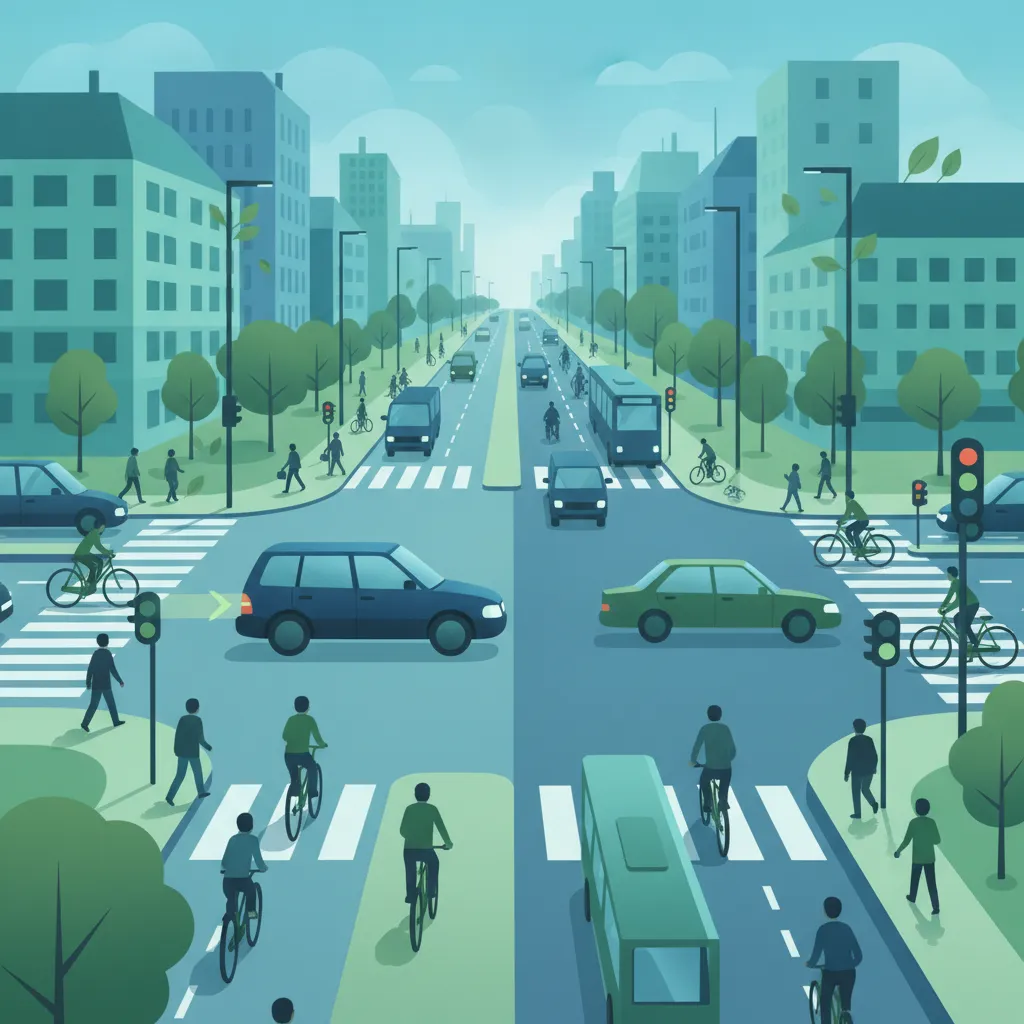
This lesson provides a structured method for approaching and crossing intersections safely. It reinforces the application of priority rules, the interpretation of signs and signals, and the importance of thorough observation. Specific attention is given to looking for cyclists and pedestrians who may be crossing the rider's path.

This lesson details the function and meaning of traffic light signals in Denmark. It covers the standard red, amber, and green sequences, as well as special signals like flashing amber lights and green arrows for turning. The content also explains signals specific to cyclists and pedestrians that moped riders must observe at intersections.

This lesson emphasizes the professional driver's heightened responsibility to protect vulnerable road users. It revisits Danish regulations concerning cyclist priority, particularly during right turns, and details the correct procedures for maintaining safe overtaking distances. The content focuses on developing advanced situational awareness, using mirrors and cameras effectively, and anticipating the behavior of pedestrians and cyclists in urban environments.
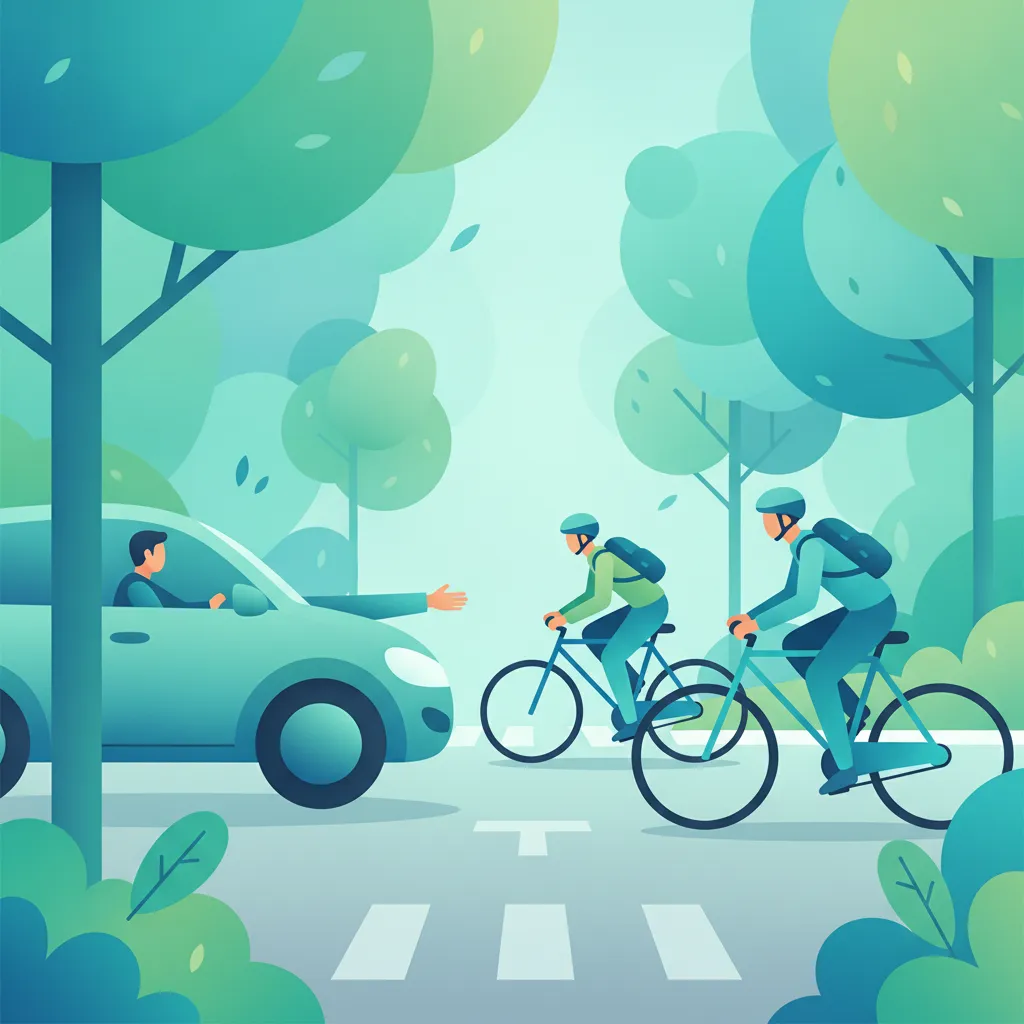
This lesson provides in-depth guidance on safely interacting with cyclists and e-bike riders, a daily reality in Danish cities. It explains how to provide adequate space when overtaking, how to anticipate their movements at intersections, and how to respect their right-of-way in designated lanes. Understanding these dynamics is essential for preventing common accidents and ensuring a safe urban driving experience for everyone.

This lesson addresses the critical skill of safely coexisting with cyclists and cargo bikes, which are prevalent in Denmark. It explains how to maintain a safe distance, overtake properly, and be vigilant for cyclists, especially when turning right. Understanding the infrastructure of cycle lanes and predicting cyclist behavior is a key focus.
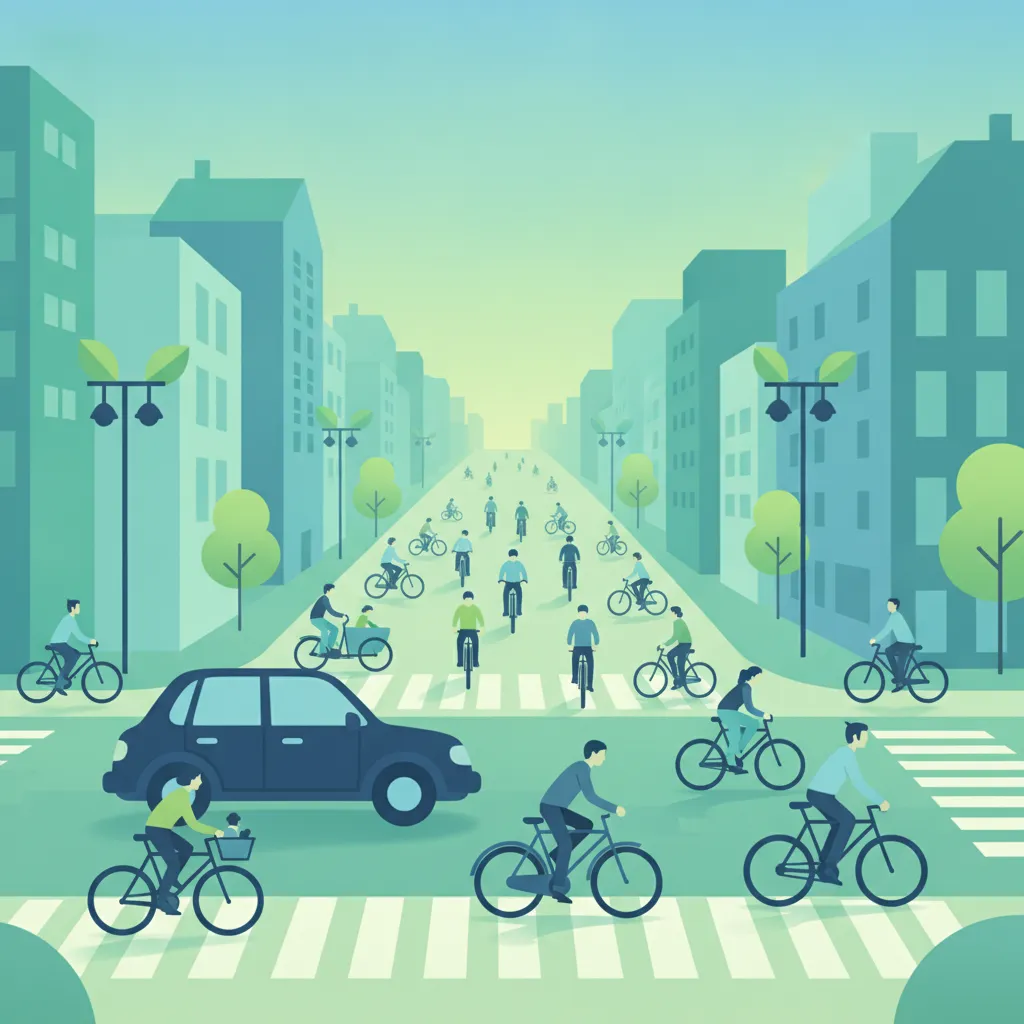
This lesson provides critical guidance for driving in environments with heavy cycle traffic, typical of Danish cities. It focuses on identifying and yielding to cyclists in dedicated bike lanes, especially when turning right across their path. The content emphasizes advanced observation skills to detect cyclists in blind spots and the importance of giving adequate space.
Master the correct lane usage and signalling techniques for Danish roundabouts. This lesson covers choosing the appropriate lane based on your exit and communicating your intentions clearly to other road users.
This lesson offers a step-by-step guide to navigating roundabouts in Denmark. You will learn how to approach and enter a roundabout, the requirement to yield to circulating traffic, and how to select the appropriate lane for your intended exit. Special attention is given to safely managing interactions with cyclists and pedestrians who may be present at roundabout entrances and exits.
This lesson details the specific skills needed to navigate roundabouts on a motorcycle. It explains how to approach at a safe speed, select the correct lane based on your intended exit, and yield to circulating traffic. Proper use of signals to indicate intentions when entering and exiting is also covered.
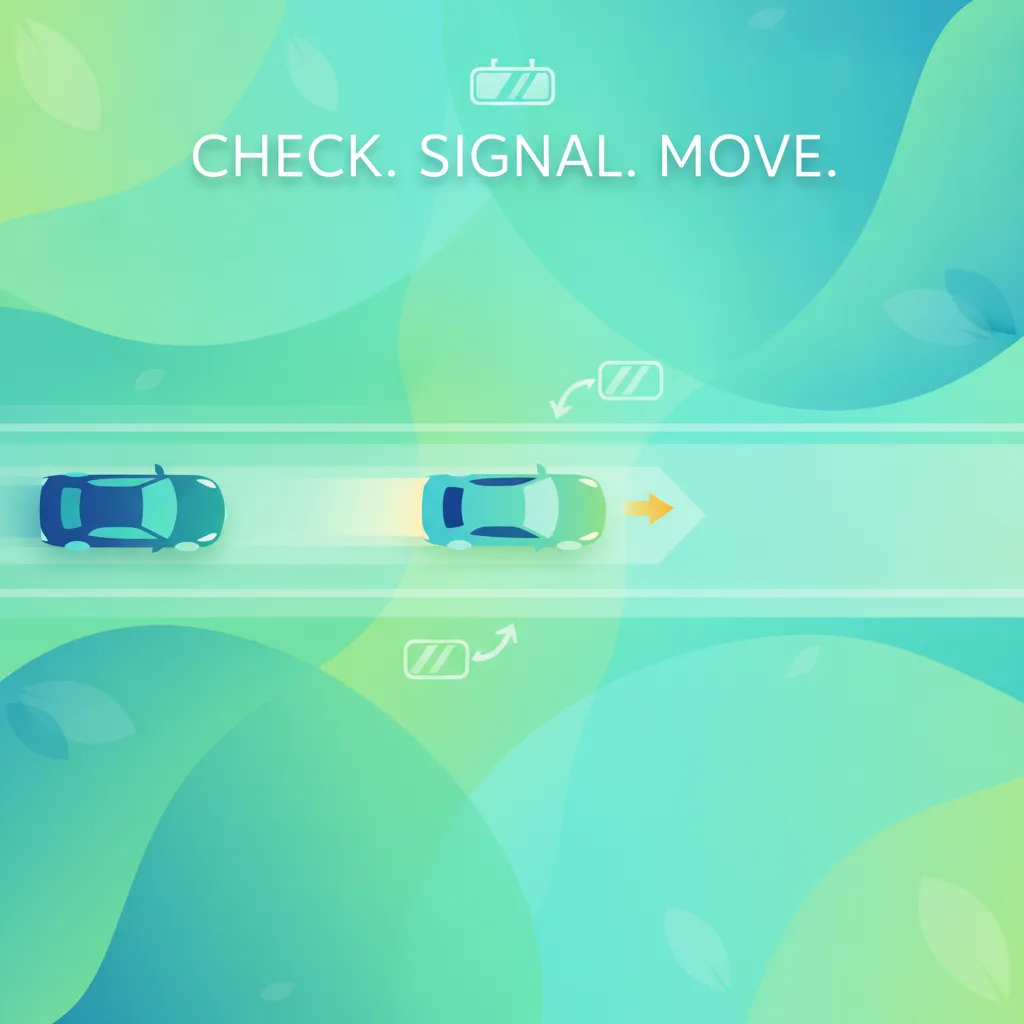
This lesson explains the principles of correct lane discipline, including proper positioning within your lane and adherence to road markings. It provides a clear, safe procedure for changing lanes, which includes signalling your intentions early, checking mirrors, and performing a final shoulder check for the blind spot. Mastering this process is essential for smooth and safe navigation in multi-lane traffic.
This lesson covers the correct techniques for various turning manoeuvres, including how to signal, position your vehicle, and judge gaps in traffic. It also details the legal and safety protocols for overtaking, emphasizing the importance of assessing speed, distance, and oncoming traffic. A thorough understanding of these procedures is crucial for navigating intersections and two-lane roads safely.
This lesson focuses on interpreting the various markings painted on Danish road surfaces. It explains the rules associated with solid and broken lane lines, directional arrows, and special-purpose lanes for buses and cyclists. Understanding these markings is crucial for maintaining correct lane discipline and safely navigating complex road layouts.
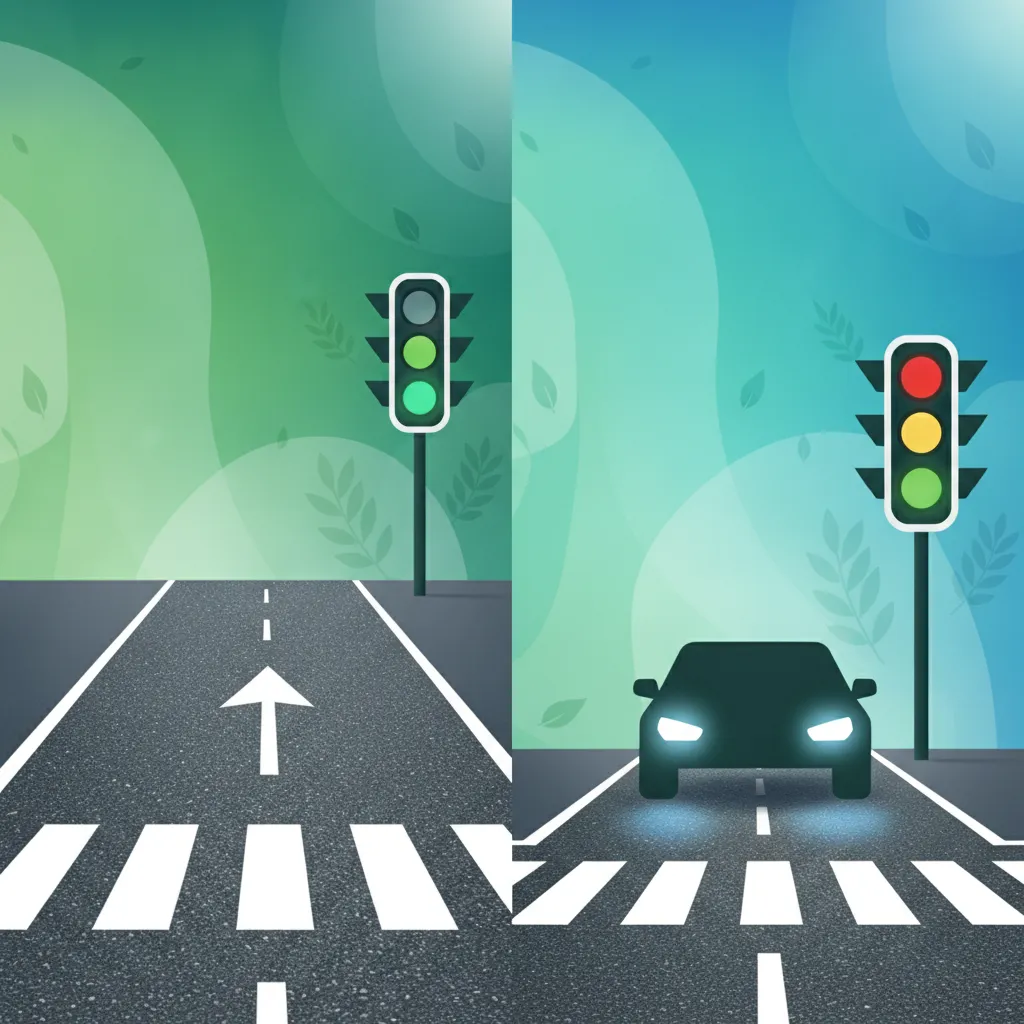
This lesson details the meaning and application of various road surface markings, including lane dividers, solid and broken lines, and directional arrows. You will also learn to interpret the full sequence of traffic light signals, including the specific rules for the amber (yellow) light phase. A proper understanding of these systems is vital for maintaining correct lane discipline and adhering to traffic controls.

This lesson provides essential training for driving on motorways. It details the correct procedure for using acceleration lanes to merge safely into fast-moving traffic, maintaining proper lane discipline, and executing safe overtaking manoeuvres. You will also learn the importance of keeping a safe following distance and planning for your exit well in advance.
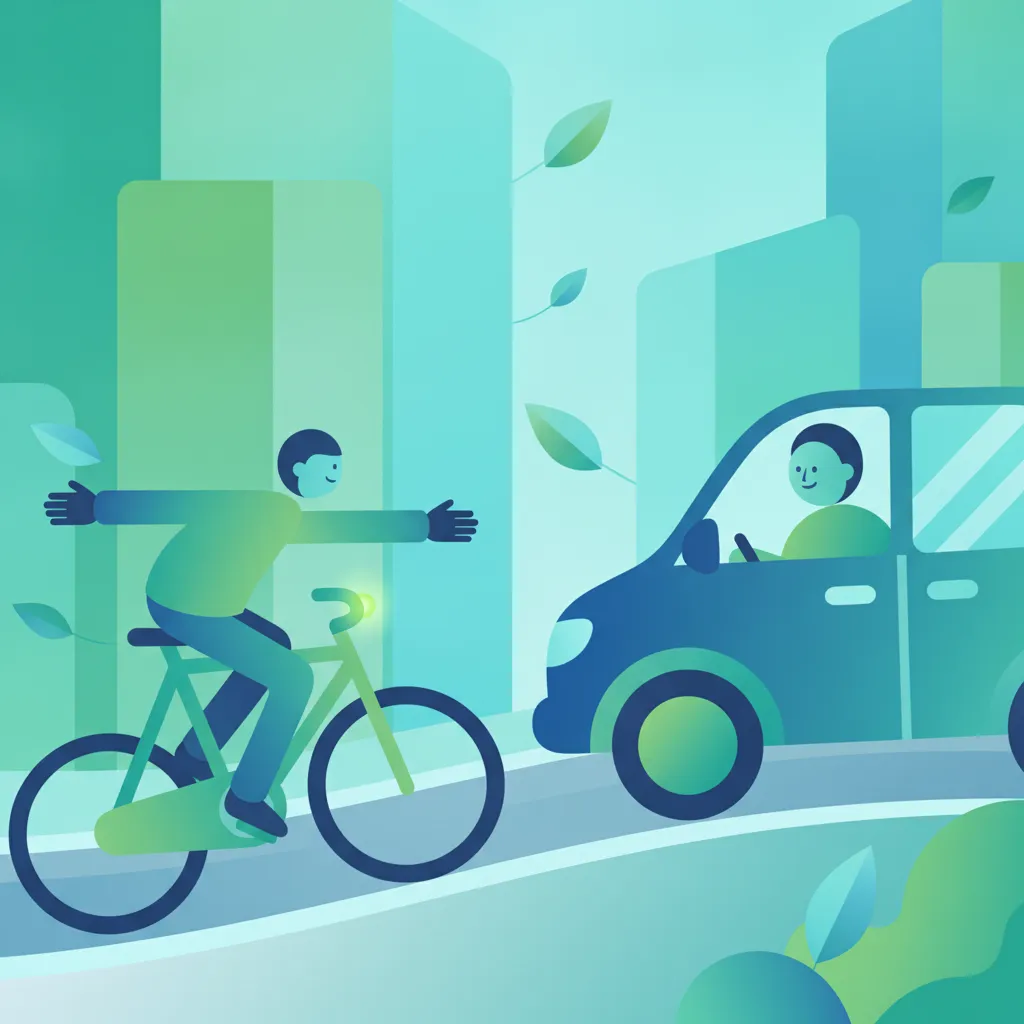
This lesson covers the proper methods for signalling intentions to other road users. It details the legal requirements for using turn indicators before turning or changing lanes. The content also explains how to use legally recognized hand signals as a backup or for added clarity.
This lesson details the function and meaning of traffic light signals in Denmark. It covers the standard red, amber, and green sequences, as well as special signals like flashing amber lights and green arrows for turning. The content also explains signals specific to cyclists and pedestrians that moped riders must observe at intersections.
This lesson introduces cooperative driving as a fundamental element of road safety in Denmark. It highlights the social responsibility of drivers to act predictably, anticipate the actions of others, and maintain courteous interactions with all road users. By fostering mutual respect and cooperation, you will learn how to reduce the potential for conflict and enhance overall traffic safety.
Find clear answers to common questions learners have about Roundabouts: Entry, Circulation, and Exit. Learn how the lesson is structured, which driving theory objectives it supports, and how it fits into the overall learning path of units and curriculum progression in Denmark. These explanations help you understand key concepts, lesson flow, and exam focused study goals.
In Denmark, you do not need to signal when entering the roundabout unless you are taking the first exit (turning right). You must, however, always signal when exiting the roundabout to inform other road users of your intention.
Cyclists often have a dedicated cycle path around the roundabout. You must always yield to cyclists and mopeds already in or crossing the cycle path when you are entering or exiting the roundabout, as they have priority in these specific situations.
For a stor knallert, you should generally stay in the lane that corresponds to your exit. If you are taking the first exit, stay in the right lane. If you are going straight or turning left, position yourself according to the road markings, ensuring you are visible at all times.
Before exiting a roundabout, you must ensure there are no cyclists or other vehicles alongside you. A quick shoulder check is essential because cyclists are frequently positioned to the right of your moped and can easily be missed in your mirrors.
Use our powerful search tool to pinpoint specific Danish driving theory topics, road signs, or traffic situations you need to review. Start exploring relevant practice sets now to reinforce your knowledge and build confidence for your upcoming driving licence exam.