
This lesson guides you through navigating complex traffic spaces where vehicles, trams, and cyclists interact. It provides the essential rules for sharing the road safely, helping you identify potential hazards in urban environments for your Class B theory exam.
Lesson content overview
This lesson covers the essential rules for navigating shared road zones in Germany where cars, trams, buses, and cyclists coexist. Key focus areas include the identification and strict prohibition against entering dedicated bicycle lanes, the mandatory 1.5-meter lateral distance when overtaking cyclists, and the overriding priority of trams on their tracks. The lesson also clarifies bus lane restrictions, right-of-way at shared junctions, and the importance of speed adjustment on slippery tram tracks. Understanding these rules is critical for both passing the Class B theory exam and developing the hazard perception skills needed for safe urban driving.
A short set of high-value points that capture the most important learning from this lesson.
Dedicated bicycle lanes are mandatory for cyclists and motor vehicles must not encroach upon them unless explicitly marked for mixed traffic.
When overtaking cyclists, drivers must maintain a minimum lateral distance of 1.5 meters, increasing it in adverse conditions.
Trams have priority over other vehicles when traveling on their tracks due to their fixed path and inability to swerve or stop quickly.
Bus lanes are reserved for buses during operating hours; unauthorized use results in fines and disrupts public transport efficiency.
Drivers must yield to cyclists in dedicated lanes at merge points and intersections, especially when a bike lane is continuous through an intersection.
Explore all units and lessons included in this driving theory course.
Bike lanes marked with bicycle symbols and solid white lines are exclusively for cyclists—motor vehicles cannot use them for overtaking or turning.
Wet tram tracks are extremely slippery; reduce speed and steer carefully when crossing them.
Never stop, park, or overtake a stopped tram by driving into its lane; wait patiently until it moves or a safe path opens.
Check supplementary signs beneath bus lane signs to confirm allowed vehicles and hours of operation.
When a dedicated lane (bike or tram) merges into general traffic, drivers in the general lane must yield to users already established in their path.
Encroaching on dedicated bike lanes for overtaking queues, turning maneuvers, or briefly passing through—this is illegal and dangerous.
Blocking or parking on tram tracks, which obstructs public transport and creates serious safety hazards.
Failing to maintain the required 1.5-meter lateral distance when overtaking cyclists, particularly in poor visibility or wet conditions.
Entering a bus lane during restricted hours without checking whether the vehicle is authorized or if time restrictions apply.
Assuming cyclists in integrated bike lanes must yield to motor vehicles at intersections; cyclists in their lanes generally have priority.
Lesson content overview
A short set of high-value points that capture the most important learning from this lesson.
Dedicated bicycle lanes are mandatory for cyclists and motor vehicles must not encroach upon them unless explicitly marked for mixed traffic.
When overtaking cyclists, drivers must maintain a minimum lateral distance of 1.5 meters, increasing it in adverse conditions.
Trams have priority over other vehicles when traveling on their tracks due to their fixed path and inability to swerve or stop quickly.
Bus lanes are reserved for buses during operating hours; unauthorized use results in fines and disrupts public transport efficiency.
Drivers must yield to cyclists in dedicated lanes at merge points and intersections, especially when a bike lane is continuous through an intersection.
Explore all units and lessons included in this driving theory course.
Bike lanes marked with bicycle symbols and solid white lines are exclusively for cyclists—motor vehicles cannot use them for overtaking or turning.
Wet tram tracks are extremely slippery; reduce speed and steer carefully when crossing them.
Never stop, park, or overtake a stopped tram by driving into its lane; wait patiently until it moves or a safe path opens.
Check supplementary signs beneath bus lane signs to confirm allowed vehicles and hours of operation.
When a dedicated lane (bike or tram) merges into general traffic, drivers in the general lane must yield to users already established in their path.
Encroaching on dedicated bike lanes for overtaking queues, turning maneuvers, or briefly passing through—this is illegal and dangerous.
Blocking or parking on tram tracks, which obstructs public transport and creates serious safety hazards.
Failing to maintain the required 1.5-meter lateral distance when overtaking cyclists, particularly in poor visibility or wet conditions.
Entering a bus lane during restricted hours without checking whether the vehicle is authorized or if time restrictions apply.
Assuming cyclists in integrated bike lanes must yield to motor vehicles at intersections; cyclists in their lanes generally have priority.
Explore search topics learners often look for when studying Shared Road Situations (Bicycle Lanes, Tram Tracks). These topics reflect common questions about road rules, driving situations, safety guidance, and lesson level theory preparation for learners in Germany.
Browse additional driving theory lessons that cover connected traffic rules, road signs, and common driving situations related to this topic. Improve your understanding of how different rules interact across everyday traffic scenarios.
Understand the specific right-of-way rules and legal obligations when driving in mixed-traffic environments including tram tracks, bus lanes, and cycle paths. Learn how to navigate these complex urban situations safely according to German StVO.
This lesson focuses on the unique challenges and safety protocols required when operating alongside trams and light rail systems. It clarifies the strict right-of-way rules that typically favor trams and explains how to safely navigate shared roadways and cross tracks. Learners will be taught to recognize specific signals and markings related to tramways to prevent conflicts and ensure the safety of all road users.
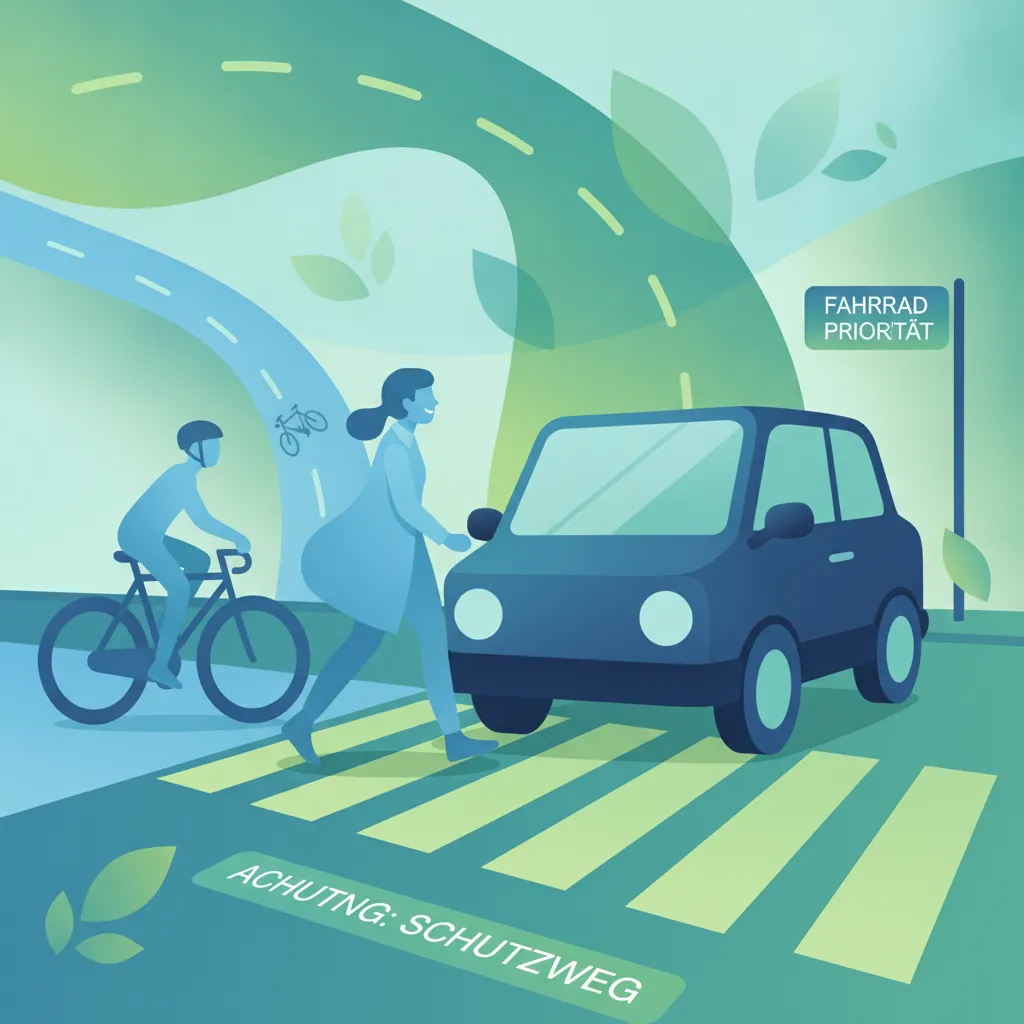
This lesson provides specific guidance on how to safely share the road with pedestrians and cyclists, who are among the most vulnerable road users. It covers the rules of conduct at zebra crossings, traffic lights for pedestrians, and designated cycle lanes. The content emphasizes the importance of vigilance, yielding right-of-way, and maintaining a safe distance to prevent accidents in urban and rural environments.
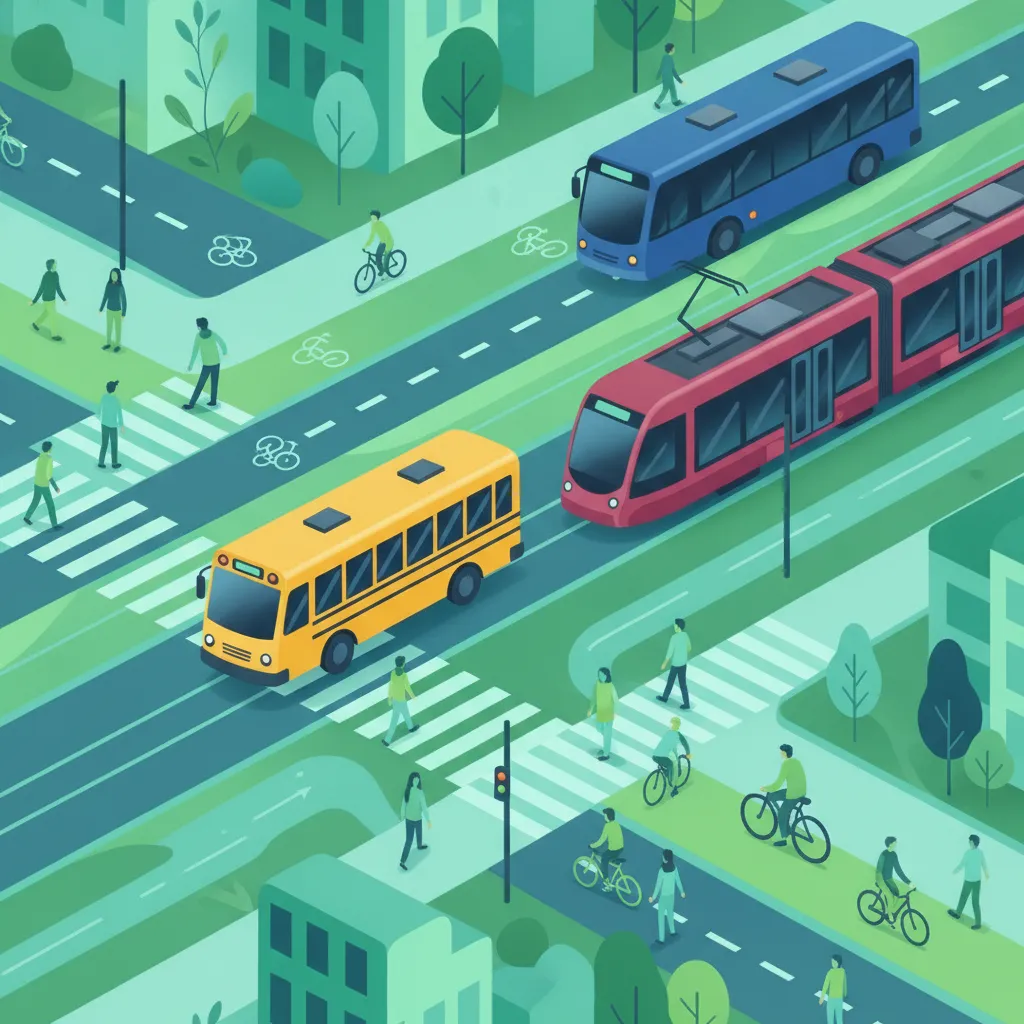
This lesson explains the specific regulations when encountering public transport. It covers the legal requirement to yield to public buses signaling to leave a bus stop and the strict rules for passing school buses with flashing hazard lights. You will also learn about the absolute priority of trams ('Straßenbahn') and how to safely drive on or across their tracks.
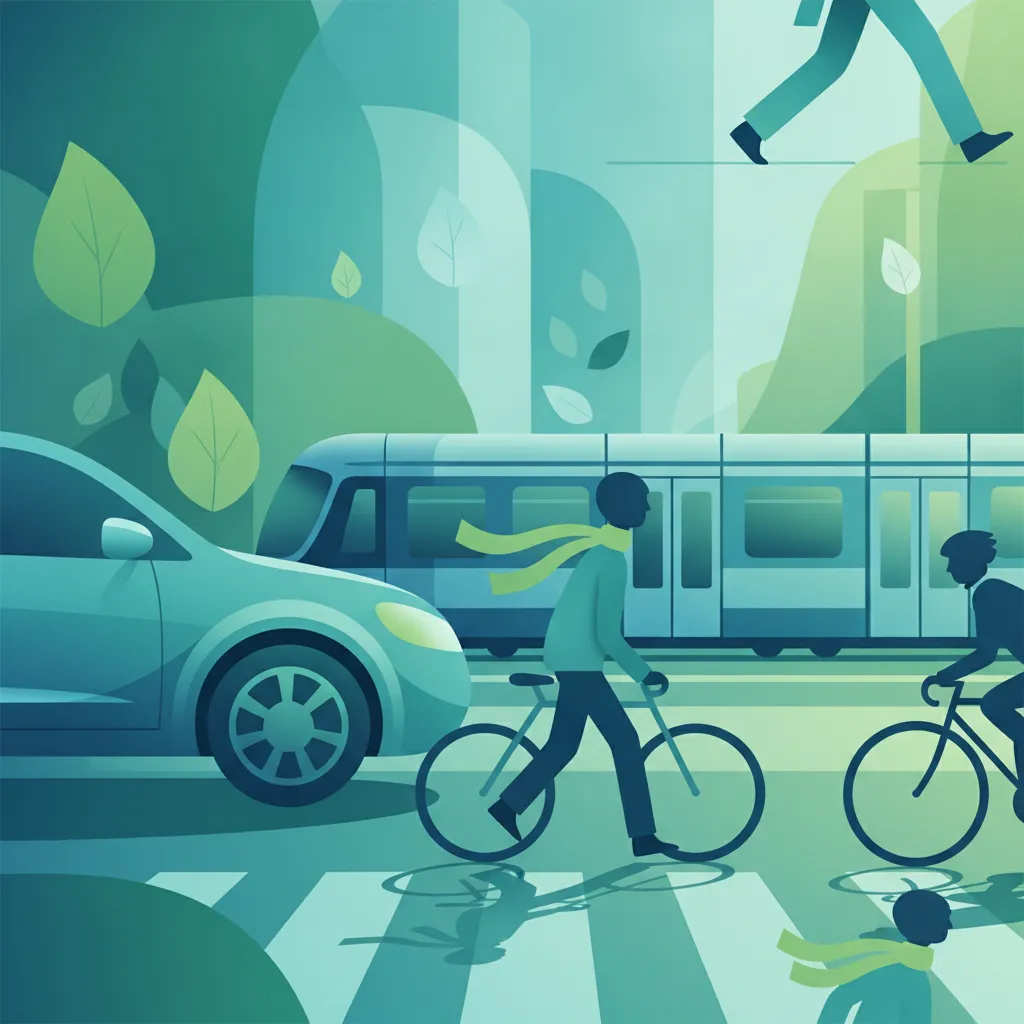
This lesson teaches riders how to interact safely and predictably with pedestrians, cyclists, and public transport vehicles. It highlights the importance of yielding at designated crossings, maintaining a safe passing distance, and anticipating the movements of buses and trams. The content emphasizes using eye contact and clear signaling to foster safe and respectful interactions with all road users.
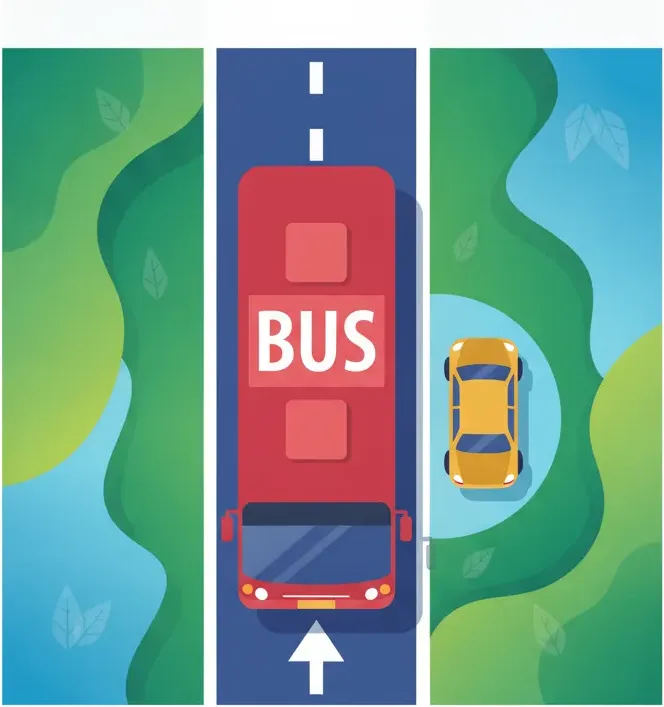
This lesson provides a detailed explanation of the rules governing dedicated bus lanes, including how to interpret markings and adhere to time-based restrictions. It clarifies the priority rules that grant buses precedence in certain traffic situations, such as when pulling out from a stop. Understanding these regulations allows drivers to use bus infrastructure efficiently and legally to maintain schedules and improve traffic flow.
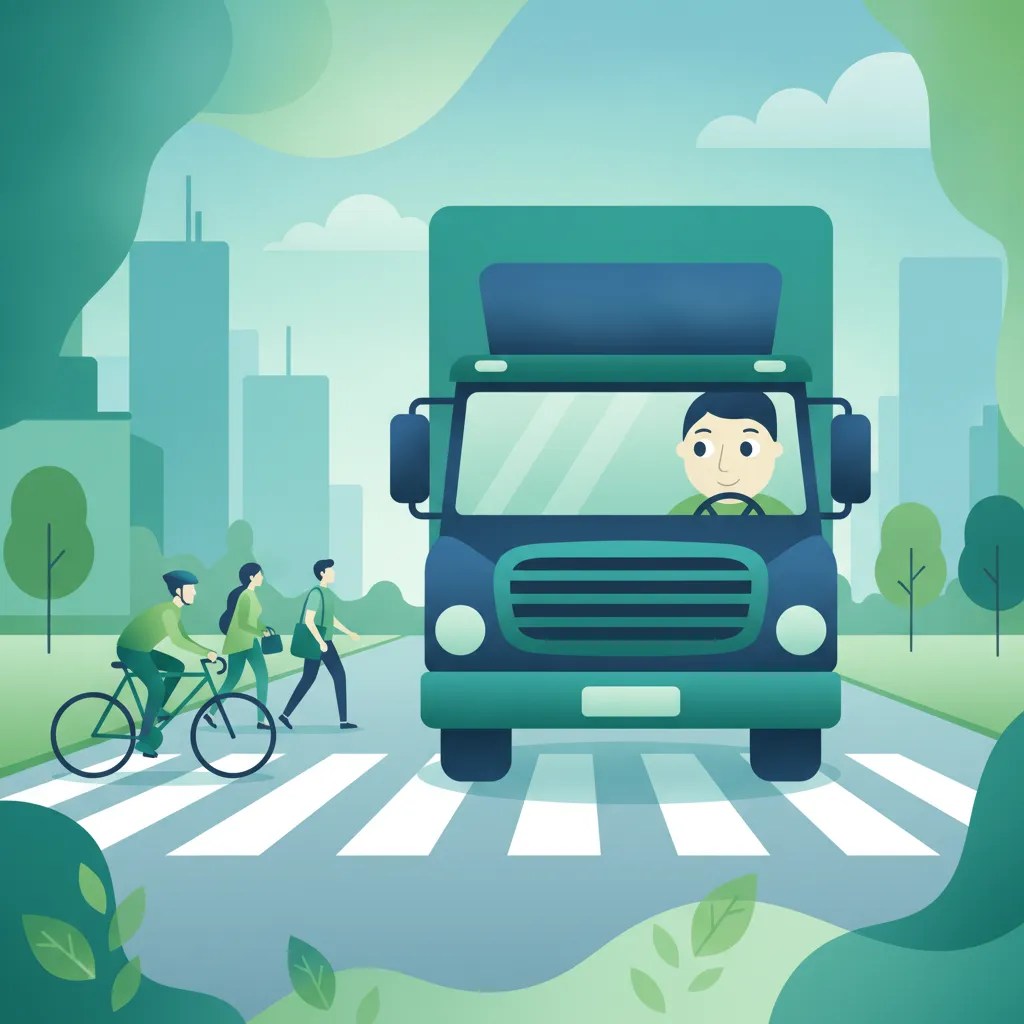
This lesson focuses on the right-of-way rules that heavy vehicles must follow when interacting with cyclists and pedestrians, particularly at intersections and crossings. It emphasizes the need for trucks to yield appropriately and maintain safe distances. The content also covers the interpretation of traffic signs governing priority in urban areas.
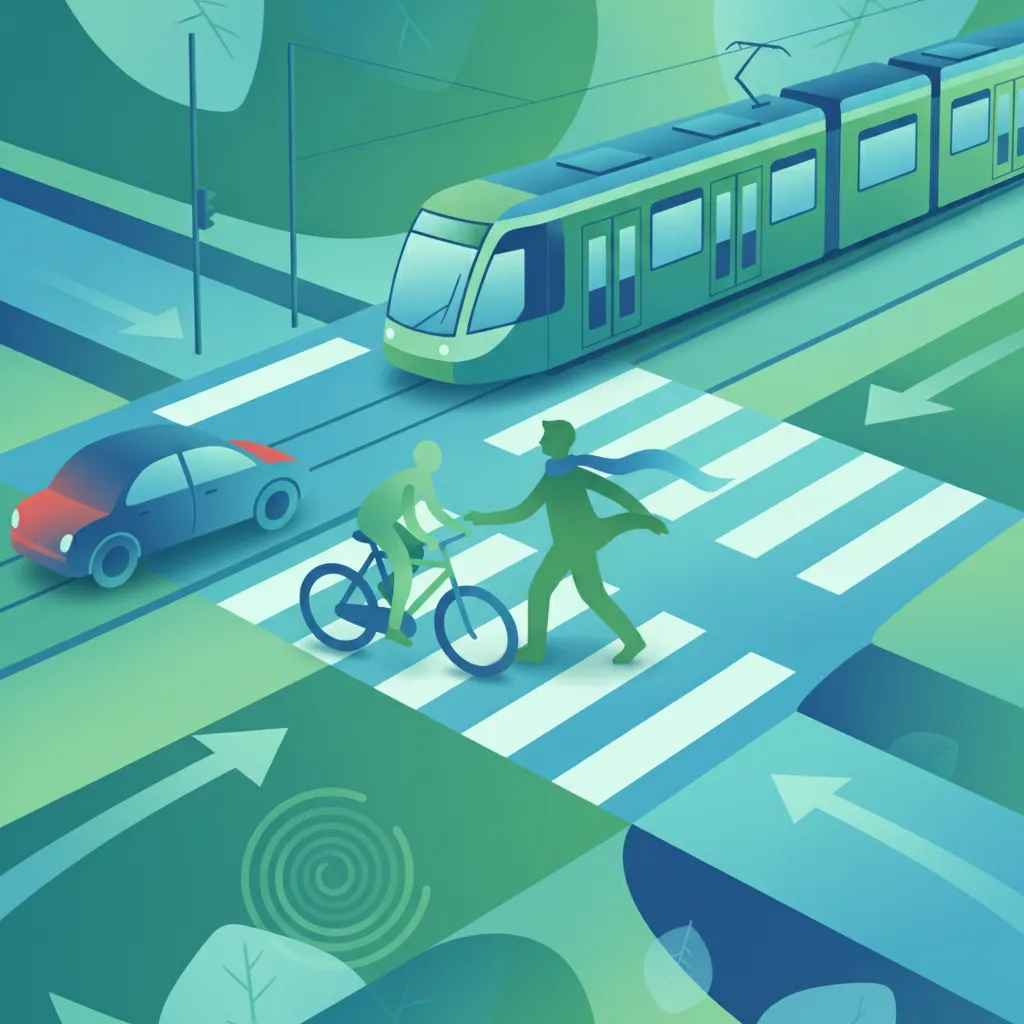
This lesson details the critical right-of-way regulations according to the German StVO. It covers the default 'right before left' rule, the meaning of priority road signs, and specific rules for roundabouts and yielding to pedestrians. A thorough understanding of these priority rules is fundamental for preventing accidents at junctions.
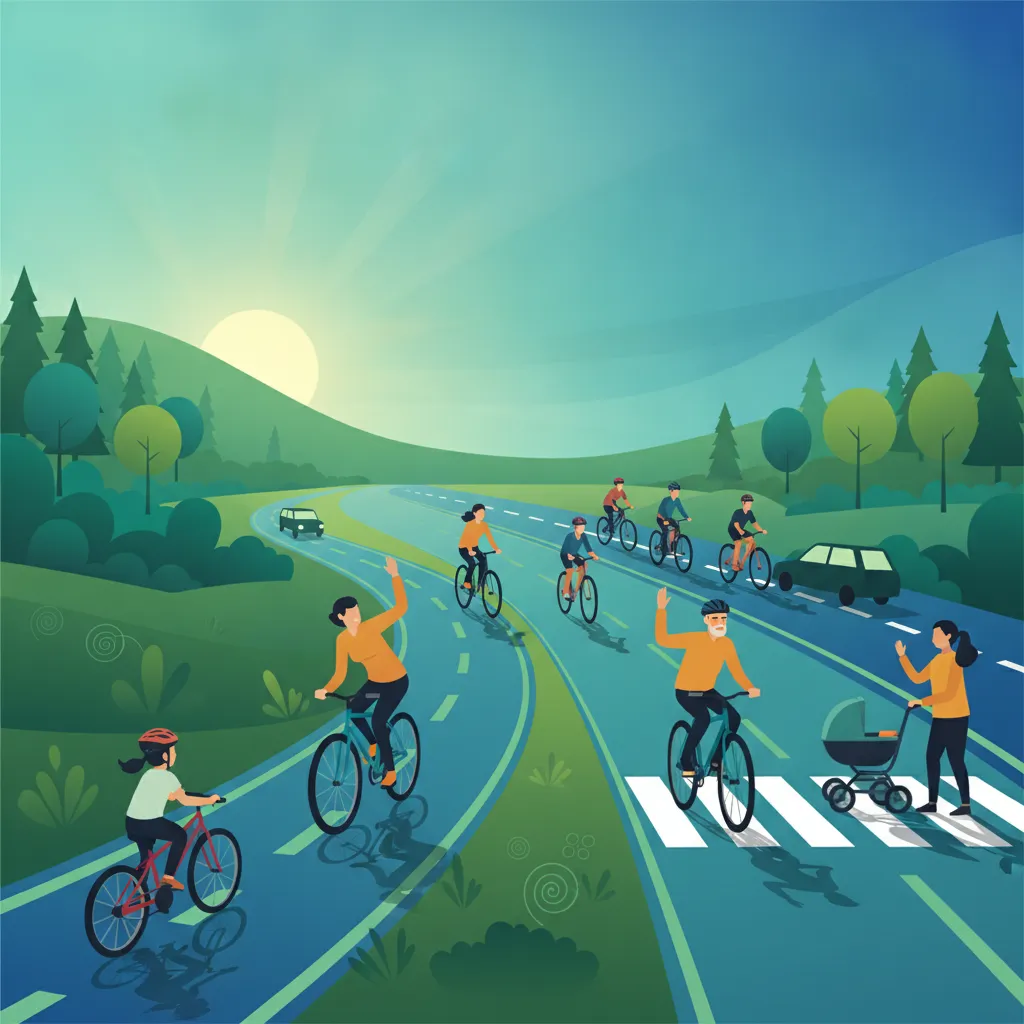
This lesson covers the correct and safe way to interact with cyclists. It explains the different types of bicycle infrastructure, such as dedicated cycle paths and advisory bike lanes on the road. Key topics include maintaining the legally required minimum passing distance, checking for cyclists before turning right, and being aware of the risk of 'dooring' when parked.
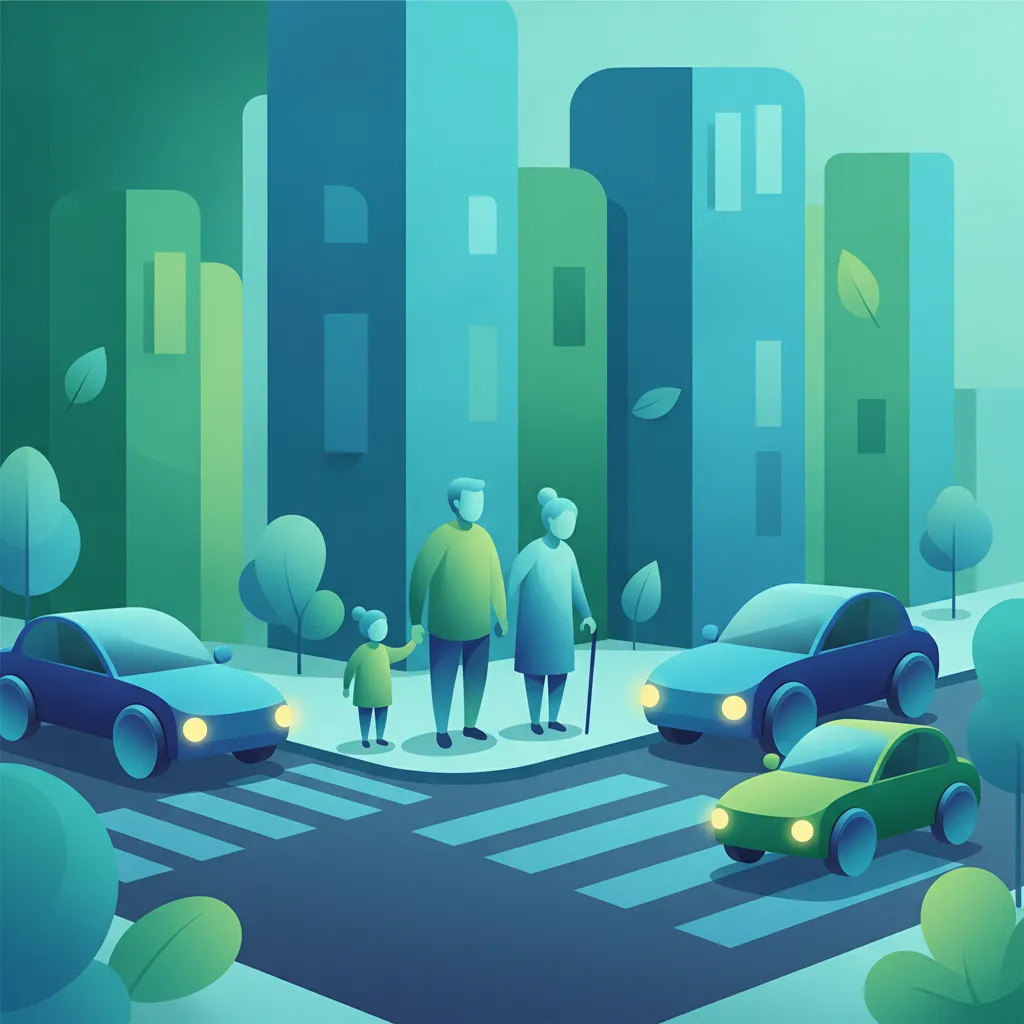
This lesson focuses on the particular care required when driving near pedestrians, with a special emphasis on children and the elderly, whose behavior can be unpredictable. It covers the rules for yielding at zebra crossings and the importance of reducing speed near schools, playgrounds, and residential areas. The goal is to instill a habit of constant vigilance and readiness to stop.
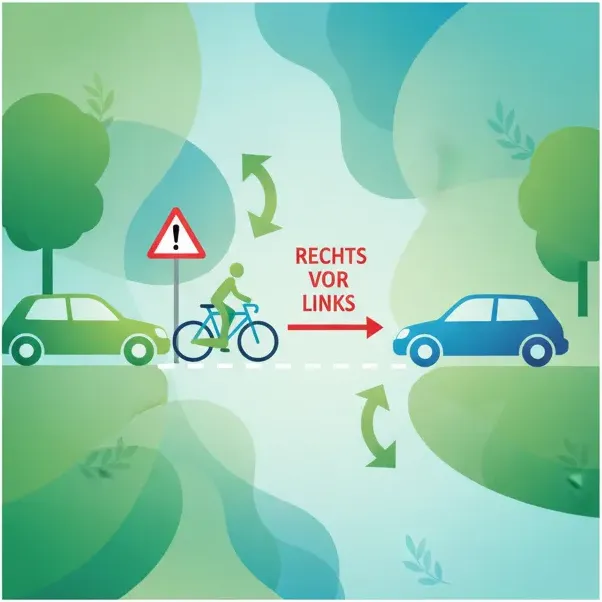
This lesson provides a detailed guide to navigating various types of intersections safely and correctly. It explains how priority is determined by traffic signs (such as the priority road, yield, and stop signs) and traffic lights. The lesson also covers complex scenarios, including the rules for turning left across oncoming traffic, to ensure you can handle any junction with confidence.
Develop your hazard perception skills for common urban driving challenges. Learn to anticipate potential conflicts and understand the specific dangers associated with sharing roads with trams, buses, and cyclists in Germany.
This lesson focuses on the unique challenges and safety protocols required when operating alongside trams and light rail systems. It clarifies the strict right-of-way rules that typically favor trams and explains how to safely navigate shared roadways and cross tracks. Learners will be taught to recognize specific signals and markings related to tramways to prevent conflicts and ensure the safety of all road users.
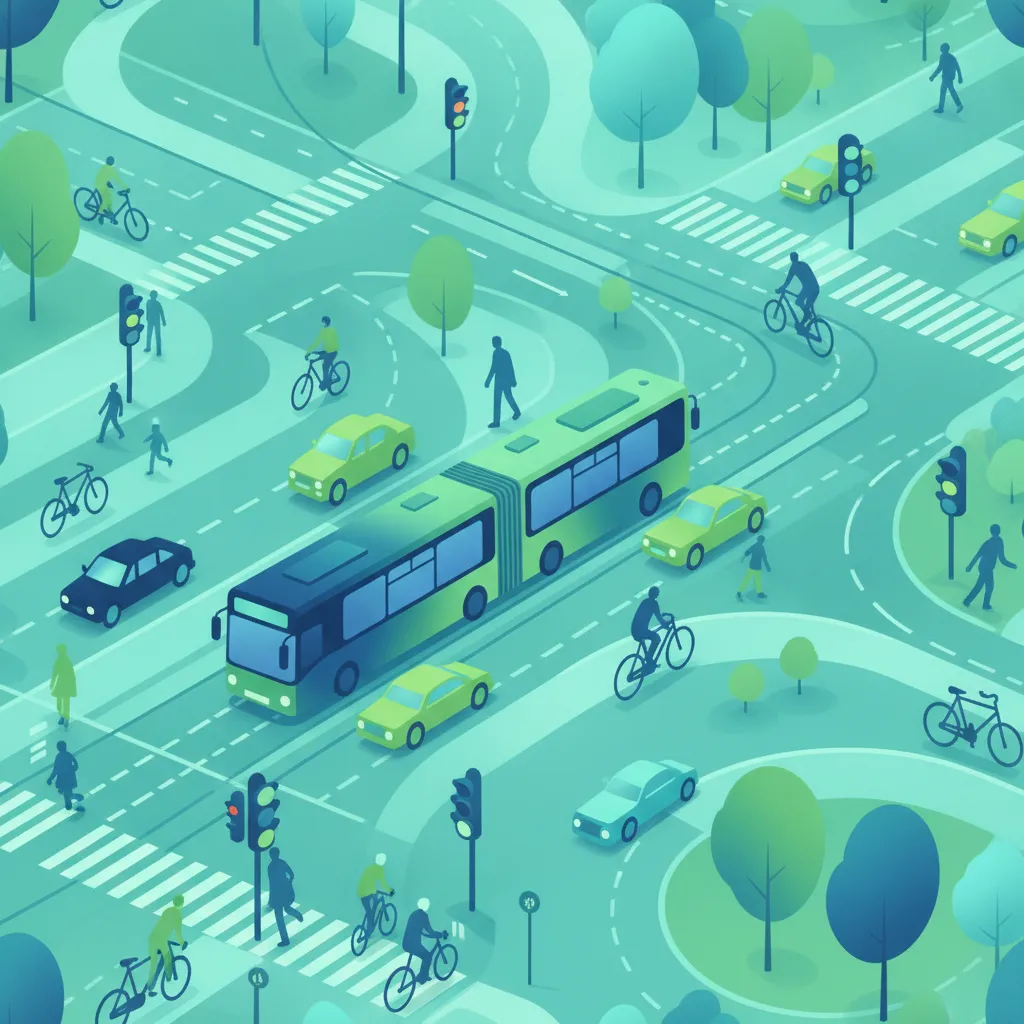
This lesson explores the complex and fast-paced nature of urban traffic environments. It covers topics such as high traffic density, frequent pedestrian crossings, and complex intersections that require heightened awareness. Learners will develop strategies for adapting their speed and lane positioning to navigate these challenges safely, especially during peak rush hour periods and in areas with traffic calming measures.
This lesson provides specific guidance on how to safely share the road with pedestrians and cyclists, who are among the most vulnerable road users. It covers the rules of conduct at zebra crossings, traffic lights for pedestrians, and designated cycle lanes. The content emphasizes the importance of vigilance, yielding right-of-way, and maintaining a safe distance to prevent accidents in urban and rural environments.
This lesson teaches riders how to interact safely and predictably with pedestrians, cyclists, and public transport vehicles. It highlights the importance of yielding at designated crossings, maintaining a safe passing distance, and anticipating the movements of buses and trams. The content emphasizes using eye contact and clear signaling to foster safe and respectful interactions with all road users.
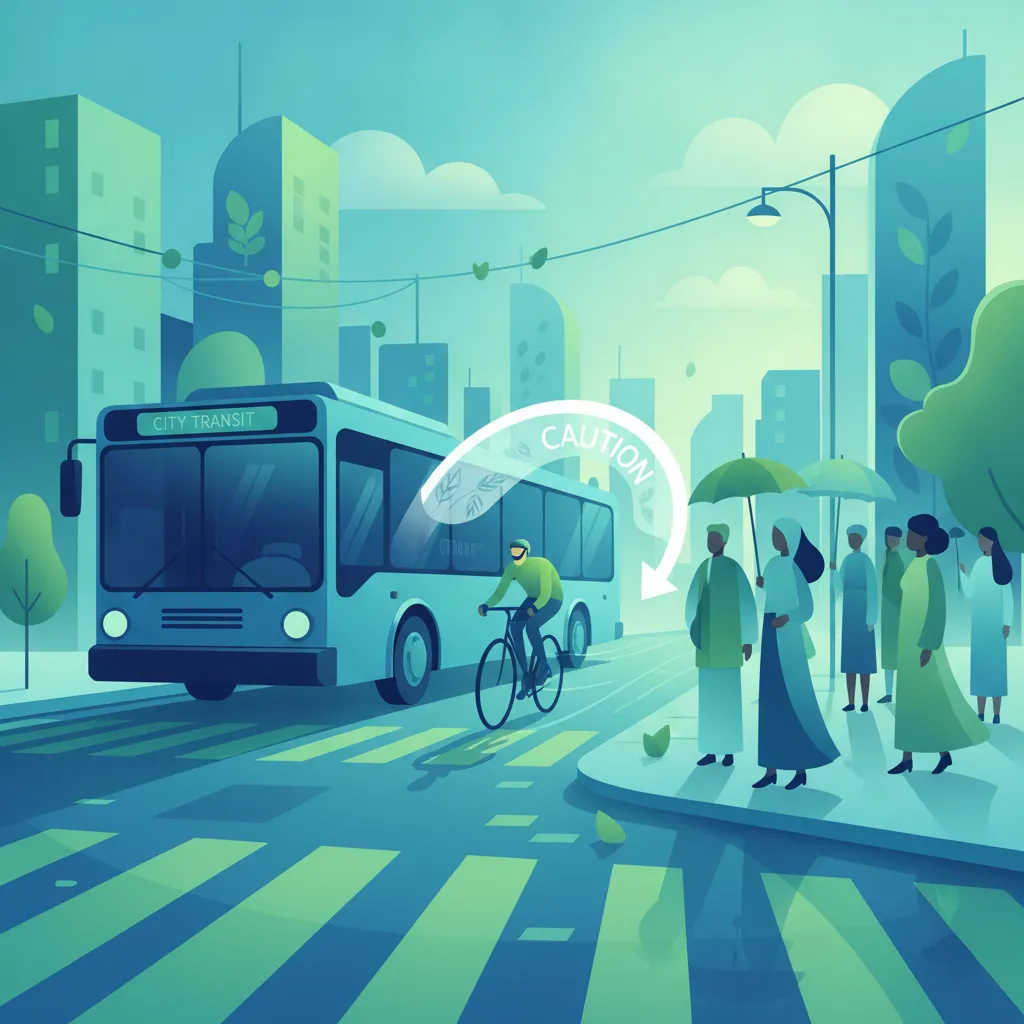
This lesson focuses on the critical moments of interaction with pedestrians and cyclists near bus stops, a common location for accidents. It reinforces the importance of reducing speed, yielding right-of-way, and constantly monitoring blind spots during the stopping process. Learners will practice techniques like making eye contact and using signals to communicate intentions, creating a safer environment for everyone around the vehicle.
This lesson explains the specific regulations when encountering public transport. It covers the legal requirement to yield to public buses signaling to leave a bus stop and the strict rules for passing school buses with flashing hazard lights. You will also learn about the absolute priority of trams ('Straßenbahn') and how to safely drive on or across their tracks.
This lesson focuses on the particular care required when driving near pedestrians, with a special emphasis on children and the elderly, whose behavior can be unpredictable. It covers the rules for yielding at zebra crossings and the importance of reducing speed near schools, playgrounds, and residential areas. The goal is to instill a habit of constant vigilance and readiness to stop.
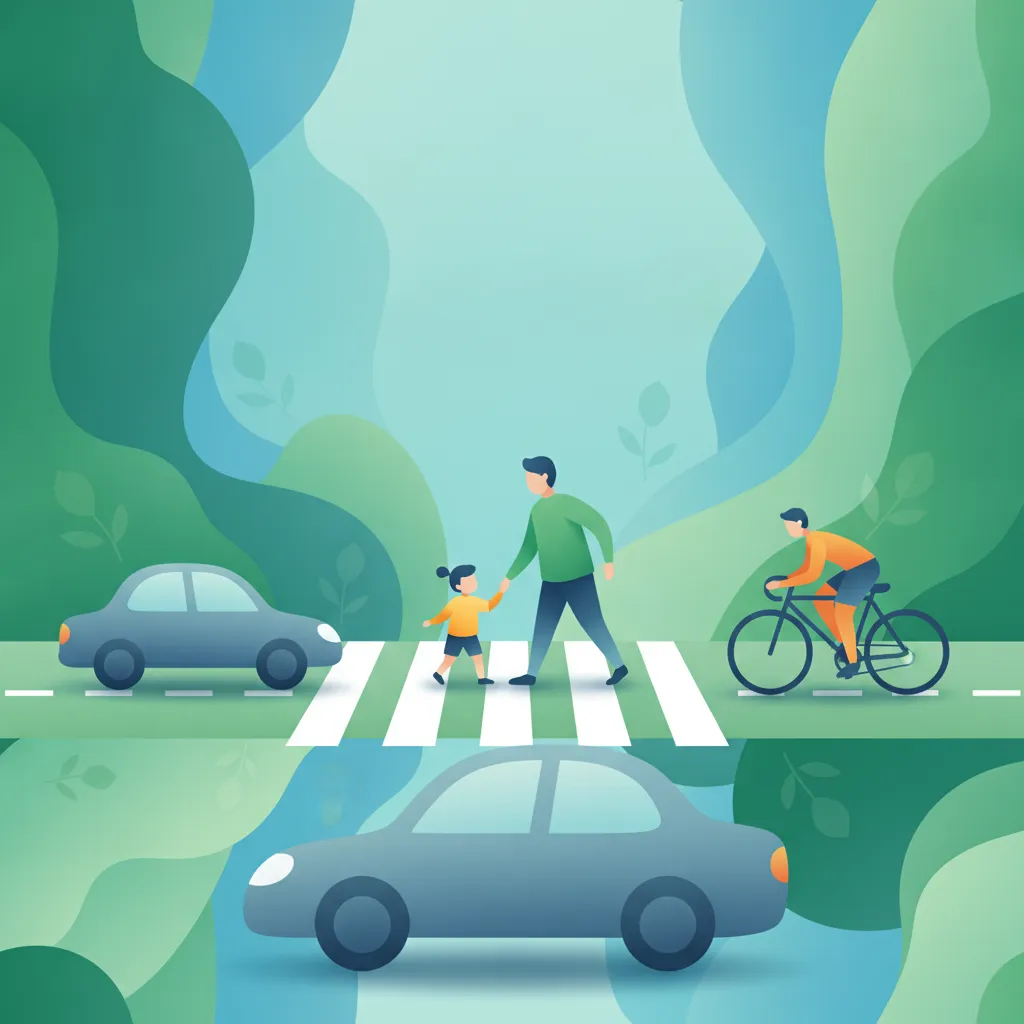
This lesson focuses on the interaction between heavy vehicles and vulnerable road users at crossings, particularly when turning right. It covers the need for heightened vigilance, the importance of properly using mirrors, and correct signaling to alert others. The content highlights legal responsibilities and safe distance requirements to prevent accidents.

This lesson builds on defensive driving by focusing specifically on hazard perception ('Gefahrenerkennung'). It teaches you how to actively scan the driving environment for potential risks, not just immediate dangers. You will learn to anticipate the likely actions of other road users and identify clues that signal a developing hazardous situation, allowing you to react early and safely.
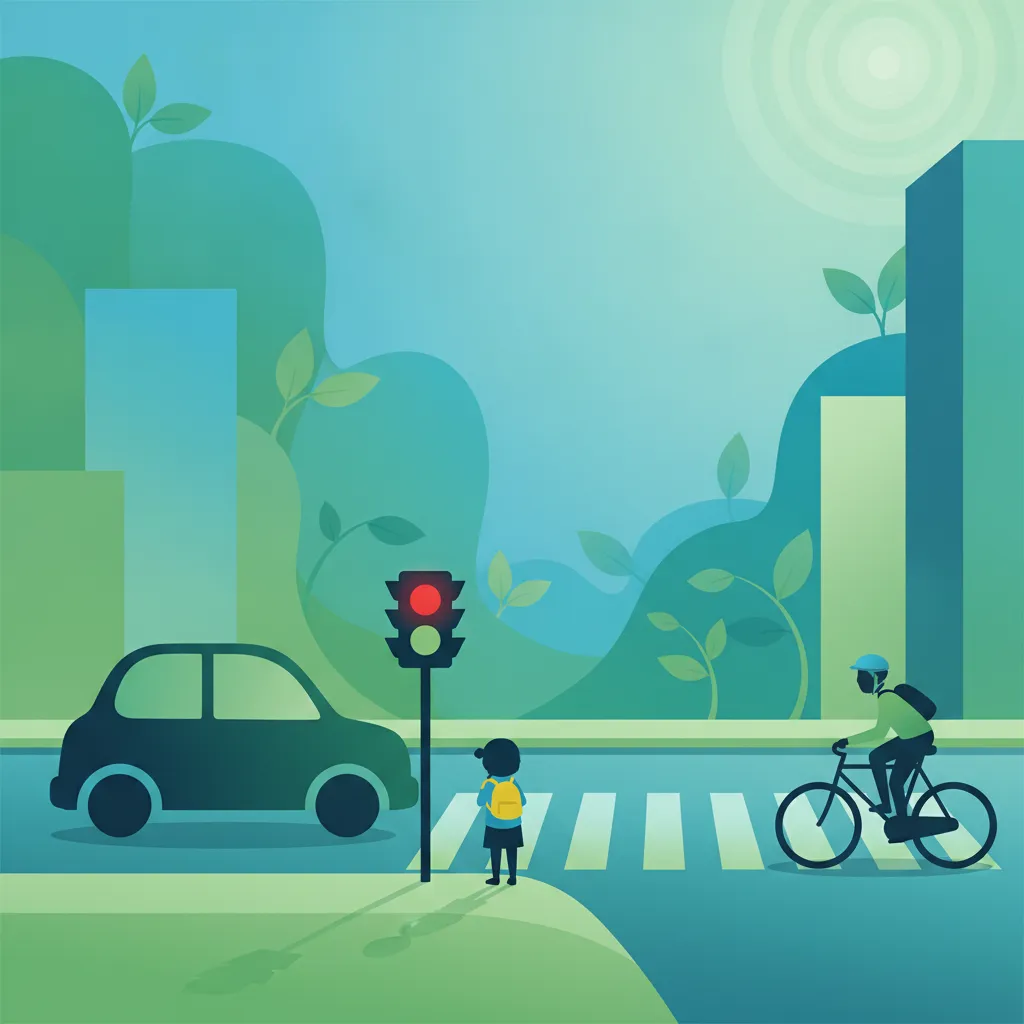
This lesson trains drivers to proactively identify vulnerable road users and anticipate their often unpredictable behavior. It highlights the specific risks posed by children, elderly pedestrians, cyclists, and e-scooter users, particularly near bus stops and crossings. The goal is to develop a heightened sense of risk perception and apply defensive driving techniques to protect those who are most at risk on the road.
Find clear answers to common questions learners have about Shared Road Situations (Bicycle Lanes, Tram Tracks). Learn how the lesson is structured, which driving theory objectives it supports, and how it fits into the overall learning path of units and curriculum progression in Germany. These explanations help you understand key concepts, lesson flow, and exam focused study goals.
Yes, you may drive on tram tracks if there are no signs prohibiting it, provided you do not impede the tram. However, always check for specific 'Tram' signs and be prepared to vacate the tracks immediately if a tram approaches.
When turning into a side road or driveway, you must check your mirrors and perform a 'Schulterblick' (shoulder check) to ensure no cyclists are in your blind spot. Cyclists often have priority when you are changing direction across their lane.
The exam often uses video and image-based questions to test if you notice cyclists or trams in your vicinity. You will be asked to identify who has priority and when you must wait, focusing on defensive driving and hazard anticipation.
Yes, lanes marked with 'Bus' symbols are reserved for public transport. Driving in them is generally prohibited for private cars, except where indicated by supplementary signs, usually during specific hours or for turning maneuvers.
Begin your targeted revision now. Use our practice search to quickly find specific German driving theory questions. Filter by StVO rules, road signs, or hazard perception to create your focused study plan. Master challenging areas and prepare confidently for your theoretical driving test.