
This lesson provides a comprehensive guide to navigating roundabouts safely as a motorcyclist in Germany. You will learn the correct approach, lane selection, and signaling techniques to ensure you follow traffic rules and maintain maximum visibility. This is a critical skill for both your theoretical exam and your practical riding safety.
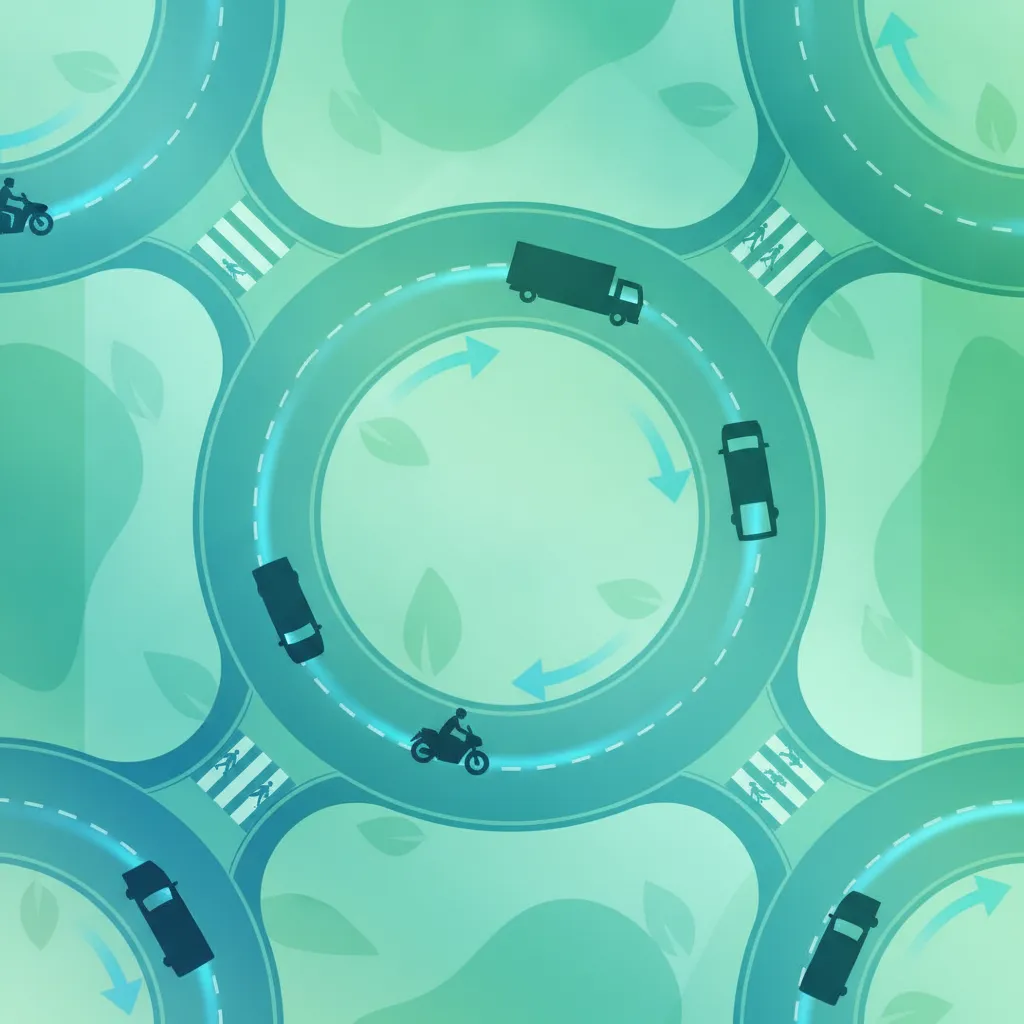
Lesson content overview
Navigating roundabouts in Germany requires strict adherence to yielding rules under StVO § 8, where circulating traffic always has priority. Correct lane selection on approach is essential: position in the right lane for the first exit, middle lane for second or third exits, and left lane for fourth exits or continuing around. The signaling protocol is specific to Germany—you signal left only when approaching your exit, not on entry or while circulating, which differs from some other countries. Maintain reduced speed throughout, stay in your chosen lane without changing or overtaking inside the roundabout, and remain vigilant for vulnerable road users such as cyclists and pedestrians who may be less visible. These principles combined ensure both exam success and safe practical riding in German traffic.
A short set of high-value points that capture the most important learning from this lesson.
When entering a German roundabout, you must yield to all circulating traffic before proceeding, regardless of your approach speed or position.
Choose your lane on approach based on your intended exit: right lane for the first exit, middle lane for second/third exits, and left lane for fourth exits or continuing around.
Signal left only when you are approaching your chosen exit, not when entering the roundabout, to avoid confusing other road users.
Lane changes and overtaking inside a roundabout are strictly prohibited in Germany and create dangerous conflict points.
Maintain a controlled, reduced speed on approach and while circulating to allow sufficient reaction time for assessing traffic and yielding safely.
Explore all units and lessons included in this driving theory course.
StVO § 8 mandates yielding to circulating traffic; StVO § 9 requires signaling left before exiting; StVO § 16 covers lane marking compliance.
If taking the immediate first exit, a right signal may be used just before entry, but for all other exits, no signal on entry is correct.
Multi-lane roundabouts: right lane = first exit, middle lane = straight ahead/second exit, left lane = fourth exit or continuing around.
Always check mirrors and blind spots before and during roundabout passage, as motorcycles are less visible to larger vehicles.
Adverse weather (rain, fog) requires significantly reduced speed and increased following distance on roundabouts.
Failing to yield to circulating traffic by entering when the gap is insufficient or misjudging approaching vehicle speeds.
Signaling left upon entry instead of just before exiting, causing waiting drivers to believe you are taking an earlier exit.
Choosing the wrong lane for your intended exit, leading to dangerous late lane changes or cutting off other vehicles within the roundabout.
Entering or circulating at excessive speed, reducing reaction time and increasing the risk of losing control on a motorcycle.
Overtaking other vehicles inside the roundabout, which is prohibited and creates unnecessary conflict points in an already complex maneuver.
Lesson content overview
A short set of high-value points that capture the most important learning from this lesson.
When entering a German roundabout, you must yield to all circulating traffic before proceeding, regardless of your approach speed or position.
Choose your lane on approach based on your intended exit: right lane for the first exit, middle lane for second/third exits, and left lane for fourth exits or continuing around.
Signal left only when you are approaching your chosen exit, not when entering the roundabout, to avoid confusing other road users.
Lane changes and overtaking inside a roundabout are strictly prohibited in Germany and create dangerous conflict points.
Maintain a controlled, reduced speed on approach and while circulating to allow sufficient reaction time for assessing traffic and yielding safely.
Explore all units and lessons included in this driving theory course.
StVO § 8 mandates yielding to circulating traffic; StVO § 9 requires signaling left before exiting; StVO § 16 covers lane marking compliance.
If taking the immediate first exit, a right signal may be used just before entry, but for all other exits, no signal on entry is correct.
Multi-lane roundabouts: right lane = first exit, middle lane = straight ahead/second exit, left lane = fourth exit or continuing around.
Always check mirrors and blind spots before and during roundabout passage, as motorcycles are less visible to larger vehicles.
Adverse weather (rain, fog) requires significantly reduced speed and increased following distance on roundabouts.
Failing to yield to circulating traffic by entering when the gap is insufficient or misjudging approaching vehicle speeds.
Signaling left upon entry instead of just before exiting, causing waiting drivers to believe you are taking an earlier exit.
Choosing the wrong lane for your intended exit, leading to dangerous late lane changes or cutting off other vehicles within the roundabout.
Entering or circulating at excessive speed, reducing reaction time and increasing the risk of losing control on a motorcycle.
Overtaking other vehicles inside the roundabout, which is prohibited and creates unnecessary conflict points in an already complex maneuver.
Explore search topics learners often look for when studying Navigating Roundabouts with Proper Lane Discipline. These topics reflect common questions about road rules, driving situations, safety guidance, and lesson level theory preparation for learners in Germany.
Browse additional driving theory lessons that cover connected traffic rules, road signs, and common driving situations related to this topic. Improve your understanding of how different rules interact across everyday traffic scenarios.
Explore advanced strategies for navigating complex multi-lane roundabouts. This lesson covers specific German StVO rules for lane selection, signaling, and yielding in challenging roundabout situations, building on basic knowledge.

This lesson explains the specific rules for driving in roundabouts ('Kreisverkehr'), a common feature on German roads. It covers the correct procedure for approaching and entering, the rule that traffic already in the circle has priority, and the requirement to signal before exiting. The lesson also addresses the unique characteristics of mini-roundabouts and how to interact with cyclists and pedestrians around them.
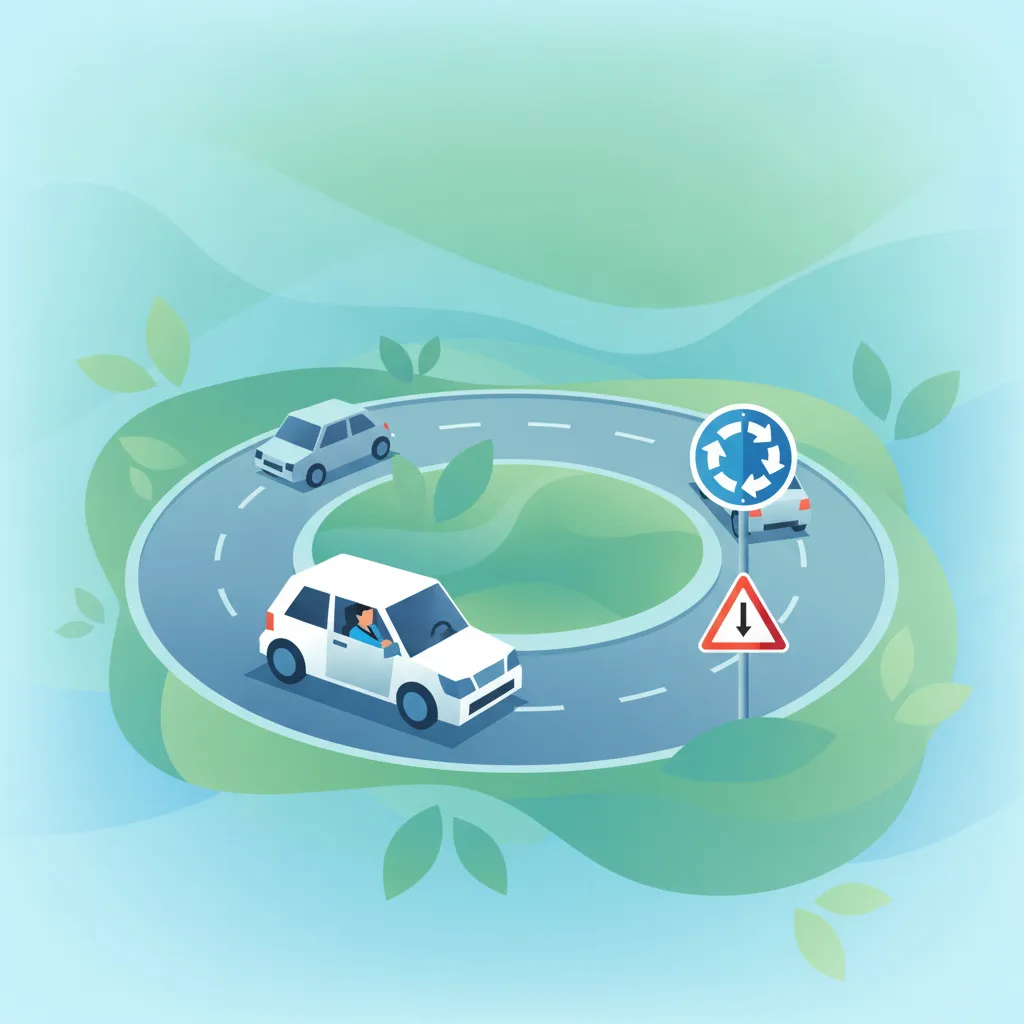
This lesson provides clear instructions on how to navigate roundabouts in Germany. It explains the crucial rule of yielding to traffic already inside the circle, proper lane choice for your intended exit, and the correct use of signals. Safe interaction with cyclists and pedestrians at roundabout exits is also covered.
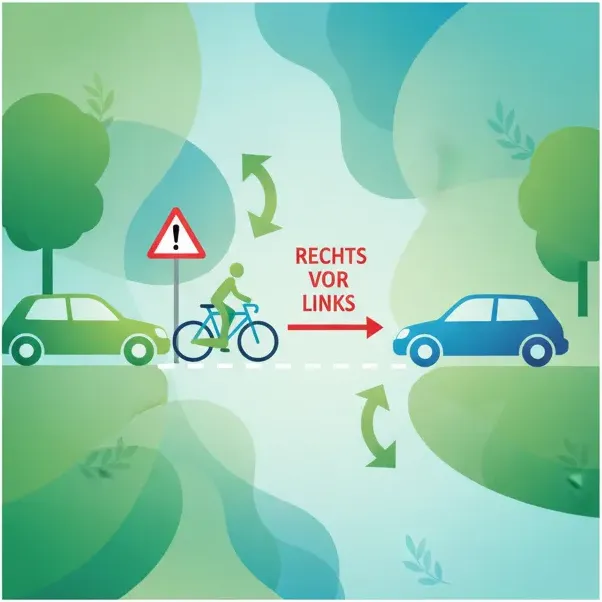
This lesson provides a detailed guide to navigating various types of intersections safely and correctly. It explains how priority is determined by traffic signs (such as the priority road, yield, and stop signs) and traffic lights. The lesson also covers complex scenarios, including the rules for turning left across oncoming traffic, to ensure you can handle any junction with confidence.

This lesson details the critical right-of-way regulations according to the German StVO. It covers the default 'right before left' rule, the meaning of priority road signs, and specific rules for roundabouts and yielding to pedestrians. A thorough understanding of these priority rules is fundamental for preventing accidents at junctions.
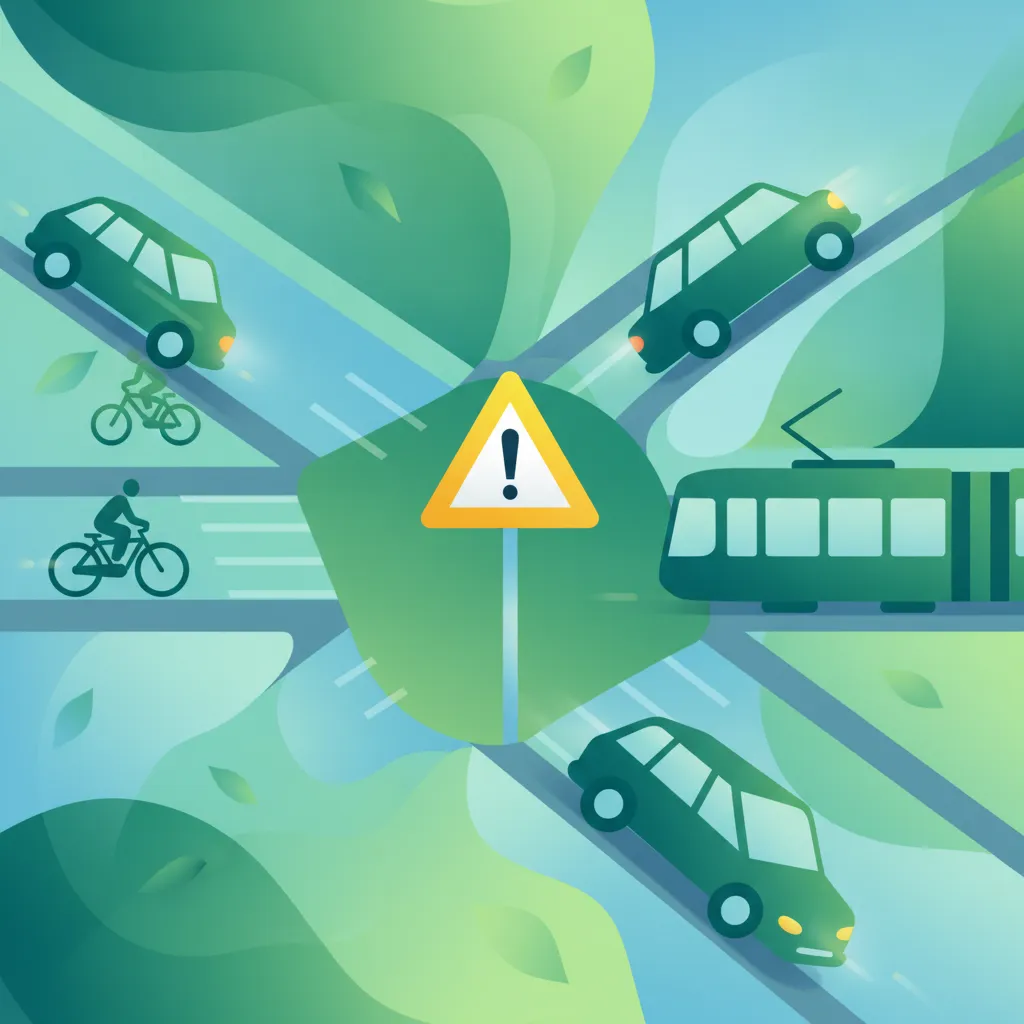
This lesson explains the concept of a priority road ('Vorfahrtstraße'), where you have right-of-way over traffic from intersecting roads. You will learn to recognize the signs that mark the beginning and end of a priority road. The lesson also covers how priority is managed through signals, including standard traffic lights, the special 'Grünpfeil' (green arrow) sign, and the overriding authority of a police officer directing traffic.

This lesson provides a step-by-step guide to executing turns safely at intersections and other locations. It details the full observation sequence (mirrors, signal, blind spot check) required before initiating a turn. The lesson covers correct lane positioning for both left and right turns and explains the rules for performing U-turns or three-point turns where permitted.

This lesson introduces the foundational concept of right-of-way ('Vorfahrt') in German traffic law. It explains the default priority rule, 'Rechts vor Links' (right before left), which applies at intersections without any regulating signs or signals. You will learn to identify situations where this rule applies and understand the basic principles of yielding to ensure safe passage at junctions.

This lesson teaches a structured method for approaching any intersection. It covers identifying the type of junction, determining who has the right-of-way based on signs or rules, and performing thorough visual checks. The focus is on developing a safe and decisive approach to reduce risk in these high-conflict areas.

This lesson covers the principles of effective route planning and the practical skills for navigating different types of junctions. It provides guidance on using navigation aids and understanding the specific challenges large vehicles face at roundabouts and complex intersections. Emphasis is placed on correct lane selection and positioning well in advance of a turn to execute the maneuver safely and without impeding other traffic.

This lesson focuses on complex traffic environments where different types of road users share the same space. It provides guidance on situations like driving on streets with integrated tram tracks or where bus and bicycle lanes are part of the roadway. The content emphasizes understanding the specific priority rules and being extra vigilant to anticipate potential conflicts in these busy, shared zones.
Understand common errors and misunderstandings when navigating roundabouts in Germany. This lesson uses real-world scenarios to illustrate critical points for motorcyclists, focusing on hazard perception and safe execution according to StVO.
This lesson explains the specific rules for driving in roundabouts ('Kreisverkehr'), a common feature on German roads. It covers the correct procedure for approaching and entering, the rule that traffic already in the circle has priority, and the requirement to signal before exiting. The lesson also addresses the unique characteristics of mini-roundabouts and how to interact with cyclists and pedestrians around them.
This lesson provides clear instructions on how to navigate roundabouts in Germany. It explains the crucial rule of yielding to traffic already inside the circle, proper lane choice for your intended exit, and the correct use of signals. Safe interaction with cyclists and pedestrians at roundabout exits is also covered.

This lesson provides a systematic approach to safely negotiating blind corners where visibility is limited. It teaches riders to control their entry speed, adopt a defensive lane position, and use visual scanning techniques to assess the road ahead. The content emphasizes adjusting lean angle and being prepared for unexpected hazards that may be hidden around the bend.

This lesson details the safe approach and navigation of various intersection types, including those controlled by traffic lights, stop signs, and give-way signs. Emphasis is placed on comprehensive observation of traffic flow, establishing eye contact with other road users, and ensuring clear visibility before proceeding. The lesson also covers correct lane positioning for turning and the importance of anticipating pedestrian movements.

This lesson focuses on the importance of strategic road positioning for enhancing safety and visibility. Learners explore different lane positions and understand when to use them to see, be seen, and create a safety buffer. The content emphasizes maintaining a long visual focus down the road to anticipate hazards and avoid target fixation, particularly when cornering.

This lesson covers the regulations and safe techniques for overtaking other vehicles in urban environments. It emphasizes the importance of thorough observation, including mirror and blind spot checks, before committing to the maneuver. Learners will understand how to choose a safe gap, manage their speed differential, and maintain strict lane discipline throughout the overtaking process.
This lesson provides a step-by-step guide to executing turns safely at intersections and other locations. It details the full observation sequence (mirrors, signal, blind spot check) required before initiating a turn. The lesson covers correct lane positioning for both left and right turns and explains the rules for performing U-turns or three-point turns where permitted.

This lesson focuses on the safe navigation of road tunnels, covering aspects like adjusting to changes in lighting at the entrance and exit. It explains the importance of adhering to specific tunnel speed limits and maintaining lane discipline. Learners will also be taught the correct emergency procedures to follow in case of a breakdown, accident, or fire inside a tunnel.

This lesson details the correct procedure for executing left turns, right turns, and U-turns. It emphasizes the importance of proper signaling, correct lane positioning before the turn, and managing speed throughout the maneuver. The content also covers fundamental cornering techniques to maintain stability and control.

This lesson focuses on how motorcyclists can clearly communicate their intentions to other road users to prevent misunderstandings and collisions. It covers the correct use of indicators, brake lights, and standardized hand signals for turning and stopping. The importance of making eye contact with other drivers to confirm they have seen you is also a key topic for enhancing safety.
Find clear answers to common questions learners have about Navigating Roundabouts with Proper Lane Discipline. Learn how the lesson is structured, which driving theory objectives it supports, and how it fits into the overall learning path of units and curriculum progression in Germany. These explanations help you understand key concepts, lesson flow, and exam focused study goals.
No, you should not signal when entering a roundabout. Signaling is only mandatory when you are exiting the roundabout. Signaling upon entry can confuse other drivers about your intentions.
If you intend to take the first exit, use the right lane. For exits further around, choose the inner lane, and always signal right before moving to the outer lane to exit. Always check your shoulder before changing lanes within the circle.
Traffic already circulating inside the roundabout has priority. You must yield to them before entering, provided there are no other signs (like 'Give Way' signs) that indicate otherwise.
While the traffic rules are the same, the theory exam often tests your ability to recognize specific motorcycle hazards, such as staying visible to larger vehicles and maintaining a safe distance from other road users in your lane.
Begin your targeted revision now. Use our practice search to quickly find specific German driving theory questions. Filter by StVO rules, road signs, or hazard perception to create your focused study plan. Master challenging areas and prepare confidently for your theoretical driving test.