
This lesson details the legal framework and personal responsibilities you must uphold as a Category AM moped rider in Iceland. Building on the basic licensing steps, we explore the mandatory rules regarding equipment, conduct, and traffic safety that every rider must follow. Understanding these obligations is crucial for both passing your theory exam and ensuring safe interaction with other road users.
Lesson content overview
Operating a moped in Iceland, under Category AM, comes with significant responsibilities and legal obligations designed to ensure the safety of all road users. This comprehensive lesson details the specific duties every AM rider must understand and adhere to. Mastery of these principles is not only crucial for passing your Icelandic Category AM moped license theory exam but also vital for preventing accidents, avoiding penalties, and fostering a safe riding culture on public roads.
This lesson builds upon your understanding of the general legal framework for Category AM mopeds and the eligibility criteria for obtaining your license. It will also lay the groundwork for subsequent topics such as protective gear, priority rules, and vehicle control, where these responsibilities translate into concrete actions.
Responsible moped riding extends beyond merely following rules; it involves a proactive mindset focused on safety and respect. Several core principles underpin all legal obligations for Category AM riders in Iceland.
A legal obligation to act with reasonable care to avoid harming others. This means a rider must anticipate the actions of other road users and adjust their riding behavior accordingly, always striving to prevent accidents.
This principle dictates that every rider must operate their moped in a manner that protects themselves, their passengers, and other road users from harm. It's a fundamental aspect of civil liability and risk mitigation on the road.
Strict adherence to specific laws and regulations governing AM riders, covering aspects such as mandatory helmet use, vehicle registration, and valid licensing.
These laws establish a uniform baseline for safety and facilitate effective enforcement. Failure to comply can lead to fines, license suspension, or even vehicle seizure.
Proactive actions taken by riders to reduce the probability of incidents and improve reaction time, such as consistently wearing appropriate protective gear and correctly signaling intended maneuvers.
Integrating these habits into every ride is essential for minimizing risks before hazards even arise.
Giving special consideration and extra space to pedestrians, cyclists, and children, who have limited protection in the event of a collision.
Collisions involving vulnerable users are often more severe, making it imperative for moped riders to exercise extreme caution around them. This includes avoiding overtaking near crosswalks and maintaining safe distances.
Understanding and applying the hierarchy of traffic rules: typically, road signs take precedence over traffic lights, which in turn override general right-of-way rules and established customs.
This hierarchy ensures consistent and predictable decision-making when multiple rules might seem to conflict, helping to maintain smooth traffic flow and prevent confusion.
Before you can legally operate a moped on Icelandic public roads, you must meet specific legal eligibility criteria and successfully complete the licensing process.
The Icelandic Road Traffic Act sets out the statutory requirements for obtaining a Category AM license.
Age Requirement: You must be at least 15 years old to apply for an AM license.
Medical Fitness: Applicants must obtain a medical fitness certificate, ensuring they are physically and mentally capable of safely operating a moped.
Theory and Practical Tests: Successful completion of both a written theory test covering traffic laws and safety principles, and a practical riding test demonstrating competence in moped operation.
A common misunderstanding is that a provisional license grants full riding privileges without all obligations. This is incorrect; while it allows for supervised training, all responsibilities related to safe operation and basic traffic laws still apply.
For example, a person who is 14 years old, even if they have started some theoretical training, must wait until their 15th birthday to officially apply for and begin the formal licensing process for an AM license. This ensures riders have reached an appropriate level of maturity and understanding.
One of the most critical safety requirements for moped riders in Iceland is the mandatory use of a certified helmet. This rule applies to both the rider and any passengers.
Icelandic Traffic Regulations clearly stipulate that both the rider and any passenger must wear a certified helmet at all times when the moped is in motion. The helmet must meet recognized safety standards, such as the CE EN 1078 standard, which is a European safety standard for helmets for cyclists and users of skateboards and roller skates (and often applied to mopeds in many European contexts). It must also be securely fastened.
Helmets can only be removed when the moped is stationary and the rider is not actively operating it, for example, when parked or at a prolonged stop. Even for very short trips, such as riding to a local shop less than 5 km away, failure to wear a helmet constitutes a violation of the law.
Common misunderstandings include assuming helmets are optional for short distances or confusing optional accessories like face shields with the helmet itself. The primary purpose of the helmet is to protect the head from impact injuries, which significantly reduces the severity of potential harm in a crash. Studies have shown that mandatory helmet usage dramatically decreases the incidence of head injuries.
Adhering to speed limits is a fundamental responsibility for every moped rider. Speed directly influences control, braking distance, and the severity of potential collisions.
For Category AM mopeds on most public roads in Iceland, the general maximum speed limit is 45 km/h. However, this limit is not absolute and must always be adjusted based on the specific road conditions, visibility, and surrounding environment.
Always remember that the posted speed limit is the maximum permissible speed under ideal conditions, not a target speed to be maintained at all times.
Residential Zones: In built-up areas, particularly residential zones and areas near schools, speed limits are often reduced to 30 km/h or even lower to protect pedestrians and children.
Adverse Conditions: In rain, snow, ice, or fog, speeds must be reduced significantly below the legal maximums to maintain control and allow for adequate stopping distances.
Visibility: In areas with poor visibility, such as blind corners, crests of hills, or at night, speed must be reduced to allow the rider enough time to react to unforeseen hazards.
A moped's speedometer indicates its speed, but the rider is solely responsible for monitoring and adhering to the legal limits. For instance, exceeding 45 km/h on a rural road is a violation, even if the moped is technically capable of reaching higher speeds. Overriding the speed limiter or modifying the moped to go faster than 45 km/h is illegal and carries severe penalties.
Clear communication of your intentions to other road users is vital for preventing collisions and maintaining a predictable traffic flow. Moped riders must use either their vehicle’s lighting system or standardized hand signals to indicate maneuvers.
Turn Signals: Always activate your moped's indicator lights (left or right) well in advance of a turn, lane change, or overtaking maneuver. A minimum of 3 seconds before the maneuver is a good general guideline.
Hand Signals: In situations where your moped's indicator lights are not functioning, are unclear due to bright sunlight, or for added emphasis in dense traffic, standardized hand signals must be used.
Left Turn: Extend your left arm horizontally straight out from your side.
Right Turn: Extend your left arm out, bent upwards at the elbow, with your hand pointing up.
Slowing Down/Stopping: Extend your left arm out, bent downwards at the elbow, with your hand pointing down.
Failing to signal can lead other drivers to make incorrect assumptions about your actions, significantly increasing the risk of a collision. For example, if your indicator light malfunctions while approaching an intersection, you must use the appropriate hand signal before making your turn.
Moped riders share the road with many others, and a key responsibility is to exercise extra caution around vulnerable road users like pedestrians and cyclists, who lack the protective enclosure of a car.
At marked crosswalks (often indicated by white stripes, known as zebra crossings), pedestrians always have the right-of-way. You must reduce your speed and be prepared to stop if a pedestrian is waiting to cross or is already within the crosswalk.
This duty to yield applies even if traffic lights indicate that vehicles have a green light, as long as a pedestrian has entered the crosswalk. Accelerating to pass a pedestrian already on a crossing is a serious violation and highly dangerous.
When overtaking cyclists, moped riders have a legal obligation to provide sufficient lateral clearance. In Iceland, a minimum overtaking distance of 1.5 metres is required when passing a cyclist. This ensures the cyclist has enough room to maneuver safely, especially if they encounter an obstacle or gust of wind.
Never assume a cyclist can always be overtaken from the left, and be mindful of your moped's limited maneuverability in tight spaces. Improper overtaking, such as passing too closely, can force a cyclist to swerve, leading to loss of control or a collision.
To legally operate a moped on public roads in Iceland, your vehicle must be properly registered, undergo periodic technical inspections, and be covered by mandatory insurance. These requirements ensure vehicles are roadworthy and that financial protection is in place for potential accidents.
Every moped used on public roads must be correctly registered with the Icelandic Transport Authority. This process assigns a unique registration number, which must be displayed on a registration plate affixed to the moped as per legal specifications.
Riding a moped without a valid registration plate can lead to fines and impoundment of the vehicle.
Mopeds are subject to periodic technical inspections to ensure they meet safety and environmental standards. In Iceland, this typically involves an inspection every two years. Riders must ensure their moped passes these inspections and carry proof of the most recent inspection during every ride.
A common misunderstanding is that a newly acquired moped is exempt from inspection until its next scheduled interval. This is incorrect; even new vehicles are subject to the first inspection after the initial interval passes.
It is a legal requirement for all mopeds to carry mandatory third-party liability insurance. This insurance covers damages or injuries you might cause to other people or their property in an accident. It does not cover damage to your own moped or injuries to yourself, for which additional comprehensive insurance might be purchased.
You must always carry valid proof of insurance (e.g., an insurance certificate) on the vehicle. Driving a moped with expired or absent insurance can result in confiscation, heavy fines, and you being personally liable for any damages caused.
Operating a moped requires full concentration, unimpaired judgment, and quick reaction times. Therefore, strict restrictions apply to alcohol and drug consumption for Category AM riders in Iceland.
The legal Blood Alcohol Concentration (BAC) limit for AM riders in Iceland is significantly low.
The amount of alcohol present in a rider’s bloodstream, typically expressed as a percentage by volume. For AM riders, the legal limit is 0.02%.
This is a lower limit compared to some other vehicle categories, underscoring the heightened risk associated with moped operation under even slight impairment. Even a small amount of alcohol can affect your balance, coordination, and judgment, which are critical for safe moped riding. Riding with a BAC of 0.03%, for example, will lead to penalties including license suspension and mandatory re-education.
Beyond alcohol, Icelandic law has a zero-tolerance policy for certain impairing substances, including many illicit drugs (e.g., THC, amphetamines) when detected in a rider's system. Riders must refrain from operating a moped if they are under the influence of any substance that impairs their ability to ride safely, whether prescribed or illicit.
Understanding common violations helps reinforce the importance of these legal obligations and the potential repercussions of non-compliance.
Riding without a helmet: Leads to significant fines and drastically increases the risk of severe head injury in a crash.
Exceeding the 45 km/h speed limit on rural roads or 30 km/h in urban zones: Considered reckless and may incur penalty points, fines, or even license suspension depending on the severity.
Failing to signal a lane change or turn: Can cause confusion for other road users, leading to unpredictable movements and increased collision risk.
Not yielding to pedestrians at a crosswalk: Results in heavy fines and potential criminal charges if an injury occurs.
Riding under the influence of alcohol (BAC 0.03% or higher) or drugs: Leads to immediate license suspension, substantial fines, and mandatory education or rehabilitation programs.
Operating a moped with expired registration or without a valid inspection certificate: The vehicle may be impounded, and the rider fined.
Improper overtaking of cyclists (less than 1.5 m clearance): Poses a significant risk of side-swiping the cyclist and is subject to fines.
Using a moped without valid third-party liability insurance: Leads to immediate legal liability for any damages caused, heavy fines, and potential confiscation of the vehicle.
Riding with a passenger without a proper passenger seat or without a passenger helmet: Both the rider and the passenger can face separate fines, and it significantly increases injury risk.
Neglecting to adjust speed in adverse weather (e.g., icy roads): While not always a direct "violation" of a numerical limit, it is a breach of the duty of care and significantly increases the probability of losing control and causing an accident.
Responsible moped riding requires dynamic adaptation to varying conditions. The legal obligations remain constant, but the application of "reasonable care" shifts dramatically with context.
Every legal obligation and recommended safety practice for moped riders is rooted in a clear cause-and-effect relationship regarding safety and risk mitigation.
Human factors, such as distractions (e.g., using a mobile phone while riding), exponentially increase crash risk. Avoiding these distractions is a direct application of your duty of care. Statistically, studies in Iceland and elsewhere consistently show that mandatory helmet usage reduces head injuries by approximately 70% in moped accidents.
This lesson has highlighted the extensive responsibilities that come with riding a moped under the Icelandic Category AM license. These are not merely suggestions but legal mandates designed to protect all road users and ensure a safe traffic environment.
You now understand:
Adhering to these responsibilities is not just about avoiding legal penalties; it's about fostering a culture of safety and respect on Icelandic roads. These concepts form the bedrock for subsequent lessons, including detailed discussions on protective gear, priority rules, and advanced vehicle control techniques.
This lesson covers the extensive legal obligations and safety responsibilities for Category AM moped riders in Iceland, including mandatory equipment requirements (helmet standards, insurance, registration), specific speed limits (45 km/h general, with contextual reductions), strict alcohol and drug restrictions (BAC 0.02% limit and zero tolerance for impairing substances), and communication requirements (indicator use and hand signals). Riders must demonstrate duty of care toward vulnerable road users, maintain a 1.5-metre clearance when overtaking cyclists, and yield to pedestrians at crosswalks regardless of traffic light signals. Non-compliance leads to fines, license suspension, vehicle impoundment, and personal liability for damages.
A short set of high-value points that capture the most important learning from this lesson.
The duty of care requires you to anticipate other road users' actions and adjust your riding to prevent accidents, not just follow the letter of the law.
Your BAC limit as an AM rider is 0.02%, stricter than many other vehicle categories, reflecting the heightened vulnerability of moped riders.
Both rider and passenger must wear a CE EN 1078 certified helmet at all times when the moped is in motion, even on short trips under 5 km.
When overtaking cyclists, you must maintain a minimum lateral clearance of 1.5 metres—this is a legal requirement, not a suggestion.
Always yield to pedestrians at marked crosswalks, even if traffic lights give you a green light, because pedestrian right-of-way takes priority.
Explore all units and lessons included in this driving theory course.
Icelandic AM moped speed limit is 45 km/h on public roads, but must be reduced in residential zones (30 km/h), adverse weather, and poor visibility.
Standard hand signals: left arm straight for left turn, left arm bent upward for right turn, left arm bent downward for stopping or slowing.
Mandatory third-party liability insurance must be carried on the vehicle at all times; riding without it makes you personally liable for damages.
Vehicle technical inspections occur every two years in Iceland, and new mopeds are not exempt from this requirement.
Headlights must be on at all times after sunset, during twilight, or in fog; high beams are prohibited when other users are within 150 metres.
Assuming helmets are optional for very short journeys or thinking optional accessories like face shields replace the helmet itself.
Riding with a BAC between 0.02% and 0.05%, mistakenly believing the standard car limit applies to mopeds—AM riders face stricter limits.
Failing to use hand signals when indicator lights malfunction, or not activating signals at least 3 seconds before a maneuver.
Not yielding to pedestrians already on a crosswalk because you have a green light, which is a serious violation and dangerous.
Neglecting to adjust speed for conditions—riding at the maximum 45 km/h in icy or foggy weather breaches the duty of care regardless of posted limits.
Lesson content overview
A short set of high-value points that capture the most important learning from this lesson.
The duty of care requires you to anticipate other road users' actions and adjust your riding to prevent accidents, not just follow the letter of the law.
Your BAC limit as an AM rider is 0.02%, stricter than many other vehicle categories, reflecting the heightened vulnerability of moped riders.
Both rider and passenger must wear a CE EN 1078 certified helmet at all times when the moped is in motion, even on short trips under 5 km.
When overtaking cyclists, you must maintain a minimum lateral clearance of 1.5 metres—this is a legal requirement, not a suggestion.
Always yield to pedestrians at marked crosswalks, even if traffic lights give you a green light, because pedestrian right-of-way takes priority.
Explore all units and lessons included in this driving theory course.
Icelandic AM moped speed limit is 45 km/h on public roads, but must be reduced in residential zones (30 km/h), adverse weather, and poor visibility.
Standard hand signals: left arm straight for left turn, left arm bent upward for right turn, left arm bent downward for stopping or slowing.
Mandatory third-party liability insurance must be carried on the vehicle at all times; riding without it makes you personally liable for damages.
Vehicle technical inspections occur every two years in Iceland, and new mopeds are not exempt from this requirement.
Headlights must be on at all times after sunset, during twilight, or in fog; high beams are prohibited when other users are within 150 metres.
Assuming helmets are optional for very short journeys or thinking optional accessories like face shields replace the helmet itself.
Riding with a BAC between 0.02% and 0.05%, mistakenly believing the standard car limit applies to mopeds—AM riders face stricter limits.
Failing to use hand signals when indicator lights malfunction, or not activating signals at least 3 seconds before a maneuver.
Not yielding to pedestrians already on a crosswalk because you have a green light, which is a serious violation and dangerous.
Neglecting to adjust speed for conditions—riding at the maximum 45 km/h in icy or foggy weather breaches the duty of care regardless of posted limits.
Explore search topics learners often look for when studying Rider Responsibilities and Legal Obligations. These topics reflect common questions about road rules, driving situations, safety guidance, and lesson level theory preparation for learners in Iceland.
Browse additional driving theory lessons that cover connected traffic rules, road signs, and common driving situations related to this topic. Improve your understanding of how different rules interact across everyday traffic scenarios.
Explore the specific legal requirements for Category AM moped riders in Iceland. This lesson covers detailed explanations of laws concerning helmets, insurance, registration, and adherence to traffic regulations beyond basic duties.
This lesson provides an overview of the legal penalties for traffic violations and outlines the correct procedures to follow after an accident. It covers how to secure an accident scene, contact emergency services using 112, and provide basic first aid. Riders will also learn about their legal obligations for reporting incidents and the initial steps for making an insurance claim.
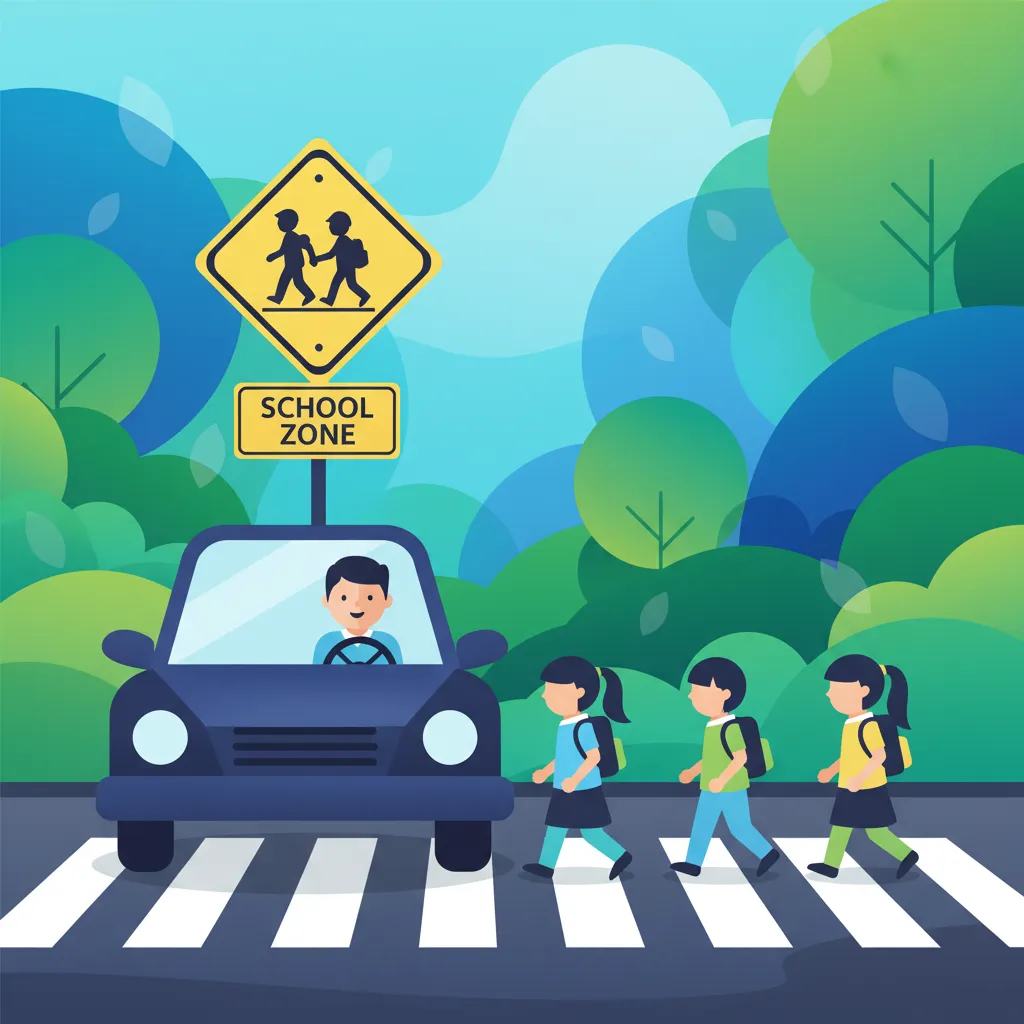
This lesson covers the strict rules governing pedestrian crossings and school zones, where riders have a heightened duty of care. It details the obligation to yield to pedestrians, recognize school zone signage, and reduce speed significantly. Riders learn to be extra vigilant for the unpredictable movements of children and other vulnerable road users in these sensitive areas.
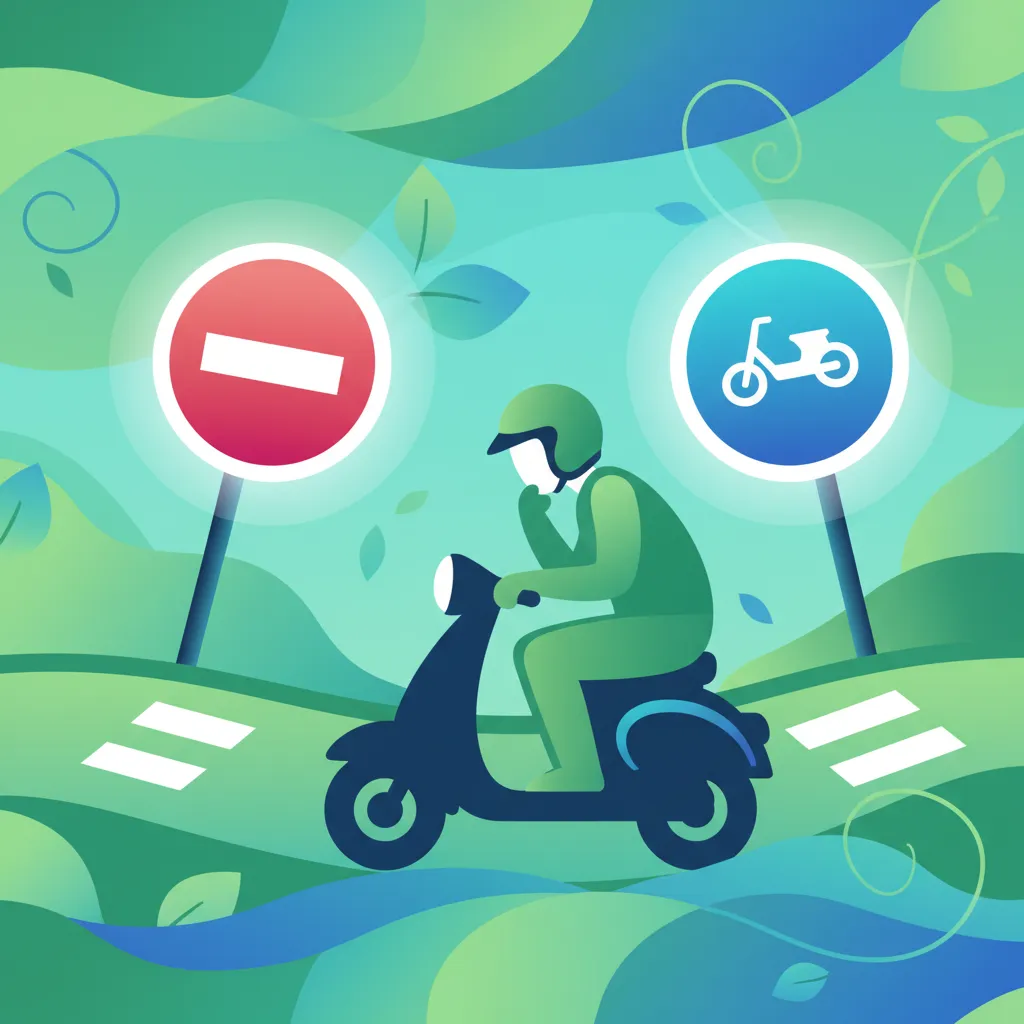
This lesson examines regulatory signs that impose legal obligations, focusing on those most relevant to moped riders like speed limits and mandatory direction signs. Learners will understand how sign shapes and colors convey specific commands or prohibitions. Attention is given to signs with vehicle-specific restrictions, ensuring riders know when rules apply directly to them.
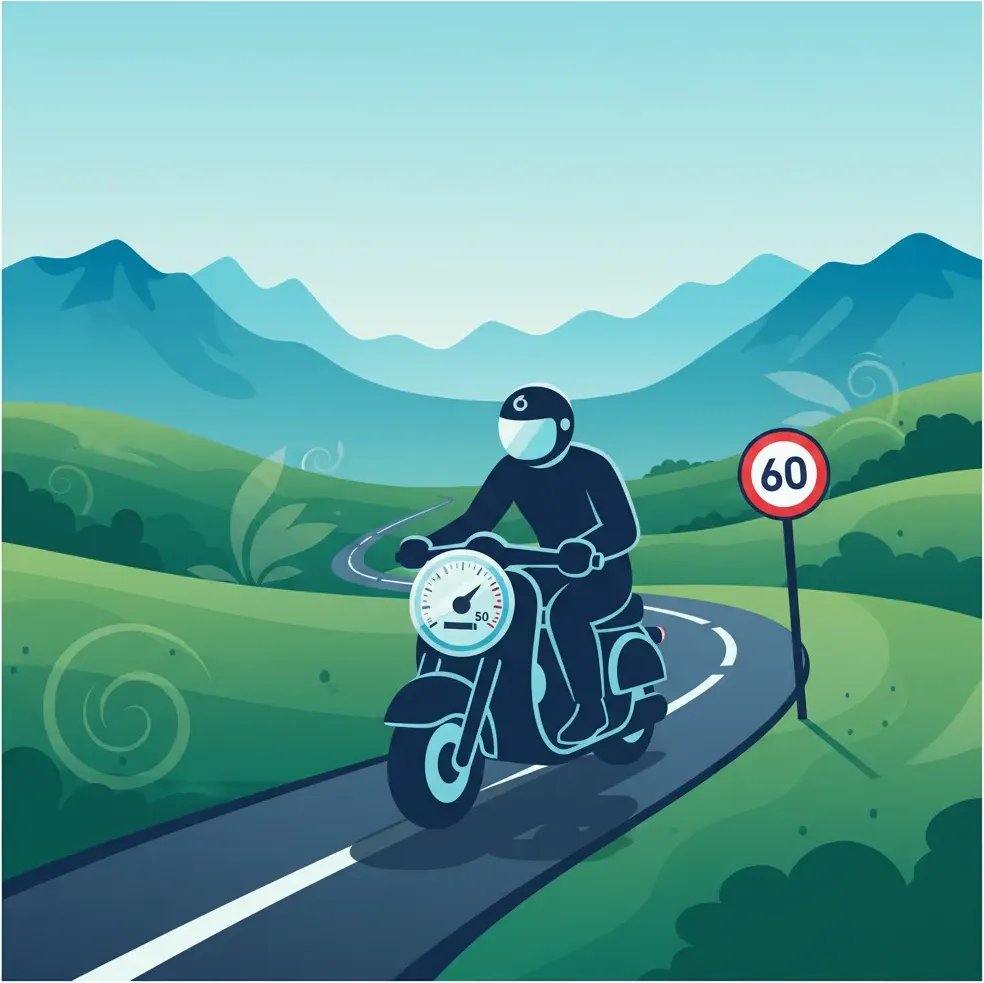
This lesson covers the statutory speed limits applicable to Category AM vehicles in various environments, from urban centers to rural roads. It emphasizes the critical importance of adapting speed to conditions such as rain, wind, or poor visibility. Riders will learn practical techniques for managing acceleration and maintaining a safe, legal speed at all times.

This lesson outlines the specific duties and limitations placed on learner drivers in Iceland, from the mandatory display of L-plates to the requirement for a qualified supervisor. Learners will study night-driving prohibitions, passenger rules for newly licensed drivers, and the legal limits on alcohol consumption during the learning phase. The content also covers the necessity of maintaining a training log and ensuring appropriate insurance coverage for the vehicle.
This lesson provides a contextual overview of Iceland's traffic law hierarchy, explaining how national statutes, road codes, and local rules interact. Learners will understand the precedence of national laws and how to interpret regulations in different jurisdictions. This knowledge ensures riders can correctly apply the relevant rules in any driving scenario, ensuring consistent legal compliance.
This lesson examines the psychological factors crucial for safe riding, promoting a defensive mindset and heightened risk awareness. It provides strategies for managing stress, identifying potential hazards early, and making proactive decisions to prevent dangerous situations. Cultivating mental discipline and a safety-conscious attitude is fundamental to long-term rider safety on Icelandic roads.

This lesson focuses on methods to enhance a rider's visibility, covering high-visibility clothing, reflective materials, and strategic lighting. Learners will understand how to use daytime running lights and position themselves to minimize time in others' blind spots. These proactive techniques are essential for being seen by other road users, significantly reducing the risk of collisions.
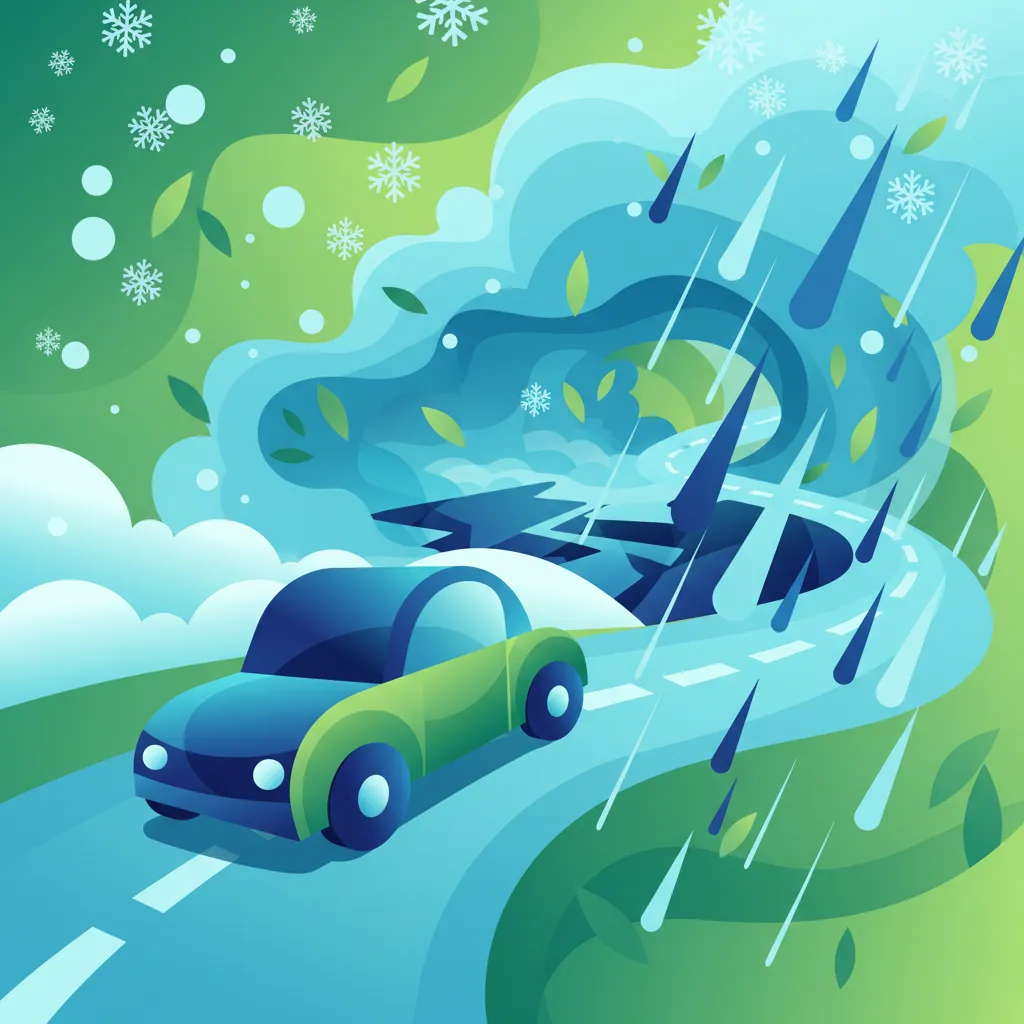
This lesson details how various weather conditions impact moped stability, traction, and visibility. It provides practical strategies for handling crosswinds, avoiding hydroplaning in rain, and maintaining grip on icy or snowy surfaces. Riders will learn to assess weather-related risks and adapt their speed and control inputs to navigate challenging conditions safely.
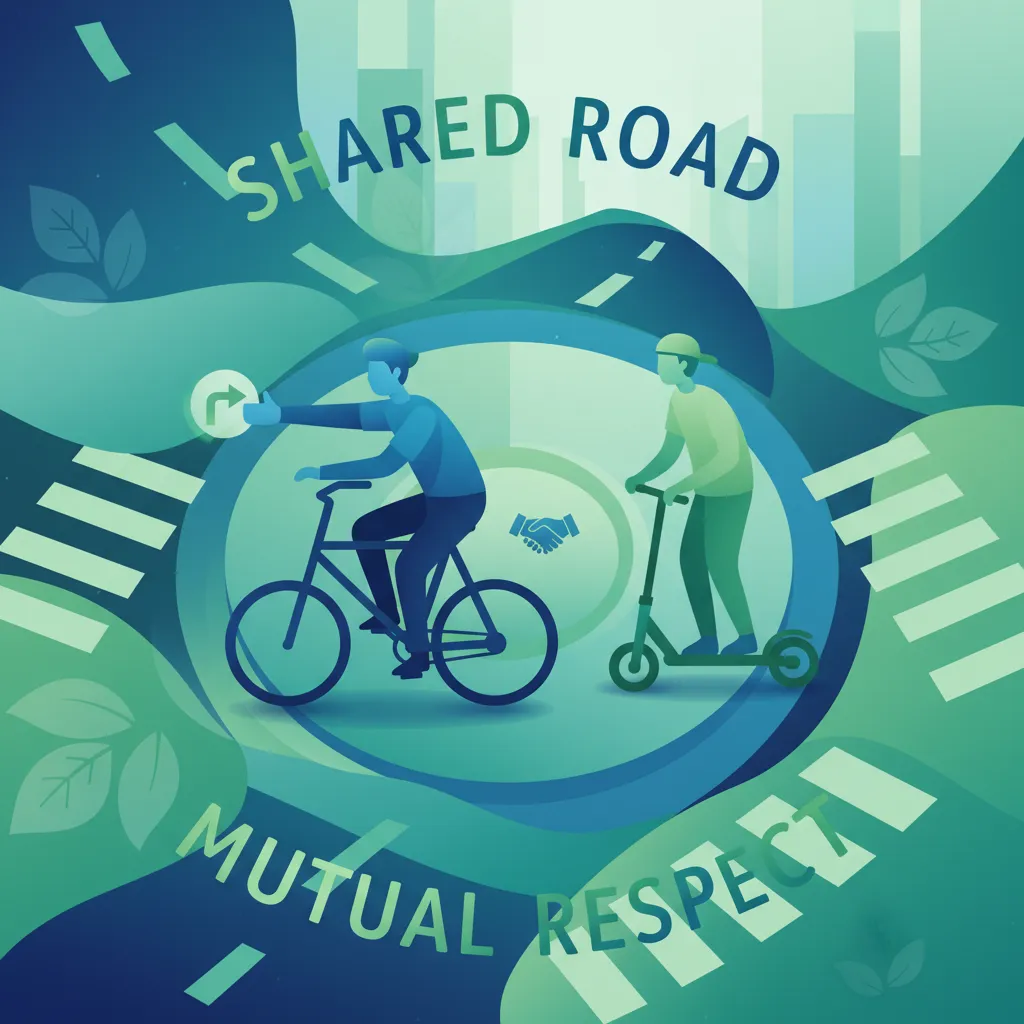
This lesson focuses on the interaction between motor vehicles and cyclists or e-scooter users on Icelandic roads, exploring the dedicated cyclist lane system and safe overtaking regulations. The content covers the required minimum passing distance, the legal status of e-scooters, and the importance of awareness when sharing narrow urban streets. Recommended signaling practices are also discussed to alert vulnerable users of your intentions, especially during nighttime riding.
Learn how to adapt your moped riding responsibilities to various Icelandic conditions like weather, road types, and time of day. This lesson focuses on practical application of rules and safety practices.
This lesson details how various weather conditions impact moped stability, traction, and visibility. It provides practical strategies for handling crosswinds, avoiding hydroplaning in rain, and maintaining grip on icy or snowy surfaces. Riders will learn to assess weather-related risks and adapt their speed and control inputs to navigate challenging conditions safely.
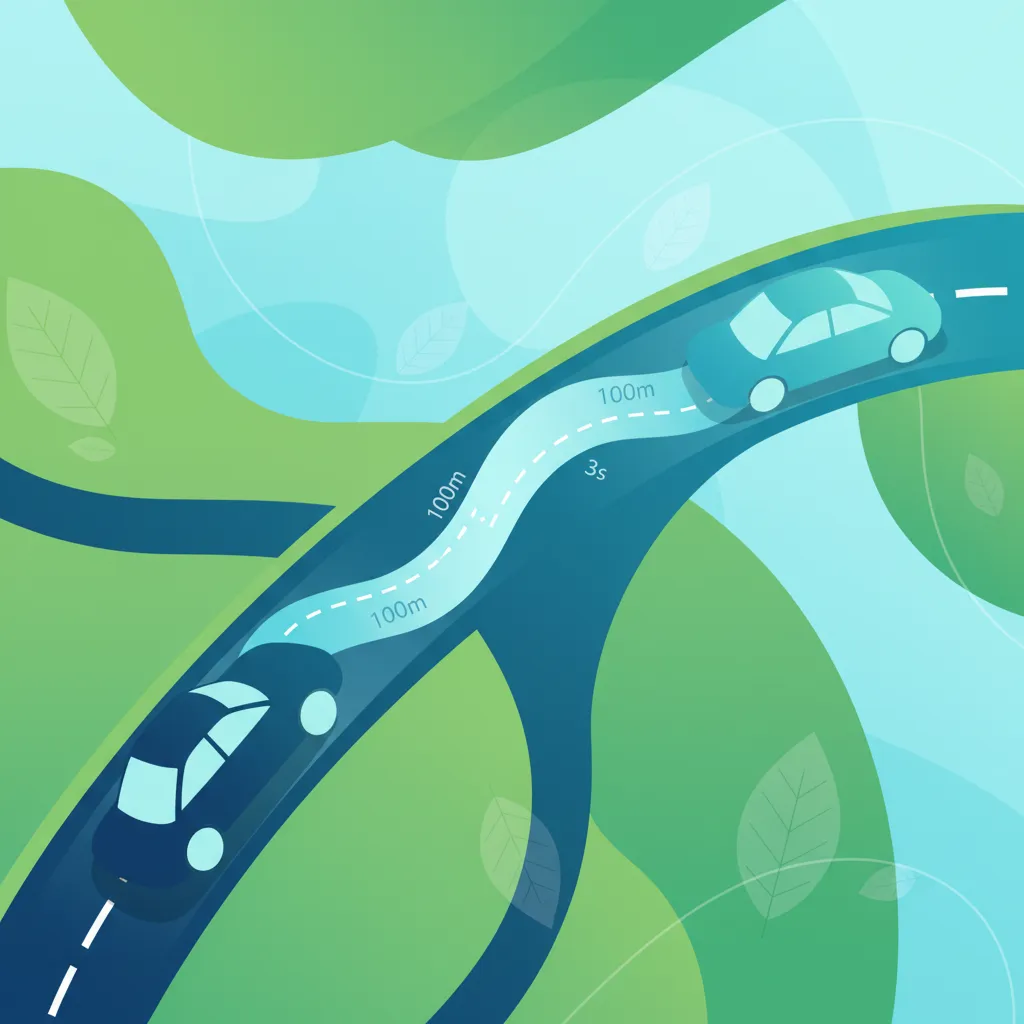
This lesson focuses on the concept of maintaining a safe following distance using the time-gap method. It explains how to create a sufficient buffer zone to react to sudden stops by the vehicle ahead. Riders will learn to adjust this gap based on speed, weather, and visibility to prevent rear-end collisions and ensure adequate reaction time.
This lesson covers the statutory speed limits applicable to Category AM vehicles in various environments, from urban centers to rural roads. It emphasizes the critical importance of adapting speed to conditions such as rain, wind, or poor visibility. Riders will learn practical techniques for managing acceleration and maintaining a safe, legal speed at all times.
This lesson examines the psychological factors crucial for safe riding, promoting a defensive mindset and heightened risk awareness. It provides strategies for managing stress, identifying potential hazards early, and making proactive decisions to prevent dangerous situations. Cultivating mental discipline and a safety-conscious attitude is fundamental to long-term rider safety on Icelandic roads.
This lesson provides an overview of the legal penalties for traffic violations and outlines the correct procedures to follow after an accident. It covers how to secure an accident scene, contact emergency services using 112, and provide basic first aid. Riders will also learn about their legal obligations for reporting incidents and the initial steps for making an insurance claim.
This lesson focuses on methods to enhance a rider's visibility, covering high-visibility clothing, reflective materials, and strategic lighting. Learners will understand how to use daytime running lights and position themselves to minimize time in others' blind spots. These proactive techniques are essential for being seen by other road users, significantly reducing the risk of collisions.
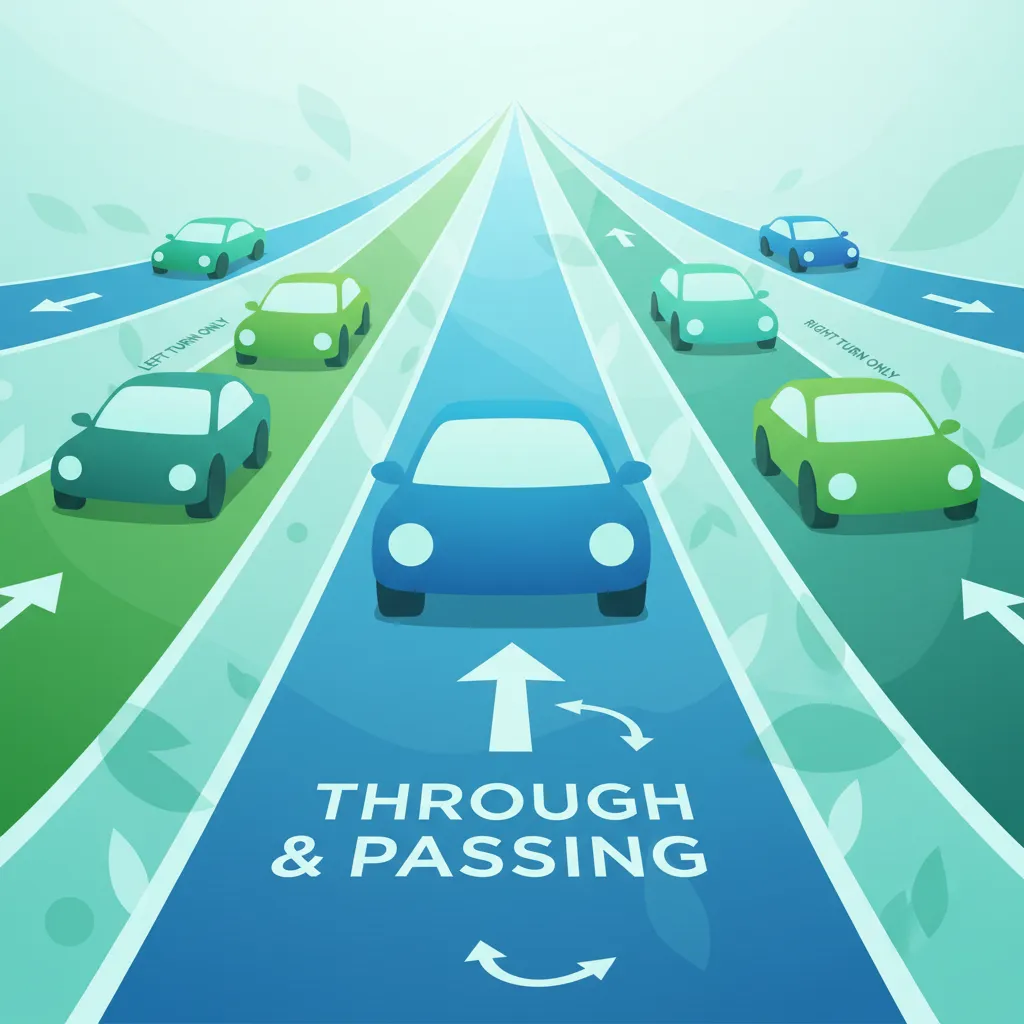
This lesson outlines best practices for positioning a moped on urban roads to maximize visibility and safety. It explains how to choose a lane position that makes you visible to drivers ahead and behind, while avoiding road debris and dooring hazards from parked cars. The content addresses adapting your position based on traffic speed, density, and road conditions.
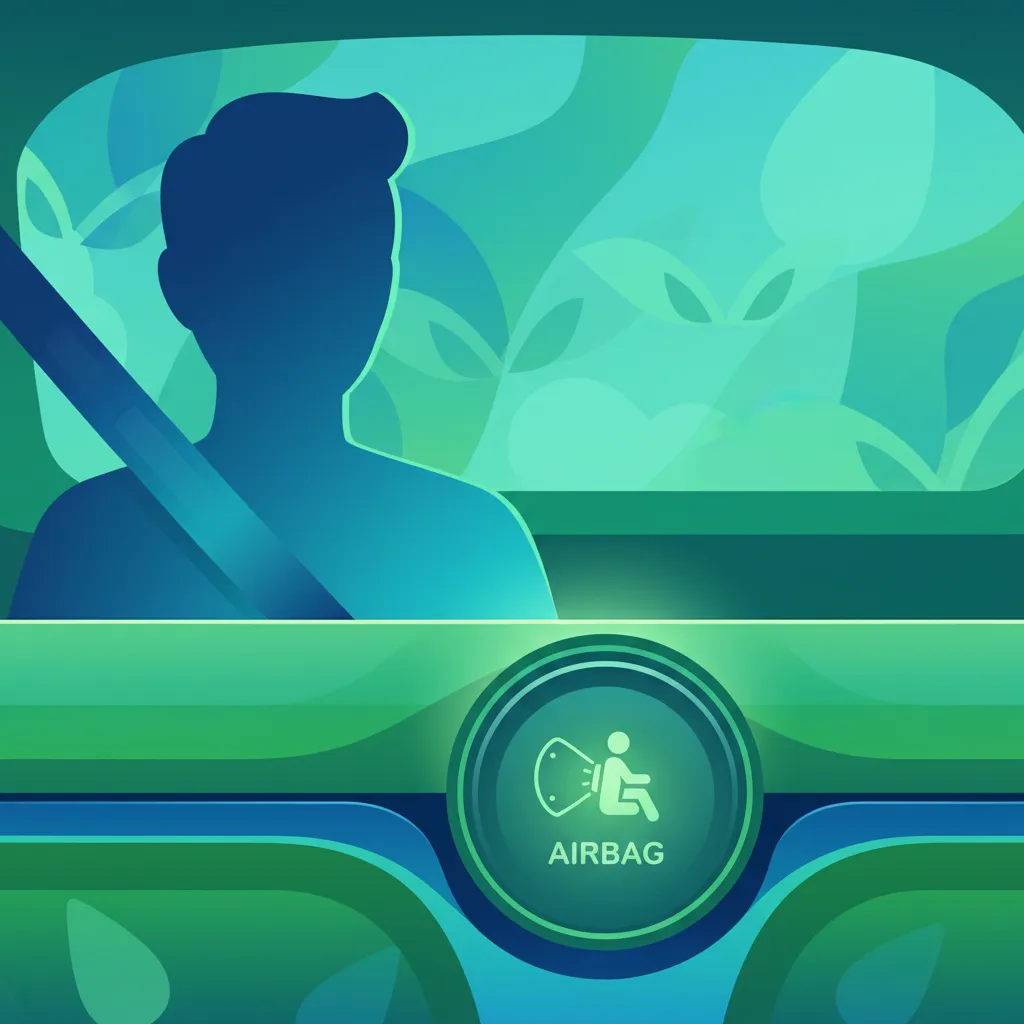
This lesson examines the set of safety equipment required by Icelandic law to be present in every passenger vehicle, focusing on seat belts, airbags, fire extinguishers, and reflective vests. The content explains the correct placement and usage protocols for each item, including how to operate a fire extinguisher and don a reflective vest. Additionally, learners are introduced to the legal requirement for an emergency triangle and a first-aid kit.
This lesson focuses on the specific challenges of riding on gravel and uneven rural roads. It teaches techniques for maintaining stability and traction on loose surfaces, including speed management, body positioning, and gentle control inputs. Understanding how to handle these conditions is essential for safely exploring areas outside of main urban centers in Iceland.
This lesson explores the range of protective clothing vital for moped riders, focusing on abrasion resistance, impact protection, and weather adaptability. It covers the selection of appropriate gloves, boots, and jackets designed to mitigate injury and enhance comfort in Iceland's climate. The material explains how layering can provide both safety and insulation, allowing for safe riding in various conditions.
Find clear answers to common questions learners have about Rider Responsibilities and Legal Obligations. Learn how the lesson is structured, which driving theory objectives it supports, and how it fits into the overall learning path of units and curriculum progression in Iceland. These explanations help you understand key concepts, lesson flow, and exam focused study goals.
Yes, wearing an approved helmet is a strict legal requirement for all moped riders and passengers in Iceland. Failure to wear one is a significant violation that carries penalties and compromises your safety.
Failure to signal is a traffic offense that endangers you and others by making your movements unpredictable. On the theory exam, you must demonstrate knowledge of when and how to signal to show you understand how to communicate your intentions clearly.
While you are subject to the same general traffic laws, your responsibilities differ regarding your vehicle's specific physical limits and your heightened vulnerability. You have an added duty to maintain visibility and follow specific road positioning rules for light vehicles.
Utilize our advanced practice set search to pinpoint the exact Icelandic driving theory topics you need to review. Filter by subject, difficulty, or question type to create a highly effective study plan and ensure you are fully prepared for your official driving licence test in Iceland.