
Riding outside of paved city roads presents unique challenges. This lesson dives into navigating Iceland's gravel, uneven surfaces, and rural roads safely. Understanding these conditions is crucial for building confidence and competence for your Category AM moped theory exam.
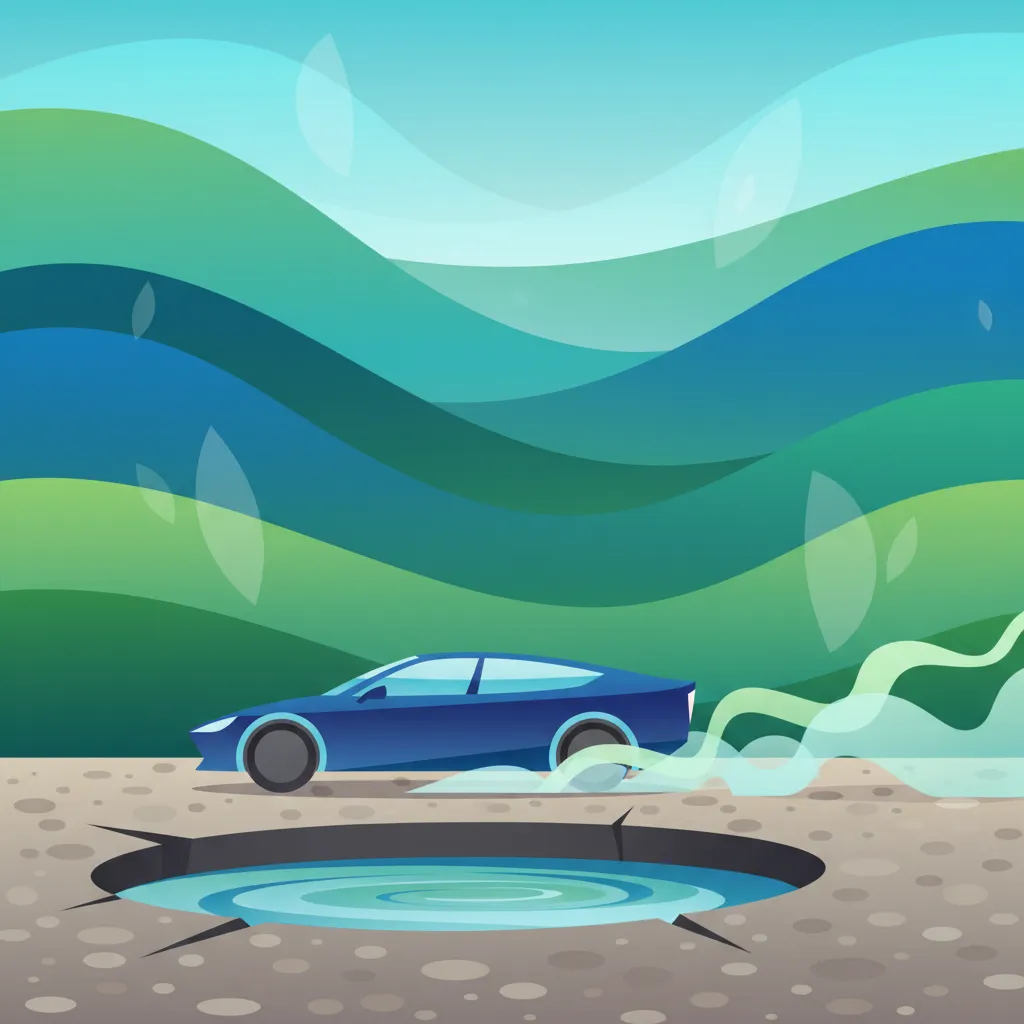
Lesson content overview
Navigating Iceland's diverse landscapes on a moped offers unparalleled freedom, but it also presents unique challenges, particularly when encountering gravel roads, uneven terrain, and the specific characteristics of rural routes. This comprehensive lesson is designed to equip you with the essential knowledge and techniques needed to ride safely and confidently outside urban centers as part of your Icelandic Moped (Category AM) Driving License Theory Course.
Understanding how to adapt your riding style to these conditions is not merely a skill; it is a critical safety imperative. Urban roads, with their predictable asphalt and clear markings, differ greatly from the often unpaved or less maintained rural paths. Mastery of these conditions ensures that you can safely explore all that Iceland has to offer, from remote farm tracks to scenic highland approaches.
Riding on surfaces that offer less grip than paved roads requires a fundamental shift in your approach to vehicle control. Loose materials like gravel and unpredictable undulations like potholes reduce the friction between your tires and the road, directly impacting your ability to steer, accelerate, and brake effectively.
Gravel roads are defined as roadways composed of loose stone, sand, or crushed rock, often lacking a solid, bound paving layer. These are common in many parts of Iceland, particularly away from main highways and in rural or wilderness areas. The quality of a gravel road can vary significantly, from compacted, single-layer surfaces with finer aggregate to much looser sections with deeper, unbound stones.
The practical implication of riding on gravel is a significant reduction in grip compared to asphalt. The loose material can shift under the moped's weight and tire pressure, making sudden movements risky. Common mistakes include maintaining high speed, applying sudden brakes, or accelerating sharply, all of which can lead to a loss of control. It is crucial to anticipate these changes and adjust your riding accordingly.
Uneven surfaces describe roadways where the drivable surface contains irregularities such as dips, bumps, potholes, ruts, or raised ribs. These can be found on any road type but are particularly prevalent on rural and gravel roads due to less frequent maintenance and the impact of weather.
Types of unevenness include:
Encountering uneven surfaces means that riders must anticipate vertical displacement and adjust their body posture and the moped's suspension. Ignoring these irregularities, especially at speed, is a common mistake that can lead to being thrown off balance, damaging the moped, or losing control.
Rural roads are generally located outside densely populated areas, often connecting villages, farms, and natural sites. In Iceland, these roads present distinct characteristics that demand heightened awareness:
Riding on rural roads means relying more heavily on your situational awareness and developing strong road intuition. Assuming low traffic equates to low risk is a dangerous misconception that can lead to inattentiveness.
Successful navigation of gravel, uneven surfaces, and rural roads hinges on mastering several core principles that enhance stability and control.
Traction management involves maintaining optimal friction between your tires and the road surface. This is paramount on loose gravel and uneven terrain where grip is naturally reduced. Loss of traction can quickly lead to a skid or fall.
To effectively manage traction:
On loose surfaces, think of your controls as being "on a dimmer switch" rather than "on/off" buttons. Gentle, progressive adjustments are key.
Speed adaptation means continuously adjusting your speed according to the surface quality, visibility, and overall road conditions. This principle directly reduces the kinetic energy that must be dissipated when braking on low-grip surfaces, thus decreasing stopping distances.
The energy an object possesses due to its motion. Halving your speed quarters your kinetic energy, making it significantly easier to stop.
Adhering to posted speed limits is the minimum requirement. On gravel or uneven roads, conditions often necessitate a speed significantly lower than the posted limit.
Your body positioning plays a crucial role in maintaining stability and improving tire contact pressure distribution, especially on a lightweight moped. Aligning your mass correctly relative to the moped's center of gravity can prevent unexpected shifts and maintain balance.
Progressive control inputs refer to applying throttle, brakes, and steering smoothly and incrementally rather than abruptly. Sudden inputs cause rapid load transfer within the moped's suspension and tire contact, which can easily trigger skids on loose surfaces.
Practicing feathering the brakes (applying and releasing light pressure rapidly) and gentle steering is essential for developing this skill.
Risk awareness is the continuous assessment of surface conditions, potential hazards, and the likelihood of losing traction. This encourages pre-emptive actions, such as reducing speed well before a known gravel section or a blind corner.
Applying the core principles translates into specific techniques for different aspects of riding.
Braking on gravel is fundamentally different from braking on asphalt. The reduced friction means that applying too much brake pressure too quickly will almost certainly lead to a wheel lock-up.
Prioritize the Rear Brake: On loose surfaces, the rear brake is generally your primary braking tool. It helps stabilize the moped and reduce speed without risking a front-wheel skid, which can be much harder to recover from.
Gentle Front Brake Use: The front brake can be used, but only with very gentle, progressive pressure. Abrupt front braking is a leading cause of front-wheel lock-up and loss of steering control. If you feel the front wheel begin to lock, immediately release the front brake pressure.
Engine Braking: Utilize engine braking by smoothly downshifting and releasing the throttle. This provides a controlled deceleration that minimizes the risk of losing traction.
Straight Line Braking: Whenever possible, brake in a straight line before entering a curve. Once leaned into a turn, braking becomes significantly riskier on loose surfaces.
Effective speed management is about balancing travel efficiency with absolute safety on low-friction roads.
Rural roads, especially in Iceland, may have less frequent signage, making active visual scanning and interpretation of natural warnings even more vital.
F37 sign), uneven terrain, or wildlife crossings.Adhering to Icelandic traffic law is crucial for safe riding, particularly on challenging rural roads. Several regulations are specifically pertinent to conditions like gravel and uneven surfaces.
Drivers must always adjust their speed according to road conditions, including surface quality, weather, and visibility, to ensure full control of the vehicle.
This regulation is paramount for gravel and uneven surfaces. It mandates that you must reduce your speed if the conditions (such as loose gravel or potholes) make it unsafe to maintain the posted limit. Failure to do so significantly increases accident risk and carries legal penalties. For instance, riding at 60 km/h on a loose gravel track where 30 km/h would be prudent is a direct violation.
Overtaking is prohibited where visibility is limited, such as on blind bends, hill crests, or where there is insufficient clear road ahead.
On narrow rural roads with frequent blind corners, this regulation is vital. Never attempt to overtake another vehicle or obstacle if you cannot see far enough ahead to confirm the road is clear. This prevents head-on collisions, especially where oncoming traffic might appear unexpectedly.
Vehicle lights must be used whenever visibility is compromised, including during darkness, fog, heavy precipitation, or other conditions that reduce visibility.
On rural roads, especially gravel ones, dust clouds can severely reduce visibility. Similarly, weather conditions like fog or heavy rain are more common and impactful. Activating your dipped beam headlights and side lights ensures you are seen by other road users, greatly enhancing safety.
Vehicles must be maintained in a roadworthy condition, and tires must have sufficient tread depth and be properly inflated.
This is particularly critical for riding on loose and uneven surfaces. Tires with adequate tread provide the necessary grip to maintain traction. Worn tires dramatically increase the risk of skidding and loss of control on gravel or wet, muddy patches. Regularly checking tire pressure and tread depth before any ride on rural roads is an essential safety measure.
Drivers must yield to oncoming traffic at blind corners or in narrow sections where passing is difficult or impossible.
Many Icelandic rural roads, particularly single-lane gravel tracks, feature blind corners with extremely limited sight distances. It is mandatory to approach these corners slowly, be prepared to stop, and yield to any oncoming vehicle. Never assume the road is clear; always prioritize safety.
Riding on challenging surfaces requires vigilance and specific techniques. Being aware of common pitfalls can help you avoid dangerous situations.
Riding strategies must adapt to the ever-changing conditions encountered on rural roads.
Understanding the underlying principles reinforces why specific techniques are crucial.
Mastering gravel, uneven surfaces, and rural roads is fundamental for any moped rider in Iceland. By internalizing these principles and practices, you can navigate challenging conditions with confidence and safety.
This lesson covers essential techniques for riding a moped on Iceland's gravel, uneven, and rural roads. Key principles include managing traction through smooth control inputs, adapting speed proactively before entering low-grip surfaces, and using rear-brake dominance with gentle front brake application. Body positioning—keeping the moped upright while leaning your body into turns—enhances stability, while maintaining increased following distances accommodates longer stopping distances on loose material. The content aligns with specific Icelandic Traffic Law provisions requiring speed adjustment to conditions, mandatory light usage when visibility is reduced, and proper yielding at blind corners. Environmental factors such as rain turning gravel to mud, wind destabilization, and dusty conditions further necessitate adaptive riding strategies.
A short set of high-value points that capture the most important learning from this lesson.
Gravel and uneven surfaces fundamentally reduce tire grip, requiring a different approach to steering, acceleration, and braking compared to paved roads.
Pre-emptive speed reduction before entering gravel sections or blind corners is the most critical safety measure.
On loose surfaces, prioritize rear brake use with gentle front brake pressure to avoid front-wheel lock-up and loss of steering.
Maintain a relaxed body position and lean your body into turns while keeping the moped more upright to maximize tire contact patch.
Icelandic law (§ 27-1) explicitly requires drivers to adjust speed according to surface quality and visibility, not just posted limits.
Explore all units and lessons included in this driving theory course.
Think of controls as a dimmer switch rather than on/off buttons—smooth, progressive inputs are essential on low-grip surfaces.
Brake in a straight line before entering curves; braking mid-corner on gravel drastically increases skid risk.
Halving your speed quarters your kinetic energy, making stopping on loose surfaces significantly more manageable.
Increase following distance substantially on gravel because stopping distances are much longer than on asphalt.
Rural roads may have wildlife, blind corners, and single-lane sections requiring constant situational awareness.
Excessive speed when entering gravel sections, leading to longer stopping distances and inability to react safely.
Using only the front brake forcefully on loose surfaces, which causes front-wheel lock-up and immediate loss of steering control.
Proceeding through blind corners without slowing down or yielding to oncoming traffic on narrow rural roads.
Leaning away from turns or stiffening the body, which destabilizes the moped and reduces grip.
Failing to reduce speed before transitioning from asphalt to gravel, causing loss of control at the surface change.
Lesson content overview
A short set of high-value points that capture the most important learning from this lesson.
Gravel and uneven surfaces fundamentally reduce tire grip, requiring a different approach to steering, acceleration, and braking compared to paved roads.
Pre-emptive speed reduction before entering gravel sections or blind corners is the most critical safety measure.
On loose surfaces, prioritize rear brake use with gentle front brake pressure to avoid front-wheel lock-up and loss of steering.
Maintain a relaxed body position and lean your body into turns while keeping the moped more upright to maximize tire contact patch.
Icelandic law (§ 27-1) explicitly requires drivers to adjust speed according to surface quality and visibility, not just posted limits.
Explore all units and lessons included in this driving theory course.
Think of controls as a dimmer switch rather than on/off buttons—smooth, progressive inputs are essential on low-grip surfaces.
Brake in a straight line before entering curves; braking mid-corner on gravel drastically increases skid risk.
Halving your speed quarters your kinetic energy, making stopping on loose surfaces significantly more manageable.
Increase following distance substantially on gravel because stopping distances are much longer than on asphalt.
Rural roads may have wildlife, blind corners, and single-lane sections requiring constant situational awareness.
Excessive speed when entering gravel sections, leading to longer stopping distances and inability to react safely.
Using only the front brake forcefully on loose surfaces, which causes front-wheel lock-up and immediate loss of steering control.
Proceeding through blind corners without slowing down or yielding to oncoming traffic on narrow rural roads.
Leaning away from turns or stiffening the body, which destabilizes the moped and reduces grip.
Failing to reduce speed before transitioning from asphalt to gravel, causing loss of control at the surface change.
Explore search topics learners often look for when studying Gravel, Uneven Surfaces and Rural Roads. These topics reflect common questions about road rules, driving situations, safety guidance, and lesson level theory preparation for learners in Iceland.
Browse additional driving theory lessons that cover connected traffic rules, road signs, and common driving situations related to this topic. Improve your understanding of how different rules interact across everyday traffic scenarios.
Learn essential techniques for safe moped riding on Iceland's gravel, uneven surfaces, and rural roads. This lesson covers traction management, speed adaptation, and body positioning to navigate challenging terrains with confidence and comply with traffic laws.
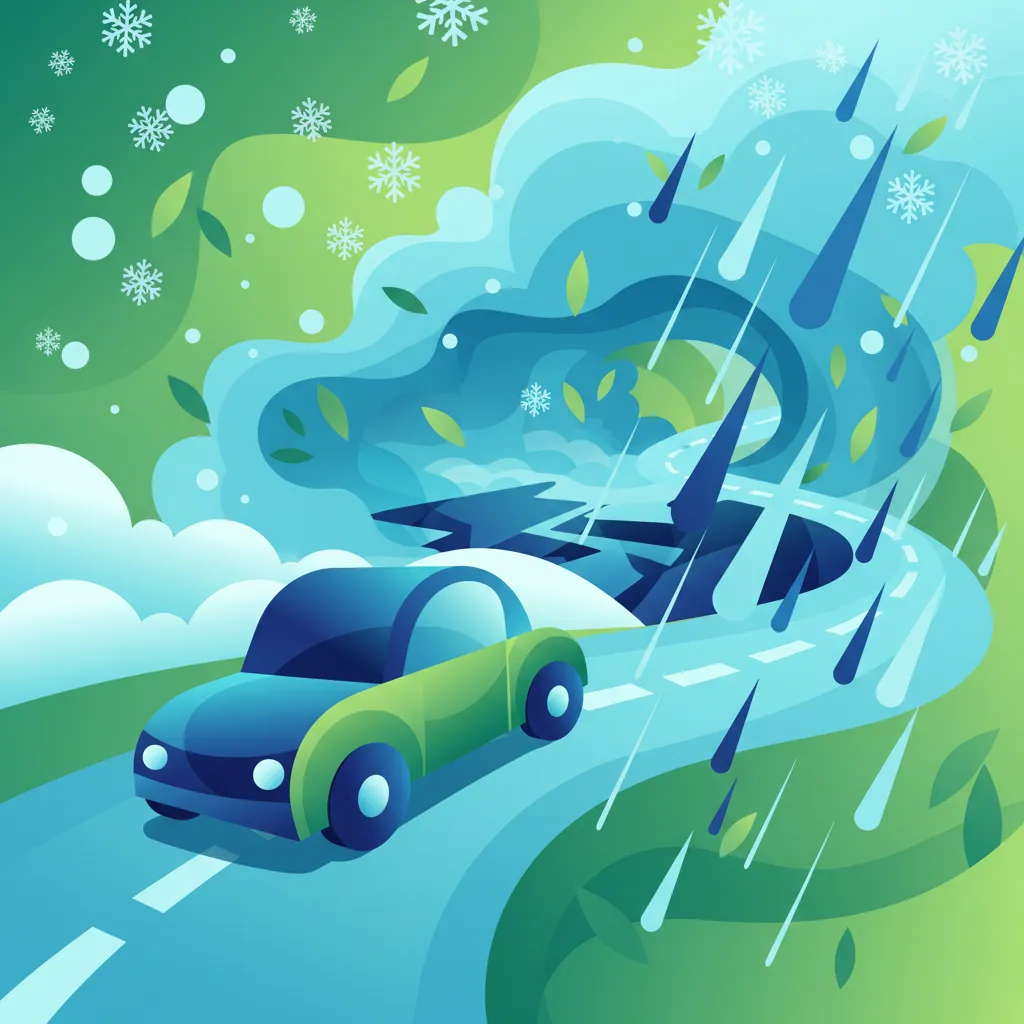
This lesson details how various weather conditions impact moped stability, traction, and visibility. It provides practical strategies for handling crosswinds, avoiding hydroplaning in rain, and maintaining grip on icy or snowy surfaces. Riders will learn to assess weather-related risks and adapt their speed and control inputs to navigate challenging conditions safely.

This lesson explores the specific challenges of driving on Icelandic gravel roads, focusing on the reduced traction and vehicle dynamics associated with loose surfaces. The content explains how to adapt speed appropriately, maintain safe following distances, and use gentle braking to avoid skidding. Learners also study proper lane sharing etiquette, including how to safely pass other vehicles and manage loose stones that may be thrown, ensuring vehicle stability.

This lesson explores the dynamic principles of cornering and acceleration, emphasizing smooth control inputs and proper body positioning. Learners will understand how to manage weight transfer and traction to navigate turns safely and efficiently. It covers how to choose the correct speed and line through a corner, and how to apply throttle smoothly on exit.
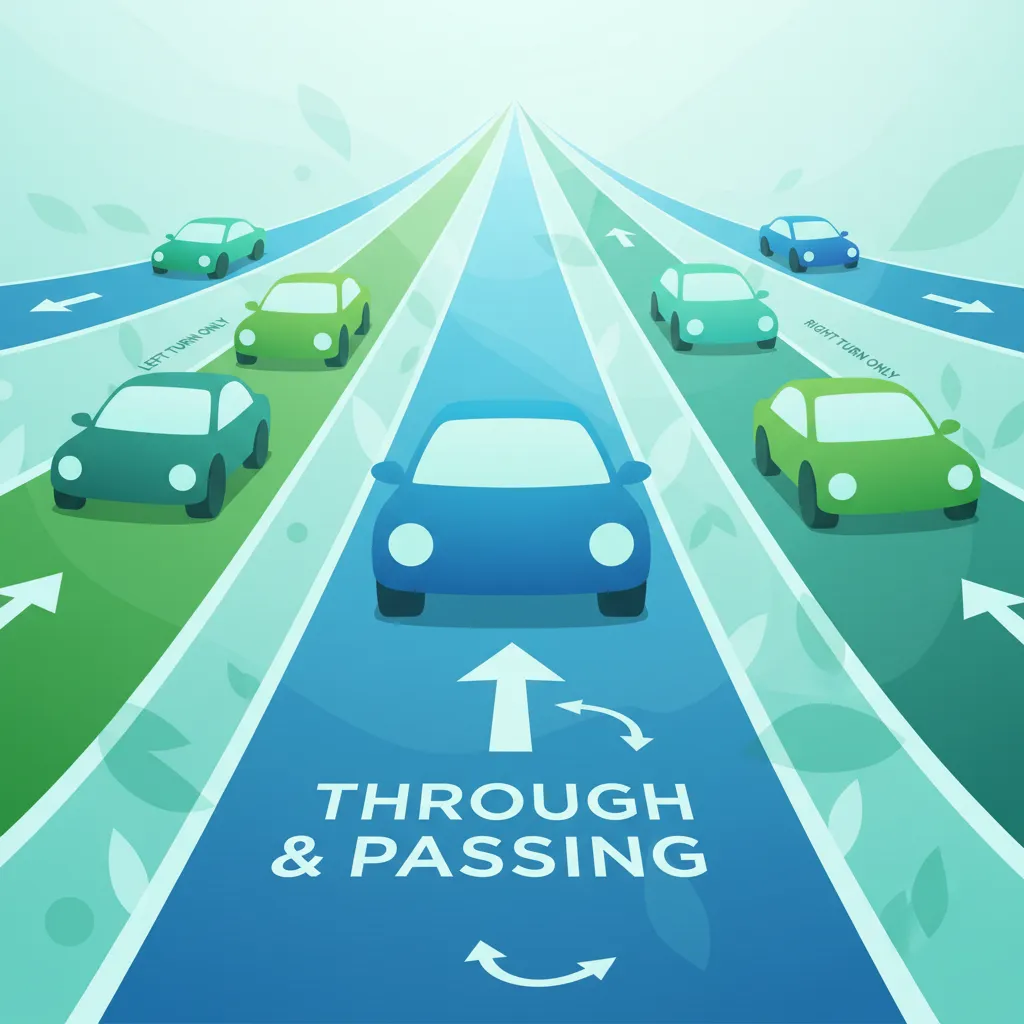
This lesson outlines best practices for positioning a moped on urban roads to maximize visibility and safety. It explains how to choose a lane position that makes you visible to drivers ahead and behind, while avoiding road debris and dooring hazards from parked cars. The content addresses adapting your position based on traffic speed, density, and road conditions.
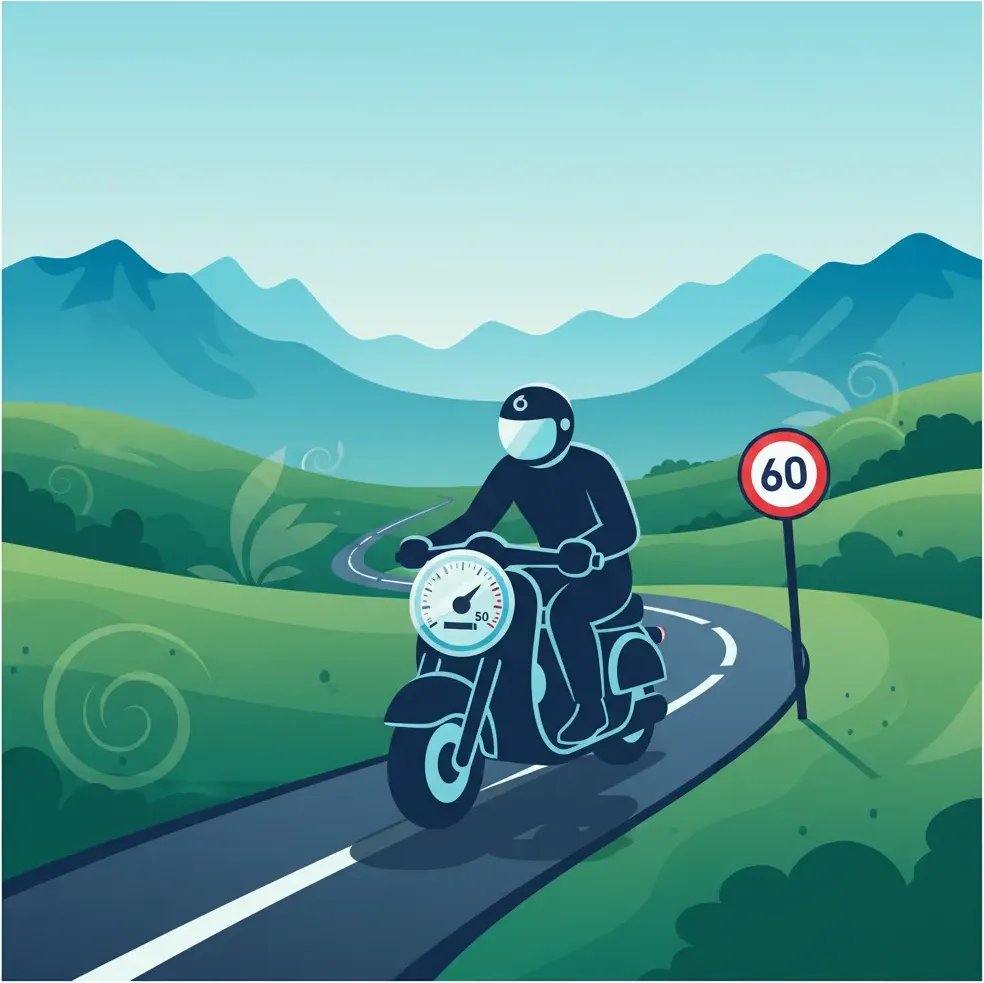
This lesson covers the statutory speed limits applicable to Category AM vehicles in various environments, from urban centers to rural roads. It emphasizes the critical importance of adapting speed to conditions such as rain, wind, or poor visibility. Riders will learn practical techniques for managing acceleration and maintaining a safe, legal speed at all times.

This lesson focuses on methods to enhance a rider's visibility, covering high-visibility clothing, reflective materials, and strategic lighting. Learners will understand how to use daytime running lights and position themselves to minimize time in others' blind spots. These proactive techniques are essential for being seen by other road users, significantly reducing the risk of collisions.
This lesson explores the range of protective clothing vital for moped riders, focusing on abrasion resistance, impact protection, and weather adaptability. It covers the selection of appropriate gloves, boots, and jackets designed to mitigate injury and enhance comfort in Iceland's climate. The material explains how layering can provide both safety and insulation, allowing for safe riding in various conditions.
This lesson details the fundamentals of lane discipline and proper turning techniques for moped riders. It covers the correct use of turn signals, judging appropriate cornering speed, and executing safe lane changes. The material provides a step-by-step guide to navigating intersections and curves with control and predictability, ensuring safety for the rider and other road users.
This lesson examines the psychological factors crucial for safe riding, promoting a defensive mindset and heightened risk awareness. It provides strategies for managing stress, identifying potential hazards early, and making proactive decisions to prevent dangerous situations. Cultivating mental discipline and a safety-conscious attitude is fundamental to long-term rider safety on Icelandic roads.

This lesson explores the conduct required at uncontrolled crossings where the right-hand rule typically applies. It emphasizes the need to reduce speed, be prepared to stop, and establish clear communication with other road users. Riders will learn to assess the situation carefully and proceed only when it is confirmed to be safe, a critical skill for rural and residential areas.
Explore common hazards on Iceland's rural roads including weather, wildlife, and poor visibility. Understand the specific Icelandic traffic laws and regulations that apply to moped riders in these challenging environments.
This lesson details how various weather conditions impact moped stability, traction, and visibility. It provides practical strategies for handling crosswinds, avoiding hydroplaning in rain, and maintaining grip on icy or snowy surfaces. Riders will learn to assess weather-related risks and adapt their speed and control inputs to navigate challenging conditions safely.
This lesson familiarizes learners with signs that warn of upcoming hazards, such as sharp curves, slippery surfaces, or animal crossings. It emphasizes the importance of early hazard recognition and response, which is especially critical for vulnerable moped riders. Understanding these signs allows riders to anticipate road conditions and adjust their riding strategy accordingly for increased safety.
This lesson focuses on methods to enhance a rider's visibility, covering high-visibility clothing, reflective materials, and strategic lighting. Learners will understand how to use daytime running lights and position themselves to minimize time in others' blind spots. These proactive techniques are essential for being seen by other road users, significantly reducing the risk of collisions.
This lesson provides a contextual overview of Iceland's traffic law hierarchy, explaining how national statutes, road codes, and local rules interact. Learners will understand the precedence of national laws and how to interpret regulations in different jurisdictions. This knowledge ensures riders can correctly apply the relevant rules in any driving scenario, ensuring consistent legal compliance.
This lesson covers the statutory speed limits applicable to Category AM vehicles in various environments, from urban centers to rural roads. It emphasizes the critical importance of adapting speed to conditions such as rain, wind, or poor visibility. Riders will learn practical techniques for managing acceleration and maintaining a safe, legal speed at all times.
This lesson outlines best practices for positioning a moped on urban roads to maximize visibility and safety. It explains how to choose a lane position that makes you visible to drivers ahead and behind, while avoiding road debris and dooring hazards from parked cars. The content addresses adapting your position based on traffic speed, density, and road conditions.
This lesson examines the psychological factors crucial for safe riding, promoting a defensive mindset and heightened risk awareness. It provides strategies for managing stress, identifying potential hazards early, and making proactive decisions to prevent dangerous situations. Cultivating mental discipline and a safety-conscious attitude is fundamental to long-term rider safety on Icelandic roads.
This lesson examines regulatory signs that impose legal obligations, focusing on those most relevant to moped riders like speed limits and mandatory direction signs. Learners will understand how sign shapes and colors convey specific commands or prohibitions. Attention is given to signs with vehicle-specific restrictions, ensuring riders know when rules apply directly to them.

This lesson addresses the unique challenges of riding at night, including reduced visibility and altered depth perception. It covers the correct use of lighting systems, the critical role of reflective gear, and strategies to maximize conspicuity. Riders will also learn to identify hazards specific to low-light conditions, such as animals or unlit obstacles on the road.
This lesson explores the conduct required at uncontrolled crossings where the right-hand rule typically applies. It emphasizes the need to reduce speed, be prepared to stop, and establish clear communication with other road users. Riders will learn to assess the situation carefully and proceed only when it is confirmed to be safe, a critical skill for rural and residential areas.
Find clear answers to common questions learners have about Gravel, Uneven Surfaces and Rural Roads. Learn how the lesson is structured, which driving theory objectives it supports, and how it fits into the overall learning path of units and curriculum progression in Iceland. These explanations help you understand key concepts, lesson flow, and exam focused study goals.
The primary difference is significantly reduced traction. Gravel provides less grip than asphalt, meaning your moped can slide more easily, especially when turning, braking, or accelerating. This requires smoother inputs and a slower speed.
You must significantly reduce your speed on gravel. Err on the side of caution and ride slower than you think you need to. Gentle acceleration and braking are key; avoid sudden movements that can break traction.
Relax your arms and legs to absorb bumps. Try to stand slightly on the footpegs if possible, or maintain a neutral, relaxed posture. Avoid tensing up, as this transfers every jolt to your body and makes control harder.
Brake very gently and early. Smoothly apply both brakes, but be aware that braking distance will be much longer. Avoid locking the wheels, which will cause you to slide uncontrollably. Feather the brakes rather than grabbing them.
Yes, while many rural roads might have fewer markings, be vigilant for signs warning of sharp bends, uneven surfaces, loose chippings, or steep gradients. Always assume the road surface can change unexpectedly.
Utilize our advanced practice set search to pinpoint the exact Icelandic driving theory topics you need to review. Filter by subject, difficulty, or question type to create a highly effective study plan and ensure you are fully prepared for your official driving licence test in Iceland.