
This lesson focuses on your responsibility as a rider to maintain your vehicle in a safe, roadworthy condition. By mastering these pre-ride checks, you will not only prepare for key questions in the Italian Patente AM theory exam but also build habits that ensure your daily safety on the road.
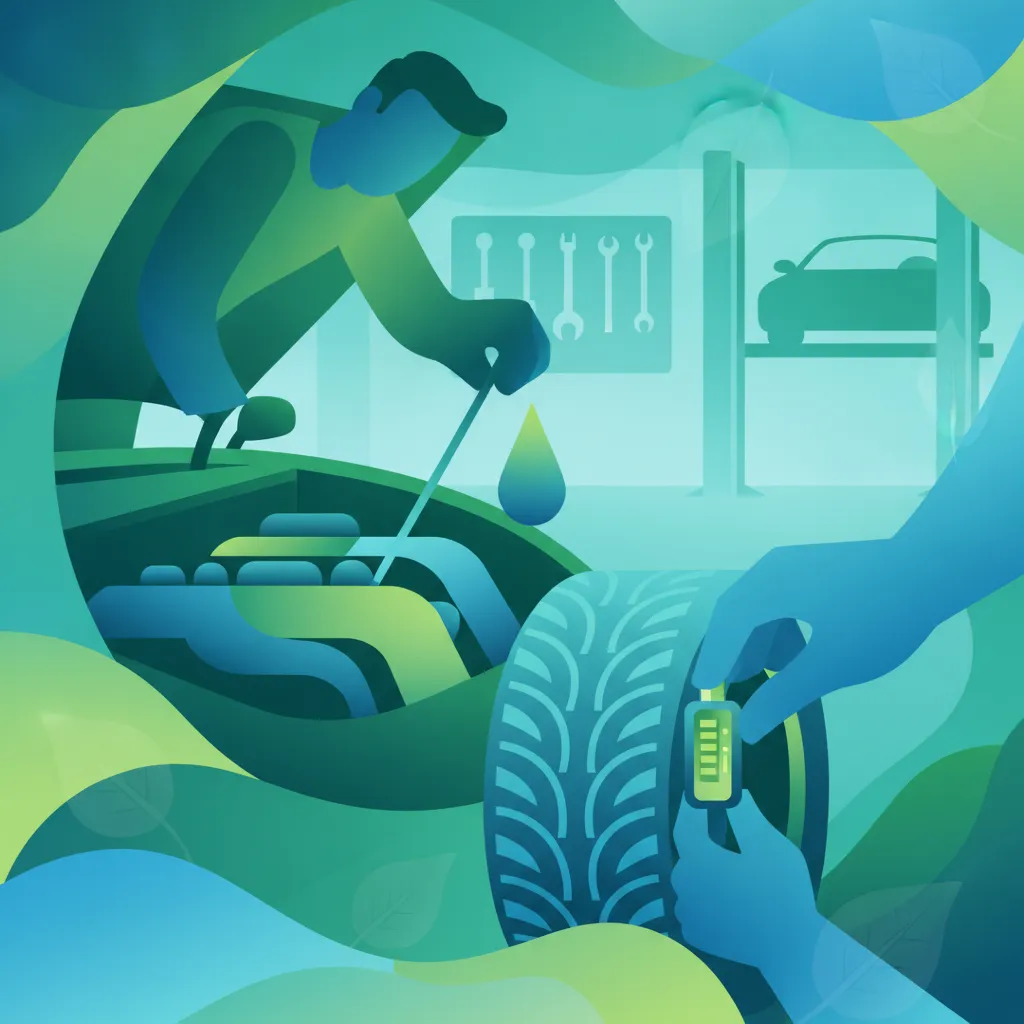
Lesson content overview
As a rider of a Patente AM vehicle, your safety, and the safety of others, begins long before you even start the engine. A fundamental aspect of responsible riding in Italy involves ensuring your moped or light quadricycle is consistently in a safe and roadworthy condition. This lesson will equip you with the knowledge and practical routine to perform essential vehicle maintenance and pre-ride safety checks, preventing mechanical failures, ensuring legal compliance, and fostering a secure riding experience.
Regular maintenance and systematic inspections are not merely suggestions; they are crucial components of traffic safety. They safeguard against unexpected mechanical issues that could lead to loss of control, accidents, or even breakdown emergencies. By understanding and diligently applying the principles outlined here, you contribute significantly to road safety and uphold your duties as a licensed rider under the Codice della Strada.
Roadworthiness is a comprehensive term defining a vehicle's fitness for safe and legal operation on public roads. It encompasses everything from the structural integrity of the frame to the functionality of every safety device. In Italy, strict adherence to roadworthiness standards is mandated by law to protect all road users.
A roadworthy vehicle is free from defects that could compromise its safe operation, pose a risk to the rider or others, or violate technical regulations. This includes ensuring all components function as intended, are within acceptable wear limits, and meet specific design standards. Roadworthiness is a continuous state, not a one-time achievement after a professional inspection.
For Patente AM vehicles, this means your moped or light quadricycle must always be capable of performing its basic functions safely. This includes reliable braking, adequate lighting for visibility, responsive steering, and stable handling. Any compromise in these areas renders a vehicle unroadworthy and illegal to use on public roads.
The condition in which a vehicle meets all regulatory technical and safety requirements to be legally and safely driven on public roads.
To formally verify a vehicle's roadworthiness, Italian law requires periodic Technical Inspections, known as "Revisione." These are mandatory examinations conducted at authorized centers to ensure that your vehicle continues to comply with all technical regulations and safety standards.
For mopeds (up to 50 cc) and light quadricycles, the first Revisione is typically due four years after the initial registration, and subsequent inspections are required every two years. Driving a vehicle without a valid Revisione certificate after its due date is a serious violation of the Codice della Strada and can result in significant fines and penalties.
The core legal requirements for vehicle roadworthiness and equipment in Italy are outlined in the Codice della Strada (Italian Highway Code).
Failure to comply with these articles can lead to administrative fines, vehicle impoundment, or even liability in the event of an accident where a mechanical defect is a contributing factor.
While periodic technical inspections are crucial, they are not a substitute for daily vigilance. A "pre-ride inspection" is a quick, systematic check of your vehicle's essential components before each journey. This routine helps you identify immediate defects or potential issues that could lead to an accident or breakdown while riding.
Pre-ride inspections serve as your primary line of defense against unexpected mechanical failures. Even a small issue, like a loose mirror or a partially deflated tire, can significantly impact your vehicle's handling and your ability to react safely to road hazards. This routine empowers you to detect and address problems before they escalate into dangerous situations.
Developing a consistent pre-ride check habit also enhances your familiarity with your vehicle. This heightened awareness allows you to notice subtle changes in performance or condition, signaling potential maintenance needs before they become critical.
Performing a pre-ride inspection should be a routine, almost automatic sequence. A structured approach ensures that no critical component is overlooked. Consider adopting a "walk-around" method, checking components in a logical order.
Tires and Wheels: Check tire pressure, tread depth, and look for any cuts, bulges, or embedded objects. Inspect rims for damage.
Brakes: Test the front and rear brakes independently. Ensure the levers feel firm and responsive, not spongy. Check brake fluid levels in the reservoirs.
Lights and Signals: Turn on the ignition and test all lights: headlight (low and high beam), tail light, brake light (front and rear brake activation), and turn signals (left and right, front and rear). Also, check the horn.
Mirrors: Ensure both mirrors are present, securely mounted, clean, and properly adjusted to give you a clear view of the rear.
Fluid Levels: Check engine oil (if applicable, using the dipstick), coolant (if applicable), and fuel level.
Battery: If accessible, check battery terminals for corrosion and ensure it is securely mounted. Note any signs of weakness when starting.
General Mechanical Condition: Quickly inspect the frame for cracks, check suspension for leaks or damage, ensure the drive chain (if applicable) has proper tension and lubrication, and verify that all major fasteners are tight.
Let's delve deeper into each critical component you should inspect during your pre-ride routine.
Your tires are the only part of your vehicle that touches the road, making their condition paramount for grip, stability, and braking performance.
Correct tire pressure is fundamental. Underinflated tires can lead to poor handling, increased fuel consumption, rapid and uneven wear, and a higher risk of overheating and blowout. Overinflated tires reduce the contact patch with the road, leading to reduced grip, harsher ride, and increased vulnerability to punctures. Always check your manufacturer's recommended tire pressure, usually found in your vehicle manual or on a sticker on the vehicle itself. Pressure should be checked when tires are cold.
Tread depth is vital for maintaining grip, especially on wet surfaces. The grooves in the tread pattern are designed to disperse water and prevent hydroplaning. Italian regulations, in line with European standards, require a minimum tread depth of 1.6 mm for motorcycle and scooter tires. You can use a tread depth gauge or look for the tread wear indicators (small bars within the main grooves) to check this. If the tread is level with these indicators, the tire needs replacing.
Beyond tread depth, visually inspect the entire tire for any signs of damage:
Functional brakes are non-negotiable for safe riding. They are your primary means of controlling speed and stopping to avoid hazards.
Most Patente AM vehicles have two independent braking systems, typically one for the front wheel and one for the rear. Test each brake separately by squeezing the lever or pressing the pedal firmly.
For hydraulic brake systems, brake fluid transmits the force from your lever to the calipers. Check the brake fluid reservoir (usually a small, transparent container near the brake lever) to ensure the fluid level is between the "MIN" and "MAX" marks. A consistently low fluid level may indicate worn brake pads or a leak in the system, both of which require immediate professional attention. Brake fluid should also be replaced periodically as it absorbs moisture over time, reducing its effectiveness.
Your vehicle's lights and signals are crucial for both your visibility to other road users and for communicating your intentions.
Ensure all lights are working correctly.
The Codice della Strada specifies when lights must be used:
Mirrors are your eyes to the rear, allowing you to monitor traffic behind you without turning your head excessively, which can momentarily destabilize your vehicle.
Ensure both left and right mirrors are present, securely mounted, and free from cracks or obstructions. Before each ride, adjust them so you have the widest possible view of the road behind you, with minimal blind spots. You should see a small sliver of your own shoulder or arm, and primarily the road surface and traffic lanes behind you. Clean mirrors regularly to ensure clarity. Remember, even perfectly adjusted mirrors have blind spots; always combine mirror checks with a quick head check (shoulder glance) before making a maneuver.
Checking fluid levels is a simple yet crucial step to ensure the proper functioning of your vehicle's engine and braking system.
For Patente AM vehicles with a four-stroke engine, engine oil is vital for lubrication and cooling. Check the oil level using the dipstick (following manufacturer instructions for hot or cold engine checks). Maintain the level between the MIN and MAX marks. Low oil levels can lead to severe engine damage. If your vehicle has a liquid-cooled engine, check the coolant reservoir level, ensuring it's within the recommended range.
As mentioned earlier, the brake fluid level is crucial for hydraulic brakes. A low level means either worn brake pads that need replacement (as the calipers expand to compensate for wear, using more fluid) or a leak in the system, both of which require urgent attention. Never ignore low brake fluid.
The battery provides the electrical power to start your vehicle and operate its lights, horn, and other electronic systems.
Check that the battery is securely mounted and that its terminals are clean and free from corrosion. Corrosion can interfere with electrical conductivity and prevent your vehicle from starting reliably. If your vehicle struggles to start, or if lights appear dim when the engine is off, your battery may be weak or failing. In cold weather, battery performance can significantly decrease, making regular checks even more important.
Beyond the primary safety components, the overall mechanical condition of your vehicle contributes to its stability, handling, and your control.
Periodically check that critical bolts and fasteners (e.g., handlebar clamps, wheel nuts, exhaust mounts) are tight. Loose components can vibrate off or cause instability. Ensure your handlebars are securely mounted and that grips are not loose or damaged. All control levers and pedals should operate smoothly without excessive play.
Adhering to these maintenance and safety standards is not just about good practice; it's a legal obligation under Italian law.
Ignoring legal requirements for vehicle maintenance and equipment can lead to severe fines, points deduction from your license, vehicle impoundment, and significantly increased liability in the event of an accident.
Neglecting simple maintenance tasks can have serious ramifications:
Vehicle maintenance and safety checks should also consider the specific conditions in which you'll be riding.
| Condition | Variation | Reasoning |
|---|---|---|
| Night Riding | Ensure all lights (dipped and high beam, tail, brake, signals) are fully functional and clean. | Maximizes your visibility and ability to see hazards in low light. |
| Rain or Low Visibility | Check tire pressure and tread depth meticulously. Turn on dipped beam even during daylight. Consider using a rear fog light if equipped. | Optimal grip is crucial on wet surfaces. Increased conspicuity in poor weather. |
| Highway or Fast Roads | Verify tire pressure for higher speeds (often higher than urban pressure). Thoroughly check brakes and fluid levels. | Higher speeds demand peak tire and brake performance; failures are more dangerous. |
| Heavy Load (e.g., passenger, luggage) | Adjust tire pressure to account for extra weight (as per manufacturer guidelines). Check suspension for proper function. | Additional mass affects handling, braking, and tire wear. |
| Cold Weather | Check battery voltage and ensure terminals are clean. Verify coolant level and strength (if applicable). | Cold temperatures reduce battery efficiency and can affect fluid viscosity. |
| Emergency Situations | Understand how to activate hazard warning lights and where to safely pull over in case of a breakdown. | Communicates danger to other road users effectively. |
The link between diligent vehicle maintenance and road safety is direct and undeniable.
By committing to regular vehicle maintenance and daily pre-ride inspections, you are actively participating in creating a safer road environment for yourself and everyone around you.
Here are a few scenarios to help solidify your understanding of practical maintenance and safety checks:
Scenario: Preparing for a Weekend Trip You're planning a long ride out of the city. Before departing, you remember the importance of tire pressure.
Scenario: Riding at Dusk on a Rural Road As daylight fades, you transition from a well-lit urban area to a darker rural road.
Scenario: Noticing a Spongy Brake Lever During your pre-ride check, you squeeze the front brake lever and notice it feels unusually soft or "spongy" compared to normal.
This lesson covers the rider's legal and practical responsibility to maintain roadworthiness for Patente AM vehicles in Italy, grounded in Codice della Strada Articles 80 and 81. Key requirements include the Revisione schedule (first at four years, then biennial) and mandatory equipment such as two mirrors, functional lights, and a horn. The systematic pre-ride inspection covers tires, brakes, lights, mirrors, fluid levels, battery, and mechanical condition, with specific attention to the 1.6 mm minimum tread depth and proper brake fluid levels. Developing these habits not only ensures legal compliance but also directly prevents mechanical failures that compromise safety on Italian roads.
A short set of high-value points that capture the most important learning from this lesson.
Roadworthiness is a continuous legal obligation under Italian law, not just a one-time achievement after technical inspection.
The minimum legal tread depth for Patente AM vehicle tires is 1.6 mm; riding below this is both illegal and dangerous.
Pre-ride inspections are your primary defense against mechanical failures that could cause accidents or breakdowns.
All lighting systems—headlight, tail light, brake lights, and turn signals—must be fully functional as they are legally required equipment under Article 81.
Functional brakes are non-negotiable; a spongy brake lever indicates air in the hydraulic system or low brake fluid requiring immediate attention.
Explore all units and lessons included in this driving theory course.
First Revisione is due four years after registration, then every two years thereafter for mopeds and light quadricycles.
Check tire pressure when tires are cold and maintain the manufacturer's recommended levels; both underinflation and overinflation create hazards.
Brake fluid level must always remain between the MIN and MAX marks; low fluid often signals worn brake pads or a leak.
Dipped beam headlights are mandatory outside urban areas and in adverse weather conditions regardless of location.
Both left and right mirrors are legally required equipment and must be properly adjusted to minimize blind spots.
Assuming visual tire inspection is sufficient without checking pressure or measuring tread depth against the 1.6 mm minimum.
Relying on urban daylight without activating dipped beam headlights when required by weather conditions.
Delaying repair of a spongy brake lever, assuming the issue will resolve itself rather than investigating air in the system or low fluid.
Using hazard warning lights while driving instead of only when stationary, which violates Codice della Strada regulations.
Neglecting to check chain tension on chain-driven vehicles, leading to potential derailment or sudden power loss.
Lesson content overview
A short set of high-value points that capture the most important learning from this lesson.
Roadworthiness is a continuous legal obligation under Italian law, not just a one-time achievement after technical inspection.
The minimum legal tread depth for Patente AM vehicle tires is 1.6 mm; riding below this is both illegal and dangerous.
Pre-ride inspections are your primary defense against mechanical failures that could cause accidents or breakdowns.
All lighting systems—headlight, tail light, brake lights, and turn signals—must be fully functional as they are legally required equipment under Article 81.
Functional brakes are non-negotiable; a spongy brake lever indicates air in the hydraulic system or low brake fluid requiring immediate attention.
Explore all units and lessons included in this driving theory course.
First Revisione is due four years after registration, then every two years thereafter for mopeds and light quadricycles.
Check tire pressure when tires are cold and maintain the manufacturer's recommended levels; both underinflation and overinflation create hazards.
Brake fluid level must always remain between the MIN and MAX marks; low fluid often signals worn brake pads or a leak.
Dipped beam headlights are mandatory outside urban areas and in adverse weather conditions regardless of location.
Both left and right mirrors are legally required equipment and must be properly adjusted to minimize blind spots.
Assuming visual tire inspection is sufficient without checking pressure or measuring tread depth against the 1.6 mm minimum.
Relying on urban daylight without activating dipped beam headlights when required by weather conditions.
Delaying repair of a spongy brake lever, assuming the issue will resolve itself rather than investigating air in the system or low fluid.
Using hazard warning lights while driving instead of only when stationary, which violates Codice della Strada regulations.
Neglecting to check chain tension on chain-driven vehicles, leading to potential derailment or sudden power loss.
Explore search topics learners often look for when studying Vehicle Maintenance and Safety Checks. These topics reflect common questions about road rules, driving situations, safety guidance, and lesson level theory preparation for learners in Italy.
Browse additional driving theory lessons that cover connected traffic rules, road signs, and common driving situations related to this topic. Improve your understanding of how different rules interact across everyday traffic scenarios.
Explore the critical aspects of vehicle roadworthiness and detailed maintenance procedures for Patente AM riders in Italy. Understand technical requirements, legal framework from the Codice della Strada, and advanced inspection techniques to ensure your vehicle is always safe and compliant.
This lesson details the continuous duties of a Patente AM license holder beyond passing the exam. It covers the importance of regular vehicle maintenance, including checks on tires, brakes, and lights. The lesson also reinforces the legal obligation to maintain valid insurance and registration while adhering to all traffic laws for personal and public safety.
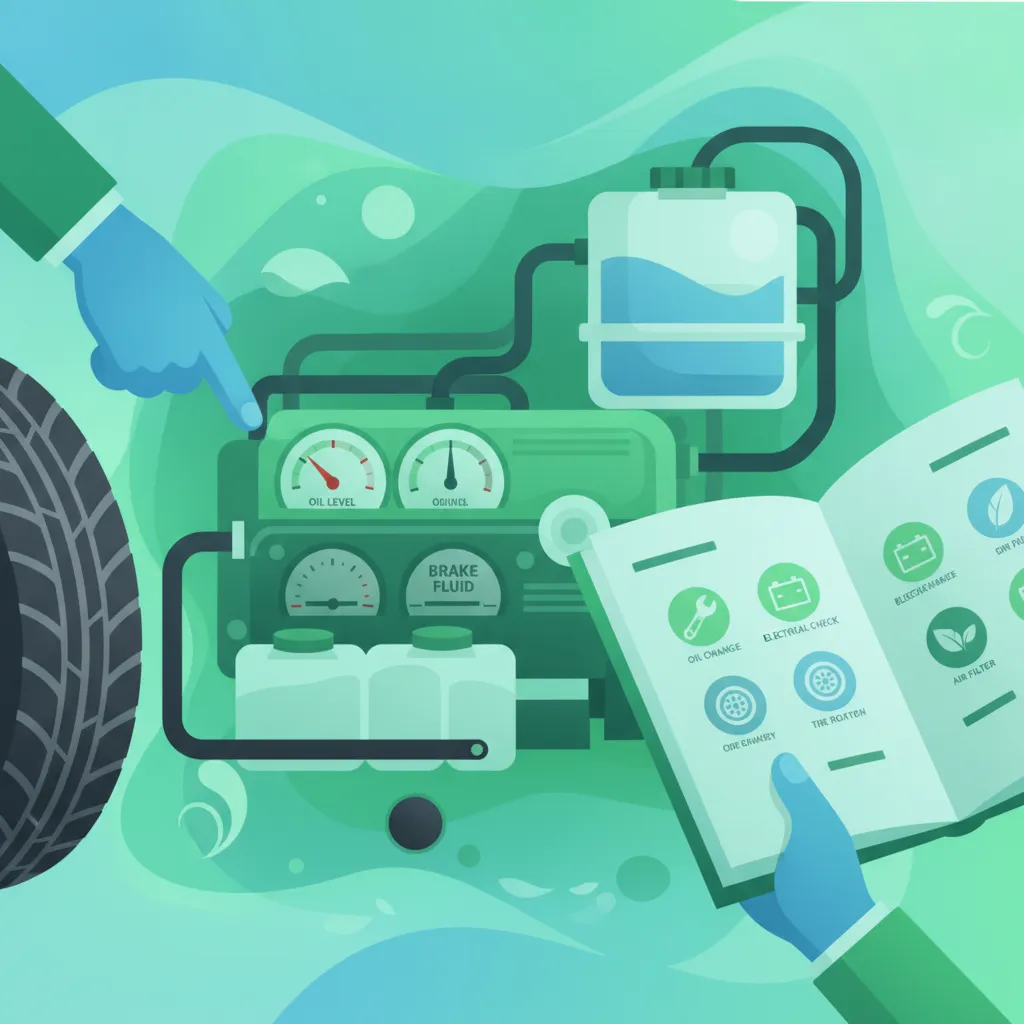
This lesson explains the difference between daily checks and long-term scheduled maintenance. It covers the legal requirement for periodic technical inspections ('revisione') to certify a vehicle's roadworthiness and the importance of adhering to manufacturer-recommended service intervals. Learners will understand their crucial role in reporting any mechanical defects promptly to ensure issues are rectified, maintaining the vehicle's safety and reliability over its service life.
This lesson provides a detailed breakdown of the vehicle types authorized under the Patente AM license. You will learn to distinguish between ciclomotori, scooters, three-wheeled mopeds, and light quadricycles by their specific characteristics. Key topics include engine displacement limits, power output, and mandatory equipment like lights, mirrors, and brakes as required by Italian law.

This lesson explains the function of Italian traffic light systems and the meaning of various road markings. You will learn the rules for red, amber, and green signals, including flashing lights and directional arrows. It also covers how to interpret lane lines, stop lines, and other surface markings that dictate correct vehicle positioning and movement.
This lesson clarifies the precise scope of the Patente AM license, defining the vehicle categories it permits based on technical specifications. It details the legal limits on power, engine displacement, and maximum speed for mopeds and similar vehicles. You will also learn about the minimum age, registration process, and mandatory insurance needed to operate on public roads.
This lesson focuses on the specific regulatory and warning signs that Patente AM riders must understand and obey. It details signs related to speed limits, no-entry zones, and mandatory directions that directly impact moped operation. You will also learn to recognize warning signs for potential hazards like sharp curves, slippery surfaces, and pedestrian areas.
This lesson equips riders with the correct procedures to follow in the event of a breakdown or accident. It covers how to move the vehicle to a safe location, alert other traffic, and contact emergency services using the universal 112 number. You will also learn the basics of accident scene management and the necessary steps for reporting the incident to police and insurance.

This lesson teaches riders how to maintain a safe following distance using the two-second rule, which accounts for reaction time and braking distance. It covers grip management, explaining how tire condition and road surfaces like wet asphalt affect traction. Mastering these concepts is essential for anticipating hazards and preventing rear-end collisions.

This lesson provides detailed instruction on performing effective shoulder checks to supplement mirror use, ensuring a clear path before turning or changing lanes. It covers the proper and timely use of electronic indicators and hand signals to communicate your intentions to other drivers. Correct signaling is crucial for preventing misunderstandings and collisions on the road.
This lesson details the essential protective equipment required for legal and safe moped operation in Italy. It covers legal standards for helmets, the benefits of wearing protective gloves and boots, and the importance of high-visibility clothing. You will also learn the correct use of your vehicle's lighting system for visibility during both day and night.
Understand your legal obligations regarding vehicle roadworthiness in Italy as a Patente AM rider. This lesson covers requirements from the Codice della Strada, technical inspection schedules (Revisione), and the consequences of non-compliance to ensure safe and legal operation.
This lesson details the continuous duties of a Patente AM license holder beyond passing the exam. It covers the importance of regular vehicle maintenance, including checks on tires, brakes, and lights. The lesson also reinforces the legal obligation to maintain valid insurance and registration while adhering to all traffic laws for personal and public safety.

This lesson examines the set of legal obligations for all drivers holding a Patente B license under the Codice della Strada. It covers mandatory responsibilities such as maintaining valid vehicle insurance, ensuring proper registration, and adhering to periodic technical inspection (revisione) schedules. The content also emphasizes the legal requirement to carry necessary documents while driving and the penalties for non-compliance.
This lesson provides a clear overview of the legal penalties for traffic violations in Italy. It explains the structure of fines and the penalty point system that can lead to license suspension or revocation. The content also touches on more severe consequences, including criminal liability for incidents causing injury, to emphasize the importance of lawful riding.
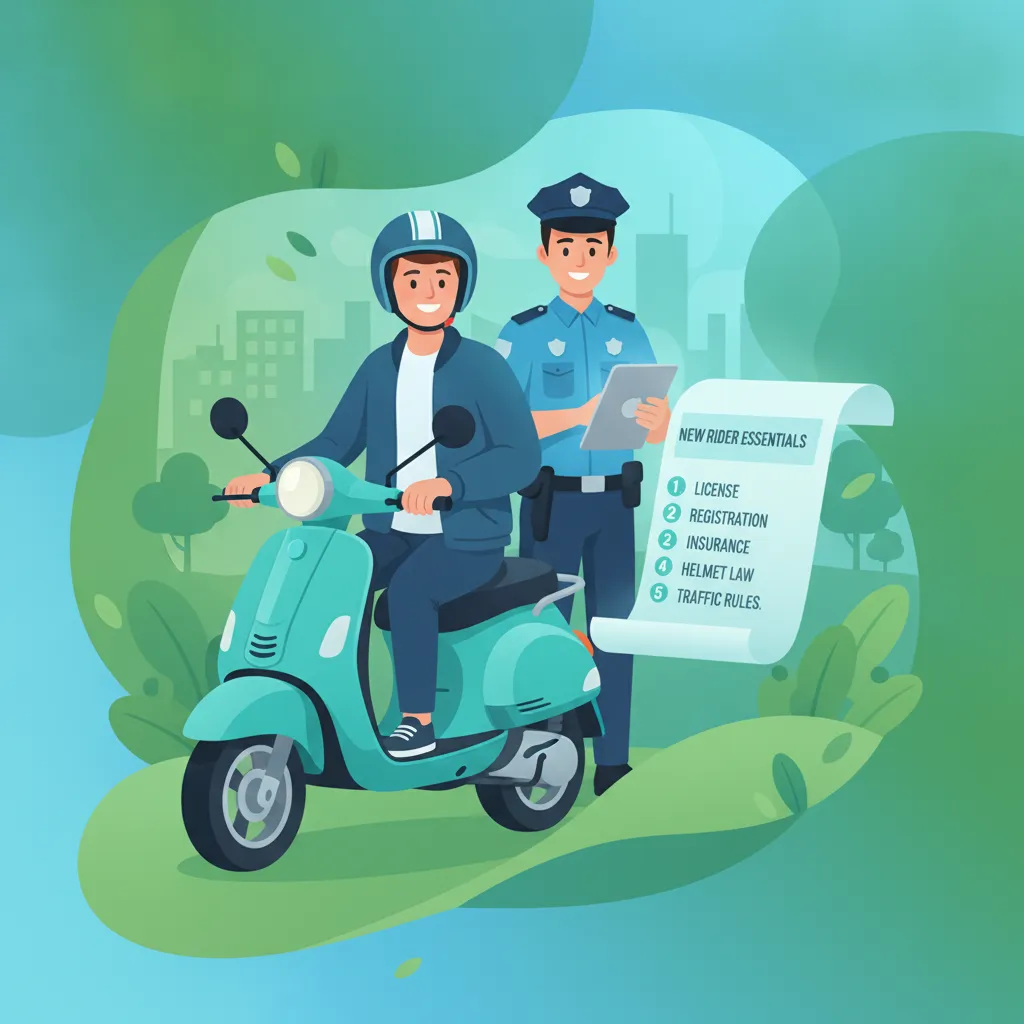
This lesson focuses on the legal obligations that first-time riders must meet to operate an AM vehicle safely and legally. It details the mandatory use of certified helmets and appropriate protective clothing. Furthermore, it outlines fundamental traffic laws new riders must know and the legal repercussions of non-compliance, such as fines and penalty points.
This lesson explains the difference between daily checks and long-term scheduled maintenance. It covers the legal requirement for periodic technical inspections ('revisione') to certify a vehicle's roadworthiness and the importance of adhering to manufacturer-recommended service intervals. Learners will understand their crucial role in reporting any mechanical defects promptly to ensure issues are rectified, maintaining the vehicle's safety and reliability over its service life.
This lesson clarifies the precise scope of the Patente AM license, defining the vehicle categories it permits based on technical specifications. It details the legal limits on power, engine displacement, and maximum speed for mopeds and similar vehicles. You will also learn about the minimum age, registration process, and mandatory insurance needed to operate on public roads.
This lesson defines the scope of the Italian Patente B license according to the Codice della Strada. It clarifies the specific types of vehicles, including maximum weight and passenger capacity, that can be operated. The content also details the official requirements for applicants, such as minimum age, necessary health certifications, and vision standards needed to qualify for the license.
This lesson provides a detailed breakdown of the vehicle types authorized under the Patente AM license. You will learn to distinguish between ciclomotori, scooters, three-wheeled mopeds, and light quadricycles by their specific characteristics. Key topics include engine displacement limits, power output, and mandatory equipment like lights, mirrors, and brakes as required by Italian law.
This lesson provides a clear overview of the legal consequences for failing to comply with road transport regulations in Italy. It covers the system of fines for common offenses like speeding, overloading, and violations of driving hours. The lesson also explains the penalty point system that can lead to license suspension and touches upon the responsibilities and potential liability of the transport company.
This lesson explains the function of Italian traffic light systems and the meaning of various road markings. You will learn the rules for red, amber, and green signals, including flashing lights and directional arrows. It also covers how to interpret lane lines, stop lines, and other surface markings that dictate correct vehicle positioning and movement.
Find clear answers to common questions learners have about Vehicle Maintenance and Safety Checks. Learn how the lesson is structured, which driving theory objectives it supports, and how it fits into the overall learning path of units and curriculum progression in Italy. These explanations help you understand key concepts, lesson flow, and exam focused study goals.
Tires are your only contact with the road. Checking for correct pressure and tread depth ensures optimal grip and stability, which are critical for the safety of light vehicles like mopeds.
You must ensure that your headlight, taillight, brake lights, and turn signals are fully operational and clean. Faulty lighting is a frequent cause of accidents and is a common failure point in theory exam scenarios.
While major service should be done by professionals at regular intervals, basic visual and functional checks of brakes, lights, and tires should be performed before every ride or at least weekly.
Yes, the theory exam tests your knowledge of the rider's responsibility for vehicle maintenance. You must know which parts are essential for safety and how to identify signs of wear or failure.
Start searching now to pinpoint exactly which Italian driving theory topics, road signs, or traffic rules you need to master. Use our advanced filters to build a custom practice session and ensure you're fully prepared for every aspect of your official driving licence exam.