
This lesson covers the critical procedures required when responding to a road accident, ensuring you are prepared for both the Italian theory exam and real-life emergencies. You will learn how to secure the scene, understand your legal duties toward the injured, and apply basic first aid principles. This knowledge is essential for completing your preparation for the Patente B license.
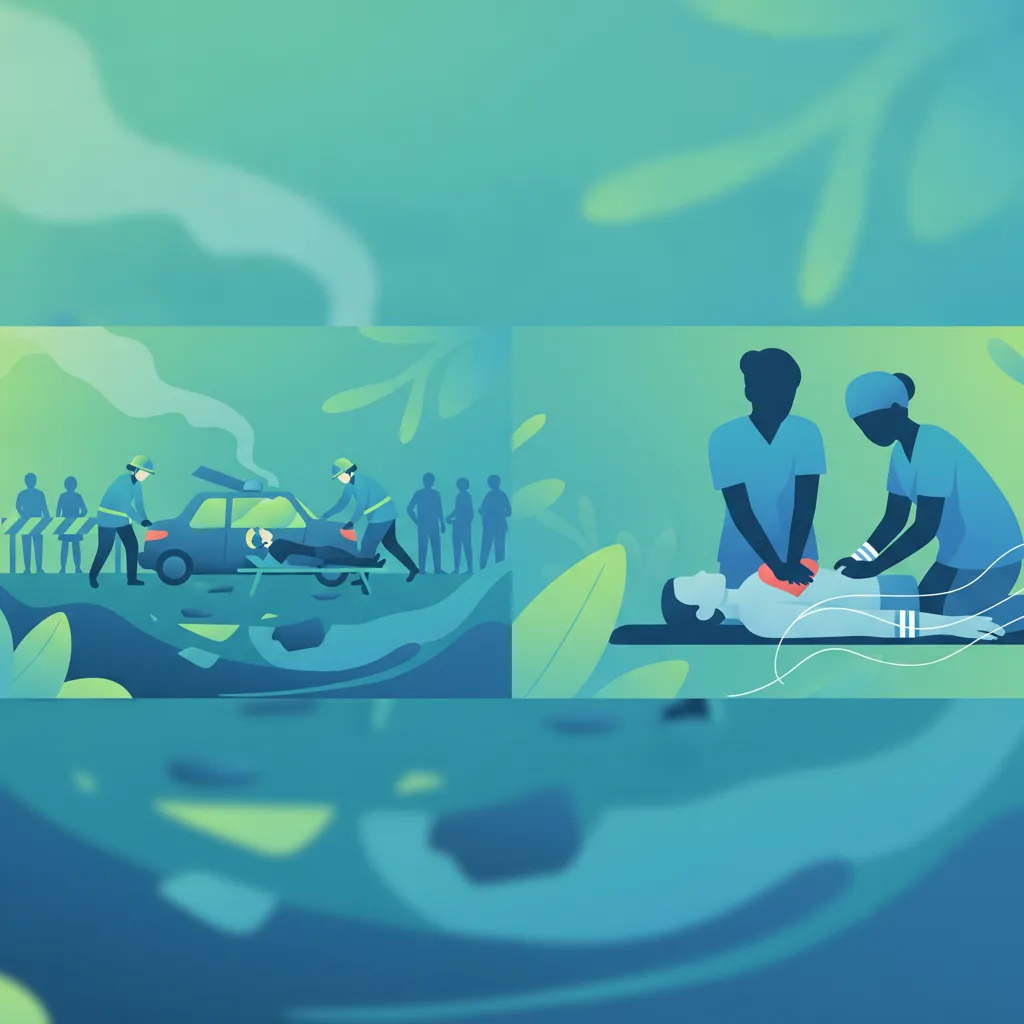
Lesson content overview
Driving carries significant responsibilities, particularly when faced with emergency situations like a traffic accident. While no one wishes for such an event, being prepared and knowing the correct procedures can save lives, prevent further harm, and ensure legal compliance. This lesson provides crucial guidance for drivers in Italy on how to act immediately after a collision, fulfill their legal duties, and administer basic first aid until professional help arrives. Understanding these protocols is not just a legal requirement but a fundamental aspect of responsible driving under the Italian Patente B theory curriculum.
The moments following a traffic collision are critical. Panic can set in, but a structured approach is essential to manage the situation effectively and minimize risks. Your primary goal is to protect yourself, other occupants, injured parties, and prevent secondary accidents.
Before attempting to assist anyone else or secure the scene, drivers must first ensure their own safety and the safety of any passengers. This involves a quick self-assessment and a check of the immediate surroundings.
Stop Safely: Bring your vehicle to a complete stop, if possible, in a position that does not further obstruct traffic or endanger others. Turn off the engine.
Activate Hazard Warning Lights: Immediately switch on your vehicle's hazard warning lights (four-way flashers) to alert approaching traffic to the danger ahead. This is a mandatory step under Article 176 of the Codice della Strada.
Assess Personal Safety: Before exiting the vehicle, quickly check for personal injuries and ensure it is safe to leave the vehicle. Look for oncoming traffic or other immediate dangers.
Wear a High-Visibility Vest: If you must exit the vehicle on a road outside of an urban area, especially at night or in poor visibility, you are legally required to wear a high-visibility reflective vest. This greatly enhances your visibility to other road users.
Once you have secured your immediate safety, you can proceed to the next critical steps of scene management and victim assistance.
Properly securing the accident scene is paramount to preventing further incidents, such as rear-end collisions, and to ensuring the safety of emergency responders and those providing assistance. This involves the strategic use of your vehicle's hazard lights and the mandatory warning triangle.
Hazard warning lights are amber flashing lights located on all four corners of your vehicle. They are designed to signal to other drivers that your vehicle is stationary and presents a potential hazard.
Flashing amber lights on a vehicle that simultaneously activate all turn signal indicators, used to warn other road users of a stationary hazard, breakdown, or accident.
Under Article 176 of the Codice della Strada, activating these lights is mandatory when your vehicle is stopped on the roadway or at the roadside due to a breakdown, accident, or any other road hazard. They should be activated as soon as you stop and remain on until the hazard is resolved or professionals take over. It is a common misunderstanding to assume hazard lights activate automatically after a severe collision; they must be manually switched on. They should not be used while the vehicle is in motion to signal a hazard or to indicate a parked vehicle.
The warning triangle is a retroreflective triangular sign that serves as an advance warning for approaching traffic. Its correct placement is crucial and varies depending on the type of road.
A portable, retroreflective triangular sign that drivers must carry and deploy on the road to warn approaching traffic of a stationary vehicle due to an accident or breakdown.
Article 180 of the Codice della Strada mandates the use of the warning triangle when your vehicle is stationary on the roadway due to an accident or breakdown, and it is not clearly visible to other traffic from a sufficient distance.
On Motorways (Autostrade) and Main Extra-Urban Roads: The warning triangle must be placed at least 150 meters behind the stationary vehicle. This extended distance is necessary due to the higher speeds of vehicles on these roads, allowing drivers sufficient reaction time.
On Other Roads (e.g., Urban Roads, Minor Extra-Urban Roads): The warning triangle must be placed at least 30 meters behind the stationary vehicle.
Reduced Visibility/Blind Spots: If visibility is significantly reduced (e.g., due to fog, heavy rain, or a blind curve), or if the incident occurs on a blind curve or crest, the triangle should be placed at an even greater distance than the minimum, or specifically at least 15 meters before any point of reduced visibility, to ensure it is visible to approaching drivers well in advance.
The triangle must be placed in a position where it is clearly visible to approaching traffic, without obstructing the flow of traffic or creating a new hazard. Always walk facing oncoming traffic when placing the triangle to ensure your own safety.
Failing to properly use hazard lights or correctly place the warning triangle is not only dangerous but can also result in fines and points on your Patente B. Always prioritize safety over speed when securing the scene.
In Italy, drivers have a profound legal and ethical responsibility to assist injured persons involved in a traffic accident. This duty applies to all road users involved, regardless of fault, and extends beyond merely calling for help.
Article 639 of the Codice della Strada (along with Article 189) explicitly states that any person involved in a road accident with injured persons, or even if there are no apparent injuries but there is significant damage, has a mandatory obligation to:
The statutory obligation under Article 639 of the Codice della Strada for all road users involved in or witnessing an accident with injuries to stop, provide assistance, prevent further danger, notify authorities, and remain at the scene.
This duty is not conditional on who caused the accident. Even if you were not at fault, you are legally bound to provide assistance. Failure to comply with this duty can lead to severe penalties, including criminal charges for hit-and-run (omission of assistance), significant fines, and substantial points deducted from your Patente B.
Leaving the scene of an accident where injured persons are present, without providing assistance or reporting it to authorities, constitutes a serious criminal offense in Italy with severe legal consequences.
Prompt contact with emergency services is crucial for ensuring injured persons receive timely medical attention and that the accident scene is professionally managed. In Italy, the national emergency number is 112.
When you call 112, remain calm and provide clear, concise information. The operator will guide you, but be prepared to offer the following details:
Exact Location of the Accident: This is the most critical piece of information. Provide the road name, number (e.g., SS 16, A1), direction of travel, nearest town, and any identifiable landmarks or kilometre markers. Precision here can significantly reduce response times.
Type of Incident: Clearly state that it is a "road accident" (incidente stradale).
Number of Vehicles Involved: Indicate how many cars, motorcycles, trucks, or other vehicles are involved.
Number of Injured Persons: Estimate the number of people who appear injured.
Description of Injuries (if visible and safe to assess): Briefly describe the apparent severity and type of injuries (e.g., "bleeding from the head," "unconscious," "trapped in vehicle").
Any Immediate Dangers: Report any additional hazards such as fire, spilled fuel, or occupants trapped in vehicles.
Your Contact Details: Provide your name and phone number in case they need to call you back.
Stay on the Line: Do not hang up until the operator instructs you to do so. They may have further questions or provide instructions.
Providing vague or incomplete information can delay the arrival of emergency personnel, potentially worsening outcomes for the injured.
While you are waiting for professional medical help to arrive, knowing basic first aid can be life-saving. The goal is to preserve life, prevent the condition from worsening, and promote recovery without causing further harm.
Immediate and temporary medical assistance provided to an injured or ill person before professional medical help arrives, aimed at preserving life, preventing worsening of the condition, and promoting recovery.
Remember the "ABC" mnemonic:
Control Severe Bleeding:
Stabilize Neck and Spine:
Preventing Shock:
Managing an Unconscious Person (Not Moving):
Basic first aid training is highly recommended for all drivers. While not explicitly mandated for the Patente B exam, the knowledge gained can be invaluable in emergencies.
When emergency vehicles (ambulances, fire trucks, police vehicles) are responding to an incident with flashing lights and sirens, they are on an urgent mission, and every second counts. Drivers have a legal obligation to yield the right-of-way and facilitate their passage.
Article 160 of the Codice della Strada (and Article 177) dictates that all road users must yield and make way for emergency vehicles displaying flashing blue lights and sounding their sirens. This applies to ambulances, fire trucks, police vehicles, and other authorized emergency responders.
Stay Calm and Observe: As soon as you hear a siren or see flashing lights, determine the direction the emergency vehicle is coming from.
Signal and Move Right: Signal your intention and safely move to the rightmost lane or side of the road, stopping if necessary. The goal is to create a clear path for the emergency vehicle.
Avoid Obstruction: Do not block intersections, pedestrian crossings, or other emergency vehicles. If you are in an intersection, proceed through it safely before pulling over.
Do Not Follow Too Closely: Never follow an emergency vehicle closely; it is illegal and dangerous.
Do Not Overtake: Do not attempt to overtake an emergency vehicle that is stopped or moving slowly at the scene of an emergency unless specifically instructed by traffic officers.
In heavy traffic, if there are multiple lanes, drivers should create an "emergency corridor." On a two-lane road in each direction, vehicles in the leftmost lane should move left, and vehicles in the rightmost lane should move right, creating a clear path in the middle. On a single-lane road, all vehicles should move as far to the right as safely possible.
Always check your mirrors before pulling over to ensure you do not create another hazard for vehicles behind you.
Responding to an accident isn't a one-size-fits-all scenario. Various conditions can alter the best course of action.
Dealing with a road accident or encountering emergency vehicles requires a calm, informed, and responsible approach. The procedures outlined in this lesson, from immediate scene securing and adhering to legal duties to providing basic first aid and yielding to emergency services, are fundamental for any driver. By understanding and practicing these principles, you not only comply with the Codice della Strada but also contribute significantly to road safety and the well-being of all road users. Being prepared for emergencies is a hallmark of a responsible Patente B driver.
This lesson covers the critical procedures for responding to road accidents in Italy as required for the Patente B exam. Drivers must immediately activate hazard lights, wear a high-visibility vest outside urban areas, and place the warning triangle at the correct distance—150 meters on motorways and at least 30 meters on other roads. Under Article 639 of the Codice della Strada, it is a legal duty to stop, render assistance to all injured persons regardless of fault, prevent further danger, call 112, and remain at the scene. Basic first aid principles including the ABC approach, controlling severe bleeding, preventing shock, and placing an unconscious person in the recovery position are essential skills until professional help arrives. When emergency vehicles approach, drivers must yield using the emergency corridor technique as specified under Article 160.
A short set of high-value points that capture the most important learning from this lesson.
Stop safely, activate hazard lights immediately, assess your own safety, and wear a high-visibility vest before exiting the vehicle.
The warning triangle must be placed at least 150 meters behind on motorways and at least 30 meters on other roads, increasing distance in poor visibility.
Article 639 of the Codice della Strada makes it a legal obligation to stop, assist injured persons, prevent further danger, and remain at the scene until emergency services arrive.
When calling 112, provide the exact location, type of incident, number of vehicles and injured persons, any visible hazards, and your contact details.
The ABC of first aid (Airway, Breathing, Circulation) guides initial assessment, and you should never move an injured person unless they are in immediate danger.
Explore all units and lessons included in this driving theory course.
Hazard lights must be manually activated after an accident and are mandatory under Article 176—they do not activate automatically.
Leaving an accident scene where injured persons are present constitutes the criminal offense of omission of assistance.
When placing the warning triangle, walk facing oncoming traffic and increase the distance on blind curves or in reduced visibility conditions.
To prevent shock, keep the victim lying down, elevate their legs (if no head/spine injury suspected), and maintain their body temperature.
Create an emergency corridor in multi-lane traffic by moving left lanes left and right lanes right when emergency vehicles approach.
Assuming hazard lights activate automatically after a collision—they must always be switched on manually.
Placing the warning triangle too close to the vehicle instead of the required 150m (motorway) or 30m (other roads) distance.
Removing a motorcyclist's helmet unless absolutely necessary for airway management, risking spinal injury.
Providing vague location information when calling 112, which delays emergency response unnecessarily.
Moving an injured person unnecessarily, potentially causing spinal damage when a neck or back injury is suspected.
Lesson content overview
A short set of high-value points that capture the most important learning from this lesson.
Stop safely, activate hazard lights immediately, assess your own safety, and wear a high-visibility vest before exiting the vehicle.
The warning triangle must be placed at least 150 meters behind on motorways and at least 30 meters on other roads, increasing distance in poor visibility.
Article 639 of the Codice della Strada makes it a legal obligation to stop, assist injured persons, prevent further danger, and remain at the scene until emergency services arrive.
When calling 112, provide the exact location, type of incident, number of vehicles and injured persons, any visible hazards, and your contact details.
The ABC of first aid (Airway, Breathing, Circulation) guides initial assessment, and you should never move an injured person unless they are in immediate danger.
Explore all units and lessons included in this driving theory course.
Hazard lights must be manually activated after an accident and are mandatory under Article 176—they do not activate automatically.
Leaving an accident scene where injured persons are present constitutes the criminal offense of omission of assistance.
When placing the warning triangle, walk facing oncoming traffic and increase the distance on blind curves or in reduced visibility conditions.
To prevent shock, keep the victim lying down, elevate their legs (if no head/spine injury suspected), and maintain their body temperature.
Create an emergency corridor in multi-lane traffic by moving left lanes left and right lanes right when emergency vehicles approach.
Assuming hazard lights activate automatically after a collision—they must always be switched on manually.
Placing the warning triangle too close to the vehicle instead of the required 150m (motorway) or 30m (other roads) distance.
Removing a motorcyclist's helmet unless absolutely necessary for airway management, risking spinal injury.
Providing vague location information when calling 112, which delays emergency response unnecessarily.
Moving an injured person unnecessarily, potentially causing spinal damage when a neck or back injury is suspected.
Explore search topics learners often look for when studying Emergency Situations: Accidents and First Aid. These topics reflect common questions about road rules, driving situations, safety guidance, and lesson level theory preparation for learners in Italy.
Browse additional driving theory lessons that cover connected traffic rules, road signs, and common driving situations related to this topic. Improve your understanding of how different rules interact across everyday traffic scenarios.
Understand your legal obligations to stop and assist at an accident scene. Learn how to secure the area with hazard lights and warning triangles according to Italian traffic law.
This lesson outlines the mandatory legal procedures a rider must follow after being involved in a traffic accident. It covers the obligation to stop, render aid if necessary, and report the incident to the appropriate authorities. The content explains the process of exchanging information with other parties, documenting the scene for insurance purposes, and the potential legal and financial liabilities that may arise.
This lesson equips riders with the correct procedures to follow in the event of a breakdown or accident. It covers how to move the vehicle to a safe location, alert other traffic, and contact emergency services using the universal 112 number. You will also learn the basics of accident scene management and the necessary steps for reporting the incident to police and insurance.

This lesson provides a step-by-step guide for managing a vehicle breakdown safely. It reinforces the procedure for stopping on the hard shoulder, activating hazard lights, and placing a warning triangle at the correct distance. The lesson emphasizes the importance of wearing high-visibility clothing, exiting the vehicle from the side away from traffic, and waiting in a safe location before contacting a roadside assistance service.
This final lesson focuses on the administrative and legal procedures following an accident or incident. It explains how to correctly complete an accident report form (Constatazione Amichevole di Incidente - CAI), the information that must be exchanged with other parties, and the importance of accurate reporting. The lesson also provides guidance on how to interact calmly and professionally with police or other officials, providing required documentation and a clear account of events.
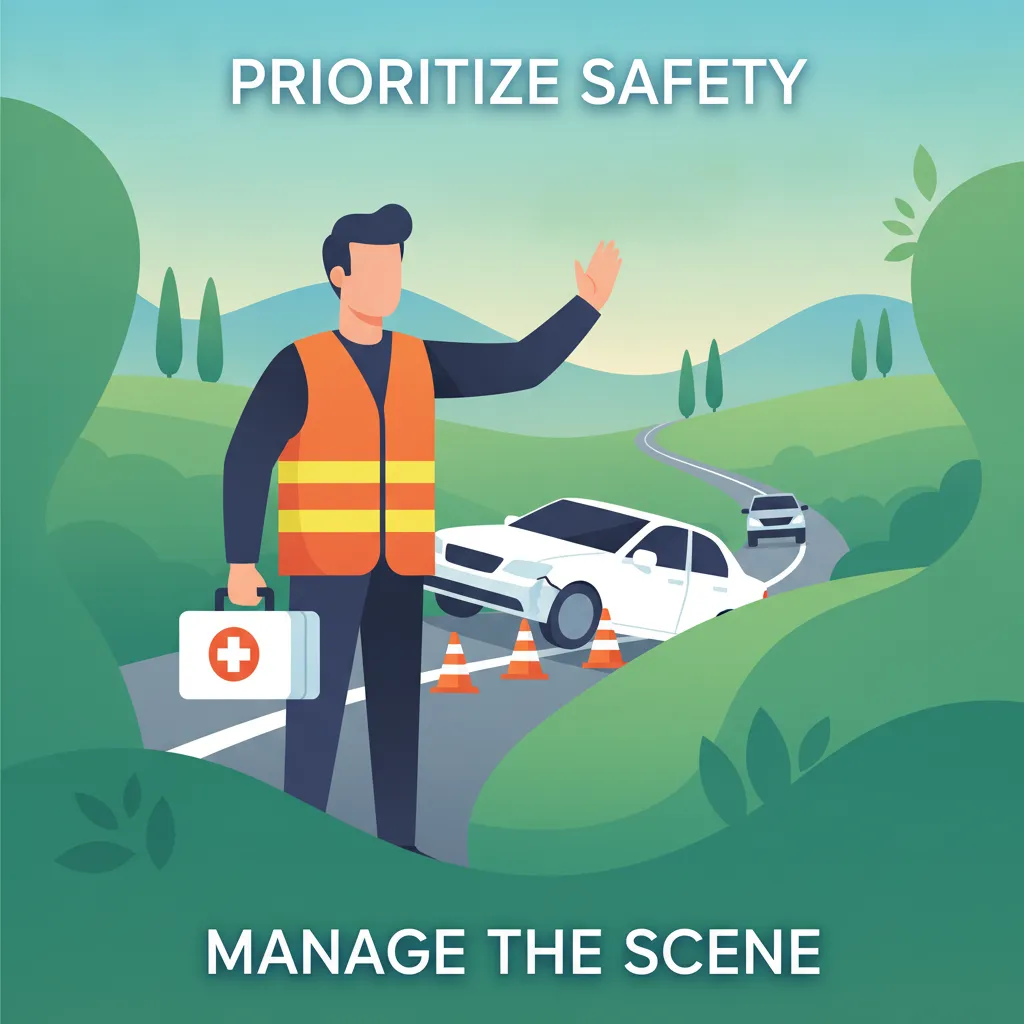
This lesson provides essential knowledge for managing the immediate aftermath of an accident before professional help arrives. It covers the critical first step of securing the scene to prevent further incidents. The content then introduces basic first aid principles, such as assessing a casualty's condition and controlling severe bleeding, while also explaining the critical considerations regarding when and when not to remove a rider's helmet.
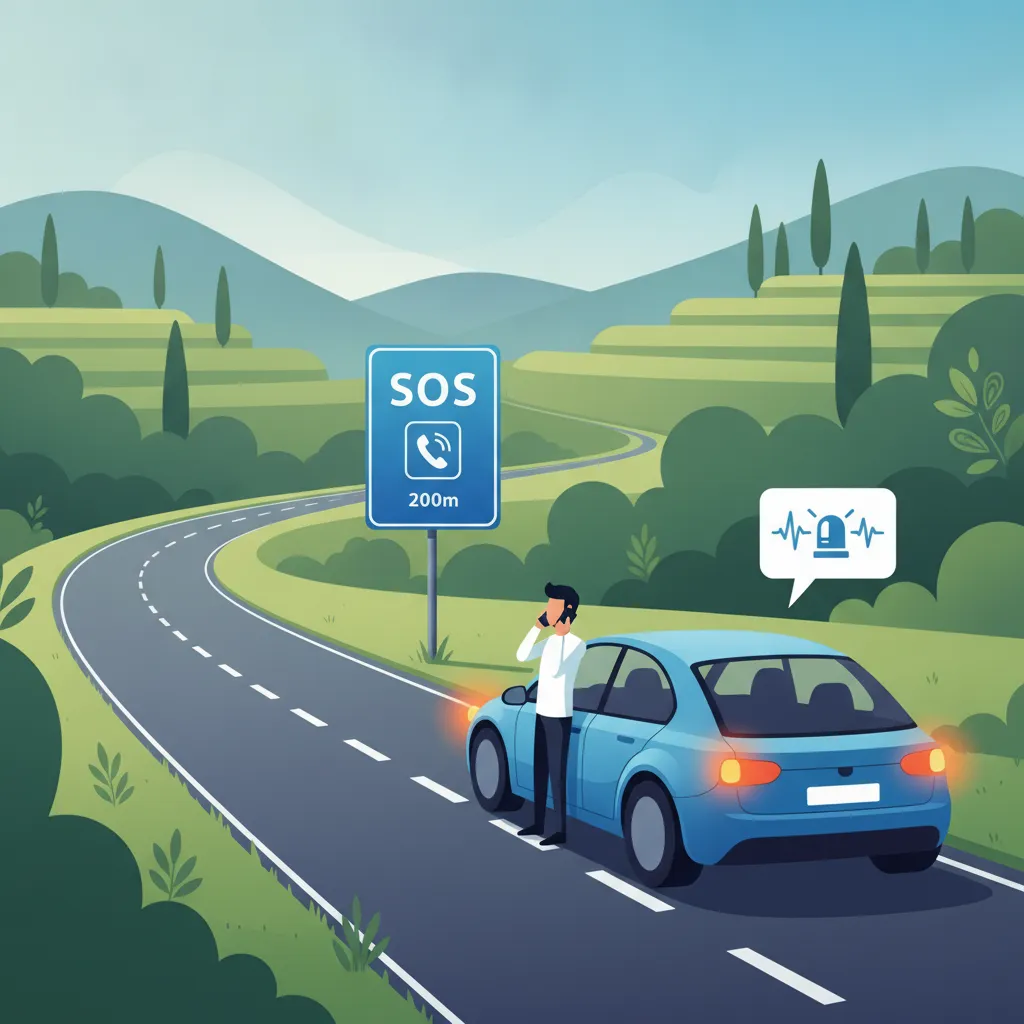
This lesson outlines the proper conduct when encountering emergency vehicles on the road or interacting with responders at an incident. It details the rules for yielding the right-of-way to ambulances, police, and fire services, ensuring they have a clear path. You will also learn how to provide clear and concise information to authorities to facilitate an effective emergency response.

This lesson reinforces the correct procedures for interacting with emergency vehicles that are responding to a call with sirens and lights active. It explains the legal obligation to yield the right-of-way by safely moving to the side of the road and stopping if necessary. The content emphasizes making smooth, predictable movements to create a clear path, allowing emergency responders to proceed without delay.
This lesson focuses on the comprehensive duties of a motorcyclist, from ensuring vehicle and equipment legality to following traffic regulations. It covers key obligations mandated by the Codice della Strada, such as mandatory insurance coverage and adherence to environmental rules. The material reinforces the importance of responsible road conduct and the legal consequences of non-compliance.
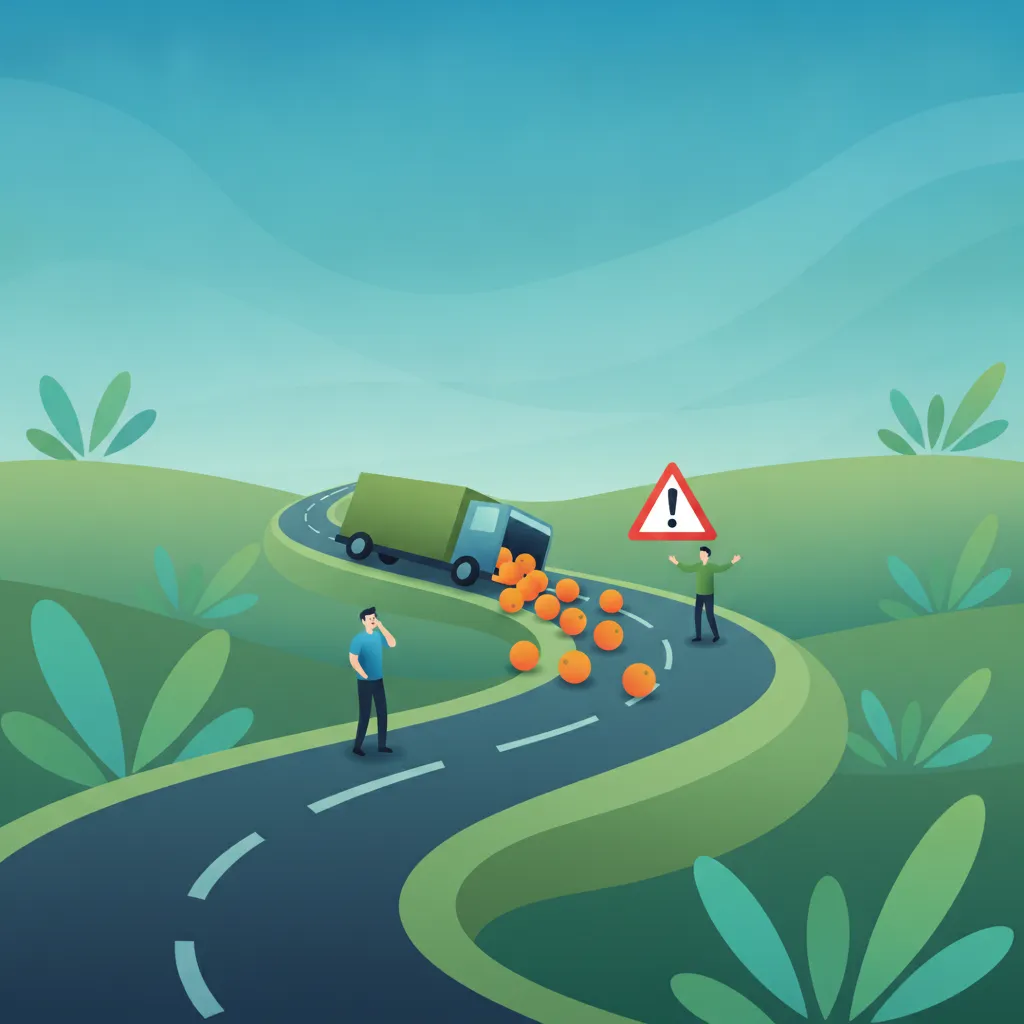
This lesson prepares drivers for incidents beyond a simple breakdown, such as losing part of the load onto the roadway or dealing with a spillage. It outlines the immediate priorities: ensuring personal safety, warning other traffic of the hazard, and notifying the authorities. The lesson also covers the fundamental principles of managing an accident scene, including protecting the area, assessing for casualties, and providing essential information to emergency services.
Learn how to safely yield to emergency vehicles and understand essential first aid steps to assist injured individuals until professional help arrives, crucial for Patente B drivers.
This lesson reinforces the correct procedures for interacting with emergency vehicles that are responding to a call with sirens and lights active. It explains the legal obligation to yield the right-of-way by safely moving to the side of the road and stopping if necessary. The content emphasizes making smooth, predictable movements to create a clear path, allowing emergency responders to proceed without delay.
This lesson outlines the proper conduct when encountering emergency vehicles on the road or interacting with responders at an incident. It details the rules for yielding the right-of-way to ambulances, police, and fire services, ensuring they have a clear path. You will also learn how to provide clear and concise information to authorities to facilitate an effective emergency response.
This lesson equips riders with the correct procedures to follow in the event of a breakdown or accident. It covers how to move the vehicle to a safe location, alert other traffic, and contact emergency services using the universal 112 number. You will also learn the basics of accident scene management and the necessary steps for reporting the incident to police and insurance.

This lesson clarifies the special priority rules for emergency vehicles and public transport. It explains the legal obligation to safely pull over and clear a path for any vehicle with active sirens and flashing lights. The content also details the absolute right-of-way that trams have in most situations and the requirement to yield to public buses signaling to pull out from a stop.
This lesson provides essential knowledge for managing the immediate aftermath of an accident before professional help arrives. It covers the critical first step of securing the scene to prevent further incidents. The content then introduces basic first aid principles, such as assessing a casualty's condition and controlling severe bleeding, while also explaining the critical considerations regarding when and when not to remove a rider's helmet.

This lesson prepares drivers for unexpected emergencies that may occur far from base. It provides a clear, step-by-step guide on what to do in the event of a breakdown on a motorway, including how to stop safely on the hard shoulder, make the vehicle visible, and call for assistance. Basic procedures for dealing with a vehicle fire or being the first at an accident scene are also covered, prioritizing personal safety at all times.
This lesson prepares drivers for incidents beyond a simple breakdown, such as losing part of the load onto the roadway or dealing with a spillage. It outlines the immediate priorities: ensuring personal safety, warning other traffic of the hazard, and notifying the authorities. The lesson also covers the fundamental principles of managing an accident scene, including protecting the area, assessing for casualties, and providing essential information to emergency services.

This lesson covers the driver's legal responsibility for ensuring the safety of all passengers. It details the mandatory use of seat belts (cinture di sicurezza) for all occupants in both front and rear seats. The content provides a thorough explanation of the laws regarding child restraint systems, covering the different types of car seats required based on a child's age, weight, and height, and how to install them correctly.
Find clear answers to common questions learners have about Emergency Situations: Accidents and First Aid. Learn how the lesson is structured, which driving theory objectives it supports, and how it fits into the overall learning path of units and curriculum progression in Italy. These explanations help you understand key concepts, lesson flow, and exam focused study goals.
Yes, if you are involved in an accident, you are legally required to stop to provide assistance and exchange information, regardless of who is at fault.
The warning triangle must be placed at a sufficient distance behind the vehicle—at least 50 meters on standard roads—to warn oncoming traffic of an obstruction or hazard.
Prioritize safety: activate hazard lights, ensure your own safety, move the vehicle if it is causing a danger, and then check for injured persons before calling emergency services.
Generally, no. You should not move an injured person unless there is an immediate danger, such as a risk of fire or vehicle explosion, as this could worsen potential spinal injuries.
Start searching now to pinpoint exactly which Italian driving theory topics, road signs, or traffic rules you need to master. Use our advanced filters to build a custom practice session and ensure you're fully prepared for every aspect of your official driving licence exam.