
This lesson guides you through the interpretation of essential traffic lights and surface road markings specifically for Patente AM riders in Italy. Understanding these signals is vital for navigating intersections, roundabouts, and urban zones safely. Mastering these rules will ensure you are prepared for both the official exam and daily riding requirements.
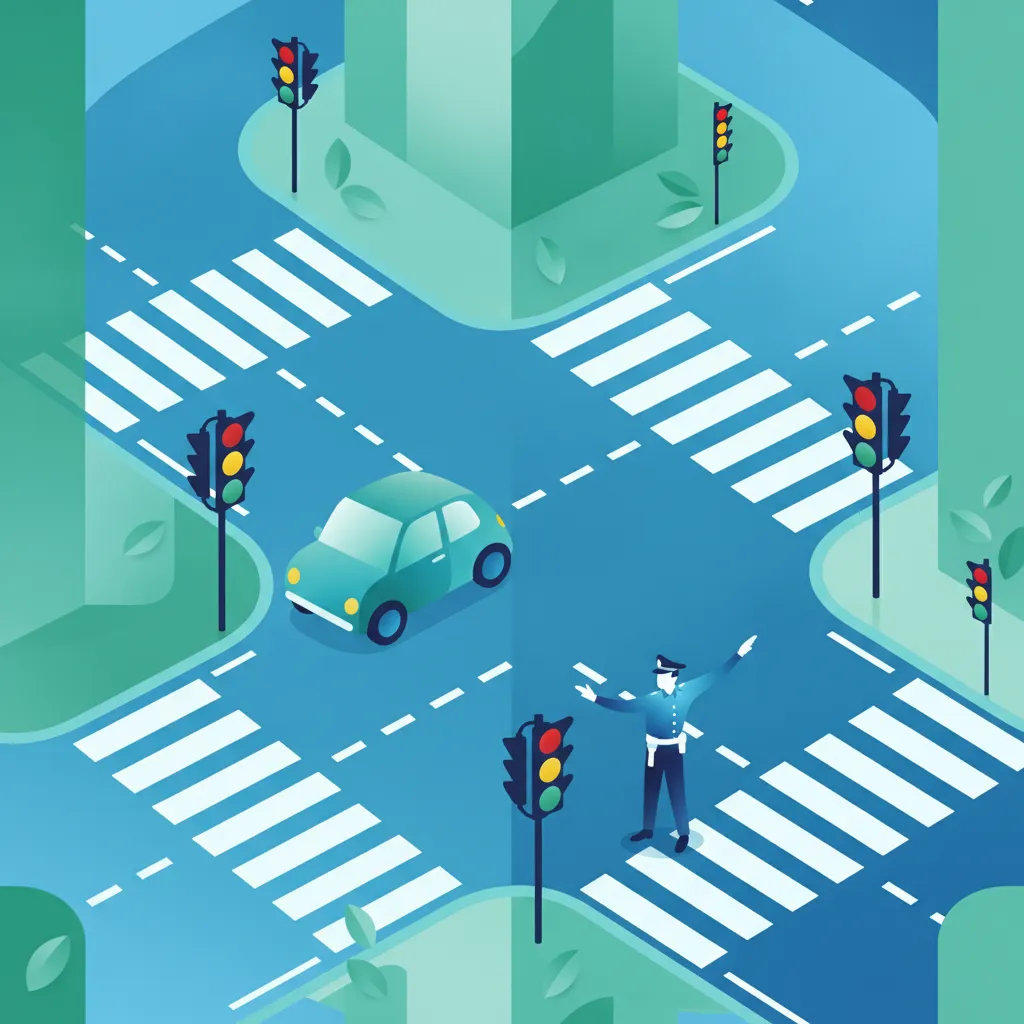
Lesson content overview
The Italian road system relies on a clear, standardized set of visual cues to ensure safety and regulate vehicle flow. For riders pursuing the Italian Patente AM driving license, a thorough understanding of these systems is crucial. This lesson will guide you through the complete interpretation of traffic light signals, including standard and flashing lights, and the meaning of various road surface markings found across Italy. You will learn how to react correctly to red, amber, green, and blinking signals, as well as how to interpret directional arrows, lane lines, stop lines, and other essential markings that dictate proper vehicle positioning and movement.
These visual communication devices combine legal mandates with safety-oriented design to convey information quickly and unambiguously. They are fundamental for safe vehicle positioning, navigating intersections, maintaining lane discipline, and complying with Italian traffic law, known as the Codice della Strada. This topic builds upon your foundational knowledge of road signs and general right-of-way principles, preparing you for more complex intersection handling and mixed traffic scenarios.
Traffic lights are essential tools for managing vehicle and pedestrian flow, particularly at intersections, roundabouts, and crossings. They are a coordinated system of colored lights—red, amber (yellow), and green—that assign right-of-way and reduce potential conflict points, thereby enhancing road safety. Drivers of AM category vehicles must understand and strictly obey these signals to prevent accidents and ensure smooth traffic movement.
The three primary colors of traffic lights each convey a specific, mandatory instruction to road users. Your immediate action depends directly on the color displayed.
A solid red traffic light is a universal command to stop. When you encounter a red light, you must bring your vehicle to a complete halt before the designated stop line. If no stop line is visible, you must stop before entering the intersection, ensuring you do not obstruct pedestrian crossings or traffic from other directions.
Proceeding through a red light is a serious violation of the Codice della Strada and carries significant penalties, including fines and potential license points. It is also a leading cause of severe collisions.
You must remain stopped until the light changes to green, or if a specific directional arrow for your intended movement illuminates green. Always wait patiently and observe the traffic around you before proceeding.
A solid white line painted across the road, indicating the precise point before which vehicles must stop when commanded by a traffic signal or sign.
The solid amber light (also known as a solid yellow light) serves as a warning, signaling that the light is about to change to red. When a solid amber light appears:
The amber light phase is short and designed to allow vehicles already committed to the intersection to clear it safely, not to encourage speeding up to beat the red light.
Misinterpreting the solid amber light can lead to dangerous situations, such as sudden stops in the middle of an intersection or failing to stop when there was ample time to do so.
A solid green traffic light indicates permission to proceed. You may move forward through the intersection, provided the way is clear and safe to do so. However, a green light does not grant absolute right-of-way without consideration for other road users or specific directional instructions.
Beyond the standard red, amber, and green, traffic systems in Italy also utilize flashing lights to convey specific instructions, particularly at less busy intersections or for special situations like tram crossings.
A flashing amber light (also called flashing yellow) is typically found at uncontrolled intersections or during off-peak hours when the main traffic light system is not active. It signifies a need for caution and indicates that drivers must yield the right-of-way according to general priority rules.
A flashing red light is a highly critical signal, typically used at railway crossings, tram crossings, or at temporary signals where an immediate and absolute stop is required.
The official Italian Highway Code, which outlines all traffic laws, regulations, and penalties for road users in Italy.
Many intersections feature traffic lights with specific green arrow signals to manage complex turning movements. These arrows allow certain directions of travel to proceed while others remain stopped.
Always ensure you are in the correct lane for your intended turn, as indicated by road markings, before obeying a directional arrow. Disobeying an arrow signal can lead to collisions with traffic that has the right-of-way for other movements.
When approaching an intersection with arrow signals, plan your lane choice in advance based on your intended direction to avoid last-minute, unsafe maneuvers.
Road surface markings are painted symbols, lines, and arrows that provide crucial guidance on vehicle positioning, lane usage, and permissible maneuvers. They work in conjunction with signs and signals to maintain order and safety on Italian roads.
A broken white line across the road, indicating the point where a driver must stop or slow down to give way to other traffic, as directed by a "Give Way" sign.
Lane lines are fundamental for organizing traffic flow and defining legal maneuvers on Italian roads.
Continuous (solid) white lines dividing lanes signify that crossing the line is strictly prohibited. This means:
Broken (dashed) white lines indicate that lane changes are permitted when it is safe to do so.
Edge lines are solid white lines that mark the outer boundaries of the carriageway (the part of the road intended for vehicles).
On two-way roads, lines separating traffic moving in opposite directions are crucial for safe travel. In Italy, these are often marked in yellow.
A continuous (solid) yellow line in the center of a two-way road signifies that overtaking is prohibited for traffic moving in either direction.
A broken (dashed) yellow line in the center of a two-way road indicates that overtaking is permitted, provided it can be done safely and legally.
Arrows painted on the road surface are supplementary guides that reinforce lane discipline and indicate mandatory directions of travel for specific lanes.
Road markings also prioritize vulnerable road users and designate specific areas for their use.
The Italian term for "pedestrian stripes" or "zebra crossing," marked by distinct parallel white lines across the road.
Zebra crossings are clearly marked with parallel white lines across the road. These signify areas where pedestrians have the right-of-way.
Certain contexts on Italian roads require specific attention to signals and markings due to unique traffic flow or vehicle types.
Tramways are an integral part of public transport in many Italian cities. At tram crossings, specific signals ensure their priority and the safety of other road users.
While most roundabouts rely on priority rules, some larger or more complex roundabouts in Italy may incorporate traffic lights at their entries.
At some intersections, specific traffic lights for pedestrians are present alongside vehicle traffic lights. These typically show a red or green pedestrian figure.
Understanding traffic lights and road markings is not just about passing your Patente AM exam; it's about ensuring your safety and the safety of others on the road, and avoiding legal repercussions.
Ignoring traffic signals and road markings is a primary cause of road accidents and leads to severe penalties under the Codice della Strada. Here are common violations and how to prevent them:
Traffic signals and road markings are designed to be clear, but their visibility and your ability to react can be significantly affected by environmental conditions:
Always adjust your riding style to match the prevailing weather and lighting conditions. Safety is paramount, and rigid adherence to rules without situational awareness can still be dangerous.
Understanding these rules in theory is the first step; applying them correctly in real-world driving scenarios for your Patente AM is critical. Here are a few examples:
Mastering traffic lights, road markings, and signal instructions is fundamental for safe and legal riding in Italy with your Patente AM.
This lesson covers the interpretation of Italian traffic light systems and road markings essential for Patente AM riders. Standard colors communicate clear commands: red demands a complete stop at the stop line, solid amber warns of an impending red and requires preparation to halt, and green permits movement when safe. Flashing signals serve special functions, with amber requiring yielding based on priority rules and flashing red demanding absolute stops at tram or railway crossings. Road surface markings work alongside signals to regulate positioning and maneuvers, with solid lines prohibiting lane changes and broken lines permitting them when safe. Understanding directional arrows, zebra crossings, and weather-related visibility challenges ensures both exam success and safe real-world riding under Italian traffic law.
A short set of high-value points that capture the most important learning from this lesson.
A solid red light requires a complete stop before the stop line; solid amber means prepare to stop if safe to do so; green means proceed only when clear
Flashing amber signals require yielding according to priority rules (typically priority to the right), while flashing red demands an absolute stop
Directional green arrows permit specific turning movements even when the main light is red for other directions
Road markings dictate legal maneuvers: solid white lines prohibit crossing, broken white lines allow it, and yellow center lines govern overtaking on two-way roads
Pedestrians always have priority at zebra crossings (Strisce Pedonali) and must be allowed to cross safely regardless of other signals
Explore all units and lessons included in this driving theory course.
Stop lines (solid white lines) are mandatory stopping points at traffic signals; yield lines (broken white) indicate where to slow and give way
At flashing amber lights, yield to traffic from your right before proceeding with caution
Solid yellow center lines prohibit overtaking in both directions; broken yellow permits overtaking when safe
Never proceed through an intersection on a green light if you cannot clear it without blocking cross-traffic
At tram crossings with flashing red lights, stop completely and only proceed when lights cease and no tram is approaching
Proceeding on a red light or entering an intersection when you could have stopped safely before the stop line
Changing lanes or overtaking across solid white lines, which is strictly prohibited in Italy
Failing to yield correctly at flashing amber lights by not checking for traffic approaching from the right
Ignoring directional arrows and turning in a direction not permitted by the illuminated green arrow
Not stopping for pedestrians at zebra crossings, even when your vehicle has a green light
Lesson content overview
A short set of high-value points that capture the most important learning from this lesson.
A solid red light requires a complete stop before the stop line; solid amber means prepare to stop if safe to do so; green means proceed only when clear
Flashing amber signals require yielding according to priority rules (typically priority to the right), while flashing red demands an absolute stop
Directional green arrows permit specific turning movements even when the main light is red for other directions
Road markings dictate legal maneuvers: solid white lines prohibit crossing, broken white lines allow it, and yellow center lines govern overtaking on two-way roads
Pedestrians always have priority at zebra crossings (Strisce Pedonali) and must be allowed to cross safely regardless of other signals
Explore all units and lessons included in this driving theory course.
Stop lines (solid white lines) are mandatory stopping points at traffic signals; yield lines (broken white) indicate where to slow and give way
At flashing amber lights, yield to traffic from your right before proceeding with caution
Solid yellow center lines prohibit overtaking in both directions; broken yellow permits overtaking when safe
Never proceed through an intersection on a green light if you cannot clear it without blocking cross-traffic
At tram crossings with flashing red lights, stop completely and only proceed when lights cease and no tram is approaching
Proceeding on a red light or entering an intersection when you could have stopped safely before the stop line
Changing lanes or overtaking across solid white lines, which is strictly prohibited in Italy
Failing to yield correctly at flashing amber lights by not checking for traffic approaching from the right
Ignoring directional arrows and turning in a direction not permitted by the illuminated green arrow
Not stopping for pedestrians at zebra crossings, even when your vehicle has a green light
Explore search topics learners often look for when studying Traffic Lights, Road Markings, and Signal Instructions. These topics reflect common questions about road rules, driving situations, safety guidance, and lesson level theory preparation for learners in Italy.
Browse additional driving theory lessons that cover connected traffic rules, road signs, and common driving situations related to this topic. Improve your understanding of how different rules interact across everyday traffic scenarios.
Explore complex scenarios with Italian traffic lights and road markings. Understand special signals, flashing lights, and how they apply in challenging intersection situations for your Patente AM theory.
This lesson details how to safely approach and enter intersections by correctly interpreting traffic lights, stop signs, and give-way rules. It emphasizes the importance of scanning for hazards, checking blind spots, and anticipating the actions of other road users. You will learn to adjust your speed and position your vehicle correctly to navigate crossings without incident.

This lesson provides a detailed explanation of the priority rules that govern Italian intersections and roundabouts. You will learn to identify priority roads and correctly apply the rules for stop and give way signs. It also covers the specific procedures for entering, navigating, and exiting roundabouts, emphasizing when to yield to circulating traffic.
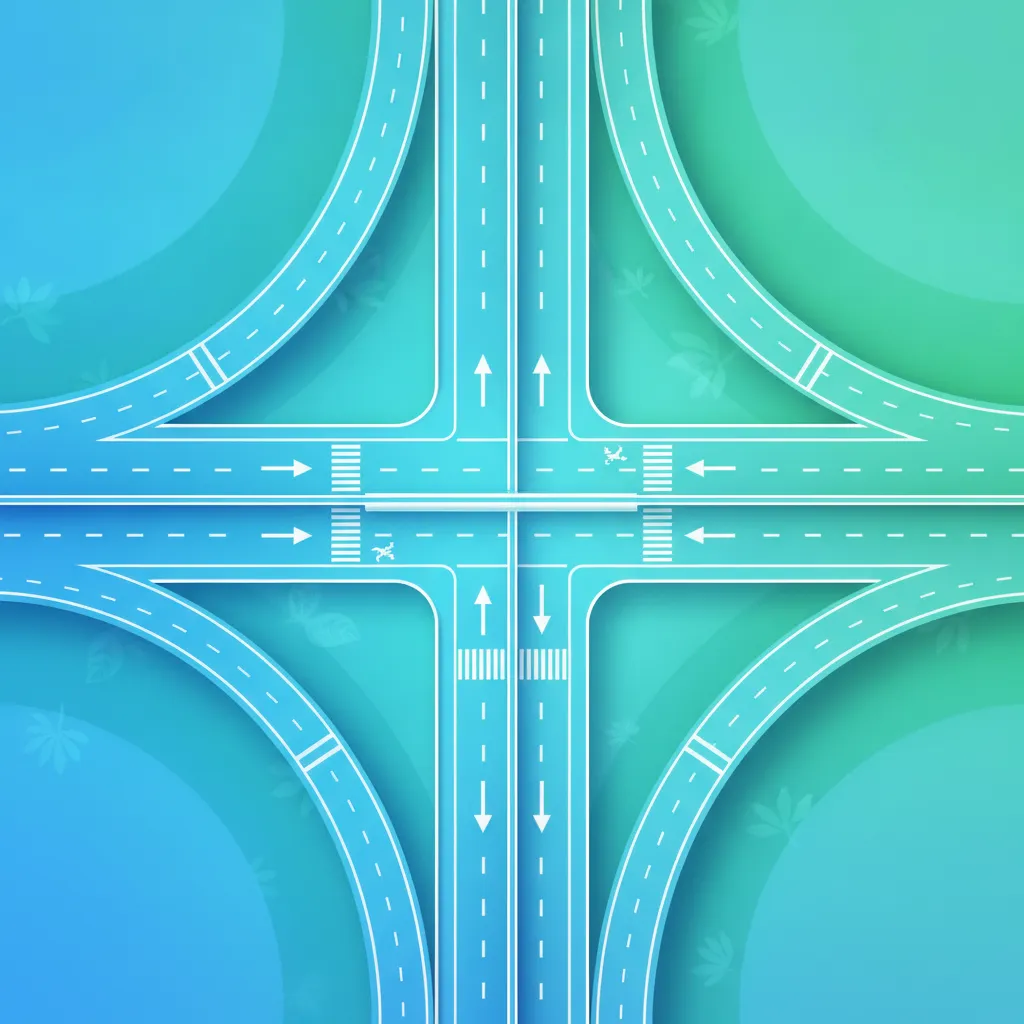
This lesson provides a detailed guide to understanding road markings and pavement symbols in Italy. It explains the critical difference between continuous and broken lane lines regarding overtaking, the function of stop lines and yield markings at intersections, and the meaning of directional arrows painted in lanes. The content also covers markings for pedestrian crossings, bus lanes, and designated parking areas.
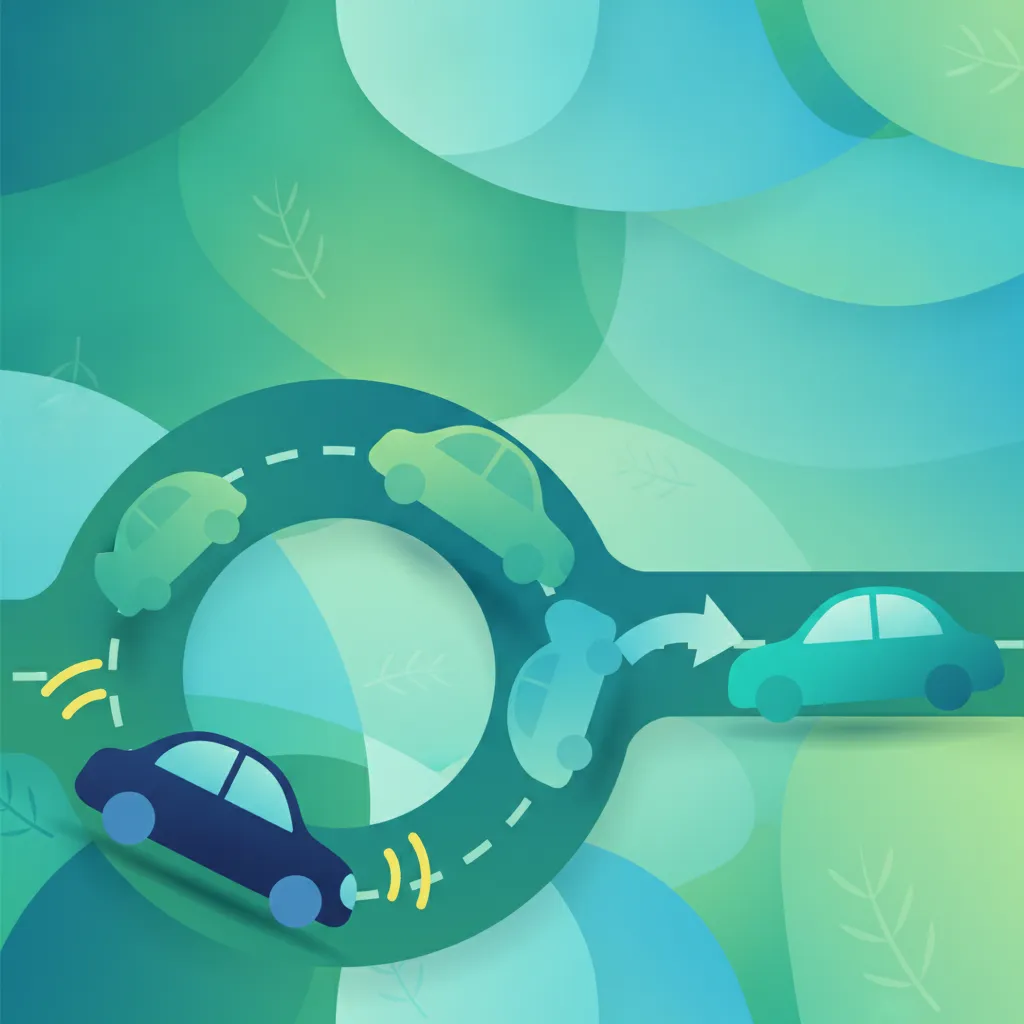
This lesson provides a step-by-step guide to navigating roundabouts safely and efficiently. It focuses on the critical rule of yielding to traffic already circulating within the roundabout before entering. You will also learn how to select the correct lane based on your intended exit and how to use your indicators to signal your maneuvers clearly.
This lesson focuses on the specific regulatory and warning signs that Patente AM riders must understand and obey. It details signs related to speed limits, no-entry zones, and mandatory directions that directly impact moped operation. You will also learn to recognize warning signs for potential hazards like sharp curves, slippery surfaces, and pedestrian areas.
This lesson delivers a comprehensive explanation of right-of-way regulations at Italian intersections. It covers the interpretation of traffic light signals, the absolute requirement to stop at stop signs, and yielding at give-way signs. Furthermore, it details the default priority rules for unmarked intersections and the specific obligations a rider has towards pedestrians on crossings.
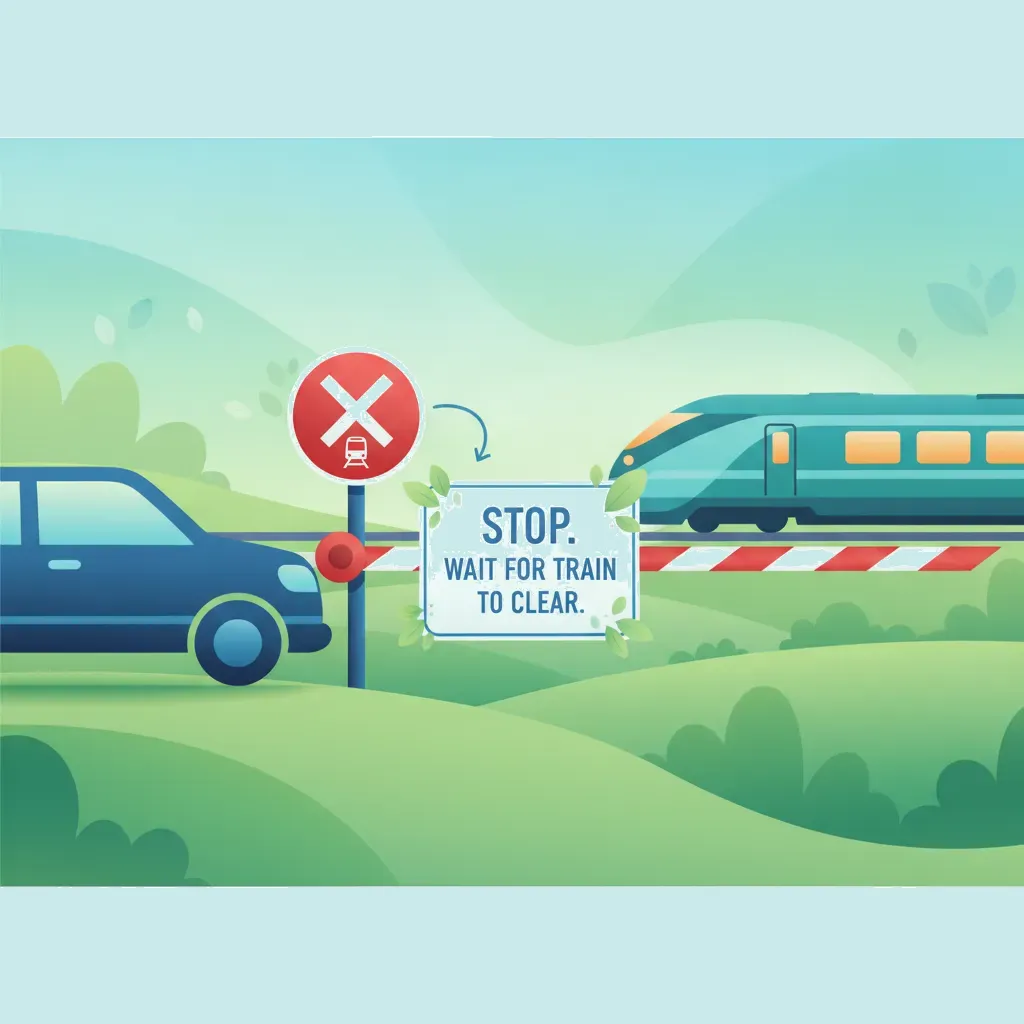
This lesson focuses on the vital safety procedures required when approaching and crossing railway lines (passaggio a livello). It details how to interpret the warning systems, including flashing red lights, audible alarms, and lowering barriers, all of which mandate a complete stop. The content also covers procedures for crossings without barriers and emphasizes the importance of ensuring tracks are clear in both directions before proceeding.
This lesson provides detailed instruction on performing effective shoulder checks to supplement mirror use, ensuring a clear path before turning or changing lanes. It covers the proper and timely use of electronic indicators and hand signals to communicate your intentions to other drivers. Correct signaling is crucial for preventing misunderstandings and collisions on the road.
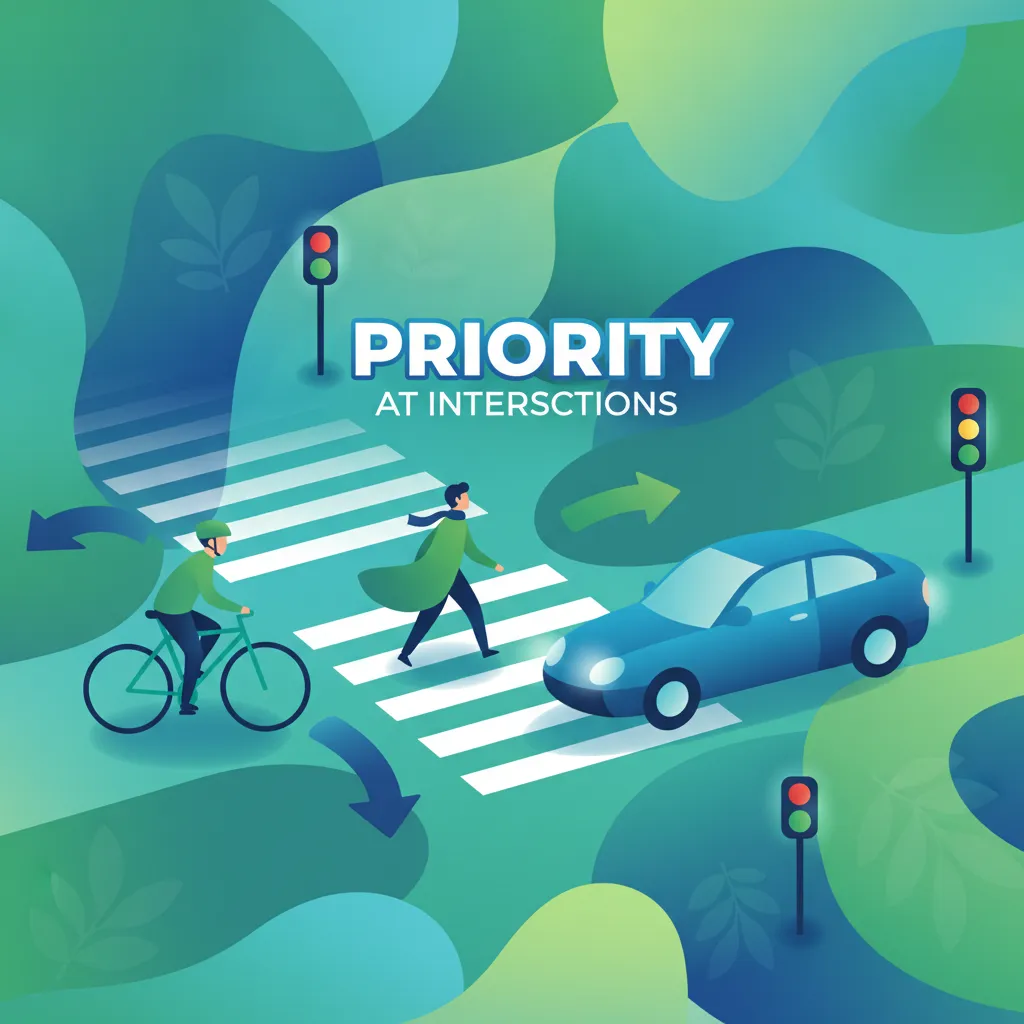
This lesson covers the general principles of priority at intersections governed by traffic signs and signals. It explains how to identify a priority road and the obligation to yield to traffic when encountering a 'dare la precedenza' (yield) or stop sign. The content also reviews the hierarchy of authority, where signals from a traffic officer override all other signs and lights.
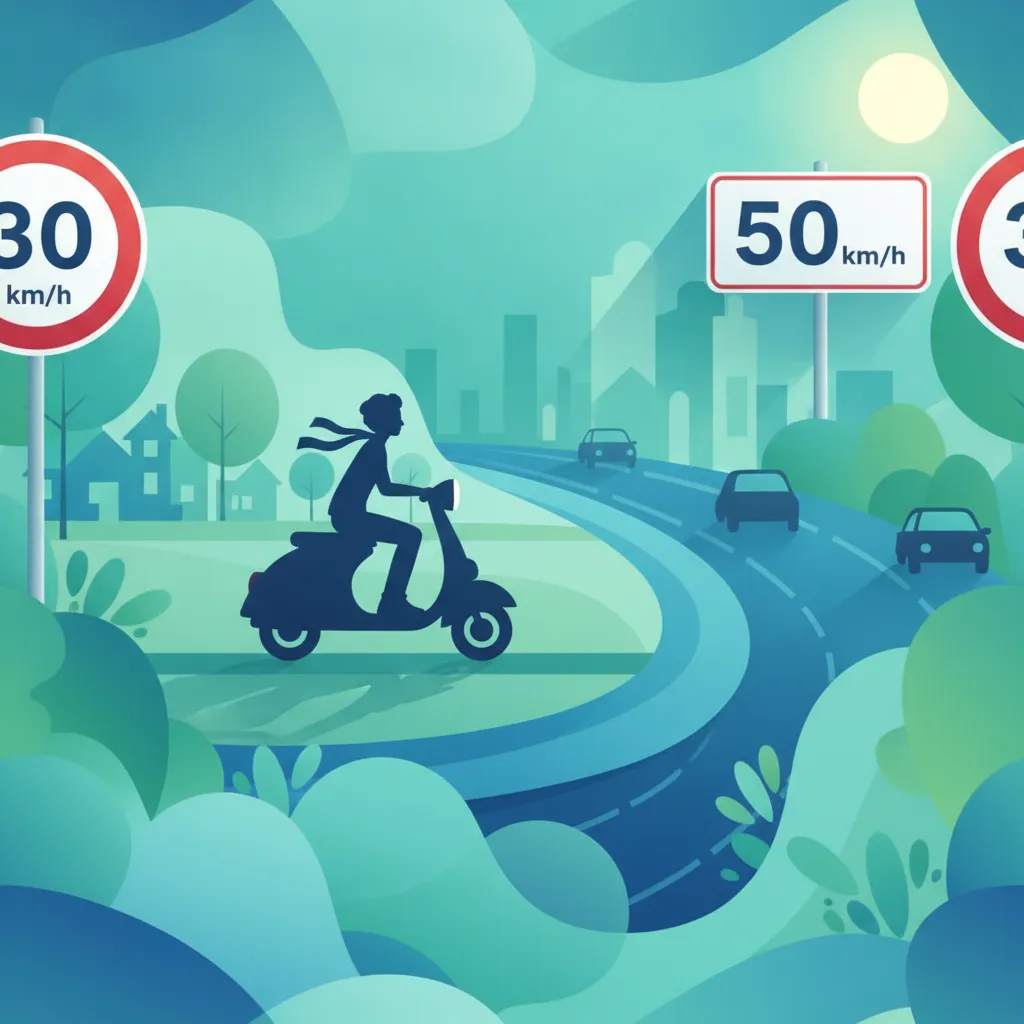
This lesson explores the specific speed limits applicable to AM vehicles across various zones, including urban, residential, and rural roads. Emphasis is placed on understanding the signage that indicates both permanent and temporary speed restrictions. Learners will also examine the rationale behind these limits and the importance of adapting speed to road conditions and traffic density.
Learn to interpret Italian traffic lights and road markings through practical examples and common driving situations. This lesson clarifies signal sequences and surface markings for safe navigation and compliance with the Codice della Strada.
This lesson provides a detailed guide to understanding road markings and pavement symbols in Italy. It explains the critical difference between continuous and broken lane lines regarding overtaking, the function of stop lines and yield markings at intersections, and the meaning of directional arrows painted in lanes. The content also covers markings for pedestrian crossings, bus lanes, and designated parking areas.
This lesson details how to safely approach and enter intersections by correctly interpreting traffic lights, stop signs, and give-way rules. It emphasizes the importance of scanning for hazards, checking blind spots, and anticipating the actions of other road users. You will learn to adjust your speed and position your vehicle correctly to navigate crossings without incident.
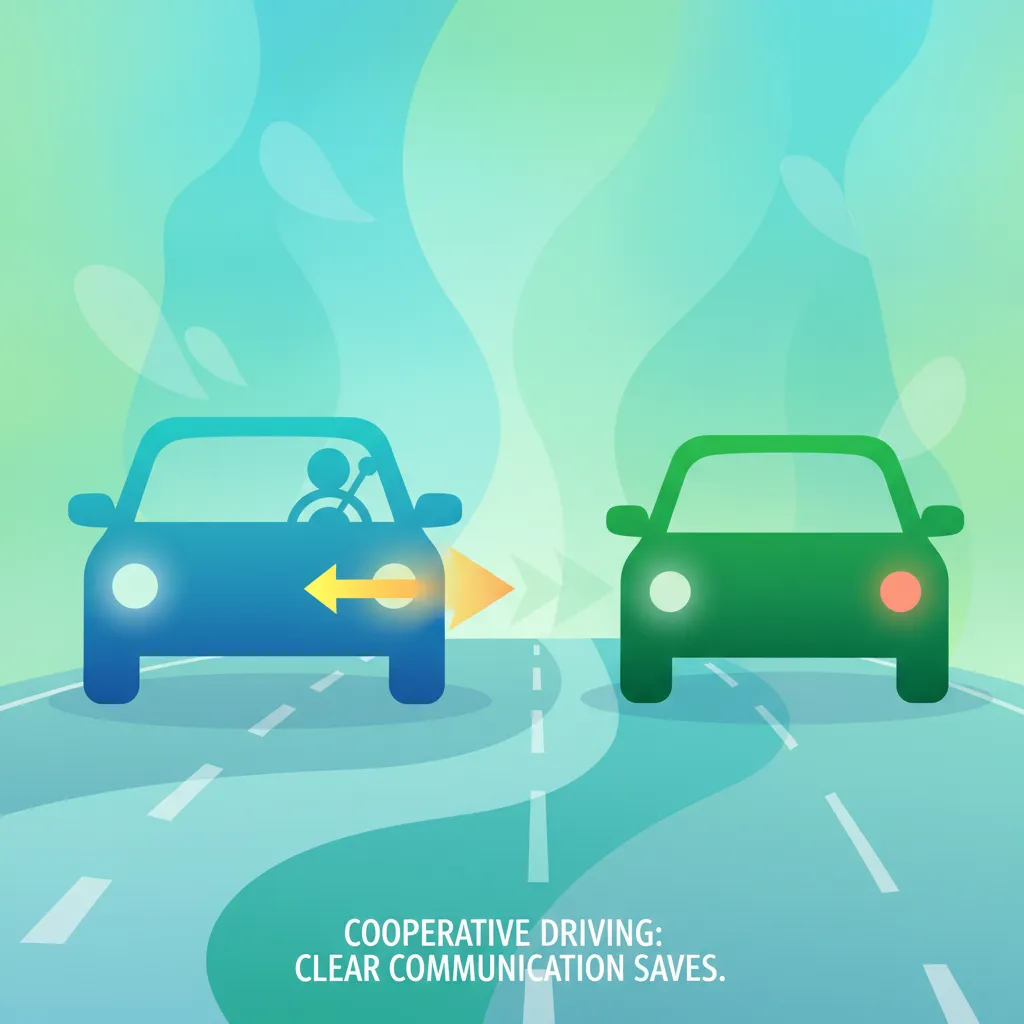
This lesson emphasizes the importance of clear communication and cooperative behavior among all road users to prevent conflicts and enhance safety. It details the proper and legal use of vehicle signals, such as turn indicators and hazard lights, as well as the appropriate use of the horn. The content also explores the role of non-verbal cues like eye contact and courtesy gestures in creating a predictable and safe driving environment.
This lesson details the proper and legal application of a vehicle's horn, lights, and signals as primary communication tools. It explains the specific circumstances for using high beams, low beams, and fog lights to maximize visibility without dazzling other drivers. The content also clarifies the rules for using the horn, turn indicators, and hazard lights to signal intentions, warn of danger, or indicate an emergency situation.
This lesson provides a detailed explanation of the priority rules that govern Italian intersections and roundabouts. You will learn to identify priority roads and correctly apply the rules for stop and give way signs. It also covers the specific procedures for entering, navigating, and exiting roundabouts, emphasizing when to yield to circulating traffic.

This lesson provides a practical guide to parking regulations in Italian urban areas. It explains the meaning of different colored parking lines (blue for paid, white for free, yellow for reserved), the use of the parking disc (disco orario) for time-limited zones, and how to operate pay-and-display machines. The content also covers how to identify no-parking zones to avoid fines and towing.

This lesson focuses on non-verbal communication techniques essential for safe riding. It covers how to use eye contact, headlights, and hand signals to convey intentions to drivers, pedestrians, and cyclists. Understanding how to interact and negotiate space in traffic through clear communication helps prevent accidents and promotes a smoother traffic flow.
This lesson provides a step-by-step guide to navigating roundabouts safely and efficiently. It focuses on the critical rule of yielding to traffic already circulating within the roundabout before entering. You will also learn how to select the correct lane based on your intended exit and how to use your indicators to signal your maneuvers clearly.
This lesson provides critical guidance on how to safely share the road with vulnerable users, including pedestrians, cyclists, motorcyclists, and children. It highlights the importance of increased awareness in specific areas like school zones and crosswalks. The content teaches techniques for maintaining a safe lateral distance when overtaking, checking blind spots thoroughly, and anticipating the often unpredictable movements of these users.

This lesson provides a comprehensive guide to a vehicle's lighting systems and their correct use according to the Codice della Strada. It explains the functions of low beams, high beams, fog lights, and daytime running lights, detailing when each should be used to ensure visibility for the driver and by other road users. Proper use of lighting is critical for safety during night driving and in conditions of poor visibility.
Find clear answers to common questions learners have about Traffic Lights, Road Markings, and Signal Instructions. Learn how the lesson is structured, which driving theory objectives it supports, and how it fits into the overall learning path of units and curriculum progression in Italy. These explanations help you understand key concepts, lesson flow, and exam focused study goals.
In Italy, a steady yellow light means you must stop if you can do so safely. If you are already too close to the intersection to stop without emergency braking, you must proceed with caution to clear the junction.
Yes, traffic lights and road markings in Italy apply to all road users, including moped and scooter riders. You must follow the same signals as larger vehicles.
A flashing yellow light serves as a warning to proceed with increased caution. It typically indicates that the traffic light system is not currently enforcing strict stop/go cycles, or that there is a potential hazard ahead.
Generally, mopeds follow the same lane markings as other vehicles. However, some urban zones may have dedicated stop lines or areas reserved for two-wheeled vehicles, which you must learn to identify.
Start searching now to pinpoint exactly which Italian driving theory topics, road signs, or traffic rules you need to master. Use our advanced filters to build a custom practice session and ensure you're fully prepared for every aspect of your official driving licence exam.