
This lesson focuses on the vital communication skills needed to interact safely with other road users on Italian roads. You will learn the correct legal application of signals, lights, and the horn, as well as how cooperative driving behaviours help you navigate complex traffic scenarios for your Patente B license.
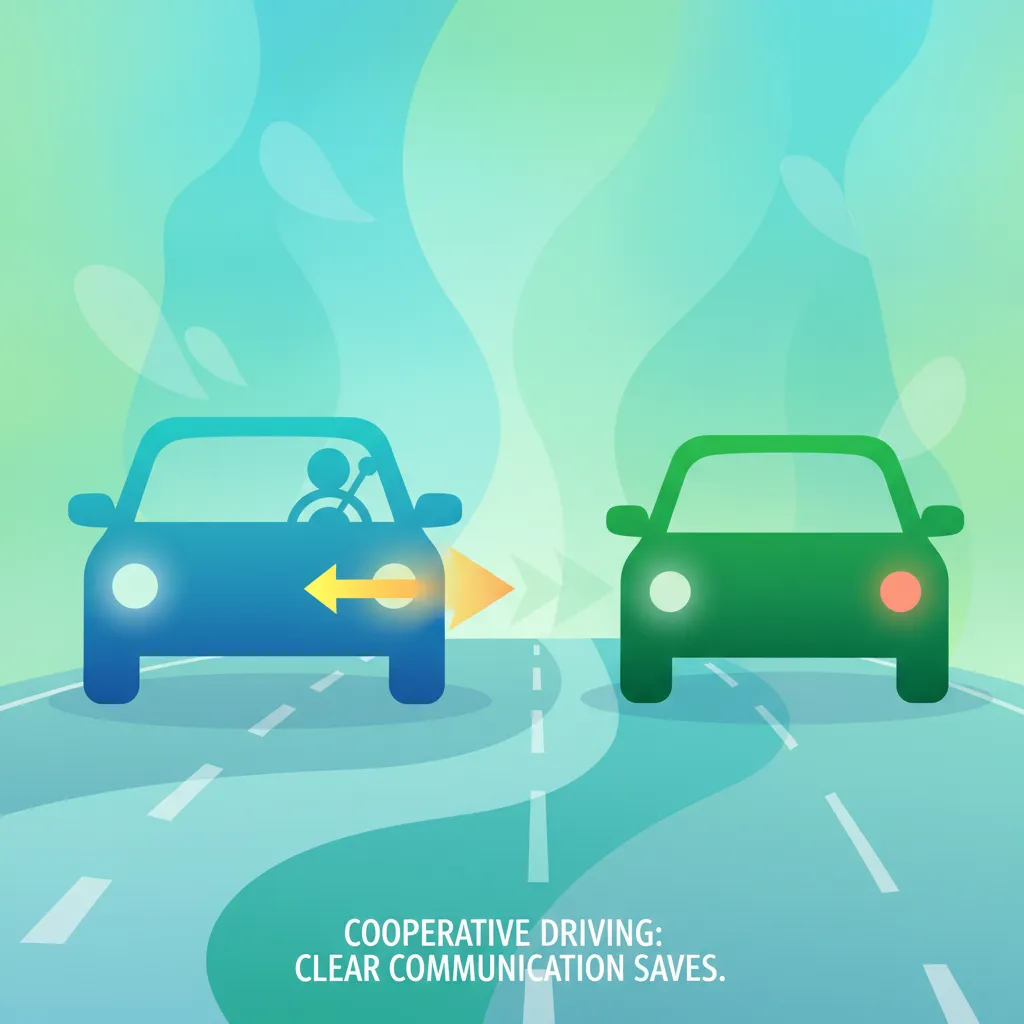
Lesson content overview
Driving is a complex activity that requires more than just knowing how to operate a vehicle. It demands constant interaction and understanding among all road users. Effective communication and cooperative behaviour are the cornerstones of road safety, crucial for preventing conflicts and creating a predictable driving environment, especially when preparing for your Italian Patente B theory test.
This lesson delves into the vital role of clear communication, both through official vehicle signals and non-verbal cues. It emphasizes how these tools, combined with a cooperative mindset, contribute to the overall traffic system and help every driver navigate Italian roads responsibly and safely. Understanding these principles is not just about passing an exam; it's about fostering a culture of mutual respect and safety for everyone sharing the road.
In the dynamic environment of road traffic, anticipating the actions of others is paramount for safety. Communication acts as a bridge, allowing drivers, cyclists, and pedestrians to convey their intentions and understand those of others. This mutual understanding drastically reduces the risk of accidents and improves traffic flow.
Cooperative behaviour extends beyond mere rule-following; it involves actively sharing space, yielding when appropriate, and showing consideration for all road users, particularly vulnerable ones. This principle, deeply embedded in the Italian Codice della Strada, prioritizes safety above all else, advocating for actions that prevent dangerous situations. By embracing these concepts, drivers contribute to a harmonious and safer road network.
Vehicle signals are mechanical or electronic devices designed to inform other road users about a driver's intentions. Their proper and timely use is a legal requirement and a fundamental aspect of defensive driving. These signals allow other drivers to anticipate upcoming manoeuvres, react accordingly, and maintain a safe following distance or adjust their speed.
Familiarity with the types of signals and their correct application is essential for every driver, influencing everything from simple lane changes to navigating complex intersections. Misuse or failure to use these signals can lead to confusion, unexpected reactions, and potentially dangerous situations on the road.
Turn indicators, often called "frecce" in Italian, are flashing lights located at the front, sides, and rear of your vehicle. Their primary purpose is to clearly signal your intention to turn left or right, or to change lanes. Consistent and timely use of turn indicators is critical for allowing other road users to anticipate your movements and adjust their own driving accordingly.
According to the Codice della Strada, turn indicators must be activated at least 30 meters before the intended turn or lane change. This mandatory distance provides sufficient warning to others, allowing them ample time to react safely. Once the manoeuvre is completed, it is equally important to cancel the indicator to avoid misleading other drivers about your subsequent actions. Forgetting to cancel an indicator can be just as dangerous as failing to signal at all, as it creates ambiguity and potential confusion.
Always signal early: Activating your turn indicator well in advance, especially in busy urban areas or on fast-moving motorways, gives other drivers maximum time to understand your intentions and react safely.
Hazard warning lights, or "quattro frecce," activate all four turn indicators simultaneously, causing them to flash in unison. They serve as a crucial signal to warn other road users of an immediate hazard involving your vehicle. This usually means your vehicle is stationary and poses a potential danger, or you are moving at a significantly reduced speed due to an emergency.
Hazard lights are mandatory when your vehicle is stopped on the roadway due to a breakdown, accident, or any other emergency that makes it an obstruction. They should also be used when visibility is severely reduced, such as in heavy fog or torrential rain, and you need to slow down drastically or stop temporarily on the road. However, it is crucial not to use hazard lights while driving normally, as this can confuse other drivers who might misinterpret it as an emergency or a broken-down vehicle, leading to unpredictable reactions.
While not activated manually like turn indicators or hazard lights, brake lights and reverse lights are equally vital vehicle signals that communicate your actions to others. Brake lights, located at the rear of your vehicle, illuminate brightly when you press the brake pedal, instantly informing drivers behind you that you are slowing down or stopping. This warning allows them to reduce their speed and maintain a safe following distance, preventing rear-end collisions.
Reverse lights, typically white lights at the rear, automatically illuminate when you engage reverse gear. They signal to other road users, especially pedestrians and vehicles behind you, that you intend to move backward. This is particularly important in parking lots, driveways, or during manoeuvres in confined spaces, giving others time to yield or stay clear of your path.
The horn, or "clacson" in Italian, is an audible warning device designed to alert other road users to the presence or actions of your vehicle, primarily to prevent imminent collisions. It is a tool for safety, not for expressing impatience, frustration, or annoyance. Its use is strictly regulated by the Codice della Strada to prevent noise pollution and aggressive driving.
The horn should only be used when strictly necessary to avoid an accident or to warn another road user of immediate danger. For instance, a short, sharp beep might be appropriate if a pedestrian steps into your path unexpectedly, or if another vehicle is drifting into your lane without seeing you. Prolonged or aggressive use of the horn is generally prohibited, particularly in residential areas at night.
Respect Silent Zones: In specific areas designated as "silent zones," such as near hospitals, schools, or during night hours in residential areas, horn usage is prohibited unless absolutely necessary to prevent an accident. These zones are usually marked by clear signage.
Using the horn to express frustration in traffic jams or to hurry up a slow driver is not only illegal but also counterproductive, contributing to stress and aggression on the roads. In such situations, patience and defensive driving are always the better approach.
Beyond mechanical signals, non-verbal cues play a significant role in fostering cooperative behaviour and preventing misunderstandings on the road. Eye contact and courtesy gestures, though not legally mandatory, are powerful tools for establishing mutual understanding and promoting a polite driving environment.
Eye contact is particularly effective in ambiguous situations, such as at unmarked crossings or when a pedestrian is considering stepping into the road. A quick glance and a nod can confirm intentions, ensuring both parties are aware of each other's actions. It conveys acknowledgment and can help establish whether one party is yielding to another.
Courtesy gestures, like a quick wave of the hand to thank another driver for yielding or to signal "go ahead," contribute significantly to a smoother and more pleasant traffic flow. These small acts of politeness reinforce cooperative behaviour, reduce tension, and can de-escalate potentially confrontational situations. Ignoring opportunities for non-verbal communication can lead to uncertainty and increased risk, especially when interacting with vulnerable road users who might rely on these cues to confirm a driver's intentions.
Effective communication is not a static set of rules; it's a dynamic skill that adapts to various driving scenarios. Mastering its application in common situations is vital for a Patente B driver.
Changing lanes or overtaking on multi-lane roads and motorways requires precise signalling. Before moving into an adjacent lane, whether to overtake or simply change position, you must activate your turn indicator at least 30 meters prior to the manoeuvre. This gives drivers in the target lane and those behind you sufficient warning of your impending movement.
Signal Early: Activate the appropriate turn indicator (left for left lane, right for right lane) well in advance, maintaining it throughout the manoeuvre.
Check Mirrors and Blind Spots: Thoroughly check your rear-view and side mirrors, then perform a quick head check over your shoulder to verify your blind spot is clear.
Execute Smoothly: Only when safe, smoothly steer into the new lane, maintaining a consistent speed.
Cancel Signal: Once fully in the new lane, cancel your turn indicator.
Failing to signal or signalling too late during lane changes is a common cause of accidents, especially on motorways where speeds are higher and reaction times are reduced. Always assume other drivers might not see you, and give them every opportunity to anticipate your actions.
Intersections and roundabouts are points of high traffic density and potential conflict, making clear communication through signals absolutely crucial. Incorrect or absent signalling at these junctions is a frequent cause of confusion and collisions.
At Intersections: When approaching an intersection and intending to turn, your turn indicator must be activated at least 30 meters before the turn. If you are going straight through, you generally do not signal unless there are specific road markings or rules that indicate otherwise (e.g., if a straight-through lane requires a slight steer that might be misinterpreted).
At Roundabouts: Signalling correctly at roundabouts is vital for predicting movements and maintaining smooth traffic flow.
Roundabout signalling nuance: In Italy, for roundabouts with multiple lanes, drivers often signal left upon entry if taking a later exit (beyond the 12 o'clock position), then switch to a right signal before their intended exit. This is a common practice to communicate intentions more clearly. Always observe the behaviour of local drivers, but prioritize clear and timely signalling.
Vulnerable road users, such as pedestrians, cyclists, and motorcyclists, have less protection than vehicle occupants and require extra consideration and clear communication. Cooperative behaviour with these users is not just courteous; it is a legal and moral responsibility.
When approaching a pedestrian crossing, even if it's unmarked, be prepared to slow down and stop. Make eye contact with pedestrians to confirm their intention to cross, and be ready to yield. A slight nod or hand gesture can confirm that you are giving way. Similarly, when interacting with cyclists, use your turn indicators clearly and allow ample space. If a cyclist is in your blind spot during a lane change or turn, a short, gentle tap on the horn might be necessary to alert them, but only if it can prevent an accident without startling them.
Drivers must always prioritize the safety of vulnerable road users, anticipating their movements and communicating intentions unambiguously. This may involve reducing speed, increasing following distance, and being prepared to stop.
The Italian Codice della Strada sets out precise regulations for communication and cooperative behaviour, ensuring consistency and safety across the road network. Adhering to these rules is mandatory for all drivers.
Despite clear rules, several common mistakes related to communication frequently occur, leading to dangerous situations and traffic violations.
Effective communication isn't a one-size-fits-all approach; it requires adaptation to changing conditions and environments.
The rules governing communication and cooperative behaviour are rooted in fundamental safety principles and an understanding of human perception and reaction times.
Mastering communication and cooperative behaviour is an ongoing process that enhances safety and efficiency on the roads.
This lesson covers the essential communication tools for safe driving on Italian roads: turn indicators must be activated at least 30 meters before any manoeuvre and cancelled after completion; hazard lights signal a stationary vehicle in distress only, never while moving; the horn warns of imminent danger and is prohibited in silent zones. Non-verbal communication through eye contact and courtesy gestures enhances cooperation, particularly with vulnerable road users. The Codice della Strada mandates these rules, and non-compliance risks fines and points on your license. Effective communication creates predictable driving behaviour that significantly reduces accidents and improves traffic flow for everyone.
A short set of high-value points that capture the most important learning from this lesson.
Turn indicators must be activated at least 30 meters before any turn or lane change, giving other road users sufficient time to react safely.
Hazard warning lights are reserved exclusively for stationary vehicles posing a danger or emergencies with severely reduced visibility; they must never be used while driving normally.
The horn is a safety warning device only—use it to prevent imminent collisions, never to express frustration, and never in designated silent zones.
Non-verbal cues like eye contact and courtesy gestures supplement mechanical signals and are essential for cooperative driving, especially with vulnerable road users.
Consistent and predictable signalling creates a safer traffic environment by reducing cognitive load and reaction time for all road users.
Explore all units and lessons included in this driving theory course.
Activate turn indicators 30 meters before the manoeuvre and cancel them immediately after completing it.
Hazard lights = stationary hazard only; driving with them on confuses other drivers about your vehicle's status.
Horn use is prohibited in silent zones (near hospitals, schools, residential areas at night) unless absolutely necessary to prevent an accident.
At roundabouts, signal right before your intended exit; entering straight-through traffic generally requires no entry signal.
Always prioritize vulnerable road users (pedestrians, cyclists, motorcyclists) with extra caution, clear signals, and appropriate eye contact.
Activating turn indicators less than 30 meters before turning or changing lanes, drastically reducing reaction time for other drivers.
Forgetting to cancel indicators after completing a manoeuvre, misleading other road users about subsequent intentions.
Driving with hazard lights on during normal traffic conditions, causing confusion about whether the vehicle is broken down.
Using the horn to express impatience or frustration rather than solely for accident prevention.
Failing to signal at roundabouts by not indicating a right turn before exiting or signalling incorrectly upon entry.
Lesson content overview
A short set of high-value points that capture the most important learning from this lesson.
Turn indicators must be activated at least 30 meters before any turn or lane change, giving other road users sufficient time to react safely.
Hazard warning lights are reserved exclusively for stationary vehicles posing a danger or emergencies with severely reduced visibility; they must never be used while driving normally.
The horn is a safety warning device only—use it to prevent imminent collisions, never to express frustration, and never in designated silent zones.
Non-verbal cues like eye contact and courtesy gestures supplement mechanical signals and are essential for cooperative driving, especially with vulnerable road users.
Consistent and predictable signalling creates a safer traffic environment by reducing cognitive load and reaction time for all road users.
Explore all units and lessons included in this driving theory course.
Activate turn indicators 30 meters before the manoeuvre and cancel them immediately after completing it.
Hazard lights = stationary hazard only; driving with them on confuses other drivers about your vehicle's status.
Horn use is prohibited in silent zones (near hospitals, schools, residential areas at night) unless absolutely necessary to prevent an accident.
At roundabouts, signal right before your intended exit; entering straight-through traffic generally requires no entry signal.
Always prioritize vulnerable road users (pedestrians, cyclists, motorcyclists) with extra caution, clear signals, and appropriate eye contact.
Activating turn indicators less than 30 meters before turning or changing lanes, drastically reducing reaction time for other drivers.
Forgetting to cancel indicators after completing a manoeuvre, misleading other road users about subsequent intentions.
Driving with hazard lights on during normal traffic conditions, causing confusion about whether the vehicle is broken down.
Using the horn to express impatience or frustration rather than solely for accident prevention.
Failing to signal at roundabouts by not indicating a right turn before exiting or signalling incorrectly upon entry.
Explore search topics learners often look for when studying Communication and Cooperative Behaviour. These topics reflect common questions about road rules, driving situations, safety guidance, and lesson level theory preparation for learners in Italy.
Browse additional driving theory lessons that cover connected traffic rules, road signs, and common driving situations related to this topic. Improve your understanding of how different rules interact across everyday traffic scenarios.
Explore advanced concepts in cooperative driving and communication beyond basic signalling. Understand nuanced interpretations of the Codice della Strada for complex interactions and challenging road scenarios, ensuring safer journeys.

This lesson details the proper and legal application of a vehicle's horn, lights, and signals as primary communication tools. It explains the specific circumstances for using high beams, low beams, and fog lights to maximize visibility without dazzling other drivers. The content also clarifies the rules for using the horn, turn indicators, and hazard lights to signal intentions, warn of danger, or indicate an emergency situation.

This lesson focuses on non-verbal communication techniques essential for safe riding. It covers how to use eye contact, headlights, and hand signals to convey intentions to drivers, pedestrians, and cyclists. Understanding how to interact and negotiate space in traffic through clear communication helps prevent accidents and promotes a smoother traffic flow.

This lesson reinforces the correct procedures for interacting with emergency vehicles that are responding to a call with sirens and lights active. It explains the legal obligation to yield the right-of-way by safely moving to the side of the road and stopping if necessary. The content emphasizes making smooth, predictable movements to create a clear path, allowing emergency responders to proceed without delay.
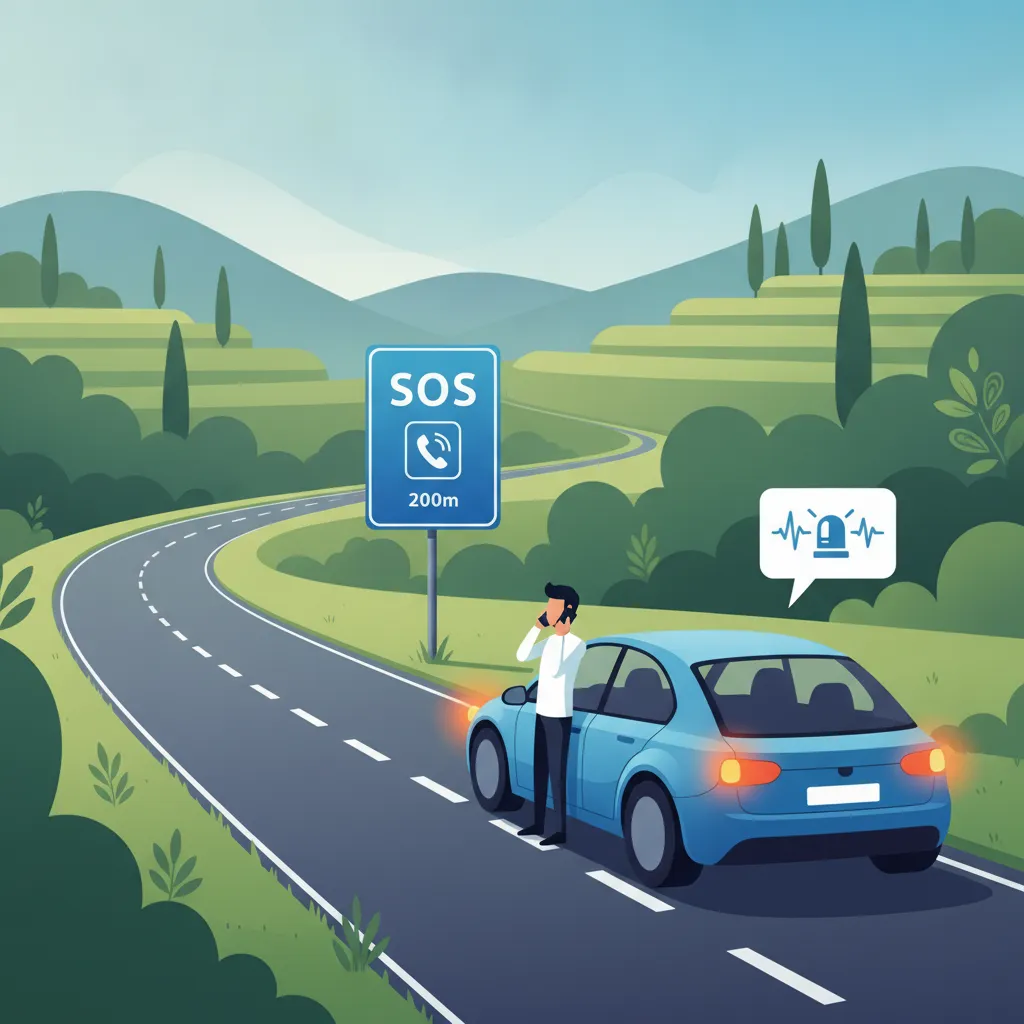
This lesson outlines the proper conduct when encountering emergency vehicles on the road or interacting with responders at an incident. It details the rules for yielding the right-of-way to ambulances, police, and fire services, ensuring they have a clear path. You will also learn how to provide clear and concise information to authorities to facilitate an effective emergency response.
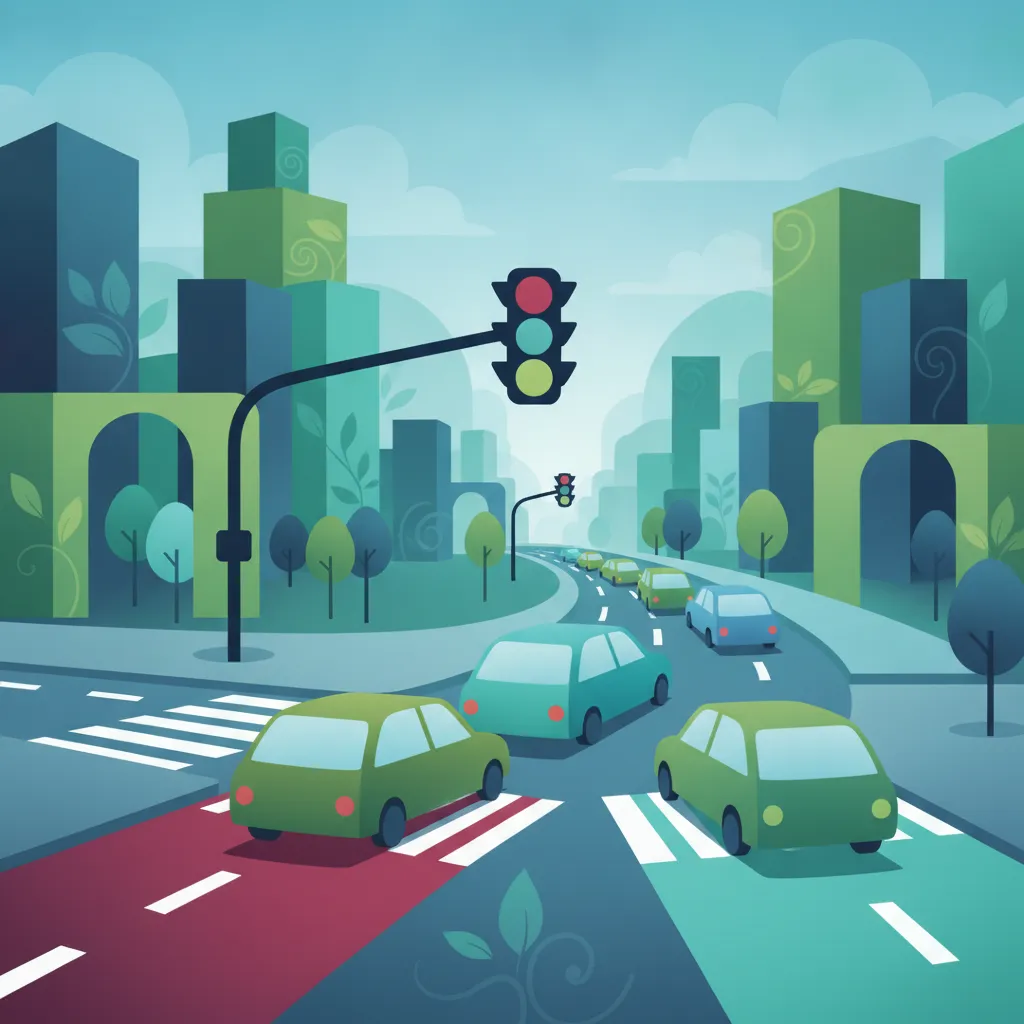
This lesson delivers a comprehensive explanation of right-of-way regulations at Italian intersections. It covers the interpretation of traffic light signals, the absolute requirement to stop at stop signs, and yielding at give-way signs. Furthermore, it details the default priority rules for unmarked intersections and the specific obligations a rider has towards pedestrians on crossings.
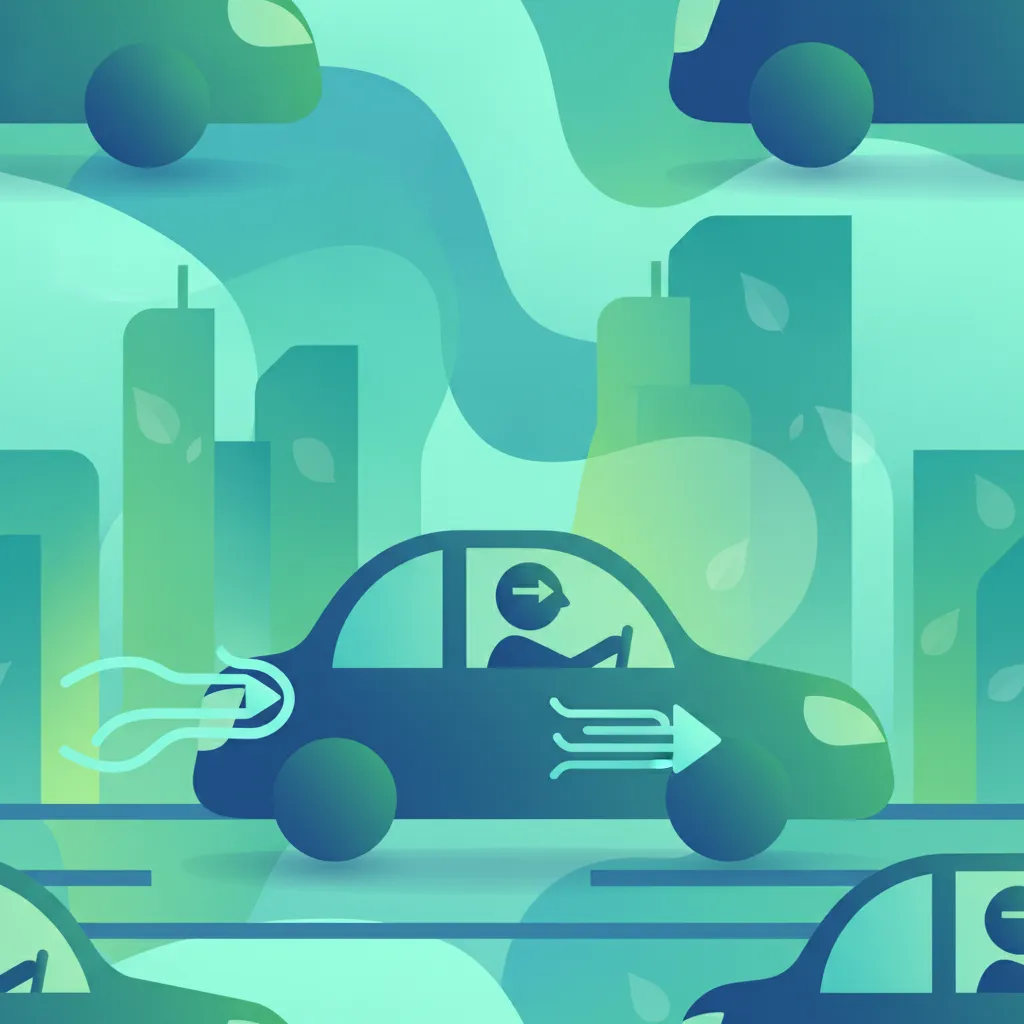
This lesson provides detailed instruction on performing effective shoulder checks to supplement mirror use, ensuring a clear path before turning or changing lanes. It covers the proper and timely use of electronic indicators and hand signals to communicate your intentions to other drivers. Correct signaling is crucial for preventing misunderstandings and collisions on the road.
This lesson focuses on the vital systems for visibility and communication: mirrors, lighting, and signals. It provides instruction on the proper adjustment of mirrors to minimize blind spots and the correct use of headlamps, indicators, and brake lights as per Italian regulations. The content underscores how maintaining these systems in full working order is crucial for being seen and signalling intentions clearly in traffic.
This lesson is dedicated to warning signs, which are designed to alert drivers to potential dangers or changes in road conditions ahead. It covers the interpretation of signs indicating sharp bends, steep inclines or declines, slippery surfaces, and the potential presence of animals or pedestrians. Understanding these signs allows drivers to anticipate hazards and adjust their speed and driving style accordingly for safety.
This lesson provides essential rules and techniques for driving on Italian motorways (autostrade) and major extra-urban roads. It explains how to safely merge onto the motorway from an entry ramp, the strict lane discipline required (drive right, overtake left), and how to exit correctly. The content also covers speed regulations, maintaining a safe following distance at high speed, and procedures for using service areas and handling emergencies.
Learn how non-verbal cues like eye contact, nods, and gestures enhance communication and cooperation on Italian roads. Understand their importance in preventing misunderstandings and fostering a safer, more polite driving environment.
This lesson focuses on non-verbal communication techniques essential for safe riding. It covers how to use eye contact, headlights, and hand signals to convey intentions to drivers, pedestrians, and cyclists. Understanding how to interact and negotiate space in traffic through clear communication helps prevent accidents and promotes a smoother traffic flow.
This lesson details the proper and legal application of a vehicle's horn, lights, and signals as primary communication tools. It explains the specific circumstances for using high beams, low beams, and fog lights to maximize visibility without dazzling other drivers. The content also clarifies the rules for using the horn, turn indicators, and hazard lights to signal intentions, warn of danger, or indicate an emergency situation.

This lesson explains how motorcyclists can effectively communicate their intentions to other road users beyond just using indicators. It covers the use of deliberate body language, clear hand signals, and strategic lane positioning to make actions predictable and reduce ambiguity. Establishing eye contact with other drivers is also highlighted as a powerful tool for confirming that you have been seen and understood.

This lesson introduces the philosophy and techniques of defensive driving, a proactive approach focused on anticipating and mitigating potential hazards. It teaches drivers to maintain constant situational awareness by scanning the road ahead, behind, and to the sides. The content covers how to manage the space around the vehicle, identify potential escape routes, and predict the actions of other road users to prevent dangerous situations from developing.
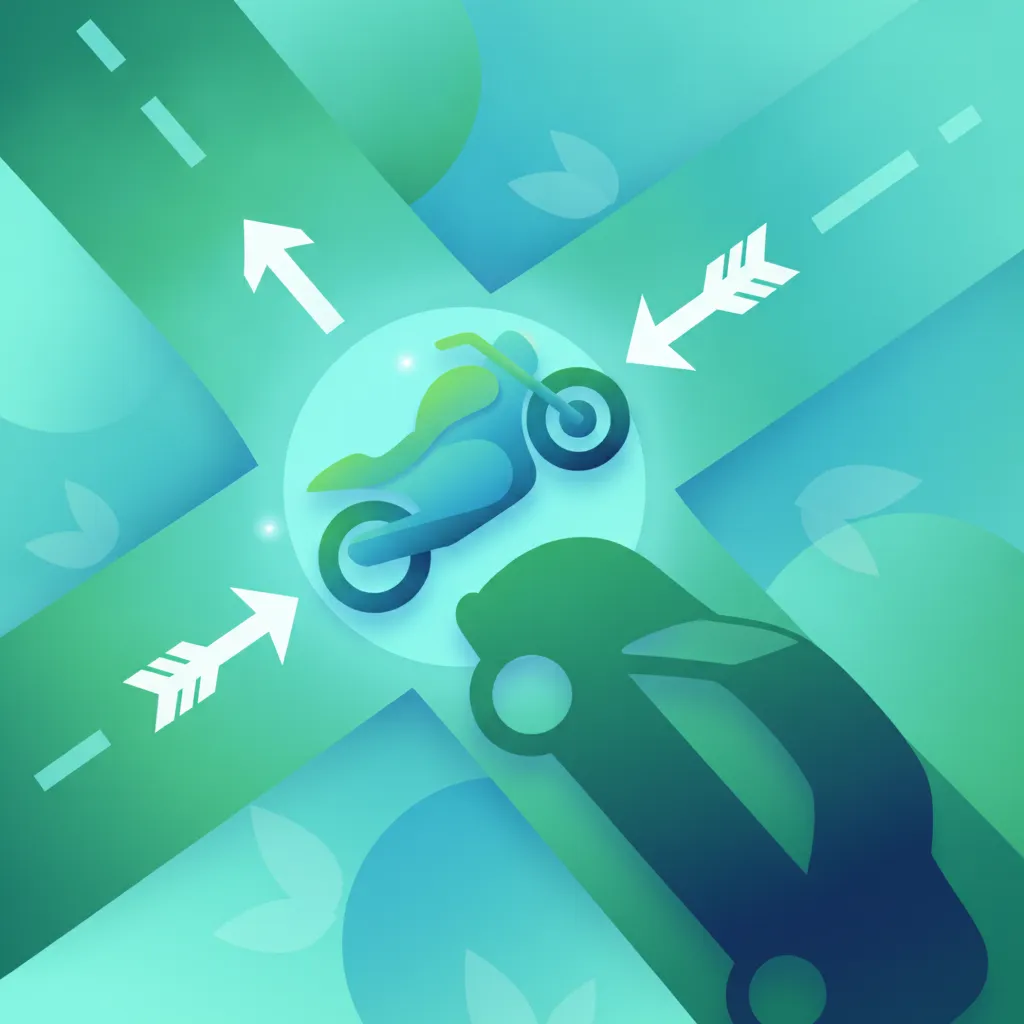
This lesson focuses on the crucial rule for navigating uncontrolled intersections in Italy: yielding to vehicles approaching from the right (precedenza a destra). It explains how to apply this default rule when no signs or signals are present to direct traffic flow. Learners will understand how to approach these junctions with caution, assess traffic, and proceed safely, while also learning about the few exceptions to this rule.
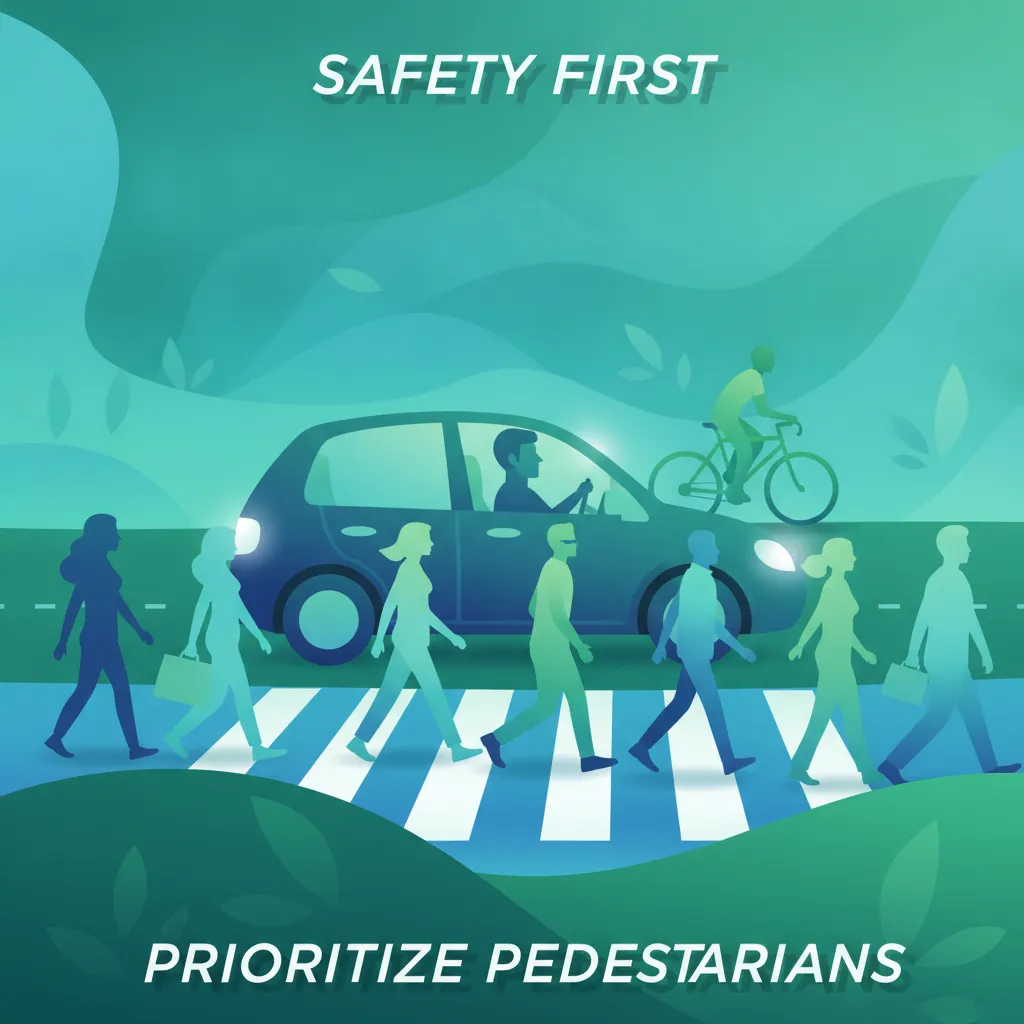
This lesson provides critical guidance on how to safely share the road with vulnerable users, including pedestrians, cyclists, motorcyclists, and children. It highlights the importance of increased awareness in specific areas like school zones and crosswalks. The content teaches techniques for maintaining a safe lateral distance when overtaking, checking blind spots thoroughly, and anticipating the often unpredictable movements of these users.
This lesson is dedicated to warning signs, which are designed to alert drivers to potential dangers or changes in road conditions ahead. It covers the interpretation of signs indicating sharp bends, steep inclines or declines, slippery surfaces, and the potential presence of animals or pedestrians. Understanding these signs allows drivers to anticipate hazards and adjust their speed and driving style accordingly for safety.
This lesson explains the critical importance of a continuous and systematic visual scan for maintaining 360-degree awareness around the vehicle. It details the correct technique for using interior and exterior mirrors in conjunction with direct vision and shoulder checks to effectively identify hazards. The content emphasizes the need to be aware of blind spots before any maneuver, such as changing lanes or turning.
This lesson delivers a comprehensive explanation of right-of-way regulations at Italian intersections. It covers the interpretation of traffic light signals, the absolute requirement to stop at stop signs, and yielding at give-way signs. Furthermore, it details the default priority rules for unmarked intersections and the specific obligations a rider has towards pedestrians on crossings.
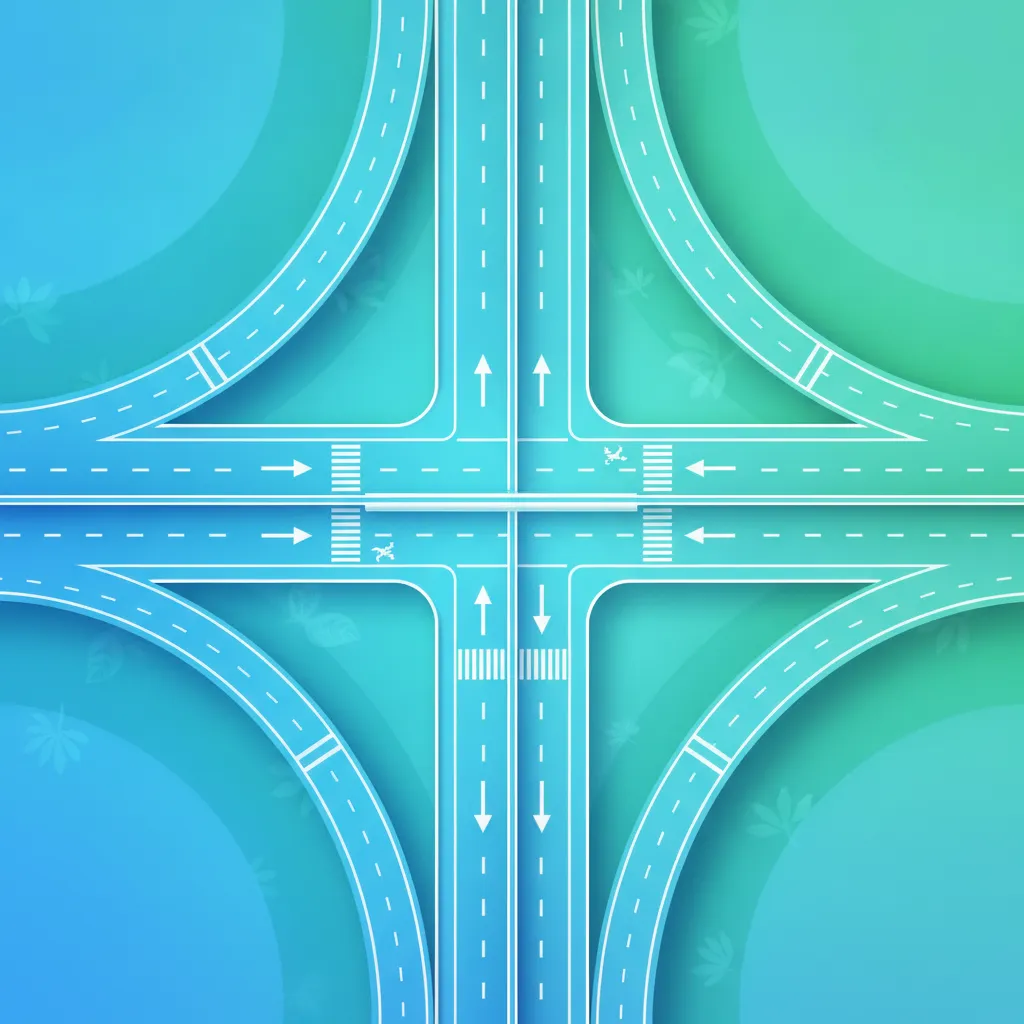
This lesson provides a detailed guide to understanding road markings and pavement symbols in Italy. It explains the critical difference between continuous and broken lane lines regarding overtaking, the function of stop lines and yield markings at intersections, and the meaning of directional arrows painted in lanes. The content also covers markings for pedestrian crossings, bus lanes, and designated parking areas.
Find clear answers to common questions learners have about Communication and Cooperative Behaviour. Learn how the lesson is structured, which driving theory objectives it supports, and how it fits into the overall learning path of units and curriculum progression in Italy. These explanations help you understand key concepts, lesson flow, and exam focused study goals.
The horn should only be used as a warning to prevent immediate danger or in emergency situations. In urban areas, it is generally prohibited unless strictly necessary to avoid an accident.
Hazard lights are specifically for signaling a danger to other drivers, such as a breakdown or sudden traffic obstruction. Using them while double-parking or for other non-emergency stops is a common violation.
Clear signals and positioning help other drivers understand your intentions. When signs are missing, cooperative behaviour, such as making eye contact and signalling early, is essential for safety.
The theory exam often tests your ability to recognize that driving is a social activity. Understanding that gestures and eye contact aid predictability helps in answering questions about safe driving and hazard prevention.
Start searching now to pinpoint exactly which Italian driving theory topics, road signs, or traffic rules you need to master. Use our advanced filters to build a custom practice session and ensure you're fully prepared for every aspect of your official driving licence exam.