
This lesson covers the critical communication tools every driver must use to interact safely with others on the road. Understanding when and how to use your horn, lights, and signals is essential for preventing accidents and is a frequent topic in the Italian Patente B theory exam.
Lesson content overview
Effective communication is the cornerstone of safe driving. As you prepare for your Italian Patente B theory test, understanding the proper and legal use of your vehicle's horn, lights, and signals is paramount. These devices are your primary tools for interacting with other road users, conveying your intentions, warning of potential dangers, and ensuring your visibility in various conditions. This comprehensive guide delves into the specific regulations and best practices outlined in the Codice della Strada (Italian Highway Code) to help you become a confident and responsible driver.
The Codice della Strada explicitly defines when and how drivers must use their vehicle's signaling devices. These rules are not merely suggestions; they are legal obligations designed to prevent accidents, enhance traffic flow, and ensure all road users can anticipate each other's actions. Mastering these communication tools reduces ambiguity on the road, allowing you to interact safely with other vehicles, cyclists, and pedestrians. Correct signaling is a fundamental aspect of cooperative driving, especially crucial in Italy's diverse road environments, from bustling urban centers to high-speed motorways.
The horn is an acoustic device intended to alert other road users of your presence or an imminent danger. Its use is strictly regulated to prevent noise pollution and ensure it serves its intended safety purpose, rather than being used for non-essential communication or expressing frustration.
According to the Codice della Strada, the horn should be used briefly and only when absolutely necessary to prevent danger. This includes situations where:
There are specific situations where using the horn is forbidden or highly discouraged:
Using the horn inappropriately can lead to fines and is considered a violation of traffic regulations in Italy. Always ensure your horn use is brief, justified, and aimed solely at preventing danger.
Vehicle lights are indispensable for safe driving, serving to illuminate the road ahead and ensure your vehicle is visible to others, especially in low-light conditions or adverse weather. Correct usage of headlights, high beams, and fog lights is critical to maximizing your visibility without dazzling other drivers.
Low beam headlights, known as "anabbaglianti" in Italian, project a wide, low-intensity beam that illuminates the road directly in front of your vehicle without causing glare for oncoming traffic.
The primary headlight setting for night driving, providing a low, wide illumination pattern that brightens the road ahead without dazzling oncoming drivers.
When to Use Low Beams:
High beam headlights, or "abbaglianti," emit a powerful, long-range beam designed to illuminate the road much further ahead. They are intended for maximum visibility but must be used with extreme caution to avoid dazzling other drivers.
A headlight setting that provides a brighter, longer-range illumination, significantly enhancing visibility on very dark roads.
When to Use High Beams:
When to Dim High Beams (Passare agli Anabbaglianti):
It is a legal requirement and crucial for safety to switch from high beams to low beams (dim them) in the following situations:
Practice the habit of automatically switching to low beams as soon as you detect any light from an approaching vehicle or the taillights of a vehicle ahead. This quick reaction is vital for road safety.
Fog lights are specialized lights designed to improve visibility in severe adverse weather conditions such as dense fog, heavy rain, or thick snow. They are mounted low on the vehicle and emit a wide, flat beam that cuts through fog more effectively than standard headlights, minimizing reflective glare.
Front Fog Lights:
Rear Fog Lights:
Using fog lights, especially rear fog lights, in clear weather is illegal and dangerous. It creates unnecessary glare for other road users and can result in fines. Always switch them off once the adverse conditions have passed.
Turn indicators and hazard warning lights are essential visual communication tools that convey your immediate intentions or alert others to an emergency situation.
Turn indicators, commonly known as "frecce" in Italy, are flashing lights on the sides of your vehicle that signal your intention to turn, change lanes, or merge.
When to Use Turn Indicators:
Luminous devices on a vehicle that flash to signal a driver’s intention to turn, change lanes, or execute other maneuvers.
Key Rules for Turn Indicators:
Hazard warning lights, or "quattro frecce" (four arrows), activate all four turn indicators simultaneously, causing them to flash together. They are used to signal that your vehicle poses a temporary hazard to other road users.
When to Use Hazard Lights:
Dual flashing lights (all turn indicators simultaneously) indicating a vehicle is stopped or moving extremely slowly due to an emergency or breakdown, warning other road users of a potential hazard.
Prohibited Hazard Light Usage:
A common misunderstanding is using hazard lights on a motorway while driving slowly in congested traffic. This is generally prohibited in Italy unless the vehicle is effectively stopped or moving at an extremely reduced speed (e.g., bumper-to-bumper standstill). Driving at 30-40 km/h in traffic with hazard lights on is illegal and misleading.
Vehicle lighting systems are designed with specific light intensities and beam angles to ensure optimal illumination without causing excessive glare. Manufacturers adhere to strict regulatory standards to ensure that headlights provide an adequate spread of light for the driver while minimizing blinding effects for others. Regular maintenance of your vehicle's lighting system, including ensuring proper alignment, is essential for both your safety and that of other road users.
The correct use of your vehicle's horn, lights, and signals is highly dependent on environmental and traffic conditions. A responsible driver constantly assesses these variables and adjusts their signaling accordingly.
When interacting with pedestrians, cyclists, or motorcyclists, your signaling choices become even more critical:
Ignoring or misusing signaling devices is not only illegal but also significantly increases the risk of accidents. Here are some common violations:
Understanding and correctly applying these rules will make you a safer, more predictable, and more responsible driver, ready for the challenges of Italian roads and your Patente B examination.
This lesson covers the legal and safe use of vehicle horns, lights, and signals as required by the Codice della Strada for the Patente B exam. Drivers must use the horn only for brief warnings to prevent danger, never as a social gesture. Low beams are the default setting for night driving, tunnels, and adverse weather, while high beams are reserved for unlit open roads and must be dimmed within 150 metres of other traffic. Fog lights serve specific visibility thresholds and must be switched off once conditions improve. Turn indicators must be activated at least 30 metres before any manoeuvre and kept on throughout, while hazard lights are strictly for emergencies when stationary or moving extremely slowly. Proper signaling adapts to weather, time of day, road type, and the presence of vulnerable road users.
A short set of high-value points that capture the most important learning from this lesson.
The horn is strictly for preventing danger, not for greetings, impatience, or thanks, and is prohibited in residential areas at night
Low beams (anabbaglianti) are your default setting: mandatory at night, in tunnels, in adverse weather, and when following or approaching other vehicles within 150m
High beams (abbaglianti) must always be dimmed to low beams when an oncoming vehicle or vehicle ahead is within approximately 150 metres
Fog lights are conditional: front fog lights when visibility drops below 100m, rear fog lights when below 50m, and must be switched off immediately when conditions improve
Hazard lights (quattro frecce) are strictly for stationary emergencies or extremely slow movement; using them while driving at normal speed is illegal and misleading
Explore all units and lessons included in this driving theory course.
150 metres is the critical distance for dimming high beams and using low beams when following or approaching other traffic
30 metres before a turn, you must activate your turn indicator and keep it on throughout the entire manoeuvre
Rear fog lights must be switched off as soon as visibility exceeds 50m; leaving them on in clear conditions causes dangerous glare
Horn use is forbidden as a greeting, to express anger, or to thank someone, and restricted in built-up areas at night
Hazard lights signal an emergency stop or breakdown, never normal driving maneuvers or illegal parking
Using the horn to greet someone or express frustration instead of reserving it strictly for imminent danger prevention
Failing to dim high beams when an oncoming vehicle appears within 150 metres, causing dangerous glare
Leaving rear fog lights on in clear weather, creating extreme dazzle for drivers behind and risking fines
Using hazard lights while driving at normal speed on motorways, which misleads other drivers into thinking there is an emergency
Neglecting to cancel turn indicators after completing a manoeuvre, confusing other road users about your intentions
Lesson content overview
A short set of high-value points that capture the most important learning from this lesson.
The horn is strictly for preventing danger, not for greetings, impatience, or thanks, and is prohibited in residential areas at night
Low beams (anabbaglianti) are your default setting: mandatory at night, in tunnels, in adverse weather, and when following or approaching other vehicles within 150m
High beams (abbaglianti) must always be dimmed to low beams when an oncoming vehicle or vehicle ahead is within approximately 150 metres
Fog lights are conditional: front fog lights when visibility drops below 100m, rear fog lights when below 50m, and must be switched off immediately when conditions improve
Hazard lights (quattro frecce) are strictly for stationary emergencies or extremely slow movement; using them while driving at normal speed is illegal and misleading
Explore all units and lessons included in this driving theory course.
150 metres is the critical distance for dimming high beams and using low beams when following or approaching other traffic
30 metres before a turn, you must activate your turn indicator and keep it on throughout the entire manoeuvre
Rear fog lights must be switched off as soon as visibility exceeds 50m; leaving them on in clear conditions causes dangerous glare
Horn use is forbidden as a greeting, to express anger, or to thank someone, and restricted in built-up areas at night
Hazard lights signal an emergency stop or breakdown, never normal driving maneuvers or illegal parking
Using the horn to greet someone or express frustration instead of reserving it strictly for imminent danger prevention
Failing to dim high beams when an oncoming vehicle appears within 150 metres, causing dangerous glare
Leaving rear fog lights on in clear weather, creating extreme dazzle for drivers behind and risking fines
Using hazard lights while driving at normal speed on motorways, which misleads other drivers into thinking there is an emergency
Neglecting to cancel turn indicators after completing a manoeuvre, confusing other road users about your intentions
Explore search topics learners often look for when studying Use of Horn, Lights, and Signals. These topics reflect common questions about road rules, driving situations, safety guidance, and lesson level theory preparation for learners in Italy.
Browse additional driving theory lessons that cover connected traffic rules, road signs, and common driving situations related to this topic. Improve your understanding of how different rules interact across everyday traffic scenarios.
Explore advanced scenarios and specific regulations for using vehicle horns, lights, and signals according to the Italian Codice della Strada. Understand complex situations and potential pitfalls for the Patente B exam.
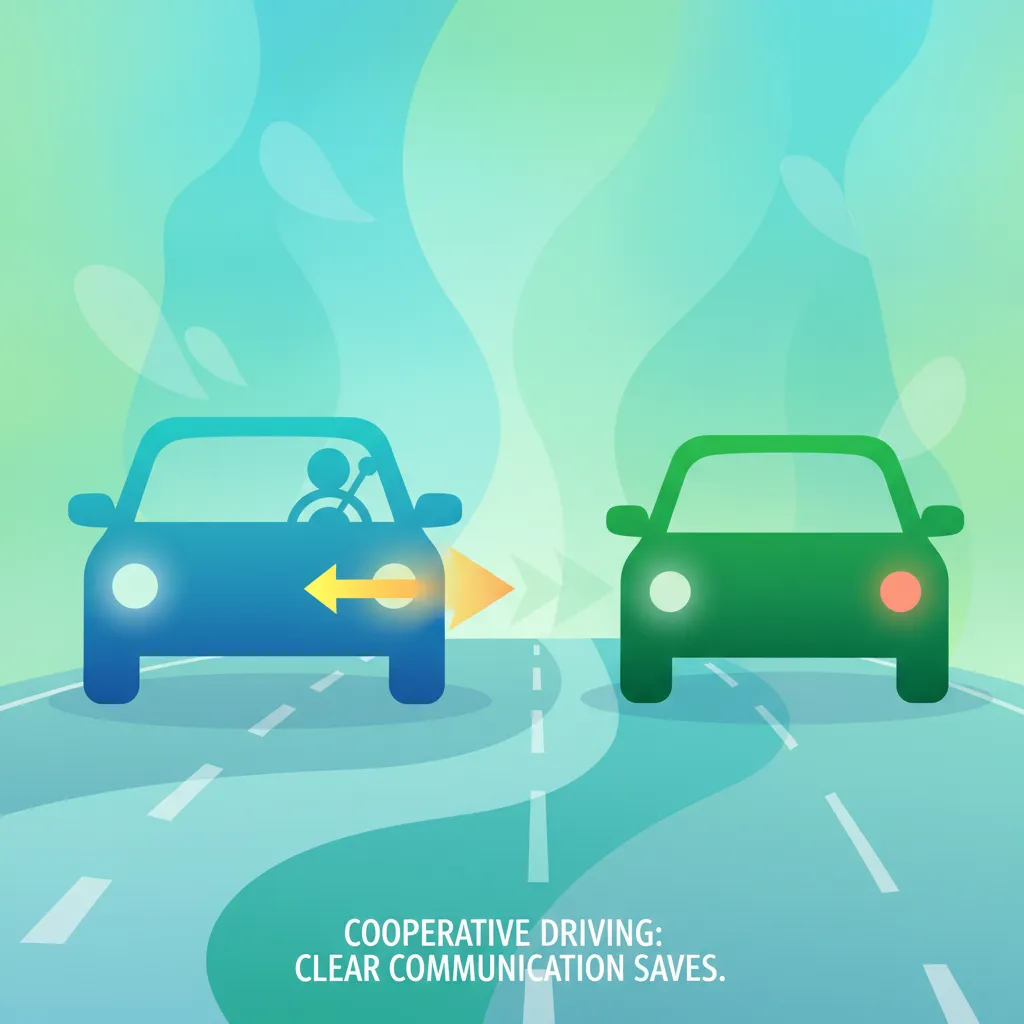
This lesson emphasizes the importance of clear communication and cooperative behavior among all road users to prevent conflicts and enhance safety. It details the proper and legal use of vehicle signals, such as turn indicators and hazard lights, as well as the appropriate use of the horn. The content also explores the role of non-verbal cues like eye contact and courtesy gestures in creating a predictable and safe driving environment.
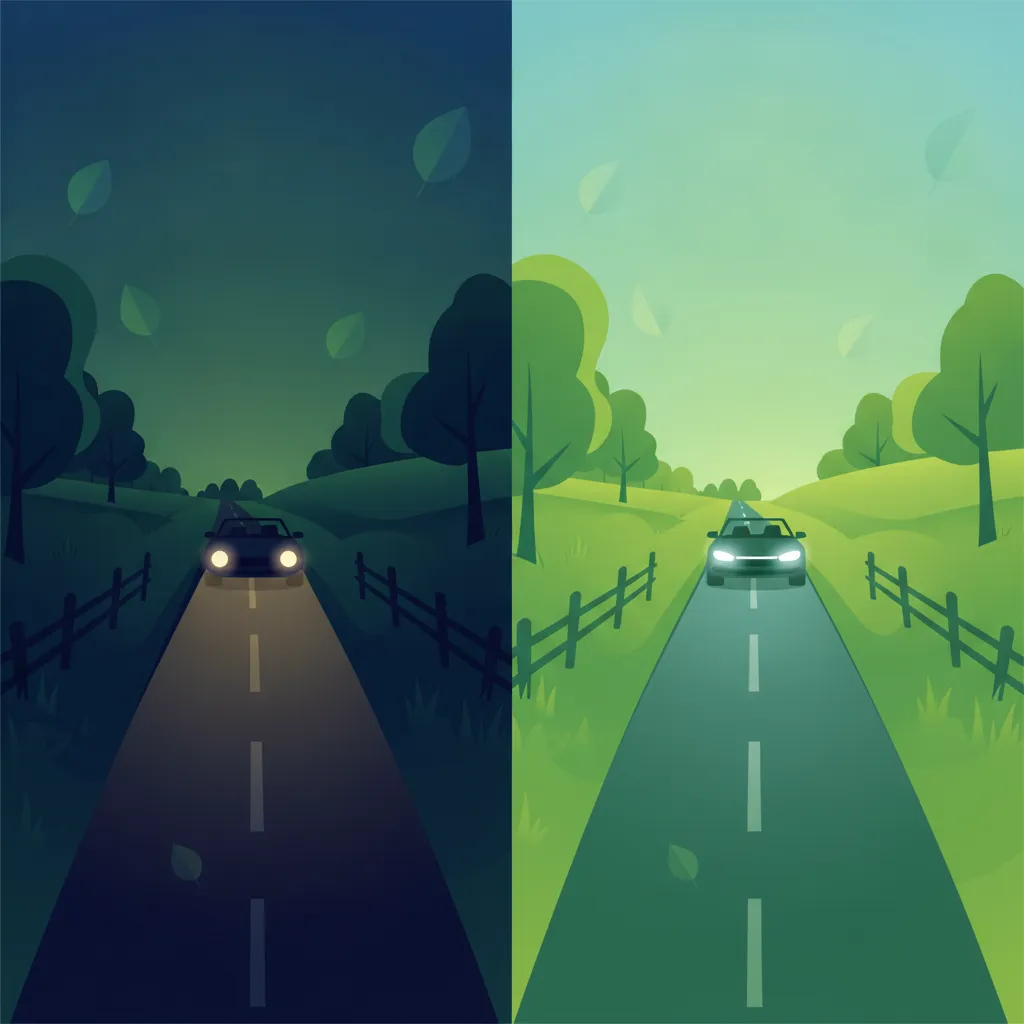
This lesson provides a comprehensive guide to a vehicle's lighting systems and their correct use according to the Codice della Strada. It explains the functions of low beams, high beams, fog lights, and daytime running lights, detailing when each should be used to ensure visibility for the driver and by other road users. Proper use of lighting is critical for safety during night driving and in conditions of poor visibility.
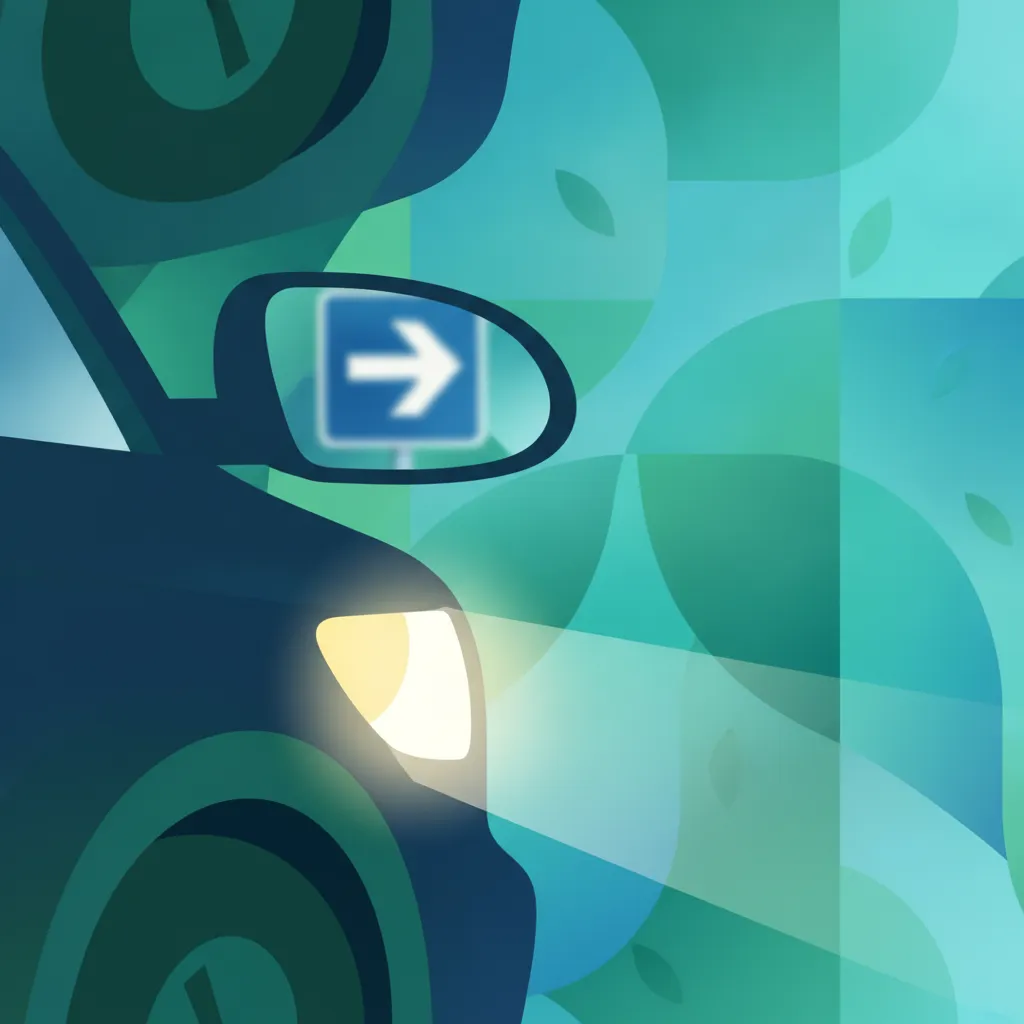
This lesson focuses on the vital systems for visibility and communication: mirrors, lighting, and signals. It provides instruction on the proper adjustment of mirrors to minimize blind spots and the correct use of headlamps, indicators, and brake lights as per Italian regulations. The content underscores how maintaining these systems in full working order is crucial for being seen and signalling intentions clearly in traffic.
This lesson explains the function of Italian traffic light systems and the meaning of various road markings. You will learn the rules for red, amber, and green signals, including flashing lights and directional arrows. It also covers how to interpret lane lines, stop lines, and other surface markings that dictate correct vehicle positioning and movement.
This lesson covers the complete set of lighting, reflective equipment, and protective guards mandated for heavy vehicles. It explains the function of each light, from headlights to side markers, and the importance of keeping them clean and operational to ensure the vehicle is visible to others. The lesson also details the legal requirements and safety purpose of side guards and rear underrun protection, which are designed to protect vulnerable road users in a collision.
This lesson delivers a comprehensive explanation of right-of-way regulations at Italian intersections. It covers the interpretation of traffic light signals, the absolute requirement to stop at stop signs, and yielding at give-way signs. Furthermore, it details the default priority rules for unmarked intersections and the specific obligations a rider has towards pedestrians on crossings.

This lesson reinforces the correct procedures for interacting with emergency vehicles that are responding to a call with sirens and lights active. It explains the legal obligation to yield the right-of-way by safely moving to the side of the road and stopping if necessary. The content emphasizes making smooth, predictable movements to create a clear path, allowing emergency responders to proceed without delay.

This lesson focuses on the specific regulations and techniques for operating a heavy vehicle on high-speed motorways. It covers mandatory lane discipline for trucks, the rules governing overtaking other heavy vehicles, and the specific speed limits that apply. Best practices for merging onto and exiting the motorway, maintaining safe following distances, and using the hard shoulder only in genuine emergencies are also detailed.
This lesson is dedicated to warning signs, which are designed to alert drivers to potential dangers or changes in road conditions ahead. It covers the interpretation of signs indicating sharp bends, steep inclines or declines, slippery surfaces, and the potential presence of animals or pedestrians. Understanding these signs allows drivers to anticipate hazards and adjust their speed and driving style accordingly for safety.

This lesson clarifies the special priority rules for emergency vehicles and public transport. It explains the legal obligation to safely pull over and clear a path for any vehicle with active sirens and flashing lights. The content also details the absolute right-of-way that trams have in most situations and the requirement to yield to public buses signaling to pull out from a stop.
Learn about frequent errors and legal misunderstandings related to using vehicle horns, turn indicators, and various lights in Italy. Avoid penalties and ensure safe communication with other road users.
This lesson emphasizes the importance of clear communication and cooperative behavior among all road users to prevent conflicts and enhance safety. It details the proper and legal use of vehicle signals, such as turn indicators and hazard lights, as well as the appropriate use of the horn. The content also explores the role of non-verbal cues like eye contact and courtesy gestures in creating a predictable and safe driving environment.
This lesson focuses on the vital systems for visibility and communication: mirrors, lighting, and signals. It provides instruction on the proper adjustment of mirrors to minimize blind spots and the correct use of headlamps, indicators, and brake lights as per Italian regulations. The content underscores how maintaining these systems in full working order is crucial for being seen and signalling intentions clearly in traffic.
This lesson provides a comprehensive guide to a vehicle's lighting systems and their correct use according to the Codice della Strada. It explains the functions of low beams, high beams, fog lights, and daytime running lights, detailing when each should be used to ensure visibility for the driver and by other road users. Proper use of lighting is critical for safety during night driving and in conditions of poor visibility.
This lesson explains the function of Italian traffic light systems and the meaning of various road markings. You will learn the rules for red, amber, and green signals, including flashing lights and directional arrows. It also covers how to interpret lane lines, stop lines, and other surface markings that dictate correct vehicle positioning and movement.

This lesson focuses on non-verbal communication techniques essential for safe riding. It covers how to use eye contact, headlights, and hand signals to convey intentions to drivers, pedestrians, and cyclists. Understanding how to interact and negotiate space in traffic through clear communication helps prevent accidents and promotes a smoother traffic flow.
This lesson covers the complete set of lighting, reflective equipment, and protective guards mandated for heavy vehicles. It explains the function of each light, from headlights to side markers, and the importance of keeping them clean and operational to ensure the vehicle is visible to others. The lesson also details the legal requirements and safety purpose of side guards and rear underrun protection, which are designed to protect vulnerable road users in a collision.
This lesson is dedicated to warning signs, which are designed to alert drivers to potential dangers or changes in road conditions ahead. It covers the interpretation of signs indicating sharp bends, steep inclines or declines, slippery surfaces, and the potential presence of animals or pedestrians. Understanding these signs allows drivers to anticipate hazards and adjust their speed and driving style accordingly for safety.

This lesson explains how motorcyclists can effectively communicate their intentions to other road users beyond just using indicators. It covers the use of deliberate body language, clear hand signals, and strategic lane positioning to make actions predictable and reduce ambiguity. Establishing eye contact with other drivers is also highlighted as a powerful tool for confirming that you have been seen and understood.
This lesson delivers a comprehensive explanation of right-of-way regulations at Italian intersections. It covers the interpretation of traffic light signals, the absolute requirement to stop at stop signs, and yielding at give-way signs. Furthermore, it details the default priority rules for unmarked intersections and the specific obligations a rider has towards pedestrians on crossings.
This lesson provides detailed instruction on performing effective shoulder checks to supplement mirror use, ensuring a clear path before turning or changing lanes. It covers the proper and timely use of electronic indicators and hand signals to communicate your intentions to other drivers. Correct signaling is crucial for preventing misunderstandings and collisions on the road.
Find clear answers to common questions learners have about Use of Horn, Lights, and Signals. Learn how the lesson is structured, which driving theory objectives it supports, and how it fits into the overall learning path of units and curriculum progression in Italy. These explanations help you understand key concepts, lesson flow, and exam focused study goals.
In urban areas, the horn should only be used in cases of immediate danger or to prevent an accident. It is prohibited to use it to signal your arrival or to express frustration with other drivers.
Yes, you must switch to low beams when meeting oncoming traffic or when following another vehicle closely to avoid dazzling other drivers, which is a major safety violation in Italy.
No, hazard lights are strictly for indicating an emergency situation, such as a vehicle breakdown or a sudden traffic queue on a motorway. They should not be used as a general indicator for parking or stopping.
The exam often tests your knowledge of signal timing—specifically when to start signaling before a turn or lane change. Failing to signal or signaling too late are common causes for failing real-world tests and theory questions.
Start searching now to pinpoint exactly which Italian driving theory topics, road signs, or traffic rules you need to master. Use our advanced filters to build a custom practice session and ensure you're fully prepared for every aspect of your official driving licence exam.