
This lesson details the specific speed restrictions for Patente AM vehicles across different Italian road environments. By mastering these limits, you will learn how to adapt your riding to traffic density and road conditions, ensuring safety and compliance during your exam and beyond.
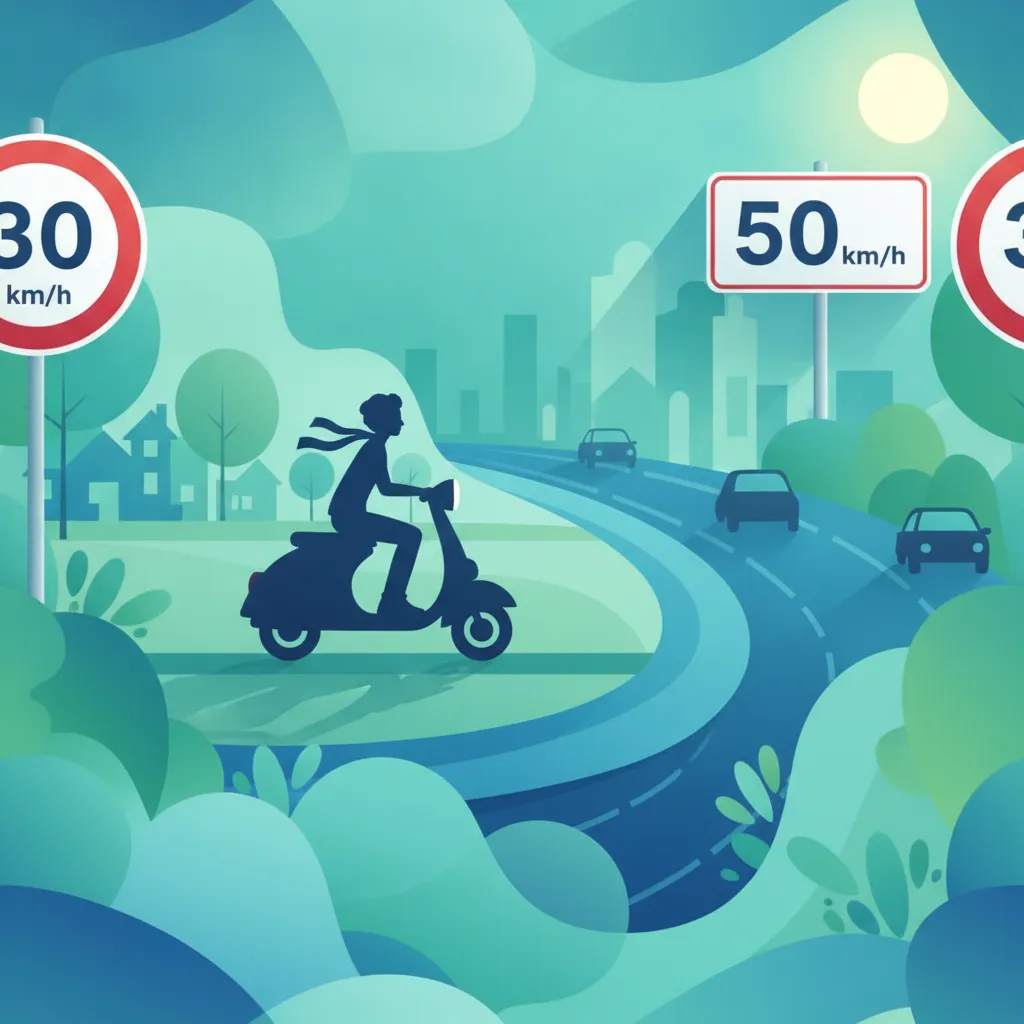
Lesson content overview
Understanding and adhering to speed limits is a foundational aspect of safe driving, particularly for those operating AM category vehicles. In Italy, specific regulations govern the maximum speeds at which mopeds, scooters, and light quadricycles can travel, varying significantly depending on the road type and zone. This lesson provides a comprehensive overview of these limits, the signage that indicates them, and the crucial importance of adapting your speed to prevailing road and weather conditions. Mastering these rules is vital not only for legal compliance but, more importantly, for ensuring your safety and the safety of other road users.
The "AM" category encompasses lightweight, low-power vehicles designed primarily for urban and local travel. These include two-wheeled mopeds, certain motor tricycles, and light quadricycles, all of which share common characteristics that dictate their specific speed regulations. By definition, AM vehicles are characterized by a maximum design speed not exceeding 45 km/h and an engine output not exceeding 0.5 kW.
Vehicles with a maximum design speed of 45 km/h and an engine power output of 0.5 kW, including mopeds, certain motor tricycles, and light quadricycles.
The inherent nature of AM vehicles—their lighter weight, smaller engines, and reduced protective structures—means they react differently to road conditions and collisions compared to larger motor vehicles. These characteristics are the primary rationale behind the specific, often lower, speed limits imposed on them. Operating within these limits helps manage kinetic energy, reduce stopping distances, and minimize the severity of potential impacts, thereby enhancing safety for the rider and vulnerable road users like pedestrians and cyclists.
Italy's road network is categorized into distinct zones, each with its own default speed limits for AM vehicles. Recognizing these zones and their corresponding restrictions is crucial for all Patente AM holders. These limits are set to reflect the typical environment, traffic mix, and potential hazards of each area.
Urban areas, also known as built-up areas or centri abitati, are characterized by a high density of buildings, frequent intersections, and significant pedestrian traffic. The default speed limit for AM vehicles in these zones is 30 km/h, unless specific signage indicates a different speed. This lower limit is designed to mitigate the risk of serious injury in the event of a collision, shorten stopping distances, and allow riders more time to react to unexpected hazards, such as pedestrians stepping onto the road or vehicles emerging from side streets.
Always be vigilant for pedestrians and cyclists in urban areas, as they are often present in high numbers and may behave unpredictably.
Within urban environments, certain areas are designated as Zone a Traffico Limitato (ZTL) or Limited Traffic Zones. These are often residential neighborhoods, historic centers, or areas with narrow streets where vehicle access is restricted, and traffic flow is intentionally reduced to enhance pedestrian safety and environmental quality. For AM vehicles permitted to enter a ZTL, the default speed limit is even lower, typically 20 km/h. This strict limit prioritizes the safety of vulnerable users, particularly children, and accommodates the often confined and complex road layouts found in these zones.
Roads located outside urban limits, often referred to as rural roads or strade extraurbane, generally have higher speed limits due to lower traffic density and fewer immediate hazards such as pedestrians. For AM vehicles, the default speed limit on these roads is 45 km/h, unless otherwise indicated by specific signage. While higher than urban limits, this speed still respects the inherent limitations of AM vehicles regarding stability, braking efficiency, and rider protection, especially considering potential uneven road surfaces or wildlife.
A critical rule for all Patente AM holders in Italy is the absolute prohibition of AM vehicles on motorways (Autostrade) and expressways (Raccordi Autostradali). These high-speed arterial roads are designed exclusively for vehicles capable of maintaining significantly higher speeds and are therefore unsafe for AM vehicles, which would pose a significant hazard to themselves and other traffic due to their lower maximum speed and acceleration.
Attempting to enter a motorway or expressway with an AM vehicle is a serious violation and highly dangerous. Always check signage carefully at motorway entries.
A multi-lane, controlled-access highway network designed for high-speed traffic, prohibited for AM vehicles.
A high-capacity road similar to a motorway, often connecting major routes, also prohibited for AM vehicles.
Accurate interpretation of road signs is paramount for adhering to speed limits. Italian signage clearly communicates the applicable restrictions, whether permanent or temporary.
Permanent speed limits are indicated by circular signs with a white background, a red border, and black numerals specifying the maximum permissible speed in kilometers per hour. These signs apply continuously until another speed limit sign or an "end of speed limit" sign is encountered.
In some cases, specific limits for certain vehicle categories might be indicated by an additional plate placed beneath the main speed limit sign. While less common for AM vehicles to have a specific lower limit explicitly stated on an additional plate (as their default limits are often lower than general ones), it is always important to observe all parts of the sign.
Temporary speed limits are crucial for managing safety during specific events or hazards. These limits are usually indicated by signs with a yellow background and black numerals. They are typically employed for:
Temporary limits always supersede permanent limits. For example, if you are on a rural road with a default 45 km/h limit, but encounter a yellow sign indicating 30 km/h due to roadworks, you must reduce your speed to 30 km/h. These signs are often accompanied by additional plates specifying the duration or distance over which the temporary limit applies.
Modern road networks, particularly on busier routes or near tunnels, utilize Variable Message Signs (VMS) or electronic boards. These signs can dynamically display changing speed limits in real-time, adapting to current traffic flow, adverse weather conditions (like fog or heavy rain), or incidents such as accidents. It is imperative for AM riders to pay close attention to VMS, as they provide critical, up-to-the-minute information that can override static signage.
Legal speed limits represent the maximum permissible speed under ideal conditions. However, a responsible Patente AM holder must always adapt their speed to prevailing conditions, reducing it below the posted limit when circumstances demand greater caution. This practice is known as "adaptive speed" and is fundamental to safe riding.
Reduced visibility significantly impacts a rider's ability to perceive hazards and react in time. Conditions such as fog, heavy rain, snowfall, or even low light at dawn or dusk necessitate a reduction in speed. The less you can see, the slower you should go. This provides a larger margin for error and allows more time to identify and respond to obstacles or changes in the road ahead.
Road surface conditions have a profound effect on a vehicle's grip and braking performance.
When riding on wet or slippery surfaces, avoid sudden braking or sharp steering inputs, as these can easily lead to a loss of control.
Even if you are within the posted speed limit, heavy traffic density might require you to slow down further. Riding too fast in congested areas increases the risk of rear-end collisions or being unable to react to sudden stops by other vehicles. Maintaining a safe following distance and adjusting your speed to flow with traffic, rather than against it, is crucial for preventing accidents.
Adhering to speed limits is not merely a recommendation; it is a mandatory legal requirement under the Italian Codice della Strada (Traffic Code). Violations carry significant penalties, including monetary fines, points deducted from your license, and in severe cases, even suspension of your Patente AM.
For example, exceeding the speed limit by even a small margin can result in a fine, while greater excesses lead to progressively harsher penalties. Ignorance of the limit is not a valid defense. Consistent respect for speed limits helps you maintain a clean driving record and, more importantly, keeps you safe on the road.
The rationale behind the specific speed limits for AM vehicles is rooted deeply in safety science and vehicle dynamics.
Adhering to speed limits is a non-negotiable aspect of responsible AM vehicle operation. Remember these core principles:
By consistently applying these rules and principles, Patente AM holders contribute significantly to their own safety and the safety of the entire road community.
This lesson covers the specific speed limits for AM category vehicles across Italian road zones: 30 km/h is the default limit in urban areas, 20 km/h applies in ZTL restricted traffic zones, and 45 km/h is permitted on rural roads outside built-up areas. AM vehicles are completely prohibited from motorways and expressways. The lesson emphasizes that posted limits represent maximum speeds under ideal conditions, and riders must adapt their speed to visibility, road surface conditions, and traffic density. Understanding permanent versus temporary signage, including yellow-background temporary signs and Variable Message Signs, is essential for both exam success and safe riding practice.
A short set of high-value points that capture the most important learning from this lesson.
AM category vehicles are limited to a maximum design speed of 45 km/h and engine output of 0.5 kW, including mopeds, motor tricycles, and light quadricycles
In Italian urban areas (centri abitati), the default speed limit for AM vehicles is 30 km/h, while ZTL zones require 20 km/h
Rural roads outside urban limits permit AM vehicles up to 45 km/h unless otherwise signed
AM vehicles are strictly prohibited from motorways (Autostrade) and expressways (Raccordi Autostradali) regardless of conditions
Speed limits represent maximums under ideal conditions; riders must always reduce speed when visibility is poor, roads are wet or icy, or traffic is dense
Explore all units and lessons included in this driving theory course.
Permanent speed limit signs are circular with a white background and red border; temporary limits use a yellow background and always override permanent ones
Variable Message Signs (VMS) display dynamic, real-time speed adjustments that supersede static signage
Stopping distance at 45 km/h is approximately 35 meters, nearly double the 20 meters needed at 30 km/h on dry roads
Wet road surfaces increase stopping distances by up to 30 percent and require significant speed reduction
Kinetic energy increases with the square of speed, meaning small speed increases create disproportionately larger impact forces
Assuming that because AM vehicles can reach 45 km/h, this speed is always permissible in urban areas where the limit is 30 km/h
Ignoring temporary yellow-background speed limit signs and continuing at the posted permanent limit during roadworks or events
Failing to check Variable Message Signs near tunnels or major routes where dynamic speed controls are in use
Believing speed limits are optional recommendations rather than mandatory legal requirements under the Codice della Strada
Not reducing speed appropriately on wet or slippery surfaces despite being below the posted limit
Lesson content overview
A short set of high-value points that capture the most important learning from this lesson.
AM category vehicles are limited to a maximum design speed of 45 km/h and engine output of 0.5 kW, including mopeds, motor tricycles, and light quadricycles
In Italian urban areas (centri abitati), the default speed limit for AM vehicles is 30 km/h, while ZTL zones require 20 km/h
Rural roads outside urban limits permit AM vehicles up to 45 km/h unless otherwise signed
AM vehicles are strictly prohibited from motorways (Autostrade) and expressways (Raccordi Autostradali) regardless of conditions
Speed limits represent maximums under ideal conditions; riders must always reduce speed when visibility is poor, roads are wet or icy, or traffic is dense
Explore all units and lessons included in this driving theory course.
Permanent speed limit signs are circular with a white background and red border; temporary limits use a yellow background and always override permanent ones
Variable Message Signs (VMS) display dynamic, real-time speed adjustments that supersede static signage
Stopping distance at 45 km/h is approximately 35 meters, nearly double the 20 meters needed at 30 km/h on dry roads
Wet road surfaces increase stopping distances by up to 30 percent and require significant speed reduction
Kinetic energy increases with the square of speed, meaning small speed increases create disproportionately larger impact forces
Assuming that because AM vehicles can reach 45 km/h, this speed is always permissible in urban areas where the limit is 30 km/h
Ignoring temporary yellow-background speed limit signs and continuing at the posted permanent limit during roadworks or events
Failing to check Variable Message Signs near tunnels or major routes where dynamic speed controls are in use
Believing speed limits are optional recommendations rather than mandatory legal requirements under the Codice della Strada
Not reducing speed appropriately on wet or slippery surfaces despite being below the posted limit
Explore search topics learners often look for when studying Speed Limits for AM Vehicles in Different Zones. These topics reflect common questions about road rules, driving situations, safety guidance, and lesson level theory preparation for learners in Italy.
Browse additional driving theory lessons that cover connected traffic rules, road signs, and common driving situations related to this topic. Improve your understanding of how different rules interact across everyday traffic scenarios.
Understand the different speed limits applicable to AM category vehicles across various Italian road zones. This lesson covers urban, residential, ZTL, and rural areas, detailing legal requirements and signage interpretation for safe operation.
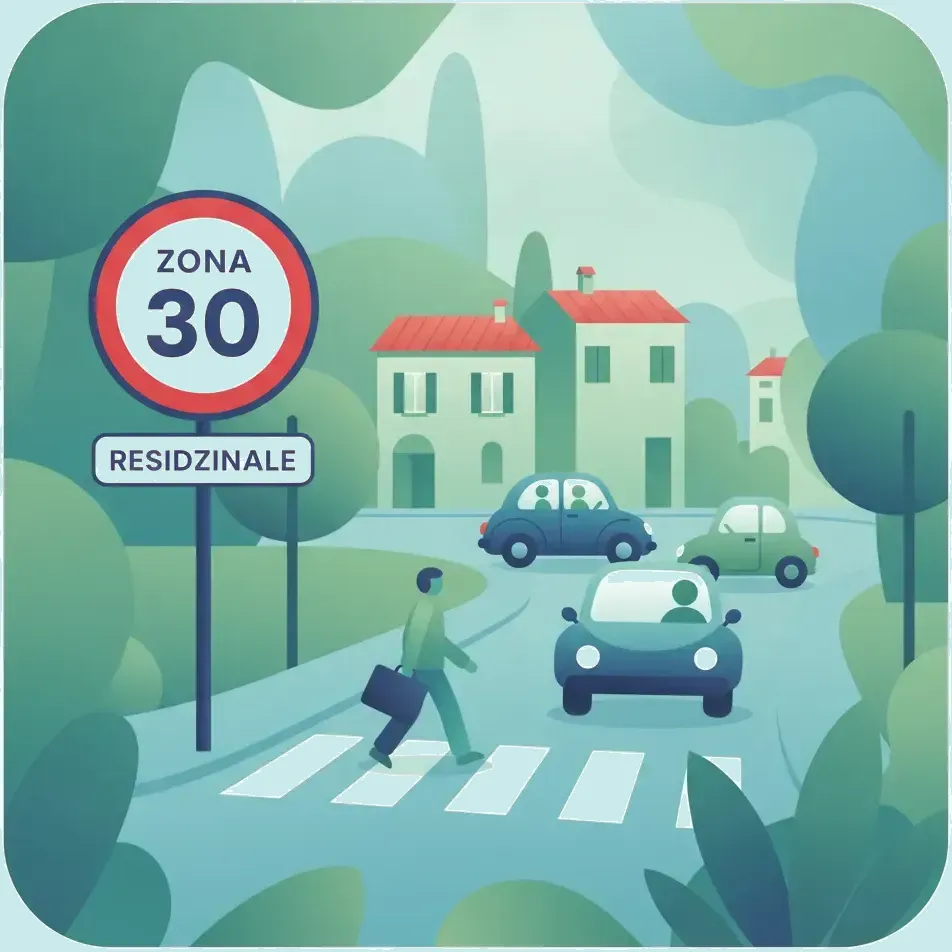
This lesson focuses on the specific signage and regulations for low-speed zones, such as "Zone 30" areas common in Italian towns. You will learn to recognize the signs that indicate reduced speed limits in residential areas, school zones, and other pedestrian-heavy environments. The content also explains various traffic calming measures and the priority rules that apply within these designated zones.
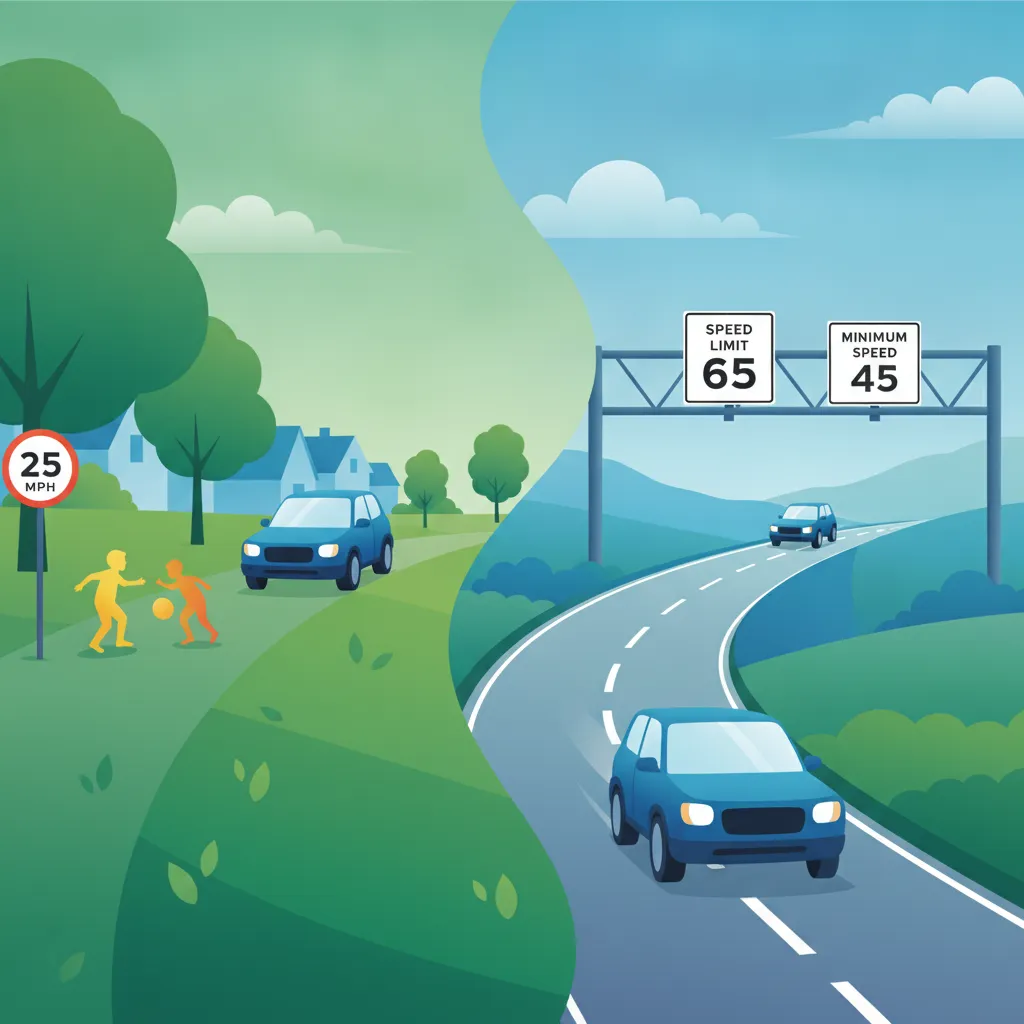
This lesson details the legal speed limits applicable to different road classifications in Italy. It covers the standard limits for urban centers, extra-urban secondary roads, main extra-urban roads, and motorways (autostrade). The content also highlights the lower speed limits that apply to beginner drivers and in specific conditions such as adverse weather or road construction zones.

This lesson focuses on the principle of 'appropriate speed' in urban environments, which often means driving slower than the legal maximum. It explains how to assess the environment for potential hazards—such as schools, parked cars, and busy intersections—and adjust speed accordingly to allow for adequate reaction time. Maintaining a safe, consistent speed reduces the need for harsh braking and contributes to a safer environment for everyone.
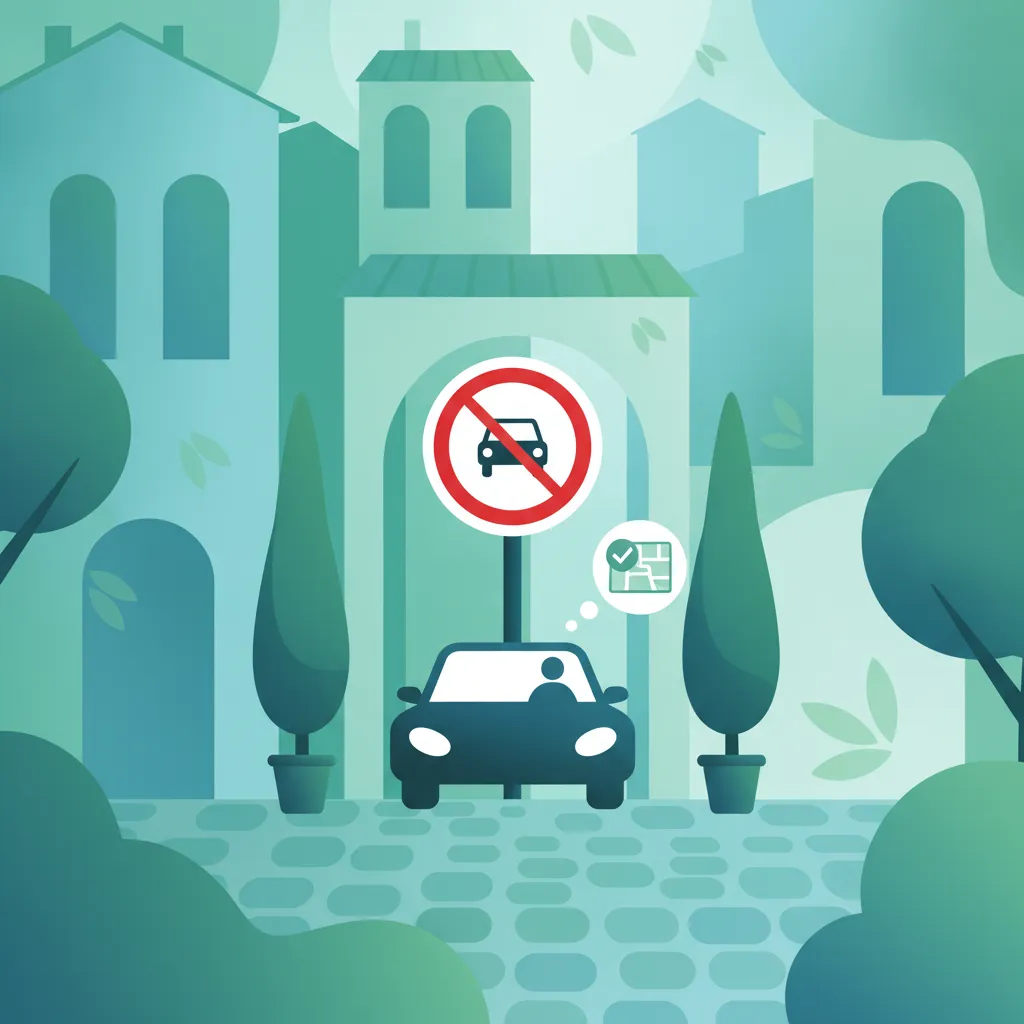
This lesson explains the concept of 'Zone a Traffico Limitato' (ZTL), common in Italian city centers, which restricts vehicle access at certain times. It covers how to identify ZTL boundaries, understand the operating hours, and the procedures for obtaining permits for commercial deliveries. The lesson also touches on environmental zones that may restrict access based on a vehicle's emission standards.
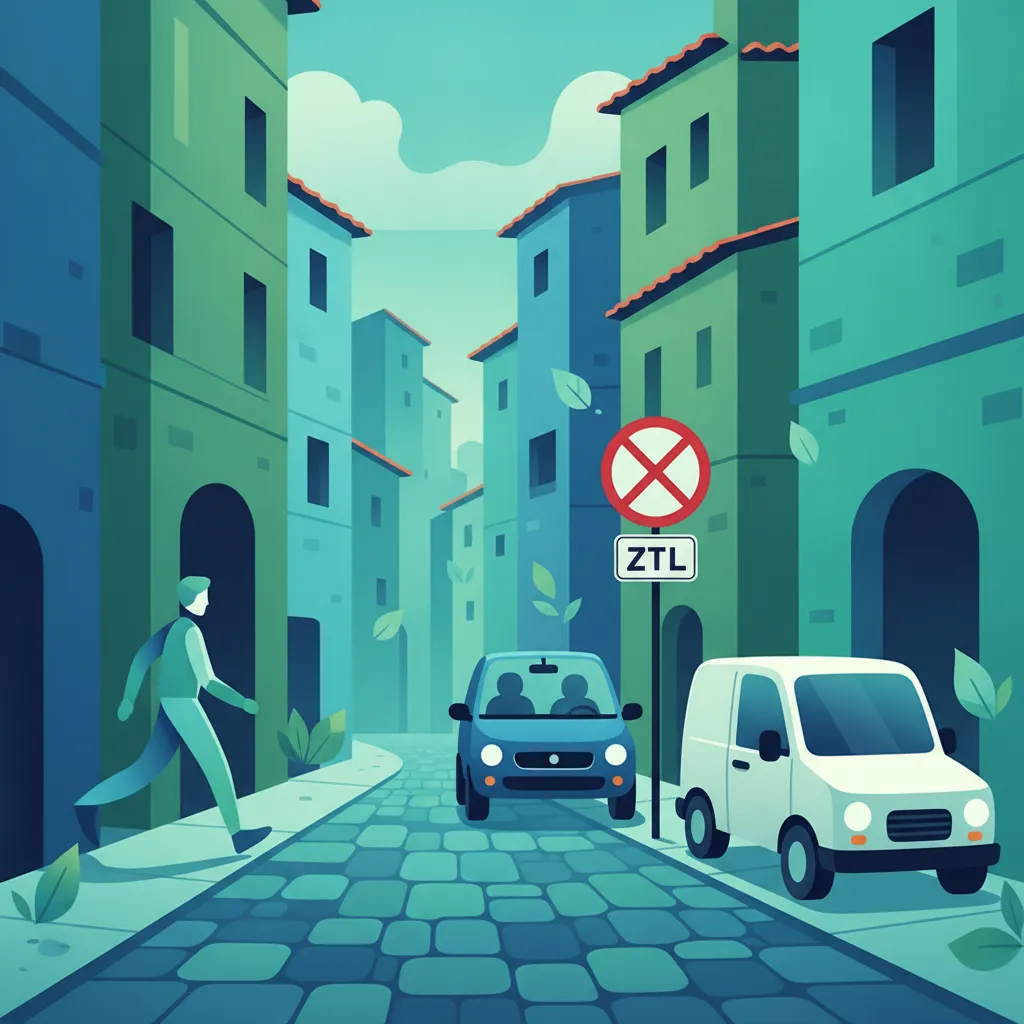
This lesson explains the rules for special urban traffic situations common in Italy. It provides a detailed explanation of Limited Traffic Zones (ZTL), including how to recognize the signage and understand the access restrictions to avoid fines. The content also offers guidance on navigating the narrow and complex streets of historic centers and safely maneuvering around frequently stopping delivery vehicles.
This lesson provides a detailed breakdown of the vehicle types authorized under the Patente AM license. You will learn to distinguish between ciclomotori, scooters, three-wheeled mopeds, and light quadricycles by their specific characteristics. Key topics include engine displacement limits, power output, and mandatory equipment like lights, mirrors, and brakes as required by Italian law.
Learn how to adjust your speed as an AM vehicle rider according to visibility, road surface conditions (wet, icy), and traffic density in Italy. Understand the critical safety reasons for adaptive speed beyond posted limits.
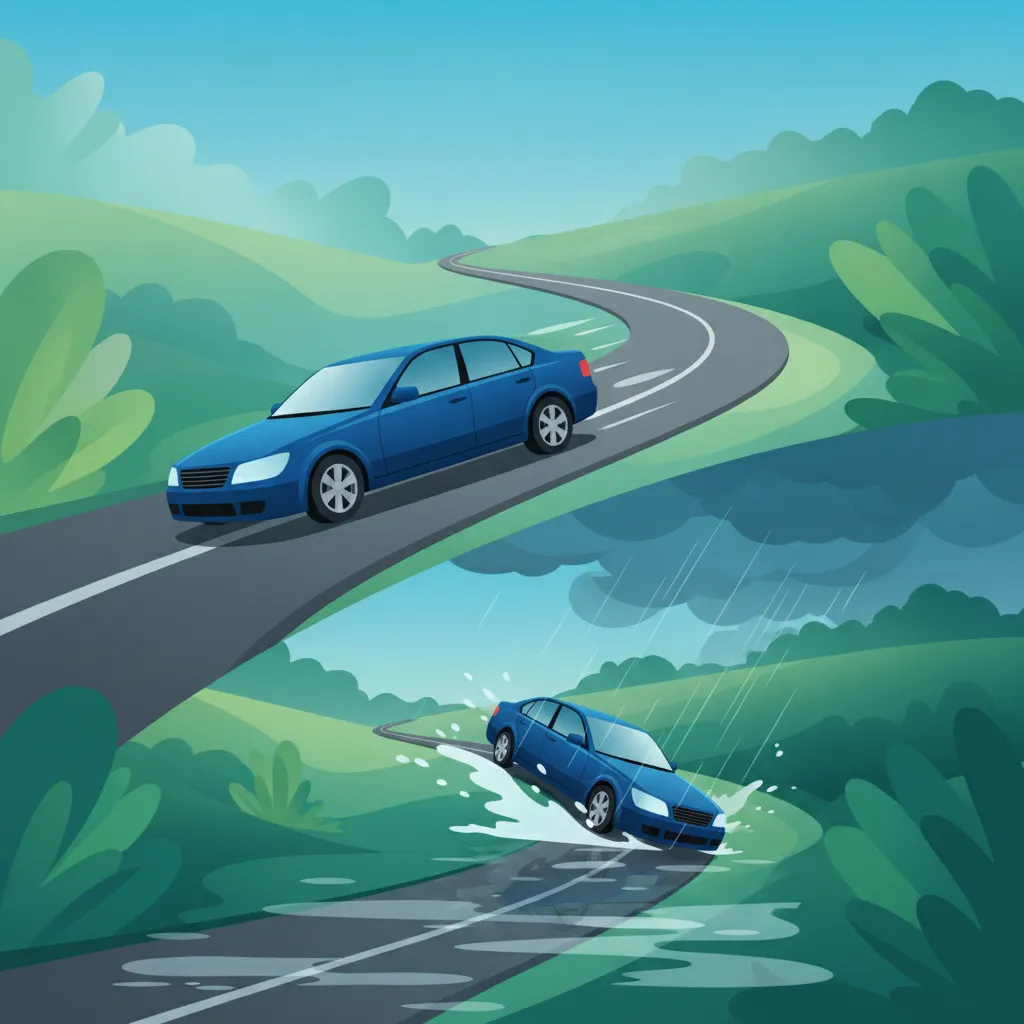
This lesson teaches the crucial skill of adapting speed to constantly changing environments, independent of the posted speed limit. It explains how to assess factors such as road surface condition, adverse weather, traffic flow, and limited visibility to determine a safe and appropriate speed. The principle taught is that the speed limit is a maximum, not a target, and responsible riding requires constant adjustment.
This lesson teaches the crucial skill of selecting a safe and appropriate speed that may be lower than the legal limit, based on prevailing conditions. It explains how to assess factors such as traffic flow, weather, visibility, and road surface quality to make prudent speed choices. The goal is to always maintain full control of the vehicle and have sufficient time to react to unexpected hazards.
This lesson focuses on the principle of 'appropriate speed' in urban environments, which often means driving slower than the legal maximum. It explains how to assess the environment for potential hazards—such as schools, parked cars, and busy intersections—and adjust speed accordingly to allow for adequate reaction time. Maintaining a safe, consistent speed reduces the need for harsh braking and contributes to a safer environment for everyone.

This lesson teaches drivers how to adapt their technique for various adverse weather conditions. It explains the risks of reduced grip and visibility in rain, fog, snow, and ice, and the need to significantly increase following distances and reduce speed. The content covers how to avoid and correct skids, the proper use of lights in poor visibility, and the legal requirements for winter tyres or snow chains in certain areas.

This lesson teaches riders how to maintain a safe following distance using the two-second rule, which accounts for reaction time and braking distance. It covers grip management, explaining how tire condition and road surfaces like wet asphalt affect traction. Mastering these concepts is essential for anticipating hazards and preventing rear-end collisions.
This lesson provides essential rules and techniques for driving on Italian motorways (autostrade) and major extra-urban roads. It explains how to safely merge onto the motorway from an entry ramp, the strict lane discipline required (drive right, overtake left), and how to exit correctly. The content also covers speed regulations, maintaining a safe following distance at high speed, and procedures for using service areas and handling emergencies.
This lesson details the legal speed limits applicable to different road classifications in Italy. It covers the standard limits for urban centers, extra-urban secondary roads, main extra-urban roads, and motorways (autostrade). The content also highlights the lower speed limits that apply to beginner drivers and in specific conditions such as adverse weather or road construction zones.

This lesson explains the function of Italian traffic light systems and the meaning of various road markings. You will learn the rules for red, amber, and green signals, including flashing lights and directional arrows. It also covers how to interpret lane lines, stop lines, and other surface markings that dictate correct vehicle positioning and movement.

This lesson provides essential guidance on how to adjust driving techniques for a range of hazardous weather conditions. It covers reducing speed and increasing following distances in rain to prevent aquaplaning, using lights correctly in fog, and understanding the vehicle's reduced traction on snow and ice. It also explains how to anticipate and counteract the effects of strong crosswinds on high-sided vehicles.
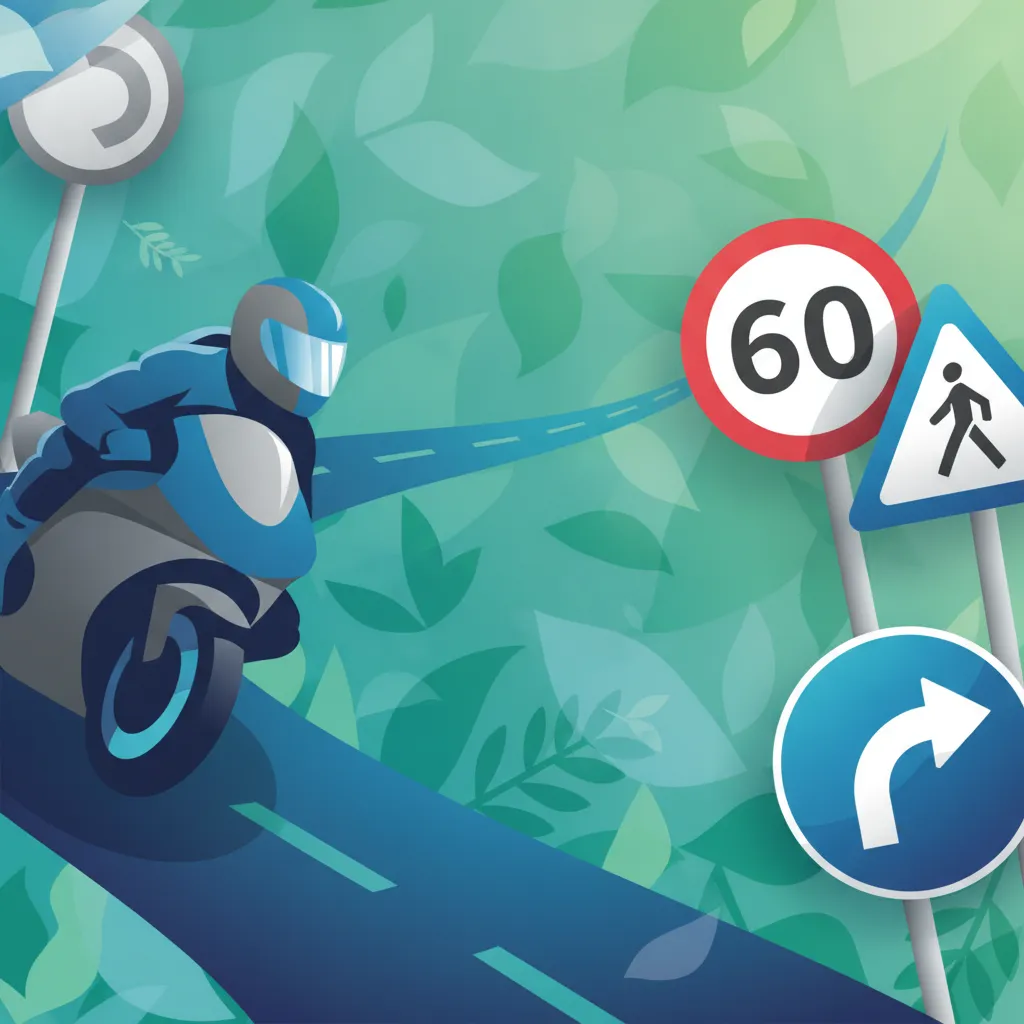
This lesson focuses on the specific regulatory and warning signs that Patente AM riders must understand and obey. It details signs related to speed limits, no-entry zones, and mandatory directions that directly impact moped operation. You will also learn to recognize warning signs for potential hazards like sharp curves, slippery surfaces, and pedestrian areas.
Find clear answers to common questions learners have about Speed Limits for AM Vehicles in Different Zones. Learn how the lesson is structured, which driving theory objectives it supports, and how it fits into the overall learning path of units and curriculum progression in Italy. These explanations help you understand key concepts, lesson flow, and exam focused study goals.
Under the Codice della Strada, mopeds (Patente AM category) are technically restricted to a maximum design speed of 45 km/h. On public roads, you must always adhere to this design limit even if the posted road speed limit is higher.
Yes. Temporary signs, such as those for road works or accident zones, override permanent limits. As a rider, you must always observe the most restrictive speed indicated, whether permanent or temporary, to ensure your safety and legality.
Light quadricycles in the AM category also fall under the 45 km/h design speed restriction. Regardless of the vehicle type, you must not exceed the legal limits established for your specific licence category.
Even if you are within the legal speed limit, you must adapt your speed to current traffic, weather, and visibility. If conditions are poor, such as in heavy rain or dense urban traffic, you are legally required to reduce your speed to maintain total control of your vehicle.
Start searching now to pinpoint exactly which Italian driving theory topics, road signs, or traffic rules you need to master. Use our advanced filters to build a custom practice session and ensure you're fully prepared for every aspect of your official driving licence exam.