
This lesson teaches you the essential language of the road, helping you interpret painted markings and symbols that dictate traffic flow. By understanding how these markings regulate lanes, intersections, and parking, you will build the practical knowledge needed for the Patente B theory exam and real-world safety.
Lesson content overview
Road markings and pavement symbols are an indispensable part of the visual communication system on Italian roads. They provide critical guidance, convey legal obligations, and ensure the orderly flow of traffic, complementing the information provided by traffic signs and signals. For anyone preparing for the Italian Patente B theory test, a thorough understanding of these markings is essential not only for passing the examination but, more importantly, for safe and compliant driving on Italy's diverse road network.
This comprehensive guide will detail the various types of road markings you will encounter, explaining their meaning, purpose, and the specific rules drivers must follow. Mastering these symbols enables drivers to anticipate road conditions, execute maneuvers safely, and interact responsibly with other road users, including pedestrians and cyclists.
Road markings serve as the primary visual cues for lane discipline, guiding drivers through intersections, dictating overtaking opportunities, and designating specific areas for stopping, parking, or particular vehicle types. They are designed to enhance safety by reducing ambiguity and providing immediate, on-the-road instructions. In Italy, these markings are an integral part of the Codice della Strada (Italian Highway Code), meaning they carry legal weight, and non-compliance can lead to fines and demerit points on your license.
Effective interpretation of pavement symbols is crucial for responding quickly and safely to dynamic traffic situations. It helps drivers maintain appropriate lane positioning, understand right-of-way rules at complex junctions, and avoid conflicts with vulnerable road users. This knowledge is fundamental for safe navigation and adherence to Italian traffic regulations.
Understanding the foundational principles behind road markings is key to interpreting their messages correctly. These principles govern how markings delineate traffic flow, indicate permissible actions, and prioritize different road users.
One of the most fundamental distinctions in road markings is between continuous (solid) and broken (dashed) lines. A continuous line signifies a prohibition, meaning drivers are generally forbidden from crossing it to change lanes or overtake. In contrast, a broken line indicates permission, allowing drivers to cross under specific conditions, primarily for overtaking or changing lanes, provided it is safe to do so. This distinction is critical for preventing dangerous maneuvers where visibility or road conditions are compromised.
Arrows painted directly onto the road surface provide explicit instructions regarding the permitted direction of travel from a specific lane. These directional arrows ensure that drivers are correctly positioned for upcoming turns or to continue straight, preventing confusion and potential collisions at intersections or exits. They are legally binding and must be obeyed.
Italy utilizes dedicated lanes to prioritize certain modes of transport or specific vehicle types. Markings for bus lanes (corsie preferenziali per autobus), bicycle lanes (piste ciclabili), or sometimes high-occupancy vehicle (HOV) lanes are designed to streamline traffic flow for public transport and promote sustainable mobility. Unauthorized use of these lanes by private vehicles is strictly prohibited and enforced.
The safety of pedestrians is paramount, reflected in dedicated pavement markings. Pedestrian crossings (strisce pedonali or zebra crossings) and designated pedestrian zones clearly delineate areas where pedestrians have priority, obligating drivers to yield or proceed with extreme caution. These markings are vital for creating safe passage for non-motorized road users.
Various pavement symbols indicate where stopping, parking, or even temporary waiting is allowed or prohibited. These markings are crucial for managing urban congestion, ensuring access for services, and reserving spaces for specific groups, such as residents or disabled drivers. Violating these regulations can lead to significant penalties.
At intersections, specific lines are painted to regulate the flow of traffic and establish right-of-way. A stop line (linea di arresto) dictates where vehicles must halt when confronted with a stop sign or a red traffic light. Yield lines (linee di dare precedenza), often triangular dashed lines, indicate where drivers must give way to cross-traffic, stopping only if necessary to ensure safety.
Road markings can also be dynamic or temporary. Reversible lanes feature markings whose meaning changes according to time-of-day restrictions, often managed by electronic signs, to optimize traffic flow during peak hours. Temporary markings, typically orange or yellow, are used during roadworks to guide traffic around construction zones, overriding permanent markings when present.
Now, let's explore the various types of road markings you will encounter in Italy, delving into their specifics and practical implications.
A continuous white line is a fundamental road marking in Italy that separates traffic lanes. Its presence dictates that vehicles must not cross this line for any reason, including overtaking, changing lanes, or turning, unless in an extreme emergency to avoid an accident.
When two continuous parallel lines are present, it signifies an even stricter prohibition, typically separating traffic moving in opposite directions or delineating areas where any crossing is exceptionally dangerous. Examples include no-overtaking zones on winding roads or areas with limited visibility. Drivers must remain strictly within their lane until a broken line or a clear junction permits a change.
A broken white line consists of a series of short dashes and indicates that crossing the line is permitted under safe conditions. This typically allows drivers to overtake slower vehicles or change lanes. However, permission is always conditional on safety: drivers must ensure clear visibility, sufficient space, and that the maneuver can be completed without endangering other road users. It is also important to complete any overtaking maneuver before the broken line transitions into a continuous line.
Double solid white lines are used to separate traffic streams, particularly on two-way roads, and unequivocally prohibit crossing for vehicles traveling in either direction. This marking is commonly found in areas where overtaking would be extremely dangerous due to limited sight distance, sharp curves, or the presence of junctions. Emergency vehicles are generally the only exception to this rule.
Lane direction arrows are painted directly on the road surface within a lane to indicate the mandatory direction of travel or permitted turning movements from that lane. You might see arrows indicating straight ahead, left turn only, right turn only, or combinations (e.g., straight or left turn). Drivers must enter the appropriate lane well in advance and strictly follow the direction indicated by the arrow. Failure to do so can lead to dangerous situations and traffic violations.
A stop line (linea di arresto) is a thick, solid white line drawn across a traffic lane at an intersection or railway crossing. It indicates the precise point where vehicles must come to a complete stop when commanded by a stop sign or a red traffic light. Drivers must stop before this line to ensure they do not impede crossing traffic or pedestrians and to provide a clear view of the intersection before proceeding safely.
Yield lines (linee di dare precedenza) are typically a series of short, white dashed lines arranged in a triangular or 'shark's teeth' pattern across a lane. These markings indicate that drivers must give way (yield) to traffic on the intersecting or merging road. Drivers should slow down and be prepared to stop before the yield line if necessary to allow other traffic to pass safely. They only proceed when the way is clear and safe.
Road edge markings are solid or broken white lines painted along the outer perimeter of the roadway. These lines define the traversable width of the road and separate the main carriageway from the shoulder (banchina) or adjacent areas. They are particularly useful in low-visibility conditions (e.g., fog, heavy rain, night driving) to help drivers maintain their lane and stay on the road. Generally, vehicles should not cross these lines unless necessary to avoid an obstruction or for a specific maneuver like turning into a side road.
Bicycle lanes (piste ciclabili) are designated areas for cyclists, often marked with green paint and a bicycle symbol on the pavement. These lanes are reserved exclusively for bicycles and, in some cases, other light pedal-powered vehicles. Motor vehicles are generally prohibited from driving or parking in these lanes. Drivers may only cross a bicycle lane to make a turn if specifically allowed by signage or road geometry, always yielding to cyclists. Cyclists are expected to use these lanes where provided.
Bus lanes (corsie preferenziali per autobus) are specifically designated for public buses and sometimes other authorized vehicles like taxis or emergency services. They are marked with a bus symbol (a stylized image of a bus) and often have special signs indicating their hours of operation. High-Occupancy Vehicle (HOV) lanes, though less common in Italy, are reserved for vehicles carrying a minimum number of occupants. Private vehicles not meeting the criteria are prohibited from using these lanes, with violations incurring fines.
Pedestrian crossings (strisce pedonali), commonly known as zebra crossings, consist of distinct white parallel stripes painted across the road. These markings designate areas where pedestrians have the right-of-way. Drivers must yield to pedestrians who are on or are about to enter the crossing, stopping completely before the stop line if necessary. It is crucial to wait until pedestrians have completely cleared the crossing before proceeding.
In urban areas, pedestrian zones (zone pedonali) or shared spaces (aree pedonali urbane) are designated areas where vehicle traffic is either restricted or permitted at very low speeds (e.g., 10-20 km/h). These areas are marked with specific symbols on the pavement and often by accompanying signs. In shared spaces, pedestrians have priority, and drivers must adjust their speed, be extremely vigilant, and be prepared to give way to pedestrians at all times.
Road markings play a crucial role in regulating parking and stopping.
Reversible lane markings are used in specific situations, often on bridges or tunnels, to allow traffic flow in one direction during peak hours and the opposite direction during other times. These lanes are typically identified by special overhead electronic signs (green arrow for open, red X for closed) in conjunction with pavement arrows. Drivers must always follow the direction indicated by the current electronic signage, as driving against the designated flow in a reversible lane can lead to severe head-on collisions.
On motorways and some major roads, the shoulder (banchina) or emergency lane (corsia di emergenza) is delineated by a continuous or broken white line. The emergency lane is strictly reserved for emergency vehicles, breakdown situations, or when instructed by traffic police. Regular vehicles are prohibited from using this lane for driving, bypassing traffic, or parking, except in genuine emergencies. Misuse can result in substantial fines.
Road markings may be adapted for different conditions. Some permanent markings are enhanced with reflective materials to improve visibility during night driving or in adverse weather. During roadworks, temporary markings, typically painted in orange or yellow, are used to guide traffic around construction areas. These temporary markings always take precedence over any permanent white markings they may cover or contradict. Drivers must pay close attention to these changes and adjust their driving accordingly.
Adherence to road markings is not merely a suggestion; it is a legal requirement under the Codice della Strada. Here are the core rules drivers must follow:
Rule: Continuous (solid) lane lines must not be crossed.
Rule: Overtaking is allowed across broken lines if the maneuver can be completed safely.
Rule: Drivers must stop at stop lines when signaled by a stop sign or a red traffic light.
Rule: Yield at yield lines; stop before the line if required to give way to other traffic.
Rule: Adherence to directional arrows painted on lanes is mandatory.
Rule: Use of dedicated bus, bike, and HOV lanes is restricted to authorized vehicles and times.
Rule: Drivers must yield to pedestrians at zebra crossings.
Rule: Drivers must observe parking and stopping restrictions as indicated by pavement symbols and lines.
Rule: Respect reversible lane markings according to the time-of-day signs.
Rule: Keep within lane boundaries marked by edge lines.
Many traffic violations and accidents occur due to misinterpretation or disregard of road markings. Being aware of these common mistakes can help you drive more safely and avoid penalties.
The effectiveness and interpretation of road markings can be influenced by various contextual factors. Safe driving requires an understanding of how these elements interact.
The design and implementation of road markings are driven by a clear logic aimed at enhancing road safety and optimizing traffic flow:
Let's consider some real-world situations to solidify your understanding of road markings.
Situation: You are driving on a rural road behind a slow tractor. The lane markings on your side are broken, while the oncoming lane has a solid line. You have clear visibility ahead, and there is no oncoming traffic. Correct Action: Since the line on your side is broken, you may initiate an overtaking maneuver, ensuring you have sufficient space and visibility to complete it safely. You must ensure you return to your lane before the broken line transitions into a continuous line or if conditions change. Incorrect Action: Attempting to overtake if the line on your side were solid, or failing to complete the maneuver before the broken line becomes solid. This would be illegal and dangerous.
Situation: You are driving in a city and approach a zebra crossing. A pedestrian steps onto the crossing from the pavement. Correct Action: You must immediately slow down and stop before the stop line, allowing the pedestrian to cross safely. Wait until the pedestrian has completely cleared the crossing before proceeding. Incorrect Action: Continuing to drive, assuming the pedestrian will wait, or stopping on the zebra stripes, blocking the pedestrian's path. This endangers the pedestrian and is a serious violation.
Situation: You intend to turn left at a busy intersection. You have entered a lane clearly marked with a left-turn-only arrow. Correct Action: You must remain in this lane and prepare to make a left turn. When safe and permitted by traffic signals, you stop at the stop line, yield to oncoming traffic (if applicable), and then execute the left turn. Incorrect Action: Deciding at the last moment to go straight, ignoring the left-turn arrow, and potentially blocking traffic or causing a collision.
The knowledge gained in this lesson is not isolated; it integrates deeply with other critical aspects of the Italian Patente B theory course.
Road markings and pavement symbols are the silent language of the road, providing continuous, direct instructions to drivers. For the Italian Patente B, understanding these markings is non-negotiable.
Mastery of these concepts ensures not only success in your theory test but also contributes significantly to your ability to drive safely, responsibly, and legally on Italian roads.
This lesson covers the essential road markings that govern lane discipline, intersection behavior, and parking in Italy under the Codice della Strada. The fundamental rule distinguishes continuous lines (prohibition) from broken lines (conditional permission), with double solid lines enforcing strictest no-crossing zones. Directional arrows, stop lines, and yield lines at intersections provide legally binding instructions that drivers must follow precisely. Special markings regulate dedicated bus and bicycle lanes, pedestrian crossings with absolute pedestrian priority, and parking zones distinguished by yellow and blue line colors. Understanding these markings is critical for passing the Patente B theory exam and driving safely on Italian roads.
A short set of high-value points that capture the most important learning from this lesson.
Continuous (solid) lines strictly prohibit crossing for overtaking, lane changes, or turning unless in an emergency
Broken (dashed) lines permit crossing for overtaking or lane changes only when it is safe to do so and the maneuver can be completed before a continuous line appears
Directional arrows painted on road surfaces are legally mandatory and dictate which movements are permitted from each lane
Pedestrian crossings (strisce pedonali) grant absolute priority to pedestrians; drivers must stop completely and wait until they have cleared the crossing
Parking restrictions differ: continuous yellow lines mean no stopping even briefly, while broken yellow lines mean no parking but brief stops are permitted
Explore all units and lessons included in this driving theory course.
Double solid white lines prohibit crossing in both directions and are found where overtaking would be especially dangerous
Stop lines (linea di arresto) require a complete halt at red lights or stop signs, positioned before any intersection or crossing
Yield lines (linee di dare precedenza) use dashed triangular 'shark's teeth' markings requiring drivers to give way to cross-traffic
Dedicated bus lanes (corsie preferenziali per autobus) and bicycle lanes (piste ciclabili) restrict access to authorized vehicles only during indicated hours
Reversible lane markings change meaning based on time-of-day electronic signage; always follow the current overhead signal, not assumed direction
Attempting to overtake when a continuous line is present, assuming the road looks clear enough to proceed safely
Entering a bus lane during restricted hours without checking accompanying signage for current operating times
Stopping on a zebra crossing itself rather than before the stop line, blocking pedestrian passage
Confusing 'no parking' (divieto di sosta) with 'no stopping' (divieto di fermata), leading to incorrect halts in continuous yellow line zones
Crossing a broken line too late to complete a turn, then illegally crossing the following continuous line to finish the maneuver
Lesson content overview
A short set of high-value points that capture the most important learning from this lesson.
Continuous (solid) lines strictly prohibit crossing for overtaking, lane changes, or turning unless in an emergency
Broken (dashed) lines permit crossing for overtaking or lane changes only when it is safe to do so and the maneuver can be completed before a continuous line appears
Directional arrows painted on road surfaces are legally mandatory and dictate which movements are permitted from each lane
Pedestrian crossings (strisce pedonali) grant absolute priority to pedestrians; drivers must stop completely and wait until they have cleared the crossing
Parking restrictions differ: continuous yellow lines mean no stopping even briefly, while broken yellow lines mean no parking but brief stops are permitted
Explore all units and lessons included in this driving theory course.
Double solid white lines prohibit crossing in both directions and are found where overtaking would be especially dangerous
Stop lines (linea di arresto) require a complete halt at red lights or stop signs, positioned before any intersection or crossing
Yield lines (linee di dare precedenza) use dashed triangular 'shark's teeth' markings requiring drivers to give way to cross-traffic
Dedicated bus lanes (corsie preferenziali per autobus) and bicycle lanes (piste ciclabili) restrict access to authorized vehicles only during indicated hours
Reversible lane markings change meaning based on time-of-day electronic signage; always follow the current overhead signal, not assumed direction
Attempting to overtake when a continuous line is present, assuming the road looks clear enough to proceed safely
Entering a bus lane during restricted hours without checking accompanying signage for current operating times
Stopping on a zebra crossing itself rather than before the stop line, blocking pedestrian passage
Confusing 'no parking' (divieto di sosta) with 'no stopping' (divieto di fermata), leading to incorrect halts in continuous yellow line zones
Crossing a broken line too late to complete a turn, then illegally crossing the following continuous line to finish the maneuver
Explore search topics learners often look for when studying Road Markings and Pavement Symbols. These topics reflect common questions about road rules, driving situations, safety guidance, and lesson level theory preparation for learners in Italy.
Browse additional driving theory lessons that cover connected traffic rules, road signs, and common driving situations related to this topic. Improve your understanding of how different rules interact across everyday traffic scenarios.
Explore complex Italian road markings like bus lanes, bicycle lanes, reversible lanes, and temporary construction markings. Learn how these special symbols guide traffic and ensure safety beyond standard lane lines.
This lesson explains the function of Italian traffic light systems and the meaning of various road markings. You will learn the rules for red, amber, and green signals, including flashing lights and directional arrows. It also covers how to interpret lane lines, stop lines, and other surface markings that dictate correct vehicle positioning and movement.
This lesson explains the function of informational and directional signs used for navigation and guidance on Italian roads. It covers how to read signs indicating upcoming cities, motorway exits, and the location of services like fuel stations, parking, and rest areas. The content also details the color-coding system used to differentiate between motorways (green), state roads (blue), and urban roads (white).
This lesson equips riders to safely manage the challenges posed by road construction zones. It explains how to interpret temporary signage, navigate lane closures or diversions, and maintain heightened awareness for surface hazards like gravel or steel plates. The content emphasizes the need to reduce speed and increase following distances to safely share the road with large construction vehicles and workers.
This lesson details the correct procedures for interacting with public transport and school buses. It explains the rules for dedicated bus lanes, the absolute priority of trams, and the legal requirement to yield to buses pulling out from a stop. The content also covers the specific laws requiring drivers to stop when a school bus is loading or unloading passengers, to ensure child safety.

This lesson provides a practical guide to parking regulations in Italian urban areas. It explains the meaning of different colored parking lines (blue for paid, white for free, yellow for reserved), the use of the parking disc (disco orario) for time-limited zones, and how to operate pay-and-display machines. The content also covers how to identify no-parking zones to avoid fines and towing.
This lesson focuses on regulatory signs, which impose legal obligations and prohibitions on drivers. It explains the meaning of critical signs such as 'Stop', 'Yield' (dare la precedenza), and various speed limit signs. The content also covers signs that prohibit certain actions like overtaking, parking, or entry, as well as those that mandate a specific direction of travel or lane usage.
This lesson focuses on supplementary panels (pannelli integrativi) placed below primary road signs to provide additional context or modify their meaning. Learners will understand how these panels specify the distance to a hazard, the length over which a rule applies, or the specific times and vehicle types affected by a regulation. Correct interpretation of these panels is essential for full compliance with traffic laws.
This lesson delivers a comprehensive explanation of right-of-way regulations at Italian intersections. It covers the interpretation of traffic light signals, the absolute requirement to stop at stop signs, and yielding at give-way signs. Furthermore, it details the default priority rules for unmarked intersections and the specific obligations a rider has towards pedestrians on crossings.

This lesson is dedicated to warning signs, which are designed to alert drivers to potential dangers or changes in road conditions ahead. It covers the interpretation of signs indicating sharp bends, steep inclines or declines, slippery surfaces, and the potential presence of animals or pedestrians. Understanding these signs allows drivers to anticipate hazards and adjust their speed and driving style accordingly for safety.
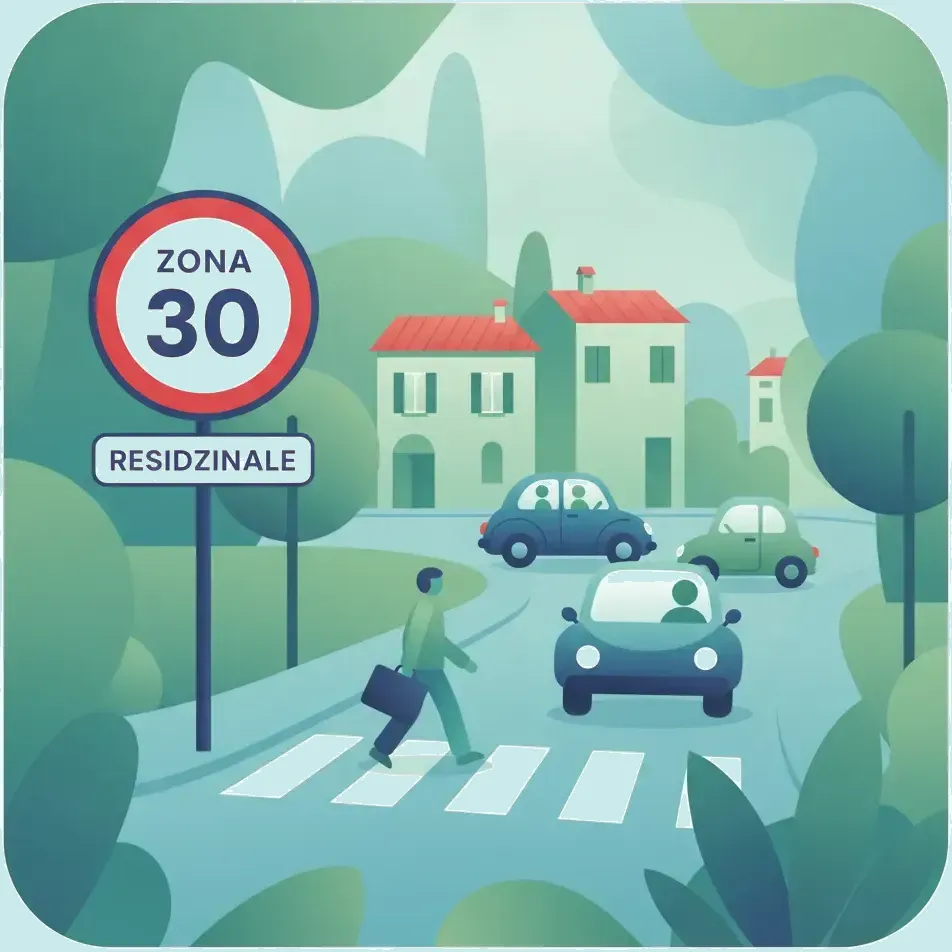
This lesson focuses on the specific signage and regulations for low-speed zones, such as "Zone 30" areas common in Italian towns. You will learn to recognize the signs that indicate reduced speed limits in residential areas, school zones, and other pedestrian-heavy environments. The content also explains various traffic calming measures and the priority rules that apply within these designated zones.
Master the interpretation of Italian road markings and pavement symbols, focusing on safety rules for stop lines, yield markings, and pedestrian crossings. Understand common violations and how to avoid them for your Patente B.
This lesson explains the function of Italian traffic light systems and the meaning of various road markings. You will learn the rules for red, amber, and green signals, including flashing lights and directional arrows. It also covers how to interpret lane lines, stop lines, and other surface markings that dictate correct vehicle positioning and movement.

This lesson focuses on the driver's responsibility to protect pedestrians, especially at designated crossings (strisce pedonali). It reinforces the legal requirement to yield to pedestrians who are on or about to enter a crosswalk. The content also covers the importance of reducing speed and increasing vigilance in urban areas, school zones, and other places with high pedestrian activity.
This lesson explains the function of informational and directional signs used for navigation and guidance on Italian roads. It covers how to read signs indicating upcoming cities, motorway exits, and the location of services like fuel stations, parking, and rest areas. The content also details the color-coding system used to differentiate between motorways (green), state roads (blue), and urban roads (white).
This lesson focuses on regulatory signs, which impose legal obligations and prohibitions on drivers. It explains the meaning of critical signs such as 'Stop', 'Yield' (dare la precedenza), and various speed limit signs. The content also covers signs that prohibit certain actions like overtaking, parking, or entry, as well as those that mandate a specific direction of travel or lane usage.
This lesson is dedicated to warning signs, which are designed to alert drivers to potential dangers or changes in road conditions ahead. It covers the interpretation of signs indicating sharp bends, steep inclines or declines, slippery surfaces, and the potential presence of animals or pedestrians. Understanding these signs allows drivers to anticipate hazards and adjust their speed and driving style accordingly for safety.
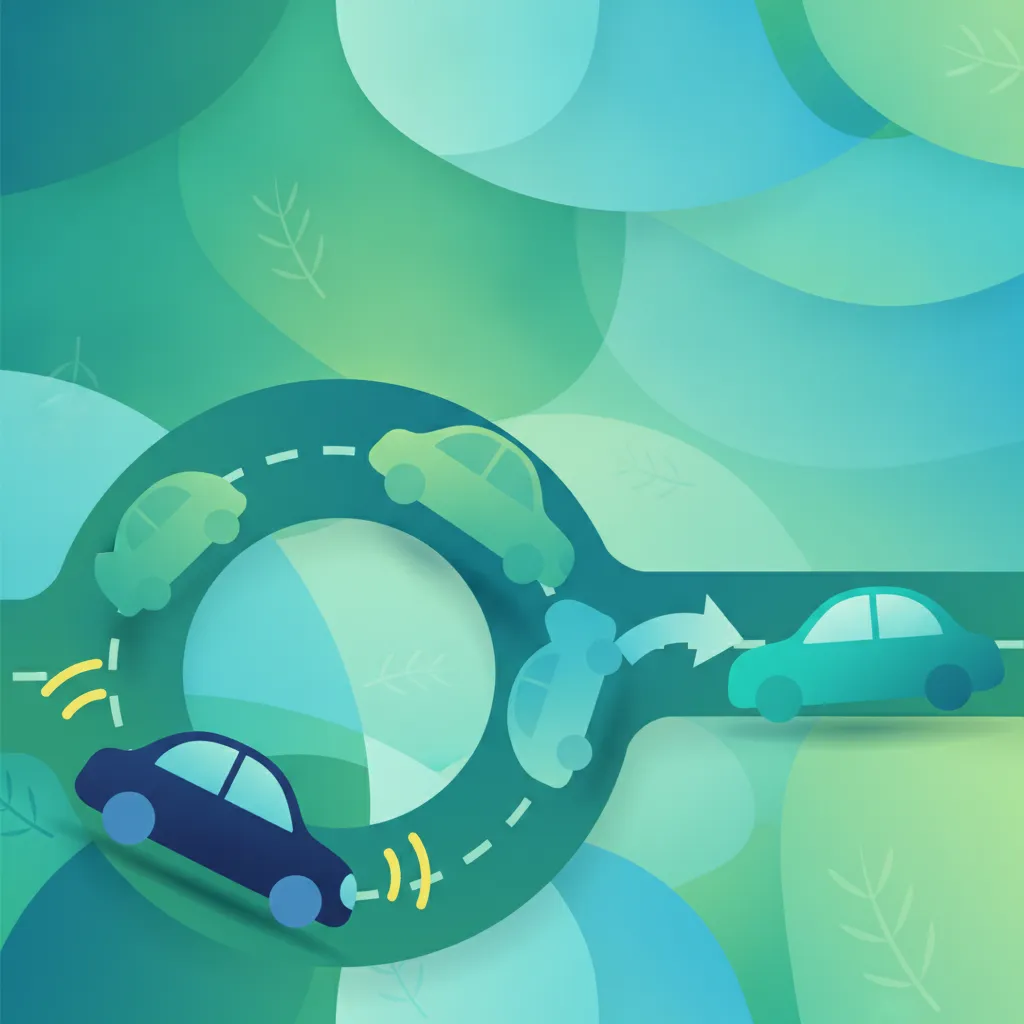
This lesson provides a step-by-step guide to navigating roundabouts safely and efficiently. It focuses on the critical rule of yielding to traffic already circulating within the roundabout before entering. You will also learn how to select the correct lane based on your intended exit and how to use your indicators to signal your maneuvers clearly.
This lesson delivers a comprehensive explanation of right-of-way regulations at Italian intersections. It covers the interpretation of traffic light signals, the absolute requirement to stop at stop signs, and yielding at give-way signs. Furthermore, it details the default priority rules for unmarked intersections and the specific obligations a rider has towards pedestrians on crossings.
This lesson provides a practical guide to parking regulations in Italian urban areas. It explains the meaning of different colored parking lines (blue for paid, white for free, yellow for reserved), the use of the parking disc (disco orario) for time-limited zones, and how to operate pay-and-display machines. The content also covers how to identify no-parking zones to avoid fines and towing.
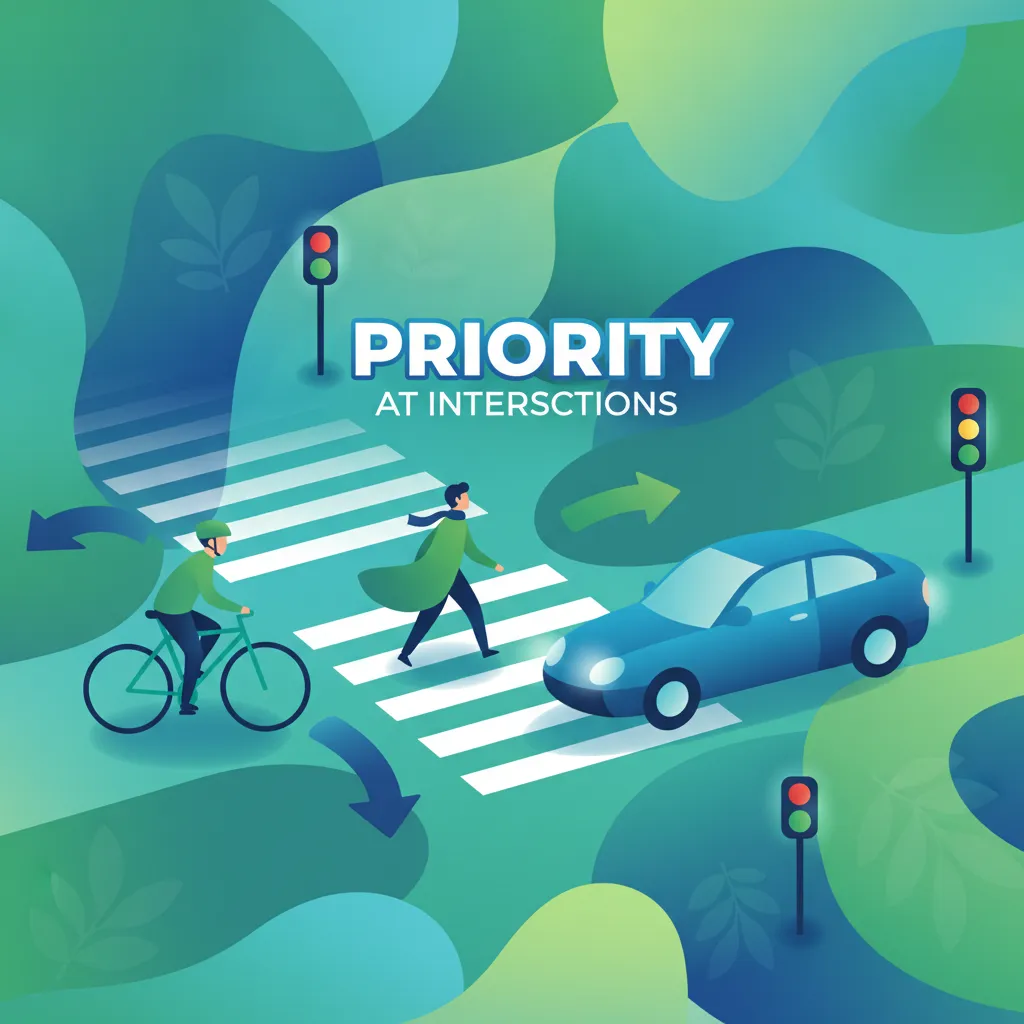
This lesson covers the general principles of priority at intersections governed by traffic signs and signals. It explains how to identify a priority road and the obligation to yield to traffic when encountering a 'dare la precedenza' (yield) or stop sign. The content also reviews the hierarchy of authority, where signals from a traffic officer override all other signs and lights.
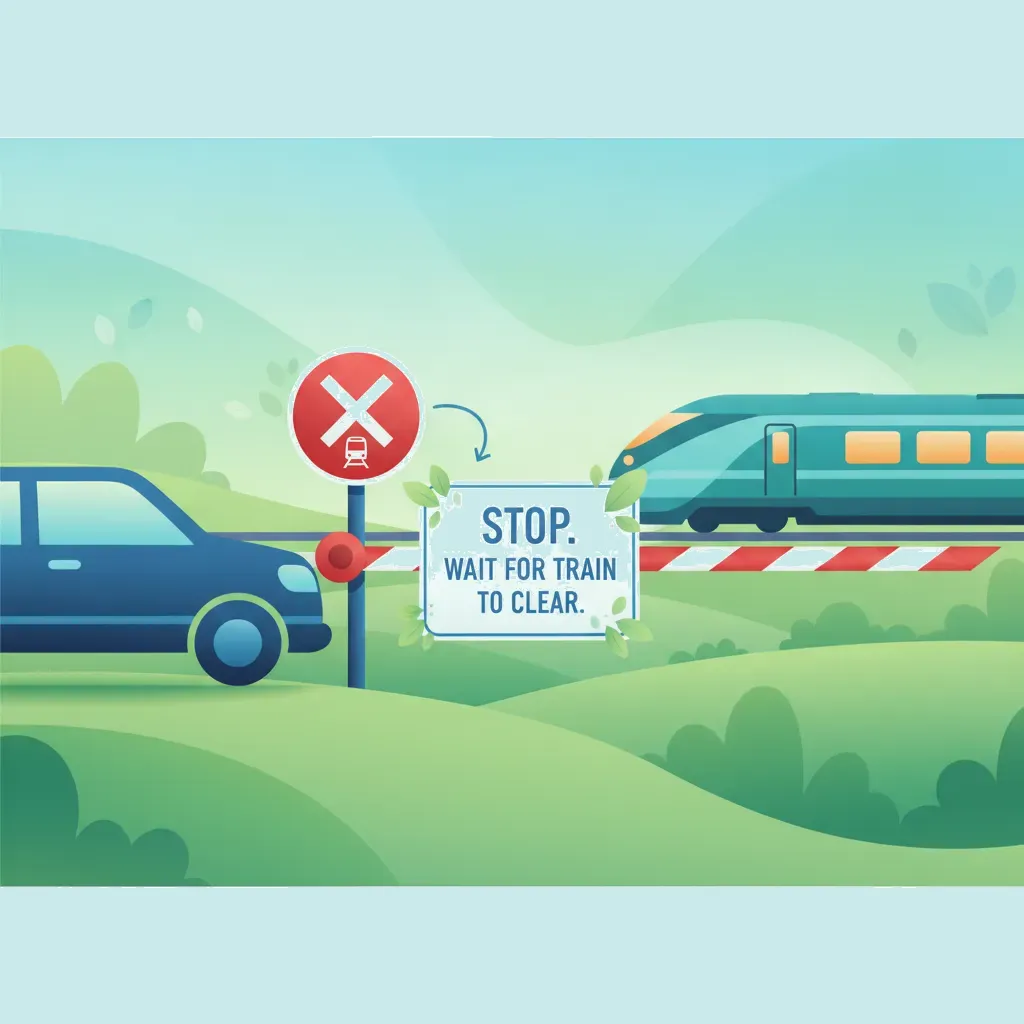
This lesson focuses on the vital safety procedures required when approaching and crossing railway lines (passaggio a livello). It details how to interpret the warning systems, including flashing red lights, audible alarms, and lowering barriers, all of which mandate a complete stop. The content also covers procedures for crossings without barriers and emphasizes the importance of ensuring tracks are clear in both directions before proceeding.
Find clear answers to common questions learners have about Road Markings and Pavement Symbols. Learn how the lesson is structured, which driving theory objectives it supports, and how it fits into the overall learning path of units and curriculum progression in Italy. These explanations help you understand key concepts, lesson flow, and exam focused study goals.
Yes, a broken white line generally allows for overtaking, provided it is safe to do so and there are no other prohibitions such as vertical signs or dangerous conditions. Always ensure you have sufficient visibility and distance before starting the maneuver.
A continuous white line strictly prohibits crossing or driving over it. You must stay within your lane and are generally forbidden from overtaking unless you are passing a stationary obstacle, such as a broken-down vehicle, while taking necessary precautions.
Yes, if there is a stop sign or a stop line painted on the pavement, you are legally required to bring your vehicle to a complete halt, regardless of traffic conditions. Failing to do so is a common cause of failure in the Patente B exam.
Yellow pavement markings are typically used for temporary road works, designated parking spaces for specific vehicles like buses or taxis, or to indicate restricted zones. Always check for adjacent signs that clarify the specific regulation for these markings.
Start searching now to pinpoint exactly which Italian driving theory topics, road signs, or traffic rules you need to master. Use our advanced filters to build a custom practice session and ensure you're fully prepared for every aspect of your official driving licence exam.