
This lesson explains the mechanics of the Italian driving license points system, known as decurtazione punti. You will learn how various traffic violations lead to mandatory point deductions, the consequences of reaching critical thresholds, and the official procedures for regaining lost points.
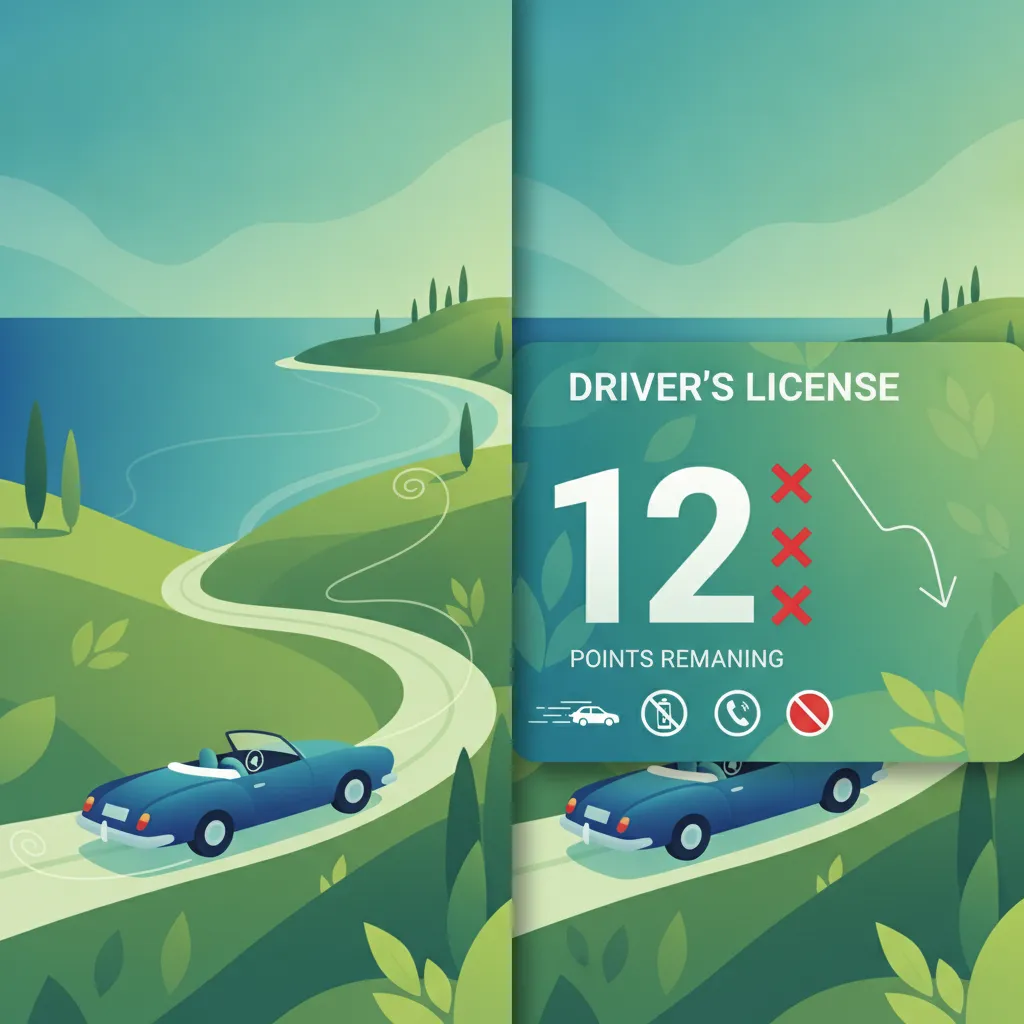
Lesson content overview
Driving in Italy, as anywhere else, comes with significant responsibilities. To promote road safety and enforce traffic regulations effectively, the Italian legal system employs a comprehensive driver's license points system, officially known as Decurtazione Punti. This system is a fundamental aspect of the Italian Patente B Theory curriculum, designed to penalize unsafe driving behaviors and incentivize compliance with the Codice della Strada (Highway Code). Understanding its mechanics, from initial point allocation to the consequences of accumulating deductions, is crucial for every driver in Italy.
This lesson delves into the intricacies of the Decurtazione Punti system, explaining how various traffic infractions lead to specific point deductions, the cumulative impact on a driver's license status, and the thresholds that trigger license suspension or revocation. We will also cover the associated monetary fines and the official procedures available for recovering lost points, ensuring you have a complete overview of this vital regulatory framework.
The Italian points system operates as a preventive and corrective framework, aiming to maintain high standards of road safety. At its core, it assigns a finite number of points to each driver upon the issuance of their Patente B license. These points serve as a form of credit, which can be lost due to traffic violations but also regained through responsible driving or specific educational efforts.
The system is directly linked to a driver's legal status and the validity of their license. It connects intrinsically with other aspects of Italian traffic law, including legal obligations for B license holders and specific rules for beginner drivers. By understanding the core principles, drivers can better navigate the responsibilities that come with operating a vehicle in Italy.
Every driver in Italy begins with a baseline of 20 points when they first obtain their Patente B license. This initial allocation is not merely a number but represents the maximum credit for safe driving behavior. It is the starting point from which all subsequent deductions and restorations are calculated.
This baseline is established automatically upon the issuance of a Patente B license, adhering to the regulations outlined in the Italian Highway Code. It signifies the trust placed in a new driver to operate a vehicle responsibly. It's a common misconception that points can be transferred or purchased; they are personal and non-transferable. For example, a driver who just received their Patente B license will have a clean record with the full 20 points.
Point deductions are the core mechanism of the Decurtazione Punti system. Specific traffic violations trigger a reduction in a driver's total points, with the severity of the infraction determining the number of points lost. These deductions are prescribed by law and serve as a direct consequence for non-compliance with the Codice della Strada.
Each violation carries an associated point penalty that ranges from 1 to 10 points. After an infraction is processed by the relevant authorities, the corresponding points are deducted from the driver's record. It's crucial for drivers to understand that monetary fines typically accompany these point deductions, acting as a dual deterrent.
Minor infractions typically result in point deductions ranging from 1 to 3 points. These are generally violations that, while still against the law, pose a comparatively lower immediate risk to road safety than more serious offenses. However, even minor infractions can accumulate quickly and lead to significant consequences.
Always be aware of common minor infractions, such as not wearing a seatbelt or using a mobile phone without a hands-free device. These seemingly small mistakes can chip away at your point total over time.
Examples of Minor Infractions and Consequences:
Moderate infractions carry more substantial point deductions, usually ranging from 4 to 6 points. These violations signify a higher degree of risk to road safety and often involve actions that could directly contribute to accidents or hazardous situations.
Examples of Moderate Infractions and Consequences:
Serious infractions represent the most severe violations of the Highway Code, resulting in point deductions ranging from 7 to 10 points. These actions pose significant danger to the driver, passengers, and other road users, often leading to immediate and severe consequences beyond just point loss and fines, such as temporary license suspension.
Examples of Serious Infractions and Consequences:
The points system is inherently cumulative. Every point deduction, regardless of the infraction's severity, adds up over time. This means that multiple minor infractions can eventually lead to the same severe consequences as a single serious violation. The system tracks the total points lost, and this cumulative effect is what can ultimately trigger license suspension or even revocation.
Points are retained in a driver's record until they are restored (either automatically or voluntarily) or until the license is revoked. Unlike some systems, points do not simply reset annually without consequences. A driver's history of infractions remains on record, making it critical to monitor one's point balance. For instance, a driver who initially has 20 points might lose 5 points for speeding, then another 4 points for driving without a seatbelt. Their total points would then be 11, reflecting a cumulative loss of 9 points.
The ultimate consequences of accumulating significant point losses under the Decurtazione Punti system are license suspension and, in the most severe cases, license revocation. These measures are in place to remove high-risk drivers from the road and protect public safety.
License suspension, known as Sospensione Patente, is the temporary withdrawal of driving privileges. It is typically imposed when a driver accumulates a substantial number of point losses, indicating a pattern of unsafe driving behavior. While the exact conditions can vary, a temporary suspension is usually triggered by a specific threshold of points lost.
If a driver loses 10 or more points as a result of a single severe infraction or through the cumulative effect of multiple infractions, a temporary suspension may be imposed. The duration of the suspension can vary but is often calculated based on the number of points lost, for example, 30 days for every 5 points lost in a specific period. During this period, the driver is legally prohibited from operating any vehicle. Failing to comply with a suspension order can lead to even more severe penalties.
License revocation, known as Ritiro Patente, represents the permanent loss of the driving license. This is the most serious penalty within the points system and occurs when a driver's accumulated point deductions reduce their total points to 0. Reaching this threshold automatically triggers the revocation of the Patente B license.
Once a license is revoked, the driver loses all driving privileges and must undergo a complete re-examination process to obtain a new license. This typically involves a mandatory waiting period before they are eligible to re-apply, followed by retaking both the theory and practical driving exams. The revocation process underscores the system's objective to remove consistently dangerous drivers from Italian roads.
The Italian points system is not solely punitive; it also offers mechanisms for drivers to recover lost points. These procedures incentivize safe driving behavior and provide opportunities for drivers to improve their knowledge and skills. There are two primary ways to regain points: automatically through a period of clean driving, and voluntarily by completing approved defensive driving courses.
One of the key features of the Decurtazione Punti system is the automatic restoration of points. This mechanism rewards consistent adherence to traffic laws and responsible driving behavior over a sustained period.
If a driver does not incur any point deductions for a continuous period of two years, 2 points are automatically restored to their license. This process can continue until the driver reaches the maximum of 20 points again. This automatic recovery encourages drivers to maintain a clean record and reinforces safe habits. For example, a driver with 15 points who manages to avoid any infractions for two years will see their total increase to 17 points. If they continue this clean record for another two years, they would regain another 2 points, bringing them to 19, and so on, until they reach 20.
Drivers also have the option to voluntarily recover lost points by completing an approved defensive driving course, known as a Corso di Recupero Punti. These courses are designed to refresh driving knowledge, promote safer habits, and reduce the likelihood of future infractions.
Eligibility Check: Drivers must not have lost more than 5 points within the last two years and can only take one course every two years.
Enrollment: Register for an approved defensive driving course at a recognized driving school.
Course Completion: Attend and successfully complete the entire course curriculum, which covers various aspects of safe driving, hazard perception, and traffic laws.
Point Restoration: Upon successful completion, up to 4 points will be restored to the driver's license.
This voluntary recovery option is crucial for drivers who have lost a moderate number of points and wish to proactively restore their license status without waiting for the automatic recovery period. It also serves as an educational tool to reinforce safe driving practices.
Alongside point deductions, virtually all traffic infractions in Italy are accompanied by monetary fines, or multe. These financial penalties are a separate but equally important component of the enforcement system. They serve as an additional deterrent and are levied based on the severity of the violation, as stipulated by the relevant articles of the Codice della Strada.
The amount of the fine can vary significantly:
It's important to understand that the fine amount is distinct from the points lost. A driver must pay the fine within specified deadlines, separate from the point deduction process. Failure to pay fines can lead to additional penalties, including increased amounts and potential administrative actions. For example, driving without a seatbelt not only results in a 3-point deduction but also a fine of €169–€677.
The Decurtazione Punti system is firmly embedded in Italian law, primarily governed by Article 118 of the Italian Highway Code. This article, along with various implementing decrees, outlines the specific rules for point allocation, deduction, recovery, and the procedures for license suspension and revocation.
The system's rationale is to provide a clear, measurable consequence for breaking traffic laws, thereby fostering a culture of compliance and safety on Italian roads. It is a mandatory framework applicable to all holders of an Italian driving license. The specific point values for infractions and the associated monetary fines are periodically updated to reflect current road safety priorities and inflation. Drivers are expected to stay informed about these regulations.
The Italian Highway Code, the comprehensive legal framework governing all aspects of road traffic in Italy, including vehicle rules, driver behavior, and penalties.
Understanding common driving mistakes and their consequences is vital for maintaining your Patente B points. Here are some typical violations and the penalties they incur:
Exceeding the Speed Limit (20-40 km/h over limit):
Using a Mobile Phone Without Hands-Free:
Driving Under the Influence (DUI):
Failing to Yield to Pedestrians at a Crosswalk:
Driving Without a Seatbelt:
The application of traffic regulations and the severity of penalties can sometimes be influenced by contextual factors. While the core point deductions are fixed, external conditions can exacerbate the risk associated with an infraction, leading to stricter enforcement or additional consequences.
The Decurtazione Punti system is more than just a punitive measure; it's a vital tool for fostering safer driving practices across Italy. By understanding the direct cause-and-effect relationships within the system, drivers are encouraged to adopt responsible habits.
The points system thus reinforces the idea that driving is a privilege, not a right, and that maintaining this privilege requires continuous adherence to safety standards and legal obligations.
Understanding the specific terminology used in relation to the Italian points system is crucial for every driver.
Let's look at a few practical scenarios to solidify your understanding of the points system:
Urban Speed Limit Violation (Scenario):
Mobile Phone Use While Driving (Scenario):
Point Recovery Eligibility (Scenario):
License Revocation after Multiple Violations (Scenario):
The Italian Decurtazione Punti system assigns 20 points to every new Patente B holder, which are deducted based on violation severity: 1-3 points for minor infractions like seatbelt violations, 4-6 for moderate ones like speeding 20-40 km/h over the limit, and 7-10 for serious offenses like reckless driving. Accumulating 10 or more lost points triggers temporary suspension, while reaching zero points results in permanent revocation requiring full re-examination. Drivers can recover points automatically (2 points after 2 violation-free years) or voluntarily through approved defensive driving courses (up to 4 points per course, once every 2 years). Monetary fines accompany every point deduction, ranging from approximately €41 for minor violations to over €2,695 for serious ones.
A short set of high-value points that capture the most important learning from this lesson.
Every new Patente B holder starts with 20 points that can be deducted for traffic violations and restored through safe driving or courses.
Point deductions range from 1-3 points for minor infractions (e.g., not wearing a seatbelt), 4-6 points for moderate infractions (e.g., speeding 20-40 km/h over limit), to 7-10 points for serious infractions (e.g., reckless driving).
Accumulating 10 or more points lost through a single event or cumulative deductions triggers temporary license suspension.
Reaching zero points results in permanent license revocation, requiring re-examination including both theory and practical tests.
Points can be recovered automatically (2 points after 2 years of no violations) or voluntarily by completing an approved defensive driving course (up to 4 points).
Explore all units and lessons included in this driving theory course.
Minor infractions: seatbelt and mobile phone violations typically cost 3 points each.
Moderate infractions: speeding 20-40 km/h over limit typically costs 4 points.
Serious infractions: DUI and dangerous overtaking can cost 6-10 points.
Automatic recovery grants 2 points after 2 consecutive violation-free years, up to the maximum 20.
Voluntary recovery via defensive driving course is limited to once every 2 years and restores up to 4 points.
Assuming points reset annually without action—they only restore through 2-year clean periods or approved courses.
Believing that multiple minor infractions are harmless—they accumulate and can lead to suspension just like serious violations.
Thinking points can be transferred from another driver—they are personal and non-transferable.
Assuming a fine replaces point deductions—both monetary penalties and point losses apply for the same violation.
Confusing temporary suspension with permanent revocation—suspension occurs at 10+ points lost, revocation only at 0 points.
Lesson content overview
A short set of high-value points that capture the most important learning from this lesson.
Every new Patente B holder starts with 20 points that can be deducted for traffic violations and restored through safe driving or courses.
Point deductions range from 1-3 points for minor infractions (e.g., not wearing a seatbelt), 4-6 points for moderate infractions (e.g., speeding 20-40 km/h over limit), to 7-10 points for serious infractions (e.g., reckless driving).
Accumulating 10 or more points lost through a single event or cumulative deductions triggers temporary license suspension.
Reaching zero points results in permanent license revocation, requiring re-examination including both theory and practical tests.
Points can be recovered automatically (2 points after 2 years of no violations) or voluntarily by completing an approved defensive driving course (up to 4 points).
Explore all units and lessons included in this driving theory course.
Minor infractions: seatbelt and mobile phone violations typically cost 3 points each.
Moderate infractions: speeding 20-40 km/h over limit typically costs 4 points.
Serious infractions: DUI and dangerous overtaking can cost 6-10 points.
Automatic recovery grants 2 points after 2 consecutive violation-free years, up to the maximum 20.
Voluntary recovery via defensive driving course is limited to once every 2 years and restores up to 4 points.
Assuming points reset annually without action—they only restore through 2-year clean periods or approved courses.
Believing that multiple minor infractions are harmless—they accumulate and can lead to suspension just like serious violations.
Thinking points can be transferred from another driver—they are personal and non-transferable.
Assuming a fine replaces point deductions—both monetary penalties and point losses apply for the same violation.
Confusing temporary suspension with permanent revocation—suspension occurs at 10+ points lost, revocation only at 0 points.
Explore search topics learners often look for when studying Points System and Penalties. These topics reflect common questions about road rules, driving situations, safety guidance, and lesson level theory preparation for learners in Italy.
Browse additional driving theory lessons that cover connected traffic rules, road signs, and common driving situations related to this topic. Improve your understanding of how different rules interact across everyday traffic scenarios.
Learn the rules of the Italian Patente B points system (Decurtazione Punti). This lesson covers point deductions for traffic violations, license suspension, revocation, and methods for recovering lost points according to Italian traffic law.

This lesson provides a comprehensive review of the legal consequences for violating traffic laws in Italy. It reinforces the workings of the points system, explaining how different offenses lead to deductions and how a total loss of points results in license revocation. The content also covers the scale of monetary fines for various infractions and the conditions under which a driver's license may be temporarily suspended.

This lesson provides a clear overview of the legal penalties for traffic violations in Italy. It explains the structure of fines and the penalty point system that can lead to license suspension or revocation. The content also touches on more severe consequences, including criminal liability for incidents causing injury, to emphasize the importance of lawful riding.
This lesson provides a clear overview of the legal consequences for failing to comply with road transport regulations in Italy. It covers the system of fines for common offenses like speeding, overloading, and violations of driving hours. The lesson also explains the penalty point system that can lead to license suspension and touches upon the responsibilities and potential liability of the transport company.
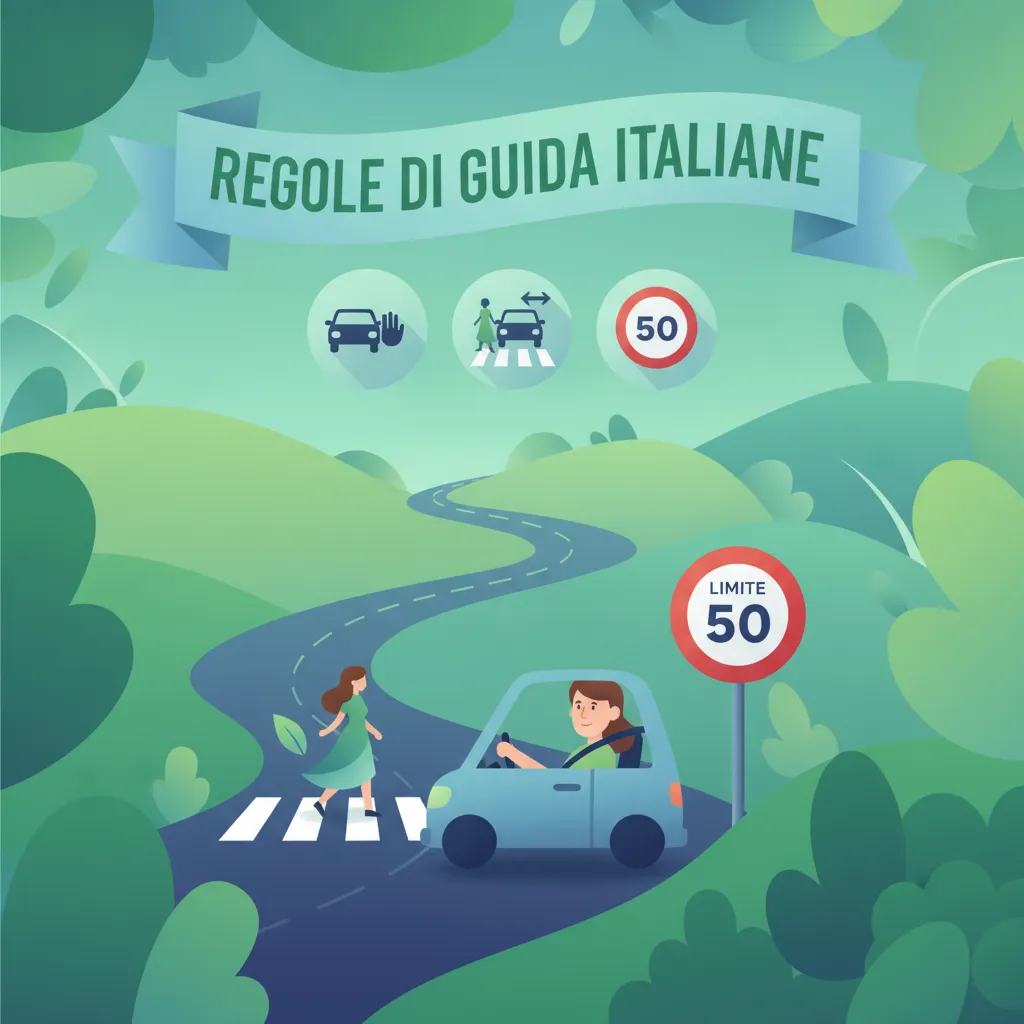
This lesson focuses on the specific regulations applicable to beginner drivers (neopatentati) during their first three years of holding a Patente B. It outlines the stricter speed limits on motorways and main roads, as well as the restrictions on vehicle power-to-weight ratios. Furthermore, it details the absolute zero-tolerance policy for alcohol consumption and the increased penalties for traffic violations during this probationary period.
This lesson details the profound and dangerous effects of alcohol and drugs on driving ability, including impaired coordination, slowed reaction time, and poor judgment. It specifies the legal blood alcohol concentration (BAC) limits in Italy, including the strict zero-tolerance policy for beginner drivers. The content also outlines the severe legal consequences of a DUI conviction, which can include heavy fines, license revocation, and imprisonment.
This lesson explains the function of Italian traffic light systems and the meaning of various road markings. You will learn the rules for red, amber, and green signals, including flashing lights and directional arrows. It also covers how to interpret lane lines, stop lines, and other surface markings that dictate correct vehicle positioning and movement.
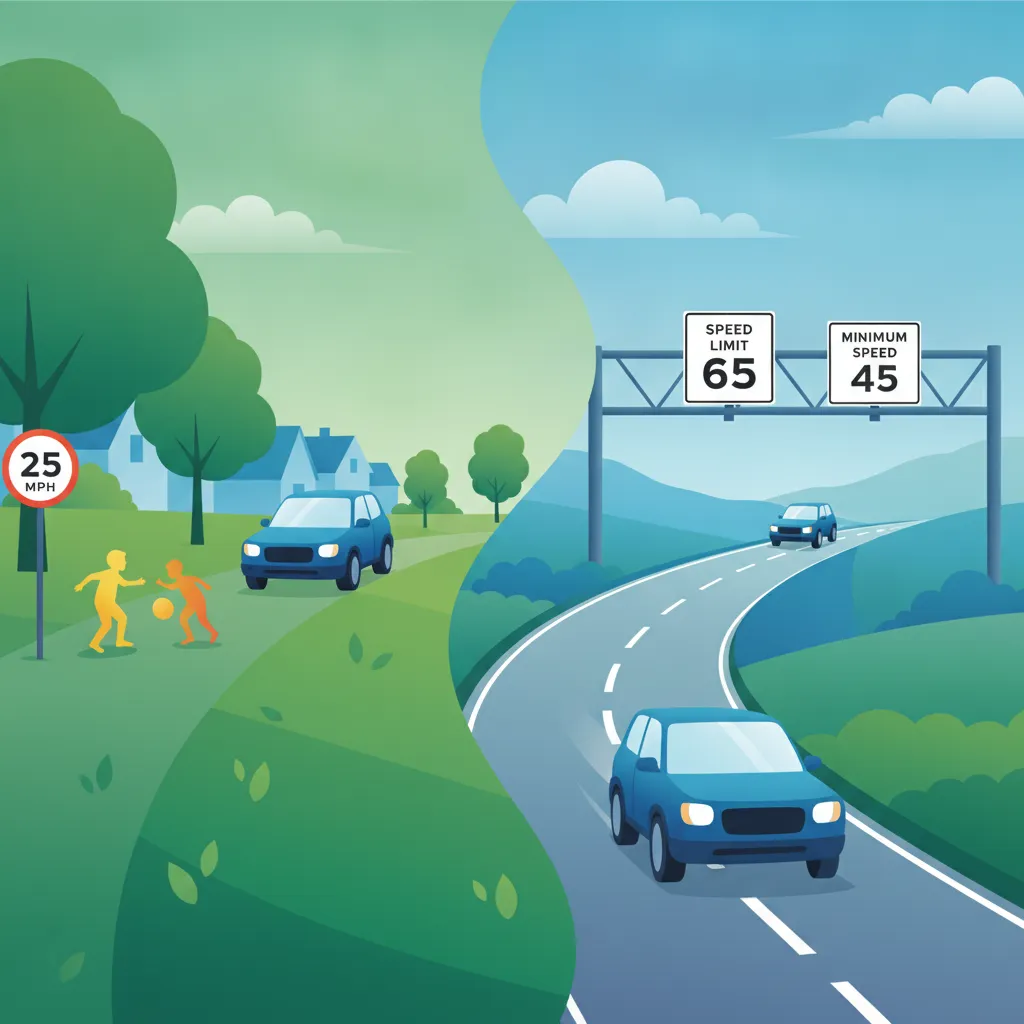
This lesson details the legal speed limits applicable to different road classifications in Italy. It covers the standard limits for urban centers, extra-urban secondary roads, main extra-urban roads, and motorways (autostrade). The content also highlights the lower speed limits that apply to beginner drivers and in specific conditions such as adverse weather or road construction zones.
This lesson defines the scope of the Italian Patente B license according to the Codice della Strada. It clarifies the specific types of vehicles, including maximum weight and passenger capacity, that can be operated. The content also details the official requirements for applicants, such as minimum age, necessary health certifications, and vision standards needed to qualify for the license.
This lesson provides essential rules and techniques for driving on Italian motorways (autostrade) and major extra-urban roads. It explains how to safely merge onto the motorway from an entry ramp, the strict lane discipline required (drive right, overtake left), and how to exit correctly. The content also covers speed regulations, maintaining a safe following distance at high speed, and procedures for using service areas and handling emergencies.
Explore the severe consequences of traffic violations in Italy, including temporary license suspension (sospensione patente) and permanent revocation (ritiro patente). Understand the points threshold and legal framework governing these penalties.
This lesson provides a comprehensive review of the legal consequences for violating traffic laws in Italy. It reinforces the workings of the points system, explaining how different offenses lead to deductions and how a total loss of points results in license revocation. The content also covers the scale of monetary fines for various infractions and the conditions under which a driver's license may be temporarily suspended.
This lesson provides a clear overview of the legal penalties for traffic violations in Italy. It explains the structure of fines and the penalty point system that can lead to license suspension or revocation. The content also touches on more severe consequences, including criminal liability for incidents causing injury, to emphasize the importance of lawful riding.
This lesson provides a clear overview of the legal consequences for failing to comply with road transport regulations in Italy. It covers the system of fines for common offenses like speeding, overloading, and violations of driving hours. The lesson also explains the penalty point system that can lead to license suspension and touches upon the responsibilities and potential liability of the transport company.
This lesson details the profound and dangerous effects of alcohol and drugs on driving ability, including impaired coordination, slowed reaction time, and poor judgment. It specifies the legal blood alcohol concentration (BAC) limits in Italy, including the strict zero-tolerance policy for beginner drivers. The content also outlines the severe legal consequences of a DUI conviction, which can include heavy fines, license revocation, and imprisonment.

This lesson outlines the mandatory legal procedures a rider must follow after being involved in a traffic accident. It covers the obligation to stop, render aid if necessary, and report the incident to the appropriate authorities. The content explains the process of exchanging information with other parties, documenting the scene for insurance purposes, and the potential legal and financial liabilities that may arise.
This lesson focuses on the specific regulations applicable to beginner drivers (neopatentati) during their first three years of holding a Patente B. It outlines the stricter speed limits on motorways and main roads, as well as the restrictions on vehicle power-to-weight ratios. Furthermore, it details the absolute zero-tolerance policy for alcohol consumption and the increased penalties for traffic violations during this probationary period.
Find clear answers to common questions learners have about Points System and Penalties. Learn how the lesson is structured, which driving theory objectives it supports, and how it fits into the overall learning path of units and curriculum progression in Italy. These explanations help you understand key concepts, lesson flow, and exam focused study goals.
Every driver starts with 20 points. Points are added for years of driving without violations and deducted for specific traffic infractions.
Yes, beginner drivers (neopatentati) face doubled point deductions for traffic violations during the first three years of holding their license.
Reaching zero points requires you to undergo a mandatory revision of your driving license, which involves passing both a new theory and practical exam.
Yes, points can be recovered by attending approved driving school courses or by maintaining a clean record for a specific period, depending on the severity of the loss.
Start searching now to pinpoint exactly which Italian driving theory topics, road signs, or traffic rules you need to master. Use our advanced filters to build a custom practice session and ensure you're fully prepared for every aspect of your official driving licence exam.