
This lesson details the specific legal requirements and restrictions for new drivers in Italy, known as neopatentati. Understanding these rules is crucial for your theory exam and ensures you comply with the law during your first three years of holding a Patente B license.
Lesson content overview
Obtaining your Patente B, the Italian driving license for cars, marks a significant milestone. However, new drivers, officially known as neopatentati in Italy, are subject to a specific set of stricter rules and restrictions during their initial years on the road. These regulations are designed to enhance safety for inexperienced drivers and other road users by mitigating the higher risks associated with novice driving. Understanding and adhering to these rules is paramount not only for compliance but also for developing safe driving habits and avoiding severe penalties.
This comprehensive lesson will guide you through the mandatory restrictions that apply to beginner drivers in Italy. We will cover the duration of the probationary period, specific speed limits on various road types, limitations on vehicle performance, the absolute zero-tolerance policy for alcohol consumption, and the escalated penalties for traffic violations.
The concept of a probationary period for new drivers is a fundamental aspect of Italian traffic law, aimed at providing a structured learning phase for those new to independent driving. It acknowledges that initial driving experience often comes with higher risks.
In Italy, a "neopatentato" refers to any driver who has obtained their Patente B (car driving license) for the first time within the last three years. This designation carries with it a distinct set of legal obligations and limitations that differentiate them from more experienced drivers. The purpose of this status is to encourage cautious driving and provide a buffer period during which new drivers can gain experience under more controlled conditions.
The standard probationary period for a Patente B holder in Italy lasts three years from the date the license is issued. During this entire three-year timeframe, the driver is considered a neopatentato and must strictly adhere to all the special rules discussed in this lesson.
A common misunderstanding is that the probationary period ends after only one year. It is crucial to remember that the full duration is three years, and all specific restrictions remain in force for this entire period.
For example, if you obtained your Patente B on May 15, 2024, you would be considered a neopatentato until May 15, 2027. Any violations committed within this period will incur penalties tailored for beginner drivers.
One of the most significant restrictions for neopatentati involves reduced maximum speed limits on certain types of roads. While standard speed limits apply in urban areas, motorways and main extra-urban roads have specific lower thresholds for new drivers.
On Italian motorways, known as autostrade, the general speed limit for experienced drivers is 130 km/h. However, for neopatentati, this limit is reduced.
The maximum speed allowed for a beginner driver on an Italian motorway is 100 km/h. This reduced limit applies regardless of the posted speed limit signs, which may indicate 130 km/h. Neopatentati must always respect this lower threshold.
Main extra-urban roads, or strade extraurbane principali, are typically fast-flowing roads outside urban areas, where experienced drivers may travel up to 110 km/h. For neopatentati, a stricter limit is enforced here as well.
Beginner drivers must not exceed 80 km/h on main extra-urban roads. Similar to motorways, this reduced limit applies even if the general signage indicates a higher speed limit for other drivers.
Failing to observe these reduced speed limits can lead to significantly higher fines and increased point deductions from your license, as detailed in Article 142 and Article 143 of the Codice della Strada.
Unlike motorways and main extra-urban roads, there is no specific reduction in speed limits for neopatentati within urban areas (towns and cities). In built-up areas, beginner drivers must adhere to the standard urban speed limits, which are typically 50 km/h, unless otherwise indicated by specific signage (e.g., 30 km/h zones).
Another crucial restriction for neopatentati concerns the type of vehicle they are permitted to drive. This limitation is based on the vehicle's engine power relative to its weight, often referred to as the power-to-weight ratio. The goal is to prevent inexperienced drivers from operating excessively powerful or high-performance vehicles that might be more challenging to control.
During the first year of their Patente B, neopatentati are prohibited from driving vehicles with a power-to-weight ratio exceeding 55 kW per tonne (or 0.055 kW/kg). Additionally, the maximum power of the vehicle must not exceed 70 kW (95 PS), regardless of its weight.
This restriction on power-to-weight ratio primarily applies for the first year of the probationary period. However, it is essential to re-verify this specific duration, as regulations can be subject to amendments. After the first year and for the remaining two years of the probationary period, the power-to-weight ratio restriction typically no longer applies, though speed and alcohol restrictions remain.
To determine if a vehicle is compliant, you need to check its registration certificate (libretto di circolazione). This document provides details on the vehicle's engine power (in kW) and its unladen weight (in kg).
To calculate the power-to-weight ratio, divide the vehicle's engine power in kilowatts (kW) by its unladen mass in tonnes (1 tonne = 1000 kg).
Example:
It is the driver's responsibility to ensure the vehicle they are operating complies with these restrictions. Driving a non-compliant vehicle can result in fines and points, as per Article 118 of the Codice della Strada.
The Italian Codice della Strada imposes an exceptionally strict policy regarding alcohol consumption for beginner drivers. This rule is designed to eliminate any alcohol-related impairment, given the higher accident risk associated with inexperienced drivers.
For neopatentati, there is an absolute zero-tolerance policy for alcohol. This means that your blood alcohol content (BAC) must be 0.0 grams per litre (g/L). Even a minimal, detectable amount of alcohol in your system is considered a violation.
This strict rule contrasts with the permissible BAC limit for experienced drivers, which is typically 0.5 g/L. For a neopatentato, any consumption of alcoholic beverages before or during driving is strictly prohibited.
Any detectable BAC for a neopatentato, even below 0.5 g/L, triggers immediate penalties. These penalties are severe and are designed to deter any alcohol consumption before driving.
Penalties can include:
There is no "safe" amount of alcohol for a neopatentato to consume before driving. Even a small glass of wine or beer can result in a detectable BAC and lead to mandatory penalties. Always ensure you are completely sober when getting behind the wheel during your probationary period. This is regulated by Article 186 bis of the Codice della Strada.
The Italian points-based license system is more stringent for neopatentati. This means that beginner drivers face harsher consequences for committing traffic violations compared to experienced drivers. The heightened penalties serve as a strong deterrent, reinforcing the importance of safe and responsible driving during the probationary period.
For many traffic infractions, neopatentati will incur higher penalties. Specifically:
Example: Speeding 20 km/h over the limit on a motorway, where the reduced limit of 100 km/h applies to a neopatentato, could result in 6 points for the beginner driver versus 3 points for an experienced driver. The monetary fine would also be higher.
Certain violations can lead to immediate and severe consequences for neopatentati:
The purpose of these escalated penalties is to strongly discourage infractions during a period when drivers are still developing their skills and judgment. Maintaining a clean driving record during the probationary period is crucial to avoid license loss and higher insurance premiums.
Many neopatentati unintentionally violate rules due to misunderstandings. Being aware of these common pitfalls can help you avoid unnecessary penalties.
The regulations for neopatentati are not arbitrary; they are rooted in road safety principles and accident statistics. Understanding the reasoning behind each rule can reinforce their importance.
By complying with these regulations, neopatentati not only protect themselves but also contribute to the overall safety of Italian roads. This probationary period is a vital step in becoming a competent and responsible driver for life.
Understanding beginner driver rules is crucial for your Italian Patente B. To deepen your knowledge and prepare effectively, explore related lessons and practice questions.
New Italian drivers (neopatentati) must adhere to a three-year probationary period of heightened restrictions starting from when their Patente B is issued. Key limitations include reduced speed limits of 100 km/h on motorways and 80 km/h on main extra-urban roads, which override standard posted limits. During the first year only, vehicles must comply with a maximum power-to-weight ratio of 55 kW/tonne and engine power of 70 kW. The absolute zero-tolerance alcohol policy requires a BAC of 0.0 g/L, with no permissible level whatsoever. Violations during this period result in doubled point deductions and significantly higher fines compared to experienced drivers.
A short set of high-value points that capture the most important learning from this lesson.
Neopatentati must follow special restrictions for their full three-year probationary period from the date their Patente B is issued
On Italian motorways (autostrade), beginner drivers cannot exceed 100 km/h regardless of posted signs indicating 130 km/h
On main extra-urban roads (strade extraurbane principali), the neopatentati speed limit is 80 km/h compared to 110 km/h for experienced drivers
During the first year only, vehicles must not exceed a power-to-weight ratio of 55 kW/tonne or maximum engine power of 70 kW
Neopatentati face a strict zero-tolerance alcohol policy requiring 0.0 g/L BAC, unlike the 0.5 g/L limit for experienced drivers
Explore all units and lessons included in this driving theory course.
The three-year probationary period applies to ALL neopatentati restrictions; it is NOT one year as some mistakenly believe
Power-to-weight ratio is calculated by dividing engine power (kW) by unladen mass (tonnes); check the libretto di circolazione for these values
Speed restrictions for neopatentati (100 km/h motorway, 80 km/h extra-urban) override standard signage on those road types
Zero alcohol tolerance means absolutely no detectable BAC—not even a small glass of wine can be considered safe
Point deductions for traffic violations are typically doubled for neopatentati compared to experienced drivers
Assuming the 130 km/h speed limit on motorway signs applies to them; neopatentati must always observe the 100 km/h limit
Miscalculating the power-to-weight ratio by using kerb weight instead of unladen mass from the registration document
Believing the power-to-weight restriction applies for the entire three-year period when it only covers the first year
Thinking that having a BAC just below 0.5 g/L is acceptable; for neopatentati any detectable amount violates the zero-tolerance rule
Assuming reduced speed limits do not apply in adverse weather conditions; restrictions remain in force regardless of fog, rain, or other hazards
Lesson content overview
A short set of high-value points that capture the most important learning from this lesson.
Neopatentati must follow special restrictions for their full three-year probationary period from the date their Patente B is issued
On Italian motorways (autostrade), beginner drivers cannot exceed 100 km/h regardless of posted signs indicating 130 km/h
On main extra-urban roads (strade extraurbane principali), the neopatentati speed limit is 80 km/h compared to 110 km/h for experienced drivers
During the first year only, vehicles must not exceed a power-to-weight ratio of 55 kW/tonne or maximum engine power of 70 kW
Neopatentati face a strict zero-tolerance alcohol policy requiring 0.0 g/L BAC, unlike the 0.5 g/L limit for experienced drivers
Explore all units and lessons included in this driving theory course.
The three-year probationary period applies to ALL neopatentati restrictions; it is NOT one year as some mistakenly believe
Power-to-weight ratio is calculated by dividing engine power (kW) by unladen mass (tonnes); check the libretto di circolazione for these values
Speed restrictions for neopatentati (100 km/h motorway, 80 km/h extra-urban) override standard signage on those road types
Zero alcohol tolerance means absolutely no detectable BAC—not even a small glass of wine can be considered safe
Point deductions for traffic violations are typically doubled for neopatentati compared to experienced drivers
Assuming the 130 km/h speed limit on motorway signs applies to them; neopatentati must always observe the 100 km/h limit
Miscalculating the power-to-weight ratio by using kerb weight instead of unladen mass from the registration document
Believing the power-to-weight restriction applies for the entire three-year period when it only covers the first year
Thinking that having a BAC just below 0.5 g/L is acceptable; for neopatentati any detectable amount violates the zero-tolerance rule
Assuming reduced speed limits do not apply in adverse weather conditions; restrictions remain in force regardless of fog, rain, or other hazards
Explore search topics learners often look for when studying Beginner Driver Rules and Restrictions. These topics reflect common questions about road rules, driving situations, safety guidance, and lesson level theory preparation for learners in Italy.
Browse additional driving theory lessons that cover connected traffic rules, road signs, and common driving situations related to this topic. Improve your understanding of how different rules interact across everyday traffic scenarios.
Learn the specific vehicle power-to-weight ratio and maximum power limitations for beginner drivers (neopatentati) in Italy during their first year. Understand how to check vehicle compliance and the implications of exceeding these restrictions for your Patente B.
This lesson defines the scope of the Italian Patente B license according to the Codice della Strada. It clarifies the specific types of vehicles, including maximum weight and passenger capacity, that can be operated. The content also details the official requirements for applicants, such as minimum age, necessary health certifications, and vision standards needed to qualify for the license.
This lesson clarifies the precise scope of the Patente AM license, defining the vehicle categories it permits based on technical specifications. It details the legal limits on power, engine displacement, and maximum speed for mopeds and similar vehicles. You will also learn about the minimum age, registration process, and mandatory insurance needed to operate on public roads.
This lesson details the legal speed limits applicable to different road classifications in Italy. It covers the standard limits for urban centers, extra-urban secondary roads, main extra-urban roads, and motorways (autostrade). The content also highlights the lower speed limits that apply to beginner drivers and in specific conditions such as adverse weather or road construction zones.

This lesson explores the practical, on-road consequences of the different motorcycle license categories. It analyzes how power and weight restrictions directly affect a motorcycle's handling, acceleration, and braking capabilities. Learners will understand how these factors shape riding strategies and safety considerations, highlighting the competency development needed for each successive license level.
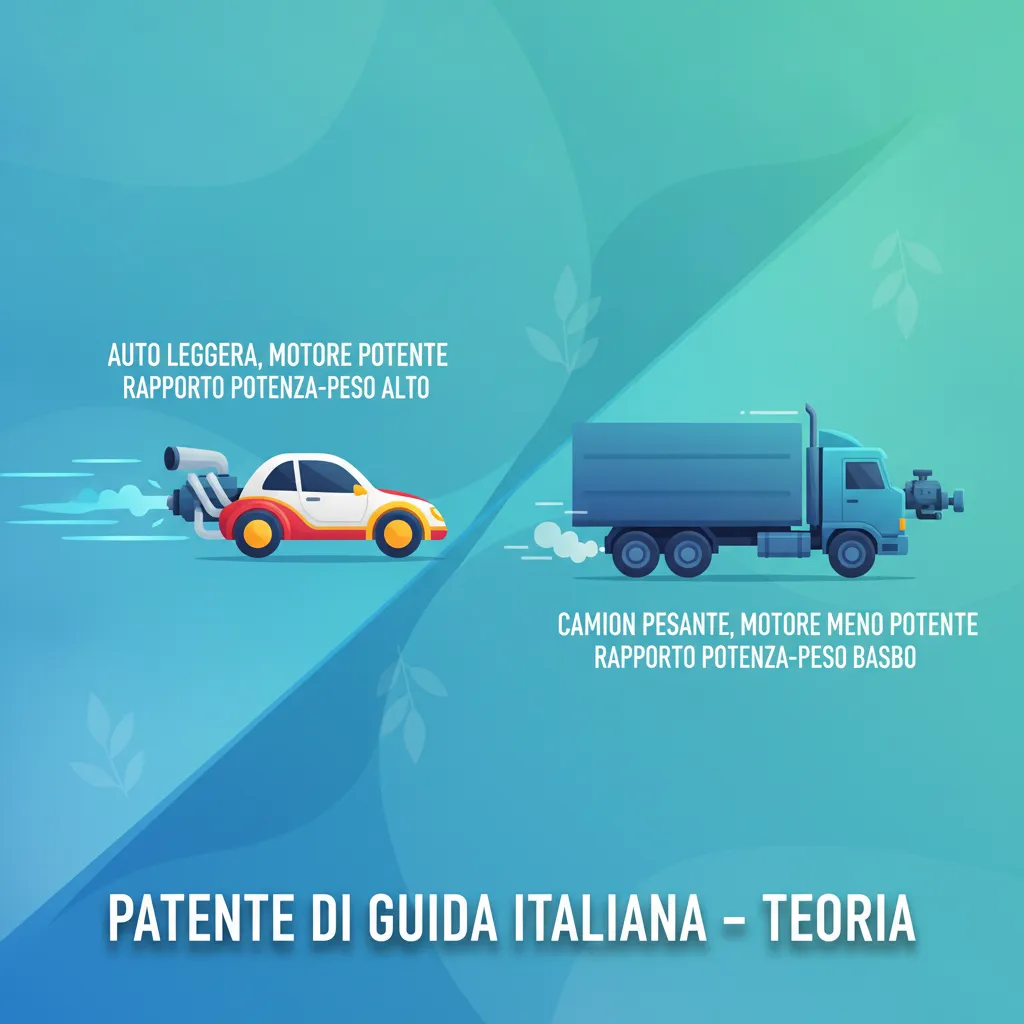
This lesson explains the core principles of motorcycle engines, focusing on key metrics like displacement, power, and the power-to-weight ratio. It details how these characteristics influence a motorcycle's acceleration, handling, and adherence to the specific limits of each license category. The content also covers different engine types and cooling systems, relating them to overall performance and reliability.

This lesson examines the set of legal obligations for all drivers holding a Patente B license under the Codice della Strada. It covers mandatory responsibilities such as maintaining valid vehicle insurance, ensuring proper registration, and adhering to periodic technical inspection (revisione) schedules. The content also emphasizes the legal requirement to carry necessary documents while driving and the penalties for non-compliance.

This lesson covers the driver's legal responsibility for ensuring the safety of all passengers. It details the mandatory use of seat belts (cinture di sicurezza) for all occupants in both front and rear seats. The content provides a thorough explanation of the laws regarding child restraint systems, covering the different types of car seats required based on a child's age, weight, and height, and how to install them correctly.
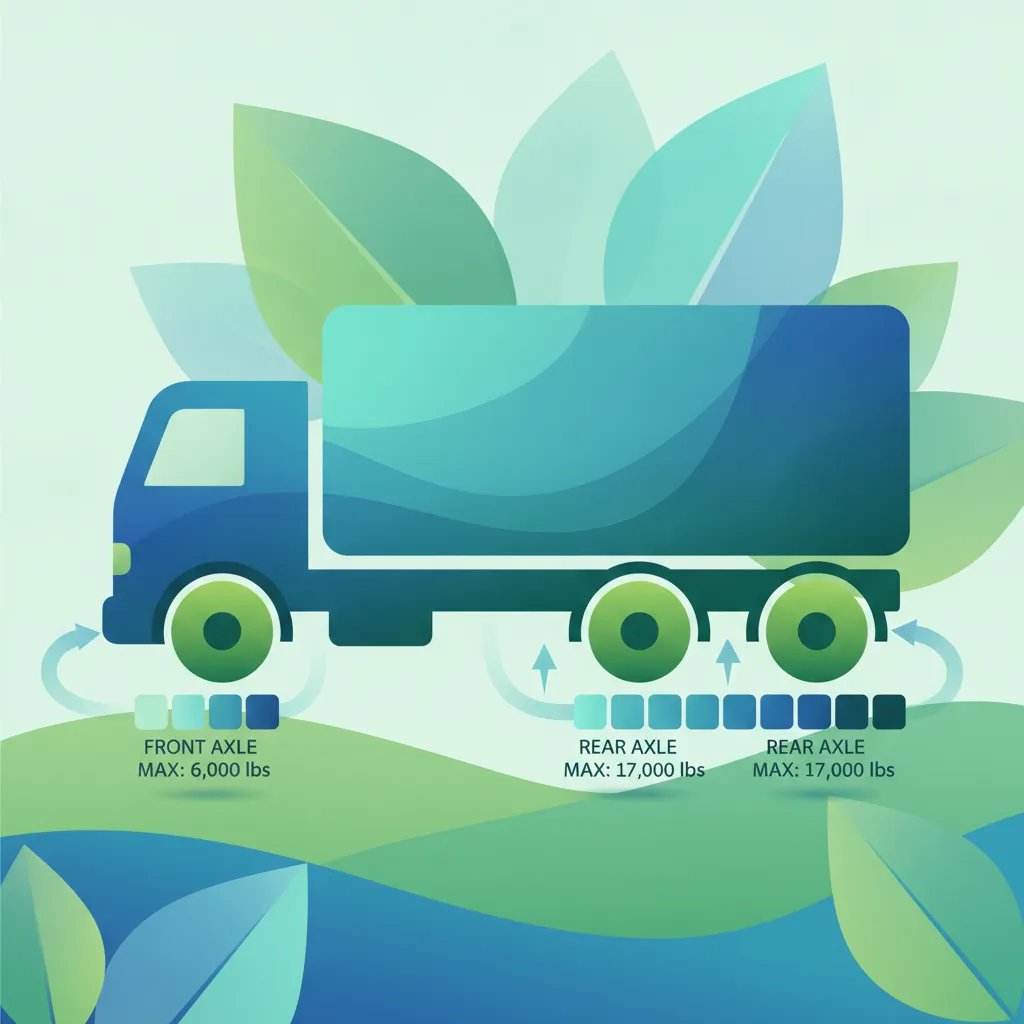
This lesson details the legal restrictions on the weight that can be supported by a single axle or a group of axles. It explains the importance of distributing the load correctly across the vehicle's length to prevent exceeding these limits, which can cause significant road damage and compromise vehicle safety. Learners will understand the relationship between load placement, axle pressure, and overall stability, particularly during braking and cornering.
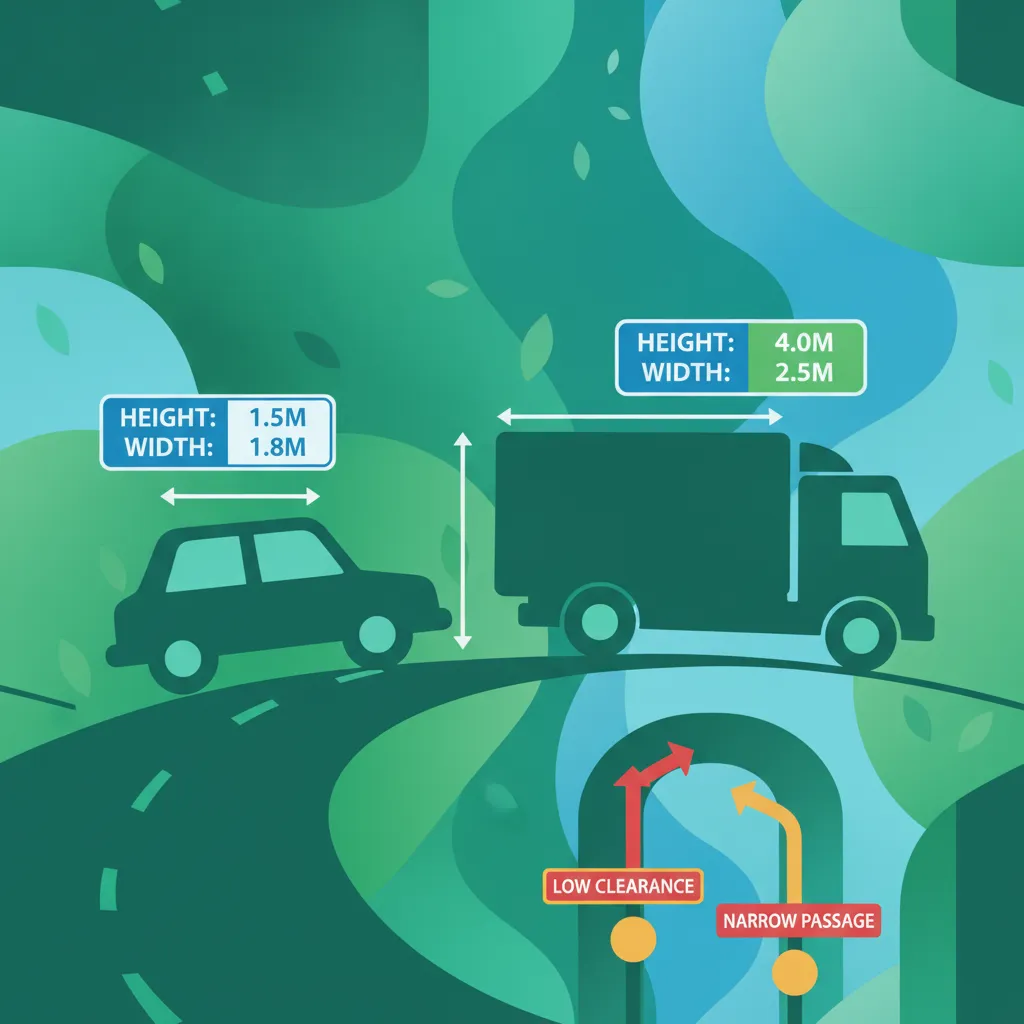
This lesson focuses on the specific dimensional limits that heavy goods vehicles must adhere to on Italian roads, as stipulated by the Codice della Strada. It covers the maximum permissible length, width, and height, explaining how these restrictions impact navigation through tunnels, under bridges, and within urban environments. Learners will also understand the conditions under which special permits for exceptional or oversized transport are required.
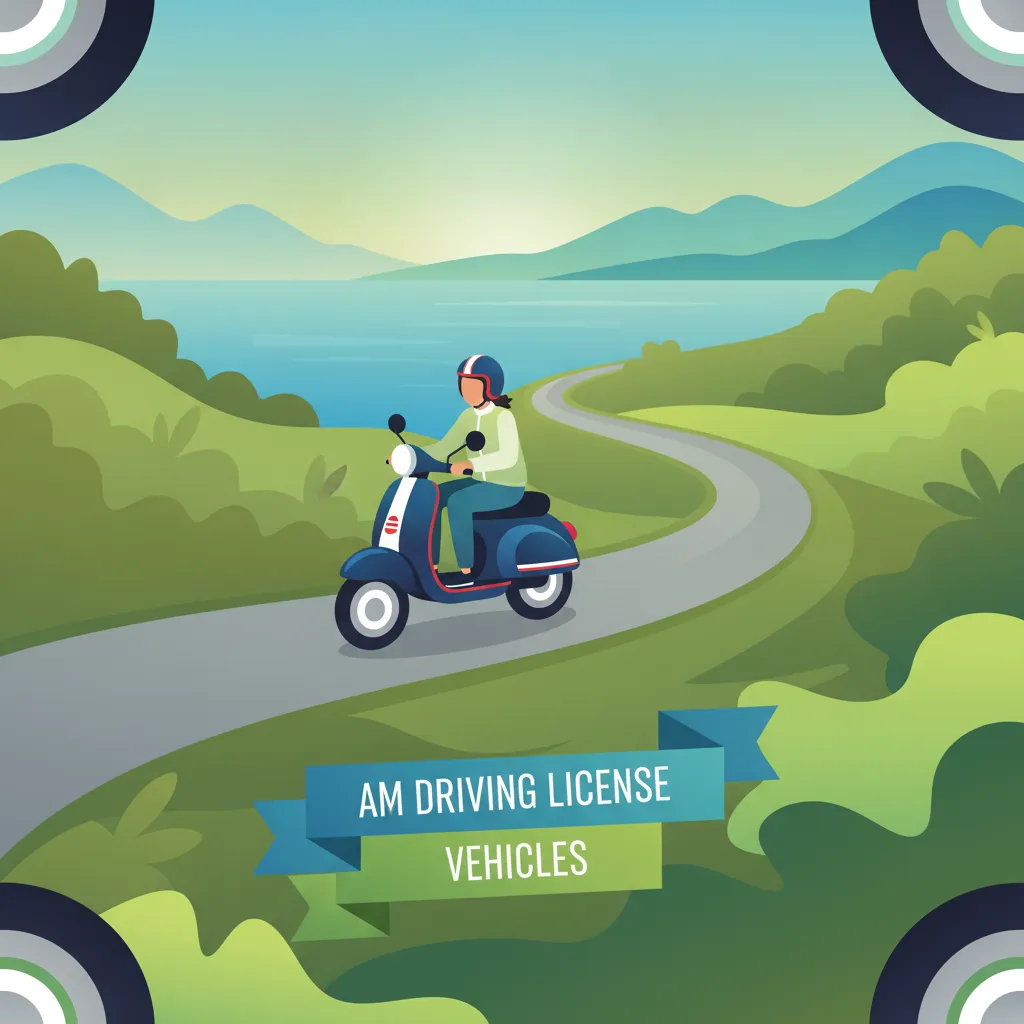
This lesson provides a detailed breakdown of the vehicle types authorized under the Patente AM license. You will learn to distinguish between ciclomotori, scooters, three-wheeled mopeds, and light quadricycles by their specific characteristics. Key topics include engine displacement limits, power output, and mandatory equipment like lights, mirrors, and brakes as required by Italian law.
Understand the significantly increased fines, double point deductions, and potential license suspension for new drivers (neopatentati) in Italy. Learn the consequences of violating speed limits, alcohol policies, and vehicle restrictions during your probationary period.

This lesson provides a comprehensive review of the legal consequences for violating traffic laws in Italy. It reinforces the workings of the points system, explaining how different offenses lead to deductions and how a total loss of points results in license revocation. The content also covers the scale of monetary fines for various infractions and the conditions under which a driver's license may be temporarily suspended.
This lesson provides a detailed explanation of the Italian driver's license points system (decurtazione punti). It covers how various traffic infractions lead to specific point deductions and the cumulative effect on a driver's license status. Learners will understand the thresholds that trigger license suspension or revocation, the associated monetary fines, and the official procedures for recovering lost points.

This lesson details the profound and dangerous effects of alcohol and drugs on driving ability, including impaired coordination, slowed reaction time, and poor judgment. It specifies the legal blood alcohol concentration (BAC) limits in Italy, including the strict zero-tolerance policy for beginner drivers. The content also outlines the severe legal consequences of a DUI conviction, which can include heavy fines, license revocation, and imprisonment.

This lesson provides a clear overview of the legal penalties for traffic violations in Italy. It explains the structure of fines and the penalty point system that can lead to license suspension or revocation. The content also touches on more severe consequences, including criminal liability for incidents causing injury, to emphasize the importance of lawful riding.
This lesson provides a clear overview of the legal consequences for failing to comply with road transport regulations in Italy. It covers the system of fines for common offenses like speeding, overloading, and violations of driving hours. The lesson also explains the penalty point system that can lead to license suspension and touches upon the responsibilities and potential liability of the transport company.
This lesson provides essential rules and techniques for driving on Italian motorways (autostrade) and major extra-urban roads. It explains how to safely merge onto the motorway from an entry ramp, the strict lane discipline required (drive right, overtake left), and how to exit correctly. The content also covers speed regulations, maintaining a safe following distance at high speed, and procedures for using service areas and handling emergencies.
This lesson details the legal speed limits applicable to different road classifications in Italy. It covers the standard limits for urban centers, extra-urban secondary roads, main extra-urban roads, and motorways (autostrade). The content also highlights the lower speed limits that apply to beginner drivers and in specific conditions such as adverse weather or road construction zones.
This lesson examines the set of legal obligations for all drivers holding a Patente B license under the Codice della Strada. It covers mandatory responsibilities such as maintaining valid vehicle insurance, ensuring proper registration, and adhering to periodic technical inspection (revisione) schedules. The content also emphasizes the legal requirement to carry necessary documents while driving and the penalties for non-compliance.
This lesson defines the scope of the Italian Patente B license according to the Codice della Strada. It clarifies the specific types of vehicles, including maximum weight and passenger capacity, that can be operated. The content also details the official requirements for applicants, such as minimum age, necessary health certifications, and vision standards needed to qualify for the license.
Find clear answers to common questions learners have about Beginner Driver Rules and Restrictions. Learn how the lesson is structured, which driving theory objectives it supports, and how it fits into the overall learning path of units and curriculum progression in Italy. These explanations help you understand key concepts, lesson flow, and exam focused study goals.
In Italy, the special restrictions for new drivers (neopatentati) apply for the first three years from the date the license is issued.
Yes. For the first three years, new drivers must adhere to lower speed limits on motorways (100 km/h instead of 130 km/h) and main extra-urban roads (90 km/h instead of 110 km/h).
Yes, Italy enforces a strict zero-tolerance policy. New drivers must have a blood alcohol concentration of 0.0 g/l while driving during their first three years.
New drivers are subject to a double penalty system. For traffic violations, the number of points deducted from their license is doubled compared to the standard amount for experienced drivers.
Start searching now to pinpoint exactly which Italian driving theory topics, road signs, or traffic rules you need to master. Use our advanced filters to build a custom practice session and ensure you're fully prepared for every aspect of your official driving licence exam.