
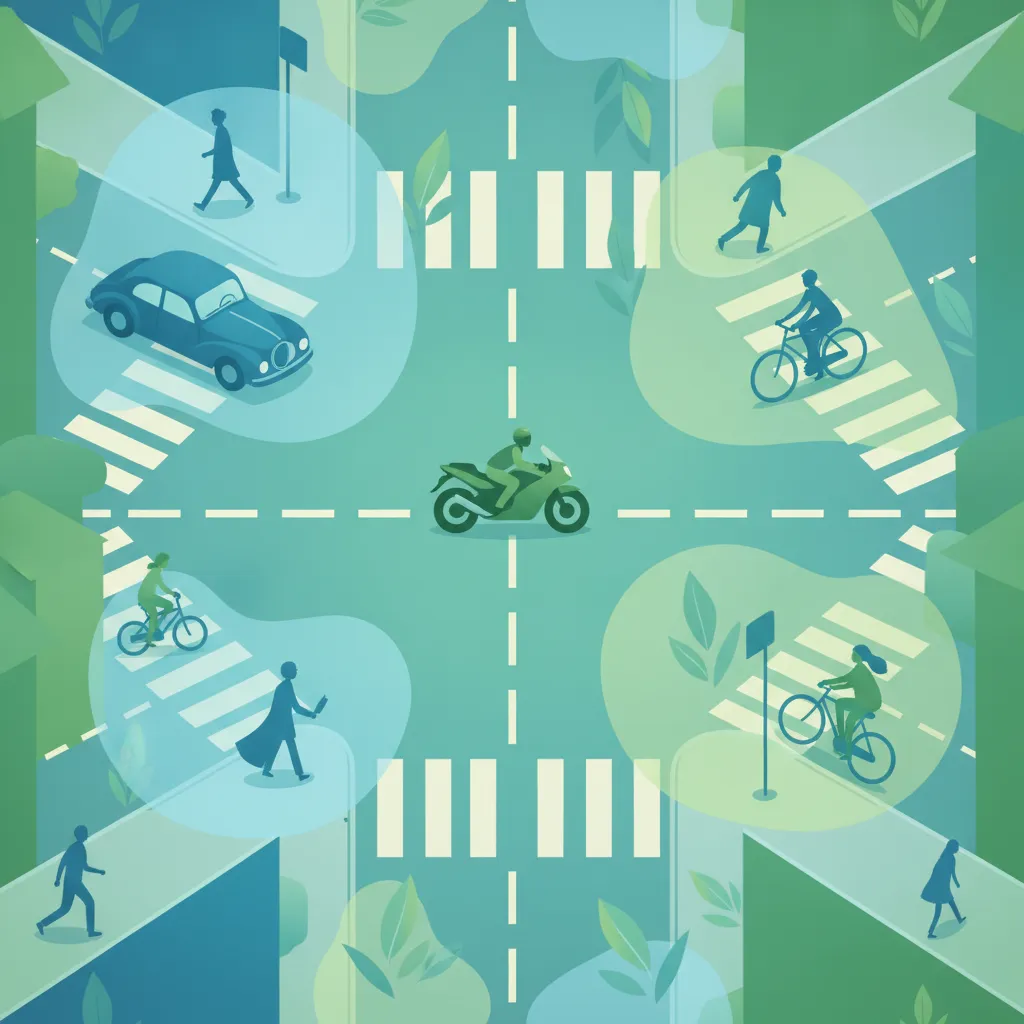
This lesson provides an essential overview of how different road users are classified under the Italian Codice della Strada. Understanding these distinctions is a fundamental step in mastering traffic interaction, ensuring you know how to react appropriately to every category of road user you will encounter during your driving journey.
Lesson content overview
Preparing for your Italian Patente B theory test involves a deep understanding of the Codice della Strada, the comprehensive legal framework governing all aspects of road traffic in Italy. A fundamental component of this framework is the official classification of road users. This lesson will introduce you to these categories, helping you anticipate behavior, apply correct traffic rules, and prioritize safety on Italian roads.
Codice della StradaThe Italian Codice della Strada (Road Code) categorizes all participants in road traffic into distinct groups. This structured approach serves multiple critical purposes, forming the bedrock for all traffic regulations and safe driving practices in Italy. By understanding these classifications, drivers can better predict the actions of others, adhere to specific priority rules, and implement appropriate safety measures, especially when interacting with vulnerable road users.
The system of road user classification is built upon several key principles:
Codice della Strada recognizes this vulnerability and provides enhanced protections and specific rules to safeguard these groups.This foundational knowledge underpins subsequent lessons on communication, cooperative driving behavior, right-of-way principles, and safe interaction with all types of road users.
The Codice della Strada defines several distinct categories of road users. Let's explore each in detail, focusing on their characteristics and the rules that apply to them.
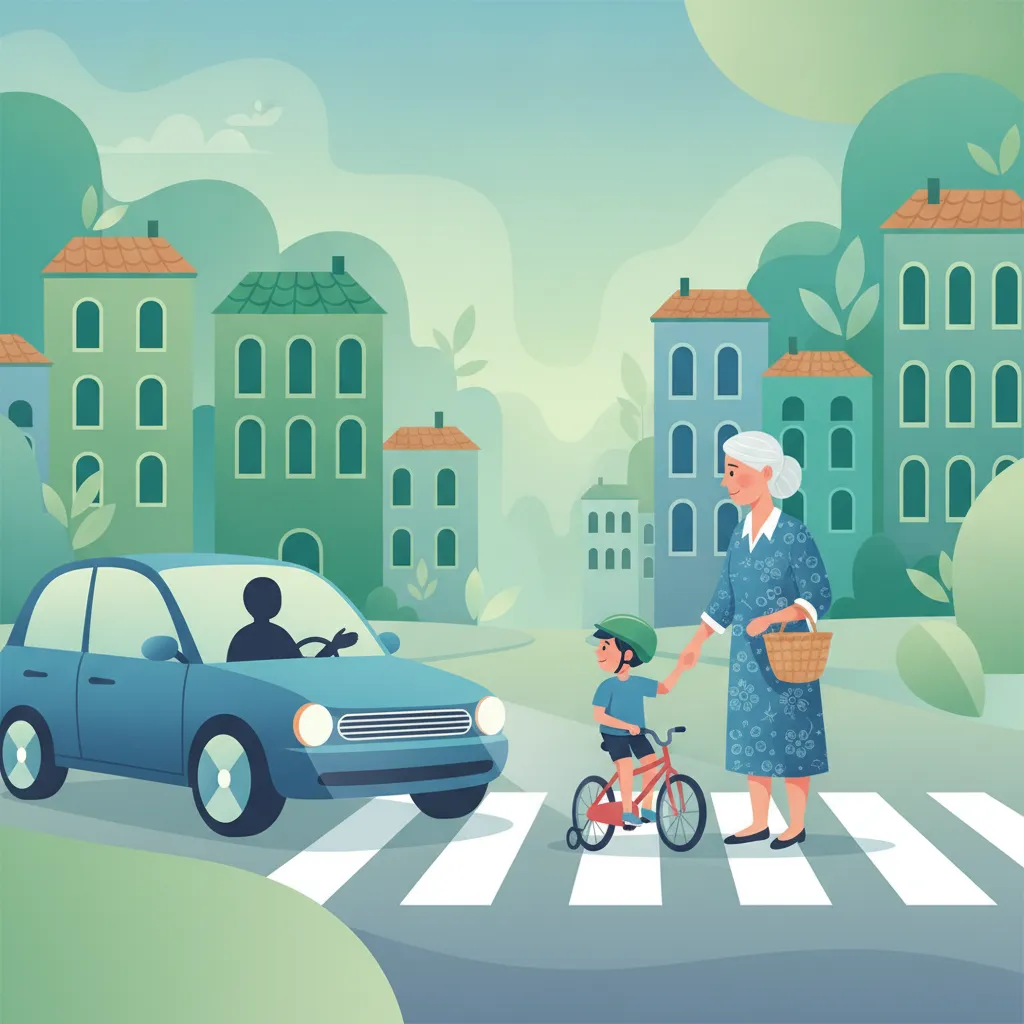
Pedestrians are individuals traveling on foot. This category includes anyone walking on sidewalks, designated pedestrian crossings, or, in the absence of such facilities, on parts of the road not specifically reserved for vehicles.
zebra crossings and within designated pedestrian areas. Drivers must always be prepared to stop for them.zebra crossings.Cyclists are individuals riding bicycles or electric bicycles (including pedelecs) on roads or designated cycle paths. They are considered vulnerable road users due to their lack of physical protection.
cycle paths are absent, cyclists are permitted to ride on the main road and are subject to the same traffic rules as other vehicles. They should ride as close as possible to the right edge of the road, in single file, except in situations where safety permits otherwise.cycle paths when they are provided. If not, they must integrate safely into the general traffic flow.autostrade) and main extra-urban roads (strade extraurbane principali). They must use appropriate lighting at night or in poor visibility.This category encompasses motorcycles and mopeds, including various types of scooters. These vehicles are characterized by their agility and smaller footprint but also by the increased vulnerability of their riders compared to occupants of enclosed vehicles.
Passenger cars are motor vehicles primarily designed for the transport of people, typically with up to eight seats in addition to the driver's seat. This is the most common category of vehicle on Italian roads.
passenger car definition.Passenger cars must comply with the general Codice della Strada rules, paying close attention to speed limits, lane usage, and right-of-way principles.dedicated lanes reserved for public transport or emergency vehicles. When overtaking, they must ensure sufficient space and visibility.Commercial vehicles are designed primarily for transporting goods. They are further divided based on their total permissible weight.
Light commercial vehicles are used for transporting goods and have a total permissible weight (including the vehicle and its maximum load) not exceeding 3,500 kg. They can also have a maximum of eight seats in addition to the driver's seat.
passenger cars, but drivers must also consider additional regulations regarding load distribution and its impact on vehicle handling and braking.weight distribution to maintain stability and safe braking.Heavy goods vehicles (HGVs) are used for transporting goods with a total permissible weight exceeding 3,500 kg. This category includes a wide range of trucks and tractor units.
lane usage rules, and overtaking regulations, especially on motorways and secondary roads. Their size and weight require greater caution from both their drivers and other road users.rightmost lane on multi-lane highways, only using other lanes for overtaking when absolutely necessary and safe. Drivers must always account for their significantly longer braking distances.Beyond the general categories, the Codice della Strada also identifies several special vehicle types with unique operational rules and priorities.
This category includes buses, trolleybuses, and other vehicles designed for scheduled passenger transport.
Public transport vehicles often have priority in dedicated lanes (bus lanes) and must stop at designated bus stops to allow passengers to board and alight safely.bus lanes and must not impede public transport vehicles at stops or when they are re-entering traffic.bus lanes, disrupting public transport schedules and potentially endangering passengers.Emergency vehicles include police cars, ambulances, fire brigade vehicles, and other authorized vehicles responding to emergencies, typically indicated by sirens and flashing blue lights.
emergency vehicle is approaching with its signals activated, all other road users must immediately yield the right of way. This usually means pulling over to the right side of the road and stopping, creating a clear path for the emergency vehicle.emergency vehicles. On multi-lane roads, it may be necessary to apply the crossover rule (also known as the emergency corridor), where vehicles move to the sides of their respective lanes to create a central passage.emergency vehicle is on their side of the road or if it's directly behind them, which is incorrect.Agricultural vehicles are those primarily used for farming activities, such as tractors and other specialized machinery. These vehicles typically operate at much lower speeds than general traffic.
agricultural vehicles use public roads, they must respect basic traffic laws and ensure they are clearly visible to other road users, especially due to their slow speed and large size.flashing yellow lights (rotating beacons) to signal their presence, particularly during low-light conditions or when their width exceeds standard limits. They should generally avoid impeding normal traffic flow where possible.Rail vehicles include locomotives, passenger trains, and freight trains operating on fixed rail tracks. While they do not directly share the road with vehicles, their interaction points are critical.
rail vehicles and road users occurs at railway crossings (level crossings). At these points, road users must exercise extreme caution and always yield the right of way to trains.Codice della StradaUnderstanding specific articles from the Codice della Strada provides a legal basis for the classification rules. These regulations are mandatory and are designed to ensure the safety and efficient flow of traffic for all users.
Codice della Strada (Pedestrian Priority): This article mandates that drivers give priority to pedestrians on zebra crossings. Drivers must stop when a pedestrian steps onto a marked crossing, allowing them to pass safely. Failure to do so can lead to severe consequences.Codice della Strada (Cyclist Lane Usage): Cyclists are required to use cycle paths where they are provided and clearly marked. When no cycle path is available, cyclists must ride on the main roadway, adhering to the same traffic rules as other vehicles. This ensures predictable behavior and reduces conflicts.Codice della Strada (Lane Discipline for Vehicles): While the blueprint contained a specific reference that seemed incorrect, the general principle for two-wheeled motor vehicles (like cars) under Article 143 is to maintain the rightmost lane free for normal travel and use other lanes primarily for overtaking. Safe and disciplined lane usage is crucial for preventing accidents involving faster-moving motorcycles.Codice della Strada (Heavy Goods Vehicle Lane Restrictions): Heavy goods vehicles with a total permissible weight exceeding 3,500 kg are typically required to travel in the right-hand lane on multi-lane motorways. They may use other lanes for overtaking but must return to the rightmost lane as soon as it is safe and practical. This rule helps manage traffic flow and reduces the risk associated with these larger vehicles.Codice della Strada (Public Transport Priority and Lane Use): In urban areas with dedicated bus lanes, other vehicles are strictly prohibited from entering or overtaking public transport vehicles within these lanes. This regulation ensures the efficiency of public transport and the safety of passengers boarding and alighting.Codice della Strada (Emergency Vehicle Right of Way): When an emergency vehicle approaches with active sirens and flashing lights, all other vehicles on the road must yield the right of way. This often involves pulling over to the right and stopping to allow unhindered passage for critical emergency services.Codice della Strada (Mandatory Vehicle Lighting): All vehicles must be equipped with functioning lights and signals appropriate for the prevailing conditions. For example, dipped beams must be used after sunset, in tunnels, and during adverse weather conditions like heavy rain or fog. Proper lighting is fundamental for visibility and safety.Regulation Verification Notes: The articles cited above reflect key provisions of the Codice della Strada. It is always advisable to confirm the latest amendments for precise legal details, especially concerning fines or specific technical requirements.
Ignoring the Codice della Strada's classification rules and associated regulations can lead to serious consequences, ranging from fines and points on your Italian Patente B to severe accidents.
zebra crossing where a pedestrian is already in the process of crossing. This carries a high risk of severe injury to the pedestrian, significant legal penalties, and points deducted from the driver's license.cycle path is in violation of regulations. This increases their risk of collision with motor vehicles.heavy goods vehicle (HGV) occupying the left lane on a multi-lane motorway for an extended period, when not actively overtaking, impedes faster traffic. This creates congestion and increases the risk of accidents, leading to potential fines for the driver.overtaking a public transport vehicle within a dedicated bus lane is strictly prohibited. This is a significant violation that can result in fines and endangers passengers who may be boarding or alighting.emergency vehicle approaches with active sirens and flashing lights can have critical consequences, potentially delaying life-saving operations and resulting in severe legal penalties.dipped beams during reduced visibility, such as heavy rain, fog, or at dusk/dawn, reduces the vehicle's visibility to other users and can be a contributing factor in accidents, incurring fines.The behavior and responsibilities of road users are not static; they change significantly based on environmental conditions and the specific context of the road.
braking distances for all vehicles. Heavy goods vehicles must be particularly cautious due to their higher inertia, requiring even lower speeds. Mandatory use of dipped beams and anti-fog lights/wipers becomes crucial.braking distances. All drivers, especially those of heavy vehicles, must reduce speed and ensure their vehicles are equipped for such conditions (e.g., winter tires, chains where necessary).Cyclists are required to use a front white light and a rear red light, along with reflectors. Drivers must adjust their speed and use high beams only when no other vehicles are approaching or present.half-beam headlights (or dipped beams) is strongly recommended for all road users to enhance their visibility to others, even if full darkness has not yet set in.dedicated lanes for public transport. Drivers must be highly attentive to zebra crossings, traffic signals, and vulnerable users.Autostrade): Higher speed limits apply, but strict lane usage rules are in place, particularly for heavy goods vehicles and certain two-wheeled motor vehicles. Minimum speed limits also apply, and sudden maneuvers are highly dangerous.braking efficiency and significantly increased stopping distances. Load distribution is critical for stability.speed restrictions and alters handling characteristics. Overtaking rules may also differ for tractor-trailers, requiring extra caution and space.zebra crossings and be extra vigilant in areas where pedestrians might unexpectedly enter the road.overtaking a cyclist, motorists must maintain a minimum safe passing distance, typically 1.5 meters in urban environments, to account for sudden movements or road hazards.The classification of road users in the Italian Codice della Strada is a fundamental aspect of safe and legal driving in Italy. It encompasses a wide array of traffic participants, from pedestrians and cyclists to two-wheeled motor vehicles, passenger cars, light commercial vehicles, heavy goods vehicles, public transport vehicles, emergency vehicles, agricultural vehicles, and rail vehicles.
Each of these categories comes with specific rights, obligations, and lane usage rules that directly influence priority, speed limits, and overtaking procedures. A thorough understanding of these distinctions is crucial for applying right-of-way rules, demonstrating cooperative behavior, and ensuring safe interactions with all users, especially the most vulnerable ones. Mastering this classification is an essential step in your preparation for the Italian Patente B Theory examination and for becoming a responsible and safe driver on Italian roads.
The Codice della Strada classifies all road users into distinct categories to ensure consistent rule application, enhanced protection for vulnerable users, and clear priority determinations. This lesson covers pedestrians, cyclists, two-wheeled motor vehicles, passenger cars, light and heavy commercial vehicles, public transport, emergency vehicles, agricultural vehicles, and rail vehicles, each with specific rights, obligations, and lane usage rules. Key regulations including Articles 157, 160, 143, 119, 141, 225, and 56 establish mandatory behaviors for different user interactions, from pedestrian priority at crossings to HGV lane restrictions and emergency vehicle yielding. Understanding these classifications is essential for applying right-of-way rules correctly and demonstrating cooperative driving behavior, making this foundational knowledge for both the Patente B theory exam and safe daily driving in Italy.
A short set of high-value points that capture the most important learning from this lesson.
The Codice della Strada classifies road users to apply consistent rules, protect vulnerable groups, and establish priority rules for all traffic interactions.
Pedestrians and cyclists are classified as vulnerable road users with enhanced legal protections, including absolute priority on marked zebra crossings.
Heavy goods vehicles over 3,500 kg total permissible weight must stay in the rightmost lane on motorways, using other lanes only for overtaking.
Emergency vehicles with active sirens and flashing lights have unconditional right of way; all other users must yield and create an emergency corridor.
Public transport vehicles have priority in dedicated bus lanes, and other vehicles are prohibited from entering or obstructing these lanes.
Explore all units and lessons included in this driving theory course.
Article 157 Codice della Strada mandates that drivers stop for pedestrians on zebra crossings; Article 160 requires cyclists to use available cycle paths.
Mopeds are limited to 50 cc engine displacement and 45 km/h maximum speed, requiring an AM license.
Light commercial vehicles have a maximum total permissible weight of 3,500 kg including load.
Agricultural vehicles must use flashing yellow lights (rotating beacons) on public roads for visibility, especially in low-light conditions.
The minimum safe passing distance when overtaking a cyclist in urban areas is typically 1.5 meters.
Assuming pedestrians have priority anywhere on the road, when in fact priority applies only on marked zebra crossings.
Cyclists riding on the main carriageway despite an available, clearly marked cycle path being present.
Heavy goods vehicles occupying the left lane on multi-lane motorways for extended periods when not actively overtaking.
Drivers failing to yield or create an emergency corridor when an emergency vehicle approaches with active signals.
Entering bus lanes or overtaking public transport vehicles within dedicated bus lanes, endangering passengers boarding or alighting.
Lesson content overview
A short set of high-value points that capture the most important learning from this lesson.
The Codice della Strada classifies road users to apply consistent rules, protect vulnerable groups, and establish priority rules for all traffic interactions.
Pedestrians and cyclists are classified as vulnerable road users with enhanced legal protections, including absolute priority on marked zebra crossings.
Heavy goods vehicles over 3,500 kg total permissible weight must stay in the rightmost lane on motorways, using other lanes only for overtaking.
Emergency vehicles with active sirens and flashing lights have unconditional right of way; all other users must yield and create an emergency corridor.
Public transport vehicles have priority in dedicated bus lanes, and other vehicles are prohibited from entering or obstructing these lanes.
Explore all units and lessons included in this driving theory course.
Article 157 Codice della Strada mandates that drivers stop for pedestrians on zebra crossings; Article 160 requires cyclists to use available cycle paths.
Mopeds are limited to 50 cc engine displacement and 45 km/h maximum speed, requiring an AM license.
Light commercial vehicles have a maximum total permissible weight of 3,500 kg including load.
Agricultural vehicles must use flashing yellow lights (rotating beacons) on public roads for visibility, especially in low-light conditions.
The minimum safe passing distance when overtaking a cyclist in urban areas is typically 1.5 meters.
Assuming pedestrians have priority anywhere on the road, when in fact priority applies only on marked zebra crossings.
Cyclists riding on the main carriageway despite an available, clearly marked cycle path being present.
Heavy goods vehicles occupying the left lane on multi-lane motorways for extended periods when not actively overtaking.
Drivers failing to yield or create an emergency corridor when an emergency vehicle approaches with active signals.
Entering bus lanes or overtaking public transport vehicles within dedicated bus lanes, endangering passengers boarding or alighting.
Explore search topics learners often look for when studying Classification of Road Users. These topics reflect common questions about road rules, driving situations, safety guidance, and lesson level theory preparation for learners in Italy.
Browse additional driving theory lessons that cover connected traffic rules, road signs, and common driving situations related to this topic. Improve your understanding of how different rules interact across everyday traffic scenarios.
Understand the specific categories of road users as defined by the Italian Codice della Strada, including pedestrians, cyclists, and various vehicle types. Learn their legal classifications and associated rights and responsibilities for safe driving.
This lesson explains the fundamental principles of right of way that govern interactions between different types of road users in Italy. It clarifies the legal precedence at intersections, pedestrian crossings, and when interacting with public transport like buses and trams. The content also details the absolute priority given to emergency vehicles and how to safely yield in accordance with the Codice della Strada.
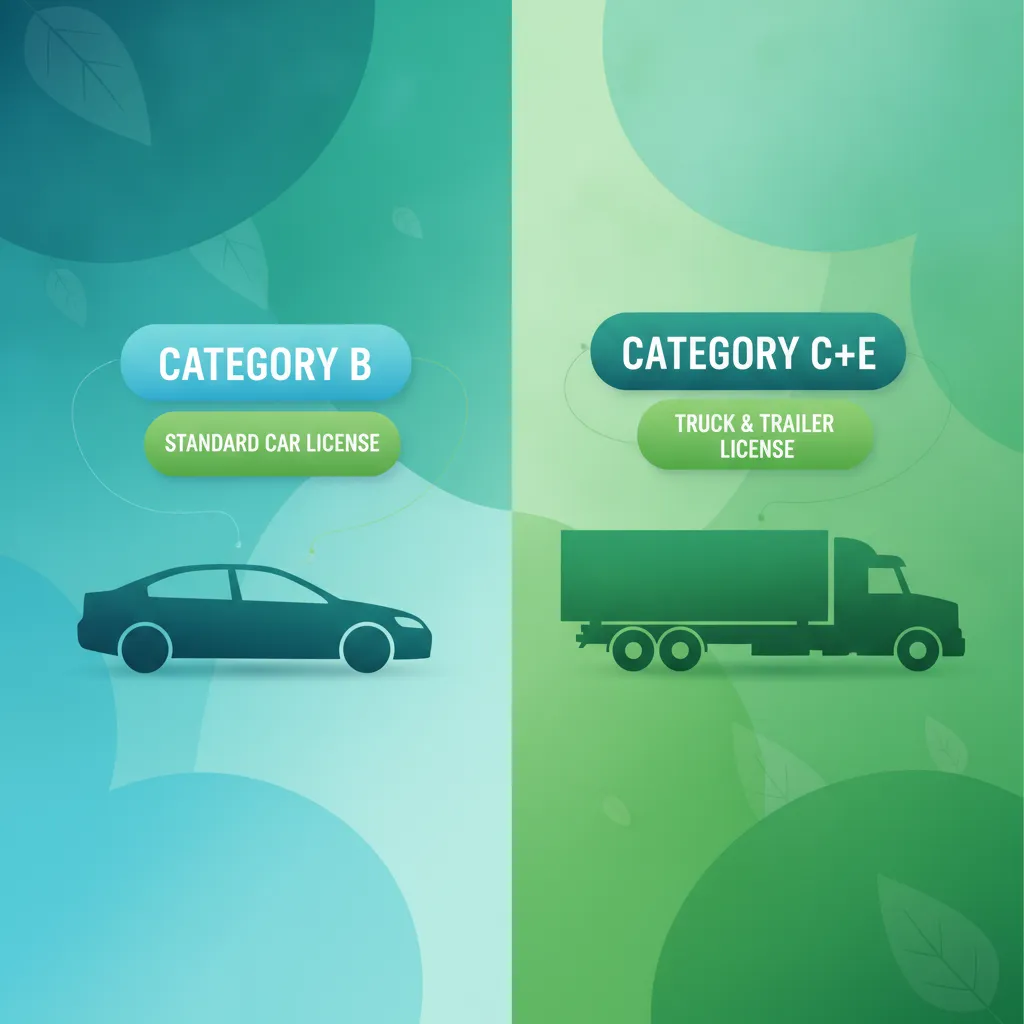
This lesson clearly contrasts the Category B license with the C1, C1E, C, and CE categories, focusing on the significant increases in vehicle mass, dimensions, and operational complexity. It explains the differences in braking systems, vehicle controls, and handling characteristics that necessitate specialized knowledge and skills. Understanding this progression helps learners appreciate the advanced responsibilities and technical competencies required for professional goods vehicle driving.
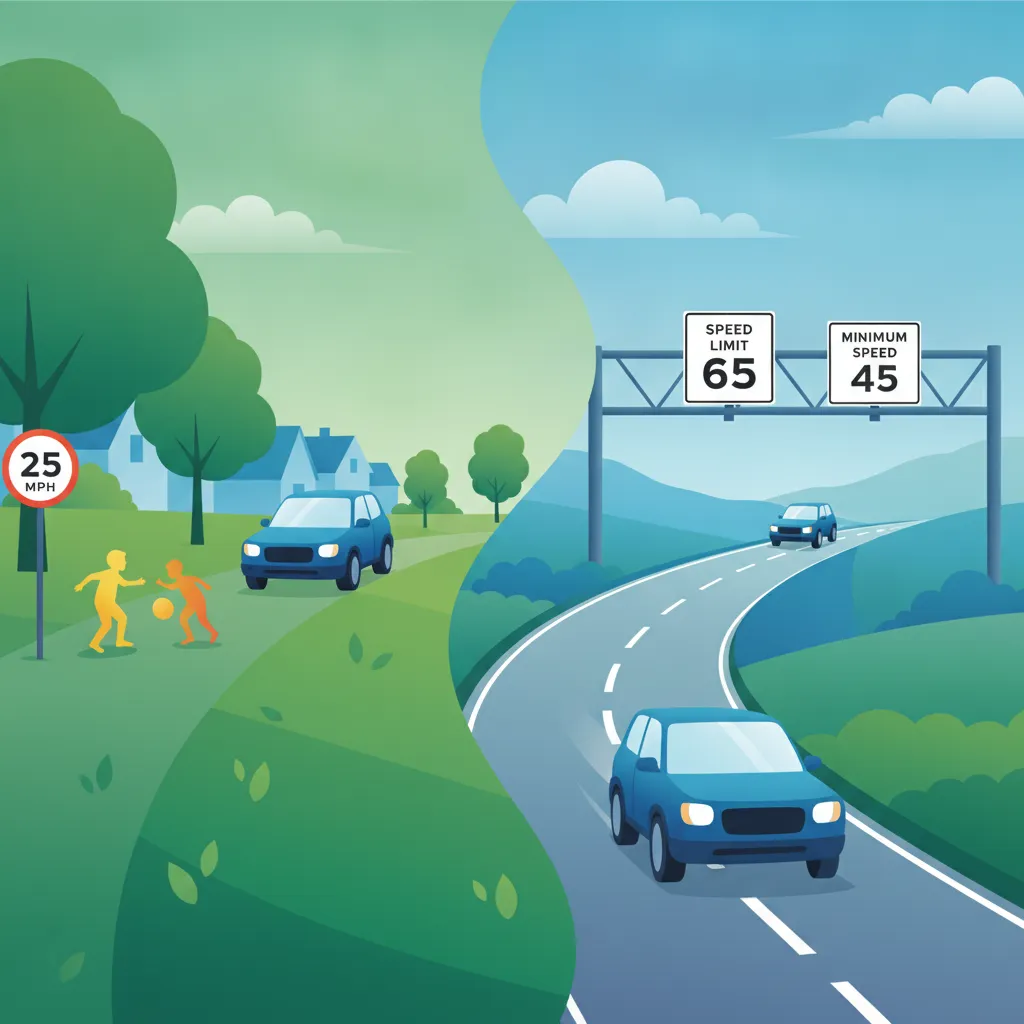
This lesson details the legal speed limits applicable to different road classifications in Italy. It covers the standard limits for urban centers, extra-urban secondary roads, main extra-urban roads, and motorways (autostrade). The content also highlights the lower speed limits that apply to beginner drivers and in specific conditions such as adverse weather or road construction zones.
This lesson delivers a comprehensive explanation of right-of-way regulations at Italian intersections. It covers the interpretation of traffic light signals, the absolute requirement to stop at stop signs, and yielding at give-way signs. Furthermore, it details the default priority rules for unmarked intersections and the specific obligations a rider has towards pedestrians on crossings.
This lesson provides a detailed guide to understanding road markings and pavement symbols in Italy. It explains the critical difference between continuous and broken lane lines regarding overtaking, the function of stop lines and yield markings at intersections, and the meaning of directional arrows painted in lanes. The content also covers markings for pedestrian crossings, bus lanes, and designated parking areas.

This lesson focuses on the specific regulations and techniques for operating a heavy vehicle on high-speed motorways. It covers mandatory lane discipline for trucks, the rules governing overtaking other heavy vehicles, and the specific speed limits that apply. Best practices for merging onto and exiting the motorway, maintaining safe following distances, and using the hard shoulder only in genuine emergencies are also detailed.
This lesson bridges the gap between general traffic laws and their specific application to heavy goods vehicles. It examines how rules regarding speed limits, lane discipline, overtaking, and priority are modified or have special considerations for trucks due to their size, weight, and reduced maneuverability. Drivers will learn to correctly interpret road signs and signals within the context of operating a large vehicle, ensuring safe and compliant integration with other traffic.
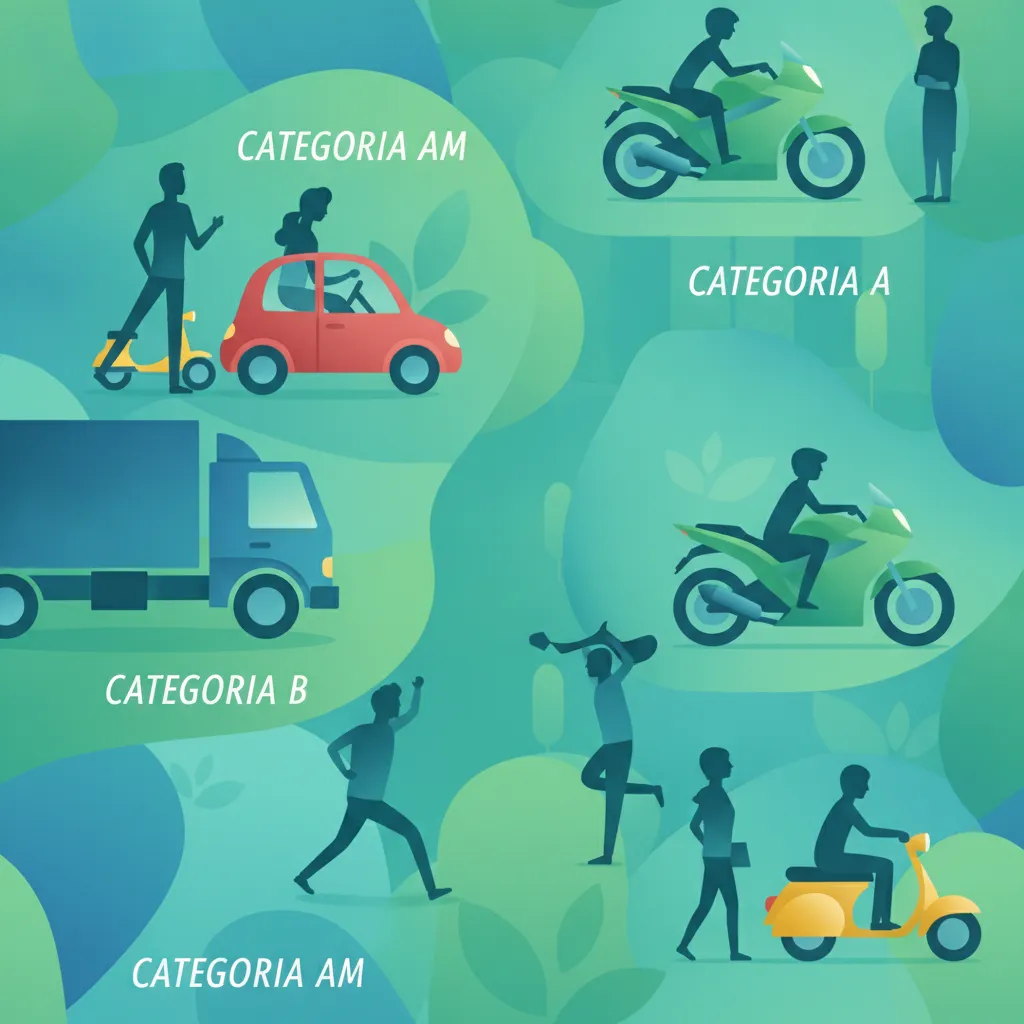
This lesson provides a detailed breakdown of the Italian motorcycle licence categories: A1, A2, and the unrestricted A. It explains the specific technical limits for engine displacement, power output in kW, and the power-to-weight ratio that define each category. Understanding these distinctions is fundamental for selecting a compliant vehicle and recognizing the legal scope of each license.
This lesson provides a detailed breakdown of the Italian goods vehicle licence categories, explaining the criteria that define each one. It covers the maximum authorized mass (MAM), vehicle configurations such as rigid trucks and articulated combinations, and the specific permissions granted by the C1, C1E, C, and CE licenses. Understanding these distinctions is fundamental to ensuring legal operation and choosing the correct qualification for specific transport tasks and vehicle types.

This lesson provides an in-depth focus on sharing the road with the most vulnerable users. It teaches drivers to be acutely aware of pedestrians at crossings, cyclists filtering through traffic, and motorcyclists who may be in blind spots. The lesson emphasizes the importance of leaving extra space, signaling intentions clearly, and exercising extreme caution at junctions, where the majority of serious incidents occur.
Learn how to safely interact with vulnerable road users like pedestrians and cyclists according to Italian traffic law. This lesson focuses on anticipating their behaviour and applying specific precautions for urban and mixed traffic environments.
This lesson provides critical guidance on how to safely share the road with vulnerable users, including pedestrians, cyclists, motorcyclists, and children. It highlights the importance of increased awareness in specific areas like school zones and crosswalks. The content teaches techniques for maintaining a safe lateral distance when overtaking, checking blind spots thoroughly, and anticipating the often unpredictable movements of these users.
This lesson provides an in-depth focus on sharing the road with the most vulnerable users. It teaches drivers to be acutely aware of pedestrians at crossings, cyclists filtering through traffic, and motorcyclists who may be in blind spots. The lesson emphasizes the importance of leaving extra space, signaling intentions clearly, and exercising extreme caution at junctions, where the majority of serious incidents occur.
This lesson is dedicated to fostering awareness and safe interaction with vulnerable road users commonly found in cities. It details the legal priority of pedestrians at crossings and the importance of giving ample space to cyclists. Additionally, it covers the specific hazards associated with tram tracks and the need to be vigilant around public transport vehicles like buses and taxis.
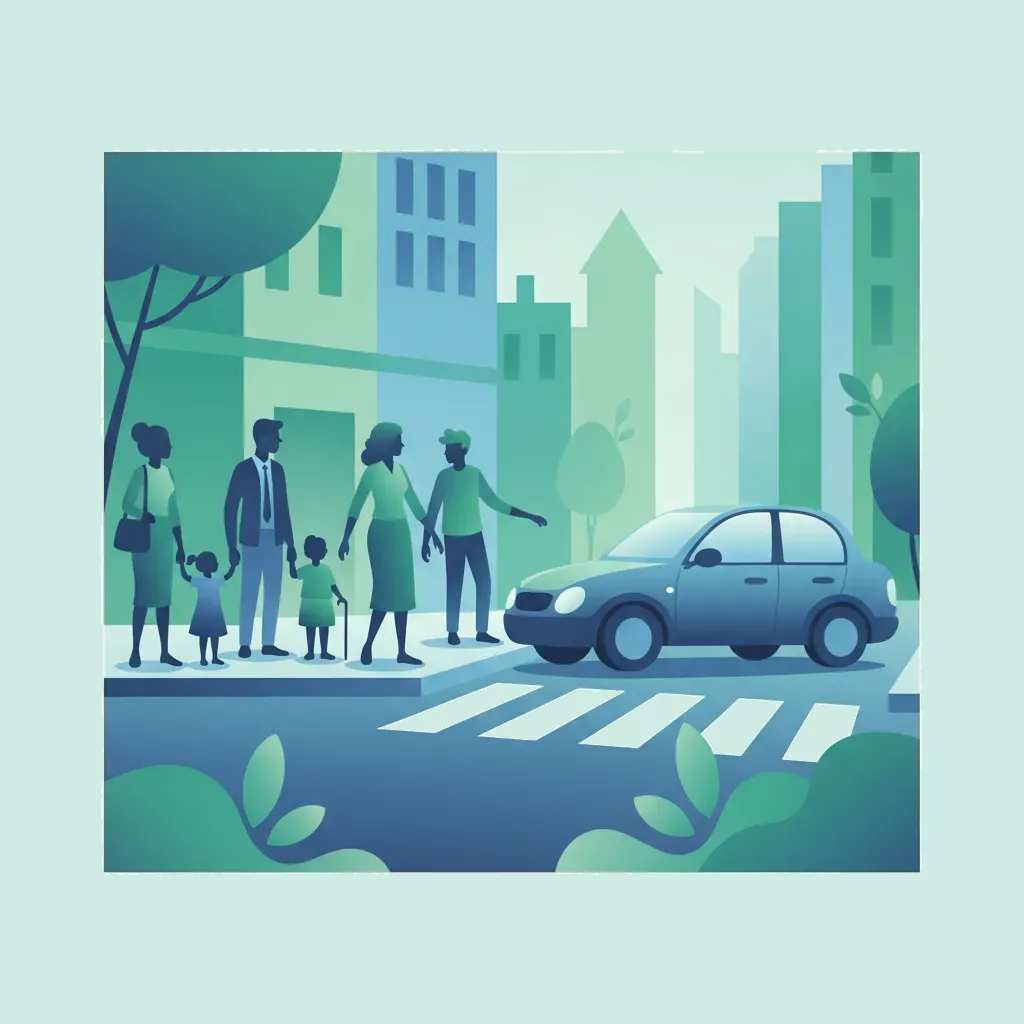
This lesson focuses on the driver's responsibility to protect pedestrians, especially at designated crossings (strisce pedonali). It reinforces the legal requirement to yield to pedestrians who are on or about to enter a crosswalk. The content also covers the importance of reducing speed and increasing vigilance in urban areas, school zones, and other places with high pedestrian activity.

This lesson explains the rules and best practices for safely sharing the road with cyclists. It covers the importance of respecting dedicated bike lanes and maintaining a safe lateral distance (at least 1.5 meters) when overtaking. The content also teaches drivers to be vigilant for cyclists, especially at intersections and when opening car doors, to prevent common types of collisions.
This lesson addresses the critical responsibility of protecting vulnerable road users, such as pedestrians, cyclists, and motorcyclists, who are most at risk in a collision with a heavy vehicle. It teaches drivers to be hyper-aware in urban settings, to anticipate the unpredictable movements of VRUs, and to provide ample space, especially when turning at junctions. A key focus is on scanning for VRUs in blind spots before moving off or making any maneuver.

This lesson addresses the specific challenges of sharing the road with two-wheeled motor vehicles like motorcycles and scooters. It highlights their reduced visibility and stability compared to cars, requiring drivers to double-check blind spots and maintain a greater following distance. The content also discusses common behaviors like lane filtering and the need for drivers to be predictable and signal intentions clearly.
Find clear answers to common questions learners have about Classification of Road Users. Learn how the lesson is structured, which driving theory objectives it supports, and how it fits into the overall learning path of units and curriculum progression in Italy. These explanations help you understand key concepts, lesson flow, and exam focused study goals.
The exam tests your ability to identify different participants, such as pedestrians or cyclists, because each group has specific legal protections and behavioral patterns. Understanding these categories allows you to answer questions about right-of-way and hazard perception accurately.
No. The law distinguishes between bicycles, mopeds (ciclomotori), and motorcycles based on engine size, speed capabilities, and legal status. Knowing these differences is vital for correctly identifying which traffic lanes or zones they are permitted to use.
Public transport, especially trams and buses, has specific priority rules in Italy. You must identify them as separate categories of road users because their maneuverability is limited and their interaction with other traffic is strictly regulated to ensure passenger safety.
Yes. Vulnerable road users, like children, the elderly, and people with disabilities, receive special consideration under the law. You will encounter exam questions that require you to demonstrate increased caution and defensive driving when these users are present.
Start searching now to pinpoint exactly which Italian driving theory topics, road signs, or traffic rules you need to master. Use our advanced filters to build a custom practice session and ensure you're fully prepared for every aspect of your official driving licence exam.