
This lesson explores the essential human elements of driving, focusing on how internal states influence your ability to operate a vehicle safely. It serves as a vital component of your Patente B preparation, teaching you to recognize signs of impairment that are frequently tested in official exams. By understanding these factors, you will be better equipped to make sound decisions and practice defensive driving in any Italian traffic environment.

Lesson content overview
Safe driving requires more than just knowing traffic rules and controlling a vehicle; it demands constant mental and physical alertness. Human factors, such as fatigue, distraction, and emotional states, profoundly influence a driver's ability to operate a vehicle safely and responsibly. Understanding these elements is crucial for anyone preparing for their Italian Patente B Theory test, as they are a leading cause of road accidents. This lesson explores how internal states impact driving performance and outlines strategies to mitigate associated risks, aligning with the principles of the Italian Codice della Strada.
Human factors refer to the physical, mental, and emotional conditions of a driver that directly affect their perception, judgment, reaction time, and vehicle control. When a driver's internal state is compromised, their capacity to respond to changing road conditions, traffic, and unexpected events is significantly diminished, leading to a heightened risk of collisions. Recognizing the signs of impairment in oneself and others is a fundamental aspect of defensive driving and personal responsibility on the road.
The driver's internal state—be it physical weariness, divided attention, or strong emotions—is as vital to road safety as vehicle maintenance or knowledge of traffic laws.
Continuous self-assessment of one's physical and mental condition is a core principle for every driver. Before starting a journey and throughout its duration, drivers must evaluate if they are fit to drive. This proactive evaluation enables early recognition of potential impairments, allowing for adjustments in driving behavior or, if necessary, delaying the journey until a safer state is achieved. This critical awareness is a cornerstone of risk management on the road.
Fatigue is a state of mental or physical weariness that significantly reduces a driver's alertness, concentration, and responsiveness. It is a major contributing factor to road accidents, particularly on long journeys or during late-night hours. Driving when tired can be as dangerous as driving under the influence of alcohol.
Fatigue can manifest in various forms:
Common symptoms of fatigue include:
When a driver is fatigued, their abilities are severely compromised:
The most effective way to combat fatigue is prevention. Drivers must take proactive steps to ensure they are well-rested before getting behind the wheel.
Get Adequate Sleep: Ensure you have 7-9 hours of quality sleep before a long drive. Avoid driving if you feel tired from the outset.
Plan Regular Breaks: On long journeys, it is strongly recommended, and often legally required for professional drivers, to take a break every two hours. Even for private drivers, a break of at least 15-20 minutes after two continuous hours of driving is crucial. Use this time to stretch, walk around, or have a light refreshment.
Avoid Driving During Peak Fatigue Hours: For most people, natural alertness dips between 2:00 AM and 6:00 AM, and again in the early afternoon. If possible, avoid driving during these times.
Pull Over and Rest: If you start to experience any symptoms of fatigue, the only truly effective remedy is to stop driving immediately and rest. A short nap (20-30 minutes) in a safe location can significantly improve alertness. Do not rely on coffee or energy drinks to fully counteract severe fatigue; they may provide a temporary boost but do not address the underlying exhaustion.
Share Driving Responsibilities: If possible, travel with another licensed driver and take turns behind the wheel.
Distraction is any activity that diverts a driver's attention away from the primary task of driving. It is a significant and growing cause of accidents, as modern life often brings increased demands on our attention. Distracted driving impairs a driver's ability to perceive hazards, make timely decisions, and react safely.
Distractions can be categorized into three main types, often occurring simultaneously:
The consequences of distraction are severe:
One of the most common and dangerous forms of distraction is the use of mobile phones while driving. The Italian Codice della Strada has strict regulations regarding mobile phone use to minimize this risk.
Do not assume that using a hands-free device makes mobile phone use completely safe. The primary danger often comes from cognitive distraction, which remains even when your hands are on the wheel and eyes on the road.
Beyond mobile phones, other activities can divert attention:
Emotional states have a powerful impact on a driver's behavior and decision-making abilities. Strong emotions, whether negative or positive, can impair judgment, increase aggression, and lead to unsafe driving practices.
Stress is a psychological response to demanding or threatening situations. On the road, common stressors include heavy traffic, running late, encountering aggressive drivers, or personal worries.
Anger is a particularly dangerous emotion behind the wheel. It often arises from perceived slights or aggressive actions from other road users. When anger escalates into "road rage," it can manifest in highly aggressive and dangerous behaviors.
While often seen as a positive emotion, excessive excitement can also negatively affect driving. Over-enthusiasm, perhaps after a major event or receiving good news, can lead to:
Maintaining composure is vital for safe driving.
The Italian Codice della Strada enforces strict regulations to ensure road safety, particularly regarding human factors. Violations related to fatigue, distraction, and aggressive driving can lead to significant penalties.
Familiarize yourself with the current specific fines and point deductions for driving offenses in Italy. These details are updated periodically.
In Italy, a system of penalty points (Sistema a Punti) is applied to driving licenses. Each violation of the Codice della Strada results in a deduction of points. Accumulating too many points can lead to the suspension or revocation of your driving license, underscoring the seriousness of compliant driving behavior.
Adopting a proactive approach to driving involves taking concrete steps to minimize the risks associated with human factors.
Prioritize Rest: Always ensure you are well-rested before driving, especially for long trips. Plan your sleep schedule around your travel plans.
Schedule Regular Breaks: Incorporate mandatory rest stops into your journey planning. Use these breaks effectively to stretch, hydrate, and briefly rest your eyes and mind.
Eliminate Distractions: Before starting your vehicle, secure your mobile phone out of reach or switch it to silent mode. Pre-set your GPS, radio, and climate controls. Avoid eating or drinking complex items while driving.
Practice Emotional Regulation: If you are feeling stressed or angry, postpone your journey until you have calmed down. On the road, use techniques like deep breathing and conscious relaxation. Focus on safe driving practices rather than reacting to others' aggressive behavior.
Maintain Situational Awareness: Continuously scan the road ahead, to the sides, and behind you. Be aware of your surroundings, traffic flow, and potential hazards.
Adjust for Conditions: Be particularly vigilant about fatigue, distraction, and emotional states during adverse weather conditions (rain, fog), at night, or on monotonous roads like motorways, where risks are heightened.
The impact of human factors can be exacerbated by various conditions:
Human factors — fatigue, distraction, and emotion — are not merely inconvenient states; they are critical safety hazards that contribute to a significant percentage of road accidents. For drivers in Italy, understanding these factors, recognizing their warning signs, and implementing preventive strategies are fundamental to safe and responsible driving, aligning with the Italian Patente B Theory curriculum. By mastering self-assessment, managing risks proactively, and adhering to the Codice della Strada, drivers can significantly reduce their accident risk and contribute to safer roads for everyone.
Human factors including fatigue, distraction, and emotional states are critical safety hazards that significantly contribute to road accidents and are tested on the Patente B exam. Fatigue impairs reaction time and judgment, with microsleeps being particularly dangerous at high speeds; drivers should take breaks every two hours and never underestimate drowsiness. Distractions are categorized as visual, manual, or cognitive, with the latter persisting even during hands-free phone calls, making even permitted mobile phone use a risk. Strong emotions like stress and anger lead to aggressive driving behaviors that carry legal consequences under the Codice della Strada, including fines and penalty points. Proactive self-assessment, defensive driving strategies, and emotional regulation are essential for maintaining safety on Italian roads.
A short set of high-value points that capture the most important learning from this lesson.
Fatigue is as dangerous as drunk driving; microsleeps lasting just a few seconds can cause vehicles to travel hundreds of meters uncontrolled
Distractions are categorized as visual (eyes off road), manual (hands off wheel), and cognitive (mind off driving); all three types impair safety even when only one is present
Hands-free mobile phone use eliminates manual distraction but not cognitive distraction, which remains a significant risk during complex conversations
Strong emotions like stress, anger, and excessive excitement all impair judgment, increase aggression, and lead to dangerous driving behaviors
Continuous self-assessment of physical and mental condition before and during driving is a legal and safety responsibility under Italian road law
Explore all units and lessons included in this driving theory course.
Take a break every two hours on long journeys and never rely on coffee to counteract severe fatigue
Physical fatigue from lack of sleep and mental fatigue from monotony both reduce reaction time and awareness
Cognitive distraction persists even with hands-free devices; keep phone conversations brief in complex driving situations
Road rage behaviors including excessive honking, tailgating, and dangerous maneuvers carry fines, penalty points, and potential license suspension
The duty to maintain vehicle control means any impairment from fatigue, distraction, or emotion that compromises control is a violation
Assuming that hands-free phone use is completely safe; cognitive distraction remains a serious risk
Relying on coffee, energy drinks, or fresh air to fully counteract fatigue instead of pulling over to rest
Failing to recognize early warning signs of fatigue like frequent yawning, difficulty focusing, or wandering thoughts
Engaging with aggressive drivers instead of practicing defensive driving and giving them space
Driving during natural alertness dips between 2:00 AM and 6:00 AM and early afternoon without extra caution
Lesson content overview
A short set of high-value points that capture the most important learning from this lesson.
Fatigue is as dangerous as drunk driving; microsleeps lasting just a few seconds can cause vehicles to travel hundreds of meters uncontrolled
Distractions are categorized as visual (eyes off road), manual (hands off wheel), and cognitive (mind off driving); all three types impair safety even when only one is present
Hands-free mobile phone use eliminates manual distraction but not cognitive distraction, which remains a significant risk during complex conversations
Strong emotions like stress, anger, and excessive excitement all impair judgment, increase aggression, and lead to dangerous driving behaviors
Continuous self-assessment of physical and mental condition before and during driving is a legal and safety responsibility under Italian road law
Explore all units and lessons included in this driving theory course.
Take a break every two hours on long journeys and never rely on coffee to counteract severe fatigue
Physical fatigue from lack of sleep and mental fatigue from monotony both reduce reaction time and awareness
Cognitive distraction persists even with hands-free devices; keep phone conversations brief in complex driving situations
Road rage behaviors including excessive honking, tailgating, and dangerous maneuvers carry fines, penalty points, and potential license suspension
The duty to maintain vehicle control means any impairment from fatigue, distraction, or emotion that compromises control is a violation
Assuming that hands-free phone use is completely safe; cognitive distraction remains a serious risk
Relying on coffee, energy drinks, or fresh air to fully counteract fatigue instead of pulling over to rest
Failing to recognize early warning signs of fatigue like frequent yawning, difficulty focusing, or wandering thoughts
Engaging with aggressive drivers instead of practicing defensive driving and giving them space
Driving during natural alertness dips between 2:00 AM and 6:00 AM and early afternoon without extra caution
Explore search topics learners often look for when studying Human Factors: Fatigue, Distraction, and Emotion. These topics reflect common questions about road rules, driving situations, safety guidance, and lesson level theory preparation for learners in Italy.
Browse additional driving theory lessons that cover connected traffic rules, road signs, and common driving situations related to this topic. Improve your understanding of how different rules interact across everyday traffic scenarios.
Understand the critical impact of driver fatigue, common distractions like mobile phone use, and emotional states such as stress and anger on driving ability. Learn how these human factors influence judgment and reaction times according to Italian traffic law.
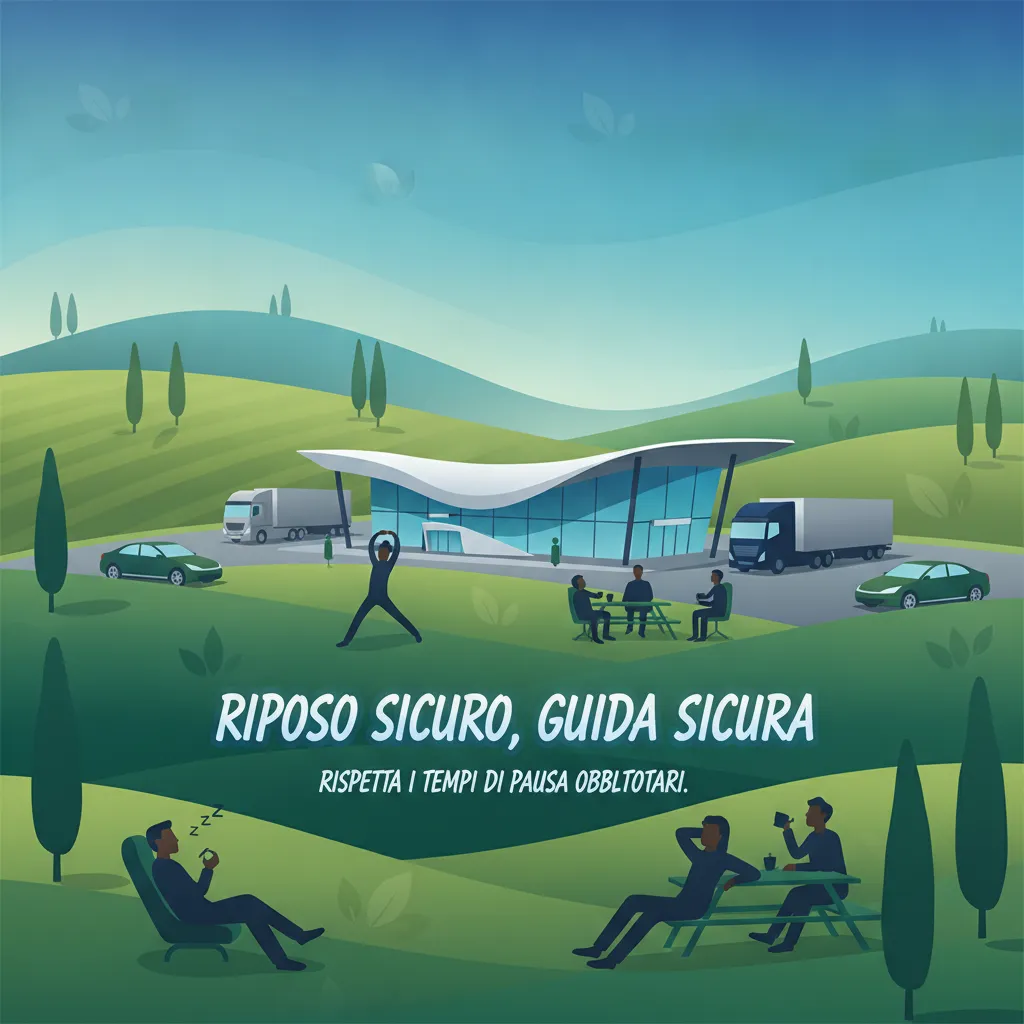
This lesson addresses one of the biggest risks in professional driving: fatigue. It explains the physiological effects of fatigue on reaction time and decision-making and details the EU regulations on driving hours, breaks, and daily/weekly rest periods that are legally mandated to prevent it. Learners will understand how to use the tachograph to record their activity and the importance of taking all required breaks to maintain safety.

This lesson explores the significant dangers of rider fatigue and dehydration, which can severely degrade concentration and slow reaction times. It teaches riders to recognize the early warning signs and implement proactive strategies to stay alert, such as taking regular breaks and maintaining proper hydration. The content stresses that managing one's physical and mental condition is a critical aspect of road safety.

This lesson details the profound and dangerous effects of alcohol and drugs on driving ability, including impaired coordination, slowed reaction time, and poor judgment. It specifies the legal blood alcohol concentration (BAC) limits in Italy, including the strict zero-tolerance policy for beginner drivers. The content also outlines the severe legal consequences of a DUI conviction, which can include heavy fines, license revocation, and imprisonment.

This lesson focuses on the logistical aspects of long-haul driving. It teaches drivers how to plan journeys to comply with legal driving hours and mandatory rest periods, using a tachograph to record activity. The lesson also covers how to plan for fuel stops and select safe and secure overnight parking locations at motorway service areas or designated truck stops.

This lesson details the dangerous effects of alcohol, illegal drugs, and some prescription or over-the-counter medications on a rider's ability to operate a motorcycle safely. It explains how these substances impair coordination, judgment, vision, and reaction time. The content covers the strict legal blood alcohol concentration (BAC) limits in Italy and the severe legal penalties for riding under the influence.

This lesson introduces the philosophy and techniques of defensive driving, a proactive approach focused on anticipating and mitigating potential hazards. It teaches drivers to maintain constant situational awareness by scanning the road ahead, behind, and to the sides. The content covers how to manage the space around the vehicle, identify potential escape routes, and predict the actions of other road users to prevent dangerous situations from developing.

This lesson provides an in-depth focus on sharing the road with the most vulnerable users. It teaches drivers to be acutely aware of pedestrians at crossings, cyclists filtering through traffic, and motorcyclists who may be in blind spots. The lesson emphasizes the importance of leaving extra space, signaling intentions clearly, and exercising extreme caution at junctions, where the majority of serious incidents occur.

This lesson is dedicated to the vital concept of 'distanza di sicurezza', the safe following distance required to avoid a rear-end collision. It explains how this distance is not fixed but varies with speed and conditions, covering practical methods like the 'two-second rule' to help judge it accurately. Maintaining this space cushion provides the necessary time to react and brake safely if the vehicle ahead stops suddenly.
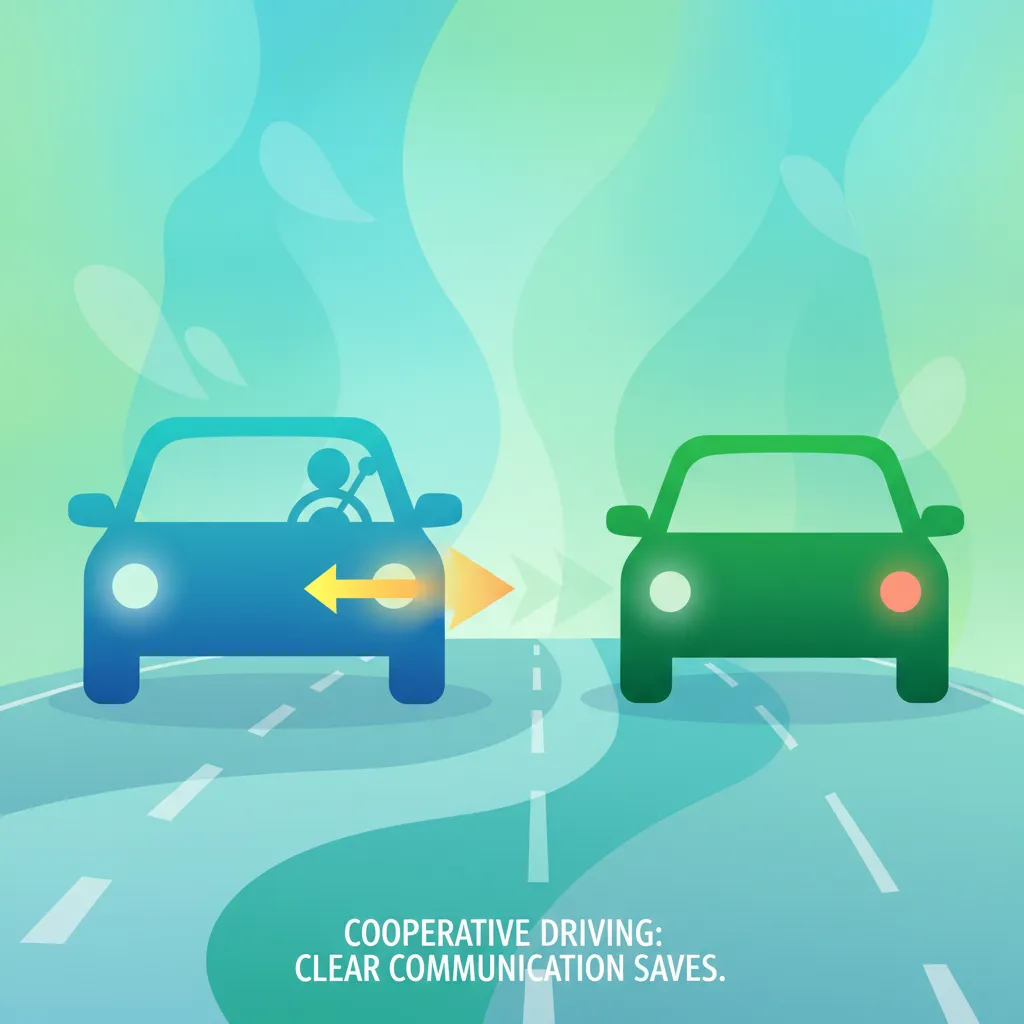
This lesson emphasizes the importance of clear communication and cooperative behavior among all road users to prevent conflicts and enhance safety. It details the proper and legal use of vehicle signals, such as turn indicators and hazard lights, as well as the appropriate use of the horn. The content also explores the role of non-verbal cues like eye contact and courtesy gestures in creating a predictable and safe driving environment.

This lesson covers three critical risks associated with heavy vehicle braking systems. It explains 'brake lag' in air brake systems, the delay between pedal application and brake activation, and 'brake fade', the loss of braking efficiency due to overheating. Learners will be taught to recognize the warning signs and, more importantly, to use correct driving techniques, such as utilizing endurance brakes, to prevent these potentially catastrophic failures.
Discover essential proactive strategies to manage fatigue, minimize distractions, and control emotions while driving in Italy. Learn how self-assessment and adherence to safety protocols ensure safer journeys and compliance with the Codice della Strada.
This lesson explores the significant dangers of rider fatigue and dehydration, which can severely degrade concentration and slow reaction times. It teaches riders to recognize the early warning signs and implement proactive strategies to stay alert, such as taking regular breaks and maintaining proper hydration. The content stresses that managing one's physical and mental condition is a critical aspect of road safety.
This lesson addresses one of the biggest risks in professional driving: fatigue. It explains the physiological effects of fatigue on reaction time and decision-making and details the EU regulations on driving hours, breaks, and daily/weekly rest periods that are legally mandated to prevent it. Learners will understand how to use the tachograph to record their activity and the importance of taking all required breaks to maintain safety.
This lesson focuses on the logistical aspects of long-haul driving. It teaches drivers how to plan journeys to comply with legal driving hours and mandatory rest periods, using a tachograph to record activity. The lesson also covers how to plan for fuel stops and select safe and secure overnight parking locations at motorway service areas or designated truck stops.
This lesson introduces the philosophy and techniques of defensive driving, a proactive approach focused on anticipating and mitigating potential hazards. It teaches drivers to maintain constant situational awareness by scanning the road ahead, behind, and to the sides. The content covers how to manage the space around the vehicle, identify potential escape routes, and predict the actions of other road users to prevent dangerous situations from developing.
This lesson details the profound and dangerous effects of alcohol and drugs on driving ability, including impaired coordination, slowed reaction time, and poor judgment. It specifies the legal blood alcohol concentration (BAC) limits in Italy, including the strict zero-tolerance policy for beginner drivers. The content also outlines the severe legal consequences of a DUI conviction, which can include heavy fines, license revocation, and imprisonment.
This lesson emphasizes the importance of clear communication and cooperative behavior among all road users to prevent conflicts and enhance safety. It details the proper and legal use of vehicle signals, such as turn indicators and hazard lights, as well as the appropriate use of the horn. The content also explores the role of non-verbal cues like eye contact and courtesy gestures in creating a predictable and safe driving environment.
This lesson provides an in-depth focus on sharing the road with the most vulnerable users. It teaches drivers to be acutely aware of pedestrians at crossings, cyclists filtering through traffic, and motorcyclists who may be in blind spots. The lesson emphasizes the importance of leaving extra space, signaling intentions clearly, and exercising extreme caution at junctions, where the majority of serious incidents occur.
This lesson details the dangerous effects of alcohol, illegal drugs, and some prescription or over-the-counter medications on a rider's ability to operate a motorcycle safely. It explains how these substances impair coordination, judgment, vision, and reaction time. The content covers the strict legal blood alcohol concentration (BAC) limits in Italy and the severe legal penalties for riding under the influence.
Find clear answers to common questions learners have about Human Factors: Fatigue, Distraction, and Emotion. Learn how the lesson is structured, which driving theory objectives it supports, and how it fits into the overall learning path of units and curriculum progression in Italy. These explanations help you understand key concepts, lesson flow, and exam focused study goals.
Fatigue significantly slows reaction times, making it a major cause of serious accidents. The exam tests this to ensure you can recognize symptoms like heavy eyelids and drifting, allowing you to prioritize stopping and resting over continuing your journey.
Strong emotions like anger or deep stress impair your perception and judgment. When the mind is occupied by conflict or anxiety, you are more likely to make aggressive maneuvers or fail to notice important road signs and hazards.
While hands-free devices are legally permitted, they still contribute to cognitive distraction. The Italian driving theory emphasizes that any conversation or task that draws your attention away from the road significantly increases your risk, regardless of device legality.
You should immediately find a safe place to stop, such as a rest area or service station, and take a break. Never attempt to continue driving when you are struggling to maintain focus, as this is a primary factor in motorway accidents.
Start searching now to pinpoint exactly which Italian driving theory topics, road signs, or traffic rules you need to master. Use our advanced filters to build a custom practice session and ensure you're fully prepared for every aspect of your official driving licence exam.