
This lesson focuses on the principles of eco-driving (guida ecologica), which are essential for both passing your Italian Patente B theory exam and becoming a responsible driver. You will learn how simple habits, such as optimal gear selection, steady speed, and proper vehicle maintenance, can significantly reduce your environmental impact.
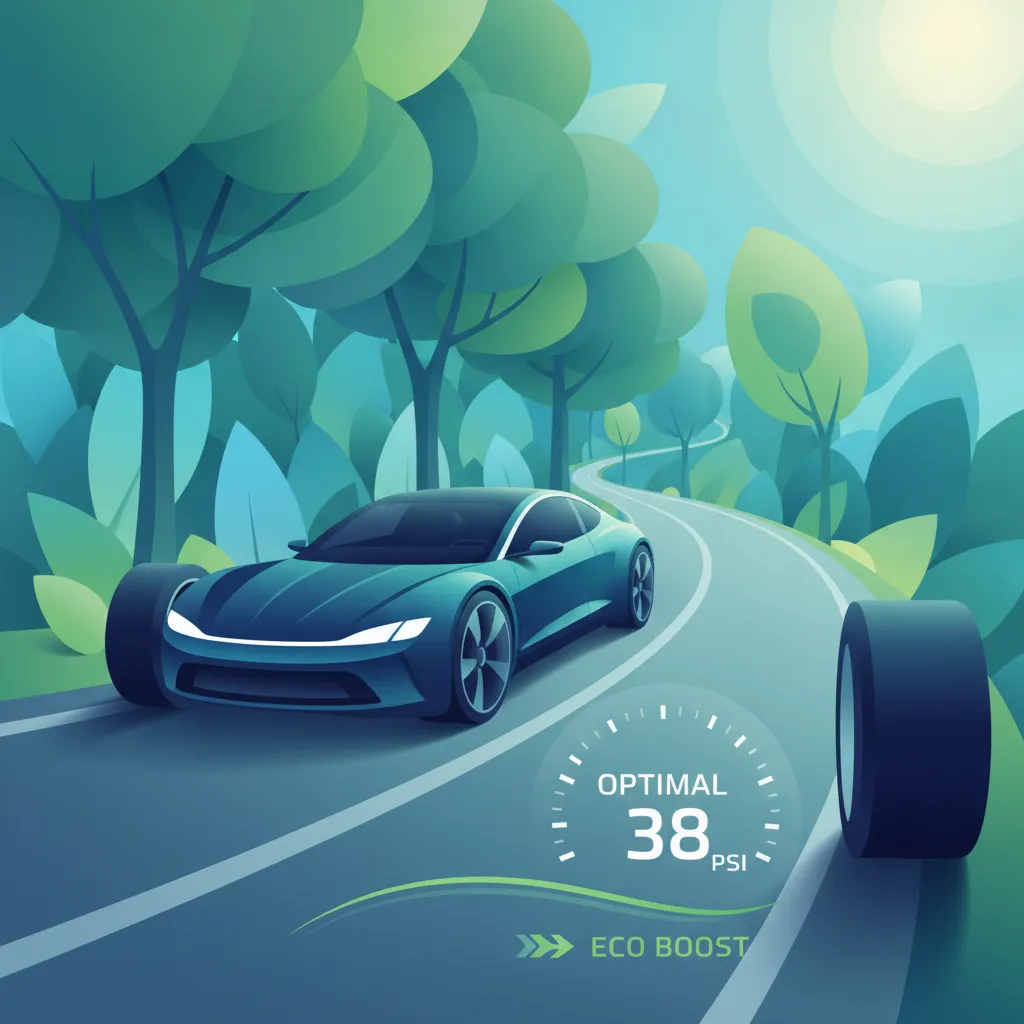
Lesson content overview
Welcome to this comprehensive chapter on Environmental Driving and Fuel Efficiency, a vital component of your Italian Patente B Theory: Comprehensive Driving License Preparation Course. This lesson delves into the principles of eco-driving, known in Italy as guida ecologica, a driving style designed to significantly reduce fuel consumption, lower harmful emissions, and ultimately decrease your operating costs. By understanding and applying these techniques, you will become a more efficient, responsible, and environmentally conscious driver.
Eco-driving, or guida ecologica, is more than just a set of tips; it's a holistic approach to vehicle operation that integrates driver behaviour with vehicle mechanics and traffic dynamics. The fundamental goal is to minimize energy losses that occur during driving, thereby maximizing fuel efficiency and reducing the vehicle's environmental footprint. These energy losses typically stem from aerodynamic drag, rolling resistance, inefficient braking and acceleration, and unnecessary idling. By learning to mitigate these, you can significantly reduce your carbon dioxide (CO₂) output and other pollutants.
Embracing guida ecologica offers a multitude of benefits. Primarily, it leads to substantial cost savings through reduced fuel expenditure and less wear and tear on vehicle components like brakes and tyres. Environmentally, it plays a crucial role in reducing air pollution and greenhouse gas emissions, contributing to cleaner air quality and combating climate change. For safety, guida ecologica promotes a smoother, more anticipatory driving style, which can reduce the risk of accidents by fostering greater awareness and control. Furthermore, adopting these practices aligns with national and international efforts to promote sustainable transportation, reflecting a driver's commitment to responsible road use.
Efficient driving techniques are at the heart of guida ecologica. They require a shift in mindset from aggressive driving to a smooth, proactive, and thoughtful approach behind the wheel.
One of the most effective ways to save fuel is to maintain a constant, moderate speed whenever conditions allow. Frequent acceleration and deceleration consume significantly more fuel. Each time you speed up, your engine works harder, and each time you brake, you convert kinetic energy into wasted heat. The aim is to minimize these energy changes.
Using cruise control on motorways (autostrade) and clear extra-urban roads can help maintain a consistent speed, preventing unintentional fluctuations in throttle input. However, cruise control is best suited for flat, consistent terrain; on hilly roads or in heavy traffic, manual control might be more fuel-efficient as it allows for more nuanced adjustments. Always choose an appropriate speed based on road type, legal limits, and prevailing conditions, never prioritising fuel economy over safety.
Anticipation is a cornerstone of safe and fuel-efficient driving. By continuously scanning the road ahead, observing traffic signals, and monitoring the behaviour of other road users, you can predict potential slowdowns or stops. This allows for gradual deceleration and avoids sudden braking and subsequent aggressive re-acceleration, which are major fuel guzzlers.
Always maintain a safe following distance. This provides more time to react and allows for smoother, more gradual speed adjustments, which conserves fuel and reduces brake wear.
For instance, if you see a red light ahead, rather than rushing towards it and braking hard, you can lift your foot off the accelerator earlier, allowing the vehicle to coast (engine braking) and gradually slow down. This leverages the vehicle's momentum and uses minimal fuel during deceleration. This practice not only saves fuel but also enhances safety by giving you more control and reducing the chance of rear-end collisions.
The way you manage your vehicle's gears profoundly impacts fuel consumption. For drivers of manual transmission vehicles, the goal is to operate the engine in the highest possible gear without causing it to lug (strain). This typically means keeping the engine's revolutions per minute (rpm) low, usually below 2500 rpm for petrol engines and slightly higher for diesel engines, as this is where fuel consumption per unit of power is minimized.
For manual transmissions:
Shift Up Early: Change to a higher gear as soon as possible, ideally at around 2000-2500 rpm, as long as the engine doesn't feel underpowered.
Downshift Gently: When approaching a hill or needing to accelerate, downshift proactively to keep the engine in its optimal torque band, rather than letting it struggle.
Use Engine Braking: On descents or when slowing down, use the engine's resistance by remaining in gear instead of coasting in neutral. This saves fuel (as modern engines cut fuel supply during engine braking) and reduces brake wear.
For automatic transmissions:
Many modern automatic vehicles have Eco-Driving Modes (see below) that automatically optimize gear shifts for fuel efficiency. Even without a specific mode, a smooth, consistent throttle input encourages the transmission to shift into higher gears more quickly, keeping rpms low. Avoid "kick-down" acceleration unless absolutely necessary, as this forces the transmission into a lower, higher-revving gear, consuming more fuel.
Beyond driving style, the physical condition and setup of your vehicle significantly influence its fuel efficiency. Regular maintenance ensures all components operate as designed, reducing unnecessary fuel waste.
Tyre pressure is a critical, yet often overlooked, factor in fuel economy. Under-inflated tyres increase rolling resistance – the friction between the tyres and the road surface. This forces the engine to work harder to maintain speed, leading to higher fuel consumption and faster tyre wear.
Always maintain your tyres at the manufacturer's recommended level, which can usually be found on a sticker inside the driver's door jamb, in the glove compartment, or in the owner's manual. This pressure should be checked when tyres are cold (before driving or after the vehicle has rested for several hours), as driving heats up the tyres and increases pressure readings. Seasonal temperature changes can also affect tyre pressure, requiring more frequent checks.
Under-inflated tyres are not only inefficient but also dangerous, as they can compromise handling, stability, and increase the risk of a blowout. Over-inflation can also be detrimental, reducing grip and ride comfort.
Every kilogram of weight your vehicle carries requires energy to move, especially during acceleration and when climbing hills. Therefore, removing unnecessary load from your vehicle directly translates to better fuel economy. Regularly clear out your boot, remove heavy items you don't need for daily driving, and consider if you truly need that roof box or bike carrier when it's empty.
Aerodynamic drag becomes particularly significant at higher speeds, such as on autostrade. Objects protruding from your vehicle, like open windows or external roof racks, disrupt the vehicle's airflow, increasing drag and forcing the engine to work harder.
At speeds above 80 km/h, keep your windows closed. The increased drag from open windows often consumes more fuel than running your air conditioning system (sparingly, on a low setting). Remove roof racks, bike carriers, or empty roof boxes when they are not in use.
Modern vehicle engines are designed to reach their optimal operating temperature quickly. Prolonged idling when the engine is cold wastes fuel and produces more pollutants than driving gently.
Instead of letting the engine idle for several minutes, especially in cold weather, it's more fuel-efficient to start driving gently after a very short idle period (e.g., 30 seconds for defrosting). This allows the engine to warm up under light load, reaching its efficient temperature faster.
Many modern vehicles feature Eco-Driving Modes or Start-Stop Systems.
Utilize these features according to your vehicle's manufacturer instructions. While they are designed for efficiency, there might be specific situations (e.g., very steep climbs in Eco-Mode) where temporarily disengaging them for performance and safety is appropriate.
The Italian Codice della Strada (Highway Code) and general driving regulations indirectly support environmental driving through rules designed for safety and vehicle roadworthiness. While specific guida ecologica mandates are rare, adhering to existing laws naturally promotes fuel efficiency.
Strict adherence to speed limits is not only a legal obligation but also a fundamental principle of guida ecologica. Exceeding limits drastically increases aerodynamic drag, forcing your engine to consume more fuel. For example, driving at 130 km/h on an autostrada consumes significantly more fuel than at 110 km/h, even if both are within the legal limit.
Maintaining a safe following distance (e.g., the two-second rule) is crucial. This practice reduces the need for sudden braking and allows you to anticipate and react to traffic flow changes more smoothly, aligning perfectly with fuel-efficient driving principles. In adverse weather conditions, this distance should be increased even further.
The Codice della Strada requires all vehicles to adhere to their maximum authorized laden mass (MAM), or Gross Vehicle Weight Rating (GVWR), as specified in the vehicle's registration documents. Overloading a vehicle is illegal and severely impacts braking, handling, and fuel consumption. Always ensure your vehicle, including passengers and cargo, stays within these limits.
Regarding tyre pressure requirements, Italian regulations mandate that tyres must be inflated to the values indicated by the manufacturer on the vehicle's tyre placard. Failure to do so can lead to fines and, more importantly, unsafe driving conditions and reduced fuel economy.
While a nationwide blanket ban on engine idling may not be universally enforced in Italy, it is strongly recommended to minimize idling time. In traffic jams or when stationary for more than approximately one minute, especially in urban areas, switching off the engine (if safe to do so) saves fuel and reduces emissions. Many modern vehicles with start-stop systems manage this automatically.
Being aware of typical errors can help you refine your guida ecologica techniques. Avoiding these common pitfalls will lead to immediate improvements in fuel efficiency and reduced wear on your vehicle.
engine braking to decelerate gradually.lugging.autostrada.
Guida ecologica is not a one-size-fits-all approach; it requires adaptation based on the driving environment. Different road types, traffic situations, and weather conditions necessitate variations in technique to maintain optimal efficiency and safety.
Urban driving is notoriously fuel-intensive due to frequent stopping and starting.
On autostrade or other fast roads, aerodynamic drag becomes the dominant force affecting fuel consumption.
autostrade is 130 km/h, driving slightly slower (e.g., 110-120 km/h) can yield considerable fuel savings due to the exponential increase in drag with speed.Hilly and mountainous terrain presents unique challenges for fuel efficiency.
lugging. Avoid flooring the accelerator; maintain a steady, appropriate rpm.engine braking by selecting a lower gear. This reduces reliance on your friction brakes, saves brake wear, and modern engines cut fuel supply when engine braking, making it very fuel efficient. Avoid coasting in neutral.Carrying a heavy load or towing a trailer significantly increases a vehicle's weight and often its aerodynamic profile.
laden recommendations found in your vehicle's manual.Environmental driving also involves adapting to external factors like weather and internal factors like vehicle health.
oxygen sensor, clogged air filter, or worn spark plugs can drastically reduce fuel efficiency. Address any warning lights or noticeable performance drops promptly. Immediate maintenance ensures the vehicle operates at its designed efficiency.The cumulative effect of widespread guida ecologica adoption is substantial. Every litre of fuel saved prevents approximately 2.3 kg of CO₂ from entering the atmosphere. Over a driver's lifetime, these small daily changes add up to significant environmental and financial benefits.
By diligently applying the principles discussed in this lesson, you directly contribute to:
Beyond the personal benefits, adopting guida ecologica reflects a responsible attitude towards public health and the planet, aligning with the broader goals of sustainable transportation as taught in the Italian Patente B curriculum.
This lesson covers guida ecologica, the Italian approach to eco-driving that combines efficient vehicle operation with environmental responsibility. Key techniques include maintaining steady speeds, anticipating traffic to avoid harsh braking, and optimizing gear selection to keep engine rpm in the efficient range (2000-2500 rpm for petrol engines). Vehicle maintenance factors like correct tyre pressure and minimal load further improve fuel economy. Italian regulations on speed limits, vehicle load, and tyre standards align with these eco-driving principles. By applying these techniques, drivers can reduce fuel costs, lower emissions, and contribute to safer, smoother driving patterns aligned with the Patente B curriculum.
A short set of high-value points that capture the most important learning from this lesson.
Eco-driving reduces fuel consumption, emissions, and operating costs while promoting smoother, safer driving through anticipation and smooth techniques.
Maintaining a steady speed within 50-80 km/h and using cruise control on flat roads significantly reduces fuel waste from acceleration and deceleration cycles.
Shifting to the highest appropriate gear early (around 2000-2500 rpm for petrol engines) keeps the engine in its most efficient rpm range without lugging.
Correct tyre pressure, minimal vehicle weight, and closed windows at high speeds all reduce rolling resistance and aerodynamic drag.
Modern features like Eco-Driving Modes and Start-Stop systems automate many fuel-saving practices when used appropriately.
Explore all units and lessons included in this driving theory course.
Optimal fuel efficiency occurs in the 50-80 km/h range; aerodynamic drag increases exponentially above 80 km/h on autostrade.
Tyre pressure must be checked when cold and maintained at manufacturer-recommended levels to minimize rolling resistance.
Engine braking (staying in gear on descents) is more fuel-efficient than coasting in neutral because modern engines cut fuel supply during engine braking.
The Codice della Strada indirectly supports eco-driving through speed limits, safe following distance rules, and vehicle load regulations.
Every litre of fuel saved prevents approximately 2.3 kg of CO₂ from entering the atmosphere.
Late braking and aggressive acceleration instead of anticipating traffic flow and using engine braking to decelerate gradually.
Driving with under-inflated tyres, which increases rolling resistance and forces the engine to work harder, wasting fuel.
Keeping the engine idling for extended periods when stopped for more than about 60 seconds rather than switching it off.
Over-revving the engine by staying in too low a gear, especially in manual vehicles, which wastes fuel unnecessarily.
Using cruise control inappropriately on hilly terrain or in heavy traffic, where manual speed adjustments are more fuel-efficient.
Lesson content overview
A short set of high-value points that capture the most important learning from this lesson.
Eco-driving reduces fuel consumption, emissions, and operating costs while promoting smoother, safer driving through anticipation and smooth techniques.
Maintaining a steady speed within 50-80 km/h and using cruise control on flat roads significantly reduces fuel waste from acceleration and deceleration cycles.
Shifting to the highest appropriate gear early (around 2000-2500 rpm for petrol engines) keeps the engine in its most efficient rpm range without lugging.
Correct tyre pressure, minimal vehicle weight, and closed windows at high speeds all reduce rolling resistance and aerodynamic drag.
Modern features like Eco-Driving Modes and Start-Stop systems automate many fuel-saving practices when used appropriately.
Explore all units and lessons included in this driving theory course.
Optimal fuel efficiency occurs in the 50-80 km/h range; aerodynamic drag increases exponentially above 80 km/h on autostrade.
Tyre pressure must be checked when cold and maintained at manufacturer-recommended levels to minimize rolling resistance.
Engine braking (staying in gear on descents) is more fuel-efficient than coasting in neutral because modern engines cut fuel supply during engine braking.
The Codice della Strada indirectly supports eco-driving through speed limits, safe following distance rules, and vehicle load regulations.
Every litre of fuel saved prevents approximately 2.3 kg of CO₂ from entering the atmosphere.
Late braking and aggressive acceleration instead of anticipating traffic flow and using engine braking to decelerate gradually.
Driving with under-inflated tyres, which increases rolling resistance and forces the engine to work harder, wasting fuel.
Keeping the engine idling for extended periods when stopped for more than about 60 seconds rather than switching it off.
Over-revving the engine by staying in too low a gear, especially in manual vehicles, which wastes fuel unnecessarily.
Using cruise control inappropriately on hilly terrain or in heavy traffic, where manual speed adjustments are more fuel-efficient.
Explore search topics learners often look for when studying Environmental Driving and Fuel Efficiency. These topics reflect common questions about road rules, driving situations, safety guidance, and lesson level theory preparation for learners in Italy.
Browse additional driving theory lessons that cover connected traffic rules, road signs, and common driving situations related to this topic. Improve your understanding of how different rules interact across everyday traffic scenarios.
Explore how to adjust environmental driving techniques for urban traffic, highways, mountain roads, and adverse weather. This lesson ensures fuel-efficient driving in all Italian conditions.
This lesson introduces the philosophy and techniques of defensive driving, a proactive approach focused on anticipating and mitigating potential hazards. It teaches drivers to maintain constant situational awareness by scanning the road ahead, behind, and to the sides. The content covers how to manage the space around the vehicle, identify potential escape routes, and predict the actions of other road users to prevent dangerous situations from developing.
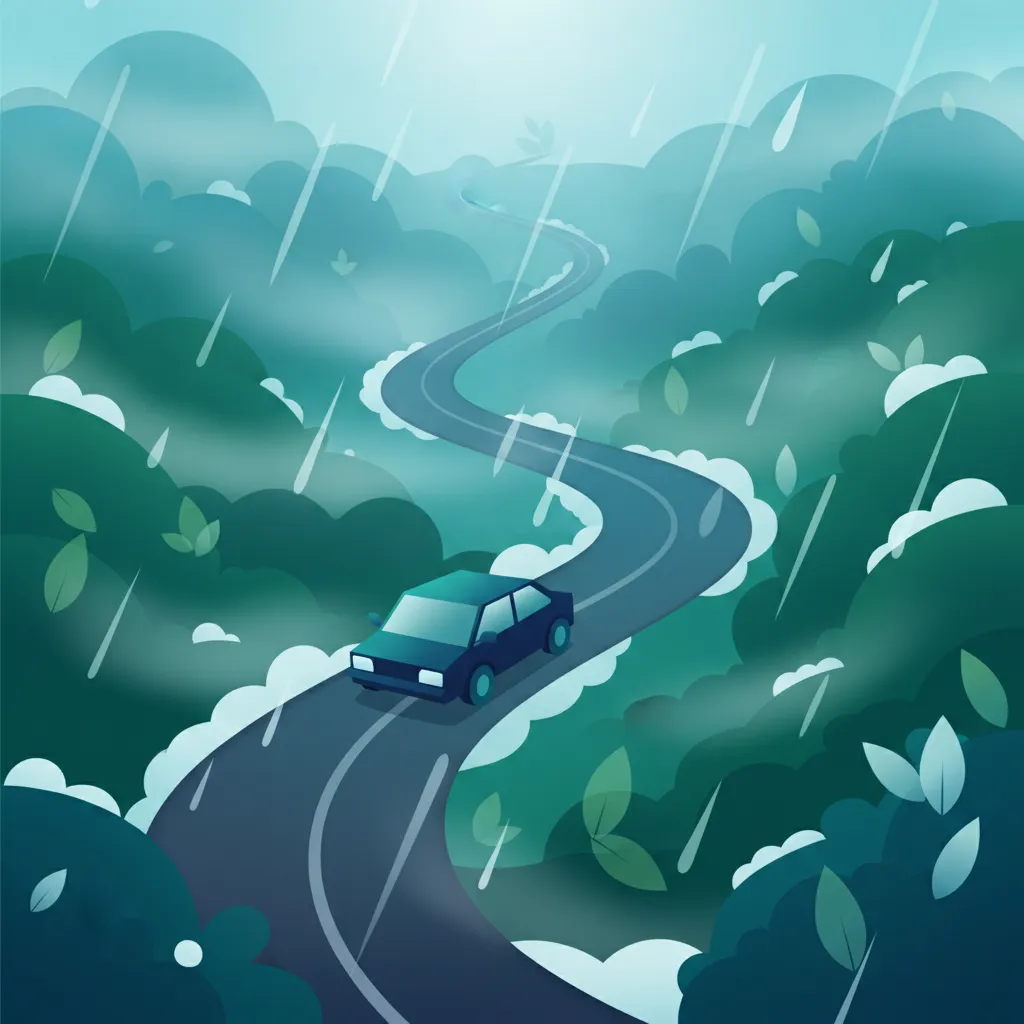
This lesson teaches drivers how to adapt their technique for various adverse weather conditions. It explains the risks of reduced grip and visibility in rain, fog, snow, and ice, and the need to significantly increase following distances and reduce speed. The content covers how to avoid and correct skids, the proper use of lights in poor visibility, and the legal requirements for winter tyres or snow chains in certain areas.
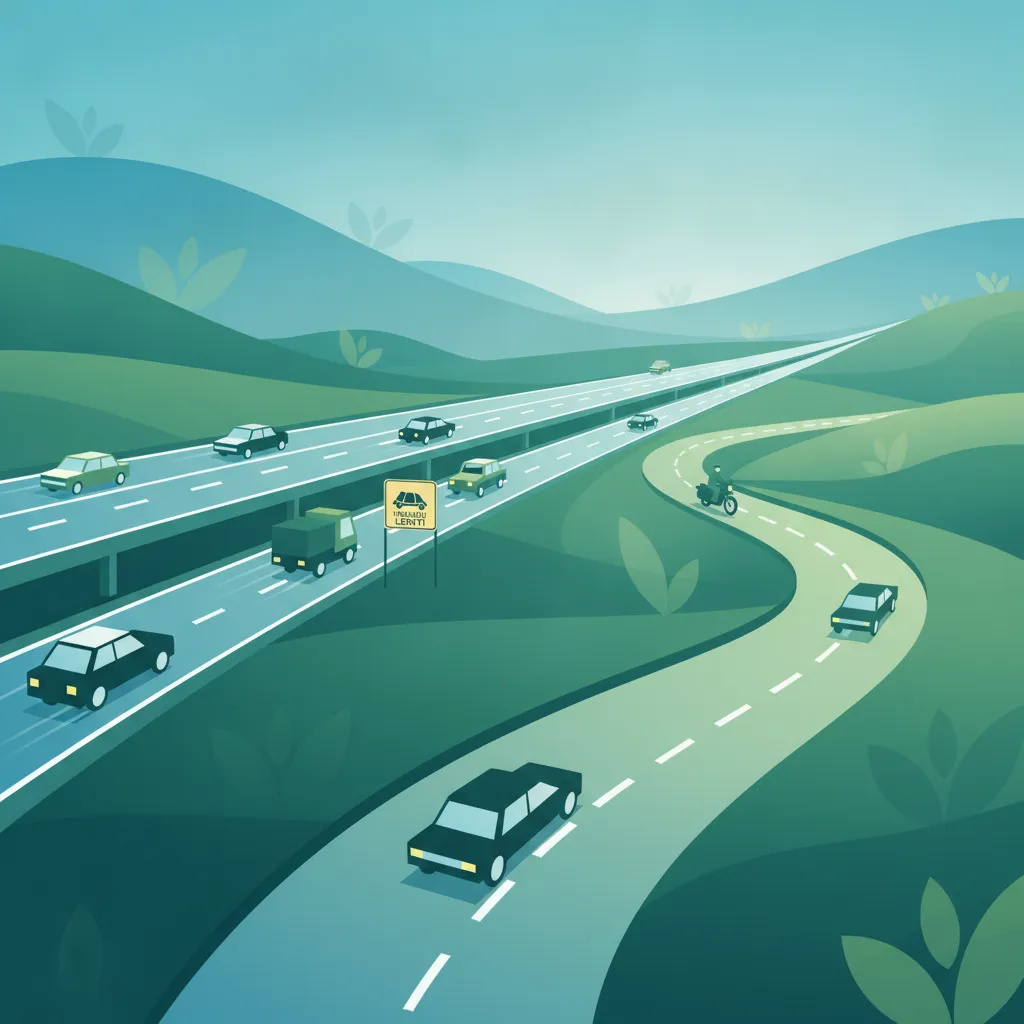
This lesson provides essential rules and techniques for driving on Italian motorways (autostrade) and major extra-urban roads. It explains how to safely merge onto the motorway from an entry ramp, the strict lane discipline required (drive right, overtake left), and how to exit correctly. The content also covers speed regulations, maintaining a safe following distance at high speed, and procedures for using service areas and handling emergencies.

This lesson provides an in-depth focus on sharing the road with the most vulnerable users. It teaches drivers to be acutely aware of pedestrians at crossings, cyclists filtering through traffic, and motorcyclists who may be in blind spots. The lesson emphasizes the importance of leaving extra space, signaling intentions clearly, and exercising extreme caution at junctions, where the majority of serious incidents occur.
This lesson emphasizes the importance of clear communication and cooperative behavior among all road users to prevent conflicts and enhance safety. It details the proper and legal use of vehicle signals, such as turn indicators and hazard lights, as well as the appropriate use of the horn. The content also explores the role of non-verbal cues like eye contact and courtesy gestures in creating a predictable and safe driving environment.
This lesson introduces modern Advanced Driver-Assistance Systems (ADAS) found in many contemporary vehicles. It explains the function of features such as lane-keeping assist, blind-spot monitoring, and adaptive cruise control. Crucially, the content emphasizes that these are assistance systems and do not replace the driver's responsibility to remain fully attentive and in control of the vehicle at all times.

This lesson focuses on the unique characteristics and challenges of driving on rural and mountain roads. It covers how to safely navigate sharp curves, steep inclines, and narrow lanes with limited visibility, often requiring the use of the horn to signal presence. The content also prepares drivers for potential hazards such as slow-moving agricultural vehicles, unexpected animal crossings, and variable road surface quality.
This lesson provides essential guidance on how to adjust driving techniques for a range of hazardous weather conditions. It covers reducing speed and increasing following distances in rain to prevent aquaplaning, using lights correctly in fog, and understanding the vehicle's reduced traction on snow and ice. It also explains how to anticipate and counteract the effects of strong crosswinds on high-sided vehicles.
This lesson teaches the crucial skill of selecting a safe and appropriate speed that may be lower than the legal limit, based on prevailing conditions. It explains how to assess factors such as traffic flow, weather, visibility, and road surface quality to make prudent speed choices. The goal is to always maintain full control of the vehicle and have sufficient time to react to unexpected hazards.
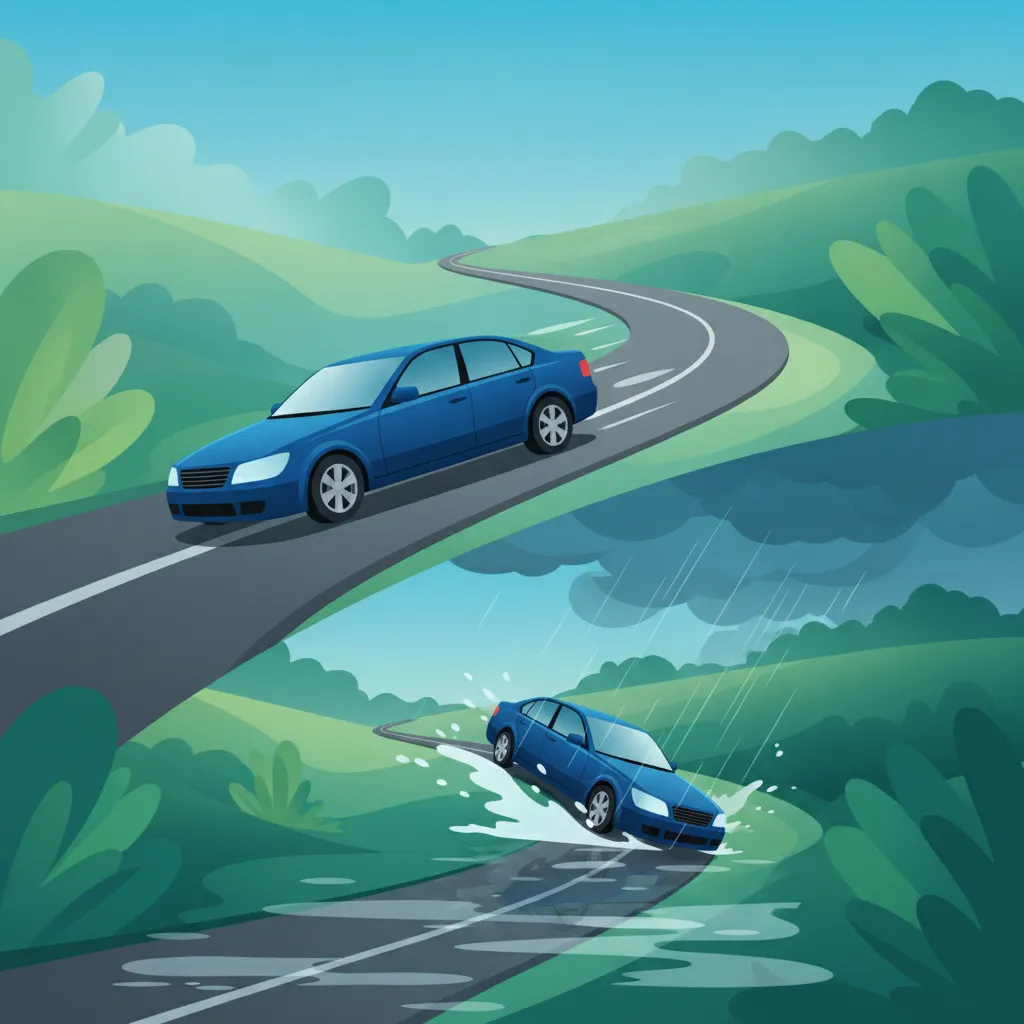
This lesson teaches the crucial skill of adapting speed to constantly changing environments, independent of the posted speed limit. It explains how to assess factors such as road surface condition, adverse weather, traffic flow, and limited visibility to determine a safe and appropriate speed. The principle taught is that the speed limit is a maximum, not a target, and responsible riding requires constant adjustment.
Learn about typical errors in eco-driving and fuel-efficient techniques. This lesson helps you correct common mistakes to improve your driving efficiency and reduce fuel consumption on Italian roads.
This lesson provides essential rules and techniques for driving on Italian motorways (autostrade) and major extra-urban roads. It explains how to safely merge onto the motorway from an entry ramp, the strict lane discipline required (drive right, overtake left), and how to exit correctly. The content also covers speed regulations, maintaining a safe following distance at high speed, and procedures for using service areas and handling emergencies.
This lesson introduces the philosophy and techniques of defensive driving, a proactive approach focused on anticipating and mitigating potential hazards. It teaches drivers to maintain constant situational awareness by scanning the road ahead, behind, and to the sides. The content covers how to manage the space around the vehicle, identify potential escape routes, and predict the actions of other road users to prevent dangerous situations from developing.
This lesson emphasizes the importance of clear communication and cooperative behavior among all road users to prevent conflicts and enhance safety. It details the proper and legal use of vehicle signals, such as turn indicators and hazard lights, as well as the appropriate use of the horn. The content also explores the role of non-verbal cues like eye contact and courtesy gestures in creating a predictable and safe driving environment.
This lesson focuses on the principle of 'appropriate speed' in urban environments, which often means driving slower than the legal maximum. It explains how to assess the environment for potential hazards—such as schools, parked cars, and busy intersections—and adjust speed accordingly to allow for adequate reaction time. Maintaining a safe, consistent speed reduces the need for harsh braking and contributes to a safer environment for everyone.
This lesson details the proper and legal application of a vehicle's horn, lights, and signals as primary communication tools. It explains the specific circumstances for using high beams, low beams, and fog lights to maximize visibility without dazzling other drivers. The content also clarifies the rules for using the horn, turn indicators, and hazard lights to signal intentions, warn of danger, or indicate an emergency situation.

This lesson examines the significant impact of human factors on driving safety. It details the warning signs and dangers of driving while fatigued, and identifies major sources of distraction, especially the illegal use of mobile phones. The content also explores how emotions like stress and anger can impair judgment and lead to aggressive or unsafe driving behaviors, emphasizing the need for self-awareness and control.
This lesson teaches riders how to maintain a safe following distance using the two-second rule, which accounts for reaction time and braking distance. It covers grip management, explaining how tire condition and road surfaces like wet asphalt affect traction. Mastering these concepts is essential for anticipating hazards and preventing rear-end collisions.
This lesson provides an in-depth focus on sharing the road with the most vulnerable users. It teaches drivers to be acutely aware of pedestrians at crossings, cyclists filtering through traffic, and motorcyclists who may be in blind spots. The lesson emphasizes the importance of leaving extra space, signaling intentions clearly, and exercising extreme caution at junctions, where the majority of serious incidents occur.
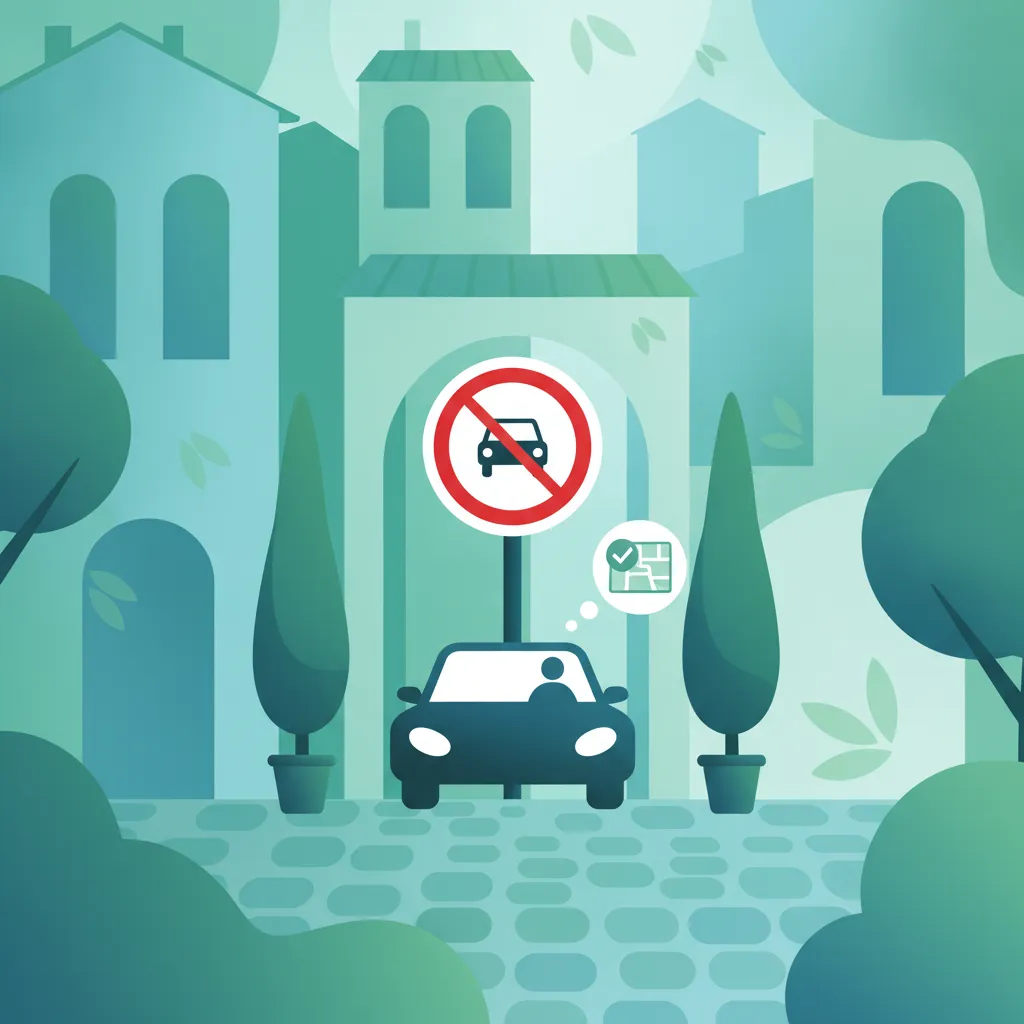
This lesson explains the concept of 'Zone a Traffico Limitato' (ZTL), common in Italian city centers, which restricts vehicle access at certain times. It covers how to identify ZTL boundaries, understand the operating hours, and the procedures for obtaining permits for commercial deliveries. The lesson also touches on environmental zones that may restrict access based on a vehicle's emission standards.

This lesson covers three critical risks associated with heavy vehicle braking systems. It explains 'brake lag' in air brake systems, the delay between pedal application and brake activation, and 'brake fade', the loss of braking efficiency due to overheating. Learners will be taught to recognize the warning signs and, more importantly, to use correct driving techniques, such as utilizing endurance brakes, to prevent these potentially catastrophic failures.
Find clear answers to common questions learners have about Environmental Driving and Fuel Efficiency. Learn how the lesson is structured, which driving theory objectives it supports, and how it fits into the overall learning path of units and curriculum progression in Italy. These explanations help you understand key concepts, lesson flow, and exam focused study goals.
Yes, the current theory test includes questions about environmental awareness and vehicle efficiency. Understanding these principles is necessary to answer questions about emissions, fuel economy, and responsible driving practices.
Many students underestimate the impact of vehicle load and tyre pressure. The exam often tests whether you understand that low tyre pressure or unnecessary weight directly increases your vehicle's fuel consumption.
Driving in a higher gear at lower engine revolutions (RPM) is generally more fuel-efficient. The theory test highlights that using the highest appropriate gear for your speed helps minimize unnecessary engine strain and lowers fuel usage.
Anticipating traffic flow allows you to maintain a constant speed and avoid unnecessary braking. Since braking wastes the kinetic energy you have already spent fuel to build up, avoiding it keeps your driving both safer and more economical.
Start searching now to pinpoint exactly which Italian driving theory topics, road signs, or traffic rules you need to master. Use our advanced filters to build a custom practice session and ensure you're fully prepared for every aspect of your official driving licence exam.