
This lesson teaches you how to master speed control beyond simple posted limits, a critical skill for both your Italian motorcycle theory exam and real-world safety. You will learn to evaluate environmental variables like surface traction, visibility, and traffic density to ensure optimal control of your motorcycle. This knowledge builds on your understanding of vehicle dynamics and sets the stage for navigating complex road environments.
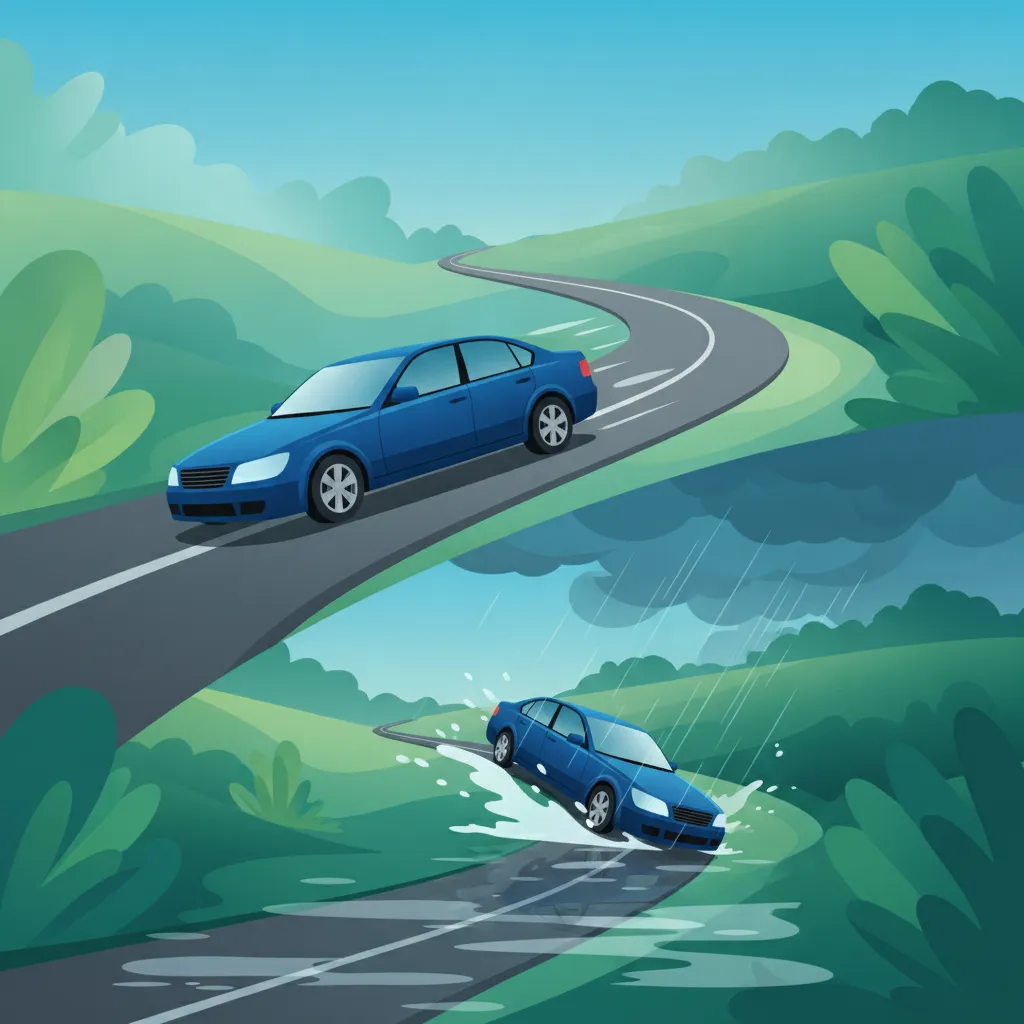
Lesson content overview
Welcome to this essential chapter of your Italian Driving License Theory Course for Motorcycle Categories A1, A2, & A. Mastering speed management is fundamental for every motorcyclist, extending far beyond simply observing posted speed limits. This lesson will equip you with the knowledge to continuously adjust your speed to the prevailing road, weather, and traffic conditions, ensuring safety for yourself and other road users. Remember, the speed limit is a maximum, not a target. Responsible riding demands constant evaluation and adaptation to your environment.
To manage your speed effectively, it is crucial to distinguish between a posted speed limit and a safe speed. These two concepts, while related, have distinct meanings and implications for motorcycle riders on Italian roads.
The posted speed limit is the highest speed legally permitted on a specific road segment under optimal driving conditions. These limits are set by the Codice della Strada (Italian Highway Code) and road authorities, varying based on the type of road and urbanisation. For example, within city centers, the limit is often 50 km/h, while on motorways (autostrade), it can be up to 130 km/h for motorcycles.
It is an absolute legal requirement that you must never exceed the posted speed limit. However, a common misunderstanding among drivers is to perceive the limit as the recommended speed in all circumstances. This is a critical misconception, especially for motorcyclists, whose vehicle dynamics are highly sensitive to external conditions.
Safe speed is the real-time speed at which a rider can maintain full control of their motorcycle and stop safely, given the current road, weather, and traffic conditions. This speed is often lower than, and sometimes significantly lower than, the posted speed limit. Choosing a safe speed is a continuous, dynamic process that requires constant observation, assessment, and adjustment.
Your legal duty under Article 138 of the Codice della Strada requires you to adapt your speed to all prevailing conditions. This means considering factors such as the road surface, adverse weather, traffic density, and your own physical and mental state. Failing to ride at a safe speed, even if you are below the posted limit, can still lead to dangerous situations and legal penalties.
A responsible motorcyclist consistently evaluates a range of factors to determine the appropriate safe speed. Each element can dramatically alter the motorcycle's handling, braking capability, and your reaction time.
The condition of the road surface directly impacts the traction – the grip your tires have on the road. Reduced traction means longer braking distances and a higher risk of losing control, particularly during cornering or sudden manoeuvres.
Weather phenomena directly influence both road surface conditions and visibility range, dictating a need for speed reduction.
The density and speed of surrounding traffic also dictate your safe operating speed and the need to adjust your following distance.
The "2-second rule" is a good guideline for following distance: choose a fixed point ahead (e.g., a sign or tree). When the vehicle in front passes that point, start counting "one thousand one, one thousand two." If you reach the point before you finish counting, you are too close. Increase this to 4 seconds or more in adverse conditions.
The physical design of the road ahead profoundly influences the appropriate speed.
The state of your motorcycle and its load directly impact its performance and stability, particularly affecting braking and handling.
Your own physical and mental state are paramount to safe riding and influence your capacity for speed management.
The Italian Codice della Strada is clear about a rider's responsibility to manage speed according to conditions. Failure to adhere to these regulations can result in fines, license points, and severe consequences in the event of an accident.
Understanding stopping distance is fundamental to safe speed management. It is the total distance your motorcycle travels from the moment you perceive a hazard until you come to a complete stop. Stopping distance is composed of two main parts:
To reduce your stopping distance, you must reduce your speed. This provides more time to react and significantly shortens the distance required for your brakes to bring you to a stop. Proactive speed adaptation is therefore a direct strategy for minimizing stopping distances and preventing collisions.
Many motorcycle accidents are directly or indirectly linked to inappropriate speed. Understanding common mistakes can help you avoid them.
These violations not only endanger your life but also carry legal penalties, including fines and points on your license, as outlined in the Codice della Strada.
Effective speed management is a skill that develops with practice and conscious effort. Here are strategies for continuous speed adaptation:
Speed management according to road conditions is arguably the most critical safety skill for any motorcyclist. It is a dynamic, continuous process rooted in responsibility and proactive hazard perception. The posted speed limit serves as a legal maximum under ideal circumstances, but your safe speed must always be lower when conditions deteriorate due to road surface, weather, traffic, visibility, or road geometry.
By consistently applying the principles of speed adaptation, maintaining a safe stopping distance, and adhering to the legal obligations outlined in the Codice della Strada, you significantly reduce your risk of accidents. Remember that human factors and your motorcycle's condition also play vital roles. Embrace the philosophy that a truly skilled rider is one who can navigate any environment safely and predictably, not just swiftly. This comprehensive approach to speed management is a cornerstone of becoming a confident and responsible rider within the Italian traffic system.
This lesson teaches motorcycle riders to distinguish between the legal maximum speed limit and the safe speed determined by actual conditions, emphasizing that posted limits are ceilings rather than targets. It covers how road surface conditions (wet, icy, gravel), weather (rain, fog, snow, crosswinds), visibility, traffic density, road geometry (curves, slopes, tunnels), vehicle condition, and rider state all require continuous speed adjustment. Specific Codice della Strada articles establish this as a legal duty, while stopping distance calculations show that both reaction distance and braking distance grow with speed, making proactive speed reduction the most effective accident-prevention strategy.
A short set of high-value points that capture the most important learning from this lesson.
The posted speed limit is a legal maximum under ideal conditions, not a target speed; your safe speed must always account for current road, weather, and traffic conditions.
Road surface condition dramatically affects traction: wet asphalt reduces grip and increases braking distance, while icy or gravel surfaces severely compromise control.
Stopping distance has two components: reaction distance (traveled before brakes are applied) and braking distance (traveled while stopping), both increasing with speed.
Motorcyclists must continuously evaluate multiple simultaneous factors: road surface, weather, visibility, traffic density, road geometry, vehicle condition, and personal physical state.
Article 138 of the Codice della Strada mandates adapting speed to all prevailing conditions, making this a legal obligation regardless of whether you are below the posted limit.
Explore all units and lessons included in this driving theory course.
Use the 2-second rule for following distance in normal conditions; increase to 4+ seconds in rain, fog, or other adverse conditions.
Always use dipped headlights in fog; high beams reflect off fog particles and worsen visibility for you and other drivers.
On wet roads, hydroplaning can occur when water builds between tires and asphalt, causing complete loss of traction.
Use engine braking (downshifting) on downhill sections to control speed and prevent brake overheating, especially with passengers or luggage.
When approaching curves, brake before the bend; sudden braking mid-corner destabilizes a motorcycle due to weight transfer.
Riding at the posted speed limit on wet or slippery roads without reducing speed, dramatically increasing stopping distance and skid risk.
Entering curves too fast and attempting to brake mid-corner, which shifts weight forward and can cause the motorcycle to wide or skid.
Following too closely behind other vehicles in traffic, leaving no safe distance to stop if the vehicle ahead brakes suddenly.
Carrying passengers or heavy luggage without adjusting speed, resulting in longer stopping distances and altered handling, especially on descents.
Using high-beam headlights in fog or heavy rain, which reflects off particles and reduces visibility rather than improving it.
Lesson content overview
A short set of high-value points that capture the most important learning from this lesson.
The posted speed limit is a legal maximum under ideal conditions, not a target speed; your safe speed must always account for current road, weather, and traffic conditions.
Road surface condition dramatically affects traction: wet asphalt reduces grip and increases braking distance, while icy or gravel surfaces severely compromise control.
Stopping distance has two components: reaction distance (traveled before brakes are applied) and braking distance (traveled while stopping), both increasing with speed.
Motorcyclists must continuously evaluate multiple simultaneous factors: road surface, weather, visibility, traffic density, road geometry, vehicle condition, and personal physical state.
Article 138 of the Codice della Strada mandates adapting speed to all prevailing conditions, making this a legal obligation regardless of whether you are below the posted limit.
Explore all units and lessons included in this driving theory course.
Use the 2-second rule for following distance in normal conditions; increase to 4+ seconds in rain, fog, or other adverse conditions.
Always use dipped headlights in fog; high beams reflect off fog particles and worsen visibility for you and other drivers.
On wet roads, hydroplaning can occur when water builds between tires and asphalt, causing complete loss of traction.
Use engine braking (downshifting) on downhill sections to control speed and prevent brake overheating, especially with passengers or luggage.
When approaching curves, brake before the bend; sudden braking mid-corner destabilizes a motorcycle due to weight transfer.
Riding at the posted speed limit on wet or slippery roads without reducing speed, dramatically increasing stopping distance and skid risk.
Entering curves too fast and attempting to brake mid-corner, which shifts weight forward and can cause the motorcycle to wide or skid.
Following too closely behind other vehicles in traffic, leaving no safe distance to stop if the vehicle ahead brakes suddenly.
Carrying passengers or heavy luggage without adjusting speed, resulting in longer stopping distances and altered handling, especially on descents.
Using high-beam headlights in fog or heavy rain, which reflects off particles and reduces visibility rather than improving it.
Explore search topics learners often look for when studying Speed Management According to Road Conditions. These topics reflect common questions about road rules, driving situations, safety guidance, and lesson level theory preparation for learners in Italy.
Browse additional driving theory lessons that cover connected traffic rules, road signs, and common driving situations related to this topic. Improve your understanding of how different rules interact across everyday traffic scenarios.
Learn to adjust your motorcycle speed based on Italian traffic laws, road surfaces, adverse weather, and visibility. Understand how to select a safe speed that respects the Codice della Strada, independent of the posted limit.
This lesson provides a comprehensive guide to riding on high-speed motorways, or autostrade. It details the correct procedures for safely merging into traffic from an entry ramp and exiting via a deceleration lane. The content reinforces strict lane discipline, rules for overtaking, and the importance of maintaining a significantly larger following distance to compensate for higher speeds and potential wind gusts.

This lesson provides specific strategies for riding on narrow rural roads, which often feature poor surfaces and limited sightlines. It details the techniques for approaching and navigating hairpin bends, including selecting the correct line, managing speed before entry, and using appropriate gear selection. The content emphasizes anticipating oncoming traffic and potential hazards hidden around blind corners for enhanced safety.
This lesson focuses on the factors that determine a motorcycle's total stopping distance: perception time, reaction time, and braking distance. It provides a clear understanding of how speed exponentially increases the distance required to come to a complete stop. Learners will be able to apply principles like the two-second rule to maintain a safe and appropriate following distance in various traffic situations.

This lesson focuses on the vital systems for visibility and communication: mirrors, lighting, and signals. It provides instruction on the proper adjustment of mirrors to minimize blind spots and the correct use of headlamps, indicators, and brake lights as per Italian regulations. The content underscores how maintaining these systems in full working order is crucial for being seen and signalling intentions clearly in traffic.

This lesson explains the physical effects of different weather conditions on motorcycle safety. It details how rain reduces tyre adhesion and increases the risk of hydroplaning, while fog severely limits visibility, requiring a significant reduction in speed. The content also covers how extreme heat and cold can affect tyre pressure and compound performance, necessitating adjustments from the rider.

This lesson focuses on the unique demands of mountain riding, from handling steep inclines and declines to understanding the impact of altitude on the motorcycle's engine performance. It covers the effective use of engine braking on descents to prevent brake overheating. The content also prepares riders for the rapidly changing weather conditions, such as wind and fog, that are common at higher elevations.

This lesson equips riders to safely manage the challenges posed by road construction zones. It explains how to interpret temporary signage, navigate lane closures or diversions, and maintain heightened awareness for surface hazards like gravel or steel plates. The content emphasizes the need to reduce speed and increase following distances to safely share the road with large construction vehicles and workers.
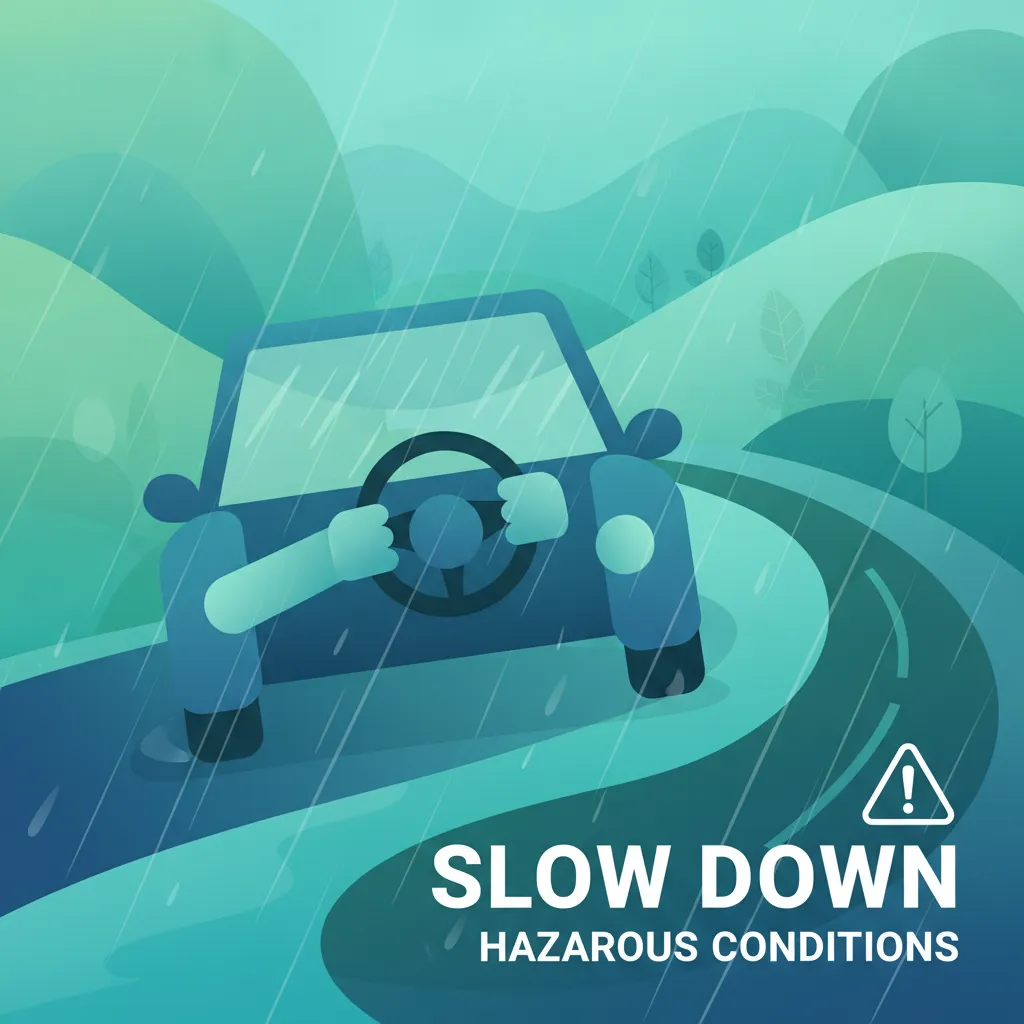
This lesson teaches the crucial skill of selecting a safe and appropriate speed that may be lower than the legal limit, based on prevailing conditions. It explains how to assess factors such as traffic flow, weather, visibility, and road surface quality to make prudent speed choices. The goal is to always maintain full control of the vehicle and have sufficient time to react to unexpected hazards.

This lesson addresses the increased complexity of overtaking in urban environments with dense traffic and frequent intersections. It stresses the importance of thorough observation, including mirror and blind spot checks, to ensure a safe gap is available. The content covers judging speed differentials and the necessity of clear signalling to execute the maneuver without causing conflict with other road users.

This lesson explains the principles of maintaining proper lane discipline and strategic positioning in an urban context. It covers how to adapt your position within the lane to enhance visibility, avoid road surface hazards, and prepare for turns or lane changes. The content also provides awareness of specific urban features like restricted traffic zones (ZTL) and how to navigate them legally and safely.
Explore critical factors influencing safe motorcycle speed, including road surface grip, weather, traffic flow, and motorcycle load. Understand common speed-related risks and legal duties under the Codice della Strada.
This lesson focuses on the comprehensive duties of a motorcyclist, from ensuring vehicle and equipment legality to following traffic regulations. It covers key obligations mandated by the Codice della Strada, such as mandatory insurance coverage and adherence to environmental rules. The material reinforces the importance of responsible road conduct and the legal consequences of non-compliance.

This lesson addresses two key aspects of defensive riding: maintaining a safe buffer and performing overtaking maneuvers. It details how to use time-based rules, such as the two-second rule, to ensure adequate following distance for reaction. The content also provides a structured approach to overtaking, covering observation, signalling, speed management, and ensuring sufficient clearance before returning to the lane.
This lesson provides a comprehensive guide to riding on high-speed motorways, or autostrade. It details the correct procedures for safely merging into traffic from an entry ramp and exiting via a deceleration lane. The content reinforces strict lane discipline, rules for overtaking, and the importance of maintaining a significantly larger following distance to compensate for higher speeds and potential wind gusts.

This lesson addresses the specific challenges of sharing the road with two-wheeled motor vehicles like motorcycles and scooters. It highlights their reduced visibility and stability compared to cars, requiring drivers to double-check blind spots and maintain a greater following distance. The content also discusses common behaviors like lane filtering and the need for drivers to be predictable and signal intentions clearly.

This lesson details the dangerous effects of alcohol, illegal drugs, and some prescription or over-the-counter medications on a rider's ability to operate a motorcycle safely. It explains how these substances impair coordination, judgment, vision, and reaction time. The content covers the strict legal blood alcohol concentration (BAC) limits in Italy and the severe legal penalties for riding under the influence.

This lesson addresses high-risk behaviors often associated with young and inexperienced riders. It highlights the dangers of distractions like mobile phone use, the influence of peer pressure, and the severe consequences of speeding or riding under the influence of substances. Understanding these risks is the first step toward developing a mature and responsible approach to riding.

This lesson outlines the mandatory legal procedures a rider must follow after being involved in a traffic accident. It covers the obligation to stop, render aid if necessary, and report the incident to the appropriate authorities. The content explains the process of exchanging information with other parties, documenting the scene for insurance purposes, and the potential legal and financial liabilities that may arise.
This lesson teaches the crucial skill of selecting a safe and appropriate speed that may be lower than the legal limit, based on prevailing conditions. It explains how to assess factors such as traffic flow, weather, visibility, and road surface quality to make prudent speed choices. The goal is to always maintain full control of the vehicle and have sufficient time to react to unexpected hazards.

This lesson focuses on the legal obligations that first-time riders must meet to operate an AM vehicle safely and legally. It details the mandatory use of certified helmets and appropriate protective clothing. Furthermore, it outlines fundamental traffic laws new riders must know and the legal repercussions of non-compliance, such as fines and penalty points.
This lesson focuses on the vital systems for visibility and communication: mirrors, lighting, and signals. It provides instruction on the proper adjustment of mirrors to minimize blind spots and the correct use of headlamps, indicators, and brake lights as per Italian regulations. The content underscores how maintaining these systems in full working order is crucial for being seen and signalling intentions clearly in traffic.
Find clear answers to common questions learners have about Speed Management According to Road Conditions. Learn how the lesson is structured, which driving theory objectives it supports, and how it fits into the overall learning path of units and curriculum progression in Italy. These explanations help you understand key concepts, lesson flow, and exam focused study goals.
The posted speed limit represents the absolute maximum legal speed under ideal conditions. Real-world variables like rain, heavy traffic, limited visibility, or poor road surfaces necessitate reducing your speed to ensure you can stop safely and maintain control.
In the theory exam, always assume that reduced grip from rain, ice, or fog requires a significant reduction in speed and an increase in your following distance to compensate for longer braking distances.
Yes, roadworks often involve temporary hazards, narrow lanes, and uneven surfaces. You must adapt your speed well in advance to safely navigate the changed traffic flow, as failure to do so is a common cause of accidents and exam errors.
A safe following distance is one that allows you enough time and space to react to the vehicle in front. In poor conditions, you should double or triple this gap to account for the increased stopping distance required by your motorcycle.
Start searching now to pinpoint exactly which Italian driving theory topics, road signs, or traffic rules you need to master. Use our advanced filters to build a custom practice session and ensure you're fully prepared for every aspect of your official driving licence exam.