
Welcome to the 'Engine, Gearbox, and Clutch Basics' lesson, part of the Tractor Construction and Control Systems unit for your Polish Category T driving licence. This lesson is crucial for understanding how your agricultural vehicle's powertrain works, preparing you for both the theory exam and safe operation on the road.
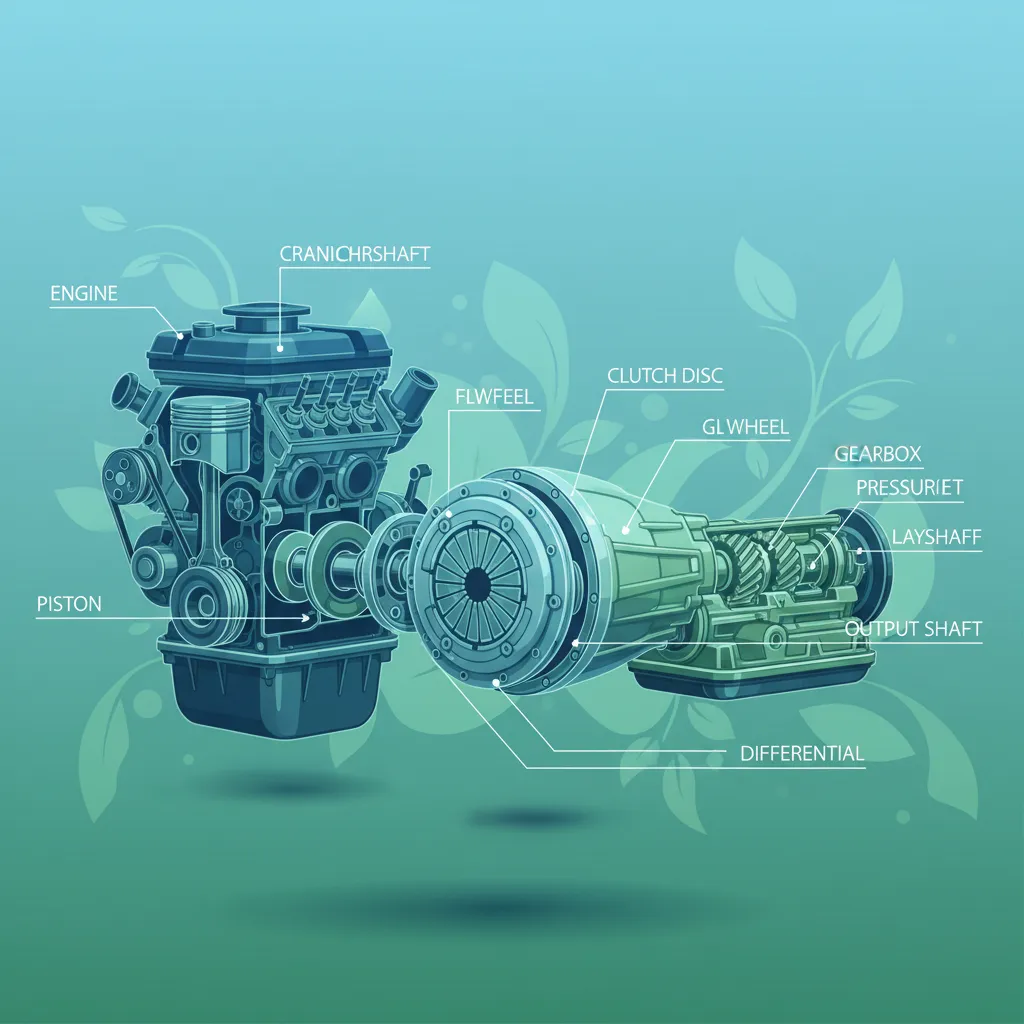
Lesson content overview
Welcome to this essential lesson for future Category T drivers in Poland. Operating an agricultural tractor safely and efficiently requires a deep understanding of its core mechanical components: the engine, gearbox, and clutch. These three elements form the "powertrain," working in harmony to generate, control, and transmit power from the engine to the wheels, allowing your tractor to move, pull heavy loads, and navigate various terrains.
Mastering the interaction between the engine, gearbox, and clutch is not just about driving; it's crucial for safe operation, optimal fuel consumption, and preventing costly mechanical damage. This lesson will equip you with the knowledge needed to control your vehicle effectively, whether you're working in the field, transporting goods, or driving on public roads as per Polish driving regulations.
The internal combustion engine is the power source of your tractor. It converts fuel into mechanical energy, specifically rotational force known as torque, and power. Understanding these concepts is fundamental to effective tractor operation.
Torque is the rotational force produced by the engine, measured in Newton-metres (Nm). It determines the tractor's ability to accelerate, pull heavy loads, and climb inclines. Higher torque at the wheels means greater pulling power.
Power is the rate at which work is done, typically measured in horsepower (HP) or kilowatts (kW). It is a function of both torque and the engine's rotational speed (RPM). While torque gets you moving, power determines how quickly you can achieve and maintain speed under load.
Tractor engines are designed to produce significant torque at relatively low RPMs compared to passenger cars. This characteristic is vital for agricultural work, where heavy loads and challenging terrains are common. For instance, a tractor might develop its maximum pulling force at a lower engine speed, allowing it to move heavy implements without constantly needing high revolutions.
Every engine has an optimal engine speed band, also known as the sweet spot, where it operates most efficiently in terms of power output, fuel consumption, and emissions. For many agricultural tractors, this range typically falls between 1,500 and 2,500 Revolutions Per Minute (RPM).
Driving the tractor in the correct RPM band ensures that you have sufficient power for the task at hand, minimises fuel waste, and prolongs the lifespan of engine components. Over-revving (excessively high RPM) or "lugging" the engine (too low RPM under load) can lead to inefficiency, damage, and increased emissions, negatively impacting both performance and environmental compliance.
While the engine generates power, the gearbox (also known as the transmission) is responsible for translating that power into usable speeds and torque levels at the wheels. It allows you to match the engine's output to the specific demands of driving conditions, whether you need maximum pulling power or higher road speed.
A mechanical system containing various gear sets that allows the driver to select different ratios between the engine's input speed and the driveshaft's output speed. This changes the torque delivered to the wheels, adapting it to driving conditions.
The gearbox achieves this by using different gear ratios. Each gear represents a specific ratio of teeth (or rotations) between the driving gear (from the engine) and the driven gear (to the wheels).
Proper gear selection is paramount for safety, efficiency, and vehicle control. Polish traffic law (Prawo o ruchu drogowym) mandates that drivers select a gear appropriate for the vehicle's speed, load, and road conditions. Driving in an unnecessarily low gear at high speed will over-rev the engine, waste fuel, and cause excessive wear. Conversely, driving in too high a gear for the conditions will cause the engine to "lug," losing power and potentially stalling, which can be dangerous with heavy loads.
When driving a Category T vehicle, always anticipate changes in terrain or load. Downshift before climbing a hill or engaging a heavy implement, rather than waiting until the engine struggles. This proactive approach maintains momentum and prevents strain.
The clutch is a critical component that allows you to smoothly connect and disconnect the engine's power from the gearbox and, consequently, the wheels. Without a clutch, the engine would stall every time you stopped, and gear changes would be impossible without grinding gears.
A mechanical device, operated by a pedal, that uses friction plates to temporarily connect or disconnect the engine's rotating flywheel from the gearbox's input shaft. This enables smooth starting, stopping, and seamless gear changes.
The clutch is controlled by the leftmost pedal in a manual transmission tractor:
Proper clutch operation is vital to prevent jerky motions, engine stalling, or damaging the powertrain. Smooth engagement is key to maintaining control, especially with heavy or unbalanced loads.
Ensure the gear lever is in neutral and the handbrake is engaged before starting the engine for safety.
Depress the clutch pedal fully to disengage the clutch.
Select first gear (or the appropriate low gear for your load and terrain).
Slowly release the clutch pedal until you feel the engine's revs begin to drop slightly and the tractor begins to vibrate or pull slightly – this is known as the "bite point."
At the bite point, gently apply the accelerator pedal while continuing to smoothly release the clutch pedal. Coordinate both pedals to achieve a smooth pull-away without stalling the engine or causing excessive wheel spin.
Once the clutch is fully engaged and the vehicle is moving steadily, remove your foot entirely from the clutch pedal.
Polish driving regulations, derived from road safety principles, implicitly prohibit "clutch riding" – the practice of driving with your foot resting lightly on the clutch pedal, causing partial engagement or slip. This seemingly minor habit has severe consequences.
Never "ride the clutch." Resting your foot on the clutch pedal, even slightly, causes the clutch plates to slip continuously. This generates immense heat, accelerates wear, and can lead to premature and costly clutch failure. It also means you are not in full, decisive control of power transmission, which can be dangerous in critical moments.
The clutch pedal should only be used when initiating movement, changing gears, or coming to a complete stop. Once the gear is selected and the vehicle is moving steadily, your foot should be off the pedal and resting on the floor or a dedicated footrest.
The powertrain is the entire system that generates and delivers power to the driving wheels. It follows a direct path, where each component plays a vital role in the vehicle's motion.
The complete assembly of components that generate power and transmit it to the driving wheels. This includes the engine, clutch, gearbox, driveshaft, differential, and axles. It's the mechanism that makes the vehicle move.
The sequence of power transmission is as follows:
Any disruption in this path, such as significant clutch slip, an incorrect gear choice, or mechanical failure, directly impacts the vehicle's performance, efficiency, and overall safety.
Managing the load on your tractor effectively is one of the most critical aspects of safe and efficient Category T driving. The term "load" encompasses the weight of the tractor itself, any attached implements, and any cargo being carried or towed.
Heavy loads, whether static or dynamic, require significantly more torque to overcome inertia and maintain motion. Failing to account for load can lead to stalling, loss of traction, or even mechanical damage.
When pulling implements like a plough or cultivator in the field, starting in a lower gear (e.g., 1st or 2nd) and maintaining the engine's optimal torque band will provide the most efficient and consistent power delivery for demanding agricultural work, minimising stress on the implement and the tractor.
Polish law (e.g., Article 7-1 of the Road Traffic Act - Prawo o ruchu drogowym) mandates that loads must be properly secured and that the vehicle must be operated in a manner that ensures safe handling, especially when accelerating, decelerating, or turning. Improper gear selection that leads to sudden changes in speed or stability with a heavy load can be considered a violation, posing a risk to other road users and the driver.
Fuel is a significant operational cost for agricultural vehicles. By making informed gear choices, you can dramatically improve your tractor's fuel efficiency, reduce emissions, and minimise wear on its components.
The core principle of economical driving is to keep the engine operating within its optimal RPM band for the given speed and load.
The goal is to select the highest possible gear that still allows the engine to comfortably maintain the desired speed and torque without lugging, while keeping the RPM within the efficient range (e.g., 1,500-2,000 RPM for many tractors). This balance maximises the work done per unit of fuel consumed.
Engine braking is a highly effective and recommended technique for controlling your vehicle's speed, especially when descending slopes or slowing down for intersections, without relying solely on the friction brakes. It's a crucial skill for heavy vehicle drivers.
The process of slowing down a vehicle by releasing the accelerator pedal and downshifting to a lower gear, allowing the engine's natural resistance (compression and friction within the engine) to decelerate the vehicle.
To use engine braking effectively, downshift progressively through the gears. For example, if you are in 4th gear on a descent, you might shift to 3rd, then 2nd, as needed to control your speed. It's important to ensure that the chosen lower gear is appropriate for your current speed; shifting into too low a gear at high speed can cause a sudden, violent deceleration, potentially leading to loss of control, wheel lock-up, or mechanical damage to the engine or transmission. Always release the clutch smoothly after downshifting to avoid sudden jolts.
Never coast in neutral while moving, especially downhill. When in neutral, you lose the ability to use engine braking, forcing you to rely entirely on your friction brakes. This significantly increases the risk of brake overheating and potential failure, leading to a dangerous loss of control, particularly with heavy Category T vehicles.
Operating agricultural vehicles on public roads requires strict adherence to the Polish Road Traffic Act (Prawo o ruchu drogowym). Several regulations directly or indirectly govern the proper use of the engine, gearbox, and clutch to ensure safety and prevent hazards.
Understanding common pitfalls can help you avoid dangerous situations, unnecessary wear, and potential legal issues when operating your agricultural vehicle.
Effective driving involves adjusting your use of the engine, gearbox, and clutch to suit the prevailing conditions. These adaptations are crucial for safety and efficiency with Category T vehicles.
When approaching pedestrians, cyclists, or other vulnerable road users, ensure your gear selection allows for smooth, controlled deceleration and acceleration. Avoid abrupt clutch modulation or aggressive downshifting that could cause sudden vehicle movements, loud engine braking noise, and potentially startle or endanger others. Smooth, predictable operation builds trust and safety.
Let's illustrate these concepts with real-world examples to solidify your understanding of how the engine, gearbox, and clutch work together in various Category T driving situations.
To deepen your understanding and prepare effectively for your Polish Category T driving license exam, explore these related topics and practice scenarios.
This lesson explains how the engine generates torque and power, how the gearbox uses gear ratios to convert engine output into usable wheel speeds, and how the clutch manages power transfer between engine and transmission. Understanding the optimal engine RPM band (typically 1,500-2,500) is essential for efficient operation, while proper clutch technique involving the 'bite point' ensures smooth starts without stalling. The powertrain works as an integrated system where each component must function correctly for safe, efficient tractor operation. Key skills include selecting appropriate gears for terrain and load conditions, using engine braking for speed control on descents, and avoiding harmful habits like clutch riding or neutral coasting, all of which align with Polish traffic regulations for agricultural vehicles.
A short set of high-value points that capture the most important learning from this lesson.
The tractor powertrain consists of the engine, clutch, gearbox, driveshaft, differential, and wheels working together to generate and deliver power to the driving wheels
Tractor engines produce maximum torque at low RPMs (typically 1,500-2,500), making them ideal for heavy agricultural work
Low gears provide high torque multiplication for pulling power; high gears allow faster speeds with less torque
The clutch connects or disconnects engine power from the gearbox, enabling smooth starts, gear changes, and stops
Proper gear selection keeps the engine in its optimal RPM band, balancing power, fuel efficiency, and component longevity
Explore all units and lessons included in this driving theory course.
Torque is rotational force measured in Nm; power is work rate measured in HP or kW, and both are essential for tractor performance
The 'bite point' is where the clutch begins engaging power; smooth coordination between clutch release and throttle application prevents stalling
Engine braking uses lower gears to slow the vehicle using the engine's natural resistance, reducing brake wear and preventing fade on descents
Lugging (engine at too low RPM under load) and over-revving both cause damage, inefficiency, and increased fuel consumption
Load includes vehicle weight, attached implements, and cargo; heavy loads require lower gears, smoother clutch engagement, and proactive downshifting
Riding the clutch by resting a foot on the pedal while driving causes continuous slip, overheating, and premature clutch failure
Attempting to maintain high speed in too high a gear causes the engine to lug, producing strain, vibrations, and potential mechanical damage
Coasting in neutral downhill eliminates engine braking, forcing all braking onto friction brakes and risking overheating and failure
Downshifting into too low a gear at high speed causes sudden violent deceleration that can damage the transmission or cause loss of control
Failing to downshift before a hill or heavy load results in engine stall and loss of momentum, especially dangerous with trailers attached
Lesson content overview
A short set of high-value points that capture the most important learning from this lesson.
The tractor powertrain consists of the engine, clutch, gearbox, driveshaft, differential, and wheels working together to generate and deliver power to the driving wheels
Tractor engines produce maximum torque at low RPMs (typically 1,500-2,500), making them ideal for heavy agricultural work
Low gears provide high torque multiplication for pulling power; high gears allow faster speeds with less torque
The clutch connects or disconnects engine power from the gearbox, enabling smooth starts, gear changes, and stops
Proper gear selection keeps the engine in its optimal RPM band, balancing power, fuel efficiency, and component longevity
Explore all units and lessons included in this driving theory course.
Torque is rotational force measured in Nm; power is work rate measured in HP or kW, and both are essential for tractor performance
The 'bite point' is where the clutch begins engaging power; smooth coordination between clutch release and throttle application prevents stalling
Engine braking uses lower gears to slow the vehicle using the engine's natural resistance, reducing brake wear and preventing fade on descents
Lugging (engine at too low RPM under load) and over-revving both cause damage, inefficiency, and increased fuel consumption
Load includes vehicle weight, attached implements, and cargo; heavy loads require lower gears, smoother clutch engagement, and proactive downshifting
Riding the clutch by resting a foot on the pedal while driving causes continuous slip, overheating, and premature clutch failure
Attempting to maintain high speed in too high a gear causes the engine to lug, producing strain, vibrations, and potential mechanical damage
Coasting in neutral downhill eliminates engine braking, forcing all braking onto friction brakes and risking overheating and failure
Downshifting into too low a gear at high speed causes sudden violent deceleration that can damage the transmission or cause loss of control
Failing to downshift before a hill or heavy load results in engine stall and loss of momentum, especially dangerous with trailers attached
Explore search topics learners often look for when studying Engine, Gearbox, and Clutch Basics. These topics reflect common questions about road rules, driving situations, safety guidance, and lesson level theory preparation for learners in Poland.
Browse additional driving theory lessons that cover connected traffic rules, road signs, and common driving situations related to this topic. Improve your understanding of how different rules interact across everyday traffic scenarios.
Understand the intricate workings of your tractor's powertrain. This lesson details how the engine generates power, how the gearbox manages speed and torque, and the precise role of the clutch in smooth power transfer for Category T drivers in Poland.
This lesson covers the fundamental procedures for starting and stopping a tractor, with emphasis on selecting the appropriate gear and clutch engagement for smooth motion. It explains how to manage traction on soft fields, loose gravel, and wet paved roads, and how to calculate safe stopping distances. The content also discusses hill starts and the prevention of wheel slip during acceleration and deceleration.
This lesson focuses on the braking systems found on Category T vehicles, covering both service brakes for motion control and parking brakes for stability. It examines how braking performance varies with load and terrain and outlines safe stopping distances. The lesson also explains the operation of the power take-off (PTO), describing how power is transferred to implements and the safety precautions required during use.

This lesson provides an in-depth look at the transmission and drivetrain systems in heavy trucks. It explains the differences between manual and automated manual transmissions and details the function of components like the clutch, drive shafts, and differential. Learners will study effective gear shifting strategies that account for load and terrain, ensuring efficient power delivery, improved fuel economy, and reduced mechanical wear on the entire drivetrain system.

This lesson details the operation of a vehicle's pedals and transmission. It explains the distinct functions of the accelerator, brake, and clutch, and contrasts the operation of manual and automatic gearboxes. Proper gear selection for different driving situations is covered to optimize fuel efficiency and vehicle performance.
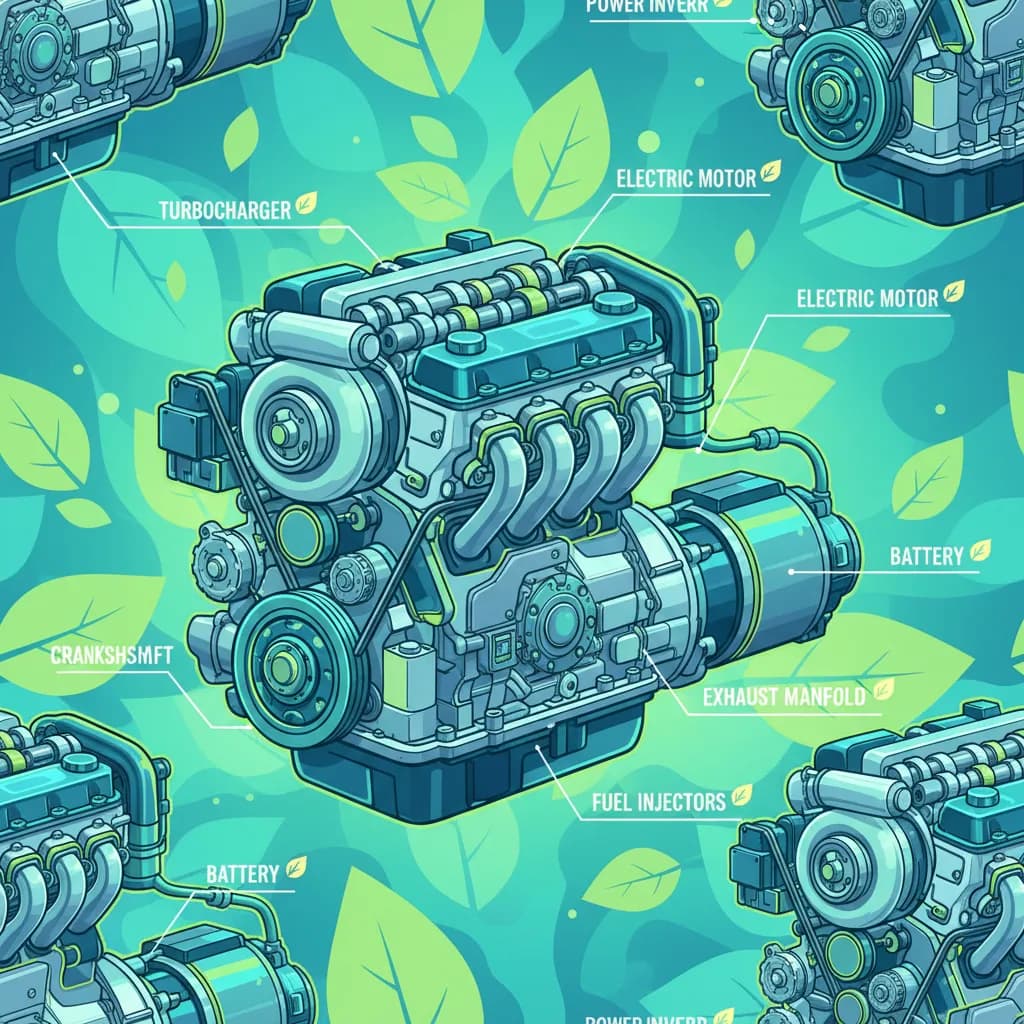
This lesson introduces the fundamental principles of the diesel engines that power Category C vehicles. It covers key concepts such as torque, horsepower, fuel injection, and the role of turbocharging in generating power efficiently. Learners will also analyze how the powertrain transfers energy to the wheels and understand the practical application of engine braking as a primary method for controlling vehicle speed, especially on long descents, to reduce wear on service brakes.
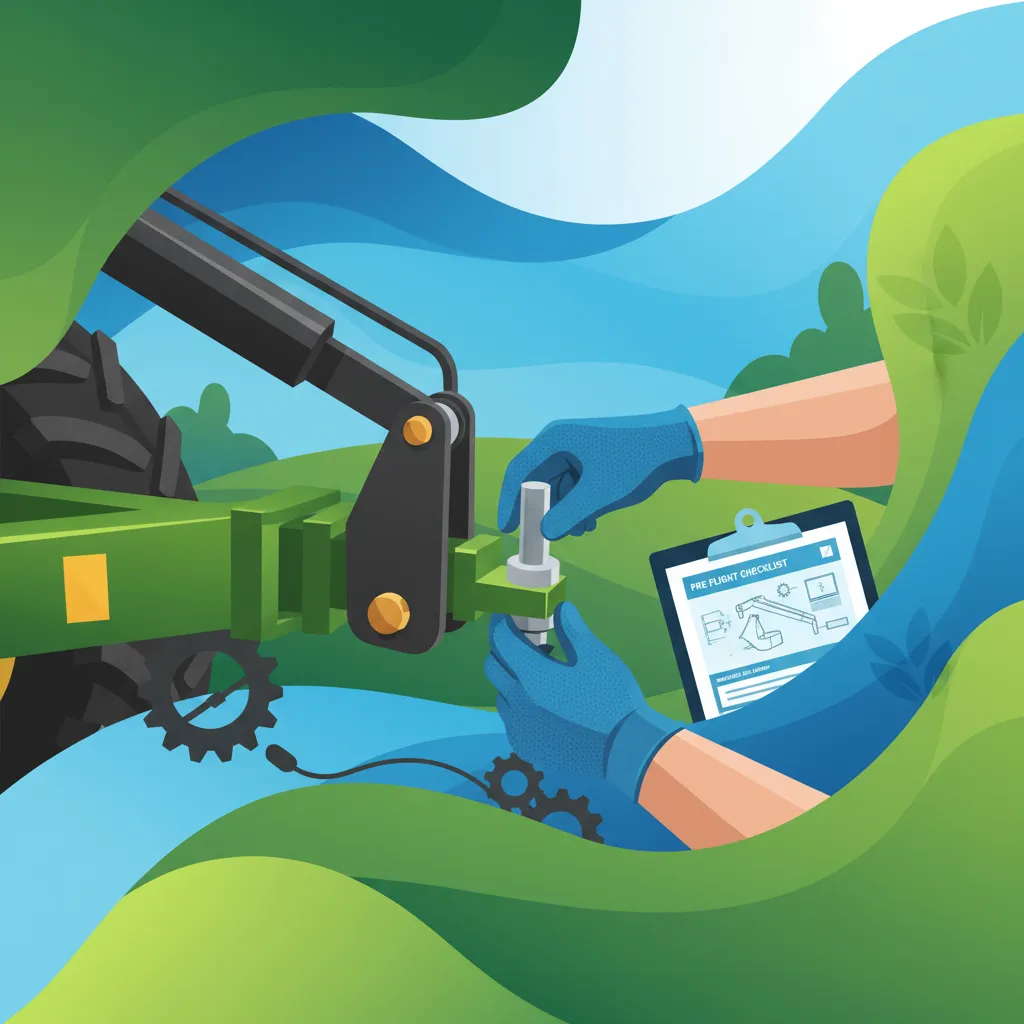
This lesson focuses on the maintenance of agricultural implements and attachments powered via the tractor’s PTO and hydraulic systems. It covers routine inspection of hydraulic lines, lubrication of moving parts, and verification of safety features before each use. Additionally, the lesson stresses the importance of keeping detailed maintenance logs and certification documents to satisfy legal standards.
This lesson explains the hydraulic architecture that powers many agricultural implements, detailing how fluid pressure drives cylinders for lifting and operating attachments. It outlines the function of control levers, safety valves, and emergency shut-off mechanisms that protect the operator and equipment. The lesson provides guidance on routine hydraulic system checks, leak detection, and essential maintenance practices.
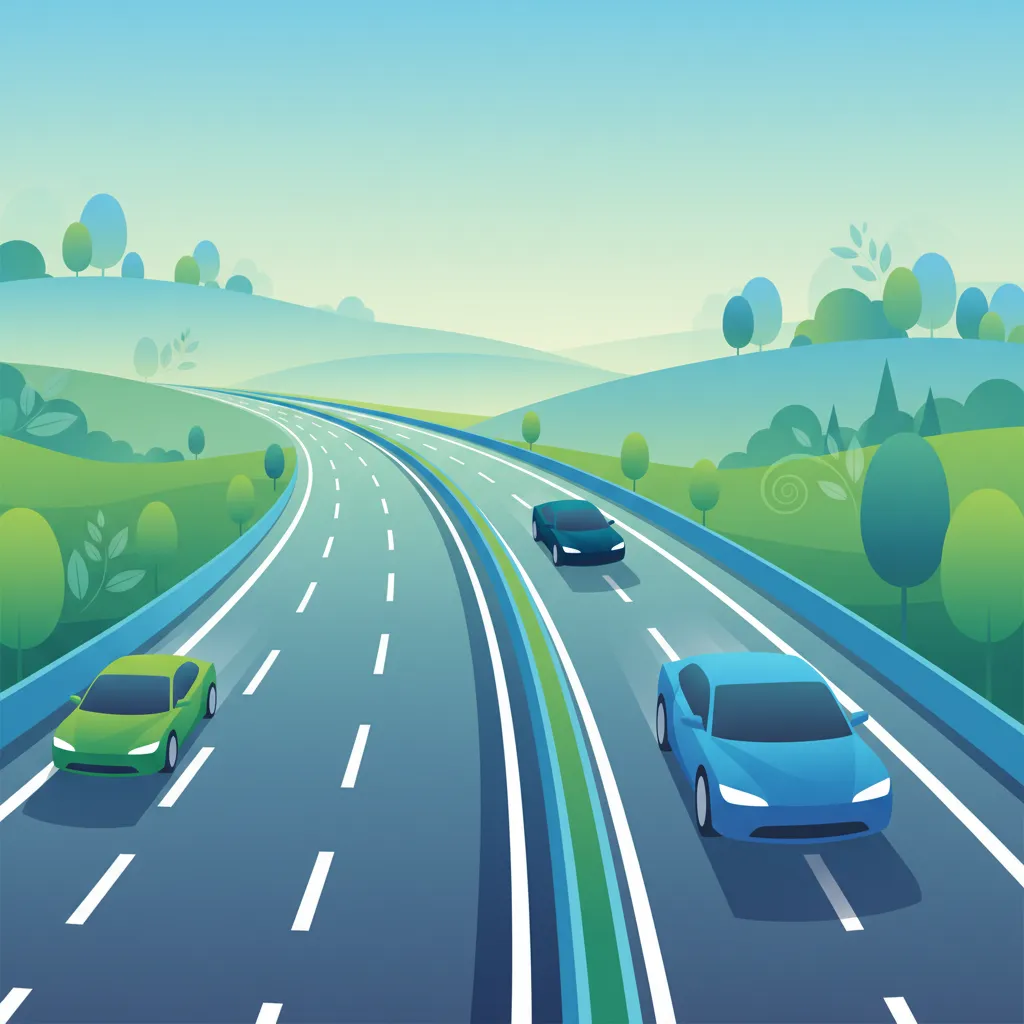
This lesson explores the correct lane and road positioning for tractors, emphasizing the use of the right-hand lane or shoulder where appropriate. It clarifies how speed limits differ between road types and provides guidelines for adjusting speed based on vehicle load, road condition, and traffic density. Proper positioning improves safety for both the tractor driver and other road users sharing the same space.
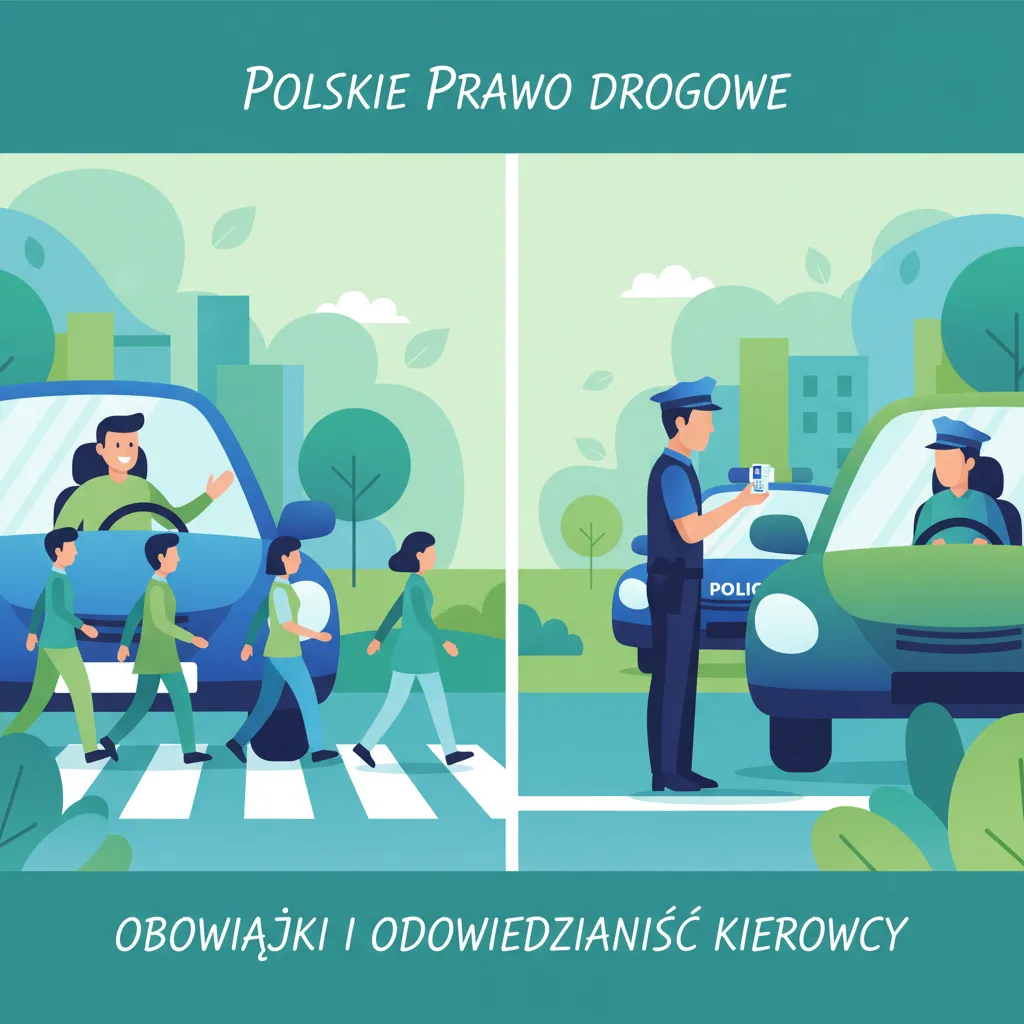
This lesson outlines the legal responsibilities of tractor drivers as stipulated by Polish traffic law, emphasizing the duty to comply with all rules of the road. It discusses the liability framework for accidents involving agricultural vehicles, including the need for appropriate insurance and potential penalties. The lesson also explains the importance of maintaining accurate documentation, such as registration papers and a driver’s licence.
This lesson provides a step-by-step guide to safely coupling and uncoupling trailers, highlighting the correct use of hitches, drawbars, and safety chains. It emphasizes pre-couple inspections, alignment checks, and the necessity of confirming secure connections before movement. Learners will also study procedures for safely uncoupling, including establishing a safe zone and verifying trailer stability.
Learn how to maximize your tractor's performance and fuel efficiency. This lesson covers essential strategies for managing load, selecting gears, and operating the clutch effectively for Category T drivers preparing for the Polish theory exam.
This lesson covers the fundamental procedures for starting and stopping a tractor, with emphasis on selecting the appropriate gear and clutch engagement for smooth motion. It explains how to manage traction on soft fields, loose gravel, and wet paved roads, and how to calculate safe stopping distances. The content also discusses hill starts and the prevention of wheel slip during acceleration and deceleration.
This lesson explores the correct lane and road positioning for tractors, emphasizing the use of the right-hand lane or shoulder where appropriate. It clarifies how speed limits differ between road types and provides guidelines for adjusting speed based on vehicle load, road condition, and traffic density. Proper positioning improves safety for both the tractor driver and other road users sharing the same space.
This lesson examines real-world case studies of harvest traffic, where multiple tractors and trailers share limited road space during peak agricultural periods. Learners explore strategies for coordinating speed, maintaining safe distances, and using signaling to communicate intentions. The content also addresses the challenges of field access points and the need for cooperation with other drivers.
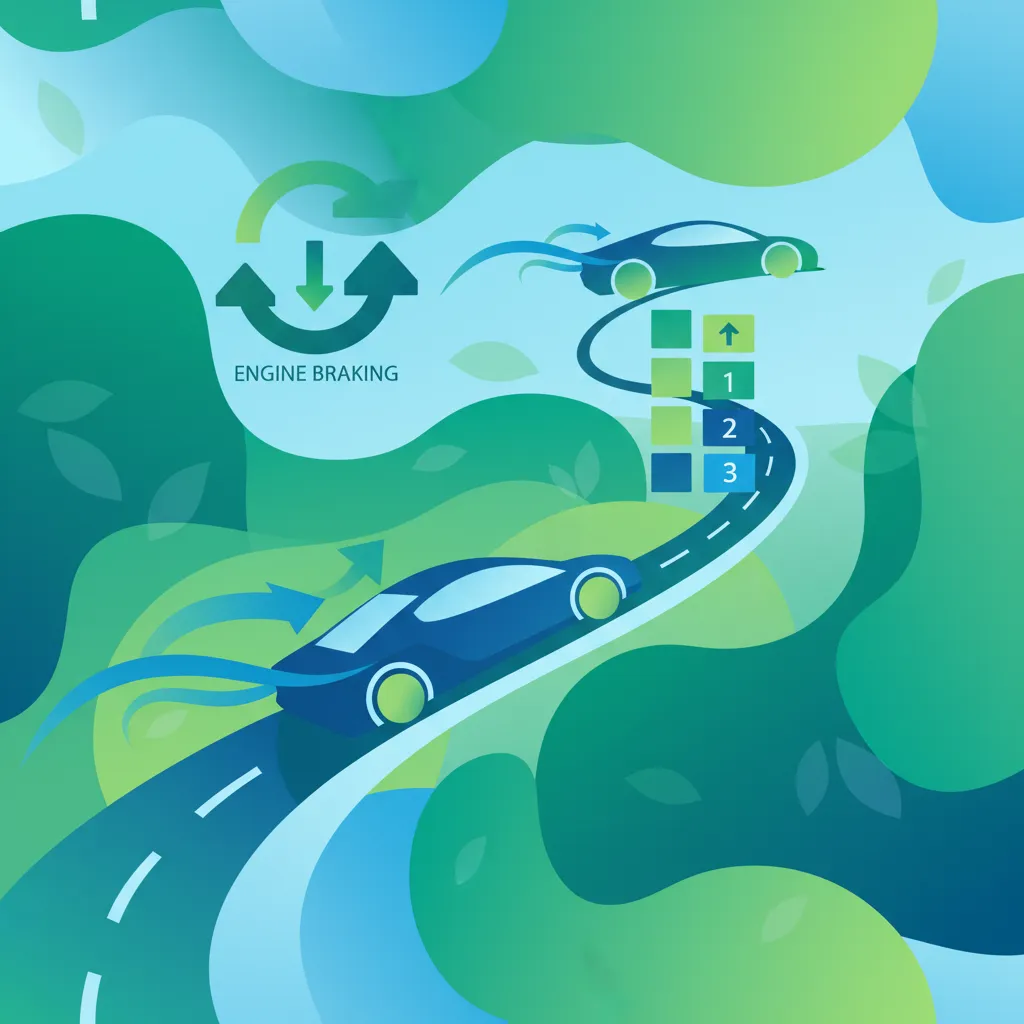
This lesson focuses on optimizing powertrain performance through skilled driving techniques. It teaches learners how to select the correct gears and shift points by understanding the engine's torque curve, which is crucial for both efficient acceleration and fuel economy. Additionally, the content details the proper application of engine braking and retarders to control speed on descents, preserving the service brakes and maintaining vehicle control without excessive fuel use.
This lesson focuses on the maintenance of agricultural implements and attachments powered via the tractor’s PTO and hydraulic systems. It covers routine inspection of hydraulic lines, lubrication of moving parts, and verification of safety features before each use. Additionally, the lesson stresses the importance of keeping detailed maintenance logs and certification documents to satisfy legal standards.
This lesson provides a step-by-step guide to safely coupling and uncoupling trailers, highlighting the correct use of hitches, drawbars, and safety chains. It emphasizes pre-couple inspections, alignment checks, and the necessity of confirming secure connections before movement. Learners will also study procedures for safely uncoupling, including establishing a safe zone and verifying trailer stability.
This lesson outlines the legal responsibilities of tractor drivers as stipulated by Polish traffic law, emphasizing the duty to comply with all rules of the road. It discusses the liability framework for accidents involving agricultural vehicles, including the need for appropriate insurance and potential penalties. The lesson also explains the importance of maintaining accurate documentation, such as registration papers and a driver’s licence.
This lesson provides a systematic approach to pre-use inspections, covering essential components that must be checked before operating a tractor. Learners will learn how to assess tire pressure, test brakes, verify the operation of all lights and beacons, and examine hitch conditions. Performing these checks ensures vehicle roadworthiness and reduces the risk of mechanical failure during operation.
This lesson provides comprehensive guidelines for safely transporting agricultural equipment, focusing on proper load securing techniques and weight distribution calculations. It discusses route planning that accounts for road conditions, bridge weight capacities, and seasonal obstacles like mud or snow. The lesson also emphasizes the use of protective equipment and regular compliance verification for safe operations.
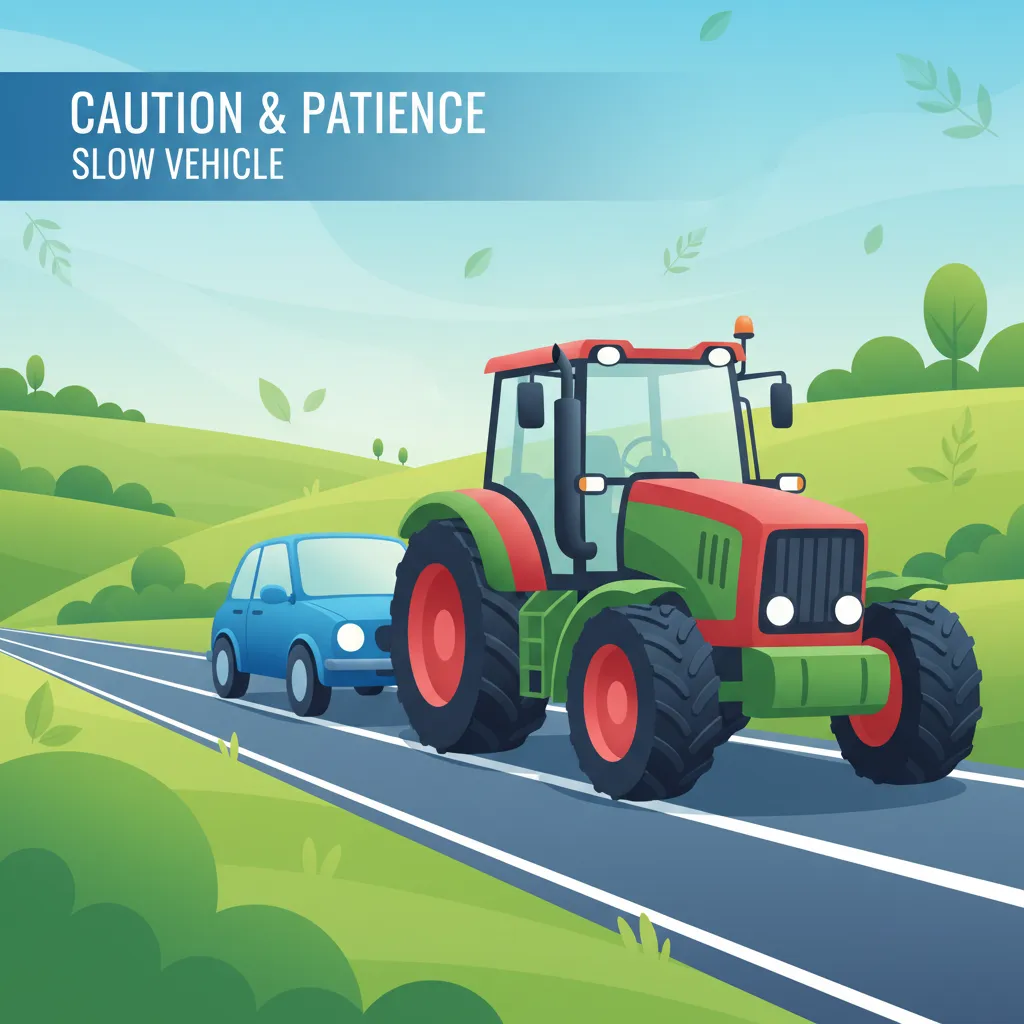
This lesson addresses encounters with slow-moving vehicles, such as tractors, which are common on rural roads. It teaches drivers to be patient, maintain a safe following distance, and only overtake when it is absolutely safe and legal to do so. Recognizing the large size and limited maneuverability of such vehicles is crucial for avoiding accidents.
Find clear answers to common questions learners have about Engine, Gearbox, and Clutch Basics. Learn how the lesson is structured, which driving theory objectives it supports, and how it fits into the overall learning path of units and curriculum progression in Poland. These explanations help you understand key concepts, lesson flow, and exam focused study goals.
The clutch's primary role is to connect and disconnect the engine's power from the gearbox. This allows you to change gears smoothly, start the vehicle from a standstill without stalling, and stop without shutting off the engine.
The gearbox uses different gear ratios to multiply the engine's torque or increase its speed. This allows you to adjust the tractor's power output for tasks like pulling heavy loads at low speeds or travelling faster on roads.
Engine torque is the rotational force the engine produces. Understanding it helps you know how much pulling power your tractor has, which is essential for selecting the right gear for heavy loads or steep inclines, ensuring you don't overload the engine or get stuck.
Yes, absolutely. Selecting the correct gear for the task and terrain allows the engine to operate within its most efficient speed range. Using a lower gear than necessary for road driving, for example, will increase fuel consumption.
'Pojazdy wolnobieżne' refers to slow-moving vehicles, like tractors. While engine and gearbox are fundamental to all vehicles, understanding their mechanics helps you manage the specific speed and power needs of slow-moving vehicles, which is a key consideration in Polish traffic law and theory exams.
Build custom practice sessions tailored precisely to your needs. Focus on areas requiring improvement, review specific Polish road signs, or master complex traffic rules to ensure full preparation for your official driving license exam.