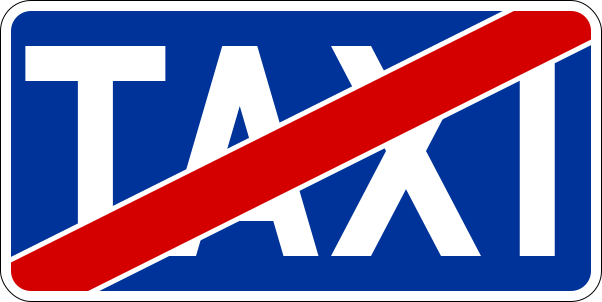
The D-20 sign clearly indicates the termination point of a designated taxi parking area. You'll often see this sign as the opposite to the D-19 'Taxi Stand' sign, signifying that the exclusive zone for taxis has ended and regular traffic rules, including general parking regulations, now apply. Drivers should be aware of the length of the taxi stand, marked by both the D-19 and D-20 signs, to ensure they don't park illegally before the D-20.
Understanding the D-20 road sign meaning is crucial for Polish drivers to correctly identify the exact termination of designated taxi stands. This traffic sign explanation ensures you avoid parking violations and confidently answer related questions on your driving theory test revision.
The D-20 sign is the counterpart to the D-19 sign. It features the word 'TAXI' with a red diagonal line through it. This indicates the precise end of the reserved zone for taxis. Beyond this sign, regular parking or traffic rules resume. It is often found on the back of a D-19 sign if the taxi stand is designed to be visible from both directions of the street.
This sign marks the point where the reserved taxi parking area ends.
Get clear, practical answers to the most common questions about the D-20 - End of Taxi Stand road sign. Learn how the sign works, what rules it represents, and how it affects real driving situations. This FAQ strengthens your understanding and supports accurate decision making for the Polish driving theory exam in Poland.
The D-20 sign means 'End of Taxi Stand'. It signals that the special parking zone reserved exclusively for taxis has finished. Beyond this sign, regular parking and traffic rules are in effect, and private vehicles can usually park if other signs permit it.
When you see the D-20 sign, you know that the taxi-only parking area has ended. If you are driving a private vehicle, you can now look for available parking spaces in the area, provided there are no other signs prohibiting parking. Taxis can also resume normal operation or seek parking elsewhere if permitted.
The length of a taxi stand is determined by the distance between the D-19 'Taxi Stand' sign (which marks the beginning) and the D-20 'End of Taxi Stand' sign. Knowing this helps you understand where the restrictions for taxis end and general parking rules resume for other vehicles.
A common trap is assuming that just because a taxi stand exists, it continues indefinitely. Learners must remember that the D-20 sign specifically marks the end. Another mistake is thinking that private cars can never stop or park near a taxi stand; while parking is prohibited within the zone, stopping briefly might be allowed depending on other regulations and circumstances. The D-20 sign clarifies when the zone ends.
No, generally you should not stop or park a private vehicle before the D-20 sign if it is within the taxi stand zone indicated by the D-19 sign. The area between D-19 and D-20 is reserved for taxis. The D-20 sign signifies the end of this reservation, after which regular parking rules apply.
A clear reference image of the D-20 - End of Taxi Stand road sign used in Poland.
The D-20 - End of Taxi Stand road sign may also be known by these alternative names or terms.
The D-20 - End of Taxi Stand road sign is part of the Information Signs (D) category, which groups together signs with similar rules and functions.
Comparing signs like the 'End of Taxi Stand' (D-20) with similar markings aids in accurate identification and reduces exam errors. Practicing traffic sign comparison sharpens your theory test revision for better recall.
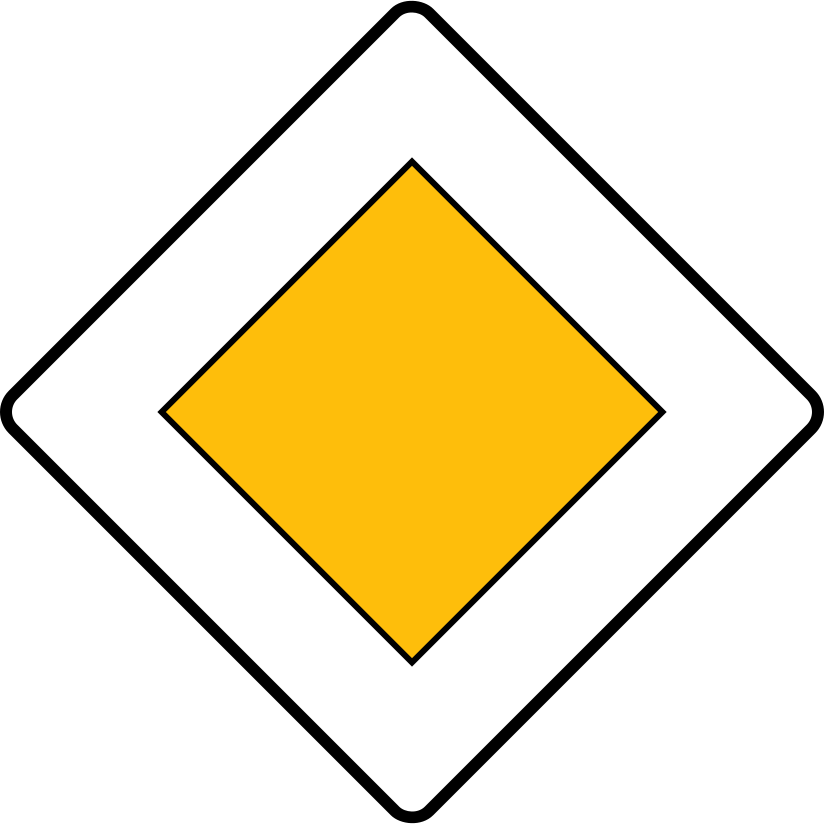
The D-1 Priority Road sign means you have the right of way.
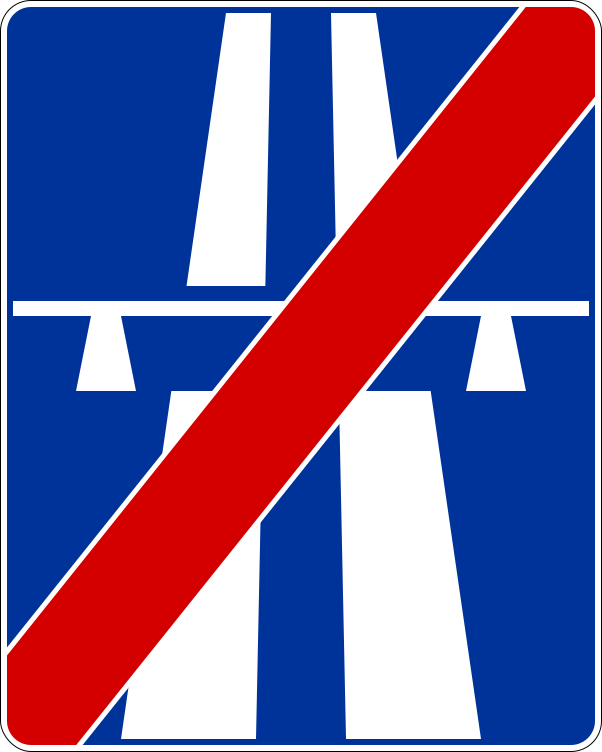
Prepare for the End of the Motorway with the D-10 Sign
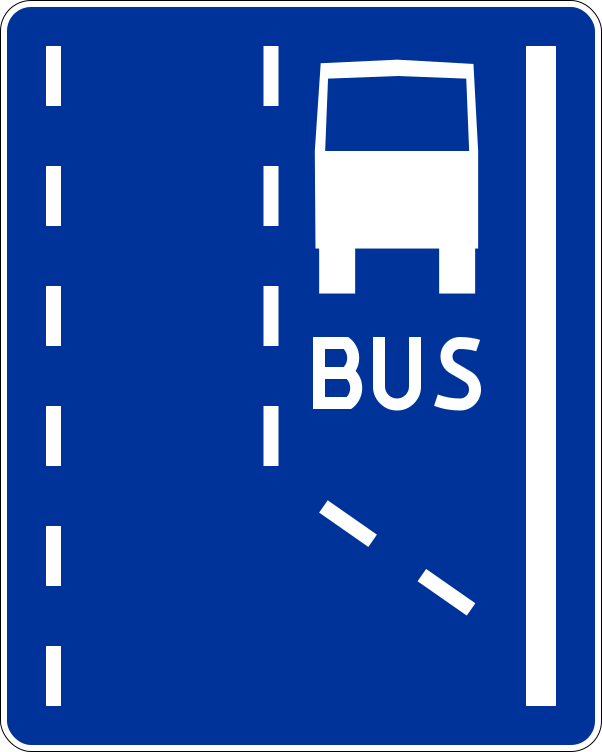
D-11 Road Sign: You're Approaching the Start of a Bus Lane
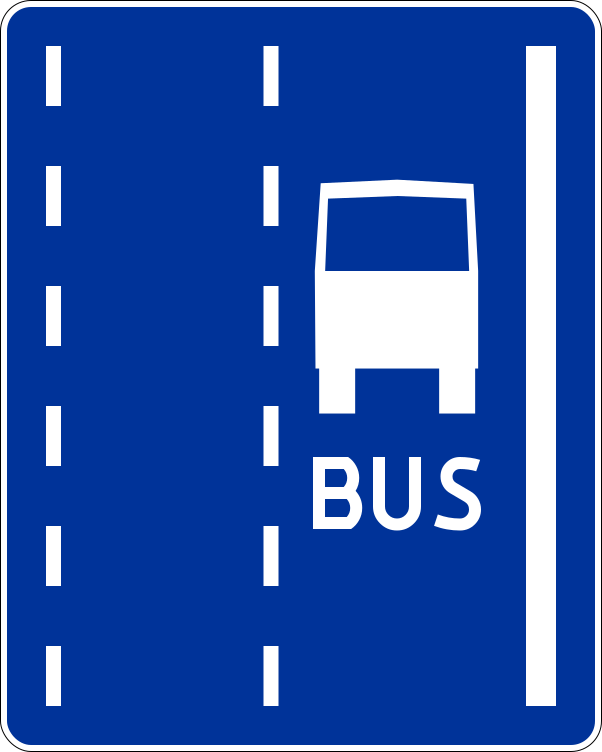
The D-12 'Bus Lane' sign confirms the lane remains exclusively for buses and authorized vehicles.
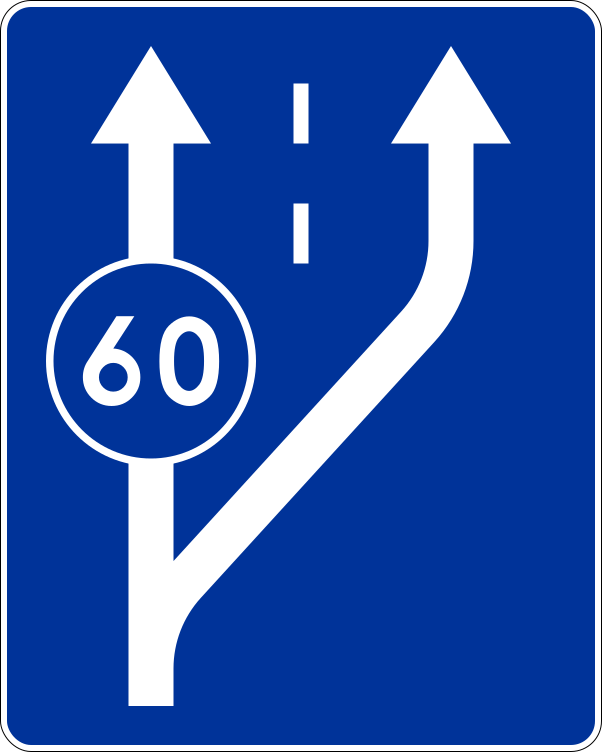
D-13 Sign: Prepare for the Start of a Slow-Moving Traffic Lane
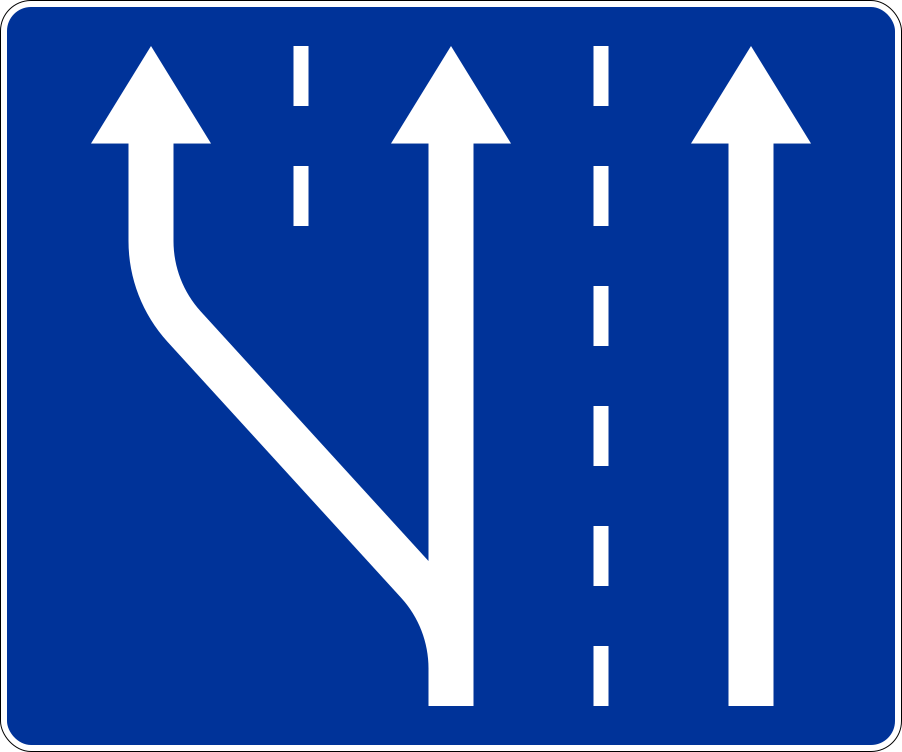
The D-13a 'Start of Lane' sign means a new lane is opening up ahead.
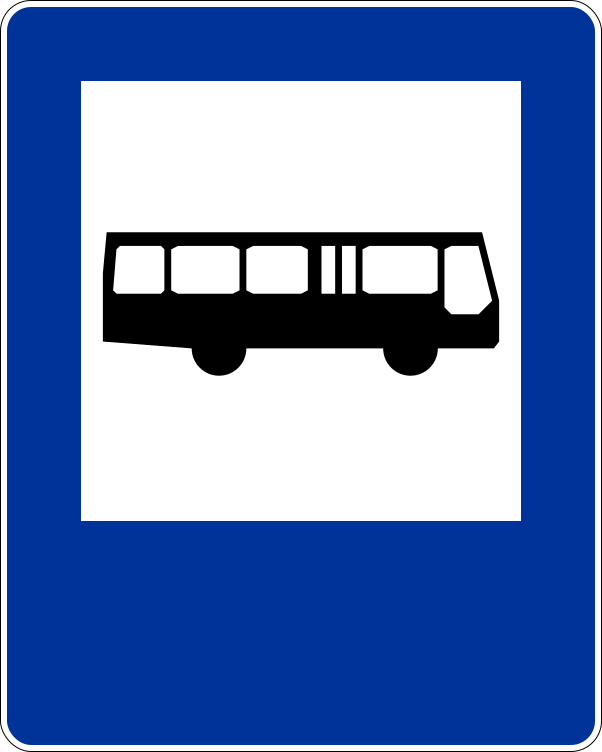
The D-15 'Bus Stop' Sign: Understanding and Reacting to Public Transport Stops
After reviewing the full list of Polish road signs, explore specific sign categories for in-depth understanding. Challenge your knowledge with practice questions focused on sign recognition and interpretation to solidify your preparation for the driving theory exam.
Browse All Polish Road Signs