
As the automotive industry shifts towards more sustainable options, understanding multi-energy vehicles is vital for passing the Spanish DGT theory test. This article introduces the upcoming Fiat Grizzly, highlighting its gasoline and electric variants, and explains why familiarity with these new technologies and vehicle types is key to your exam success.
Article content overview
The automotive landscape is rapidly evolving, with new technologies and vehicle types emerging constantly. As a learner driver preparing for your Spanish DGT theory exam, it's crucial to understand these changes, especially those related to vehicle powertrains and sustainable mobility. The introduction of vehicles like the upcoming Fiat Grizzly, offering multi-energy options, serves as an excellent case study for understanding these modern developments and how they might be tested. Familiarity with concepts like gasoline versus electric powertrains is becoming increasingly important for safe and informed driving in Spain.
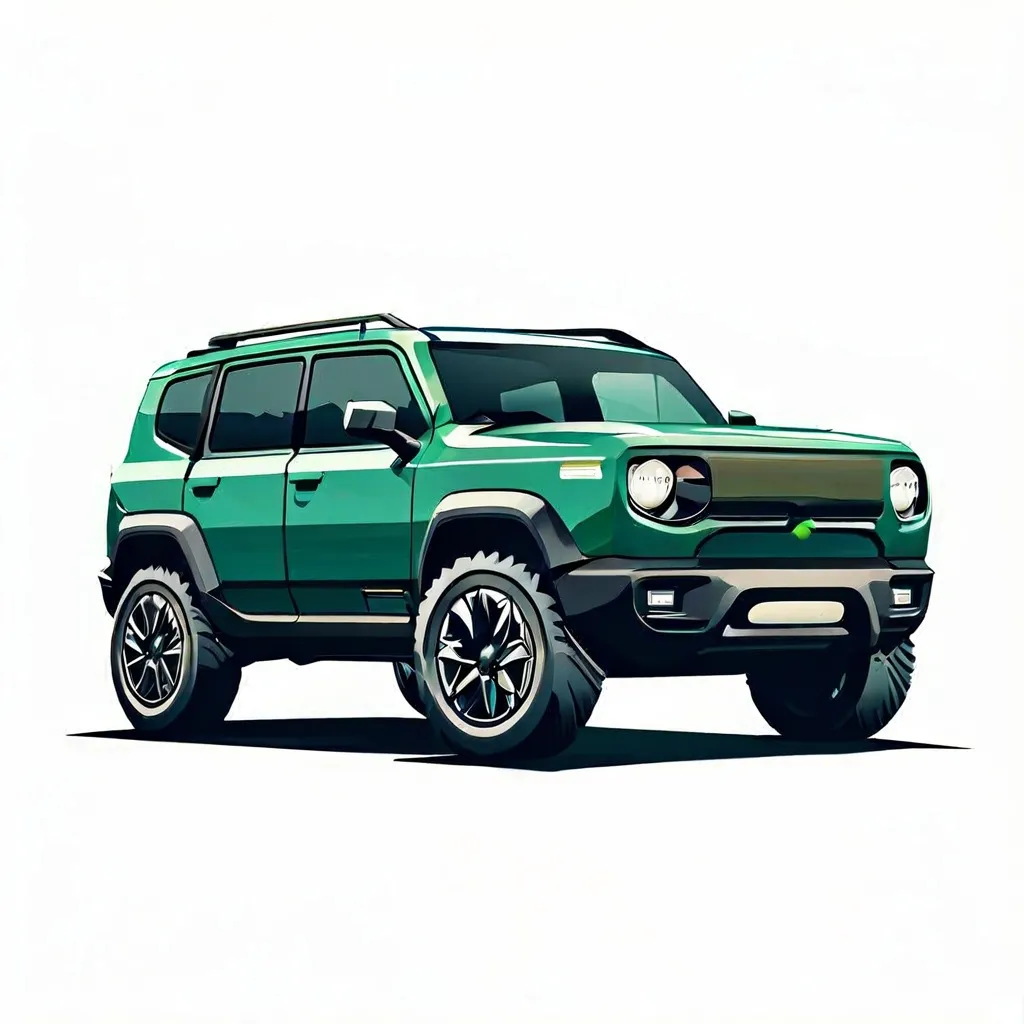
The upcoming Fiat Grizzly and its Fastback variant, expected to hit the market in the latter half of 2026, represent a significant shift in vehicle design and propulsion. Built on Stellantis' Smart Car platform, these compact SUVs, measuring under 4.5 meters, are designed for a global audience, including Spain. Their key innovation lies in the availability of "multi-energy" options, meaning customers will have choices between traditional gasoline engines and fully electric powertrains. This move towards diverse energy sources is a major trend that the Dirección General de Tráfico (DGT) may incorporate into its theory test questions to ensure drivers are aware of the evolving automotive technologies they will encounter on Spanish roads.
Understanding "multi-energy" vehicles means grasping that a single model can be offered with different types of engines, catering to various driver needs and environmental considerations. In the case of the Fiat Grizzly, this translates to choices between internal combustion engines, specifically gasoline, and purely electric propulsion systems. This distinction is vital for theory test preparation because each powertrain type has unique characteristics that affect performance, emissions, refuelling/recharging requirements, and even sound levels – all of which can be relevant to road safety and traffic regulations.
The DGT exam aims to prepare you for all types of vehicles you might encounter, and understanding the fundamental differences between gasoline and electric cars is part of this. Gasoline engines are familiar, but electric vehicles (EVs) operate on battery power, offering silent running and zero tailpipe emissions, which have implications for urban traffic noise regulations and pedestrian safety. Knowing these differences will allow you to anticipate how a vehicle might behave and respond on the road, a key aspect of defensive driving that the DGT emphasizes.
When preparing for your Spanish driving theory exam, it’s beneficial to differentiate between the operational aspects of gasoline and electric vehicles. Gasoline cars require regular refuelling at petrol stations, and their engines produce exhaust fumes. Electric cars, on the other hand, are recharged by plugging into an electrical source, either at home, at public charging stations, or at dedicated charging points. This difference in energy acquisition is a fundamental concept that examiners may test.
Furthermore, the driving experience itself can differ. Electric vehicles often provide instant torque, meaning they accelerate quickly from a standstill, which can affect how drivers merge into traffic or overtake. The silent nature of EVs also presents a unique challenge, as they produce less audible noise at low speeds. For pedestrian and cyclist safety, many electric cars are now equipped with acoustic vehicle alerting systems (AVAS) that emit a low-level sound at speeds below 20 km/h. Awareness of these characteristics is part of understanding modern vehicle types.
The Fiat Grizzly, with its SUV and Fastback body styles, also introduces you to different vehicle classifications. SUVs (Sport Utility Vehicles) are known for their higher driving position and often greater cargo space, while Fastbacks are characterized by a sloping rear roofline, offering a sportier aesthetic. While the specific class of a vehicle doesn't fundamentally change traffic laws, understanding these body types helps you better assess a vehicle's dimensions and potential blind spots, which is important for safe maneuvering and observation.
More broadly, the trend towards "sustainable mobility," exemplified by electric vehicles, is a significant theme in modern transport policy and education. The DGT is keen to promote environmentally conscious driving practices. Therefore, understanding the benefits of electric mobility, such as reduced carbon emissions and lower noise pollution in urban areas, can be beneficial not only for passing your theory test but also for becoming a responsible driver. Questions may arise about the environmental impact of different powertrains or the role of EVs in improving air quality in Spanish cities.
The DGT exam frequently incorporates questions about new technologies and evolving road conditions. Therefore, understanding concepts like multi-energy powertrains, electric vehicle charging, and the operational differences between engine types is directly relevant. Expect questions that might test your knowledge of:
Ultimately, the goal of learning about these new vehicle types and powertrains is to enhance your safety and the safety of others on the road. As an emerging driver in Spain, you need to be prepared to interact with all sorts of vehicles, including those you may not have encountered before. This includes understanding the characteristics of electric cars, such as their quiet operation, which necessitates heightened awareness of your surroundings, especially when pedestrians or cyclists are present.
Recognizing that vehicles like the Fiat Grizzly will soon be commonplace means being adaptable. Your driving theory education is designed to provide you with the foundational knowledge to navigate any situation safely and legally. Staying informed about automotive advancements, like the multi-energy options becoming standard on new models, ensures you are well-prepared for the realities of driving in Spain today and in the future.
To excel in your DGT theory exam, dedicate time to understanding the core principles of different vehicle types and their power sources. This knowledge isn't just about memorising facts; it's about developing a comprehensive understanding of how vehicles function and interact within the road network. The introduction of models like the Fiat Grizzly with its multi-energy options underscores the DGT's commitment to testing drivers on current and future automotive trends.
Focus on the practical implications of these technologies for day-to-day driving. For instance, understanding the charging infrastructure for electric vehicles or the specific maintenance needs can provide context for theoretical questions. By integrating this knowledge into your study routine, you will not only be better prepared for the exam but also a more confident and responsible driver on Spanish roads.
This content explains multi-energy vehicle options—vehicles offered with choices between gasoline and electric powertrains—using the Fiat Grizzly as an example. Key distinctions include refuelling versus recharging, silent operation requiring AVAS at low speeds, and instant torque affecting acceleration. Understanding these differences helps prepare for DGT theory questions on new vehicle technologies and their practical implications for road safety and environmental responsibility in Spain.
A short set of high-value points that capture the most important ideas from this article.
Multi-energy vehicles offer multiple powertrain choices (gasoline, electric, hybrid) for the same model, allowing buyers to select their preferred energy source.
Electric vehicles produce zero tailpipe emissions and operate silently, requiring heightened awareness of pedestrians and cyclists in urban traffic.
AVAS (Acoustic Vehicle Alerting System) is mandatory on electric vehicles, emitting sound below 20 km/h to alert vulnerable road users.
Electric vehicles deliver instant torque for rapid acceleration from standstill, which affects how they merge into traffic or overtake.
Understanding vehicle powertrain differences—refuelling versus recharging—is increasingly tested in the DGT theory exam.
Electric vehicles must be plugged into an electrical source to recharge, unlike gasoline cars that refuel at petrol stations.
AVAS sound requirement applies specifically at speeds below 20 km/h, where EVs are nearly silent.
The DGT exam includes questions about new vehicle technologies, including EV advantages, disadvantages, and charging procedures.
Multi-energy options mean a single vehicle model can be offered with different engine types (gasoline or electric).
Electric vehicles contribute to reduced noise pollution and lower carbon emissions in urban areas.
Assuming all electric vehicles are automatically quiet at all speeds—AVAS only operates below 20 km/h, so EVs can be silent at higher speeds.
Confusing multi-energy vehicles with hybrid vehicles—multi-energy refers to separate powertrain options for the same model, not combined systems.
Overlooking that electric vehicles' instant torque can result in faster acceleration than expected, affecting merging and overtaking decisions.
Believing electric vehicles have no safety implications—silent operation requires increased surrounding awareness, especially for pedestrians.
Assuming body style (SUV or Fastback) changes traffic laws—it affects dimensions and blind spots, not legal obligations.
Article content overview
A short set of high-value points that capture the most important ideas from this article.
Multi-energy vehicles offer multiple powertrain choices (gasoline, electric, hybrid) for the same model, allowing buyers to select their preferred energy source.
Electric vehicles produce zero tailpipe emissions and operate silently, requiring heightened awareness of pedestrians and cyclists in urban traffic.
AVAS (Acoustic Vehicle Alerting System) is mandatory on electric vehicles, emitting sound below 20 km/h to alert vulnerable road users.
Electric vehicles deliver instant torque for rapid acceleration from standstill, which affects how they merge into traffic or overtake.
Understanding vehicle powertrain differences—refuelling versus recharging—is increasingly tested in the DGT theory exam.
Electric vehicles must be plugged into an electrical source to recharge, unlike gasoline cars that refuel at petrol stations.
AVAS sound requirement applies specifically at speeds below 20 km/h, where EVs are nearly silent.
The DGT exam includes questions about new vehicle technologies, including EV advantages, disadvantages, and charging procedures.
Multi-energy options mean a single vehicle model can be offered with different engine types (gasoline or electric).
Electric vehicles contribute to reduced noise pollution and lower carbon emissions in urban areas.
Assuming all electric vehicles are automatically quiet at all speeds—AVAS only operates below 20 km/h, so EVs can be silent at higher speeds.
Confusing multi-energy vehicles with hybrid vehicles—multi-energy refers to separate powertrain options for the same model, not combined systems.
Overlooking that electric vehicles' instant torque can result in faster acceleration than expected, affecting merging and overtaking decisions.
Believing electric vehicles have no safety implications—silent operation requires increased surrounding awareness, especially for pedestrians.
Assuming body style (SUV or Fastback) changes traffic laws—it affects dimensions and blind spots, not legal obligations.
Explore related topics, search based questions, and concepts that learners often look up when studying Fiat Grizzly: Multi-Energy Options. These themes reflect real search intent and help you understand how this topic connects to wider driving theory knowledge in Spain.
Find clear and practical answers to common questions learners often have about Fiat Grizzly: Multi-Energy Options. This section helps explain difficult points, remove confusion, and reinforce the key driving theory concepts that matter for learners in Spain.
It means the vehicle is available with different types of powertrains, such as traditional gasoline engines and fully electric (100% electric) options, allowing drivers to choose based on their needs and environmental considerations.
The DGT theory test increasingly covers new vehicle technologies, including electric and hybrid cars, and sustainable mobility trends. Knowing their basic characteristics and differences from conventional vehicles is essential for safe driving and exam success.
The Fiat Grizzly shares the Stellantis Smart Car platform with other models. Understanding this shared technology helps in recognizing commonalities and differences between various new vehicles you might encounter, which is beneficial for exam preparation.
While specific rules are evolving, the DGT test includes questions on general environmental considerations, different vehicle types, and charging infrastructure. Familiarity with electric vehicle operation is key to understanding these topics.
Now that you have found specific articles, continue to deepen your understanding by exploring related DGT regulations or other driving theory topics. Strengthen your knowledge of road signs, traffic scenarios, and essential Spanish driving procedures to prepare for your official driving license exam.