
This lesson explores the critical role of personal protective equipment (PPE) for moped and e-bike riders under Swiss law. You will learn the legal requirements for helmets and how to select clothing and accessories that maximize your safety on the road. Understanding these concepts is vital for both your theory exam and your long-term personal protection.
Lesson content overview
Riding a moped or e-bike offers a sense of freedom and efficiency, particularly in Switzerland's varied urban and rural landscapes. However, with this freedom comes the crucial responsibility of personal safety. Wearing appropriate protective gear is not merely a recommendation; it is a fundamental aspect of safe riding and, in many cases, a legal requirement. This lesson delves into the specifics of essential personal protective equipment (PPE) for riders, covering everything from mandatory helmets to highly recommended protective clothing and visibility accessories. Understanding and correctly using this gear significantly reduces the risk and severity of injuries in the event of an accident, protects against environmental elements, and ensures you are easily seen by other road users.
Personal protective equipment (PPE) acts as your first line of defense on the road. For Category M (mopeds) riders, who share the road with larger, faster vehicles, the stakes are particularly high. PPE provides vital protection against impacts, abrasions, and the elements, directly influencing your safety and well-being. Beyond physical protection, wearing proper gear also enhances your visibility to others, preventing accidents before they even occur. Adhering to Swiss legal requirements for helmets is not just about avoiding penalties; it's about protecting your life and ensuring you meet the safety standards expected of every responsible rider.
The primary role of protective gear is to mitigate the severity of injuries in a crash or fall. Helmets are designed to absorb and distribute kinetic energy during an impact, safeguarding the brain and skull. Protective clothing, made from abrasion-resistant materials and often reinforced with impact-absorbing armor, prevents road rash, cuts, and reduces the force transferred to bones and joints. This direct reduction in injury severity translates to higher survivability rates and faster recovery times, minimizing both personal suffering and the broader costs associated with medical care and insurance claims.
Riding exposes you to various environmental conditions, from wind and rain to cold temperatures and intense sun. Appropriate gear provides crucial protection, helping you maintain focus and comfort. Water-resistant and thermal clothing keeps you dry and warm, preventing hypothermia in adverse weather. Breathable fabrics help prevent overheating in warmer conditions, ensuring you remain comfortable and alert throughout your ride.
Visibility is paramount for moped and e-bike riders, who are often less conspicuous than cars or trucks. High-visibility clothing, reflective elements, and auxiliary lighting significantly increase your detection distance for other road users. This enhanced visibility is especially critical in low-light conditions, adverse weather, or complex traffic situations, directly reducing the likelihood of a collision caused by other drivers failing to see you.
In Switzerland, wearing a certified helmet is not optional; it is a strict legal requirement for all riders of Category M vehicles (mopeds) and e-bikes capable of speeds exceeding 25 km/h with pedal assistance, or 20 km/h without. This law underscores the critical role helmets play in preventing head injuries, which are often the most devastating in any accident.
The European standard for helmets used on mopeds and bicycles. For Category M vehicles in Switzerland, helmets must meet this standard to be legally compliant.
A compliant helmet for Category M vehicles must meet the SN-EN 1078 standard. This standard ensures the helmet has undergone rigorous testing for impact absorption, structural integrity, and retention system effectiveness. When purchasing a helmet, always look for the SN-EN 1078 label, typically found inside the helmet or on a sticker.
While all certified helmets offer a basic level of protection, different types provide varying degrees of coverage and features:
Do not confuse half helmets with certified open-face or full-face helmets. Always ensure your helmet is certified to SN-EN 1078 and provides adequate protection for your specific riding needs.
Beyond certification, the effectiveness of your helmet depends on proper usage and maintenance:
When trying on a helmet, shake your head from side to side and up and down. The helmet should move with your head, not independently. The chin strap should be tight enough that you can't pull the helmet off your head when fastened.
While not all protective clothing is legally mandatory for Category M riders in Switzerland, it is highly recommended due to its critical role in preventing severe injuries. Your skin, bones, and joints are vulnerable in a fall, even at low speeds. Specialized riding gear is designed to withstand impacts and resist abrasion, offering a layer of defense that street clothes simply cannot.
Riding jackets are designed to protect your upper body from impacts, abrasions, and the elements.
Protective inserts, typically made from flexible plastic or foam, certified to European safety standards for impact absorption. These are optional for Category M but strongly recommended.
Just like jackets, protective pants safeguard your lower body from the knees, hips, and thighs. Standard denim jeans, while common, offer minimal protection against abrasion and no impact protection.
Your hands are often the first part of your body to touch the ground in a fall, making gloves an indispensable piece of protective gear. They also play a crucial role in maintaining grip on the handlebars and controls, especially in wet or cold conditions.
Avoid wearing everyday gloves like gardening or baseball gloves. They do not offer the necessary abrasion resistance or impact protection for riding.
Proper footwear is essential for both protection and safe vehicle operation. Sturdy boots protect your feet and ankles from impact and abrasion and provide crucial grip on the footrests and during braking.
Being visible to other road users is one of the most effective ways to prevent accidents. Mopeds and e-bikes are smaller and often less conspicuous, making proactive visibility enhancement vital. While some elements are not strictly mandatory for mopeds in Switzerland, they are strongly advised as a best practice for safety.
Garments using bright, fluorescent colors (such as yellow, green, or orange) and reflective material to enhance a rider's conspicuity to others, especially in low-light or adverse weather conditions.
Beyond standard vehicle lighting, additional lighting can further improve your visibility:
When choosing visibility accessories, remember that fluorescent colors are best for daytime, while reflective materials are essential for night-time visibility when headlights are present. For optimal safety, combine both.
Understanding the legal framework and recommended best practices for protective gear in Switzerland is paramount for Category M riders. Adherence ensures your safety and compliance with the law.
| Regulation | Rule Statement | Applicability | Legal Status | Rationale |
|---|---|---|---|---|
| Swiss Helmet Law (OASR 1996 Art. 6) | All riders of Category M vehicles (mopeds and e-bikes over 25 km/h with pedal assistance or 20 km/h without) must wear a helmet that conforms to SN-EN 1078. | At all times while the vehicle is in motion. | Mandatory | Primary protection against head injuries; reduces fatality risk. |
| Retention System Requirement | The helmet’s retention system (chin strap) must be fastened properly and tightened. | At all times during operation. | Mandatory | Ensures helmet remains on the head during an impact or fall. |
| Helmet Condition | Helmets must be free from cracks, deformation, or any damage that compromises their protective ability. | Continuous use. | Mandatory | Damaged helmets cannot absorb impact energy effectively and are unsafe. |
The effectiveness of your protective gear isn't solely about its certification or material; it's also about how well it fits, how comfortable it is, and how suitable it is for the prevailing conditions.
Your choice of gear should adapt to the riding environment to ensure safety and comfort.
Maintaining a stable core body temperature is vital. Both hypothermia and overheating can lead to fatigue, reduced concentration, and impaired reaction times, increasing accident risk.
Understanding the science behind protective gear can reinforce its importance and encourage consistent use.
Riders who wear proper PPE often feel more secure and confident. This psychological sense of security can foster more consistent safe riding behavior, as the rider is less anxious about potential minor falls and can focus better on traffic and road conditions. It also demonstrates a responsible attitude towards riding, which is important for your image as a road user.
The decision to wear appropriate protective gear is one of the most impactful choices you can make as a moped or e-bike rider in Switzerland. From the mandatory SN-EN 1078 certified helmet to the highly recommended abrasion-resistant clothing and crucial visibility accessories, each piece of equipment plays a vital role in safeguarding your life and well-being.
By understanding the physics of protection, adhering to Swiss legal requirements, and embracing best practices for fit, comfort, and weather adaptation, you not only comply with the law but also significantly reduce your risk of severe injury. Prioritizing your safety through proper protective gear empowers you to ride confidently, comfortably, and responsibly, enjoying the roads of Switzerland with peace of mind.
This lesson covers the mandatory and recommended protective gear for Category M riders in Switzerland, with the legal requirement for SN-EN 1078 certified helmets being the foundation. It explains how different helmet types offer varying levels of protection, with full-face helmets being the most comprehensive. The content details the critical role of abrasion-resistant clothing (jackets, pants, gloves, boots) in preventing severe injuries during falls, and explains why visibility accessories using fluorescent colors and reflective materials are essential for rider conspicuity. Understanding the physics of impact energy absorption and the importance of proper helmet retention systems reinforces why consistent, correct use of protective gear is vital for every ride.
A short set of high-value points that capture the most important learning from this lesson.
Swiss law mandates that all Category M riders must wear a SN-EN 1078 certified helmet at all times while riding.
Full-face helmets provide the highest level of protection, covering the entire head, face, and chin.
A helmet is useless if its retention system (chin strap) is not properly fastened and secured.
Protective clothing made from abrasion-resistant materials like Cordura or Kevlar significantly reduces road rash severity.
Fluorescent colors work best for daytime visibility, while reflective materials are essential for night-time detection by other road users.
Explore all units and lessons included in this driving theory course.
SN-EN 1078 is the legally required European standard for helmets on mopeds and e-bikes in Switzerland.
Replace any helmet immediately after an accident, even if no visible damage is apparent.
Abrasion-resistant fabrics (Cordura, Kevlar, leather) create a sacrificial layer that protects skin during a slide.
Fluorescent and reflective elements serve different purposes and should be combined for optimal visibility across all conditions.
Sturdy, closed-toe boots covering the ankles with slip-resistant soles are essential for safe moped operation.
Assuming half helmets provide adequate protection—only SN-EN 1078 certified full-face or open-face helmets meet safety expectations for Category M.
Riding with a loose or unfastened chin strap, which allows the helmet to shift or come off during an impact.
Continuing to wear a damaged helmet (cracks, deep scratches, deformation) believing it remains protective—internal structure may be compromised.
Relying on regular street clothes like standard denim jeans, which offer minimal abrasion resistance and no impact protection.
Using auxiliary lighting that causes glare to oncoming traffic, which is prohibited under Swiss traffic regulations.
Lesson content overview
A short set of high-value points that capture the most important learning from this lesson.
Swiss law mandates that all Category M riders must wear a SN-EN 1078 certified helmet at all times while riding.
Full-face helmets provide the highest level of protection, covering the entire head, face, and chin.
A helmet is useless if its retention system (chin strap) is not properly fastened and secured.
Protective clothing made from abrasion-resistant materials like Cordura or Kevlar significantly reduces road rash severity.
Fluorescent colors work best for daytime visibility, while reflective materials are essential for night-time detection by other road users.
Explore all units and lessons included in this driving theory course.
SN-EN 1078 is the legally required European standard for helmets on mopeds and e-bikes in Switzerland.
Replace any helmet immediately after an accident, even if no visible damage is apparent.
Abrasion-resistant fabrics (Cordura, Kevlar, leather) create a sacrificial layer that protects skin during a slide.
Fluorescent and reflective elements serve different purposes and should be combined for optimal visibility across all conditions.
Sturdy, closed-toe boots covering the ankles with slip-resistant soles are essential for safe moped operation.
Assuming half helmets provide adequate protection—only SN-EN 1078 certified full-face or open-face helmets meet safety expectations for Category M.
Riding with a loose or unfastened chin strap, which allows the helmet to shift or come off during an impact.
Continuing to wear a damaged helmet (cracks, deep scratches, deformation) believing it remains protective—internal structure may be compromised.
Relying on regular street clothes like standard denim jeans, which offer minimal abrasion resistance and no impact protection.
Using auxiliary lighting that causes glare to oncoming traffic, which is prohibited under Swiss traffic regulations.
Explore search topics learners often look for when studying Protective Gear: Helmets, Clothing, and Visibility Accessories. These topics reflect common questions about road rules, driving situations, safety guidance, and lesson level theory preparation for learners in Switzerland.
Browse additional driving theory lessons that cover connected traffic rules, road signs, and common driving situations related to this topic. Improve your understanding of how different rules interact across everyday traffic scenarios.
Understand the mandatory protective gear regulations for Category M riders in Switzerland. Learn about certified helmets (SN-EN 1078), legal requirements, and the importance of proper fit and fastening for road safety.

This lesson details the fundamental responsibilities and safe habits every new rider must adopt. It covers legal obligations such as wearing a helmet and using lights, as well as the importance of developing a defensive mindset. The content emphasizes anticipating potential hazards and making responsible decisions to ensure safety for oneself and other road users.

This lesson explores the various types of motorcycle helmets, including full-face, open-face, and modular designs, and explains the legal safety standards they must meet in Switzerland. It details how to correctly assess a helmet's fit to ensure it provides optimal impact protection. The importance of maintaining a clean and clear visor for unobstructed vision is also emphasized.

This lesson focuses on the significant risks of riding in winter conditions. It explains how to spot potential icy patches, such as black ice, and the need for extremely gentle and deliberate control inputs. The importance of proper winter tyres and dressing warmly to prevent distraction and fatigue from the cold is also emphasized.
This lesson details the maximum legal speed limits applicable to Category M vehicles in Switzerland. It explains how to identify speed limits through signage and differentiates between built-up areas, rural roads, and motorways where permitted. The content stresses that the legal limit is a maximum, and riders must always adapt their speed to traffic, weather, and road conditions.
This lesson focuses on the concept of conspicuity, or how easily a rider can be seen by others. It explains the legal requirements for vehicle lights and reflectors in Switzerland and the benefits of wearing bright or reflective clothing. Learners will understand how to maximize their visibility during the day, at night, and in poor weather conditions.
This lesson introduces the fundamental traffic signs that directly impact small vehicle riders. It covers the classification of signs into regulatory, warning, and mandatory categories, explaining how their shape and color indicate their function. Learners will be able to recognize and correctly interpret speed limits, priority signs, and other key information vital for safe navigation.

This lesson emphasizes the rider's responsibility for ensuring their vehicle is in safe, roadworthy condition. It outlines a simple pre-ride inspection routine covering key safety components like tyres, brakes, lights, and controls. Regular maintenance is presented as a critical component of overall rider safety.

This lesson covers the key features of protective riding apparel, including jackets, gloves, boots, and pants. It explains the importance of materials that offer abrasion resistance and integrated armor for impact protection in critical areas. The content highlights how appropriate gear enhances rider safety by minimizing injury in the event of a fall.
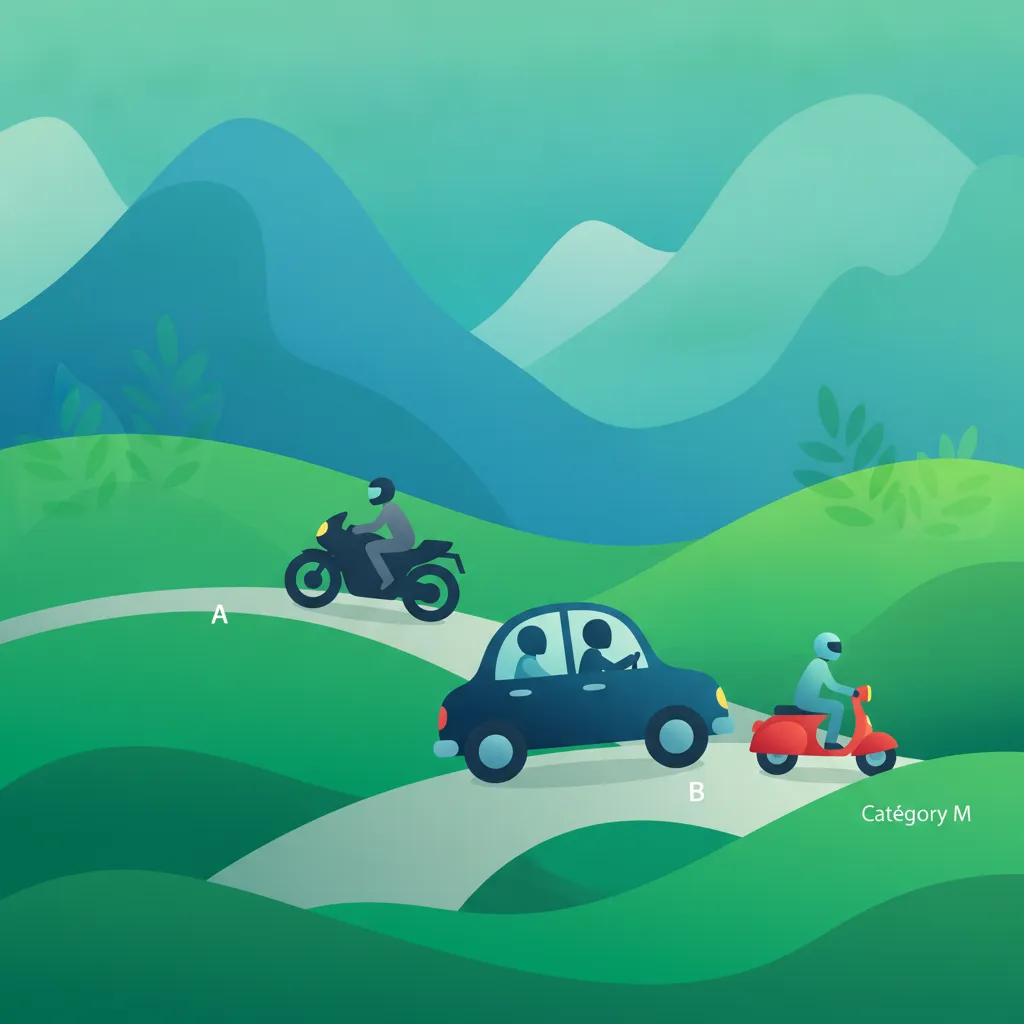
This lesson defines the scope of Switzerland's Category M license by comparing it to other vehicle categories. It details the specific criteria for vehicles, such as maximum speed and engine power, that fall under this classification. Understanding these distinctions is crucial for knowing your legal entitlements and limitations as a Category M license holder.
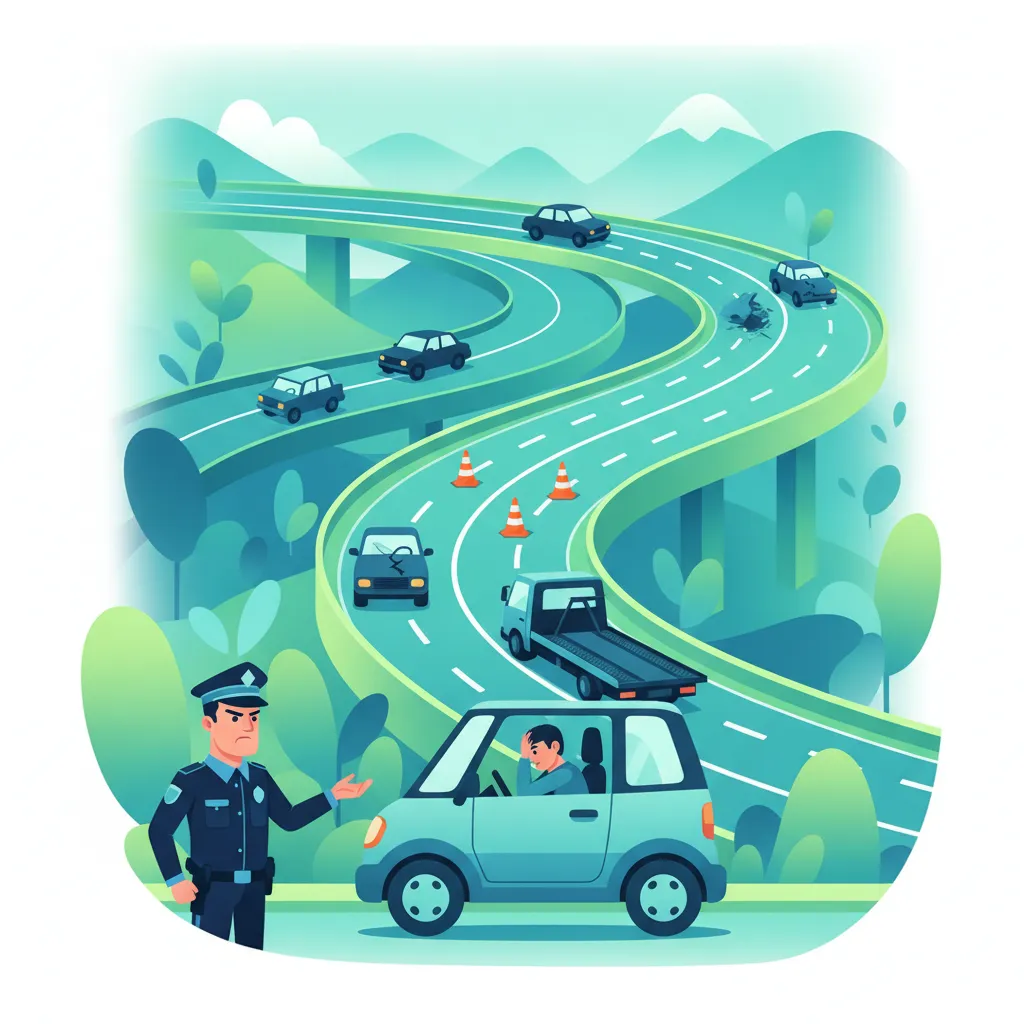
This lesson outlines the legal repercussions for breaking traffic laws in Switzerland. It details the system of fines and administrative measures, including the potential for license withdrawal for serious offenses. The content also explains a rider's legal duties after being involved in an accident, including reporting and insurance obligations.
Explore how to improve your visibility as a moped rider in Switzerland using high-visibility clothing and reflective elements. Discover the benefits of protective jackets, pants, and gloves against abrasion and impact.
This lesson focuses on the concept of conspicuity, or how easily a rider can be seen by others. It explains the legal requirements for vehicle lights and reflectors in Switzerland and the benefits of wearing bright or reflective clothing. Learners will understand how to maximize their visibility during the day, at night, and in poor weather conditions.
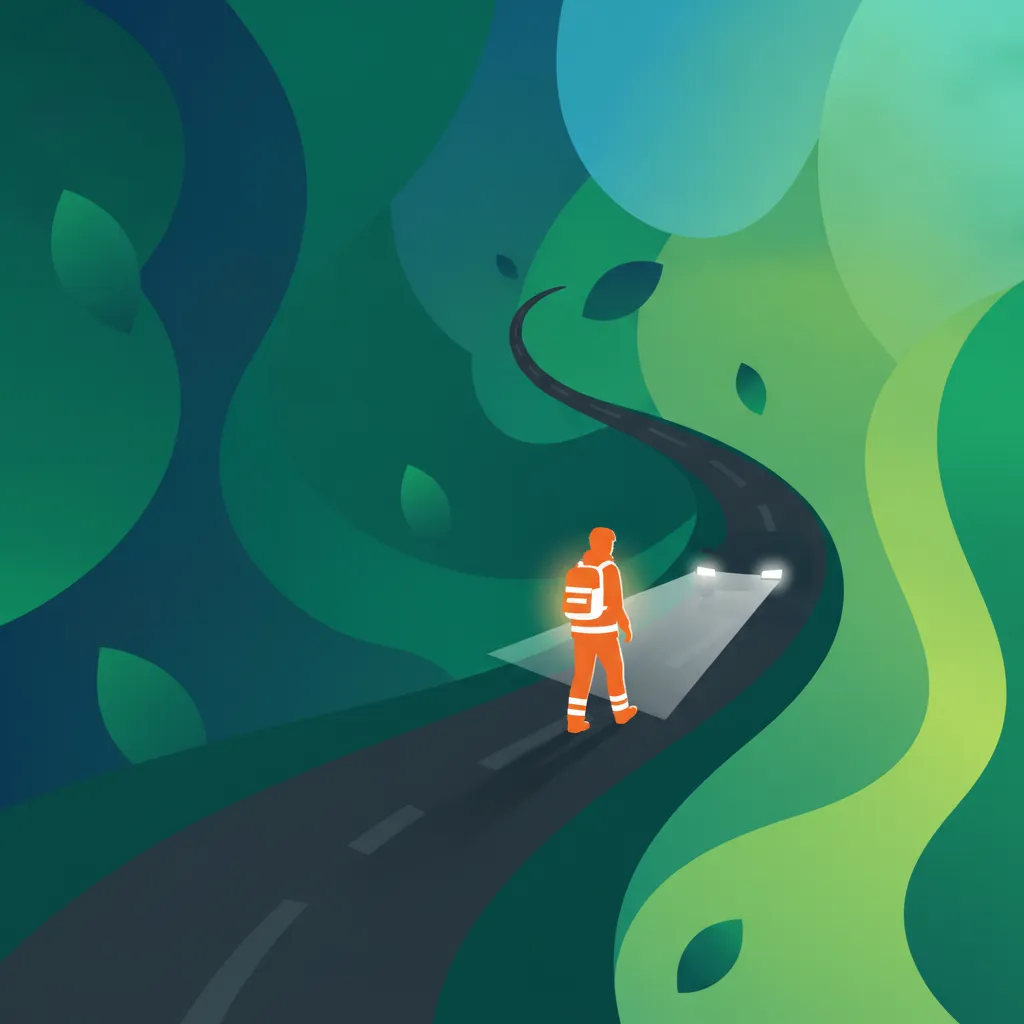
This lesson focuses on techniques and equipment designed to increase a motorcyclist's visibility to others. It explains the strategic use of reflective materials, high-visibility clothing, and the mandatory use of daytime running lights. Understanding how to enhance conspicuity is a critical component of proactive self-protection on the road.
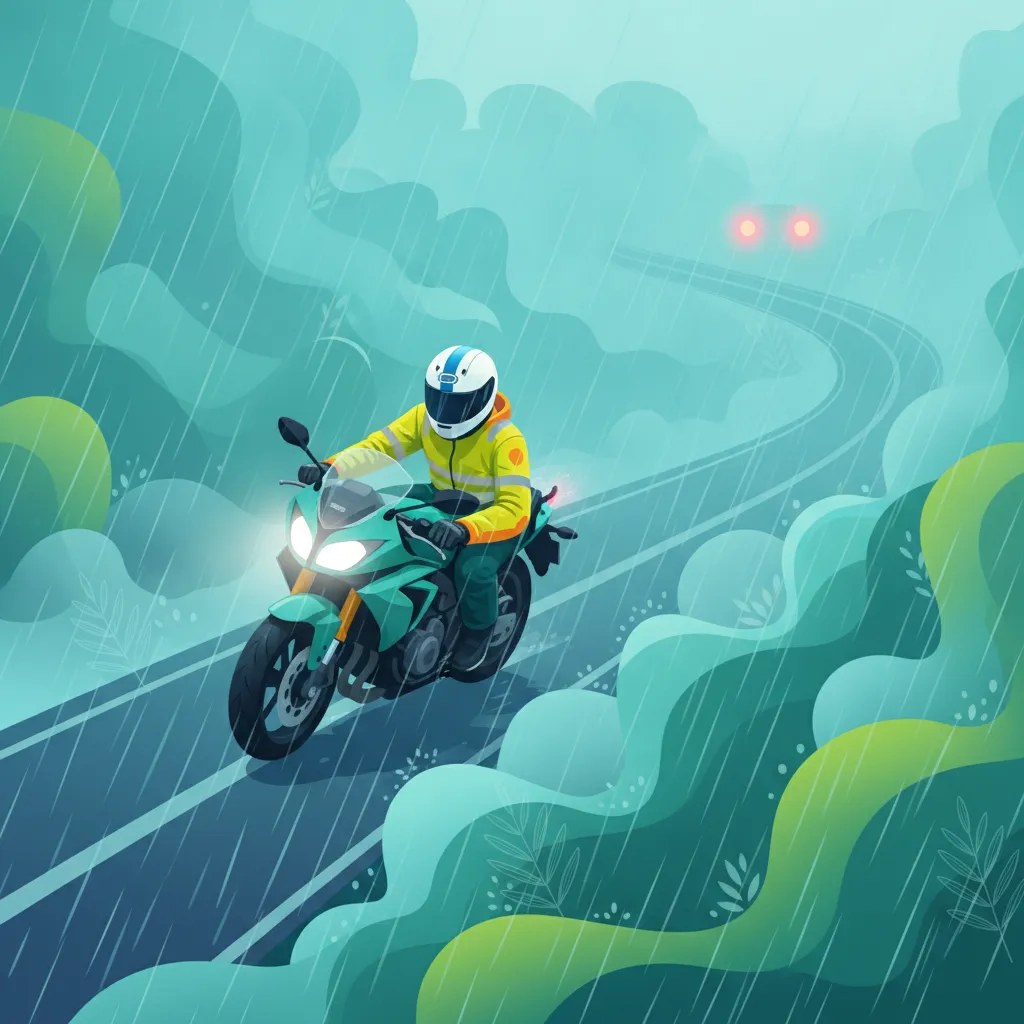
This lesson provides essential strategies for riding in adverse weather like rain and fog. It explains how to increase following distances, reduce speed, and use lights effectively to enhance visibility. The content also addresses the loss of traction on wet roads and the importance of smooth control inputs for braking, accelerating, and steering.

This lesson explains the strategic importance of road positioning. It details how to select a lane position that makes you most visible to drivers ahead and behind, and helps you avoid the blind spots of larger vehicles. Proper positioning also allows for an escape route and a better line of sight through turns.
This lesson details the fundamental responsibilities and safe habits every new rider must adopt. It covers legal obligations such as wearing a helmet and using lights, as well as the importance of developing a defensive mindset. The content emphasizes anticipating potential hazards and making responsible decisions to ensure safety for oneself and other road users.
This lesson emphasizes the rider's responsibility for ensuring their vehicle is in safe, roadworthy condition. It outlines a simple pre-ride inspection routine covering key safety components like tyres, brakes, lights, and controls. Regular maintenance is presented as a critical component of overall rider safety.

This lesson identifies and analyzes high-risk behaviors that contribute to a majority of accidents involving small vehicles. It explains the severe consequences of riding while distracted, fatigued, or under the influence of alcohol or drugs. The content aims to build a rider's awareness of these dangers and reinforce a responsible and defensive mindset.
This lesson focuses on the significant risks of riding in winter conditions. It explains how to spot potential icy patches, such as black ice, and the need for extremely gentle and deliberate control inputs. The importance of proper winter tyres and dressing warmly to prevent distraction and fatigue from the cold is also emphasized.
This lesson introduces the fundamental traffic signs that directly impact small vehicle riders. It covers the classification of signs into regulatory, warning, and mandatory categories, explaining how their shape and color indicate their function. Learners will be able to recognize and correctly interpret speed limits, priority signs, and other key information vital for safe navigation.

This lesson teaches riders how to establish and maintain a safe following distance from the vehicle ahead. It introduces the 'two-second rule' as a simple and effective method for gauging a safe gap in ideal conditions. The content also explains why this distance must be increased in wet weather, at night, or when visibility is poor.
Find clear answers to common questions learners have about Protective Gear: Helmets, Clothing, and Visibility Accessories. Learn how the lesson is structured, which driving theory objectives it supports, and how it fits into the overall learning path of units and curriculum progression in Switzerland. These explanations help you understand key concepts, lesson flow, and exam focused study goals.
Yes, riders must use helmets that comply with recognized safety standards, typically marked with an ECE label. Always ensure the helmet is securely fastened while riding to maintain legal and safety compliance.
While the law mandates a helmet, wearing abrasion-resistant clothing, gloves, and sturdy footwear is strongly recommended and treated as a key safety principle in the Swiss theory exam. Proper gear is your only protection against road rash and impact injuries.
Visibility accessories like high-visibility vests or reflective strips improve your 'conspicuity,' making it easier for other drivers to detect you early. This is especially critical in urban traffic, at intersections, or during dawn and dusk.
Sturdy, closed-toe footwear that covers the ankle is highly advised. Flip-flops or open sandals are dangerous as they provide zero protection in an accident and can interfere with vehicle control.
Pinpoint specific Swiss traffic rules, road signs, or driving situations you need to master. Use the practice search to start a focused revision session now and build confidence for your official driving theory exam.