
This lesson teaches you the critical skill of maintaining a safe following distance when riding a moped or e-bike. By understanding the two-second rule and how to adjust for varying road conditions, you will enhance your safety and confidence on Swiss roads.
Lesson content overview
Maintaining a safe following distance, often referred to as safe headway, is one of the most fundamental principles of defensive riding and a critical skill for all Moped (Category M) riders in Switzerland. It directly impacts your ability to react to sudden changes in traffic, avoid collisions, and ensures your safety and the safety of other road users. This lesson will provide a comprehensive understanding of how to establish and adapt appropriate following distances under various conditions, essential knowledge for your Swiss driving license theory course.
Safe headway is the minimum space you, as a rider, should maintain between your moped and the vehicle directly in front of you. This isn't just a recommendation; it's a critical safety buffer that provides the necessary time and space to perceive a hazard, react to it, and bring your vehicle to a complete stop without colliding with the vehicle ahead. For Moped riders, whose vehicles might have different braking characteristics than cars, understanding and consistently applying these principles is paramount.
Mopeds, due to their size, lower mass, and often different braking systems compared to larger vehicles, have unique dynamics. While their lighter weight can sometimes mean shorter braking distances, factors like tyre grip, road surface, and rider skill play an even more significant role. An inadequate following distance significantly increases the risk of rear-end collisions, which can lead to serious injuries for the rider. Ensuring enough space allows you to:
The 'two-second rule' is a widely adopted and highly effective method for estimating a safe following distance under ideal driving conditions. It provides a simple, adaptable way to gauge headway, regardless of your current speed. This rule acknowledges that the actual distance covered during a fixed time interval increases with speed, making it more practical than trying to maintain a fixed number of metres.
To use the two-second rule, follow these steps:
Identify a Fixed Point: As the vehicle ahead of you passes a stationary object on the side of the road (e.g., a sign, a lamppost, a tree, a road marking), make a mental note of that point.
Start Counting: Begin counting "one thousand one, one thousand two" (or simply "one-two") immediately after the rear of the vehicle ahead passes your chosen fixed point.
Check Your Position: Ensure that the front of your moped does not reach the same fixed point until you have finished counting "one thousand two."
Adjust Your Speed: If you reach the fixed point before completing your count, you are following too closely. Reduce your speed and increase your distance until you can comfortably complete the two-second count. If you complete the count before reaching the point, you have an adequate or even safer distance.
Remember that the actual distance covered in two seconds will be greater at higher speeds. For instance, at 30 km/h, two seconds means approximately 16 metres; at 50 km/h, it's about 28 metres; and at 70 km/h, it translates to roughly 39 metres. The time interval remains constant, but the physical space it represents changes with your velocity.
Despite its simplicity, the two-second rule is sometimes misunderstood:
Understanding the full chain of events that leads to your moped stopping is crucial for appreciating why safe following distances are necessary. Total stopping distance is the sum of three distinct phases: perception distance, reaction distance, and braking distance.
Perception distance is the distance your moped travels from the moment a hazard actually occurs to the moment your brain registers and understands it. This isn't just about seeing; it's about recognizing something as a potential danger. Factors like fatigue, distraction, poor visibility, or complex visual environments can significantly extend your perception time, and consequently, the distance covered during this phase.
Once you've perceived a hazard, you need to decide on a course of action (e.g., brake, steer, accelerate) and then initiate that action. Reaction distance is the space your moped travels during this decision-making and action-initiation period. For a vigilant rider, a typical perception-reaction time is around 1 to 1.5 seconds. During this seemingly short time, a moped travelling at 50 km/h will cover approximately 14 to 21 metres before any braking even begins. This highlights why an immediate, conscious effort is required to maintain adequate space.
Braking distance is the distance your moped travels from the moment your brakes are fully engaged until the vehicle comes to a complete stop. This phase is heavily influenced by several physical factors:
Combining these three components, it becomes clear that the total stopping distance can be substantial, even at moderate speeds. For example, at 30 km/h on dry asphalt, the total stopping distance might be around 10 metres. However, increase your speed to 70 km/h, and that distance can jump to approximately 45 metres. These figures are estimates and can vary significantly based on the factors listed above.
The two-second rule serves as a solid baseline, but safe riding demands constant assessment and adjustment of your following distance. This practice, known as variable headway, means increasing your time interval when conditions are less than ideal. Riders must actively assess the road and environment and adapt their riding behaviour accordingly.
Adverse weather dramatically impacts grip and visibility, extending stopping distances.
When visibility is compromised, your perception and reaction times naturally lengthen.
The state of your moped also dictates the necessary following distance.
The context of your ride influences appropriate following distances.
A simple rule of thumb for adverse conditions is to add one second to your following interval for each complicating factor. For example, a wet road at night might warrant a four-second interval (2 seconds base + 1 for wet + 1 for night).
While mopeds are light, their braking performance is critically dependent on tyre grip and the effective use of both front and rear brakes. Understanding these dynamics is vital for safe riding.
Mopeds typically have less mass than cars, which means less inertia to overcome when braking. However, they also have a smaller tyre contact patch with the road and can be prone to locking wheels if brakes are applied too aggressively, especially the front brake. Effective moped braking involves:
The tyres are your moped's only contact with the road, making their condition paramount for braking effectiveness.
Regularly inspecting your tyres for wear, damage, and correct pressure is a non-negotiable aspect of moped safety.
Swiss traffic law clearly mandates that drivers and riders must maintain a safe distance from the vehicle ahead. These regulations are designed to prevent collisions and ensure traffic flow. As a Category M rider, you are subject to the same fundamental rules as other road users.
The core legal basis for safe following distances in Switzerland is found in the Road Traffic Act:
This article generally states that drivers must keep a safe distance from the vehicle ahead. It is a fundamental principle applicable to all road users at all times, preventing collisions by ensuring sufficient stopping distance.
This general rule empowers authorities to penalize riders who fail to maintain an appropriate distance, even if no specific numerical interval is codified in law. The two-second (or more) rule is thus a practical interpretation of this legal requirement.
Further regulations detail specific situations where adjustments to speed and distance are mandatory:
This article specifies that overtaking manoeuvres must not compromise safe distances. Riders must only overtake when they can do so safely and re-establish a safe following distance before and after the manoeuvre.
This article requires drivers to adjust their speed and distance when rain, snow, or other conditions reduce road adhesion. This directly supports the principle of variable headway, mandating longer following distances on wet or icy roads.
When travelling at night, drivers must use appropriate lighting and maintain a distance that compensates for reduced visibility. This reinforces the need for increased following distance after dark.
This article addresses load restrictions, stating that if a vehicle carries a load, the driver must consider the increased stopping distance. Moped riders with cargo must therefore adjust their following distance proportionally.
Violating safe following distance principles is a leading cause of traffic incidents. Understanding common mistakes can help you avoid them.
Here are some practical scenarios illustrating the application of safe following distance principles in various Swiss riding contexts:
Maintaining a safe following distance is not merely about adhering to a rule; it's about proactively managing risk and enhancing your safety on the road.
By internalizing these principles and practicing them consistently, you will become a safer, more confident Moped rider, well-prepared for the challenges of Swiss roads.
Safe following distance for mopeds is governed by the two-second rule, which measures a time gap rather than a fixed distance, meaning the actual space covered grows with speed. This distance must increase under adverse conditions such as rain, night driving, snow, or when carrying a passenger or cargo, following a simple rule of adding one second per complicating factor. Understanding the three components of stopping distance—perception, reaction, and braking—helps riders appreciate why adequate space is critical, especially since perception-reaction time alone can cover 14 to 21 metres at 50 km/h. Swiss traffic law explicitly requires drivers and riders to maintain safe distances (SVG § 36) and to adjust speed and distance when adhesion is reduced (VZO Art. 31), making this both a safety principle and a legal obligation. Consistent application of these principles prevents rear-end collisions and builds the hazard-awareness mindset essential for safe moped riding in Switzerland.
A short set of high-value points that capture the most important learning from this lesson.
The two-second rule is a minimum baseline for ideal conditions, not a fixed distance; actual metres increase with speed.
Total stopping distance equals perception distance plus reaction distance plus braking distance, all of which vary with conditions.
Increase following distance to at least three seconds in wet conditions or at night, and five or more seconds in snow or ice.
Moped braking performance depends heavily on tyre grip, condition, and progressive use of both front and rear brakes.
Swiss law (SVG § 36) mandates safe distance from the vehicle ahead; failing to maintain it can result in penalties and liability.
Explore all units and lessons included in this driving theory course.
At 50 km/h on dry roads, two seconds equals approximately 28 metres; wet roads can double braking distance.
Add one second of following interval for each adverse condition (e.g., wet plus night equals four seconds).
Carrying passengers or cargo increases inertia and extends braking distance; adjust your gap accordingly.
Perception-reaction time for an alert rider is typically 1 to 1.5 seconds, during which the moped continues forward.
On mountain roads with limited sightlines, reduce speed and increase following distance to compensate for reduced reaction time.
Believing the two-second rule means a fixed distance rather than a time interval that scales with speed.
Maintaining the standard two-second gap in wet, icy, or low-visibility conditions where longer gaps are required.
Over-relying on vehicle length as a spacing guide instead of using time-based measurement.
Cutting back in too close after overtaking, before re-establishing a safe following distance.
Assuming a moped's lighter weight always means shorter stopping distances regardless of tyre condition or surface grip.
Lesson content overview
A short set of high-value points that capture the most important learning from this lesson.
The two-second rule is a minimum baseline for ideal conditions, not a fixed distance; actual metres increase with speed.
Total stopping distance equals perception distance plus reaction distance plus braking distance, all of which vary with conditions.
Increase following distance to at least three seconds in wet conditions or at night, and five or more seconds in snow or ice.
Moped braking performance depends heavily on tyre grip, condition, and progressive use of both front and rear brakes.
Swiss law (SVG § 36) mandates safe distance from the vehicle ahead; failing to maintain it can result in penalties and liability.
Explore all units and lessons included in this driving theory course.
At 50 km/h on dry roads, two seconds equals approximately 28 metres; wet roads can double braking distance.
Add one second of following interval for each adverse condition (e.g., wet plus night equals four seconds).
Carrying passengers or cargo increases inertia and extends braking distance; adjust your gap accordingly.
Perception-reaction time for an alert rider is typically 1 to 1.5 seconds, during which the moped continues forward.
On mountain roads with limited sightlines, reduce speed and increase following distance to compensate for reduced reaction time.
Believing the two-second rule means a fixed distance rather than a time interval that scales with speed.
Maintaining the standard two-second gap in wet, icy, or low-visibility conditions where longer gaps are required.
Over-relying on vehicle length as a spacing guide instead of using time-based measurement.
Cutting back in too close after overtaking, before re-establishing a safe following distance.
Assuming a moped's lighter weight always means shorter stopping distances regardless of tyre condition or surface grip.
Explore search topics learners often look for when studying Maintaining Safe Following Distances. These topics reflect common questions about road rules, driving situations, safety guidance, and lesson level theory preparation for learners in Switzerland.
Browse additional driving theory lessons that cover connected traffic rules, road signs, and common driving situations related to this topic. Improve your understanding of how different rules interact across everyday traffic scenarios.
Learn how to adapt your following distance on wet, icy, or foggy roads in Switzerland. Understand the increased stopping distances and apply the correct time intervals for various adverse weather scenarios for Category M theory.

This lesson examines the impact of various weather conditions on driving safety. It explains how to adjust speed in low visibility and the risks of aquaplaning in heavy rain. The content also covers using snow chains in snowy conditions, handling icy surfaces, and dealing with strong winds, particularly on bridges and open roads.
This lesson examines the impact of weather and visibility on driving safety and speed selection. It covers how fog, rain, snow, and darkness affect visibility and reaction times, providing guidelines on adjusting speed. It also includes strategies for improving visibility, such as proper headlamp use, to ensure you can adapt to varying weather conditions.
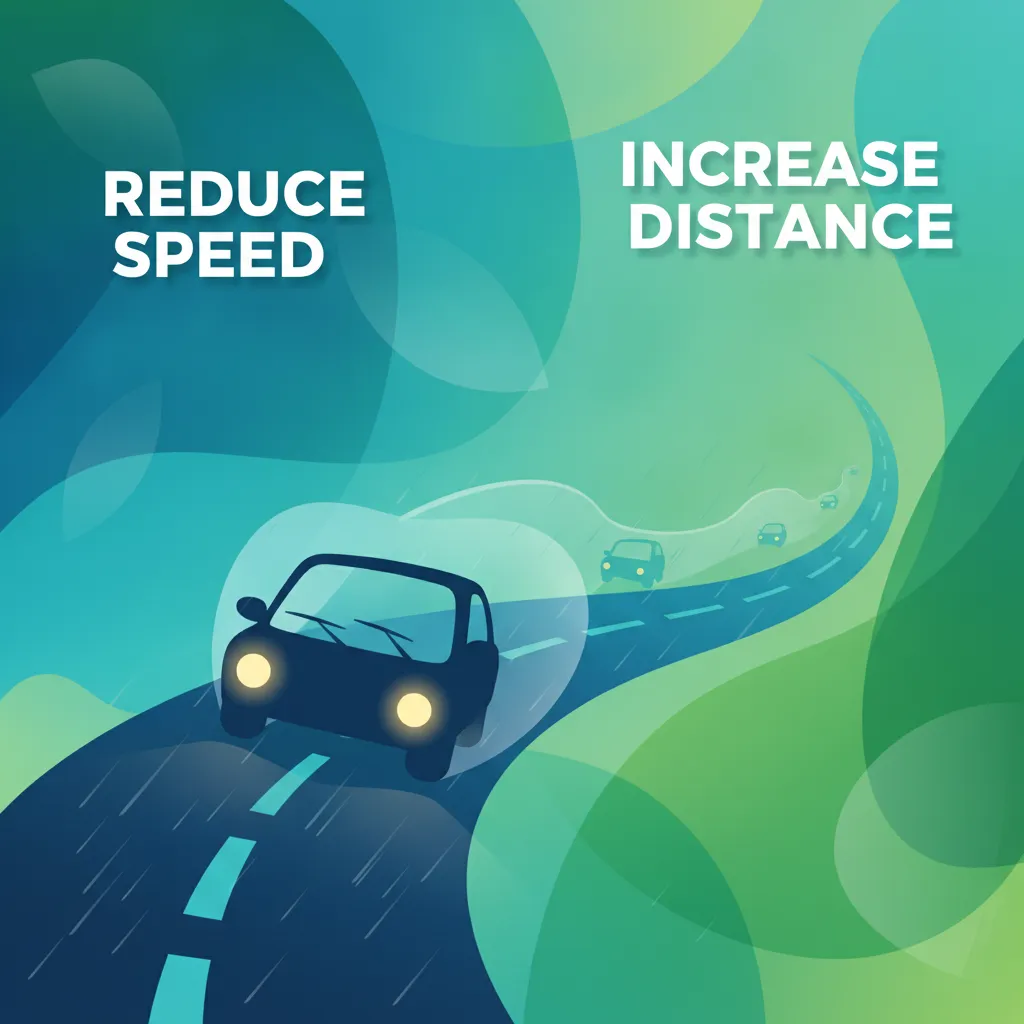
Weather has a profound impact on vehicle handling and visibility. This lesson teaches you how to reduce speed, increase following distances, and use controls smoothly to maintain traction in poor conditions. It also covers the legal requirements and practical application of snow chains in winter.
Wet or icy roads drastically reduce tyre grip and can double or triple braking distances. This lesson stresses the importance of significantly reducing overall speed and increasing following distances in such conditions. It advises on using brakes with extreme care to avoid skidding and explains how the vehicle's retarder should be used with caution as it can cause the drive wheels to lock up on slippery surfaces.
This lesson details how adverse weather conditions like rain, fog, and snow affect motorcycle safety. It explains how wet surfaces reduce tyre grip, requiring smoother control inputs and longer braking distances. Strategies for managing reduced visibility in fog and the extreme hazards of riding on snow and ice are also covered.
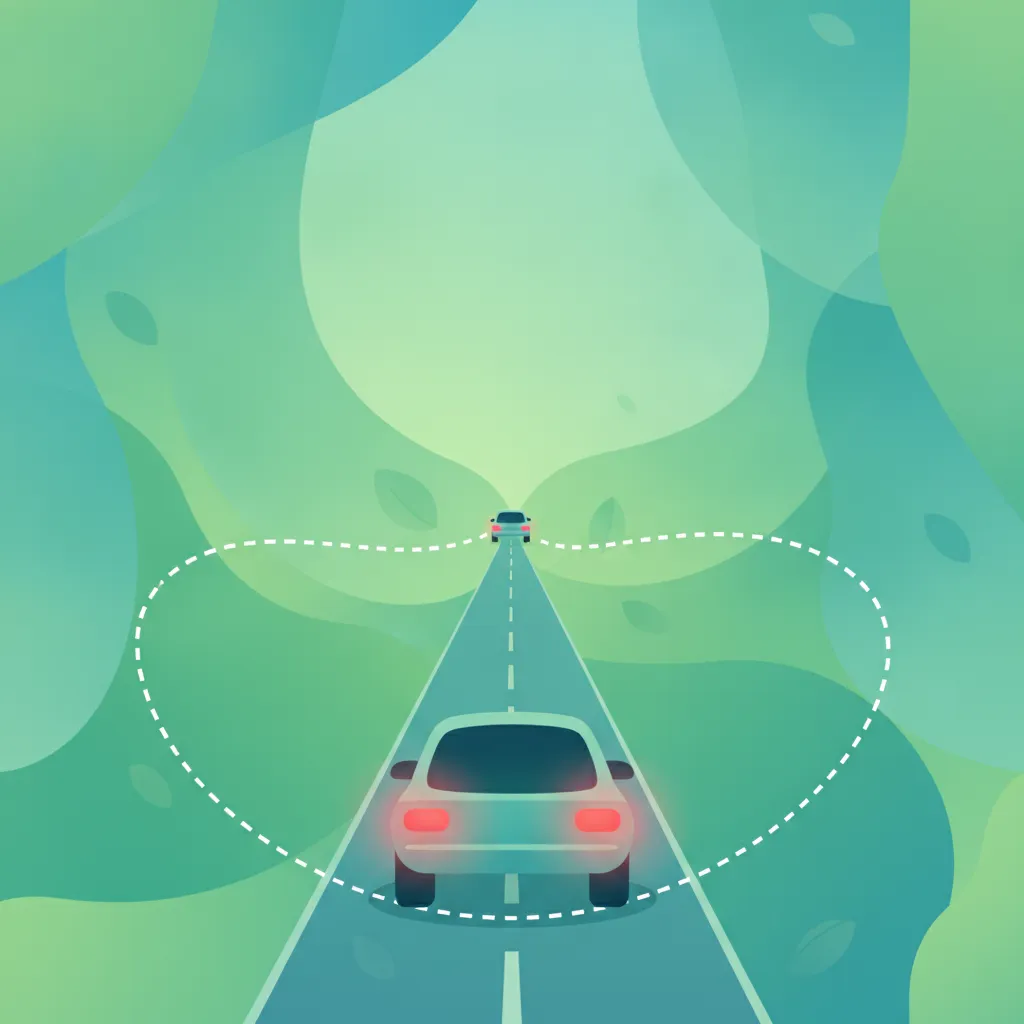
This lesson focuses on calculating total stopping distance, incorporating perception-reaction distance and the vehicle's braking distance. You will also learn to determine an appropriate following gap based on speed, visibility, and road conditions. The content emphasizes maintaining a safe distance to avoid collisions, especially in adverse weather.
This lesson provides essential strategies for riding in adverse weather like rain and fog. It explains how to increase following distances, reduce speed, and use lights effectively to enhance visibility. The content also addresses the loss of traction on wet roads and the importance of smooth control inputs for braking, accelerating, and steering.
This lesson teaches the importance of maintaining a safe following distance to allow adequate time to react and stop. It explains methods like the 'two-second rule' for gauging a safe gap in ideal conditions. The content emphasizes increasing this distance in adverse weather or poor visibility to ensure a sufficient safety margin.
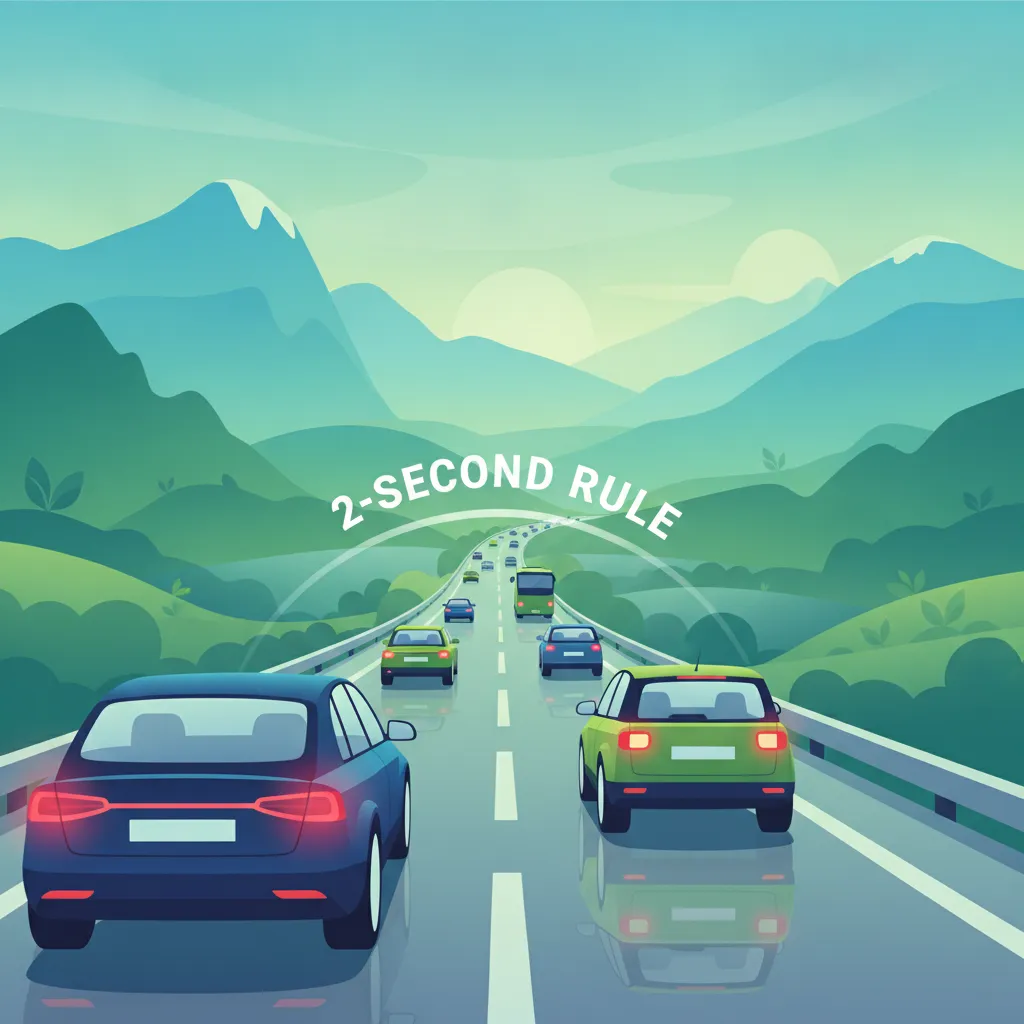
Buses and coaches require significantly more distance to stop than cars. This lesson explains why the 'two-second rule' is insufficient and teaches the appropriate methods for calculating a safe gap in various conditions. Maintaining an adequate safety cushion is one of the most important defensive driving skills.
Explore the detailed components of vehicle stopping distance: perception, reaction, and braking. Learn how speed, road surface, and vehicle condition affect these elements in the context of Swiss Category M driving theory.
This lesson focuses on the rules governing when and how to stop a vehicle safely. You will learn to calculate the required stopping distance, considering reaction time and braking distance. The content also covers how to adjust stopping behavior for different road conditions and safe stopping techniques on inclines to ensure the vehicle remains under control.
This lesson focuses on calculating total stopping distance, incorporating perception-reaction distance and the vehicle's braking distance. You will also learn to determine an appropriate following gap based on speed, visibility, and road conditions. The content emphasizes maintaining a safe distance to avoid collisions, especially in adverse weather.
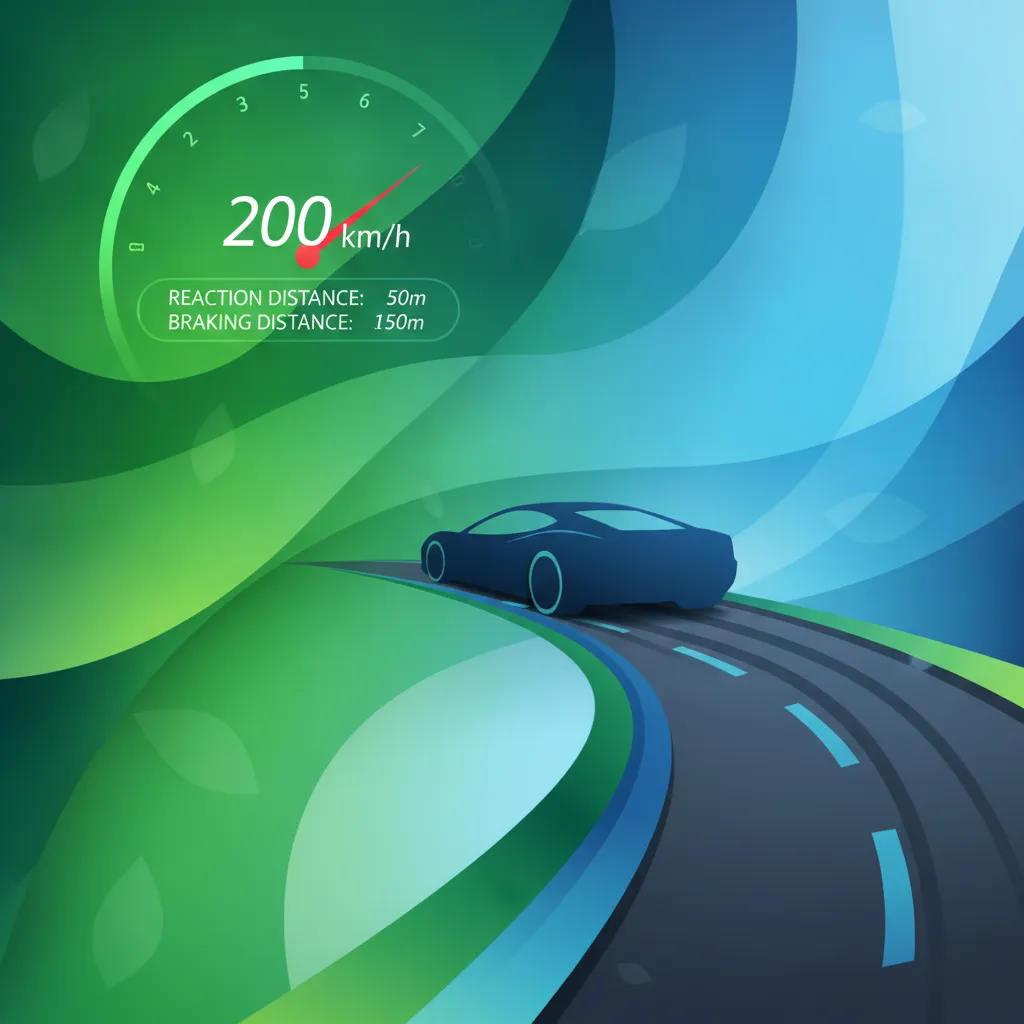
This lesson breaks down total stopping distance into its two components: thinking (reaction) distance and braking distance. You will learn how factors like speed, vehicle weight, driver fatigue, and road surface conditions dramatically affect how long it takes to come to a complete stop. This understanding is critical for proactive hazard management.
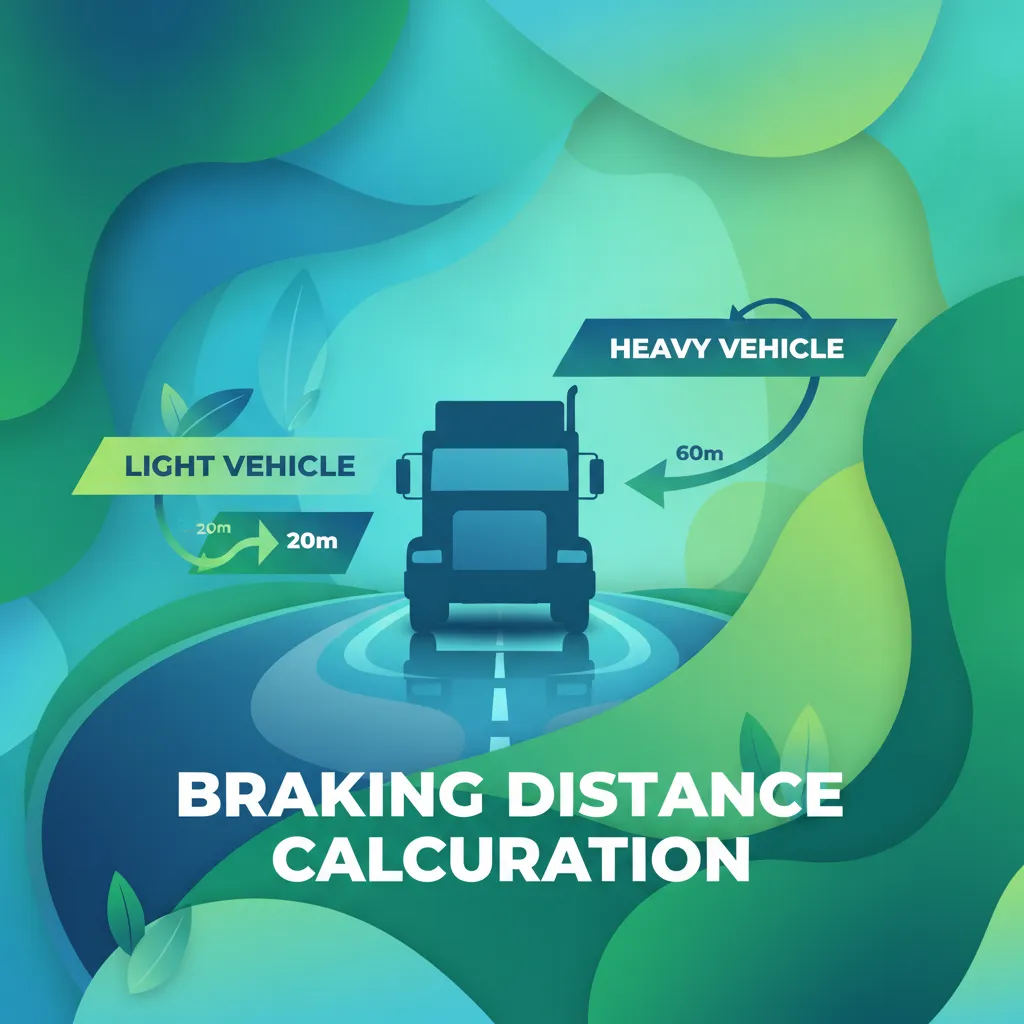
The immense mass of a loaded truck means its braking distance is far greater than that of a car. This lesson breaks down total stopping distance into reaction distance and braking distance, explaining how speed, weight, and road conditions have an exponential effect. It reinforces the necessity of maintaining a significantly larger following distance to ensure enough space to stop safely in an emergency.
This lesson demonstrates how speed dramatically affects a motorcycle's total stopping distance, which includes both reaction time and braking distance. It explains the physics involved and teaches riders how to choose a safe speed based on traffic, weather, and visibility. Adhering to Swiss speed limits and adjusting for conditions is presented as a critical safety skill.
Buses and coaches require significantly more distance to stop than cars. This lesson explains why the 'two-second rule' is insufficient and teaches the appropriate methods for calculating a safe gap in various conditions. Maintaining an adequate safety cushion is one of the most important defensive driving skills.
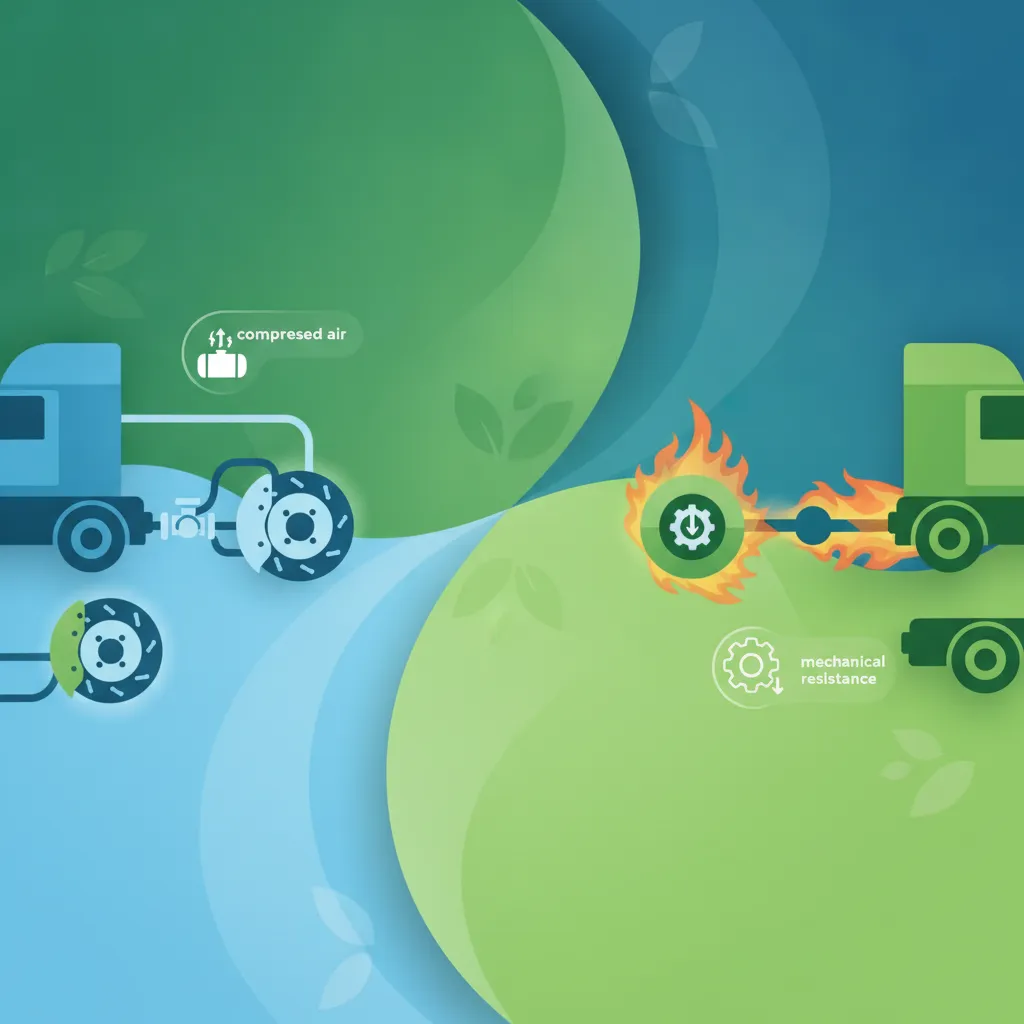
Large passenger vehicles rely on powerful air brake systems. This lesson explains how these systems work, including the importance of monitoring air pressure. It also details the function and proper use of auxiliary braking systems (retarders) to control speed on long descents and reduce wear on the service brakes.
Wet or icy roads drastically reduce tyre grip and can double or triple braking distances. This lesson stresses the importance of significantly reducing overall speed and increasing following distances in such conditions. It advises on using brakes with extreme care to avoid skidding and explains how the vehicle's retarder should be used with caution as it can cause the drive wheels to lock up on slippery surfaces.
This lesson teaches the importance of maintaining a safe following distance to allow adequate time to react and stop. It explains methods like the 'two-second rule' for gauging a safe gap in ideal conditions. The content emphasizes increasing this distance in adverse weather or poor visibility to ensure a sufficient safety margin.

This lesson focuses on general driving safety in areas with a high concentration of children. It stresses the importance of significantly reducing speed, being prepared for unexpected events, and scanning for children between parked cars. The driver must exhibit maximum vigilance in these high-risk environments at all times.
Find clear answers to common questions learners have about Maintaining Safe Following Distances. Learn how the lesson is structured, which driving theory objectives it supports, and how it fits into the overall learning path of units and curriculum progression in Switzerland. These explanations help you understand key concepts, lesson flow, and exam focused study goals.
The two-second rule is a minimum for dry conditions. In poor weather, at night, or on slippery surfaces, you must increase this distance to compensate for longer braking distances.
Large vehicles can obstruct your view of the road ahead and create dangerous turbulence. Keeping a larger gap allows you to see around them and react to hazards they might be blocking.
Yes. Regardless of the powered vehicle type, the principles of physics and reaction time remain the same. Maintaining a clear space is essential for safety on all Category M vehicles.
The exam may present images of traffic scenes and ask you to identify if the gap is safe or how much distance should be added based on current visibility or weather conditions.
Pinpoint specific Swiss traffic rules, road signs, or driving situations you need to master. Use the practice search to start a focused revision session now and build confidence for your official driving theory exam.