
This lesson focuses on the critical risk factors that affect moped and e-bike riders in Switzerland. By analyzing common errors, you will build a defensive riding mindset essential for passing your theory exam and staying safe on the road.

Lesson content overview
Operating a small vehicle, such as a moped or e-bike (Category M), offers freedom and efficiency in Swiss traffic. However, this freedom comes with significant responsibility. This lesson focuses on identifying and understanding high-risk behaviours that frequently contribute to accidents involving small vehicles. By recognizing these dangers, you can develop a robust defensive riding mindset, comply with Swiss traffic laws, and ensure your safety and the safety of others on the road.
Understanding human factors like distraction, fatigue, substance influence, and aggressive attitudes is crucial. These elements can significantly impair your perception, reaction time, and decision-making, drastically increasing the likelihood of a crash. Swiss law places a strong emphasis on individual behavioral responsibility to mitigate these preventable risks.
Distraction is any activity that diverts your attention from the primary task of operating your vehicle. For moped and e-bike operators, maintaining full concentration is paramount due to the reduced protection compared to cars and the need for constant situational awareness. Distractions compromise your ability to react to hazards, leading to delayed responses or missed critical information.
Distractions can be categorized into several types, each posing a unique threat:
Swiss traffic law is explicit about the need for full concentration while driving. Article 90 of the Swiss Road Traffic Ordinance (RVV) strictly prohibits the use of handheld electronic devices while operating a vehicle. This means your smartphone, GPS device, or any similar gadget must not be held in your hand if your vehicle is in motion. This rule is designed to prevent both visual and manual distractions. While hands-free devices for navigation or communication are generally permitted, they must not distract you cognitively or require manual interaction that diverts attention from riding.
Even hands-free devices can be distracting. If interacting with them takes your mental focus away from the road, it is still a form of cognitive distraction and can lead to dangerous situations. The core principle is keeping your eyes, hands, and mind on driving.
Consider these common scenarios:
Fatigue is a physiological state where mental alertness and physical performance decline due to prolonged activity, insufficient rest, or sleep deprivation. It significantly reduces your ability to perceive risks, process information, and react quickly, making it a critical risk factor for accidents.
Fatigue isn't just feeling tired; it manifests in various ways that impair your riding ability:
When you're fatigued, your cognitive performance can decline to a level comparable to being under the influence of alcohol. After 20 hours awake, for instance, your driving ability can be similar to having a Blood-Alcohol Concentration (BAC) of 0.05‰. This severe impairment dramatically increases the likelihood of errors and lapses in judgment.
Article 91 of the Swiss Road Traffic Ordinance (RVV) states that drivers must not operate a vehicle if they are unfit due to fatigue. This legal requirement underscores the serious nature of riding while tired.
Never assume "I feel okay" is sufficient when dealing with fatigue. The effects of tiredness can creep up subtly, and your self-assessment may not be reliable. When in doubt, take a break.
Imagine a rider who works a long evening shift and then decides to ride their moped home late at night. The road is familiar and straight, leading to monotony. Despite feeling tired, they push on. Eventually, they experience a microsleep, causing them to drift off the road, lose control, and crash into a guardrail. This scenario highlights how easily fatigue can lead to serious accidents, even on seemingly simple routes.
Operating a vehicle under the influence of alcohol or psychoactive drugs is one of the most dangerous and legally severe risky behaviours. These substances profoundly impair cognitive and motor functions, altering perception, slowing reaction times, and severely compromising decision-making abilities.
Alcohol affects your brain and body in numerous ways, even at low concentrations:
Swiss law imposes strict Blood-Alcohol Concentration (BAC) limits for all drivers, including Category M operators (mopeds and e-bikes):
Exceeding these limits is a serious offense under Article 90a of the Swiss Road Traffic Act and carries severe legal consequences, including substantial fines, license suspension, and potential criminal charges.
Many people misunderstand how alcohol affects them, believing that tolerance eliminates its effects or that "one beer" is harmless. The reality is that even small amounts of alcohol can significantly impair your riding ability, and the legal limits are set to reflect this danger. Your body needs time to metabolize alcohol; there are no shortcuts like coffee or cold showers.
The use of illicit drugs (such as cannabis, cocaine, ecstasy) or certain prescription medications (especially those with sedative effects) while driving is also strictly prohibited and carries severe penalties. Swiss law generally adopts a zero-tolerance approach to certain illicit substances found in a driver's system.
A rider stopped by the police with a BAC above the legal limit or under the influence of drugs will face immediate and severe consequences:
Aggressive riding refers to behaviour characterised by intentional risk-taking, competition with other road users, or hostile actions. This mindset often stems from overconfidence, impatience, or frustration and dramatically increases the likelihood of dangerous situations and accidents for Category M operators.
Aggressive riding manifests in several dangerous ways:
Category M vehicles are smaller, lighter, and offer less protection than cars. When an aggressive rider performs dangerous maneuvers:
Swiss law explicitly prohibits reckless behaviour that endangers others (Art. 92 RVV). Violations include:
Instead of aggressive riding, moped operators should adopt a defensive and calm approach:
While human factors are primary accident contributors, the failure to use mandatory safety equipment or to maintain vehicle lighting and signalling functions significantly increases the severity of injuries and the likelihood of being involved in a crash. For Category M operators, being seen and protected is not optional—it's essential for survival.
Protective Helmet: In Switzerland, it is mandatory for all Category M operators to wear a protective helmet that meets the SN EN 397 standard (Art. 23 BTV). A helmet is your most vital piece of safety gear, designed to reduce the risk of fatal head injuries by up to 70% in a crash. Always ensure your helmet fits correctly, is securely fastened, and is in good condition.
Proper Lighting: Your moped or e-bike must have functional headlights and rear lights. According to Article 56 RVV, headlights must be switched on from sunset to sunrise and during periods of reduced visibility (e.g., fog, heavy rain, snow). Daytime running lights are also often mandatory during daylight hours. Ensure all your lights are clean, functional, and correctly adjusted.
Reflective Gear: While not always strictly mandated for all conditions, wearing reflective clothing or accessories, particularly at night or in low light, significantly enhances your visibility to other road users. Brightly coloured clothing also helps during daylight hours.
Compliance with vehicle safety features and wearing protective equipment isn't just about avoiding fines; it's about protecting your life and limb.
Always perform a quick check of your moped's lights and brakes before starting a ride. Ensure your helmet is correctly worn and fastened. These simple habits can make a significant difference.
Engaging in any of the risky behaviours discussed not only endangers your life and the lives of others but also carries significant legal ramifications under Swiss traffic law. These consequences are designed to deter dangerous driving and enforce public safety.
The penalties for traffic violations range in severity depending on the nature of the offense and whether it leads to an accident:
The Swiss Road Traffic Ordinance (Strassenverkehrsverordnung) details the rules of conduct for road users, including specific regulations for vehicle operation and driver behavior.
The Swiss Ordinance on Technical Requirements for Road Vehicles (Verordnung über die technischen Anforderungen an Strassenfahrzeuge) sets out the technical standards and equipment requirements for all vehicles, including safety gear like helmets.
Here’s a summary of relevant regulations for Category M operators:
| Regulation | Rule Statement | Applicability | Legal Status | Rationale |
|---|---|---|---|---|
| Handheld Device Prohibition | Drivers must not use handheld electronic devices while moving. | All Category M riders. | Mandatory (Art. 90 RVV) | Prevent visual and manual distraction. |
| Helmet Requirement | All riders must wear a protective helmet meeting SN EN 397 standard. | All Category M operators. | Mandatory (Art. 23 BTV) | Reduce head injury risk. |
| Lighting Obligation | Headlights must be on from sunset to sunrise and in reduced visibility. | All Category M riders. | Mandatory (Art. 56 RVV) | Ensure vehicle visibility. |
| Blood-Alcohol Limit | BAC must not exceed 0.5‰ (0.2‰ for novice riders). | All Category M riders. | Mandatory (Art. 90a RVV) | Alcohol impairs reaction and judgment. |
| Speed Limits | Respect posted speed limits for each road type. | All Category M riders. | Mandatory (Art. 85 RVV) | Prevent loss of control, reduce stopping distance. |
| Reckless Behaviour | Driving in a manner that endangers others is prohibited. | All Category M riders. | Mandatory (Art. 92 RVV) | Protect other road users. |
| Fitness to Drive | Drivers must not operate a vehicle if unfit due to fatigue, illness, etc. | All Category M riders. | Mandatory (Art. 91 RVV) | Prevent impairment-related accidents. |
Safe riding is not static; it requires constant adaptation to changing conditions. Risky behaviours become even more perilous when combined with adverse environmental factors or specific road situations.
Mastering the Swiss Category M driving license theory requires more than just memorizing rules; it demands a deep understanding of why those rules exist and how your behaviour impacts safety. The core takeaway from this lesson is that human factors are the most significant contributors to accidents.
The key risky behaviours to actively avoid are:
Adhering to the specific legal frameworks (RVV, BTV) for handheld devices, helmet use, lighting, BAC limits, speed limits, and reckless behaviour is not just about avoiding penalties; it's about adhering to the fundamental principles of road safety. By understanding these risks, committing to responsible choices, and adapting your riding style to contextual variations, you build the foundation for safe, confident, and lawful operation of your Category M vehicle in Switzerland.
This lesson covers the critical human-factor risks that cause most moped and e-bike accidents: distraction (visual, manual, cognitive), fatigue (which impairs like alcohol after prolonged wakefulness), substance influence (Swiss BAC limits of 0.5‰ or 0.2‰ for novices), and aggressive riding behaviours. It emphasizes Swiss legal requirements including helmet standards (SN EN 397), lighting obligations (Art. 56 RVV), and prohibitions on handheld devices (Art. 90 RVV) and reckless behaviour (Art. 92 RVV). The content stresses that defensive riding, proper safety equipment compliance, and situational awareness are essential for both exam success and real-world safety. Learners should recognize that these behaviours become even more dangerous when combined with adverse weather, poor visibility, or complex traffic environments.
A short set of high-value points that capture the most important learning from this lesson.
Distraction is categorized into visual, manual, and cognitive types, each impairing your ability to react to hazards in different ways.
Fatigue reduces cognitive performance to levels comparable to alcohol impairment; after 20 hours awake, your ability resembles a 0.05‰ BAC.
Swiss BAC limits are 0.5‰ for experienced riders and 0.2‰ for novice riders under three years of license holding.
Aggressive riding dramatically increases danger for moped riders due to reduced protection, higher collision energy, and loss of control.
Compliance with mandatory safety equipment (helmet SN EN 397, functional lighting) is essential for visibility and injury prevention.
Explore all units and lessons included in this driving theory course.
Handheld devices are prohibited while riding under Article 90 RVV; even hands-free devices can cause cognitive distraction.
Microsleeps are brief involuntary episodes of sleep lasting fractions of a second to 30 seconds that cause loss of vehicle control.
Headlights must be on from sunset to sunrise and during reduced visibility according to Article 56 RVV.
Aggressive riding includes tailgating, weaving through traffic, unsafe overtaking, and ignoring priority rules.
When fatigued, pull over immediately; a 15-20 minute nap is more effective than coffee for restoring alertness.
Assuming a brief glance at a phone is harmless; at 30 km/h, three seconds of distraction covers approximately 25 metres without awareness.
Believing that feeling 'okay' while tired is sufficient; fatigue effects creep up subtly and self-assessment becomes unreliable.
Thinking tolerance eliminates alcohol's effects; even small amounts impair riding ability and the body needs time to metabolize alcohol.
Riding without lights at dusk or in reduced visibility, making the moped nearly invisible to other road users.
Underestimating the danger of aggressive riding for mopeds; the lighter vehicle and reduced protection amplify collision risks.
Lesson content overview
A short set of high-value points that capture the most important learning from this lesson.
Distraction is categorized into visual, manual, and cognitive types, each impairing your ability to react to hazards in different ways.
Fatigue reduces cognitive performance to levels comparable to alcohol impairment; after 20 hours awake, your ability resembles a 0.05‰ BAC.
Swiss BAC limits are 0.5‰ for experienced riders and 0.2‰ for novice riders under three years of license holding.
Aggressive riding dramatically increases danger for moped riders due to reduced protection, higher collision energy, and loss of control.
Compliance with mandatory safety equipment (helmet SN EN 397, functional lighting) is essential for visibility and injury prevention.
Explore all units and lessons included in this driving theory course.
Handheld devices are prohibited while riding under Article 90 RVV; even hands-free devices can cause cognitive distraction.
Microsleeps are brief involuntary episodes of sleep lasting fractions of a second to 30 seconds that cause loss of vehicle control.
Headlights must be on from sunset to sunrise and during reduced visibility according to Article 56 RVV.
Aggressive riding includes tailgating, weaving through traffic, unsafe overtaking, and ignoring priority rules.
When fatigued, pull over immediately; a 15-20 minute nap is more effective than coffee for restoring alertness.
Assuming a brief glance at a phone is harmless; at 30 km/h, three seconds of distraction covers approximately 25 metres without awareness.
Believing that feeling 'okay' while tired is sufficient; fatigue effects creep up subtly and self-assessment becomes unreliable.
Thinking tolerance eliminates alcohol's effects; even small amounts impair riding ability and the body needs time to metabolize alcohol.
Riding without lights at dusk or in reduced visibility, making the moped nearly invisible to other road users.
Underestimating the danger of aggressive riding for mopeds; the lighter vehicle and reduced protection amplify collision risks.
Explore search topics learners often look for when studying Common Risky Behaviours for Small Vehicle Operators. These topics reflect common questions about road rules, driving situations, safety guidance, and lesson level theory preparation for learners in Switzerland.
Browse additional driving theory lessons that cover connected traffic rules, road signs, and common driving situations related to this topic. Improve your understanding of how different rules interact across everyday traffic scenarios.
Understand the severe legal ramifications of common risky behaviours like distraction, fatigue, and substance influence for Category M riders. Learn how Swiss traffic law addresses these violations to ensure road safety and personal accountability.
This lesson outlines the legal repercussions for breaking traffic laws in Switzerland. It details the system of fines and administrative measures, including the potential for license withdrawal for serious offenses. The content also explains a rider's legal duties after being involved in an accident, including reporting and insurance obligations.
This lesson details the fundamental responsibilities and safe habits every new rider must adopt. It covers legal obligations such as wearing a helmet and using lights, as well as the importance of developing a defensive mindset. The content emphasizes anticipating potential hazards and making responsible decisions to ensure safety for oneself and other road users.
This lesson details the maximum legal speed limits applicable to Category M vehicles in Switzerland. It explains how to identify speed limits through signage and differentiates between built-up areas, rural roads, and motorways where permitted. The content stresses that the legal limit is a maximum, and riders must always adapt their speed to traffic, weather, and road conditions.
This lesson details the types and functions of personal protective equipment (PPE) for riders. It explains Swiss legal requirements for helmets and the safety standards to look for. The content also covers the benefits of wearing protective jackets, pants, gloves, and footwear to guard against impact and abrasion injuries.
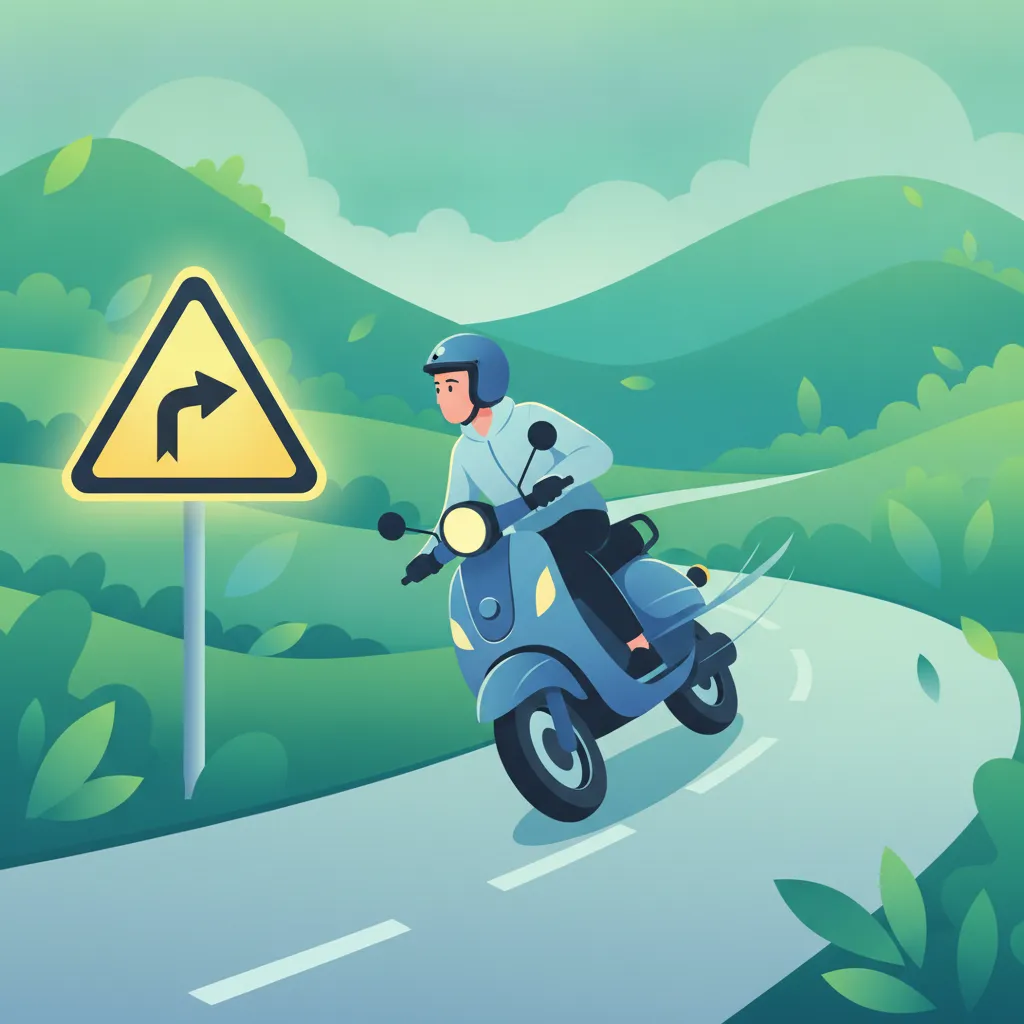
This lesson introduces the fundamental traffic signs that directly impact small vehicle riders. It covers the classification of signs into regulatory, warning, and mandatory categories, explaining how their shape and color indicate their function. Learners will be able to recognize and correctly interpret speed limits, priority signs, and other key information vital for safe navigation.
This lesson outlines the legal and administrative repercussions of committing traffic violations or being involved in an accident. It covers the system of fines, licence points, and potential licence revocation under Swiss law. Understanding these consequences reinforces the importance of lawful and responsible riding.
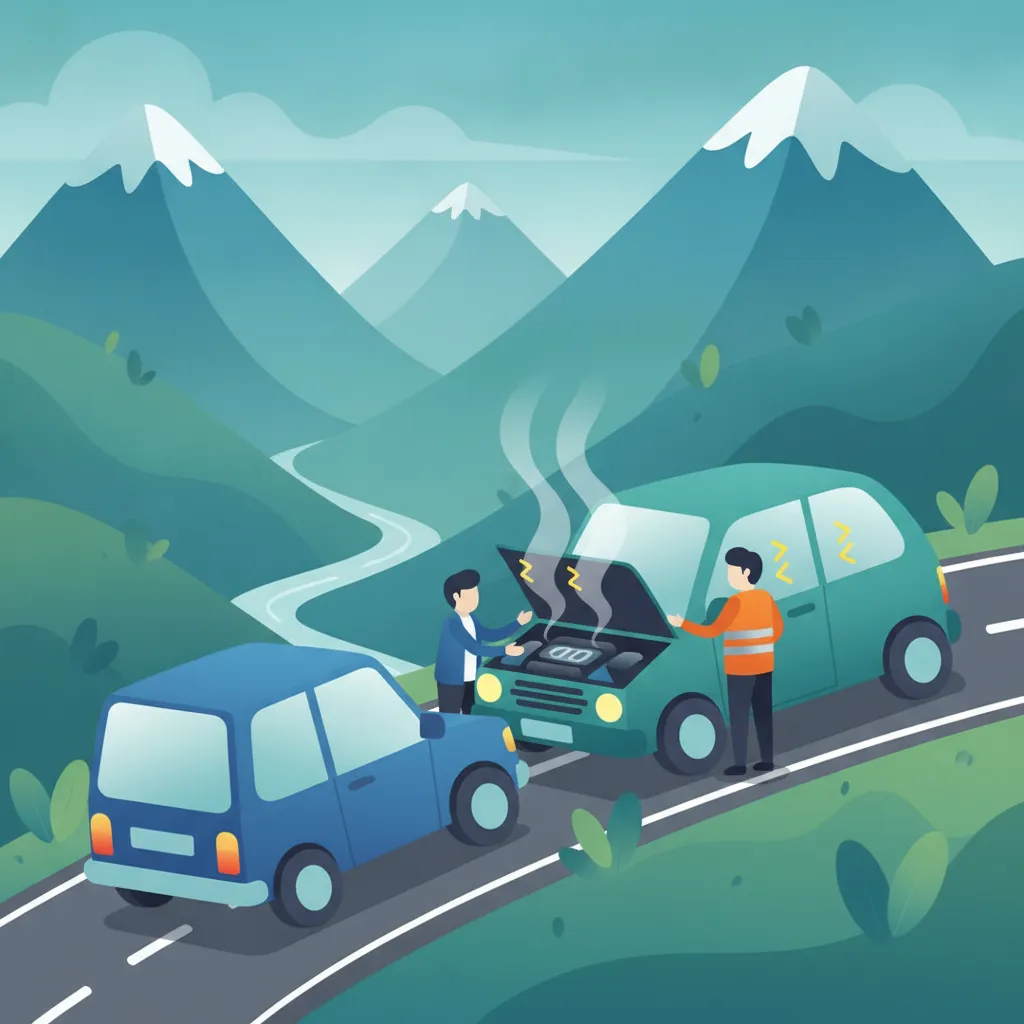
This lesson provides a practical guide for handling a vehicle breakdown. It covers the immediate steps to take, such as moving the vehicle off the road if possible and making it visible to other traffic using hazard lights. The content also explains how to contact breakdown services and what information to provide to them.

This lesson teaches riders how to establish and maintain a safe following distance from the vehicle ahead. It introduces the 'two-second rule' as a simple and effective method for gauging a safe gap in ideal conditions. The content also explains why this distance must be increased in wet weather, at night, or when visibility is poor.
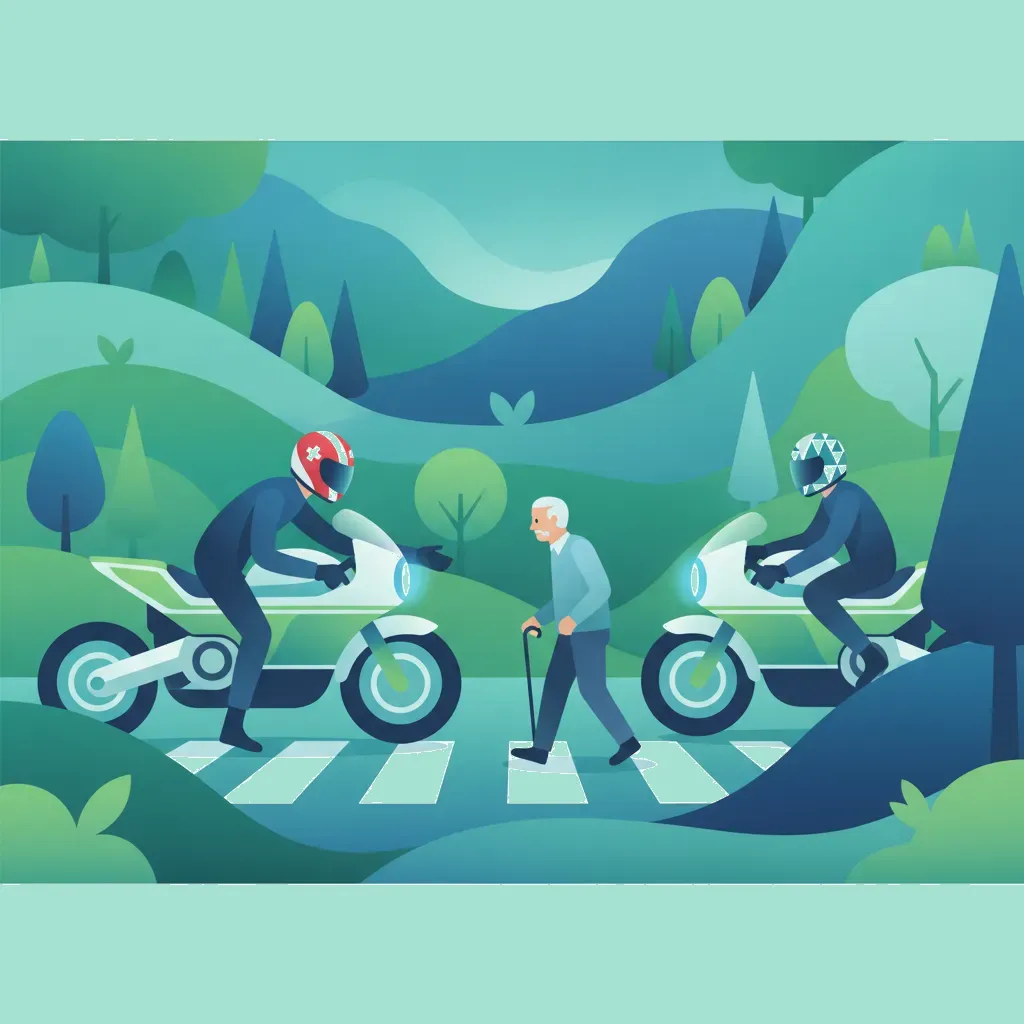
This lesson explores the ethical duties inherent in motorcycle riding, focusing on a rider's responsibility to ensure personal safety while respecting all other road users. It covers the Swiss code of conduct, which includes courteous behaviour, adherence to traffic rules, and responsible decision-making. The content reinforces that an ethical mindset is fundamental to contributing to overall road safety.
This lesson explains the strategic importance of road positioning. It details how to select a lane position that makes you most visible to drivers ahead and behind, and helps you avoid the blind spots of larger vehicles. Proper positioning also allows for an escape route and a better line of sight through turns.
Develop a proactive and defensive riding approach to anticipate and mitigate hazards. This lesson covers essential techniques to enhance situational awareness and avoid common accident scenarios for moped and e-bike riders in Switzerland.
This lesson introduces defensive driving principles, focusing on hazard anticipation, continuous scanning, and proactive positioning. You will learn how to anticipate potential hazards by observing traffic patterns and maintaining situational awareness. Emphasis is placed on proactive speed management to avoid dangerous situations before they arise.
This lesson teaches the principles of active observation, a crucial skill for rider safety. It covers how to develop a scanning routine that includes checking mirrors, blind spots via shoulder checks, and looking far ahead down the road. These techniques allow a rider to identify potential conflicts early and create more time to react safely.
This lesson provides essential strategies for riding in adverse weather like rain and fog. It explains how to increase following distances, reduce speed, and use lights effectively to enhance visibility. The content also addresses the loss of traction on wet roads and the importance of smooth control inputs for braking, accelerating, and steering.

This lesson trains drivers to look beyond other vehicles and actively search for pedestrians, cyclists, and motorcyclists, especially those who may be distracted or unaware. It covers common behavioral patterns of different VRU groups. The goal is to see potential hazards developing early and create time and space to react safely.
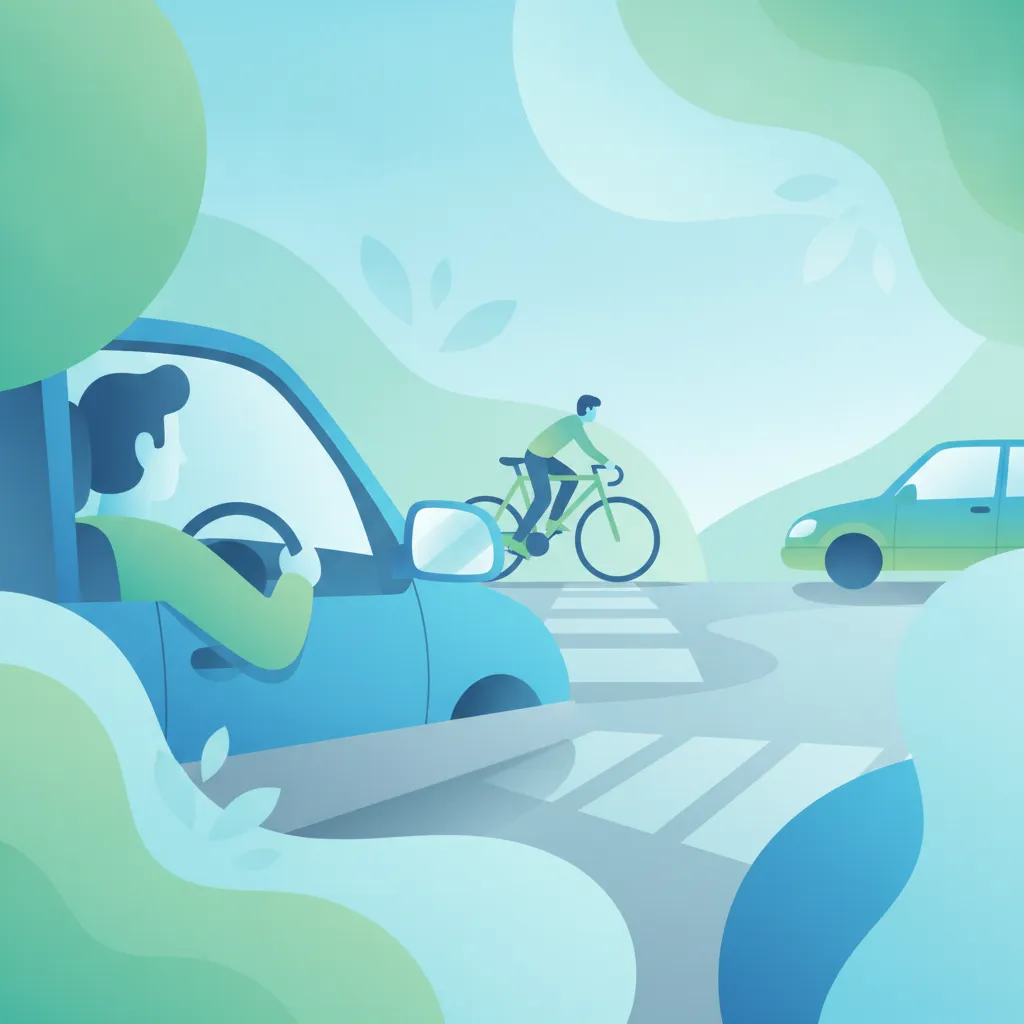
This lesson focuses on mitigating the risk of collisions at intersections, particularly from vehicles turning across the rider's path. It teaches defensive strategies such as positioning for visibility, anticipating driver actions, and using head checks to be aware of surrounding traffic. Managing your own and others' blind spots is presented as a crucial survival skill.
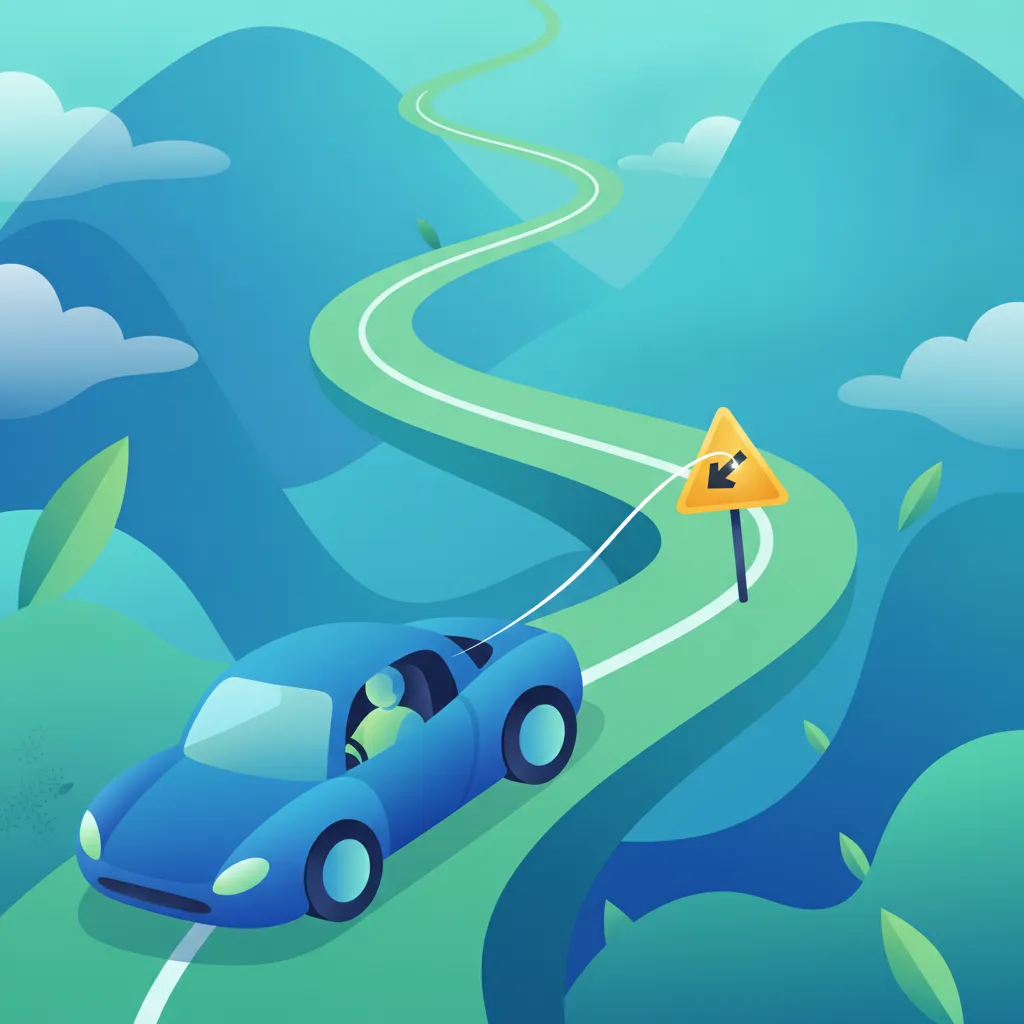
This lesson focuses on warning signs that alert drivers to potential hazards ahead, such as curves, steep descents, and roadwork zones. You will understand how these signs prompt anticipatory driving behavior, allowing for adjustments in speed and position. The content also discusses the typical placement of warning signs to help you react safely to changing conditions.
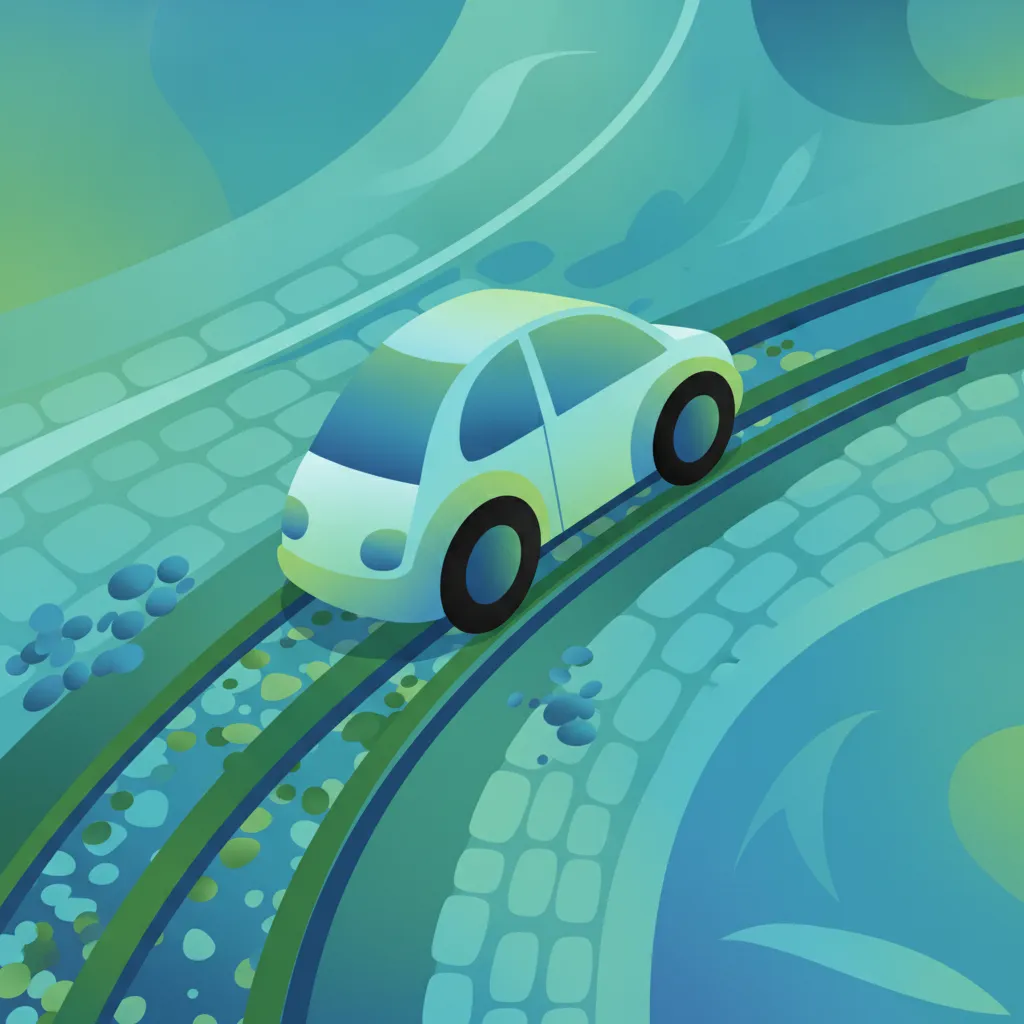
This lesson focuses on identifying and managing specific road surface hazards that can compromise traction. It provides techniques for safely crossing slippery tram rails and painted markings, navigating uneven cobblestones, and maintaining control on loose gravel. The core skill is learning to scan the road ahead and adjust riding style proactively.
This lesson teaches riders how to establish and maintain a safe following distance from the vehicle ahead. It introduces the 'two-second rule' as a simple and effective method for gauging a safe gap in ideal conditions. The content also explains why this distance must be increased in wet weather, at night, or when visibility is poor.
This lesson explains the strategic importance of road positioning. It details how to select a lane position that makes you most visible to drivers ahead and behind, and helps you avoid the blind spots of larger vehicles. Proper positioning also allows for an escape route and a better line of sight through turns.

This lesson focuses on the significant risks of riding in winter conditions. It explains how to spot potential icy patches, such as black ice, and the need for extremely gentle and deliberate control inputs. The importance of proper winter tyres and dressing warmly to prevent distraction and fatigue from the cold is also emphasized.
Find clear answers to common questions learners have about Common Risky Behaviours for Small Vehicle Operators. Learn how the lesson is structured, which driving theory objectives it supports, and how it fits into the overall learning path of units and curriculum progression in Switzerland. These explanations help you understand key concepts, lesson flow, and exam focused study goals.
Fatigue significantly slows down your reaction time and impairs your ability to judge distances and speeds correctly. In the Swiss theory exam, you must recognize that being tired is as dangerous as other distractions, leading to a loss of awareness of your surroundings.
Switzerland enforces strict rules regarding alcohol and drugs. Penalties include heavy fines, mandatory suspension of your licence, and potentially permanent bans, all of which are critical topics to understand for both the exam and legal compliance.
Because mopeds and e-bikes offer less physical protection, even a split second of distraction—such as checking a phone or adjusting equipment—can lead to severe consequences. The exam expects you to prioritize constant observation over any non-essential activity.
Pinpoint specific Swiss traffic rules, road signs, or driving situations you need to master. Use the practice search to start a focused revision session now and build confidence for your official driving theory exam.