
Logo
Learn with Swiss Theory Courses

Swiss Driving Theory D: Securing the Scene of an Accident

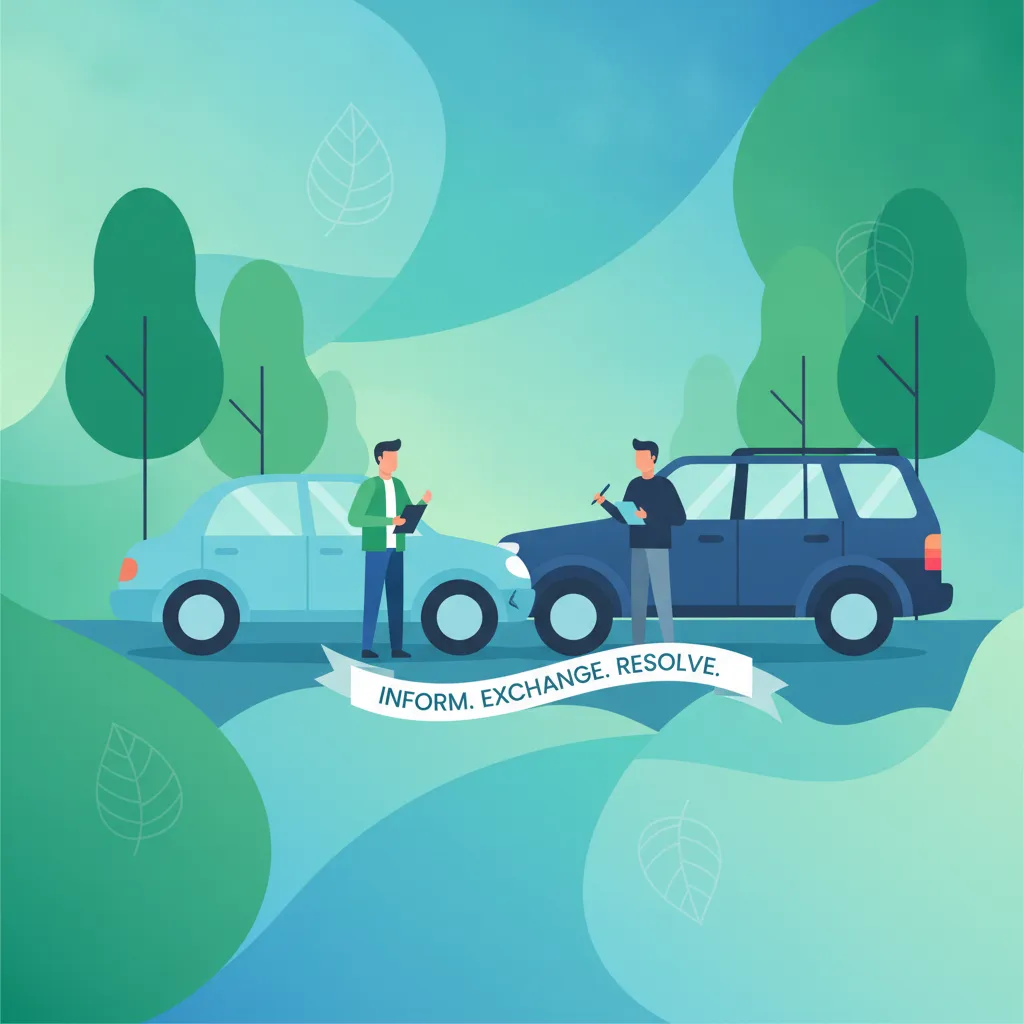
Securing the Scene of an Accident lesson overview image

This lesson covers the immediate actions to take following a collision. The priorities are to prevent further incidents by securing the scene, to assess the situation for injuries, and to alert the emergency services. You will learn the correct procedures for making the area safe for yourself, your passengers, and other road users.

emergency proceduresaccident responseCategory D theorysafety protocolsprofessional drivingpassenger safety
Swiss Driving Theory D curriculum

Part of the full Swiss Driving Theory D curriculum

The Securing the Scene of an Accident lesson belongs to the structured Swiss Driving Theory D curriculum, a complete learning program designed to help learners in Switzerland master every key topic required for the Swiss driving theory exam. By studying this lesson, you continue building the knowledge, traffic awareness, and exam readiness developed throughout the units of the curriculum.
category D theorybus driving licencecoach driving theorySwitzerland theory examprofessional driverpassenger transportvehicle safetySwiss road rulesD1 D1E DEtheory prep
Swiss Driving Theory D curriculum image

Swiss Category D Driving License Theory Course (Bus & Coach)

Prepare for your Swiss Category D theory exam with this structured curriculum designed for professional passenger vehicle drivers. You will learn the specific road rules, vehicle handling dynamics, and safety procedures applicable to buses and coaches in Switzerland. The course emphasizes the driver's duty of care, covering everything from pre-trip inspections and passenger management to navigating challenging urban and mountain environments, ensuring you become a safe, responsible, and proficient driver.

10 units62 lessons
View curriculum

Why the Securing the Scene of an Accident lesson matters

The Securing the Scene of an Accident lesson explains one of the most important subjects in the Managing Fatigue, Incidents, and On-Board Emergencies unit of the Swiss Driving Theory D curriculum. It focuses on essential exam content that every learner in Switzerland needs for the Swiss driving theory exam. Through clear explanations, practical examples, and real traffic situations, this lesson helps you understand how the rules work in practice and strengthens your overall exam preparation.

Browse curriculum
Learning objectives

What you will learn in the Securing the Scene of an Accident lesson

Identify the priority sequence of actions immediately following an accident.
Understand the legal obligations for bus drivers in the event of an incident on Swiss roads.
Recognize the correct methods to warn other road users and protect the collision site.
Learn how to effectively manage passengers and maintain calm during an emergency situation.
Understand when and how to alert Swiss emergency services using the correct protocols.
What you will gain

What you will understand after completing the Securing the Scene of an Accident lesson

By the end of this lesson, you will possess a systematic framework for responding to accidents, ensuring you meet the high safety standards expected of professional passenger transport drivers. You will learn to prioritize scene safety, mitigate secondary collision risks, and correctly deploy emergency equipment. This knowledge is crucial for answering scenario-based questions in the Swiss theory exam, where identifying the correct order of operations—protection, notification, and assistance—is key to success. Beyond the exam, these skills will help you stay calm and effective in real-world emergencies, ensuring you remain a responsible and reliable professional driver.

Start reading topics
What you will understand after completing the Securing the Scene of an Accident lesson
Learners who benefit the most from the Securing the Scene of an Accident lesson
Who should study this

Learners who benefit the most from the Securing the Scene of an Accident lesson

This lesson is essential for all Category D, D1, and DE license candidates. It is particularly useful for those who want to feel confident in their ability to handle high-pressure emergency scenarios during the theory exam and in their professional daily driving career.

View all lesson topics
Questions

FAQs about the Securing the Scene of an Accident lesson

Find answers to common questions about the Securing the Scene of an Accident lesson, including how it connects to the Managing Fatigue, Incidents, and On-Board Emergencies unit and the full Swiss Driving Theory D curriculum. Learn how long the lesson takes, what topics it covers, and how it supports your preparation for the driving theory exam in Switzerland.

Why learners trust the Securing the Scene of an Accident lesson

Why learners trust the Securing the Scene of an Accident lesson

The Securing the Scene of an Accident lesson is designed to make complex driving theory topics easier to understand. Content is written in a clear and practical way, aligned with exam expectations in Switzerland, and supported by examples that reflect real traffic situations. Whether you are reviewing or starting from scratch, this lesson helps you study efficiently and make steady progress inside the Swiss Driving Theory D curriculum.

Covers all important concepts linked to this lessonCreated using exam relevant topics from SwitzerlandEvery topic explained using real world traffic situationsLesson layout that guides you step by stepReflects the latest rules required for the driving theory examStrengthens your preparation for the Swiss theory exam
Start now

More units in the Swiss Driving Theory D curriculum

Explore additional units that make up the complete Swiss Driving Theory D curriculum. Each unit focuses on important driving theory subjects, helping learners in Switzerland build strong exam knowledge and improve understanding of rules, signs, and traffic behaviour.

Swiss D, D1, D1E & DE Scope and Professional Responsibility unit image
1

Swiss D, D1, D1E & DE Scope and Professional Responsibility

This unit introduces the Swiss D, D1, D1E & DE bus license categories and establishes the core professional responsibilities and legal duty of care required for passenger transport drivers in Switzerland.

6 lessons

Learn more
Passenger Vehicle Construction, Controls, and Pre-Trip Inspections unit image
2

Passenger Vehicle Construction, Controls, and Pre-Trip Inspections

Learn about bus construction, cockpit controls, and essential pre-trip inspections. Master daily checks and safety equipment knowledge vital for your Swiss Category D theory exam and professional driving.

7 lessons

Learn more
Passenger Safety, Comfort, Accessibility, and Conduct unit image
3

Passenger Safety, Comfort, Accessibility, and Conduct

Master passenger safety, comfort, accessibility, and conduct for your Swiss Category D license. Learn professional care and conflict management for a secure and pleasant journey.

6 lessons

Learn more
Vehicle Dynamics: Smooth Control, Speed, Braking, and Following Distance unit image
4

Vehicle Dynamics: Smooth Control, Speed, Braking, and Following Distance

Learn the physics of driving large vehicles, focusing on smooth control, safe braking, and calculating proper following and stopping distances. Crucial for Swiss Category D passenger transport.

6 lessons

Learn more
Safe Operations at Bus Stops: Doors, Boarding, and Alighting unit image
5

Safe Operations at Bus Stops: Doors, Boarding, and Alighting

Learn essential safety protocols for bus stops in Switzerland. Master safe passenger boarding, alighting, door operations, and hazard awareness to pass your Category D theory test.

6 lessons

Learn more
Navigating Urban Traffic, Bus Priority, and Public Transport Systems unit image
6

Navigating Urban Traffic, Bus Priority, and Public Transport Systems

Learn to navigate Swiss urban traffic, master bus lanes and priority signals, and safely interact with trams and public transport for your Category D license exam.

6 lessons

Learn more
Protecting Vulnerable Road Users and Managing High-Risk Environments unit image
7

Protecting Vulnerable Road Users and Managing High-Risk Environments

Learn to protect pedestrians, cyclists, and children, and navigate high-risk zones like schools and transport hubs safely. Master Swiss school transport rules for your Category D bus driver theory test.

6 lessons
Learn more
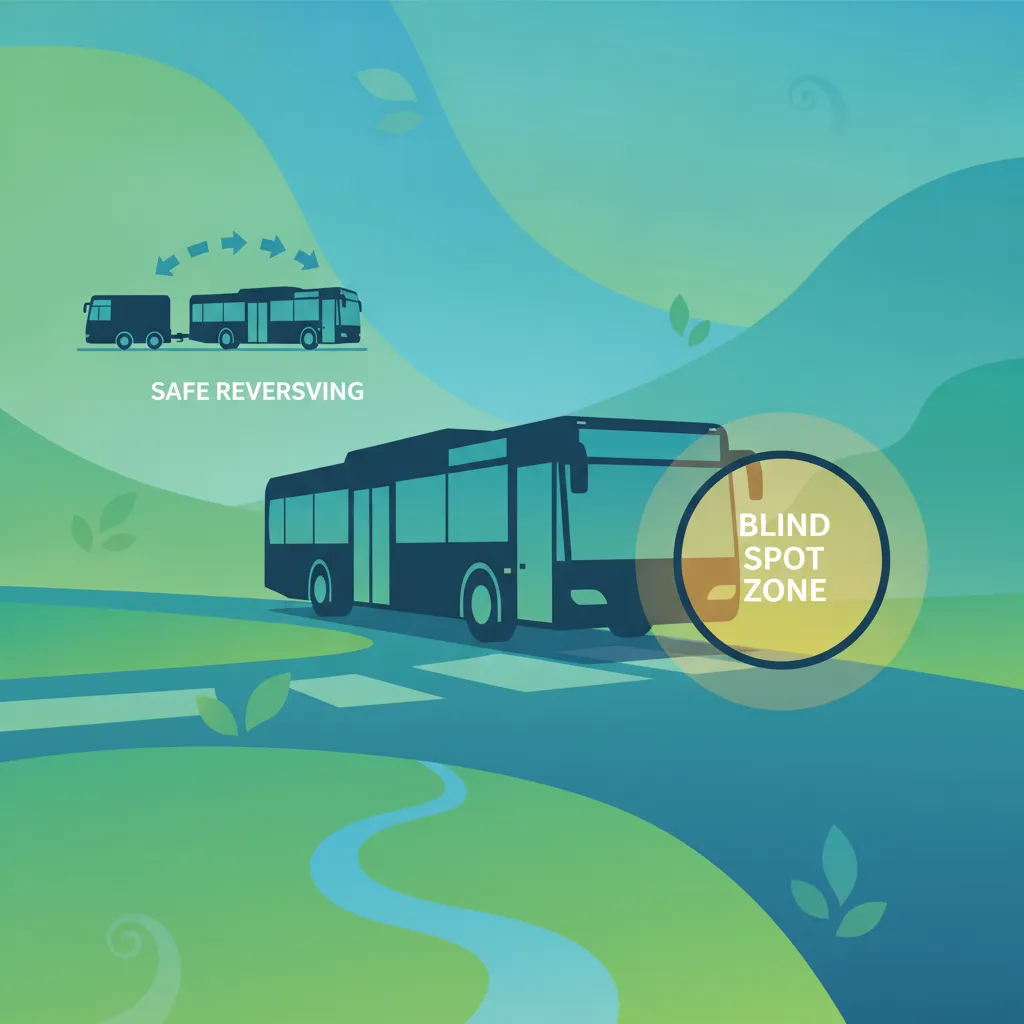
Advanced Manoeuvring: Turns, Blind Spots, Reversing, and Vehicle Combinations unit image
8

Advanced Manoeuvring: Turns, Blind Spots, Reversing, and Vehicle Combinations

Master advanced manoeuvres for Swiss Category D licenses: learn to safely execute turns, manage blind spots, reverse precisely, and handle trailer combinations (D1E/DE) for your theory exam and professional driving.

6 lessons

Learn more
Driving on Rural Routes, Mountain Roads, Motorways, and in Adverse Conditions unit image
9

Driving on Rural Routes, Mountain Roads, Motorways, and in Adverse Conditions

Master driving on Swiss rural roads, challenging mountain passes, high-speed motorways, and in adverse weather. Essential knowledge for Category D bus drivers.

6 lessons

Learn more
Managing Fatigue, Incidents, and On-Board Emergencies unit image
10

Managing Fatigue, Incidents, and On-Board Emergencies

Learn to manage driver fatigue, respond to breakdowns and fires, and execute safe passenger evacuations. Essential for your Swiss Category D theory exam and ensuring passenger safety.

7 lessons
Learn more

Ready to Target Specific Weaknesses in Your Swiss Driving Theory Knowledge?

Pinpoint specific Swiss traffic rules, road signs, or driving situations you need to master. Use the practice search to start a focused revision session now and build confidence for your official driving theory exam.

Search Practice Theory Questions

Explore more content on Swiss driving theory

Swiss road signsSwiss article topicsSearch Swiss road signsSwiss driving theory homeSwiss road sign categoriesSwiss driving theory topicsSearch Swiss theory articlesSwiss driving theory coursesSwiss Driving Theory B courseSwiss Driving Theory M courseSwiss Driving Theory D courseSwiss driving theory articlesSwiss driving theory practiceSwiss practice set categoriesSwiss driving licence proceduresSwiss Motorcycle Theory (A) courseSearch Swiss driving theory practiceSwiss driving theory terminology A–ZSwiss driving theory terms and glossarySwiss Truck Driving Theory (C/C1) courseSwiss Signs, Signals, Markings, and Priority Rules unit in Swiss Driving Theory MSwiss Category M Context and First-Rider Responsibility unit in Swiss Driving Theory MRoad Users, Core Behaviour Rules and Safe Communication unit in Swiss Driving Theory BSwiss D, D1, D1E & DE Scope and Professional Responsibility unit in Swiss Driving Theory DSwiss C, C1, C1E & CE Scope and Professional Context unit in Swiss Truck Driving Theory (C/C1)Passenger Vehicle Construction, Controls, and Pre-Trip Inspections unit in Swiss Driving Theory DSecuring the Scene of an Accident lesson in Managing Fatigue, Incidents, and On-Board EmergenciesMotorcycle Construction, Controls, Equipment and Safety Checks unit in Swiss Motorcycle Theory (A)Swiss Category B, Learner Permit, Examination and Driver Responsibility unit in Swiss Driving Theory BSwiss Motorcycle Categories, Licence Scope and Rider Responsibility unit in Swiss Motorcycle Theory (A)Heavy-Vehicle Dimensions, Masses, Axle Loads and Operating Limits unit in Swiss Truck Driving Theory (C/C1)Identifying Fire Risks and Using an Extinguisher lesson in Managing Fatigue, Incidents, and On-Board EmergenciesPrinciples and Procedures for Emergency Evacuation lesson in Managing Fatigue, Incidents, and On-Board EmergenciesProcedures for a Vehicle Breakdown on a Public Road lesson in Managing Fatigue, Incidents, and On-Board EmergenciesRecognizing and Managing Driver Fatigue and Distraction lesson in Managing Fatigue, Incidents, and On-Board EmergenciesResponding to On-Board Medical Emergencies and Passenger Illness lesson in Managing Fatigue, Incidents, and On-Board EmergenciesCommunicating with Emergency Services and Passengers During a Crisis lesson in Managing Fatigue, Incidents, and On-Board Emergencies