
Driving a bus in Swiss cities presents unique challenges. This unit covers navigating complex urban environments, including understanding bus lanes, traffic signal priority for public transport, and safely interacting with trams and other public transport systems. Mastering these rules is crucial for your Category D theory exam and for ensuring smooth, safe passenger journeys.
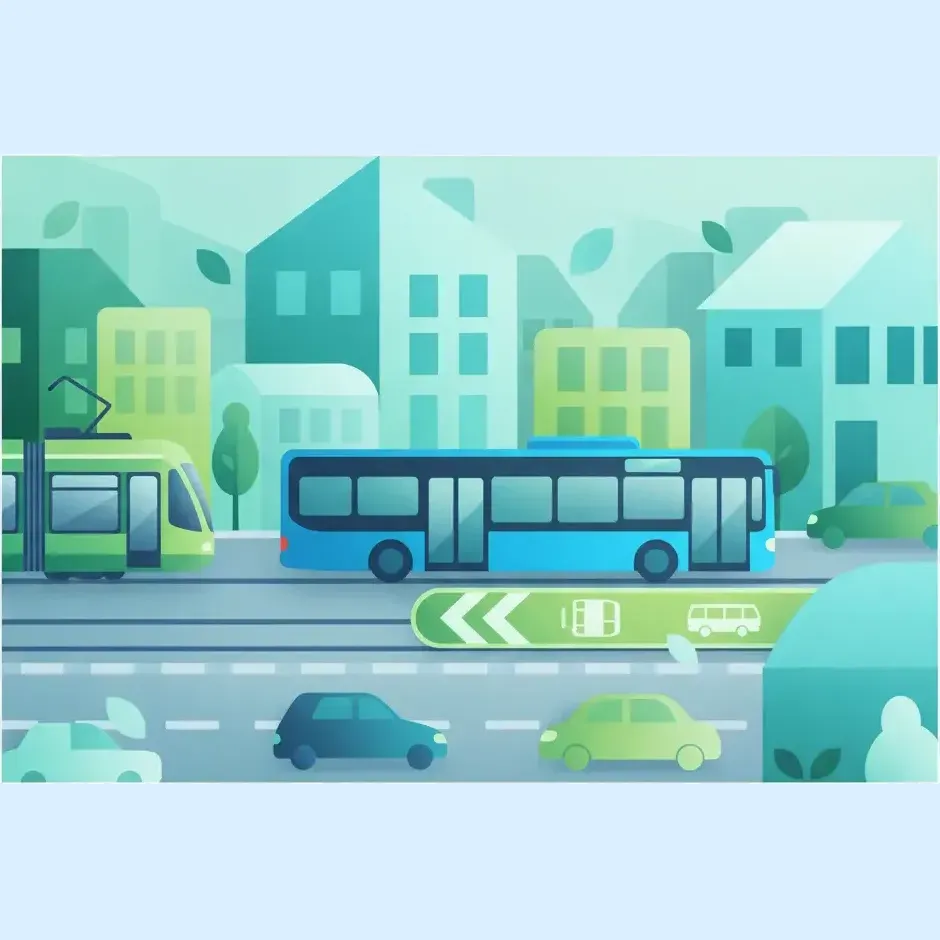
Browse all lessons that make up Navigating Urban Traffic, Bus Priority, and Public Transport Systems. Each lesson focuses on specific topics, learning objectives, and core concepts, helping you build essential knowledge and follow a clear, structured progression toward your study goals in Switzerland.
Bus lanes are a key tool for improving service reliability, but they come with specific rules. This lesson covers how to correctly interpret bus lane signs and markings. It also explains the regulations for entering and leaving the lane to make turns or avoid obstructions, and the priority rules associated with them.
Many Swiss cities use systems that give buses priority at traffic lights to improve punctuality. This lesson explains how these systems detect an approaching bus and alter the signal phasing. You will learn to recognize and correctly respond to the special white light signals that grant this priority.
Sharing road space with trams presents unique challenges, including different priority rules and physical hazards like tracks. This lesson covers the Swiss regulations regarding tram priority at junctions and stops. It also provides practical advice on crossing tram tracks safely and maintaining awareness of tram movements.
The size of a bus requires careful planning when negotiating complex intersections. This lesson teaches the importance of early lane selection, clear signalling, and comprehensive observation. It provides specific techniques for managing the vehicle's swept path through multi-lane roundabouts and other challenging urban junctions.
Driving a bus in older parts of a city requires exceptional spatial awareness and precise control. This lesson focuses on assessing clearances, managing front and rear overhang, and negotiating tight turns around parked cars and buildings. A key theme is slow, careful, and deliberate manoeuvring to avoid contact.
Adhering to a timetable is part of the job, but it must never compromise safety. This lesson discusses the sources of pressure and provides strategies for managing time effectively without taking risks. It reinforces the principle that a professional driver's primary responsibility is the safe operation of the vehicle, regardless of schedule.
Explore high-intent keywords and long-tail search topics learners use when researching Navigating Urban Traffic, Bus Priority, and Public Transport Systems. These terms reflect how people search for reliable study materials, structured explanations, and unit-level theory preparation support in Switzerland.
Find clear answers to the most common questions learners ask about Navigating Urban Traffic, Bus Priority, and Public Transport Systems. Understand how the unit is organized, what learning goals it supports, and how it contributes to your study progression with structured explanations and practical guidance tailored for learners in Switzerland.
In Switzerland, bus lanes are generally reserved for buses, trams, and sometimes emergency vehicles or cyclists, depending on signage. Drivers must only use these lanes when permitted by specific road markings or signs. Incorrect use can lead to significant fines and points on your license. Always observe the relevant signage for authorized users and operating times.
Traffic signal priority systems are designed to give buses and trams a smoother passage through intersections. When detected, these systems can extend green light phases or shorten red light phases. As a driver, you should be aware that these systems exist and anticipate potential signal changes, but you must always obey the current signal displayed and proceed with caution.
Trams operate on fixed tracks and can sometimes be less maneuverable than buses. Challenges include anticipating a tram's path, especially at junctions where tracks might cross lanes, and being aware of the tram's acceleration and braking capabilities, which differ from a bus. Always maintain a safe distance and be mindful of shared road spaces.
Complex urban junctions require heightened awareness and careful planning. You need to consider your vehicle's size, its swept path, and blind spots. Always anticipate the movements of other road users, including pedestrians and cyclists. Use your mirrors extensively and position your bus appropriately well in advance of the manoeuvre.
Timetable pressure refers to the expectation to adhere to a set schedule. In busy urban environments, this can be challenging due to traffic congestion, passenger boarding times, and signal delays. While punctuality is important, safety must always come first. Understanding how to manage your time effectively without compromising safety is key to professional driving.
Yes, historic city centres often feature narrow streets, pedestrian zones, and restricted access. Bus drivers must be particularly vigilant, pay close attention to width and height restrictions, and be considerate of pedestrians and cyclists who may have priority or be present in areas not typically designed for large vehicles. Always follow designated bus routes and obey all traffic signs and local regulations.
All included lessons
Lessons in Navigating Urban Traffic, Bus Priority, and Public Transport Systems
See who benefits most from studying Navigating Urban Traffic, Bus Priority, and Public Transport Systems. This overview explains how the unit supports different learning needs, what level of knowledge is helpful before starting, and how it fits into the overall study path in Switzerland.
This unit is specifically designed for individuals training for the Swiss Category D driving license, focusing on professional bus and coach operation. It is essential for drivers who will be navigating urban environments and interacting with Switzerland's integrated public transport network, helping them pass the theory exam and drive safely.

Begin your structured preparation for the official Swiss driving licence theory test today. Browse our comprehensive curriculum, choose your ideal course, and start mastering essential traffic laws, road signs, and practical driving knowledge with confidence.
Browse Swiss Theory CoursesExplore all units and lessons included in this driving theory course.
Begin your structured preparation for the official Swiss driving licence theory test today. Browse our comprehensive curriculum, choose your ideal course, and start mastering essential traffic laws, road signs, and practical driving knowledge with confidence.
Browse Swiss Theory Courses