
This unit focuses on the critical safety procedures required when operating at bus stops, a high-risk area for passenger transport. We will cover everything from safe approaches and positioning to managing doors and supervising passenger movements, ensuring the safety of everyone involved. Mastering these lessons is vital for your Swiss Category D theory exam and professional driving.
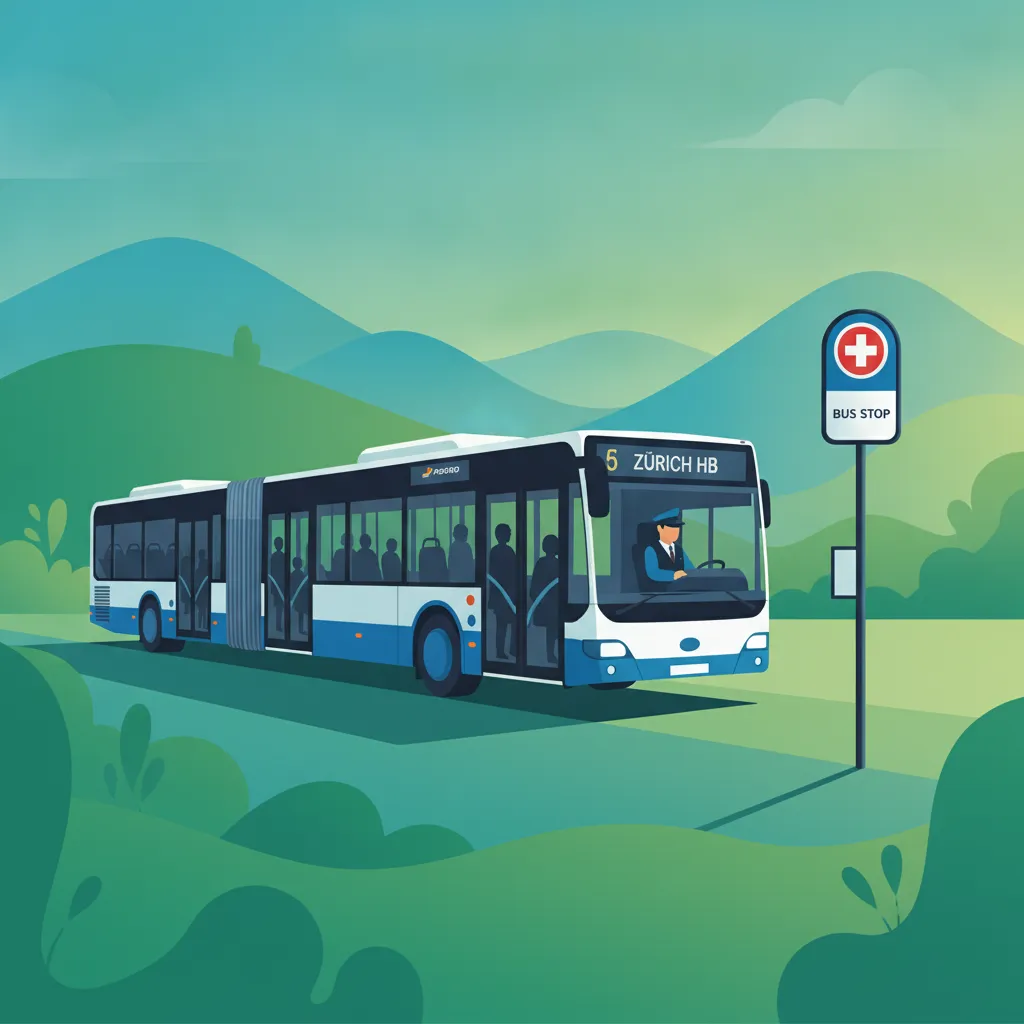
Browse all lessons that make up Safe Operations at Bus Stops: Doors, Boarding, and Alighting. Each lesson focuses on specific topics, learning objectives, and core concepts, helping you build essential knowledge and follow a clear, structured progression toward your study goals in Switzerland.
The approach to a stop sets the stage for a safe passenger exchange. This lesson covers signalling in good time, decelerating smoothly, and aiming for a final position that is close and parallel to the kerb. Proper positioning minimizes the step for passengers and prevents them from having to step into traffic.
Bus stops are magnets for activity and potential hazards. This lesson trains you to anticipate dangers such as pedestrians running for the bus, cyclists passing on the inside, and cars attempting to overtake. Developing heightened situational awareness is key to preventing accidents in these busy environments.
Modern bus doors are equipped with safety features, but the driver remains ultimately responsible. This lesson covers the correct procedures for opening and closing doors, emphasizing the need to check that no person or item is at risk of being trapped. It also explains how brake interlock systems work to prevent the bus from moving while doors are open.
The driver must ensure all boarding passengers are safely on board and stable before moving off. This lesson covers managing the flow of passengers, dealing with fares or tickets efficiently, and encouraging people to move away from the doorway. The primary goal is to prevent falls that can occur if the vehicle moves prematurely.
Departing from a bus stop is a high-risk manoeuvre. This lesson details the critical sequence of actions: checking all passengers are clear of the doors, performing a comprehensive mirror and blind spot check, signalling, and waiting for a safe gap in traffic. This systematic approach is essential for preventing collisions with overtaking vehicles, cyclists, or pedestrians.
Even after checking exterior mirrors, a late-running passenger may approach the bus. This lesson emphasizes the final, critical glance in the interior mirror to check the passenger cabin and stop area just before the vehicle begins to move. This simple, final habit can prevent serious incidents involving passengers who are late or have fallen.
Explore high-intent keywords and long-tail search topics learners use when researching Safe Operations at Bus Stops: Doors, Boarding, and Alighting. These terms reflect how people search for reliable study materials, structured explanations, and unit-level theory preparation support in Switzerland.
Find clear answers to the most common questions learners ask about Safe Operations at Bus Stops: Doors, Boarding, and Alighting. Understand how the unit is organized, what learning goals it supports, and how it contributes to your study progression with structured explanations and practical guidance tailored for learners in Switzerland.
Bus stops present several risks, primarily due to the proximity of vulnerable road users like pedestrians and cyclists, often moving unpredictably. Passengers may also be distracted while boarding or alighting, increasing the chance of accidents. The close proximity to traffic, including other vehicles passing the stop, adds another layer of complexity that requires constant vigilance.
In Switzerland, buses should position themselves as close to the kerb as safely possible, allowing passengers a stable surface to board and alight. Ensure you are within the marked bus stop area if one exists. Avoid obstructing traffic more than necessary while maintaining a safe distance from the kerb to prevent damage to the vehicle or road infrastructure.
The 'look-last' mirror check is a crucial safety step before departing from a bus stop. It involves a final, thorough check of all interior and exterior mirrors to ensure no passengers are in the process of boarding or alighting, no pedestrians are too close, and no other vehicles pose an immediate hazard. This systematic check helps prevent accidents during departure.
Yes, in Switzerland, bus doors should only be opened when the bus is stationary at a designated stop and safely positioned. Drivers must ensure the area around the doors is clear before opening them. For vehicles equipped with interlock systems, these must function correctly to prevent doors from opening while the vehicle is in motion.
If a passenger is having difficulty, wait patiently. For passengers with reduced mobility, ensure any ramps or lifts are deployed safely and provide assistance as needed. Never close the doors or move the vehicle until you are certain all passengers are safely on board or have alighted and are clear of the vehicle's path.
After ensuring all passengers are safely on board and clear of the doors, perform the 'look-last' mirror check. Signal your intention to move if necessary. Check for passing traffic and cyclists. Then, accelerate smoothly away from the kerb, rejoining traffic when it is safe to do so. Be mindful of the vehicle's length and swept path.
All included lessons
Lessons in Safe Operations at Bus Stops: Doors, Boarding, and Alighting
See who benefits most from studying Safe Operations at Bus Stops: Doors, Boarding, and Alighting. This overview explains how the unit supports different learning needs, what level of knowledge is helpful before starting, and how it fits into the overall study path in Switzerland.
This unit is essential for all candidates preparing for the Swiss Category D, D1, D1E, or DE driving theory examination. It is particularly important for professional bus and coach drivers who need to ensure the highest safety standards for their passengers and other road users in complex urban and intercity environments.

Begin your structured preparation for the official Swiss driving licence theory test today. Browse our comprehensive curriculum, choose your ideal course, and start mastering essential traffic laws, road signs, and practical driving knowledge with confidence.
Browse Swiss Theory CoursesExplore all units and lessons included in this driving theory course.
Begin your structured preparation for the official Swiss driving licence theory test today. Browse our comprehensive curriculum, choose your ideal course, and start mastering essential traffic laws, road signs, and practical driving knowledge with confidence.
Browse Swiss Theory Courses