
This lesson provides essential training on how to respond when a passenger falls ill or requires urgent medical attention during your service. As a professional driver in Switzerland, maintaining a calm and systematic approach is vital for passenger safety and regulatory compliance.
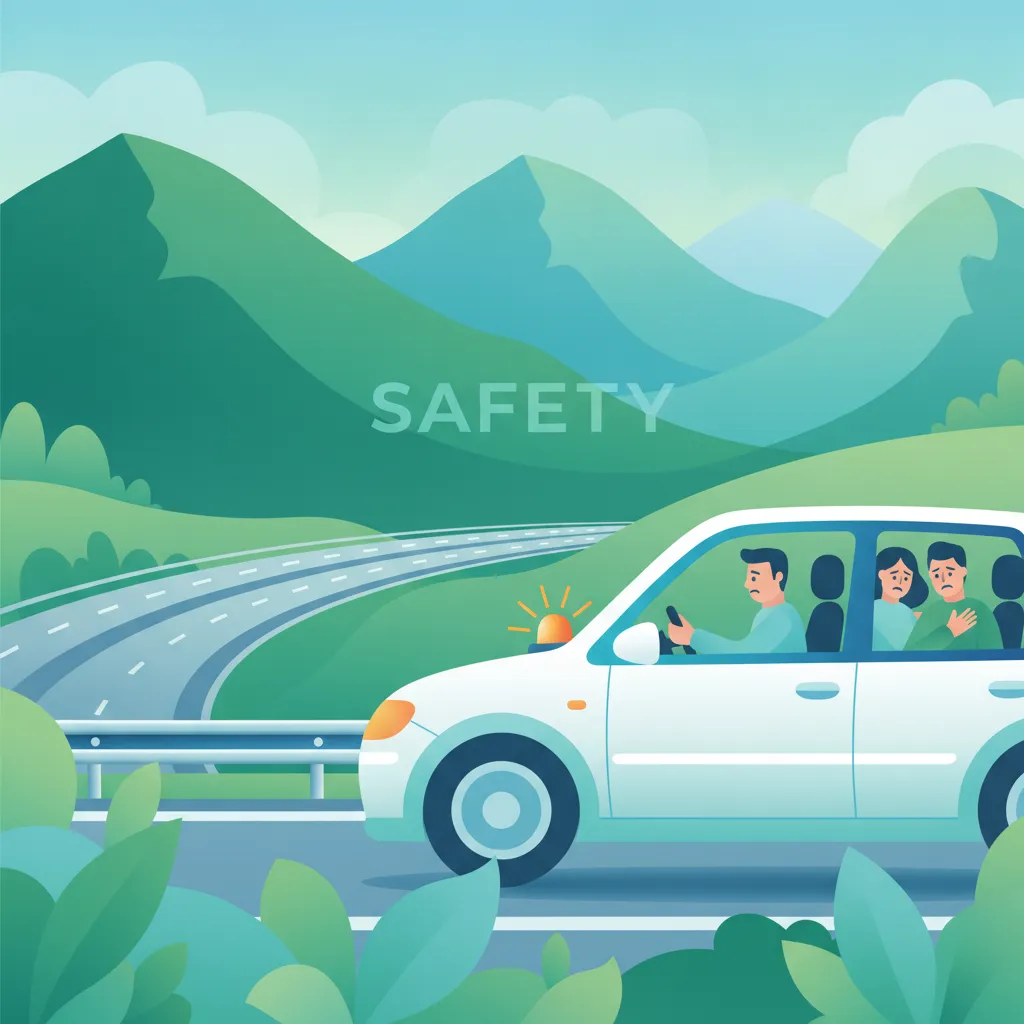
Lesson content overview
As a professional driver of a bus or coach (Category D vehicle), your primary responsibility extends beyond merely operating the vehicle. It encompasses the safety and well-being of every passenger on board. This includes being prepared to handle unexpected medical emergencies or sudden illnesses that may occur during a journey. Prompt, safe, and coordinated actions in such stressful situations are crucial for preserving life, preventing the situation from escalating, and fulfilling your legal and ethical duty of care.
This lesson outlines a systematic approach to managing on-board medical emergencies, focusing on proper vehicle handling, effective communication with emergency services, and providing basic first aid until professional help arrives. Mastering these procedures is vital for all professional passenger vehicle drivers in Switzerland.
The professional bus and coach driver holds a significant legal and ethical responsibility to ensure the safety and health of passengers. In Switzerland, this "duty of care" obliges you to act diligently and responsibly in all circumstances, especially during emergencies. A medical emergency on board can quickly turn critical, and your immediate, calm response can make a profound difference in the outcome.
Being prepared involves knowing how to assess a situation quickly, secure your vehicle, communicate effectively with emergency services, and provide initial assistance. This comprehensive approach minimizes additional risks to the distressed passenger, other road users, and the vehicle itself, reflecting the high standards expected from professional drivers.
Responding to a medical emergency requires a systematic application of several core principles. These principles guide your actions from the moment you identify a problem until professional medical help takes over.
Your first priority must always be to ensure the safety of everyone involved. This means securing the vehicle and the surrounding environment before attending to the medical needs of the passenger. Failing to do so could lead to a secondary accident, such as a collision, which would worsen the situation significantly.
This principle mandates that you first activate hazard warning lights, safely bring your bus or coach to a controlled halt, and assess the immediate scene. Only when the vehicle is stationary and the environment is as safe as possible should you then focus on the passenger requiring assistance.
Time is often critical in medical emergencies. Rapidly informing the correct emergency services with accurate and precise information can dramatically improve a patient's prognosis. This principle emphasizes the importance of knowing and correctly using the dedicated emergency numbers in Switzerland and being able to clearly articulate the situation, location, and passenger's condition.
Delaying a call or providing vague information can lead to significant delays in professional medical help arriving, which can be detrimental, especially in life-threatening situations like cardiac arrest or severe allergic reactions.
While you are not expected to be a medical professional, you are obligated to provide immediate, basic care within the limits of your training and competence. This principle involves applying fundamental first aid techniques to stabilize a passenger or prevent their condition from deteriorating until paramedics arrive.
Your knowledge of basic life support (BLS), such as performing cardiopulmonary resuscitation (CPR), managing choking, controlling severe bleeding, or placing an unconscious but breathing person in the recovery position, can be life-saving. It is crucial to know your limitations and not attempt advanced medical procedures that you are not trained for.
After an incident, accurate and timely documentation is essential. This principle requires you to record all relevant details of the medical emergency, including the passenger's symptoms, the actions you took, and the timeline of events.
Proper documentation aids in post-incident investigations, supports insurance claims, and ensures compliance with transport regulations. It serves as a factual record that can be critical for legal purposes and for reviewing and improving company procedures.
Effectively managing a medical emergency on board a bus or coach involves a sequence of specific actions. These steps are designed to be executed systematically, even under pressure.
When a passenger requires urgent medical attention, your first physical action must be to bring the vehicle to a controlled and safe halt. This is known as an immediate safe stop. The goal is to stop at the nearest possible safe location without creating additional hazards for other road users or your passengers.
Assess the Situation: Quickly determine the severity of the emergency and if an immediate stop is warranted.
Activate Hazard Warning Lights: Engage your vehicle's hazard warning lights before you begin to pull over. This signals your emergency to all other road users.
Signal Your Intent: Use your indicators to signal your intention to pull over.
Decelerate Smoothly: Reduce your speed gradually but firmly. Avoid abrupt braking, which could cause further injury to passengers or lead to a rear-end collision.
Identify a Safe Location: Look for a shoulder, a designated lay-by, a bus stop bay, or a side street. Avoid stopping in the middle of a travel lane, on blind curves, or at locations with poor visibility.
Secure the Vehicle: Once stopped, engage the parking brake, switch off the engine (if safe to do so), and ensure the vehicle cannot roll. If on an incline, consider chocking the wheels if equipment is available and it is safe to do so.
Never stop in a way that directly obstructs traffic unless absolutely unavoidable and only if the immediate danger outweighs the risk of obstruction. Always prioritize pulling fully clear of moving lanes.
Hazard warning lights (also known as flashers) are critical during an emergency stop. They activate all turn signal lights simultaneously, making your vehicle highly conspicuous from all directions.
In Switzerland, it is mandatory to use hazard warning lights when your vehicle is unexpectedly stopped on a public road due due to an emergency. This includes medical emergencies. The purpose is to warn other drivers that your vehicle is stationary and may pose a hazard, thereby preventing potential collisions. Keep them on until the situation is resolved and you are ready to move off safely.
Knowing and correctly using the Swiss emergency numbers is paramount.
This is the dedicated emergency number for medical assistance in Switzerland. Use 144 when an ambulance is specifically required for a medical emergency.
This is the European-wide general emergency number. It can be used in Switzerland to reach police, fire, or medical services. Use 112 if you are unsure which specific service you need, or if 144 is unreachable.
When you call, be prepared to provide:
Dial the correct number: 144 for medical emergencies, 112 for general emergencies.
Speak clearly and calmly: State your emergency immediately.
Provide precise location details: "I am a bus driver on Route [Number], currently stopped at [Street Name, nearest intersection/bus stop name]."
Describe the patient's condition: "I have a passenger, approximately [age], who has [symptoms, e.g., collapsed, having chest pain, difficulty breathing]."
Follow instructions: The operator may guide you on what to do next.
As a professional driver, you are expected to have basic first aid knowledge. This foundational understanding allows you to provide immediate care that can significantly impact a passenger's survival or recovery while awaiting professional medical assistance.
Regular first aid training refreshers are highly recommended for all professional drivers. Familiarize yourself with the contents and location of the first aid kit on your vehicle.
Key basic first aid actions you might perform include:
Remember to prioritize calling emergency services before or while administering first aid, especially in life-threatening situations.
An emergency can cause fear and panic among other passengers. As the driver, you are the authority figure, and your calm, clear communication is essential to maintain order and prevent the situation from worsening.
Following any medical emergency on board, thorough documentation is a mandatory part of your professional duties. This process serves multiple critical functions:
Date and Time: Exact time the incident occurred and when emergency services were called/arrived.
Location: Precise address, road name, kilometre marker, or bus stop.
Passenger Details: If known (name, age, any visible identifiers).
Symptoms and Observations: What you observed, what the passenger or other passengers reported.
Actions Taken: Every step you performed, including first aid, calls made, and instructions given.
Witness Information: Names and contact details of any passengers who witnessed the event (if they agree).
Emergency Services Arrival: Time of arrival and the agency (e.g., "Ambulance arrived at 14:35").
Vehicle Information: Bus or coach number, route.
Complete the incident report as soon as possible after the event, while details are fresh in your mind.
Several specific rules and regulations govern a professional driver's response to on-board medical emergencies in Switzerland. Adherence to these is not only good practice but also a legal requirement.
When a passenger vehicle is stopped unexpectedly on a public road due to an emergency, including a medical incident, the driver must activate the hazard warning lights.
This rule is mandatory under Swiss road traffic regulations. Its purpose is to increase the visibility of your stationary vehicle to other road users, significantly reducing the risk of a rear-end collision. Correct application involves activating the lights before you complete your stop and keeping them on until the vehicle can safely resume its journey. Stopping without activating these lights is a violation and increases risk.
Drivers are legally obligated to immediately notify emergency services (144 or 112) when a passenger exhibits symptoms of a serious medical condition.
This is a critical aspect of your duty of care. Delaying the call or assuming another passenger will call can have severe, even fatal, consequences. The rationale is to ensure professional medical assistance reaches the patient as quickly as possible. This rule applies to any situation where a passenger's health is significantly compromised, such as unconsciousness, severe chest pain, or heavy bleeding.
A driver must not abandon a passenger who is in medical distress once the vehicle is stationary. You must remain with the passenger, monitor their condition, and provide assistance within your competence.
This is a fundamental legal and ethical obligation. Abandoning an incapacitated passenger can lead to accusations of negligence and severe legal liability. Your presence ensures continuous care and allows you to communicate changes in the passenger's condition to emergency responders upon their arrival. Continuing the route while a passenger is still ill and in need of assistance is a serious breach of this duty.
Commercial passenger transport operators and their drivers are legally required to document all medical emergencies occurring on board.
This mandatory regulation ensures accountability, allows for transparent investigation, and supports compliance with transport sector oversight. It requires you to complete an incident report detailing the event, your actions, and the timeline, usually within a specified timeframe after the incident. Failure to document or providing an incomplete report can lead to regulatory penalties and complications in legal or insurance matters.
Understanding common mistakes can help you avoid them and respond more effectively during a real emergency.
Medical emergencies do not occur in a vacuum; the surrounding environment significantly influences your response.
In adverse weather such as heavy fog, rain, or snow, visibility is reduced. Your response must adapt:
The type of road dictates your stopping options and safety measures:
The weight of your bus or coach impacts stopping distances and stability:
The nature and severity of the medical condition will influence the sequence and urgency of your actions:
Understanding the cause-and-effect relationships in emergency response highlights the importance of each step.
Effective documentation is the bridge that connects these chains, allowing for accountability, learning, and future improvements in safety protocols.
Responding to an on-board medical emergency or passenger illness as a professional bus or coach driver demands a calm, systematic, and knowledgeable approach. Your ability to act decisively and correctly is a testament to your professional training and commitment to passenger safety.
Identify and Assess: Quickly recognize the medical emergency and its severity.
Execute Immediate Safe Stop: Bring the vehicle to a controlled halt at the nearest safe location, ensuring it is fully stationary and secure.
Activate Hazard Warning Lights: Turn on your hazard lights immediately, and deploy warning devices (like reflective triangles) if conditions warrant.
Contact Emergency Services: Dial 144 (or 112) without delay, providing precise location details and a clear description of the passenger's condition. Stay on the line until instructed to hang up.
Provide Basic First Aid: Administer appropriate basic life support (CPR, choking relief, bleeding control, recovery position) within your competence while awaiting professional help.
Communicate with Passengers: Inform other passengers calmly, give clear instructions (e.g., stay seated), and manage the situation to prevent panic.
Remain with the Passenger: Do not leave the affected passenger unattended until professional medical help arrives and takes over.
Document the Incident: Complete a detailed incident log and report, recording all relevant times, locations, symptoms, and actions taken.
By following these procedures, you uphold your duty of care, contribute to better patient outcomes, and ensure compliance with Swiss Category D driving license regulations.
This lesson teaches Category D bus drivers in Switzerland how to respond systematically to on-board medical emergencies, emphasizing that passenger safety is the driver's paramount legal and ethical duty. The core response sequence involves executing an immediate safe stop with hazard lights activated, calling emergency services promptly using 144 or 112 with precise location details, and providing basic first aid (CPR, recovery position, choking relief, bleeding control) while awaiting professional help. Drivers must remain with the affected passenger, communicate calmly with other passengers to maintain order, and complete thorough documentation including all actions taken and the incident timeline. Key legal obligations include mandatory hazard light use, immediate emergency notification, non-abandonment of distressed passengers, and regulatory incident reporting.
A short set of high-value points that capture the most important learning from this lesson.
The driver's primary duty of care obligates immediate, calm, and systematic action when a passenger requires medical attention.
An immediate safe stop must be executed at the nearest safe location with hazard lights activated before completing the stop.
Emergency services must be called immediately using 144 (medical) or 112 (general), providing precise location and passenger condition details.
Basic first aid within competence (CPR, recovery position, choking relief, bleeding control) should be provided while awaiting professional help.
Drivers must remain with the affected passenger, document the incident thoroughly, and never abandon a passenger in medical distress.
Explore all units and lessons included in this driving theory course.
Hazard warning lights are mandatory during any emergency stop on a public road in Switzerland.
144 is Switzerland's dedicated ambulance number; 112 is the European-wide general emergency number usable for all services.
Call emergency services before or while administering first aid in life-threatening situations—do not delay the call.
Document the incident immediately: date/time, location, passenger details, symptoms, all actions taken, and emergency services arrival time.
Leaving an incapacitated passenger unattended or resuming the journey while a passenger is in distress is a serious legal breach of duty of care.
Stopping in unsafe locations such as travel lanes, blind curves, or hill crests, which increases the risk of secondary collisions.
Failing to activate hazard warning lights, making the stationary vehicle less visible to approaching traffic.
Delaying the emergency call by attempting to handle the situation alone or waiting until the route ends.
Providing vague or imprecise location information to emergency services, causing critical response delays.
Attempting advanced medical procedures beyond basic first aid competence, which can harm the passenger and create legal liability.
Lesson content overview
A short set of high-value points that capture the most important learning from this lesson.
The driver's primary duty of care obligates immediate, calm, and systematic action when a passenger requires medical attention.
An immediate safe stop must be executed at the nearest safe location with hazard lights activated before completing the stop.
Emergency services must be called immediately using 144 (medical) or 112 (general), providing precise location and passenger condition details.
Basic first aid within competence (CPR, recovery position, choking relief, bleeding control) should be provided while awaiting professional help.
Drivers must remain with the affected passenger, document the incident thoroughly, and never abandon a passenger in medical distress.
Explore all units and lessons included in this driving theory course.
Hazard warning lights are mandatory during any emergency stop on a public road in Switzerland.
144 is Switzerland's dedicated ambulance number; 112 is the European-wide general emergency number usable for all services.
Call emergency services before or while administering first aid in life-threatening situations—do not delay the call.
Document the incident immediately: date/time, location, passenger details, symptoms, all actions taken, and emergency services arrival time.
Leaving an incapacitated passenger unattended or resuming the journey while a passenger is in distress is a serious legal breach of duty of care.
Stopping in unsafe locations such as travel lanes, blind curves, or hill crests, which increases the risk of secondary collisions.
Failing to activate hazard warning lights, making the stationary vehicle less visible to approaching traffic.
Delaying the emergency call by attempting to handle the situation alone or waiting until the route ends.
Providing vague or imprecise location information to emergency services, causing critical response delays.
Attempting advanced medical procedures beyond basic first aid competence, which can harm the passenger and create legal liability.
Explore search topics learners often look for when studying Responding to On-Board Medical Emergencies and Passenger Illness. These topics reflect common questions about road rules, driving situations, safety guidance, and lesson level theory preparation for learners in Switzerland.
Browse additional driving theory lessons that cover connected traffic rules, road signs, and common driving situations related to this topic. Improve your understanding of how different rules interact across everyday traffic scenarios.
Learn the essential procedures for managing passenger medical emergencies on category D vehicles in Switzerland. Covers safe stopping, contacting emergency services (144/112), and basic assistance until help arrives. Crucial knowledge for professional drivers.
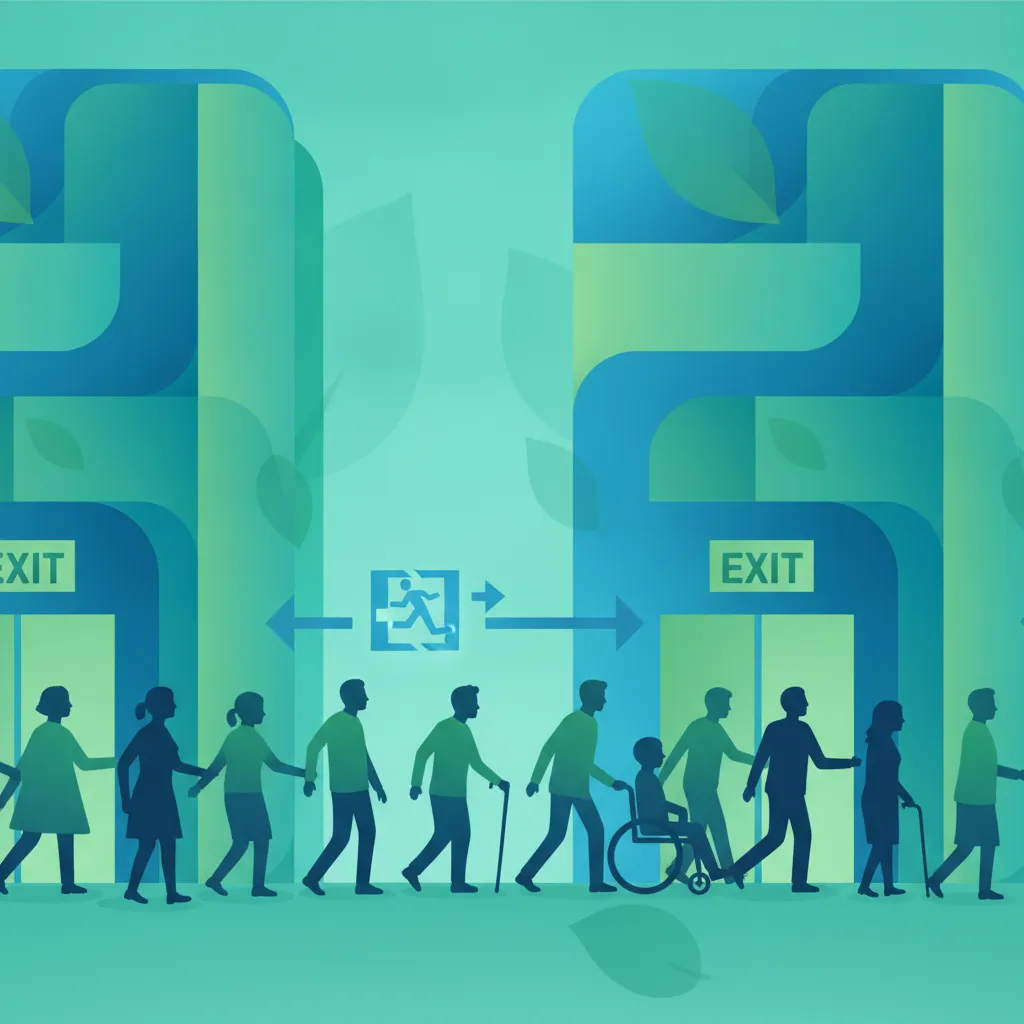
In the event of a fire or other serious danger, a driver must be able to lead an evacuation. This lesson covers the decision-making process, how to use all available emergency exits, and the importance of clear, authoritative communication to guide passengers. The goal is to move everyone to a safe location away from the vehicle and any traffic.
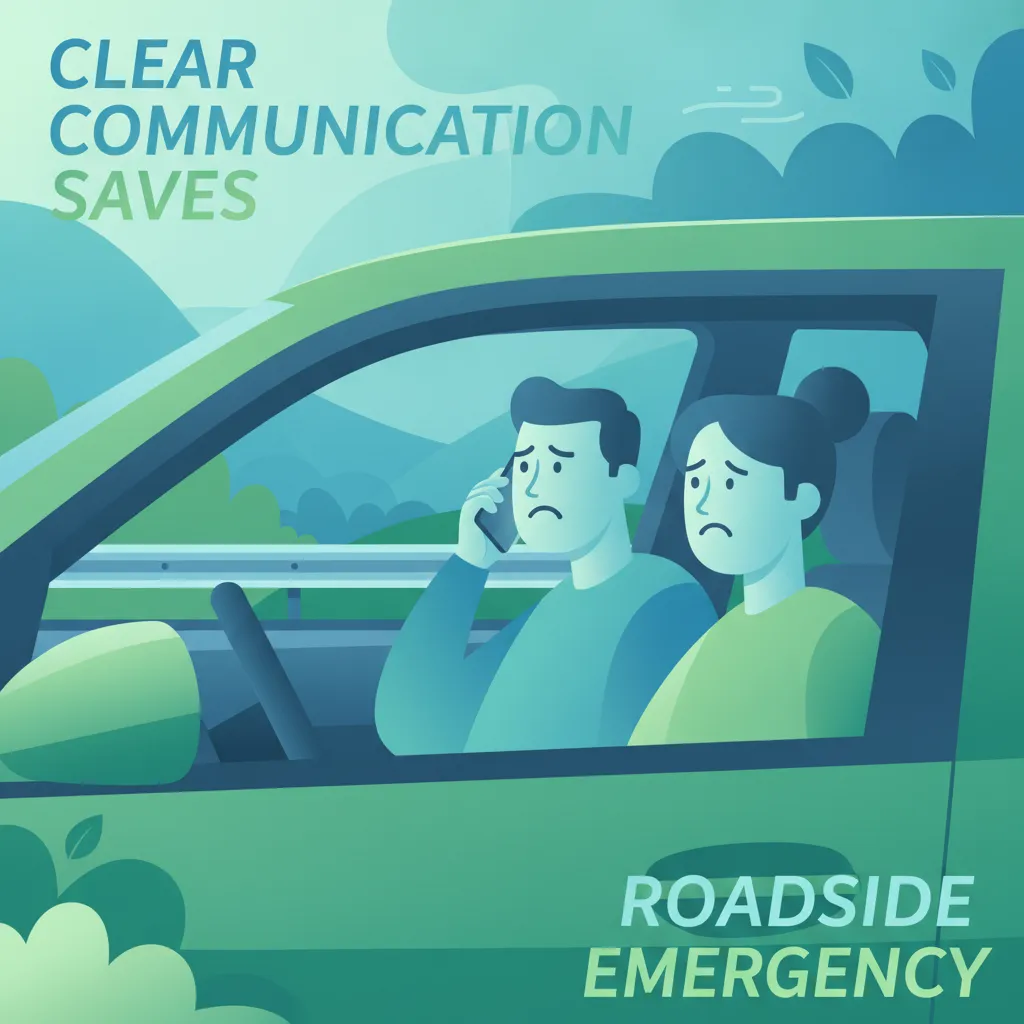
Effective communication is vital during an emergency. This lesson teaches you what critical information to provide when calling emergency services, including precise location and the nature of the incident. It also covers techniques for communicating with passengers to provide reassurance and instruction, helping to maintain calm and order.
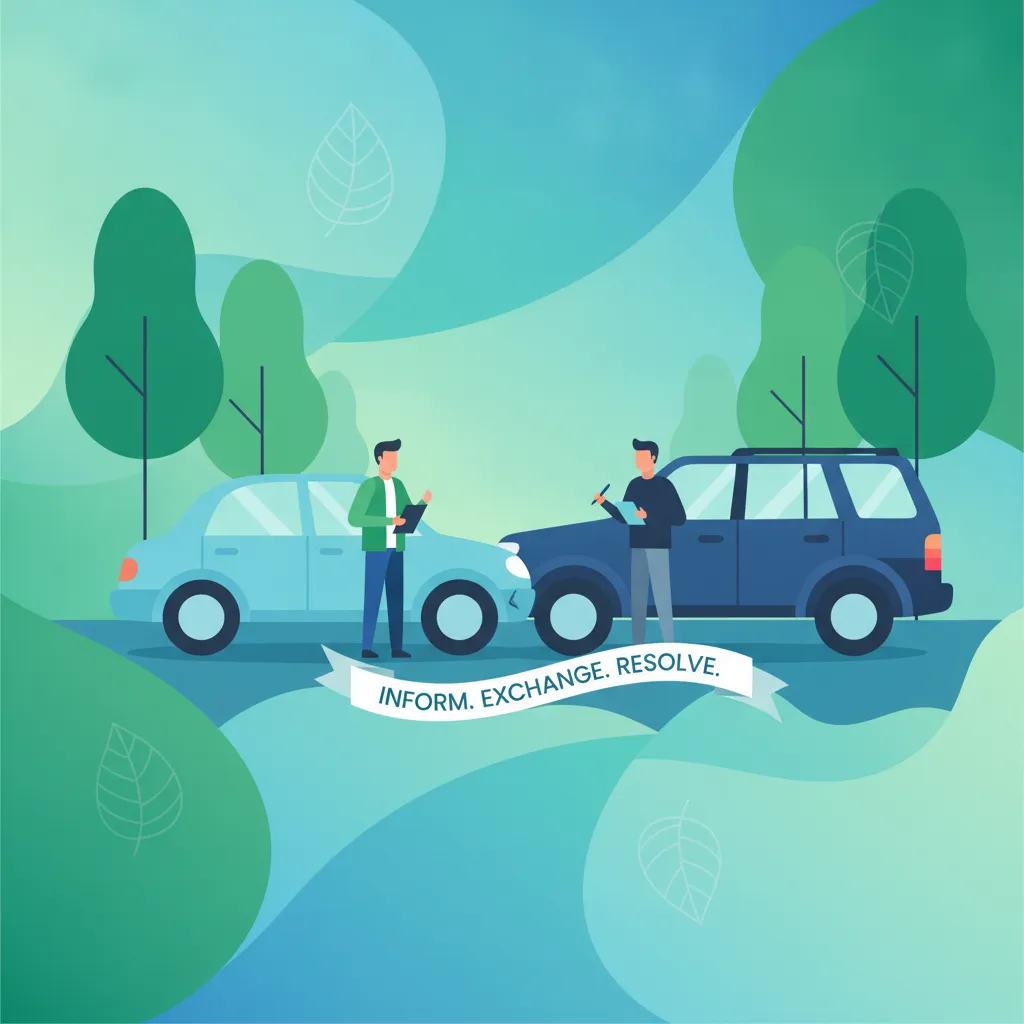
This lesson covers the immediate actions to take following a collision. The priorities are to prevent further incidents by securing the scene, to assess the situation for injuries, and to alert the emergency services. You will learn the correct procedures for making the area safe for yourself, your passengers, and other road users.
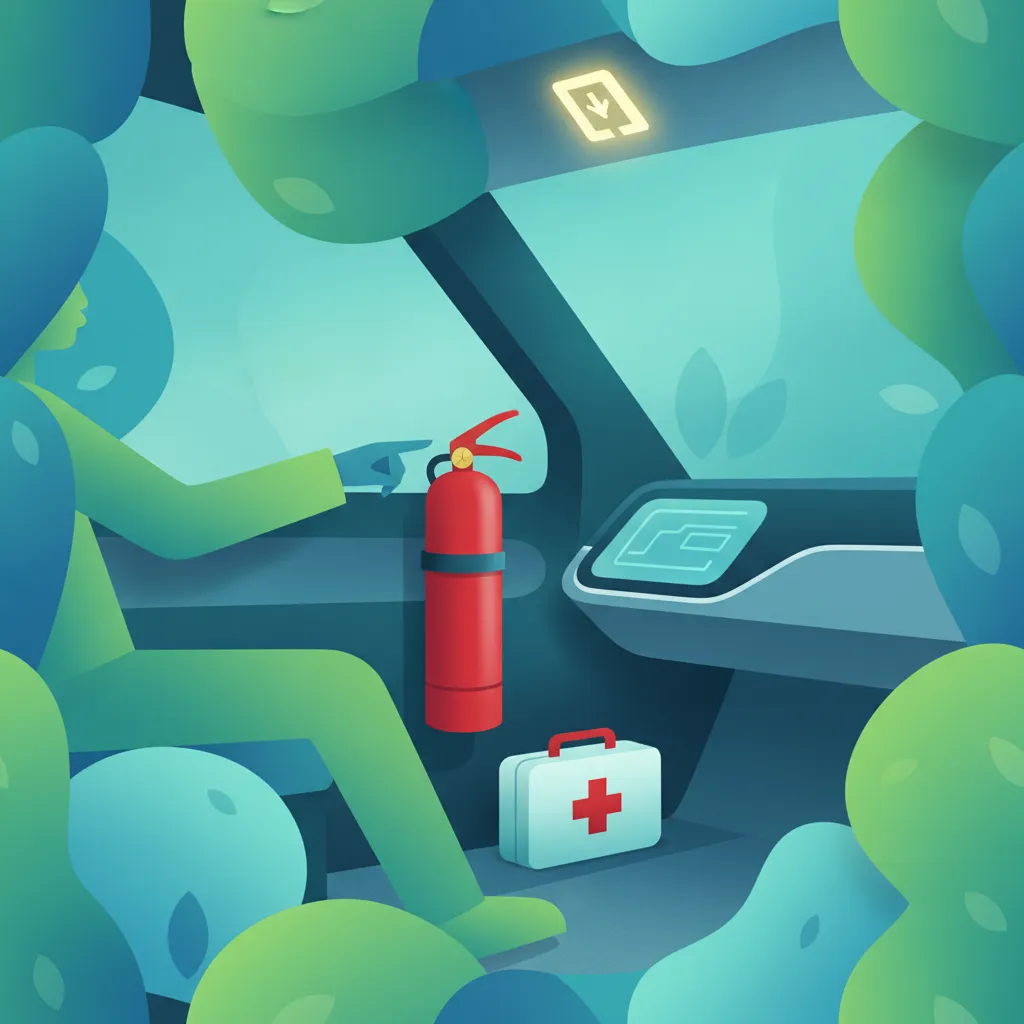
This lesson focuses on the legally required safety equipment that must be on board every passenger vehicle. You will learn how to locate and check the fire extinguisher, first aid kit, and emergency hammers. It also covers the inspection of emergency exits to ensure they are unobstructed and functional.
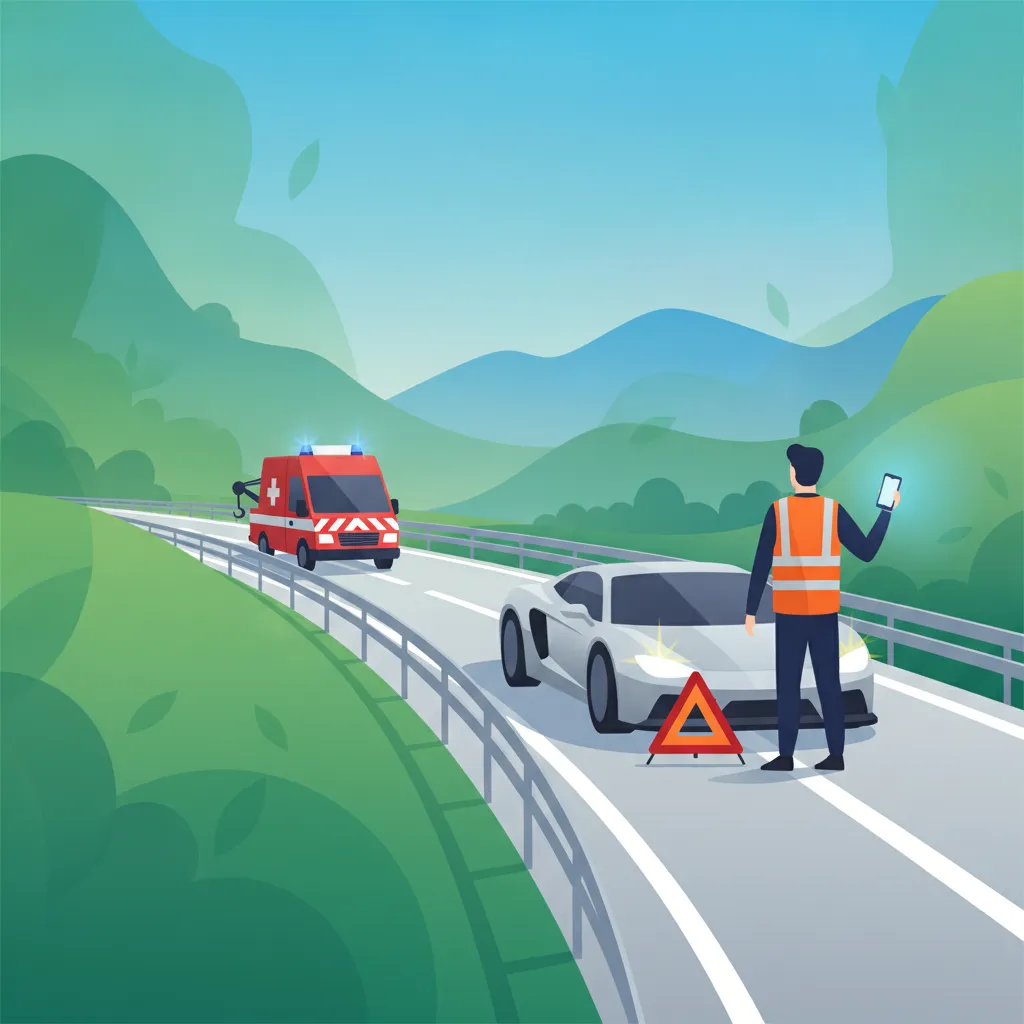
A breakdown can be a dangerous situation, especially on a busy road or motorway. This lesson provides a clear, sequential guide to follow. It includes pulling over to a safe location, activating hazard lights, placing the warning triangle, ensuring passenger safety, and contacting the appropriate services for assistance.
The driver must ensure all boarding passengers are safely on board and stable before moving off. This lesson covers managing the flow of passengers, dealing with fares or tickets efficiently, and encouraging people to move away from the doorway. The primary goal is to prevent falls that can occur if the vehicle moves prematurely.

Standing passengers are particularly vulnerable to sudden vehicle movements. This lesson covers the driver's responsibility to adapt their driving style when people are standing. It emphasizes even smoother control, heightened awareness, and clear communication to minimize the risk of falls and injuries.
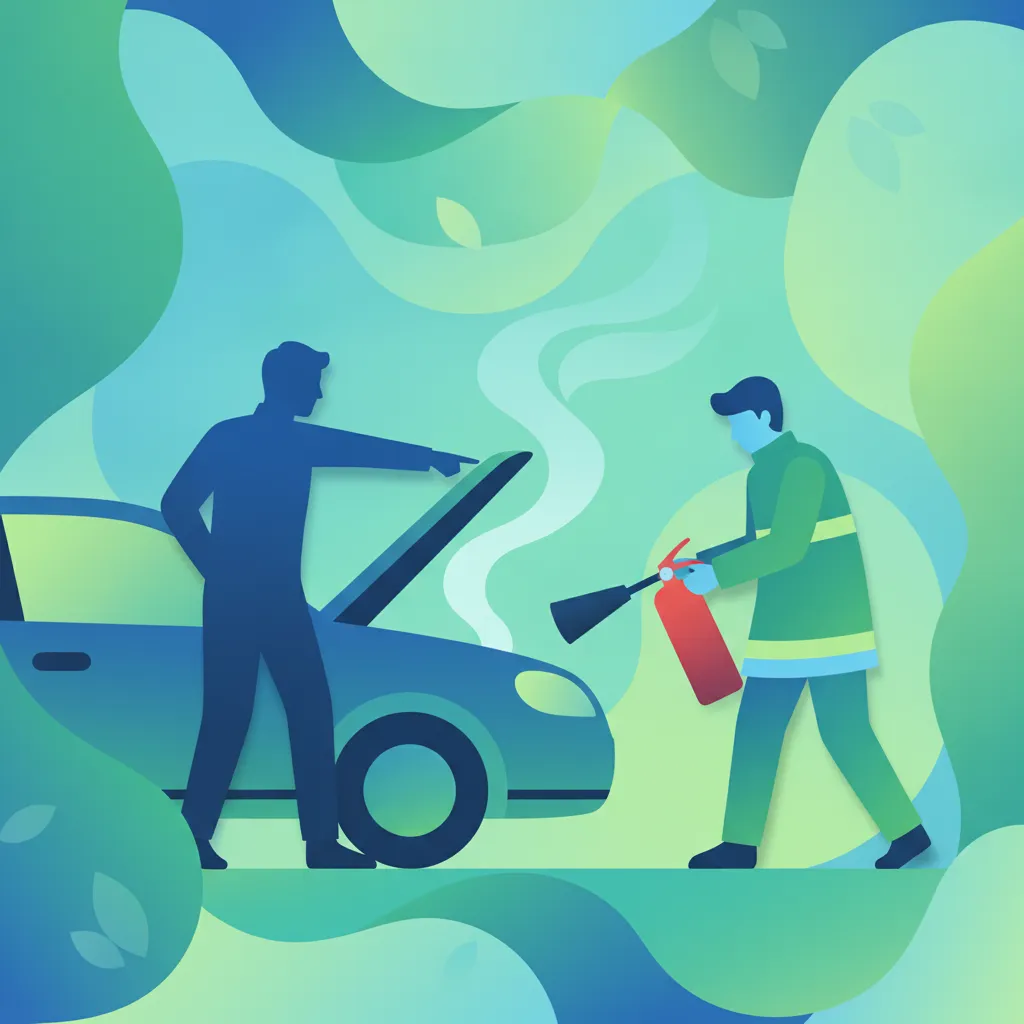
A fire on a passenger vehicle is a critical emergency. This lesson covers common fire risks and preventative checks. It provides clear instructions on if, when, and how to tackle a small fire with an on-board extinguisher, always emphasizing that passenger and driver safety is the absolute first priority.

Drivers may occasionally face difficult or disruptive passengers. This lesson introduces strategies for de-escalating potential conflicts through calm communication and professional conduct. The focus is on maintaining safety for all passengers and the driver, and knowing when and how to seek external assistance.
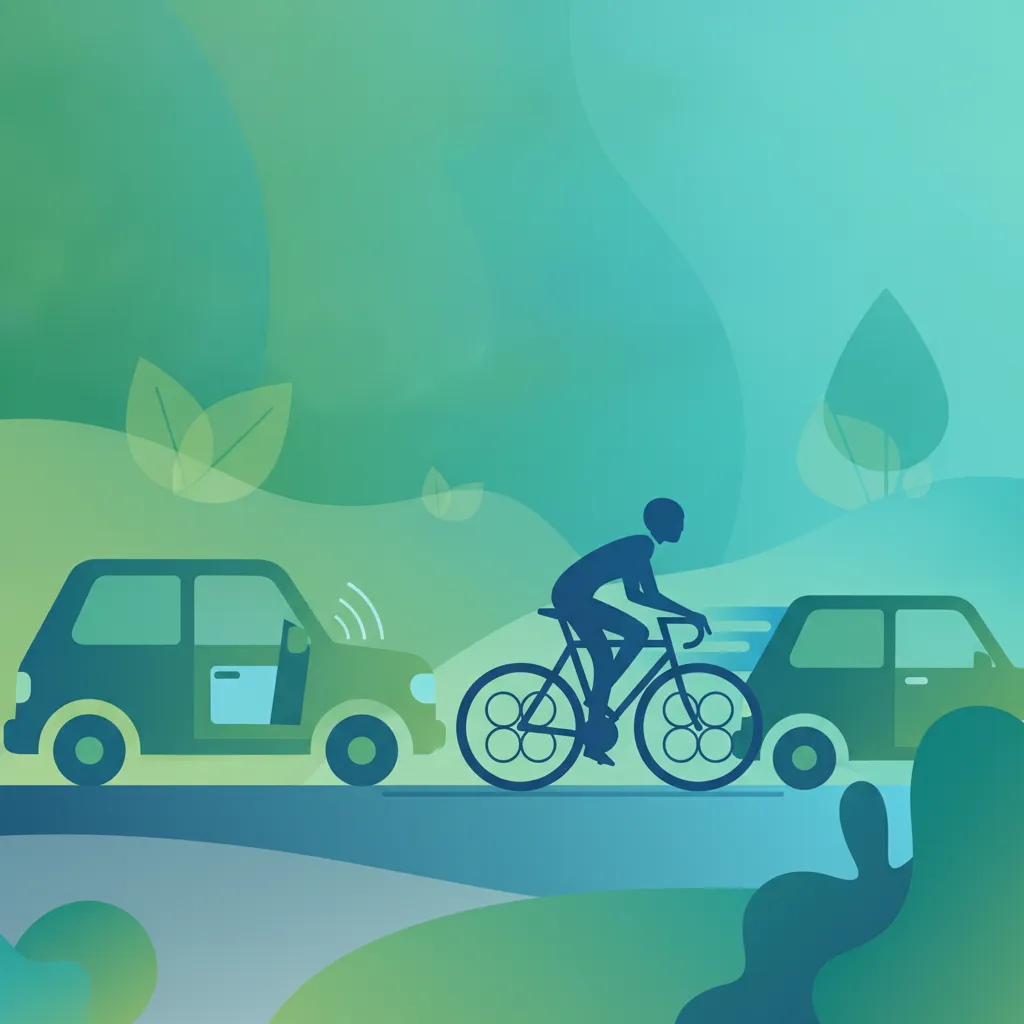
Departing from a bus stop is a high-risk manoeuvre. This lesson details the critical sequence of actions: checking all passengers are clear of the doors, performing a comprehensive mirror and blind spot check, signalling, and waiting for a safe gap in traffic. This systematic approach is essential for preventing collisions with overtaking vehicles, cyclists, or pedestrians.
Understand the legal obligations and duty of care for professional bus drivers in Switzerland regarding passenger health. Covers mandatory procedures, emergency call protocols, and documentation requirements for medical incidents on board.
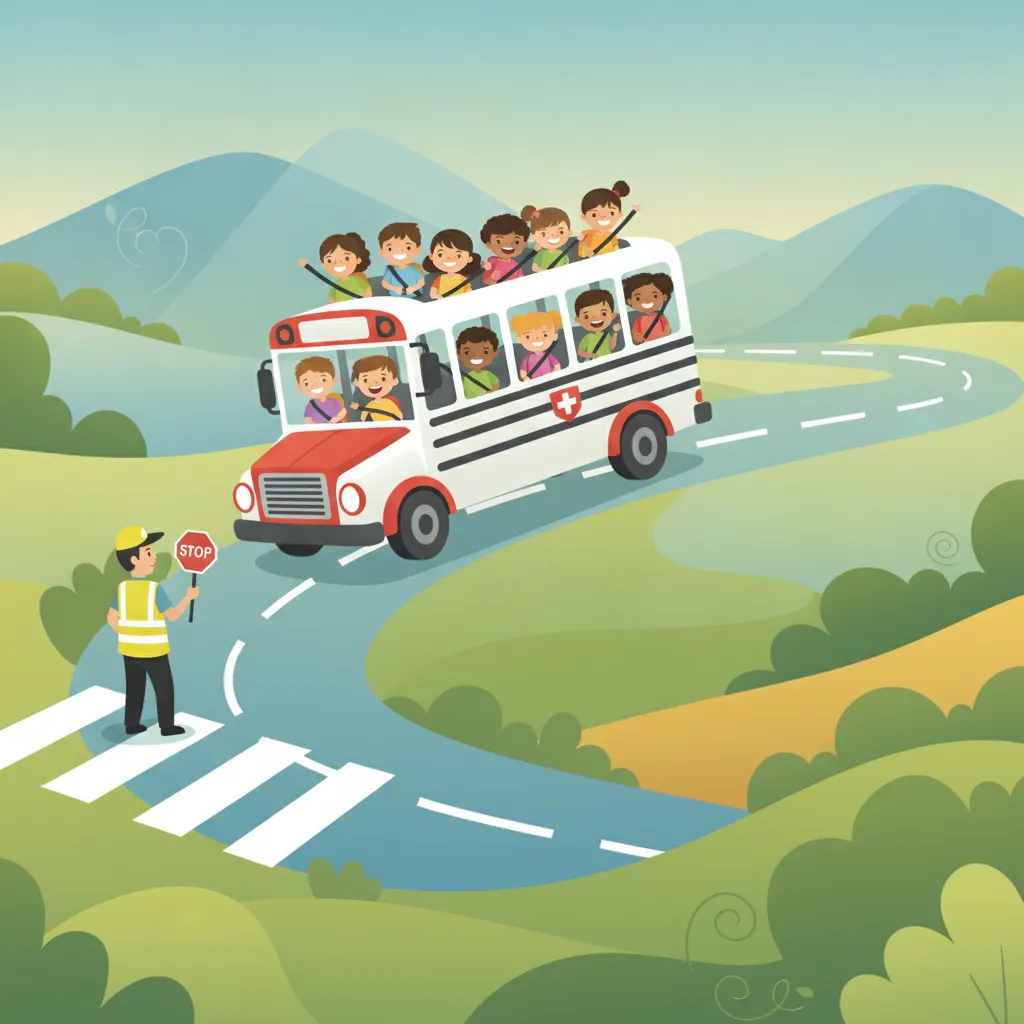
Transporting children carries the highest level of responsibility. This lesson covers the specific legal requirements for school buses in Switzerland, including the use of special signs and warning lights. It details the safe procedures for stopping, boarding, and alighting, and the driver's role in supervising children.

This lesson focuses on the heightened legal and ethical responsibilities a driver holds when carrying passengers. It explains the concept of duty of care, covering the obligation to ensure passenger safety from boarding to alighting. You will understand the potential consequences of negligence and the importance of upholding professional standards to protect every individual on board.
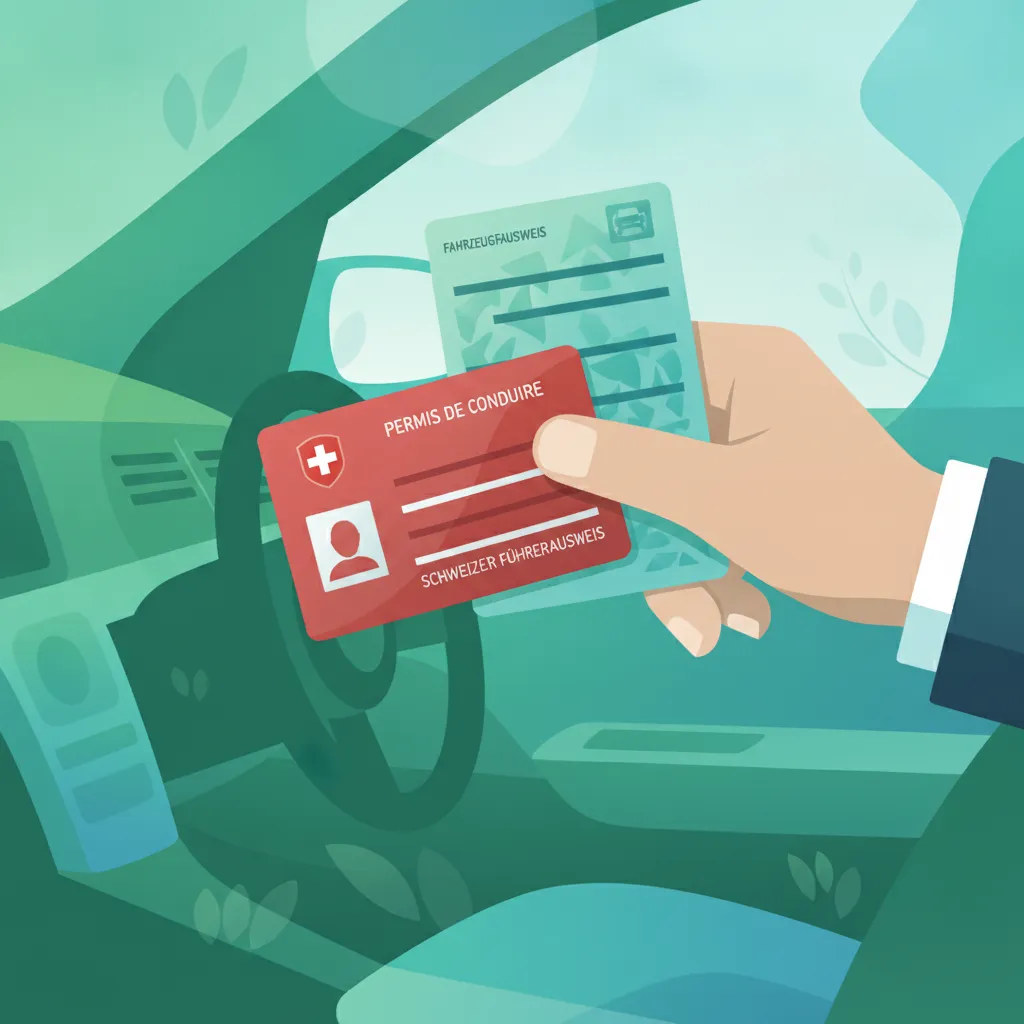
This lesson details the specific documents that must be present in the vehicle and on the driver's person during service. It covers the driving license, OACP card, vehicle registration, and tachograph records. You will learn the importance of ensuring all paperwork is current and correct to ensure legal compliance at all times.
Standing passengers are particularly vulnerable to sudden vehicle movements. This lesson covers the driver's responsibility to adapt their driving style when people are standing. It emphasizes even smoother control, heightened awareness, and clear communication to minimize the risk of falls and injuries.
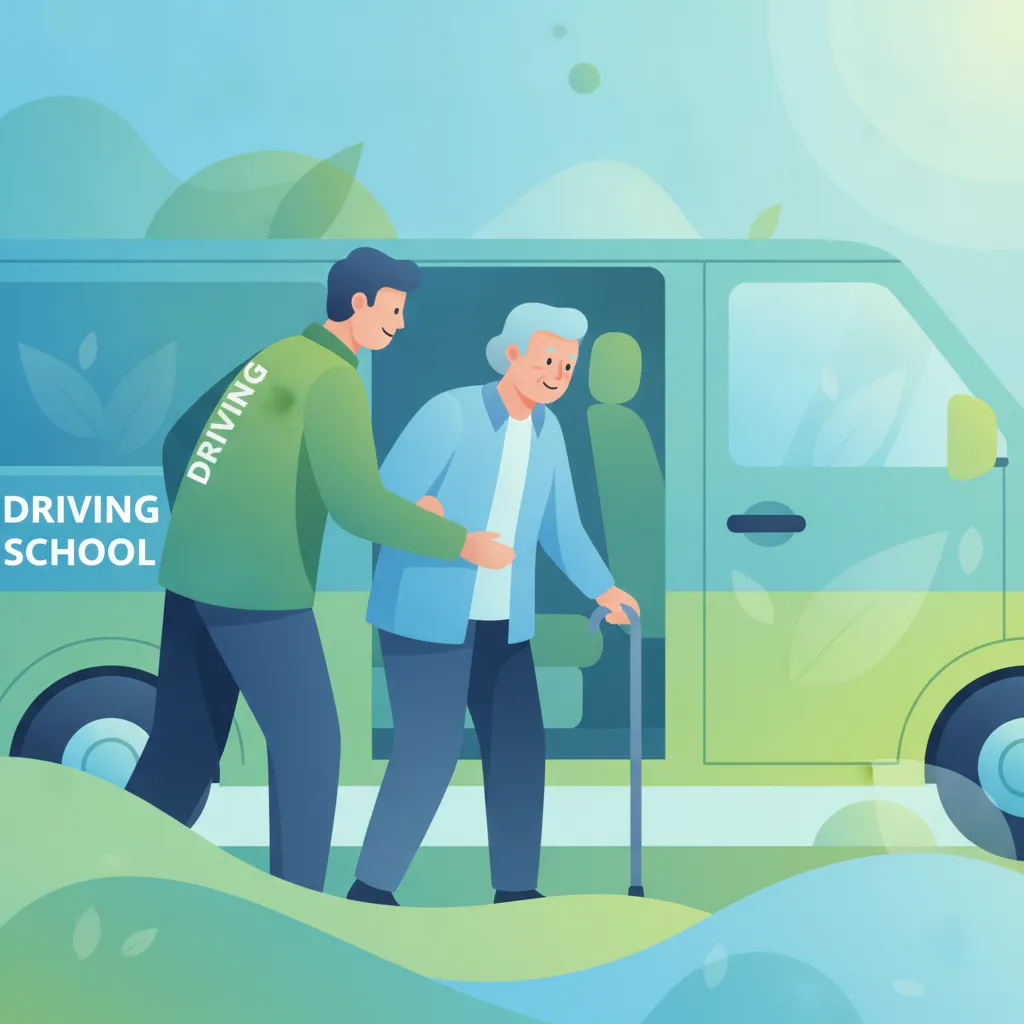
Professional drivers play a crucial role in ensuring public transport is accessible to everyone. This lesson provides guidance on how to communicate with and offer assistance to passengers with various needs. It covers best practices for helping elderly passengers, people with visual impairments, and other disabilities, always with a focus on dignity and respect.
This lesson focuses on the legally required safety equipment that must be on board every passenger vehicle. You will learn how to locate and check the fire extinguisher, first aid kit, and emergency hammers. It also covers the inspection of emergency exits to ensure they are unobstructed and functional.
The driver must ensure all boarding passengers are safely on board and stable before moving off. This lesson covers managing the flow of passengers, dealing with fares or tickets efficiently, and encouraging people to move away from the doorway. The primary goal is to prevent falls that can occur if the vehicle moves prematurely.
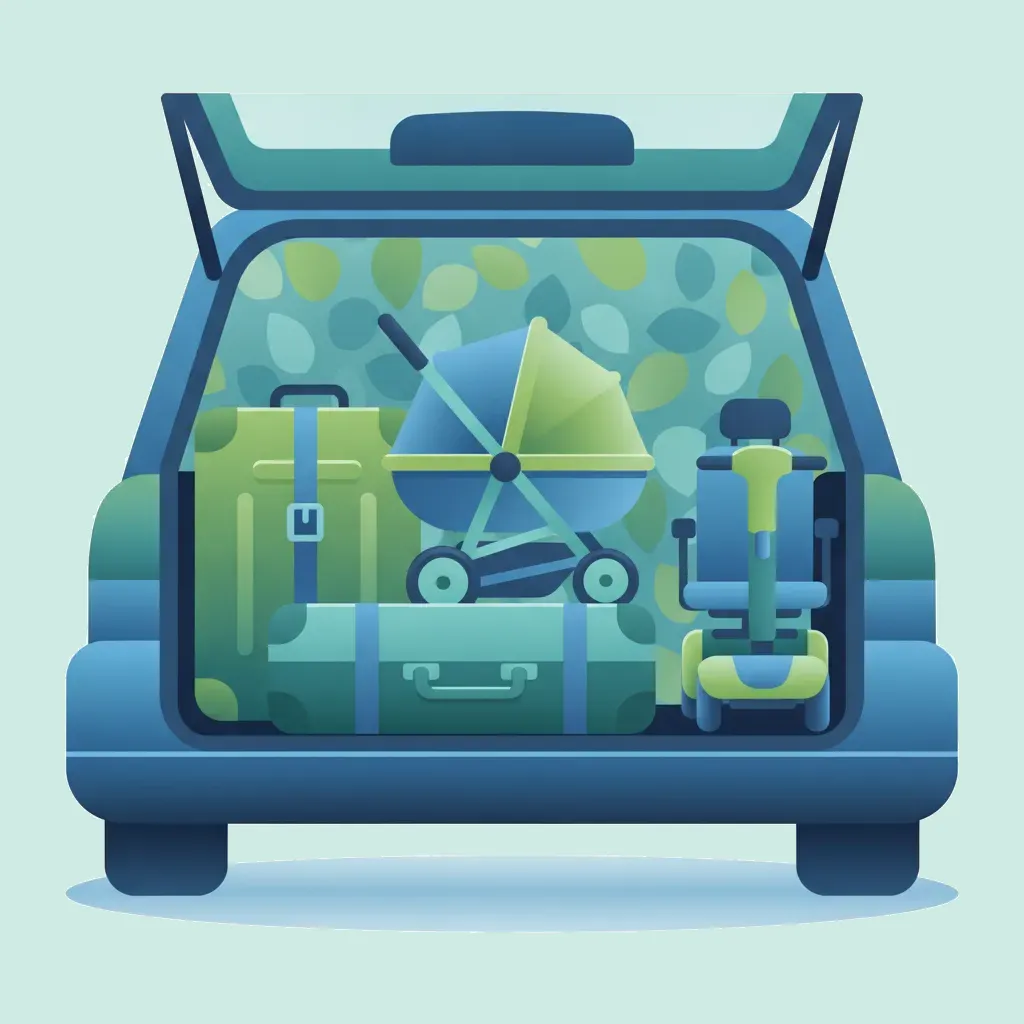
Unsecured items can become dangerous projectiles in the event of a sudden stop or collision. This lesson covers the driver's responsibility for overseeing the secure stowage of passenger belongings. It includes rules for using luggage compartments on coaches and designated spaces for prams and mobility aids on city buses.
This lesson covers the immediate actions to take following a collision. The priorities are to prevent further incidents by securing the scene, to assess the situation for injuries, and to alert the emergency services. You will learn the correct procedures for making the area safe for yourself, your passengers, and other road users.
In the event of a fire or other serious danger, a driver must be able to lead an evacuation. This lesson covers the decision-making process, how to use all available emergency exits, and the importance of clear, authoritative communication to guide passengers. The goal is to move everyone to a safe location away from the vehicle and any traffic.
Find clear answers to common questions learners have about Responding to On-Board Medical Emergencies and Passenger Illness. Learn how the lesson is structured, which driving theory objectives it supports, and how it fits into the overall learning path of units and curriculum progression in Switzerland. These explanations help you understand key concepts, lesson flow, and exam focused study goals.
Your first priority is to bring the bus to a safe and controlled stop at a suitable location. Ensure the vehicle is secure before attending to the passenger or calling for emergency assistance.
You should call 144 for medical emergencies or 112 as the general European emergency number. Always have your precise location and clear details about the passenger's condition ready.
You are not expected to be a medical professional, but you are required to provide 'first aid' within your limits and ensure that professional help is summoned immediately. Your main duty is to provide a safe environment and follow instructions from emergency dispatchers.
Exam questions often test your decision-making sequence, such as whether to stop immediately in a traffic lane or proceed to the next bus stop. Always prioritize safety and legal protocol.
Pinpoint specific Swiss traffic rules, road signs, or driving situations you need to master. Use the practice search to start a focused revision session now and build confidence for your official driving theory exam.