
This lesson guides you through the critical immediate actions required to secure the scene of an accident. As a professional Category D driver, you must be prepared to manage emergencies, protect your passengers, and coordinate with emergency services in accordance with Swiss road traffic legislation.
Lesson content overview
As a professional driver holding a Swiss Category D Driving License, you are entrusted with the safety of your passengers and other road users. In the unfortunate event of a collision, your immediate actions at the scene are critical. This lesson details the essential procedures for securing an accident site, minimizing further risks, and ensuring the well-being of everyone involved. Understanding and correctly applying these protocols can prevent secondary incidents, facilitate timely rescue efforts, and fulfill your legal obligations.
The concept of "duty of care" is a fundamental legal and ethical responsibility that requires you to act with reasonable prudence to avoid harm to others. For professional bus and coach drivers, this duty is significantly heightened due to the number of lives entrusted to your care and the larger size and potential impact of your vehicle. Immediately following a collision, your primary objective is to protect your passengers, other road users, and property by taking swift, decisive action.
This professional duty means you cannot simply react; you must proactively manage the situation. Your actions should be guided by the principle of prioritizing safety above all else, ensuring that the scene is made safe before any other considerations. Failing to exercise this duty can lead to severe legal consequences, including fines, license penalties, and liability for damages.
The moments directly following a collision are often chaotic, but a structured approach can help you manage the situation effectively. Your first priority must always be to prevent further harm and protect lives.
Stop Safely and Secure the Vehicle: Bring your bus or coach to a controlled stop, if possible, in a position that does not further endanger traffic. Engage the parking brake and switch off the engine to prevent accidental movement or potential fire hazards.
Activate Hazard Warning Lights: Immediately activate your vehicle's hazard warning lights (flashers). This is a crucial first step to alert other road users to the presence of a stationary hazard, especially in low visibility or high-speed environments.
Assess for Injuries (Quick Check): Before exiting the vehicle, quickly assess the situation for obvious injuries among your passengers and yourself. Ask passengers if they are injured, note any visible wounds, and observe for signs of distress or unconsciousness. This initial assessment helps determine the urgency of medical assistance.
Ensure Passenger Safety: Instruct passengers to remain calm and seated unless there is an immediate danger (e.g., fire). If evacuation is necessary, direct them to the safest possible location, away from traffic and the damaged vehicle. Never allow passengers to simply exit onto a busy roadway without guidance.
Secure the Accident Scene: Exit the vehicle cautiously. Deploy warning triangles or other reflective devices at the legally required distances to warn approaching traffic. This is particularly vital on motorways or in poor visibility. If safe to do so, move any minor debris from the roadway.
Notify Emergency Services: As soon as the immediate scene is secured and injuries have been assessed, contact emergency services. Dial 117 for the police and 144 for an ambulance if there are injuries or a suspicion of hidden injuries. Provide clear, concise information about your location, the nature of the accident, and the number of injured persons.
Manage the Scene (Ongoing): Continue to monitor the situation, provide reassurance to passengers, and cooperate fully with emergency personnel upon their arrival. Do not move injured persons unless absolutely necessary for their immediate safety (e.g., risk of fire).
In Switzerland, specific laws and regulations govern a driver's conduct after an accident. Adhering to these is not only a matter of safety but also a legal obligation. The Swiss Road Traffic Act (SVG) and Swiss Traffic Regulations (VTS) outline these requirements.
Upon stopping your bus or coach on a public road due to an accident or breakdown, you are legally obligated to activate your vehicle's hazard warning lights. These flashing lights serve as an immediate visual alert to other drivers, signaling a potential obstruction or danger ahead. This applies on all road types, regardless of traffic volume or time of day. Failure to activate hazard lights can increase the risk of subsequent collisions and may result in penalties.
The placement of warning triangles is a critical element of scene security, especially on roads with higher speed limits. These portable reflective devices significantly increase the visibility of your stopped vehicle to approaching traffic, allowing them sufficient time to react.
A portable, reflective, equilateral triangle used to warn other road users of a stationary vehicle or obstruction ahead.
The distances for placement are stipulated by Swiss law:
Always approach the placement of a warning triangle with caution. Face oncoming traffic, walk on the shoulder or behind a barrier if available, and ensure you are visible to other drivers.
Prompt notification of emergency services is a non-negotiable duty. The decision to call police or medical services is based on the severity of the incident.
The act of reporting an accident to law enforcement authorities.
The act of contacting ambulance or other emergency medical personnel for assistance.
Delaying contact with emergency services can have serious repercussions, including worsening injuries for those involved and potential legal penalties for failing to fulfill your duty. Even if injuries seem minor at first, they can worsen over time.
Beyond traffic control, managing your passengers is a crucial aspect of scene security. As a Category D driver, you are responsible for their well-being.
Your bus is equipped with a fire extinguisher. It should only be used if there is an actual fire or an immediate, visible risk of fire (e.g., sparks, smoke, fuel leak near hot engine parts).
Effective hazard management involves using all available equipment and techniques to make the accident scene as visible and safe as possible.
These lights are your first line of defense. They flash simultaneously to draw attention to your vehicle. Ensure they are activated immediately after stopping and remain on until the scene is secured by emergency personnel.
As discussed, warning triangles are essential. Consider carrying additional reflective devices or cones if your vehicle is equipped, especially if the accident occurs on a bend, hill, or in conditions of poor visibility.
At night or in foggy conditions, standard hazard lights may not be sufficient. If your bus has auxiliary lights (e.g., fog lights, emergency flashers beyond standard hazards), activate them to further increase visibility. If safe to do so, internal lights can also provide some illumination for passengers and improve interior visibility for rescuers.
If you need to exit the vehicle to secure the scene or assist passengers, wear a high-visibility vest if one is available in the bus. This will make you more noticeable to other drivers and reduce your risk of being struck.
Accidents rarely happen in ideal conditions, and professional drivers must be prepared for various scenarios.
Errors in post-accident procedures can escalate an already serious situation. Be mindful of these common pitfalls:
Understanding the direct consequences of your actions (or inactions) reinforces the importance of correct procedures:
Securing the scene of an accident is one of the most critical responsibilities for a professional bus or coach driver. It requires a calm head, adherence to legal procedures, and a strong commitment to your duty of care. By following the steps outlined in this lesson – activating hazard lights, placing warning triangles correctly, assessing injuries, notifying emergency services, and managing passengers effectively – you can significantly mitigate risks, protect lives, and ensure a more orderly and safe resolution to an unfortunate incident. Your ability to act professionally and decisively in these challenging moments is a hallmark of your expertise and dedication as a Swiss Category D driver.
This lesson teaches professional Category D drivers the essential procedures for securing an accident scene in Switzerland, emphasizing that the first priorities are preventing further harm through hazard lights and warning triangles before addressing injuries and notifying emergency services. Swiss law mandates specific distances for warning triangle placement depending on road type, and drivers must notify police (117) for injuries, significant damage, or traffic obstruction, while calling ambulance (144) whenever injuries are present or suspected. Passenger management is a critical duty—keep passengers calm and seated unless immediate evacuation is necessary—and the scene must never be left unattended while passengers remain on board. Proper scene securing not only fulfills legal obligations under the Swiss Road Traffic Act (SVG) and Traffic Regulations (VTS) but actively prevents secondary collisions that could compound the incident.
A short set of high-value points that capture the most important learning from this lesson.
Immediate activation of hazard lights is the first mandatory action to alert other road users of a stationary hazard.
Warning triangle placement distances are legally defined: 50-100 meters on motorways/expressways, approximately 30 meters ahead and behind on other roads.
The correct priority sequence after stopping is: secure vehicle, activate hazard lights, assess injuries, ensure passenger safety, deploy warning devices, then notify emergency services.
Police must be called (117) for any injuries, significant damage, traffic obstruction, or suspicion of criminal offense, while ambulance (144) is required when injuries are present or suspected.
As a professional Category D driver, your duty of care extends to proactively managing the scene to prevent secondary collisions and protect all road users.
Explore all units and lessons included in this driving theory course.
Dial 117 for police and 144 for ambulance; in Switzerland, do not use the European 112 for non-cross-border emergencies.
Never leave the bus unattended with passengers inside unless there is an extreme emergency such as uncontrollable fire.
Use the P.A.S.S. technique for fire extinguishers: Pull, Aim, Squeeze, Sweep, and only use when there is an actual fire or immediate fire risk.
Approach warning triangle placement facing oncoming traffic and stay on the shoulder or behind barriers when available.
Evacuate passengers only when there is immediate danger; otherwise, the bus itself provides the safest environment from passing traffic.
Forgetting to activate hazard lights, particularly during daylight, which significantly increases the risk of rear-end collisions.
Placing warning triangles too close or failing to place them at all on high-speed roads where drivers need maximum reaction time.
Allowing passengers to exit onto a busy roadway without guidance, creating additional hazards from panicked movement.
Delaying contact with emergency services because injuries appear minor; hidden injuries such as internal bleeding or concussion can worsen over time.
Attempting to drive or move a bus with compromised brakes, steering, or structural damage, which can lead to another accident.
Lesson content overview
A short set of high-value points that capture the most important learning from this lesson.
Immediate activation of hazard lights is the first mandatory action to alert other road users of a stationary hazard.
Warning triangle placement distances are legally defined: 50-100 meters on motorways/expressways, approximately 30 meters ahead and behind on other roads.
The correct priority sequence after stopping is: secure vehicle, activate hazard lights, assess injuries, ensure passenger safety, deploy warning devices, then notify emergency services.
Police must be called (117) for any injuries, significant damage, traffic obstruction, or suspicion of criminal offense, while ambulance (144) is required when injuries are present or suspected.
As a professional Category D driver, your duty of care extends to proactively managing the scene to prevent secondary collisions and protect all road users.
Explore all units and lessons included in this driving theory course.
Dial 117 for police and 144 for ambulance; in Switzerland, do not use the European 112 for non-cross-border emergencies.
Never leave the bus unattended with passengers inside unless there is an extreme emergency such as uncontrollable fire.
Use the P.A.S.S. technique for fire extinguishers: Pull, Aim, Squeeze, Sweep, and only use when there is an actual fire or immediate fire risk.
Approach warning triangle placement facing oncoming traffic and stay on the shoulder or behind barriers when available.
Evacuate passengers only when there is immediate danger; otherwise, the bus itself provides the safest environment from passing traffic.
Forgetting to activate hazard lights, particularly during daylight, which significantly increases the risk of rear-end collisions.
Placing warning triangles too close or failing to place them at all on high-speed roads where drivers need maximum reaction time.
Allowing passengers to exit onto a busy roadway without guidance, creating additional hazards from panicked movement.
Delaying contact with emergency services because injuries appear minor; hidden injuries such as internal bleeding or concussion can worsen over time.
Attempting to drive or move a bus with compromised brakes, steering, or structural damage, which can lead to another accident.
Explore search topics learners often look for when studying Securing the Scene of an Accident. These topics reflect common questions about road rules, driving situations, safety guidance, and lesson level theory preparation for learners in Switzerland.
Browse additional driving theory lessons that cover connected traffic rules, road signs, and common driving situations related to this topic. Improve your understanding of how different rules interact across everyday traffic scenarios.
Understand your legal and professional obligations following a road traffic accident in Switzerland. This lesson details essential procedures for securing the scene, managing passengers, and notifying emergency services, crucial for Category D drivers.
This lesson covers essential first aid skills and the procedures for reporting accidents in Switzerland. It details the use of emergency numbers 112 and 144, the correct placement of warning triangles, and the use of high-visibility vests. The content outlines the steps for securing an accident scene, providing assistance, and coordinating with emergency services.
After stopping for an emergency, making the scene safe is the top priority. This lesson details the procedure: activate hazard warning lights, put on high-visibility clothing before exiting the cab, and place the warning triangle at the correct distance behind the vehicle (at least 100m on motorways). This warns approaching traffic and creates a safer environment for the driver and emergency responders.
This lesson provides a structured guide for managing the scene of a road traffic accident. It covers the internationally recognized priorities: assess for danger, make the scene safe, send for help by calling emergency services (112), and provide first aid to the injured if trained to do so. It also details the legal requirement to stop and exchange information after being involved in a collision.
Effective communication is vital during an emergency. This lesson teaches you what critical information to provide when calling emergency services, including precise location and the nature of the incident. It also covers techniques for communicating with passengers to provide reassurance and instruction, helping to maintain calm and order.
This lesson outlines the steps a driver should take when a passenger becomes ill or requires medical attention. It covers safely stopping the vehicle, making an emergency call to the correct number (144/112), and providing basic assistance until professional help arrives. The focus is on a calm, systematic response to a stressful situation.
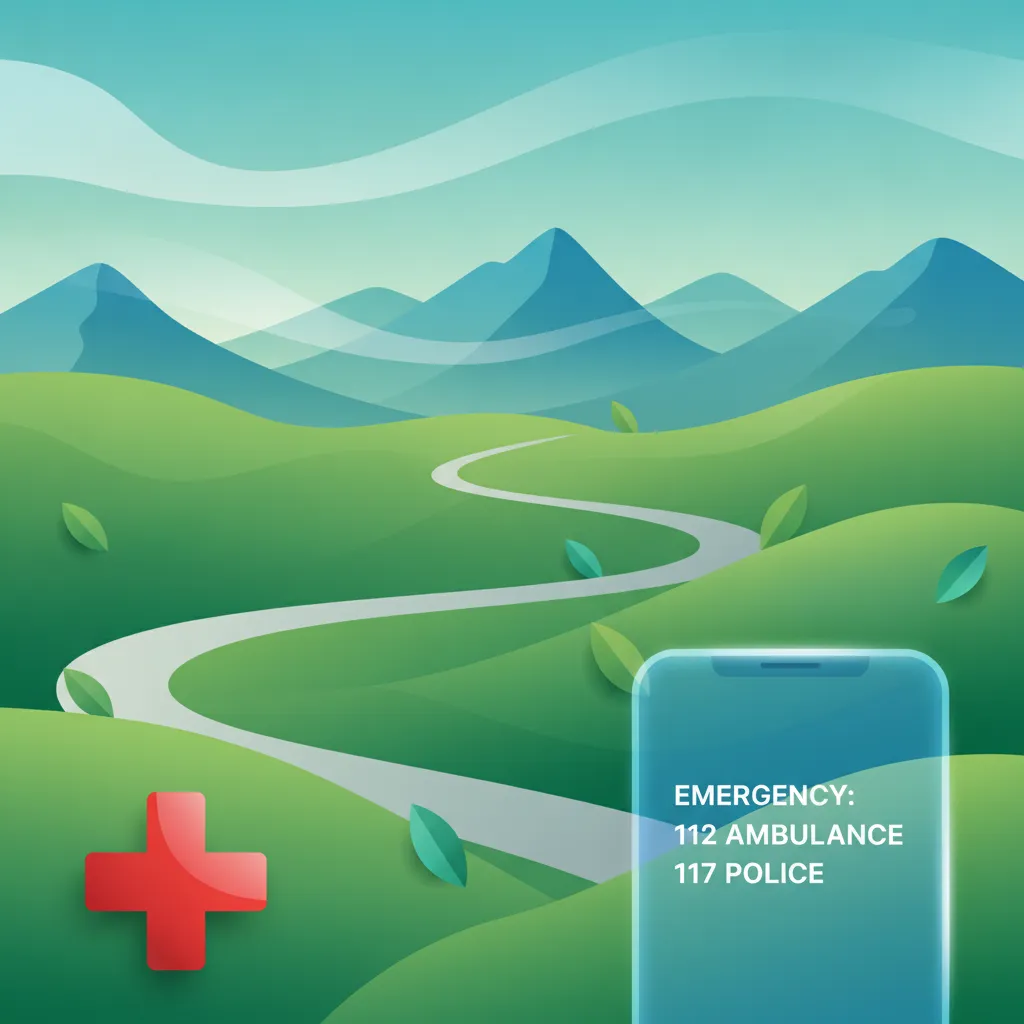
This lesson equips riders with essential knowledge for responding to an accident. It covers how to secure the scene to prevent further incidents, assess any casualties, and provide basic first aid. Crucially, it explains the difference between the general emergency number (112) and the medical emergency number (144) and what information to give the operator.
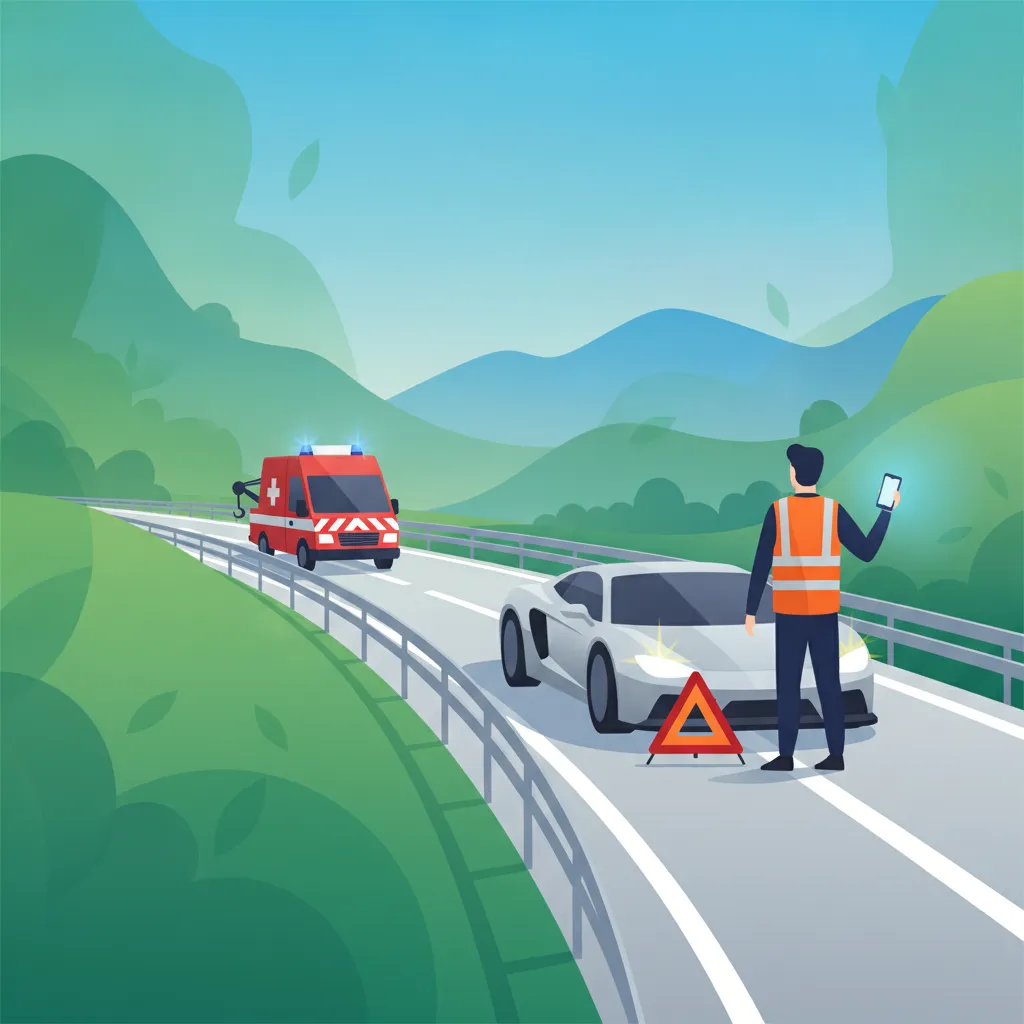
A breakdown can be a dangerous situation, especially on a busy road or motorway. This lesson provides a clear, sequential guide to follow. It includes pulling over to a safe location, activating hazard lights, placing the warning triangle, ensuring passenger safety, and contacting the appropriate services for assistance.

Losing part of a load on the road creates an immediate and serious hazard for other drivers. This lesson outlines the driver's responsibilities: stop in a safe place, assess the situation from a safe distance, and immediately alert the police. The driver's primary role is to warn other road users and not to attempt to retrieve the load from a live carriageway.
This lesson clarifies the legal requirements for reporting traffic incidents in Switzerland. It provides guidance on how to interact with police and emergency personnel, providing clear and accurate information. Understanding these procedures helps ensure the incident is documented correctly for legal and insurance purposes.
In the event of a fire or other serious danger, a driver must be able to lead an evacuation. This lesson covers the decision-making process, how to use all available emergency exits, and the importance of clear, authoritative communication to guide passengers. The goal is to move everyone to a safe location away from the vehicle and any traffic.
Learn to identify and mitigate risks at accident scenes, from weather and road conditions to vehicle issues like fuel leaks. This lesson covers essential hazard management techniques and equipment for professional Category D drivers in Switzerland.
A stopped bus creates a significant visual obstruction for other road users. This lesson focuses on the risk of pedestrians stepping out from in front of the bus and cyclists passing unexpectedly on either side. It reinforces the need for exhaustive mirror and blind spot checks before moving off to prevent tragic 'pull-away' accidents.
Bus stops are magnets for activity and potential hazards. This lesson trains you to anticipate dangers such as pedestrians running for the bus, cyclists passing on the inside, and cars attempting to overtake. Developing heightened situational awareness is key to preventing accidents in these busy environments.
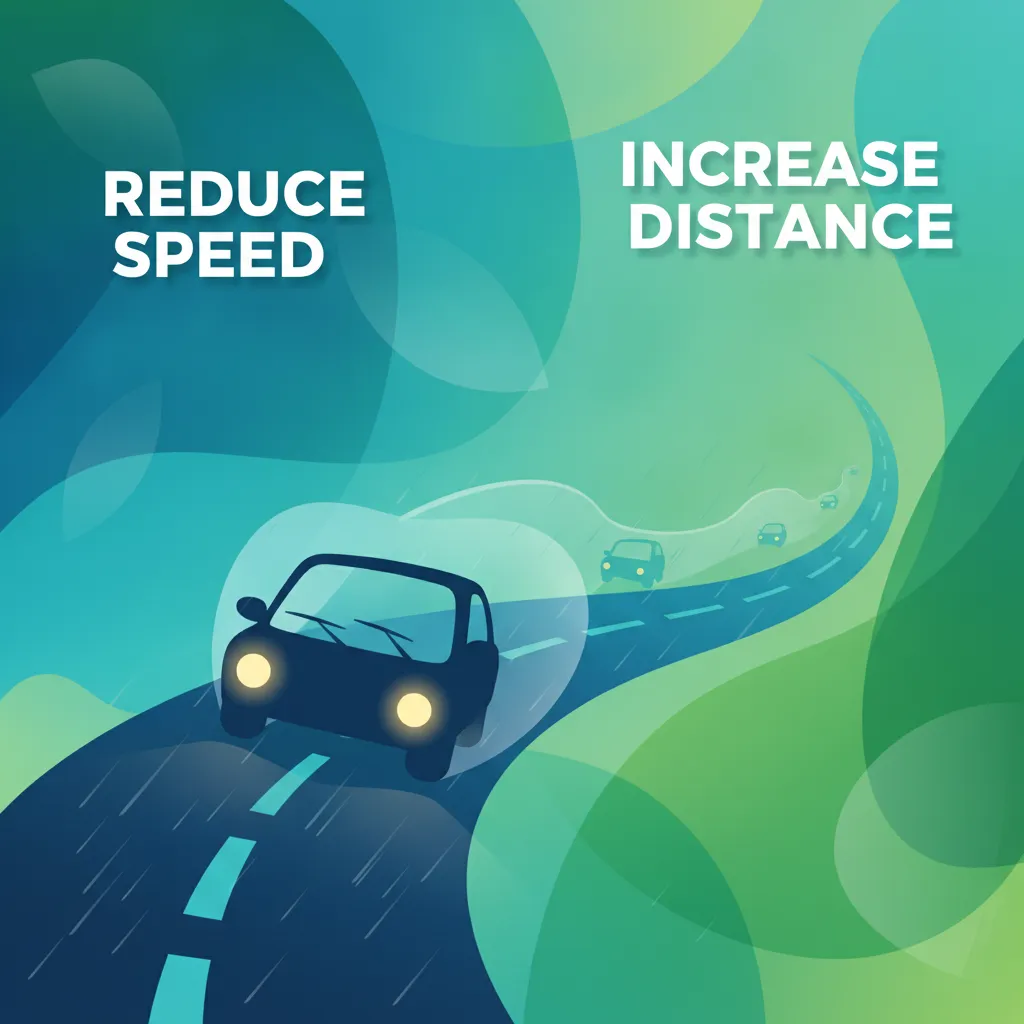
Weather has a profound impact on vehicle handling and visibility. This lesson teaches you how to reduce speed, increase following distances, and use controls smoothly to maintain traction in poor conditions. It also covers the legal requirements and practical application of snow chains in winter.
Terminals and depots are busy environments with other large vehicles, maintenance staff, and cleaning crews. This lesson focuses on the specific hazards present in these off-road locations. It emphasizes adherence to site-specific rules, maintaining low speeds, and being highly aware of people working around vehicles.

Buses and coaches have significant blind spots to the front, sides, and rear. This lesson maps out these 'no-zones' and teaches a continuous and active scanning process using all available mirrors and direct vision. The goal is to minimize the time any other road user spends undetected in a blind spot.

This lesson moves beyond simply staying within the lines, teaching how to actively position your vehicle within the lane to manage risk. You will learn to create a 'safety cushion' of space around your bus. This proactive approach improves your reaction time and gives other road users more space, reducing the likelihood of conflicts.
Tourists are often unfamiliar with local traffic rules and may be distracted by sightseeing, leading to unpredictable behavior. This lesson teaches drivers to be extra cautious in these zones. It focuses on anticipating sudden crossings, being aware of other tour vehicles, and maintaining a large safety bubble around the bus.
The approach to a stop sets the stage for a safe passenger exchange. This lesson covers signalling in good time, decelerating smoothly, and aiming for a final position that is close and parallel to the kerb. Proper positioning minimizes the step for passengers and prevents them from having to step into traffic.
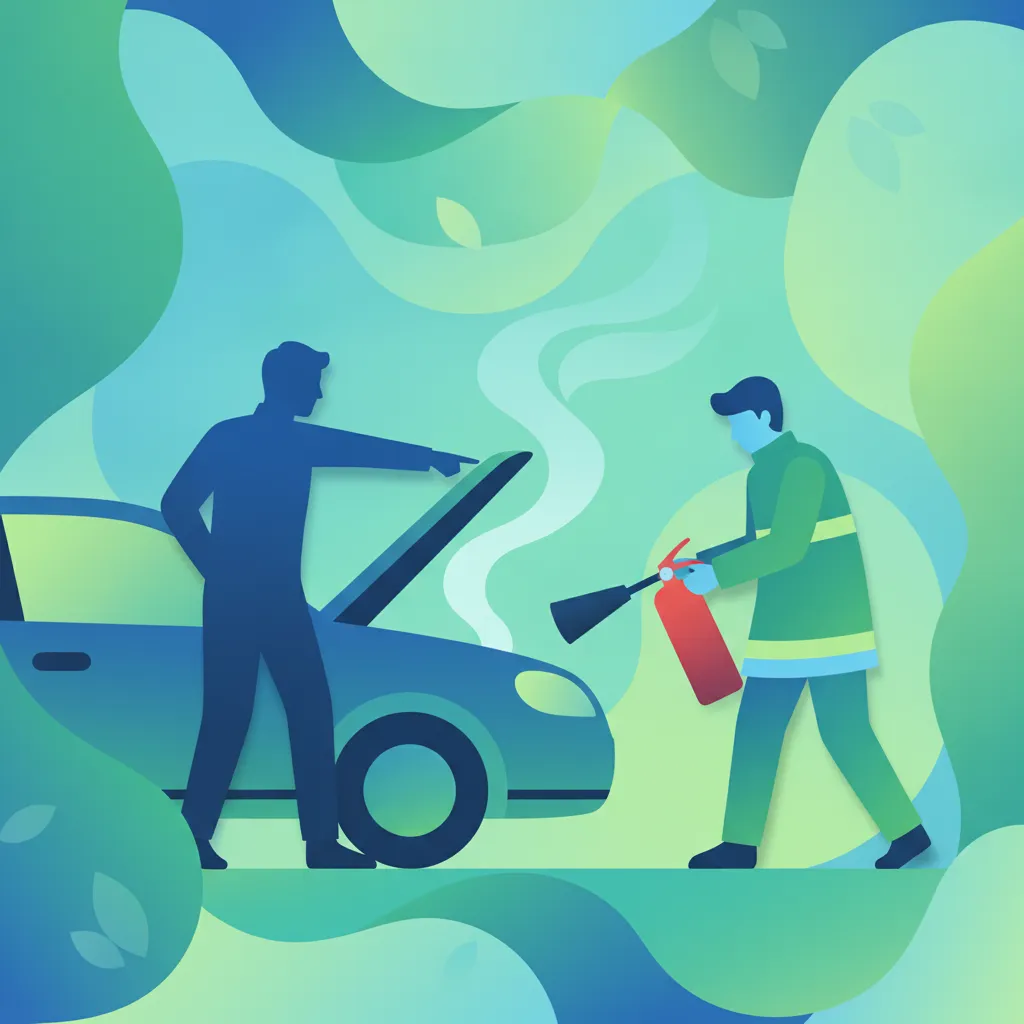
A fire on a passenger vehicle is a critical emergency. This lesson covers common fire risks and preventative checks. It provides clear instructions on if, when, and how to tackle a small fire with an on-board extinguisher, always emphasizing that passenger and driver safety is the absolute first priority.

Modern bus doors are equipped with safety features, but the driver remains ultimately responsible. This lesson covers the correct procedures for opening and closing doors, emphasizing the need to check that no person or item is at risk of being trapped. It also explains how brake interlock systems work to prevent the bus from moving while doors are open.
Find clear answers to common questions learners have about Securing the Scene of an Accident. Learn how the lesson is structured, which driving theory objectives it supports, and how it fits into the overall learning path of units and curriculum progression in Switzerland. These explanations help you understand key concepts, lesson flow, and exam focused study goals.
Your immediate priority is safety: ensure the vehicle is secured, switch on hazard warning lights, and assess the danger to yourself and your passengers before exiting the vehicle.
Only if it is safe to do so and necessary to prevent further accidents or major obstructions. If there are injuries or significant damage, you must wait for the police unless leaving the vehicle poses a greater safety risk.
The primary difference is your duty of care to a large number of passengers. You must coordinate their evacuation or ensure they remain in a safe area, while also managing the vehicle and signaling the hazard to other drivers effectively.
You must provide the exact location, the nature of the accident (e.g., number of casualties), and indicate that it is a passenger transport vehicle, which helps dispatchers prioritize the response accordingly.
Pinpoint specific Swiss traffic rules, road signs, or driving situations you need to master. Use the practice search to start a focused revision session now and build confidence for your official driving theory exam.