
This lesson provides a critical safety framework for coupling and uncoupling tractor-trailer combinations. You will master the exact sequence of mechanical and pneumatic checks required to ensure a secure link, which is a mandatory skill for professional drivers and a core topic in the Category C theory exam.
Lesson content overview
Safe coupling and uncoupling of tractor-trailer combinations requires verification of three independent systems: mechanical locking through the fifth wheel and kingpin, pneumatic braking through connected air lines, and electrical functionality for lights and signals. The lock indicator must confirm engagement before movement, and air pressure must reach at least 5 bar. During uncoupling, always disconnect air and electrical lines before releasing the fifth wheel lock, and ensure landing gear is lowered to support the trailer independently. Following these procedures prevents trailer separation, brake failure, and lighting defects that pose serious risks to drivers and other road users.
A short set of high-value points that capture the most important learning from this lesson.
The mechanical connection between fifth wheel and kingpin must be verified by the lock indicator, not just visual alignment of the kingpin
Three independent systems require verification: mechanical locking, pneumatic air brakes, and electrical lighting
Air pressure must reach at least 5 bar (500 kPa) before departure; insufficient pressure compromises trailer braking
All mandatory trailer lights must be tested systematically before every journey, not just glanced at
The tug test confirms mechanical lock by gently pulling forward with trailer brakes applied
Explore all units and lessons included in this driving theory course.
Blue air line is the service brake; red air line is the emergency/supply brake
Always lower landing gear until the bolster plate takes weight off the fifth wheel before uncoupling
Disconnect electrical and air lines before releasing the fifth wheel mechanical lock
Secure all hoses and cables in designated holders to prevent dragging or damage
The fifth wheel ramp must slope downward toward the rear to guide the kingpin smoothly during coupling
Assuming the trailer is coupled because the kingpin appears seated in the fifth wheel without checking the lock indicator
Departing with air pressure below 5 bar, resulting in reduced or failed trailer braking
Failing to systematically test all trailer lights, missing burned-out brake lights or indicators in poor visibility
Neglecting to clear ice, snow, or debris from the fifth wheel and kingpin before coupling
Leaving air hoses or electrical cables unsecured after uncoupling, causing damage or road hazards
Lesson content overview
A short set of high-value points that capture the most important learning from this lesson.
The mechanical connection between fifth wheel and kingpin must be verified by the lock indicator, not just visual alignment of the kingpin
Three independent systems require verification: mechanical locking, pneumatic air brakes, and electrical lighting
Air pressure must reach at least 5 bar (500 kPa) before departure; insufficient pressure compromises trailer braking
All mandatory trailer lights must be tested systematically before every journey, not just glanced at
The tug test confirms mechanical lock by gently pulling forward with trailer brakes applied
Explore all units and lessons included in this driving theory course.
Blue air line is the service brake; red air line is the emergency/supply brake
Always lower landing gear until the bolster plate takes weight off the fifth wheel before uncoupling
Disconnect electrical and air lines before releasing the fifth wheel mechanical lock
Secure all hoses and cables in designated holders to prevent dragging or damage
The fifth wheel ramp must slope downward toward the rear to guide the kingpin smoothly during coupling
Assuming the trailer is coupled because the kingpin appears seated in the fifth wheel without checking the lock indicator
Departing with air pressure below 5 bar, resulting in reduced or failed trailer braking
Failing to systematically test all trailer lights, missing burned-out brake lights or indicators in poor visibility
Neglecting to clear ice, snow, or debris from the fifth wheel and kingpin before coupling
Leaving air hoses or electrical cables unsecured after uncoupling, causing damage or road hazards
Explore search topics learners often look for when studying Coupling and Uncoupling Procedures. These topics reflect common questions about road rules, driving situations, safety guidance, and lesson level theory preparation for learners in Denmark.
Browse additional driving theory lessons that cover connected traffic rules, road signs, and common driving situations related to this topic. Improve your understanding of how different rules interact across everyday traffic scenarios.
Learn to identify and avoid frequent errors during coupling and uncoupling of heavy vehicles. Understand the critical risks associated with improper fifth wheel locking, air system issues, and lighting failures.

This lesson provides a step-by-step guide to safe loading and unloading practices. It covers the importance of ensuring proper weight distribution during the process, re-checking cargo securement, and adhering to safety protocols at loading docks. The content also includes ergonomic best practices to prevent driver injury and guidelines for the safe operation of equipment like tail lifts and pallet jacks.

This lesson provides a clear, safety-oriented protocol for handling a vehicle breakdown or tyre failure. It covers how to safely maneuver the vehicle to the roadside, the correct use of hazard lights and warning triangles to alert other traffic, and procedures for contacting assistance. Adhering to these steps, as required by Danish law, is critical for protecting yourself and other road users from further incident.

This lesson focuses on the rules and best practices for operating heavy vehicles on motorways and interchanges. It details Danish regulations regarding lane usage and speed limits for lorries, and explains safe techniques for merging into and exiting high-speed traffic. Maintaining a safe and appropriate following distance to allow for longer stopping distances is a key focus of the content.
Operating a heavy goods vehicle comes with heightened professional and legal responsibilities. This lesson examines the driver's duties regarding pre-trip inspections, load security, and continuous vehicle maintenance. It emphasizes the ethical obligation to protect vulnerable road users like cyclists and pedestrians, and stresses the importance of maintaining professional conduct and adhering to all traffic regulations to ensure road safety.
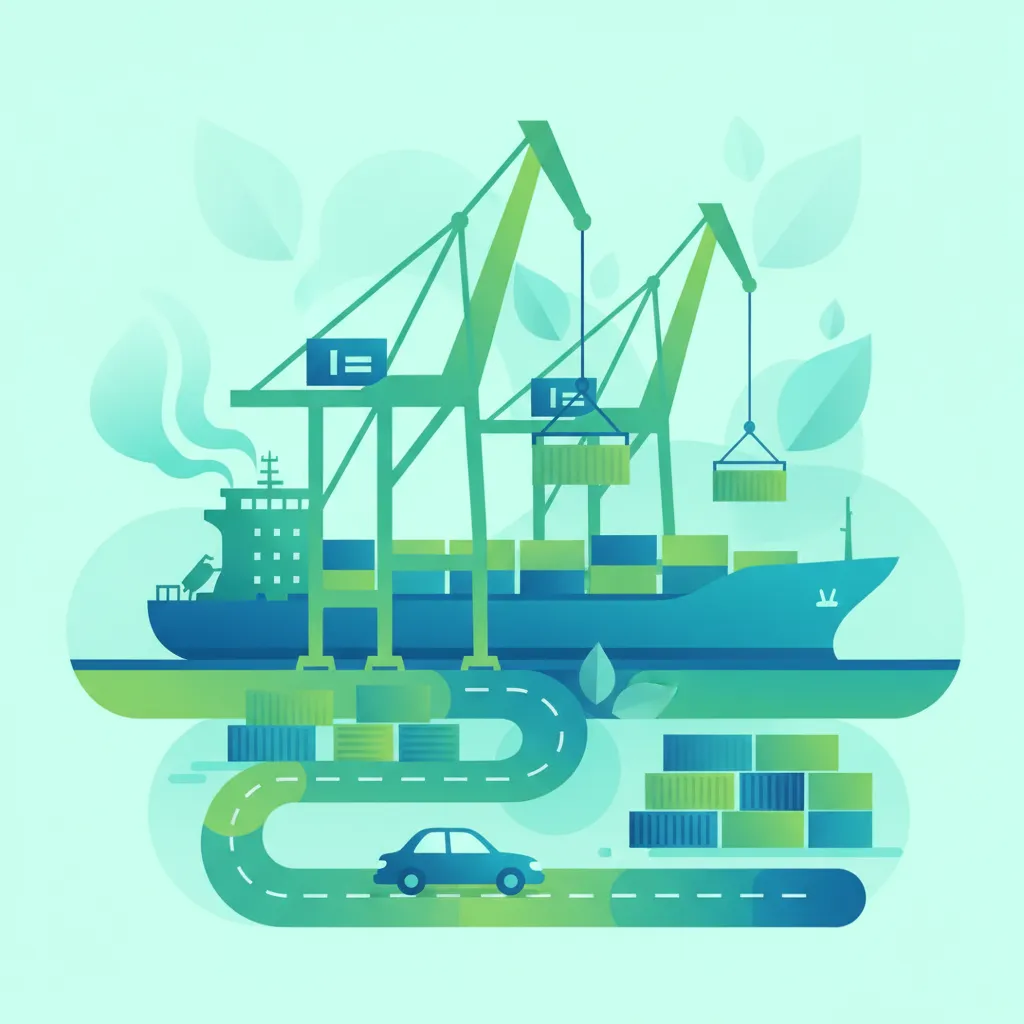
This lesson prepares drivers for the unique operational environment of ports and large industrial sites. It explains the specific traffic rules, signage, and safety protocols that govern these areas, which often differ from public roads. Learners will understand how to safely navigate around loading docks, container yards, and other industrial traffic to ensure efficient and incident-free operations.

This lesson provides practical instruction on various methods for securing cargo effectively. It covers the correct application of equipment such as straps, chains, and nets, as well as techniques like blocking and bracing to prevent load movement. The content is aligned with Danish and European standards for load securing, ensuring learners understand how to inspect and verify that their cargo is safe for transport.

This lesson details the specific procedures for safely transporting a heavy vehicle via ferry. It covers the process of boarding and maneuvering on the ferry deck, the correct methods for securing the vehicle and trailer for sea transit, and the relevant Danish regulations. The content also explains the safety protocols to follow during the crossing and the correct procedure for disembarking upon arrival.

Crossing large bridges presents unique challenges, including strict weight restrictions and significant exposure to crosswinds. This lesson explains how to identify and respect these limits and teaches techniques for maintaining vehicle stability when hit by strong wind gusts. It covers the importance of reducing speed and making subtle steering corrections to counteract aerodynamic forces and stay safely in your lane.
Properly functioning lighting and signaling systems are fundamental for safe communication on the road. This lesson details the purpose and correct use of all exterior lights, including headlights, brake lights, turn signals, and hazard lights, according to Danish law. It emphasizes the driver's responsibility to ensure these systems are clean and operational to maintain visibility and clearly signal maneuvers to other road users.
This lesson prepares drivers for critical incidents, including vehicle fires, significant load loss, and traffic collisions. It explains fire prevention measures and the proper use of an on-board fire extinguisher. The content also outlines the legal and safety procedures for responding to an accident scene, including securing the area, reporting the incident to emergency services, and providing basic first aid if necessary.
Master essential safety checks for coupling and uncoupling tractor-trailer combinations. This guide covers fifth wheel, kingpin, air lines, and electrical connections, crucial for Category C drivers in Denmark.

Beyond basic checks, this lesson covers the inspection of critical vehicle systems like brakes, steering, and suspension to ensure they are functioning correctly. It also details the importance of properly adjusted mirrors and the use of modern camera systems for monitoring blind spots and enhancing situational awareness. Understanding these systems is vital for safe maneuvering, compliance with Danish regulations, and overall vehicle roadworthiness.

This lesson outlines the mandatory daily pre-trip inspection for passenger vehicles as required by Danish law. It provides a systematic checklist for examining brakes, lights, tires, mirrors, and emergency equipment to confirm the vehicle's roadworthiness. Following these procedures helps drivers identify and report potential mechanical faults before they can compromise passenger or public safety.

This lesson introduces a structured pre-trip inspection checklist, a critical daily routine for any professional driver. It guides you through a thorough walk-around check, covering safety-critical components, fluid levels, tyre condition, and brake functionality. The process ensures that lighting systems, mirrors, and load securement are all verified, helping to identify and address potential problems before they can cause a breakdown or accident.

This lesson covers the safe and correct method for attaching a trailer to your vehicle, including all necessary safety checks. It explains the importance of proper load distribution to maintain trailer stability and prevent dangerous swaying. The content also revisits the critical rules for passenger safety, with a focus on selecting and using the correct child restraint systems according to Danish law.

Reversing a tractor-trailer combination requires skill and a clear understanding of vehicle dynamics. This lesson breaks down the technique, explaining how to use steering inputs to guide the trailer accurately while monitoring its position through mirrors and cameras. It emphasizes the importance of a slow, controlled speed and planning the entire maneuver before starting to ensure safety and precision.
This lesson provides practical instruction on various methods for securing cargo effectively. It covers the correct application of equipment such as straps, chains, and nets, as well as techniques like blocking and bracing to prevent load movement. The content is aligned with Danish and European standards for load securing, ensuring learners understand how to inspect and verify that their cargo is safe for transport.
Properly functioning lighting and signaling systems are fundamental for safe communication on the road. This lesson details the purpose and correct use of all exterior lights, including headlights, brake lights, turn signals, and hazard lights, according to Danish law. It emphasizes the driver's responsibility to ensure these systems are clean and operational to maintain visibility and clearly signal maneuvers to other road users.

This lesson delves into the unique dynamics of articulated vehicles, focusing on the behavior of the combination around its articulation point. It explains the concept of off-tracking, where the trailer's wheels follow a tighter path than the tractor's, and its implications for negotiating turns and corners. Understanding these dynamics is crucial for safe maneuvering in confined spaces and preventing collisions with curbs or other obstacles.

This lesson introduces the various types of trailers and semitrailers used in commercial transport, from rigid drawbar trailers to articulated semitrailers. It explains their distinct characteristics, including legal dimensional limits, typical axle configurations, and maximum loading capacities as defined by Danish regulations. Understanding these differences is fundamental for selecting the right combination for a given load and ensuring legal operation.

This lesson addresses the unique environment of bus terminals, focusing on safe, low-speed maneuvering around other vehicles and pedestrians. It also introduces the theory for combination vehicles (Category DE), including the principles of coupling and uncoupling trailers. The content emphasizes the different handling characteristics and increased turning radius associated with articulated buses or buses with trailers.
Find clear answers to common questions learners have about Coupling and Uncoupling Procedures. Learn how the lesson is structured, which driving theory objectives it supports, and how it fits into the overall learning path of units and curriculum progression in Denmark. These explanations help you understand key concepts, lesson flow, and exam focused study goals.
The exam tests your understanding of critical failure points. An incorrectly locked fifth wheel is a major safety hazard that leads to trailer separation; identifying this in questions demonstrates you understand the mechanical responsibility of a professional driver.
In Danish heavy-vehicle practice, you typically connect the emergency (red) line first, followed by the service (yellow) line. This ensures that the trailer brakes are pressurized correctly before you attempt to move or test the system.
No. A visual check must always be supported by a physical 'tug test' or 'pull test' to ensure the locking jaw has fully engaged around the kingpin shank, confirming a secure mechanical connection.
When uncoupling, you must secure the vehicle with the parking brake and chock the trailer wheels first. You then drain the air lines and disconnect the electrical lines to ensure the trailer remains stationary and safely decoupled.
Use our powerful search tool to pinpoint specific Danish driving theory topics, road signs, or traffic situations you need to review. Start exploring relevant practice sets now to reinforce your knowledge and build confidence for your upcoming driving licence exam.