
This lesson guides you through the complexities of navigating large passenger vehicles in confined bus terminals and the specific requirements for handling Category DE combination vehicles. You will learn to manage blind spots, understand the physics of off-tracking, and master the technical procedures for coupling trailers safely.

Lesson content overview
Operating a passenger transport vehicle, especially one as large as a bus or an articulated bus, demands a high level of skill and awareness. This is particularly true when maneuvering within the busy confines of a bus terminal or when operating a combination vehicle with a trailer. This lesson provides essential knowledge for Danish Category D licence holders, focusing on the unique challenges and safety protocols required in these specific driving environments.
You will learn to navigate confined spaces safely, master the intricacies of coupling and uncoupling trailers, and understand the altered handling characteristics that come with operating a longer, more complex vehicle. These skills are fundamental for ensuring the safety of passengers and other road users, as well as maintaining efficient service in demanding situations.
Bus terminals are hubs of activity, characterized by a constant flow of large vehicles, numerous pedestrians, and often confined maneuvering space. Unlike open roads, terminals present a dynamic environment where precise low-speed control, heightened situational awareness, and strict adherence to specific rules are paramount. Navigating these areas safely requires a deep understanding of vehicle dimensions and the potential blind spots inherent to buses.
Low-speed maneuvering is the cornerstone of safe terminal operation. It involves driving at significantly reduced speeds to maintain precise control over the vehicle, allowing ample time for decision-making and reaction. The purpose of this approach is to minimize the risk of collisions, especially in areas with high pedestrian traffic or tight turns, and to reduce the severity of any potential incident.
When operating at low speeds, drivers must employ smooth and controlled inputs to the accelerator and brake pedals. Abrupt braking or acceleration can unsettle the vehicle, reduce passenger comfort, and increase the risk of skidding, particularly on wet or slippery surfaces. Frequent stops and starts are common in terminals, necessitating a proactive and gentle driving style.
Pedestrians are often present in large numbers within bus terminals, moving between boarding platforms, waiting areas, and access points. Due to the significant size difference between a bus and a pedestrian, the consequences of a collision are severe. Therefore, prioritizing pedestrian safety is not just a rule, but a fundamental ethical responsibility for every bus driver.
Drivers must be exceptionally vigilant, constantly scanning their surroundings for pedestrians, especially when approaching boarding platforms, crosswalks, and terminal entrances/exits. Maintaining direct eye contact with pedestrians when possible can help confirm their intentions and ensure they are aware of the bus's presence. Always be prepared to stop and yield to pedestrians, even if they are not in a designated crosswalk, as their unpredictable movements require extra caution.
Entering and exiting a bus terminal requires a methodical approach. Before entering, drivers must reduce their speed, scan for incoming and outgoing traffic, and be prepared to yield as required by signage or traffic flow. Signaling intentions clearly and in good time is crucial to communicate with other drivers and pedestrians.
Once inside, navigating to the designated parking bay or boarding platform demands precision. Drivers must carefully align the bus with stop lines and bay markers, often requiring multi-point turns in tight spaces. Using mirrors effectively and performing regular head checks are essential to monitor the vehicle's position relative to curbs, other vehicles, and infrastructure. When parking, ensure the bus is safely within the marked bay, leaving adequate space for other vehicles and passenger access.
A Category D licence permits you to drive a bus. However, a Category DE licence is required to operate a bus with a trailer, or an articulated bus, which is essentially a two-part bus joined by a flexible articulation. These vehicles are significantly longer and have different handling characteristics than single-unit buses, demanding specialized knowledge and skills for safe operation.
Articulated buses, often called "bendy buses," are designed as a single, large passenger vehicle but consist of two rigid sections connected by a pivoting joint. This design allows for a greater passenger capacity while still offering some flexibility in tight turns. Despite appearing as one unit, the articulation point means the rear section of the bus behaves somewhat like a trailer.
Buses with trailers involve a standard bus towing a separate trailer, typically used for luggage or additional passenger capacity on longer routes. This configuration introduces a distinct articulation point at the coupling mechanism, requiring the driver to manage two separate vehicle units that are connected.
Both types of combination vehicles significantly increase the overall length and weight of the setup, impacting acceleration, braking, and especially maneuvering.
Operating a combination vehicle introduces several critical handling differences:
Increased Turning Radius: The most significant difference is the turning radius. A combination vehicle requires a much larger arc to complete a turn compared to a single-unit bus. This is due to the "off-tracking" or "cut-in" effect, where the trailer's wheels follow a path significantly inside the path of the towing vehicle's wheels. Drivers must initiate turns much wider and earlier to prevent the trailer from hitting curbs, obstacles, or other vehicles. Underestimating this can lead to serious accidents.
Larger Blind Spots: The extended length of combination vehicles inherently creates larger and more numerous blind spots. The area directly behind the trailer, along its sides, and sometimes even immediately behind the articulation point can be completely invisible to the driver through standard mirrors. This necessitates meticulous and frequent use of all available mirrors, coupled with proactive head checks and a deep understanding of where these unseen areas lie.
Articulation Dynamics: When turning, the articulation point of an articulated bus or the coupling of a bus with a trailer will pivot. This movement needs to be managed carefully. Sharp turns or rapid changes in direction can cause the trailer to "swing out" unexpectedly or, in extreme cases, lead to a jackknife situation if not handled correctly.
Successfully driving a combination vehicle involves constant mental calculation of the trailer's position and path. When changing lanes, for example, it's not enough to clear the lane for the bus; the driver must ensure there is sufficient space for the entire length of the trailer to move safely into the new lane without infringing on other traffic.
On winding roads, anticipating corners and adjusting speed well in advance is crucial to maintain control and prevent the trailer from swinging out excessively. In urban environments, where space is limited, drivers must meticulously plan their turns and be prepared to take up more than one lane if necessary, using signals and caution to communicate their intentions to other road users.
The secure coupling and uncoupling of a trailer are critical safety procedures. Any oversight can lead to the trailer detaching, causing severe accidents. These procedures must always be performed methodically and on level ground.
Before you even begin the coupling process, several checks are necessary to ensure safety and proper functionality:
The coupling process must be followed precisely to ensure a safe and secure connection.
Position the Towing Bus: Slowly reverse the towing bus towards the trailer, aligning the coupling mechanism with the trailer's kingpin (for fifth-wheel) or tow hitch. Be extremely precise; use your mirrors and, if available, reversing cameras or a spotter.
Engage the Coupling: Once aligned, slowly reverse further until the kingpin slides into the fifth-wheel coupling or the tow hitch engages. Listen for the distinct sound of the locking mechanism clicking into place. For fifth-wheel couplings, visually confirm the locking jaw has closed around the kingpin.
Connect Electrical and Pneumatic Lines: Connect the electrical cable(s) (e.g., for lights, ABS) and the air brake lines (red for emergency, yellow for service). Ensure they are securely attached and correctly routed to prevent snagging.
Raise the Trailer Supports: If the trailer has landing gear or support legs, retract them fully and securely, ensuring they are locked in their raised position.
Release Trailer Brakes: Once all connections are made, release the trailer's handbrake.
After coupling, never move the vehicle without performing thorough checks:
Uncoupling must also be performed carefully to avoid damage or injury:
Adhering to specific regulations is vital for safe and legal operation in bus terminals and with combination vehicles in Denmark. These rules are designed to manage the unique risks associated with larger vehicles and confined or complex environments.
Bus terminals in Denmark, like many other countries, typically enforce lower speed limits than those on public roads. These reduced limits are mandatory and are crucial for mitigating risks in areas with heavy pedestrian traffic and limited maneuvering space. Drivers must strictly adhere to all posted speed limits within terminal grounds.
Furthermore, specific right-of-way rules apply. Generally, drivers must yield to pedestrians and other vehicles already navigating the terminal, especially when entering or exiting terminal areas or approaching boarding platforms. Prioritizing the safety and smooth flow of existing traffic is paramount.
Operating a combination vehicle (Category DE) comes with additional legal responsibilities. These include specific requirements for vehicle maintenance, ensuring all safety devices are functional, and adhering to load limits. Prior to any journey, it is mandatory to verify that all connections are secure, all lights (including brake and indicator lights on the trailer) are operational, and the braking system of the trailer is functioning correctly. Failure to do so can result in significant fines and, more importantly, severe safety risks.
When operating a combination vehicle, Danish traffic law mandates that drivers must exercise extreme caution during turns. This includes signaling adequately and well in advance, and using extended mirrors to account for the trailer's increased turning radius and blind spots. Drivers must position their vehicle to allow sufficient space for the trailer to clear curbs, obstacles, and other lanes of traffic without causing obstruction or collision. Special attention should be given to ensuring the trailer clears any cyclists or pedestrians who may be alongside the vehicle.
Even experienced drivers can make mistakes when navigating complex environments or operating specialized vehicles. Awareness of common pitfalls is the first step towards preventing them.
Safe operation in terminals and with combination vehicles is not a static skill; it requires constant adaptation to external factors.
Mastering the operation of passenger transport vehicles in terminals and as combination vehicles is a core competency for Category D licence holders. It requires:
By integrating these principles into your driving practice, you will ensure safe, efficient, and professional passenger transport operations in even the most challenging environments.
This lesson covers the essential skills for operating buses in Danish terminals and handling Category DE combination vehicles. Key areas include mastering low-speed maneuvering with heightened pedestrian awareness, understanding how off-tracking affects turning paths for articulated buses and trailers, and following rigorous step-by-step procedures for safely coupling and uncoupling trailers with proper verification checks. Drivers must account for larger blind spots through constant mirror use and adapt their driving to weather, load conditions, and vulnerable road users. The content prepares learners for both the theory exam and real-world professional driving standards required in Denmark.
A short set of high-value points that capture the most important learning from this lesson.
Low-speed maneuvering is the foundation of safe terminal operation, allowing precise control in confined spaces with pedestrians and other vehicles.
Combination vehicles have a significantly larger turning radius due to off-tracking, where the trailer wheels follow a path inside the front wheels.
The coupling procedure must be performed methodically on level ground, including inspection, alignment, connection of air and electrical lines, and a tug test verification.
Extended blind spots on combination vehicles require constant, systematic mirror checks combined with head checks before any maneuver.
Pedestrian safety in terminals requires constant vigilance and readiness to yield, even outside designated crosswalks.
Explore all units and lessons included in this driving theory course.
The tug test (gently pulling forward with bus brakes engaged) confirms the coupling is securely locked before departure.
Articulated buses and buses with trailers behave differently in turns because the rear section can swing outward unexpectedly.
All electrical cables and pneumatic (air brake) lines must be correctly connected and verified before moving a coupled combination vehicle.
Always lower landing gear/support legs before uncoupling a trailer and ensure the trailer is on level ground.
Speed limits in Danish bus terminals are mandatory and significantly lower than public road limits.
Entering a terminal at excessive speed, reducing reaction time and increasing collision risk with pedestrians or vehicles.
Underestimating the turning radius of combination vehicles, leading to cutting corners and hitting curbs or encroaching on adjacent lanes.
Failing to fully engage the coupling mechanism or skipping the visual verification, risking trailer detachment during transit.
Neglecting to verify trailer brake lights and indicators function after coupling, making the vehicle unpredictable and illegal.
Not signaling well in advance before turning with a combination vehicle, not giving other road users time to react to the wider turn path.
Lesson content overview
A short set of high-value points that capture the most important learning from this lesson.
Low-speed maneuvering is the foundation of safe terminal operation, allowing precise control in confined spaces with pedestrians and other vehicles.
Combination vehicles have a significantly larger turning radius due to off-tracking, where the trailer wheels follow a path inside the front wheels.
The coupling procedure must be performed methodically on level ground, including inspection, alignment, connection of air and electrical lines, and a tug test verification.
Extended blind spots on combination vehicles require constant, systematic mirror checks combined with head checks before any maneuver.
Pedestrian safety in terminals requires constant vigilance and readiness to yield, even outside designated crosswalks.
Explore all units and lessons included in this driving theory course.
The tug test (gently pulling forward with bus brakes engaged) confirms the coupling is securely locked before departure.
Articulated buses and buses with trailers behave differently in turns because the rear section can swing outward unexpectedly.
All electrical cables and pneumatic (air brake) lines must be correctly connected and verified before moving a coupled combination vehicle.
Always lower landing gear/support legs before uncoupling a trailer and ensure the trailer is on level ground.
Speed limits in Danish bus terminals are mandatory and significantly lower than public road limits.
Entering a terminal at excessive speed, reducing reaction time and increasing collision risk with pedestrians or vehicles.
Underestimating the turning radius of combination vehicles, leading to cutting corners and hitting curbs or encroaching on adjacent lanes.
Failing to fully engage the coupling mechanism or skipping the visual verification, risking trailer detachment during transit.
Neglecting to verify trailer brake lights and indicators function after coupling, making the vehicle unpredictable and illegal.
Not signaling well in advance before turning with a combination vehicle, not giving other road users time to react to the wider turn path.
Explore search topics learners often look for when studying Operating in Terminals and with Combination Vehicles. These topics reflect common questions about road rules, driving situations, safety guidance, and lesson level theory preparation for learners in Denmark.
Browse additional driving theory lessons that cover connected traffic rules, road signs, and common driving situations related to this topic. Improve your understanding of how different rules interact across everyday traffic scenarios.
Learn essential Danish driving theory for navigating bus terminals safely and understanding the unique handling of Category DE combination vehicles, including articulated buses and trailer coupling.

This lesson explains the relationship between a bus's dimensions—length, width, and height—and its maneuverability. It covers key concepts such as turning radius, rear overhang, and swept path, which are critical for navigating turns and tight spaces safely. Learners will also understand how these physical characteristics create significant blind spots that require specific observation techniques to manage.

This lesson addresses the specific skills required to navigate around public transport and heavy goods vehicles safely. You will learn the rules for bus lanes, recognize when buses have priority at stops, and understand the unique challenges posed by large vehicles, such as wider turning circles and larger blind spots. The material also provides clear protocols for overtaking these vehicles while maintaining adequate safety margins.

This lesson explains the concept of off-tracking, where the rear wheels follow a tighter path than the front wheels during a turn. It provides techniques for positioning the bus correctly before a turn to avoid striking curbs or obstacles. The content also outlines the systematic safety checks and procedures for reversing, including the proper use of mirrors, cameras, and a guide.

This lesson details the specific rules related to bus lanes and bus stops. It clarifies when other vehicles may use bus lanes, the legal requirement to yield to buses pulling away from a stop, and the importance of being cautious around embarking or disembarking passengers. Adherence to these rules is vital for the efficient and safe operation of public transportation.
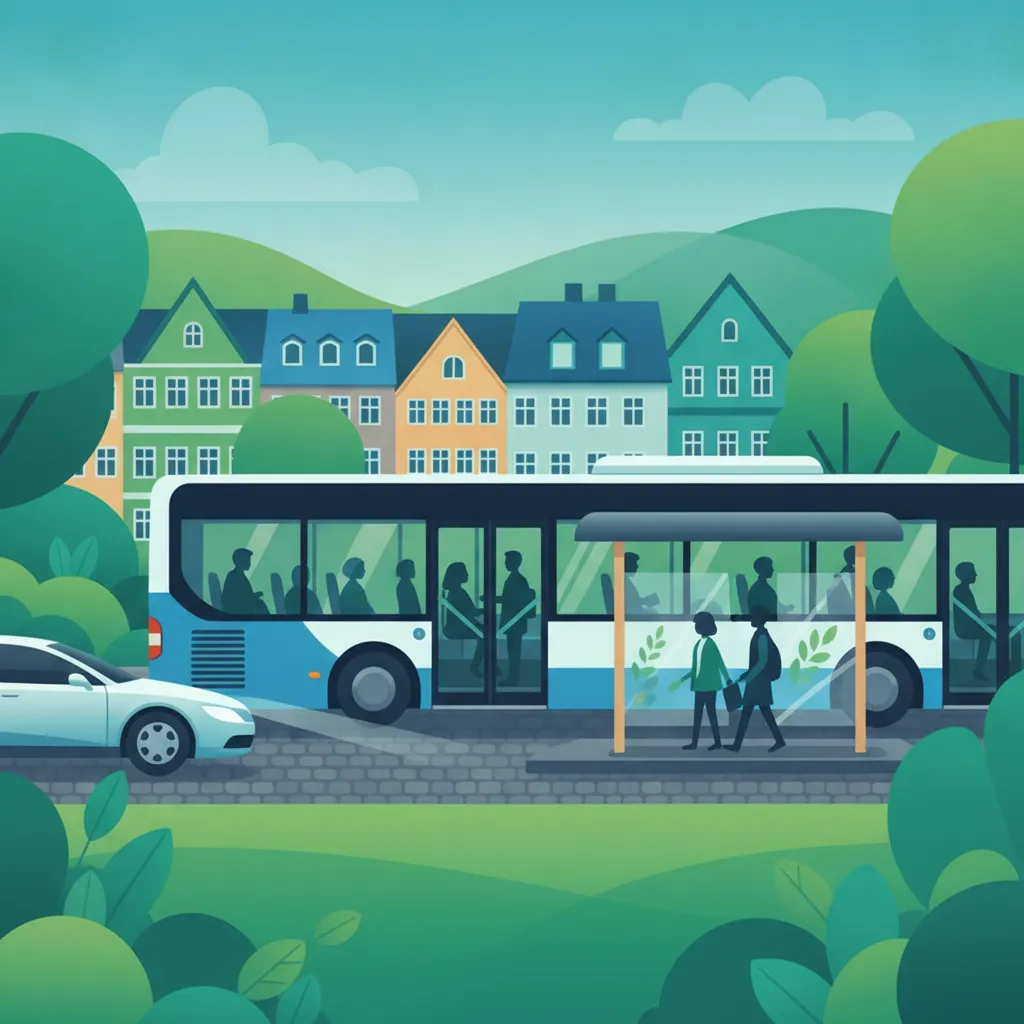
This lesson focuses on the precise maneuvers required for approaching and stopping at bus stops. It covers how to manage vehicle speed, align the bus parallel to the curb for safe access, and correctly position it relative to stop lines and shelters. The content also explains how to interpret Danish road signs and markings specific to public transport stops.

This lesson contrasts the driving techniques required for rural roads and motorways. It covers managing speed on narrow, winding lanes with potential hazards like farm machinery or animals. The content also explains the principles of safe motorway driving, including maintaining lane discipline, managing high-speed stability, and executing safe overtaking maneuvers.

This lesson covers the core principles of defensive driving in an urban context. It teaches drivers how to anticipate the actions of other road users, maintain safe following distances in dense traffic, and navigate complex intersections with multiple signals. The content emphasizes heightened awareness of pedestrians, cyclists, and unexpected events common in Danish city environments.

This lesson focuses on steering techniques designed to maintain vehicle stability and ensure passenger comfort. It explains how to execute turns smoothly and maintain a correct and consistent lane position to avoid sudden lateral movements. The content differentiates between steering inputs required for low-speed maneuvering in cities and those for maintaining stability at higher speeds on motorways.
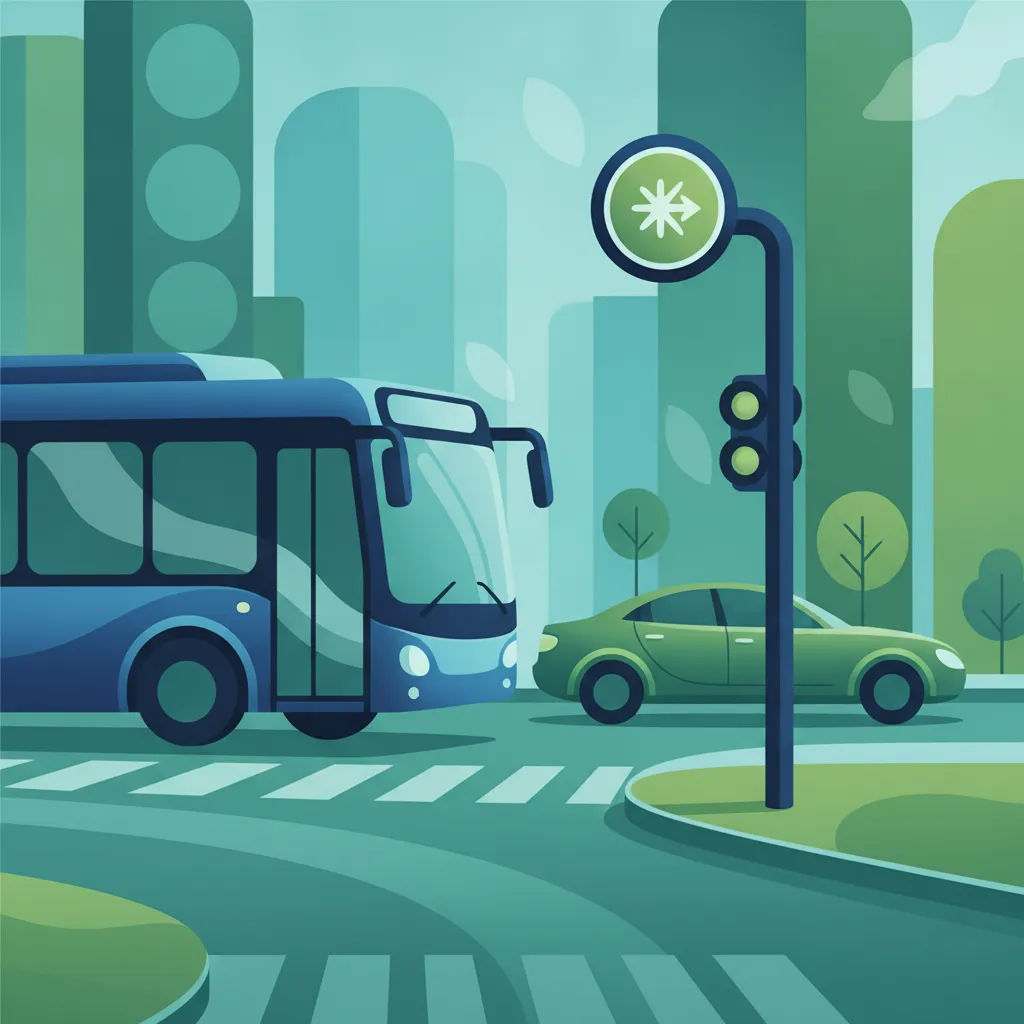
This lesson explains the regulations governing the use of dedicated bus lanes in Denmark. It covers when it is permissible to enter and exit these lanes, how to merge safely with general traffic, and the meaning of specific road markings. The content also details how public transport priority systems at traffic lights work and how drivers should respond to them.
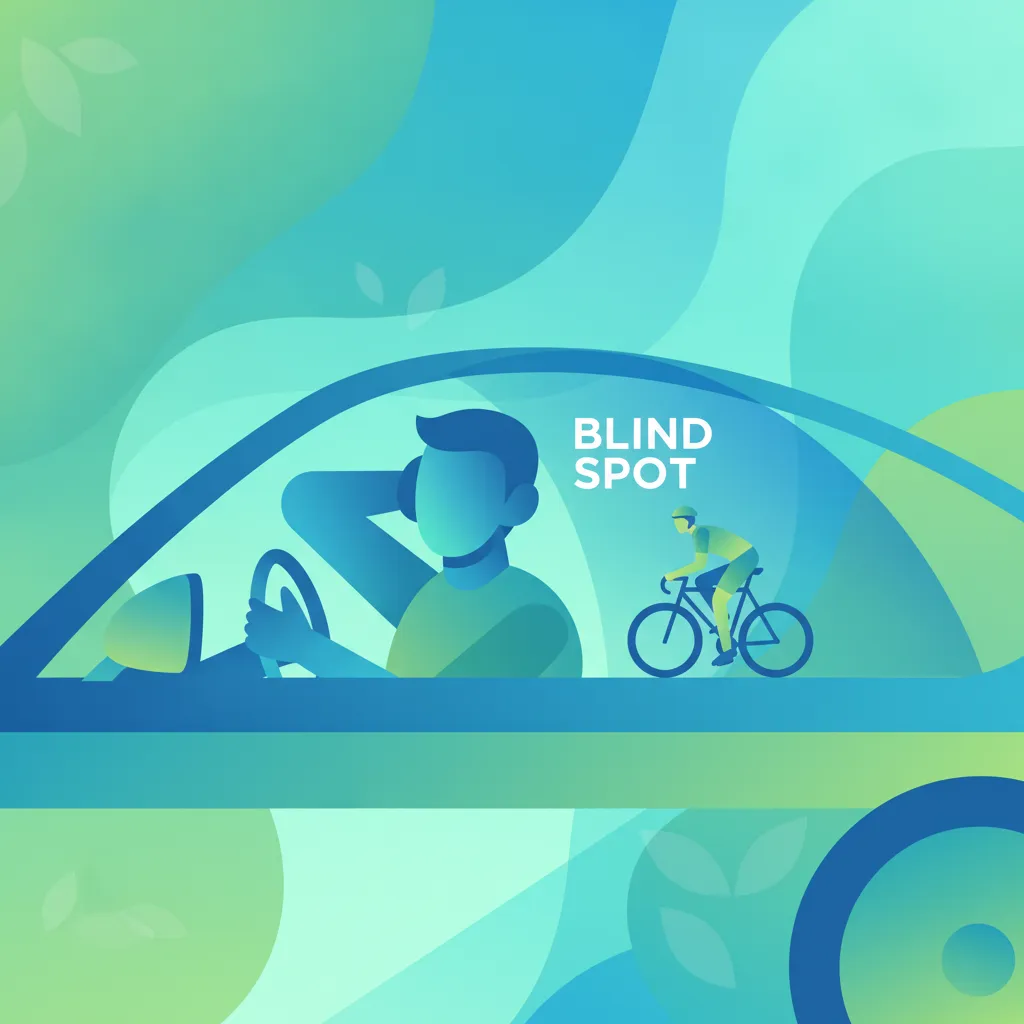
This lesson provides an in-depth analysis of the size and location of blind spots around a typical passenger bus. It teaches systematic scanning patterns that incorporate all mirrors, cameras, and direct head checks to maintain situational awareness. The content highlights high-risk areas where cyclists, pedestrians, or small vehicles can become hidden from view, especially during turns.
Understand critical safety procedures for operating in Danish bus terminals and with Category DE combination vehicles. This includes low-speed maneuvering, pedestrian safety, and correct coupling/uncoupling.

This lesson focuses on the safe and correct operation of passenger vehicle doors. It covers the different types of door mechanisms and the importance of monitoring the door area to prevent injury during boarding and alighting. The content details Danish regulations regarding door safety systems and the driver's responsibility to ensure doors are fully closed and secured before moving.

This lesson details the procedures for safe door operation during passenger boarding. It explains the driver's responsibility to visually clear the doorway and surrounding area before opening or closing doors. The content covers the function of safety features like sensors and interlock systems, ensuring compliance with Danish vehicle regulations to prevent passenger injuries.
This lesson addresses the specific skills required to navigate around public transport and heavy goods vehicles safely. You will learn the rules for bus lanes, recognize when buses have priority at stops, and understand the unique challenges posed by large vehicles, such as wider turning circles and larger blind spots. The material also provides clear protocols for overtaking these vehicles while maintaining adequate safety margins.
This lesson details the specific rules related to bus lanes and bus stops. It clarifies when other vehicles may use bus lanes, the legal requirement to yield to buses pulling away from a stop, and the importance of being cautious around embarking or disembarking passengers. Adherence to these rules is vital for the efficient and safe operation of public transportation.
This lesson focuses on the precise maneuvers required for approaching and stopping at bus stops. It covers how to manage vehicle speed, align the bus parallel to the curb for safe access, and correctly position it relative to stop lines and shelters. The content also explains how to interpret Danish road signs and markings specific to public transport stops.
This lesson explains the relationship between a bus's dimensions—length, width, and height—and its maneuverability. It covers key concepts such as turning radius, rear overhang, and swept path, which are critical for navigating turns and tight spaces safely. Learners will also understand how these physical characteristics create significant blind spots that require specific observation techniques to manage.
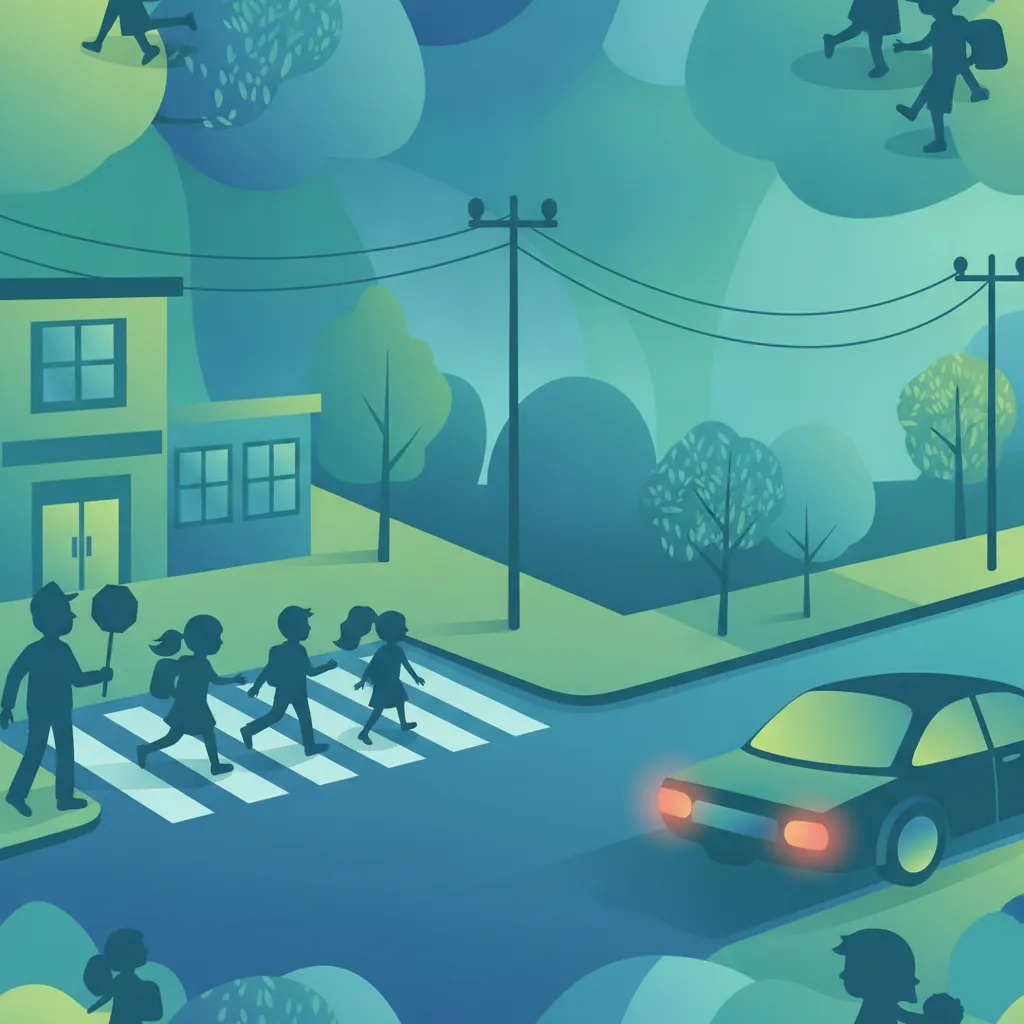
This lesson details the legal requirements and safety protocols for operating a bus near schools and pedestrian crossings. It covers mandatory speed reductions, the rules for yielding to pedestrians, and techniques for anticipating the sudden movements of children. The content emphasizes the importance of constant visual scanning and maintaining a high state of alert in these sensitive areas.
This lesson contrasts the driving techniques required for rural roads and motorways. It covers managing speed on narrow, winding lanes with potential hazards like farm machinery or animals. The content also explains the principles of safe motorway driving, including maintaining lane discipline, managing high-speed stability, and executing safe overtaking maneuvers.

This lesson addresses the specific challenges of school and tourist transport. It outlines heightened safety protocols for stops near schools, including monitoring child behavior and working with school patrols. The content also covers techniques for managing large groups of tourists, dealing with luggage, and providing clear information at popular destinations.
This lesson trains drivers to perform a risk assessment of bus stops along their route. It explains how to identify hazards such as poor visibility, proximity to busy intersections, or obstructed pedestrian access. The content provides proactive strategies for positioning the bus and managing passenger boarding and alighting to mitigate the identified risks effectively.
Find clear answers to common questions learners have about Operating in Terminals and with Combination Vehicles. Learn how the lesson is structured, which driving theory objectives it supports, and how it fits into the overall learning path of units and curriculum progression in Denmark. These explanations help you understand key concepts, lesson flow, and exam focused study goals.
Due to the extensive blind spots and the length of articulated buses, a human guide provides an essential second pair of eyes. This minimizes the risk of colliding with passengers, other buses, or terminal infrastructure in high-traffic, low-speed zones.
An articulated bus experiences significant off-tracking, meaning the rear wheels follow a path inside the path of the front wheels. You must account for the rear end swinging wide, which requires a wider approach angle compared to a standard solo bus.
Trailer coupling theory is specific to the Category DE endorsement. Candidates must understand the mechanical and safety protocols for securely connecting a trailer, as this is a core requirement for operating combination vehicles professionally.
Focus on identifying where the pivot points and blind spots are located for large vehicles. Exam questions often present a diagram of a terminal and ask you to identify the safest path or the most dangerous area for potential collisions with pedestrians.
Use our powerful search tool to pinpoint specific Danish driving theory topics, road signs, or traffic situations you need to review. Start exploring relevant practice sets now to reinforce your knowledge and build confidence for your upcoming driving licence exam.