
This lesson completes your safety toolkit by detailing the protective gear every Category AM rider should wear. You will learn how proper clothing and equipment protect you in real-world traffic and why these elements are crucial for safe moped operation.
Lesson content overview
While the mandatory helmet serves as the primary line of defense for the head, riders of small, exposed vehicles such as mopeds and speed pedelecs face significant risks to the rest of their body. This lesson delves into the crucial role of additional personal protective equipment (PPE) – specifically specialized gloves, jackets, trousers, and boots – in mitigating injuries. Understanding and choosing appropriate gear is fundamental for enhancing safety across diverse riding conditions and is an essential part of the Official Belgian Driving Theory Course for Category AM License.
Riding a moped or speed pedelec exposes the rider to direct impacts, road abrasion during a fall, and environmental elements. The human body is vulnerable, and even low-speed incidents can result in severe injuries, including painful road rash, fractures, and joint damage. While Belgian law mandates helmet use, supplementary gear significantly reduces the severity of these potential injuries, providing an extra layer of protection that can be the difference between a minor scrape and a life-altering incident. This comprehensive approach to protection complements mandatory helmet use, as discussed in "Helmet Use and Legal Requirements," and integrates with broader visibility strategies covered in "Visibility Strategies: Clothing and Reflectors."
Effective protective gear isn't just about covering the body; it's about providing specific layers of defense against common injury mechanisms. The design of specialized riding apparel focuses on four core principles: abrasion resistance, impact protection, weather shielding, and enhanced visibility. Each of these elements works in concert to safeguard the rider and ensure their comfort and concentration on the road.
The ability of a material to withstand damage, tearing, and wear when sliding along a rough surface, such as asphalt or concrete.
Abrasion resistance is paramount in riding gear, especially given that a common outcome of a fall is sliding across the road surface. Materials like leather, Cordura, Kevlar, and other high-tech synthetic fabrics are specifically engineered to endure friction and prevent skin from being scraped away, a painful injury known as "road rash." Ordinary clothing offers minimal to no abrasion resistance, meaning it will tear almost instantly in a slide, leaving the skin exposed. Prioritizing gear made from these durable, slide-resistant materials can drastically reduce the extent of skin injuries in an accident.
The inclusion of specialized padding or armor within protective gear designed to absorb and distribute the energy from direct impacts, thereby reducing the force transmitted to the rider's body.
Beyond sliding, riders are also vulnerable to direct impacts from hitting obstacles or being struck during a collision. Specialized riding gear incorporates CE-certified armor panels strategically placed at common impact points such: as shoulders, elbows, hips, knees, and the spine. This armor is typically made from viscoelastic materials that remain flexible during normal movement but harden upon impact to absorb and disperse kinetic energy. The use of CE-certified protective gear is a critical aspect of minimizing injury severity from strikes or being ejected from the vehicle.
Riding in adverse weather conditions can be both uncomfortable and dangerous. Protective gear often includes features that shield the rider from rain, wind, and cold temperatures. Waterproof and windproof membranes (like Gore-Tex or similar technologies) keep the rider dry, while insulated liners provide warmth. Maintaining rider comfort is not just about convenience; it directly impacts concentration and reaction times. A cold, wet, or distracted rider is more prone to making errors, making effective weather protection an integral part of overall safety.
Visibility is a core safety strategy for all vulnerable road users. Many pieces of protective gear are designed with high-visibility colors (such as fluorescent yellow, orange, or green) and incorporate reflective materials. These elements make riders significantly more noticeable to other road users, especially in low-light conditions, at dusk, dawn, or during nighttime. Bright colors stand out in daylight, while reflective strips illuminate when caught in vehicle headlights, greatly increasing the detection distance and reducing the risk of collisions. This aspect of PPE directly reinforces the principles outlined in "Visibility Strategies: Clothing and Reflectors."
Hands are often the first point of contact in a fall, and their protection is critical for both immediate injury prevention and maintaining control of the vehicle.
Riding gloves vary widely, from lightweight options to heavily armored designs.
Beyond crash protection, good riding gloves also improve grip on handlebars and controls, especially in varying weather conditions. They shield hands from wind, rain, and cold, preventing numbness and maintaining dexterity, which is essential for safe operation of brakes and throttle. While there are no specific legal requirements for gloves for Category AM riders in Belgium, wearing reinforced, protective gloves is highly recommended. Unprotected hands are extremely vulnerable to fractures, deep abrasions, and nerve damage in a fall, making specialized gloves an indispensable piece of safety equipment.
The torso and upper limbs are vital areas that require robust protection against both abrasion and impact. A dedicated riding jacket offers significantly more safety than ordinary outerwear.
Riding jackets are constructed from durable materials like thick leather or advanced textiles such as Cordura, Kevlar, or other proprietary abrasion-resistant fabrics. These materials are chosen for their ability to withstand tearing and sliding on rough surfaces. Crucially, protective riding jackets incorporate CE-approved armor panels at critical points:
It is a common misunderstanding to mistake a fashion jacket for protective gear. While a heavy leather jacket might offer some abrasion resistance, it typically lacks the crucial CE-approved impact armor. A true riding jacket is engineered for safety, not just style. When selecting a jacket, look for:
While not mandatory, a CE-certified armored jacket dramatically improves a rider's chances of avoiding serious upper body injuries in an accident.
The hips, thighs, and knees are vulnerable areas that are frequently injured in motorcycle and moped accidents. Everyday trousers offer virtually no protection against road abrasion or impact.
Specialized riding trousers are designed to protect the lower body. They come in various styles, including textile riding pants, reinforced denim jeans, and full leather trousers. Key features include:
One of the most common misunderstandings is believing that regular jeans or other casual trousers provide sufficient protection. Denim jeans, while seemingly sturdy, offer very little abrasion resistance at speed and will shred instantly in a slide, leading to severe road rash. They also provide no impact protection for bones and joints. Riding without appropriate lower body protection significantly increases the risk and severity of injuries to the legs, hips, and pelvis, which can be debilitating. For these reasons, while not legally mandated for AM license holders in Belgium, reinforced riding trousers are highly recommended.
Feet and ankles are complex structures prone to crushing injuries, fractures, and sprains in an accident. Proper riding footwear offers crucial protection that standard shoes cannot.
Protective riding boots are purpose-built to shield the feet, ankles, and lower shins. They typically feature:
Wearing casual footwear like trainers, sandals, or even regular street shoes while riding is a significant safety risk. These offer minimal to no protection against impact, crushing, or abrasion. In an accident, they can easily come off, exposing the foot to direct trauma, or offer no structural support, leading to severe ankle and foot injuries. Even a simple fall or putting a foot down incorrectly can result in injury without proper footwear. Therefore, choosing robust, protective riding boots is advisable for any Category AM rider, even though they are not legally compulsory in Belgium.
Understanding the difference between legal mandates and recommended best practices is crucial for ensuring comprehensive rider safety within the Official Belgian Driving Theory Course for Category AM License.
For Category AM license holders in Belgium, the law primarily mandates the use of an approved motorcycle helmet. As of current regulations, there are no specific legal requirements for gloves, jackets, trousers, or boots. This means riders are not legally obliged to wear these items.
However, the absence of a legal requirement does not diminish the critical importance of these items for personal safety. The statistics on moped accidents consistently show that areas of the body unprotected by specialized gear are far more susceptible to severe injury.
Despite the lack of legal obligation for most PPE, the use of CE-approved protective gear is highly recommended. The CE mark indicates that the product meets European safety, health, and environmental protection standards. For rider wear, this specifically refers to impact protectors (armor) and the abrasion resistance of the materials. When selecting gear, always look for this certification.
Furthermore, integrating reflective elements into your clothing is a vital safety practice, especially for riders of vulnerable vehicles. While Lesson 2.2 of this curriculum details the specific mandates for reflective elements if one is not otherwise visible, it is always a best practice for PPE to incorporate bright, high-visibility colors and reflective strips. This proactive approach significantly increases a rider's conspicuity to other road users, reducing the likelihood of being overlooked, particularly in poor lighting conditions.
Riders sometimes make choices that compromise their safety, often due to a lack of awareness or misconception about protective gear.
The ideal protective ensemble is not static; it should be adapted based on the specific conditions of your ride to ensure maximum safety and comfort.
The relationship between proper PPE and rider safety is a clear cause-and-effect.
These direct impacts highlight why protective gear, beyond the helmet, is not merely an accessory but a fundamental component of a responsible and safe riding strategy for AM license holders.
While Belgian law only mandates a helmet for AM license riders, additional protective gear is strongly recommended because it significantly reduces injury severity through abrasion resistance and impact protection. Purpose-built riding apparel uses materials like leather, Cordura, and Kevlar to resist tearing during slides, and incorporates CE-certified armor at critical impact points including shoulders, elbows, spine, hips, and knees. Unlike casual clothing, specialized gear is engineered to maintain rider safety while also providing weather shielding and visibility features. The key distinction for exam purposes is understanding that CE certification specifically refers to impact armor meeting European safety standards, and that the absence of legal requirements for gloves, jackets, trousers, and boots does not diminish their importance for personal safety.
A short set of high-value points that capture the most important learning from this lesson.
Riding gear serves two core protective functions: abrasion resistance (from materials like leather, Cordura, and Kevlar) and impact protection (from CE-certified armor at shoulders, elbows, spine, hips, and knees).
Belgian law mandates a helmet for Category AM riders but currently requires no other specific protective clothing, making informed personal choices essential.
Specialized riding gloves protect hands from road rash and maintain grip and dexterity, which is critical for safe control of brakes and throttle.
Reflective elements and high-visibility colors on gear significantly increase rider conspicuity to other road users, reducing collision risk in low-light conditions.
Weather-adapted gear (waterproof membranes, thermal insulation, ventilation) maintains rider comfort and concentration, directly supporting road safety.
Explore all units and lessons included in this driving theory course.
CE certification on armor indicates the product meets European safety standards for impact absorption, not just that the garment is generally well-made.
Regular denim jeans offer negligible abrasion resistance at speed and provide zero impact protection, making reinforced riding trousers a much safer choice.
Gloves should fit snugly with secure wrist closures to prevent them from being torn off in a crash, which would leave hands completely unprotected.
Gear must balance safety with fit: too loose shifts armor out of position during impact, too tight restricts movement and blood flow.
Reflective materials are especially valuable because they illuminate when caught in vehicle headlights, dramatically increasing detection distance at night.
Assuming a fashion leather jacket provides adequate protection when it lacks CE-certified impact armor at shoulders, elbows, and back.
Riding in regular street shoes or sandals, which offer no protection against crushing injuries, fractures, or the gear coming off during a fall.
Wearing dark or non-reflective clothing in low-light or nighttime conditions, drastically reducing visibility to other road users.
Neglecting gloves in cold weather, allowing hands to become numb and lose the dexterity needed for safe brake and throttle control.
Choosing gear based solely on appearance or price without verifying the presence of CE-certified armor and abrasion-resistant materials.
Lesson content overview
A short set of high-value points that capture the most important learning from this lesson.
Riding gear serves two core protective functions: abrasion resistance (from materials like leather, Cordura, and Kevlar) and impact protection (from CE-certified armor at shoulders, elbows, spine, hips, and knees).
Belgian law mandates a helmet for Category AM riders but currently requires no other specific protective clothing, making informed personal choices essential.
Specialized riding gloves protect hands from road rash and maintain grip and dexterity, which is critical for safe control of brakes and throttle.
Reflective elements and high-visibility colors on gear significantly increase rider conspicuity to other road users, reducing collision risk in low-light conditions.
Weather-adapted gear (waterproof membranes, thermal insulation, ventilation) maintains rider comfort and concentration, directly supporting road safety.
Explore all units and lessons included in this driving theory course.
CE certification on armor indicates the product meets European safety standards for impact absorption, not just that the garment is generally well-made.
Regular denim jeans offer negligible abrasion resistance at speed and provide zero impact protection, making reinforced riding trousers a much safer choice.
Gloves should fit snugly with secure wrist closures to prevent them from being torn off in a crash, which would leave hands completely unprotected.
Gear must balance safety with fit: too loose shifts armor out of position during impact, too tight restricts movement and blood flow.
Reflective materials are especially valuable because they illuminate when caught in vehicle headlights, dramatically increasing detection distance at night.
Assuming a fashion leather jacket provides adequate protection when it lacks CE-certified impact armor at shoulders, elbows, and back.
Riding in regular street shoes or sandals, which offer no protection against crushing injuries, fractures, or the gear coming off during a fall.
Wearing dark or non-reflective clothing in low-light or nighttime conditions, drastically reducing visibility to other road users.
Neglecting gloves in cold weather, allowing hands to become numb and lose the dexterity needed for safe brake and throttle control.
Choosing gear based solely on appearance or price without verifying the presence of CE-certified armor and abrasion-resistant materials.
Explore search topics learners often look for when studying Protective Gear Beyond Helmets. These topics reflect common questions about road rules, driving situations, safety guidance, and lesson level theory preparation for learners in Belgium.
Browse additional driving theory lessons that cover connected traffic rules, road signs, and common driving situations related to this topic. Improve your understanding of how different rules interact across everyday traffic scenarios.
Understand the crucial role of protective equipment beyond helmets for AM license riders in Belgium. Learn about the benefits of specialized gloves, jackets, trousers, and footwear for rider safety and injury prevention.
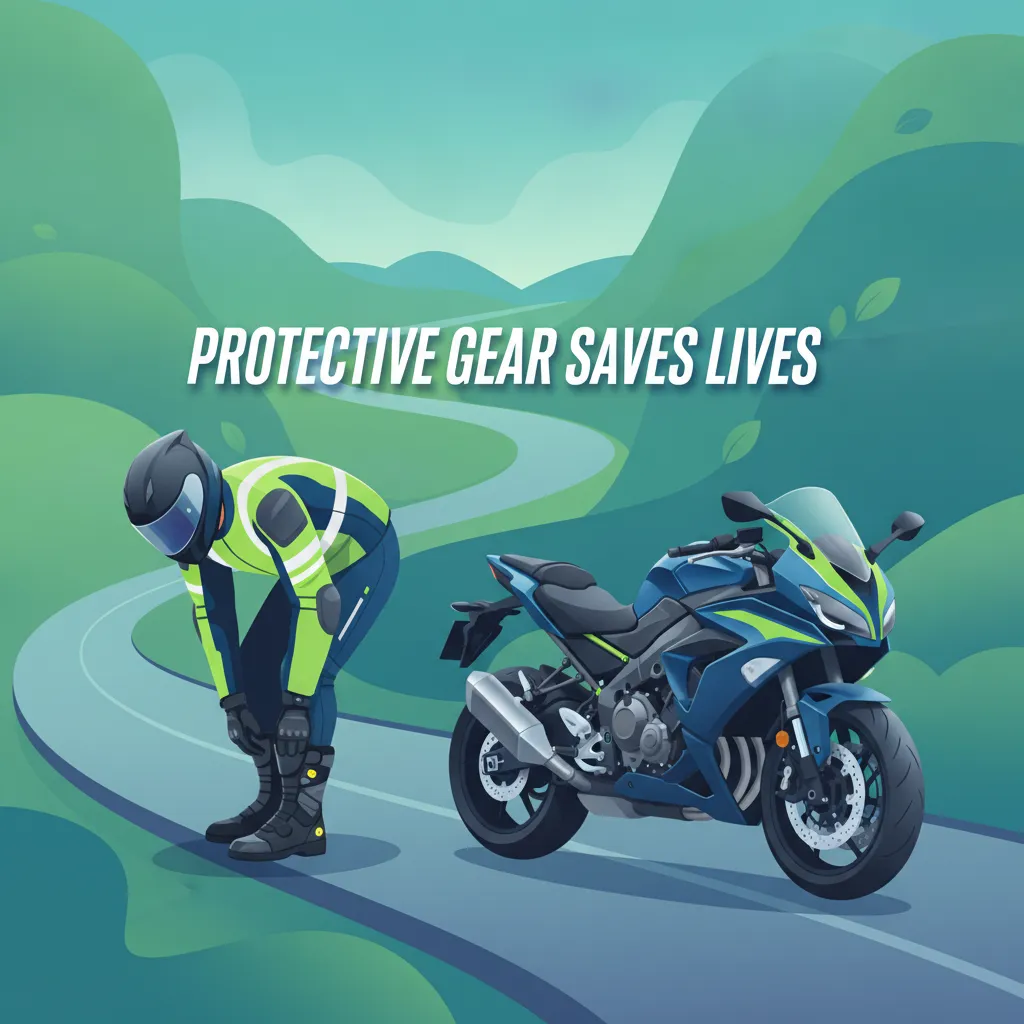
This lesson details the essential protective gear that motorcyclists should wear, including specialized jackets, pants, gloves, and boots. It explains the importance of materials with high abrasion resistance and the function of integrated impact protectors. The content also addresses Belgian regulations concerning mandatory protective equipment and how to select appropriate gear for different weather conditions.
This lesson covers the absolute legal requirement for all Category AM vehicle operators in Belgium to wear a safety helmet. It explains the specific safety standards and certifications that helmets must meet to be legally compliant. Learners will be taught how to select the correct size, achieve a secure fit, and conduct regular inspections to ensure the helmet's protective integrity is maintained.

This lesson explains how clothing choices significantly enhance a rider's visibility to other road users. It details the benefits of wearing bright, fluorescent colors for daytime conspicuity and the function of retro-reflective materials for nighttime safety. The content provides practical guidance on selecting appropriate apparel and maintaining its reflective properties to ensure maximum effectiveness.
This lesson covers the legal and safety requirements for motorcycle helmets in Belgium, with a focus on ECE certification standards. It explains the critical importance of a proper fit and how to correctly secure helmet straps for optimal effectiveness. You will also learn procedures for regular maintenance and how to inspect a helmet for damage that could compromise its protective capabilities.

This lesson provides crucial advice for riding in rainy conditions, a frequent occurrence in Belgium. It explains how water on the road surface dramatically reduces tire grip, extends stopping distances, and creates a risk of hydroplaning. Riders will learn how to adjust their speed, increase following distances, and manage reduced visibility from rain and road spray to maintain safety.

This lesson focuses on the unique hazards associated with riding after dark. It emphasizes the importance of a fully functional lighting system and the use of reflective gear to be seen by others. The content explains how darkness affects depth perception and peripheral vision, requiring riders to reduce their speed to compensate for shorter sight distances and potential fatigue.

This lesson focuses on the specific challenges of riding in adverse conditions such as rain, fog, and darkness, which severely reduce visibility. It provides practical strategies for riders to increase their own conspicuity through the use of lights and reflective gear. The content also explains how to adapt riding behavior, such as reducing speed and increasing following distance, to safely manage these high-risk situations.

This lesson provides a comprehensive overview of the mandatory lighting systems for all Category AM vehicles under Belgian law. It details the required functions of headlamps, rear lights, brake lights, and turn signals, explaining their importance for communication and visibility. Learners will understand the legal standards for this equipment and how to perform simple pre-ride checks to ensure all lights are functioning correctly.
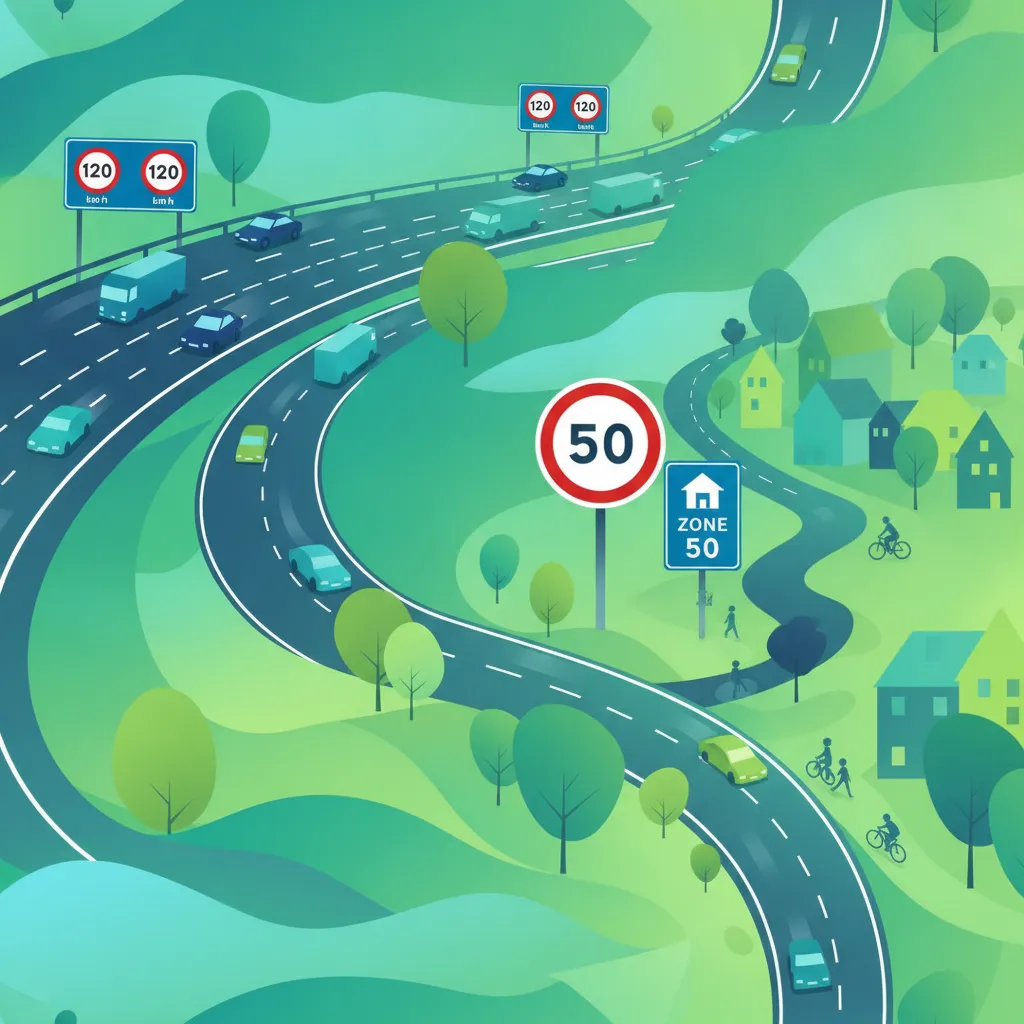
This lesson details the various legal speed limits applicable in Belgium, including those for urban, residential, and school zones. It explains the underlying safety rationale for these limits, linking speed to the severity of accidents and the time available to react to hazards. Learners will understand the difference between the maximum legal speed and a safe, appropriate speed for the prevailing conditions.
Clarify the distinction between legally mandated protective gear and highly recommended safety equipment for AM license holders in Belgium. Learn about CE-certified standards and best practices for rider protection.
This lesson covers the absolute legal requirement for all Category AM vehicle operators in Belgium to wear a safety helmet. It explains the specific safety standards and certifications that helmets must meet to be legally compliant. Learners will be taught how to select the correct size, achieve a secure fit, and conduct regular inspections to ensure the helmet's protective integrity is maintained.
This lesson provides a comprehensive overview of the mandatory lighting systems for all Category AM vehicles under Belgian law. It details the required functions of headlamps, rear lights, brake lights, and turn signals, explaining their importance for communication and visibility. Learners will understand the legal standards for this equipment and how to perform simple pre-ride checks to ensure all lights are functioning correctly.
This lesson details the essential protective gear that motorcyclists should wear, including specialized jackets, pants, gloves, and boots. It explains the importance of materials with high abrasion resistance and the function of integrated impact protectors. The content also addresses Belgian regulations concerning mandatory protective equipment and how to select appropriate gear for different weather conditions.
This lesson explains how clothing choices significantly enhance a rider's visibility to other road users. It details the benefits of wearing bright, fluorescent colors for daytime conspicuity and the function of retro-reflective materials for nighttime safety. The content provides practical guidance on selecting appropriate apparel and maintaining its reflective properties to ensure maximum effectiveness.

This lesson focuses on the legal duties and responsibilities that an AM vehicle operator must uphold on Belgian roads. It covers critical rules such as adhering to speed limits, correctly applying right-of-way principles, and following regulations for overtaking other vehicles. The lesson also explains the system of fines and penalty points for traffic violations, emphasizing the legal consequences of non-compliance to foster responsible driving habits.
This lesson covers the legal and safety requirements for motorcycle helmets in Belgium, with a focus on ECE certification standards. It explains the critical importance of a proper fit and how to correctly secure helmet straps for optimal effectiveness. You will also learn procedures for regular maintenance and how to inspect a helmet for damage that could compromise its protective capabilities.

This lesson provides a clear definition of the Category AM license as specified by Belgian law. It details the specific types of vehicles covered, such as mopeds, light quadricycles, and speed pedelecs, outlining their legal limits on engine capacity and maximum speed. Learners will understand the permissions granted by an AM license and the specific context of their participation in public traffic as motor vehicle operators.
Find clear answers to common questions learners have about Protective Gear Beyond Helmets. Learn how the lesson is structured, which driving theory objectives it supports, and how it fits into the overall learning path of units and curriculum progression in Belgium. These explanations help you understand key concepts, lesson flow, and exam focused study goals.
While the helmet is strictly mandatory by law, other gear like gloves, jackets, and boots are highly recommended. Although not all items are legally enforced, wearing them is a critical safety practice that can prevent severe injuries and is often emphasized in the theory exam's safety sections.
Look for gloves that offer good grip and impact protection for the knuckles and palms. In the Belgian theory exam, understanding that gloves must allow full control of the brakes and throttle while protecting against road abrasions is a key safety concept.
Abrasion resistance protects your skin from friction burns if you slide across the road during a fall. Specialized riding trousers are designed to withstand these forces far better than standard denim or cotton jeans.
Yes. Wearing comfortable, climate-appropriate gear keeps you focused and alert. If you are too cold or restricted, your reaction times and concentration may suffer, which is a common hazard you should be aware of for your theory test.
Ready to focus your Belgian driving theory revision? Utilize our powerful search tool to pinpoint exact topics, road signs, or difficulty levels. Engage with practice questions that directly address your learning needs and solidify your understanding of Belgian traffic laws for your upcoming exam.