
This lesson details the essential legal framework you must navigate as a moped or speed pedelec rider in Belgium. By understanding your core obligations and the consequences of traffic violations, you will build the foundation for safe, responsible riding that satisfies both the official exam requirements and real-world safety standards.
Lesson content overview
Operating a Category AM vehicle on Belgian roads comes with significant legal duties and responsibilities. This lesson, part of the Official Belgian Driving Theory Course for Category AM License, is designed to provide a comprehensive understanding of these obligations. Adhering to these laws is not merely about avoiding fines; it's fundamental to ensuring your safety, the safety of other road users, and the efficient flow of traffic.
Belgian traffic laws, primarily outlined in the Code de la route (Highway Code), define the mandatory behaviors for all road users. For operators of small, exposed vehicles like mopeds and speed pedelecs (Category AM), specific rules apply concerning speed limits, right-of-way, overtaking procedures, and the mandatory use of protective gear. Understanding these regulations and their underlying safety principles is crucial for responsible and safe driving.
The legal framework for road use in Belgium serves to minimize the risk of collisions, protect vulnerable road users, and maintain orderly traffic flow. This framework balances the freedom of mobility with the paramount necessity of safety, a principle rigorously enforced through a system of penalties, including fines and penalty points. Familiarity with these laws is not just a prerequisite for passing your driving theory exam; it is a lifelong commitment to road safety.
This lesson forms a core part of your initial learning, building a strong foundation for understanding subsequent topics such as protective equipment, road signs, and specific traffic situations. By internalizing these legal responsibilities, you develop the correct mindset and habits essential for safe driving.
Several core principles underpin the legal responsibilities of Category AM drivers. These principles are designed to ensure predictable behavior, minimize risks, and create a safer road environment for everyone.
The most fundamental principle is the obligation to comply with all traffic regulations applicable to Category AM vehicles. This includes adhering to speed limits, respecting traffic signs and signals, and following specific rules for different road types and situations.
The purpose of legal compliance is to ensure predictable behavior among all road users, significantly reducing the likelihood of accidents. When every driver understands and follows the same rules, the road becomes a more orderly and safer place. Non-compliance, on the other hand, can lead to severe consequences, including fines, the accrual of penalty points, and even the suspension of your driving license.
Beyond merely following the letter of the law, drivers have a responsibility to always maintain a minimum level of safety. This means adjusting your driving to prevailing conditions, maintaining safe distances from other vehicles, and always using appropriate protective gear.
This principle is crucial for protecting not only the vehicle operator but also other road users, especially vulnerable ones like pedestrians and cyclists. Failure to maintain minimum safety can directly result in accidents, leading to legal responsibility and potential injury. Always prioritize safety over speed or convenience.
Right-of-way rules legally determine which vehicle or road user has priority in various traffic situations, such as at intersections or crossings. These rules are critical for ensuring a smooth flow of traffic and preventing conflict points.
In Belgium, right-of-way is determined by a hierarchy, often indicated by specific road signs, traffic lights, or general rules like yielding to traffic coming from the right at uncontrolled intersections. Violating right-of-way can lead to significant fines and penalty points, particularly if it results in an accident. Mastery of these rules is essential for navigating intersections safely.
Overtaking is a maneuver that requires careful judgment and adherence to specific conditions to ensure safety. The principle of safe overtaking defines precisely when and how you can pass other vehicles without creating a hazard.
These regulations are in place to allow overtaking while maintaining safety and respecting traffic hierarchy. Overtaking in prohibited zones, such as areas with continuous lines or limited visibility, is extremely dangerous and can result in severe penalties, including heavy fines and license suspension. Always assess the situation thoroughly before attempting to overtake.
To ensure accountability and deter dangerous behavior, Belgium operates a system of monetary fines and a penalty point system for traffic violations. This system tracks offenses and can lead to the temporary or permanent loss of driving privileges.
The purpose of this system is to act as a deterrent, encouraging drivers to comply with the rules. The accumulation of penalty points signals a pattern of non-compliance, which can eventually lead to license suspension. Understanding this system motivates responsible driving habits and highlights the serious implications of repeated or severe infractions.
A detailed understanding of specific legal concepts is vital for every Category AM driver. These concepts cover the most frequent interactions you will have with traffic laws on Belgian roads.
Speed limits are maximum authorized speeds set for different vehicle categories and road types. For Category AM vehicles, these limits are especially important due to their smaller size and the vulnerability of their operators.
Category AM Speed Limits in Belgium:
Drivers must always adjust their speed not only to the posted limits but also to the prevailing conditions, such as weather, traffic density, and road surface. Exceeding speed limits, especially in built-up areas where pedestrians and cyclists are common, significantly increases the risk of accidents and the severity of potential injuries. Compliance with speed limit signs is mandatory; in the absence of signs, default urban or rural limits apply.
Common mistakes include assuming higher limits on rural roads or ignoring the 30 km/h limit in cities. For example, riding at 35 km/h in an urban area is a violation, whereas riding at 25 km/h in the same area is compliant and safer. Speeding leads to fines and potentially penalty points.
Right-of-way is the legal hierarchy that dictates which vehicle or road user must proceed first in various traffic situations. Mastering these rules is crucial for safe navigation, particularly at intersections.
Key Right-of-Way Principles:
The practical meaning of these rules means that if you approach an uncontrolled intersection, your Category AM vehicle must yield to any traffic approaching from your right. Similarly, failing to stop for a pedestrian at a marked crosswalk is a serious offense. Violations can result in fines and penalty points, with more severe consequences if an accident occurs.
Overtaking regulations govern where and how you can safely pass other vehicles. These rules are designed to prevent dangerous situations, especially head-on collisions.
Overtaking is Prohibited:
Generally, overtaking must be performed on the left. You must ensure there is sufficient space to complete the maneuver safely without impeding oncoming traffic or forcing the overtaken vehicle to slow down. For example, attempting to overtake a vehicle where there is a continuous white line is illegal and highly dangerous, potentially leading to severe penalties. Always maintain a safe lateral distance, especially when passing cyclists.
The use of appropriate protective gear is not just a recommendation; it is a legal requirement for Category AM vehicle operators in Belgium. Helmets are compulsory, and other gear is strongly advised.
Operators of mopeds and speed pedelecs must wear a certified helmet that is properly secured at all times while riding on public roads. Failure to comply can result in substantial fines. For instance, riding without an approved helmet can lead to a fine of €180. While not always legally mandatory, reflective clothing, sturdy gloves, and appropriate footwear are highly recommended to enhance visibility and reduce injury risk.
The penalty point system is a crucial mechanism for enforcing traffic laws and promoting responsible driving. It involves assigning points to a driver's record for specific traffic offenses.
How the Penalty Point System Works:
The system acts as a strong deterrent, reminding drivers that even minor infractions contribute to a cumulative record that can ultimately result in the loss of driving privileges. For example, speeding 10 km/h over the limit in a 30 km/h zone might result in a fine and 1 penalty point, but repeated occurrences can quickly lead to more severe consequences.
Beyond the core principles, specific regulations govern various aspects of Category AM vehicle operation in Belgium. These rules cover common situations you will encounter daily.
Speed Limit in Built-up Areas: As a Category AM driver, your maximum speed in built-up areas is generally 30 km/h unless explicitly indicated otherwise by road signs. This regulation is crucial for protecting vulnerable road users such as pedestrians and cyclists, who are frequently present in urban environments. Reducing speed provides significantly more reaction time to avoid accidents. For instance, maintaining 25 km/h on a city street is a compliant and safe practice, while 35 km/h would be a violation.
Prohibition on Expressways and Motorways: Category AM vehicles are strictly prohibited from entering motorways (autosnelwegen) and expressways (autowegen). These roads are designed for high-speed traffic, making them inherently unsafe for slower-moving mopeds and speed pedelecs. Attempting to ride onto such a road is not only illegal but also extremely dangerous, carrying fines and potential vehicle removal. Always ensure you are on designated routes suitable for your vehicle category.
Right-of-Way at Pedestrian Crossings: You must yield to pedestrians who are on, or about to enter, a marked pedestrian crosswalk. This is a mandatory rule designed to prevent accidents with vulnerable road users. Your responsibility is to stop and allow pedestrians to cross safely, rather than attempting to pass in front of them. Failing to do so is a serious offense that can lead to fines and penalty points.
Overtaking Prohibited Zones: Certain areas are legally designated as "no overtaking zones." These include areas marked with a continuous white line, near intersections, on bridges, in tunnels, or where visibility is limited, such as on curves or hills. These prohibitions are in place because overtaking in such locations significantly increases the risk of head-on collisions or other dangerous situations. You must stay behind slower vehicles until you reach a safe and legal overtaking zone.
Helmet Requirement: It is mandatory to wear an approved helmet at all times while operating or stationary on public roads with a Category AM vehicle. The helmet must meet safety standards (e.g., DOT, ECE) and be securely fastened. This rule is paramount for protecting your head in the event of an accident, drastically reducing the risk of severe head injuries. Riding without an approved helmet is an offense with a substantial fine.
Penalty Points System: As previously discussed, Belgium utilizes a penalty point system where points are accumulated for traffic offenses. Reaching a certain threshold of points (e.g., 14 points) can lead to the temporary or permanent suspension of your driving license. This system acts as a deterrent for repeat offenders and promotes consistent adherence to traffic laws.
Use of Hazard Warning Lights: Hazard warning lights are to be used exclusively when your vehicle is stationary and poses a danger to other traffic. For example, if your moped breaks down on the road, activating your hazard lights warns other drivers of the obstruction. It is incorrect and confusing to other road users to use hazard lights while driving, even in poor visibility conditions, where dipped beams should be used instead.
Lighting Requirements: Proper lighting is essential for visibility, especially during specific times or weather conditions. You must use dipped beam headlights at night, during dusk or dawn, in tunnels, or whenever visibility is poor (e.g., rain, fog). It is crucial to avoid causing glare for oncoming traffic, meaning high beams should be dipped well in advance of approaching vehicles. Ensuring your vehicle's lights are functional and used correctly is a mandatory safety requirement.
Alcohol Limits: Operating any vehicle under the influence of alcohol is strictly prohibited in Belgium. Category AM drivers are subject to the same strict Blood Alcohol Content (BAC) limits as other drivers. The legal limit is low, and even a small amount of alcohol can impair judgment and reaction time. The safest and only responsible approach is to not consume alcohol before riding.
Understanding common violations can help you avoid them and ensure safer driving.
Your legal responsibilities extend to adapting your driving behavior to various contextual factors. Traffic laws are not static; they require dynamic application based on prevailing conditions.
Every traffic law has a fundamental safety rationale. Understanding this 'why' reinforces the importance of compliance.
Applying legal knowledge in practical driving situations is crucial. Here are some common scenarios that test your understanding of your responsibilities.
Rule: Speed limit in built-up areas for Category AM vehicles is generally 30 km/h. Correct Behavior: The rider maintains a speed of 25 km/h, staying alert for pedestrians and parked cars. This speed ensures ample reaction time and minimal risk. Incorrect Behavior: The rider travels at 40 km/h, feeling confident in their vehicle's acceleration. This exceeds the default urban limit, significantly increasing the risk of an accident with pedestrians or other vehicles emerging suddenly. Explanation: Adhering to the urban speed limit, even without explicit signs, is a legal obligation that directly enhances safety for the rider and all other road users in a dense environment.
Rule: Overtaking is permitted only with a dotted line and sufficient visibility, ensuring safety. Correct Behavior: The rider checks mirrors, signals their intention to overtake, ensures no oncoming traffic, performs the maneuver safely on the left, maintaining a safe distance from the tractor, and returns to their lane once the tractor is fully visible in their rearview mirror. Incorrect Behavior: The rider impatiently attempts to overtake on a section of the road with a continuous white line, or when visibility is obscured by a blind hill or curve, or without checking for oncoming traffic. Explanation: Safe overtaking requires clear judgment of road conditions, adherence to markings, and consideration for other vehicles to prevent dangerous situations.
Rule: Yield to pedestrians who are on, or about to enter, a marked crosswalk. Correct Behavior: The rider slows down, stops before the crosswalk, and allows the pedestrian to cross fully and safely before proceeding. Incorrect Behavior: The rider continues without stopping, attempting to pass in front of the pedestrian, forcing the pedestrian to halt or hurry across. Explanation: Pedestrians have the absolute right of way at marked crossings. Failing to yield is a serious traffic offense and puts vulnerable road users at extreme risk.
Rule: Mandatory wearing of an approved helmet at all times while riding a Category AM vehicle. Correct Behavior: The rider puts on their ECE 22.05 approved helmet and securely fastens the chin strap before starting their journey. Incorrect Behavior: The rider, believing it's a short trip, leaves their helmet at home or wears a cycling helmet that does not meet the necessary safety standards for mopeds. Explanation: An approved and properly fastened helmet is critical protective gear that significantly reduces the risk of severe head injury in case of an accident, regardless of the journey's length.
Rule: Use hazard warning lights only when the vehicle is stationary and poses a danger to traffic. Correct Behavior: The rider pulls the moped as far to the right as safely possible, activates the hazard warning lights, and then moves to a safe position off the road to await assistance. Incorrect Behavior: The rider attempts to push the moped while driving with hazard lights activated, or uses hazard lights while riding slowly to signal an issue. Explanation: Hazard lights are specifically for indicating a stationary hazard. Using them while moving can confuse other drivers about the vehicle's intentions, potentially leading to further incidents.
Understanding and adhering to your legal responsibilities as a Category AM vehicle operator in Belgium is paramount for your safety and the safety of everyone else on the road.
By internalizing these legal responsibilities and the reasoning behind them, you will develop into a safer, more responsible Category AM driver, contributing positively to Belgian road safety.
This lesson covers the essential legal responsibilities for Category AM (moped and speed pedelec) drivers in Belgium, focusing on mandatory speed limits, right-of-way principles, and safe overtaking rules. Key obligations include adhering to 30 km/h in urban areas and 45 km/h in rural zones, always yielding to pedestrians at crosswalks, and wearing an approved helmet. The lesson also explains Belgium's penalty point system, which tracks violations and can result in license suspension, and clarifies proper use of hazard lights and headlights. Understanding these rules is critical for passing the theory exam and ensuring safe, compliant driving on Belgian roads.
A short set of high-value points that capture the most important learning from this lesson.
Speed limits for Category AM are 30 km/h in built-up areas and 45 km/h on rural roads, with motorways strictly prohibited.
Pedestrians at marked crosswalks have absolute priority; you must stop and allow them to cross safely.
Overtaking is only permitted where road markings indicate it is allowed, with sufficient visibility and space.
A certified helmet (DOT or ECE approved) must be worn and securely fastened at all times while riding.
Belgium's penalty point system tracks traffic offenses and can lead to license suspension when thresholds are reached.
Explore all units and lessons included in this driving theory course.
Built-up areas default to 30 km/h unless signed otherwise; rural roads default to 45 km/h.
Right-of-way at uncontrolled intersections follows the right-hand rule: yield to traffic from your right.
When overtaking cyclists in urban areas, maintain a minimum lateral distance of 1.5 meters.
Hazard warning lights are exclusively for stationary vehicles posing a danger; never use them while driving.
Use dipped beam headlights at night, in tunnels, and whenever visibility is poor due to weather.
Riding at 35 km/h or higher in urban areas, believing the 30 km/h limit is flexible.
Attempting to overtake on continuous white lines, near intersections, or on blind curves where visibility is limited.
Failing to stop for pedestrians at marked crosswalks, assuming the pedestrian will wait.
Using hazard warning lights while driving to signal an issue instead of keeping the vehicle stationary.
Riding on motorways or expressways, which are strictly prohibited for Category AM vehicles.
Lesson content overview
A short set of high-value points that capture the most important learning from this lesson.
Speed limits for Category AM are 30 km/h in built-up areas and 45 km/h on rural roads, with motorways strictly prohibited.
Pedestrians at marked crosswalks have absolute priority; you must stop and allow them to cross safely.
Overtaking is only permitted where road markings indicate it is allowed, with sufficient visibility and space.
A certified helmet (DOT or ECE approved) must be worn and securely fastened at all times while riding.
Belgium's penalty point system tracks traffic offenses and can lead to license suspension when thresholds are reached.
Explore all units and lessons included in this driving theory course.
Built-up areas default to 30 km/h unless signed otherwise; rural roads default to 45 km/h.
Right-of-way at uncontrolled intersections follows the right-hand rule: yield to traffic from your right.
When overtaking cyclists in urban areas, maintain a minimum lateral distance of 1.5 meters.
Hazard warning lights are exclusively for stationary vehicles posing a danger; never use them while driving.
Use dipped beam headlights at night, in tunnels, and whenever visibility is poor due to weather.
Riding at 35 km/h or higher in urban areas, believing the 30 km/h limit is flexible.
Attempting to overtake on continuous white lines, near intersections, or on blind curves where visibility is limited.
Failing to stop for pedestrians at marked crosswalks, assuming the pedestrian will wait.
Using hazard warning lights while driving to signal an issue instead of keeping the vehicle stationary.
Riding on motorways or expressways, which are strictly prohibited for Category AM vehicles.
Explore search topics learners often look for when studying Legal Responsibilities on the Road. These topics reflect common questions about road rules, driving situations, safety guidance, and lesson level theory preparation for learners in Belgium.
Browse additional driving theory lessons that cover connected traffic rules, road signs, and common driving situations related to this topic. Improve your understanding of how different rules interact across everyday traffic scenarios.
Understand the full impact of traffic violations on Category AM drivers in Belgium. This lesson details the fines, penalty point system, and potential license suspension consequences for non-compliance with road traffic laws.

This lesson outlines the system of penalties for traffic violations in Belgium, ensuring riders are fully aware of the consequences of illegal behavior. It covers common offenses like speeding and explains the structure of fines and the demerit point system that can lead to license suspension. The content emphasizes the significant financial and legal repercussions of non-compliance, reinforcing the importance of lawful and responsible riding.

This lesson provides a clear definition of the Category AM license as specified by Belgian law. It details the specific types of vehicles covered, such as mopeds, light quadricycles, and speed pedelecs, outlining their legal limits on engine capacity and maximum speed. Learners will understand the permissions granted by an AM license and the specific context of their participation in public traffic as motor vehicle operators.
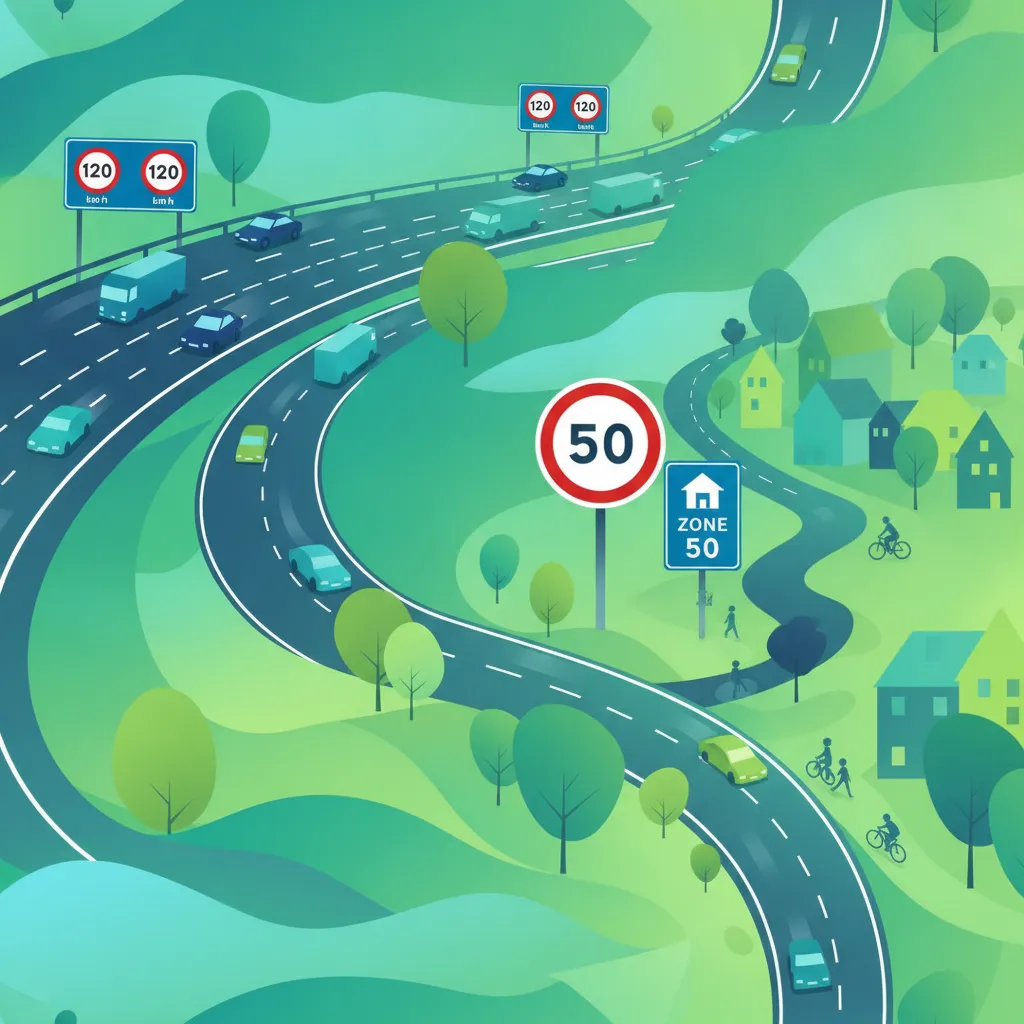
This lesson details the various legal speed limits applicable in Belgium, including those for urban, residential, and school zones. It explains the underlying safety rationale for these limits, linking speed to the severity of accidents and the time available to react to hazards. Learners will understand the difference between the maximum legal speed and a safe, appropriate speed for the prevailing conditions.

This lesson outlines the complete process for obtaining a Category AM license in Belgium, starting with the minimum age and health requirements. It details the sequence of theoretical and practical exams that candidates must pass to demonstrate their competence. The content also explains the administrative procedures for vehicle registration and securing mandatory insurance, ensuring all legal prerequisites are understood before riding.

This lesson provides a comprehensive overview of the mandatory lighting systems for all Category AM vehicles under Belgian law. It details the required functions of headlamps, rear lights, brake lights, and turn signals, explaining their importance for communication and visibility. Learners will understand the legal standards for this equipment and how to perform simple pre-ride checks to ensure all lights are functioning correctly.
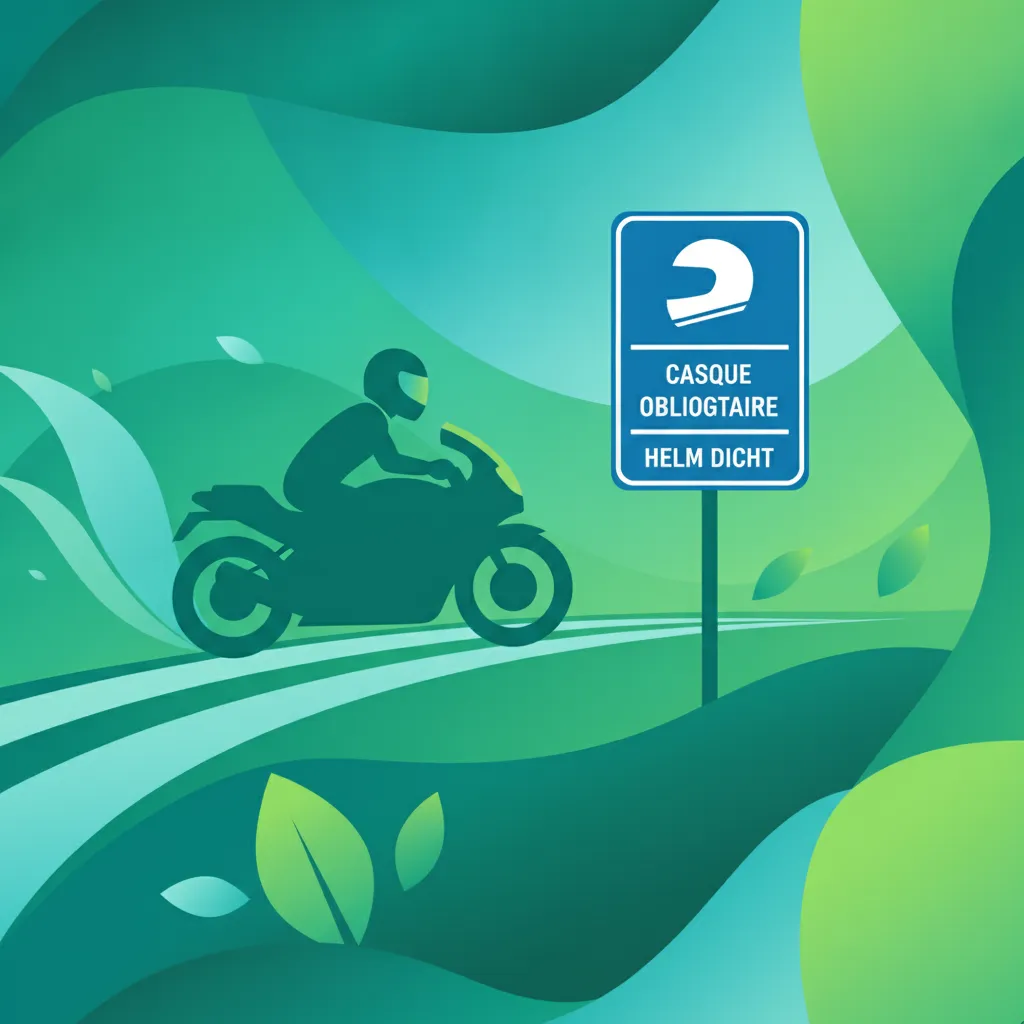
This lesson covers the absolute legal requirement for all Category AM vehicle operators in Belgium to wear a safety helmet. It explains the specific safety standards and certifications that helmets must meet to be legally compliant. Learners will be taught how to select the correct size, achieve a secure fit, and conduct regular inspections to ensure the helmet's protective integrity is maintained.
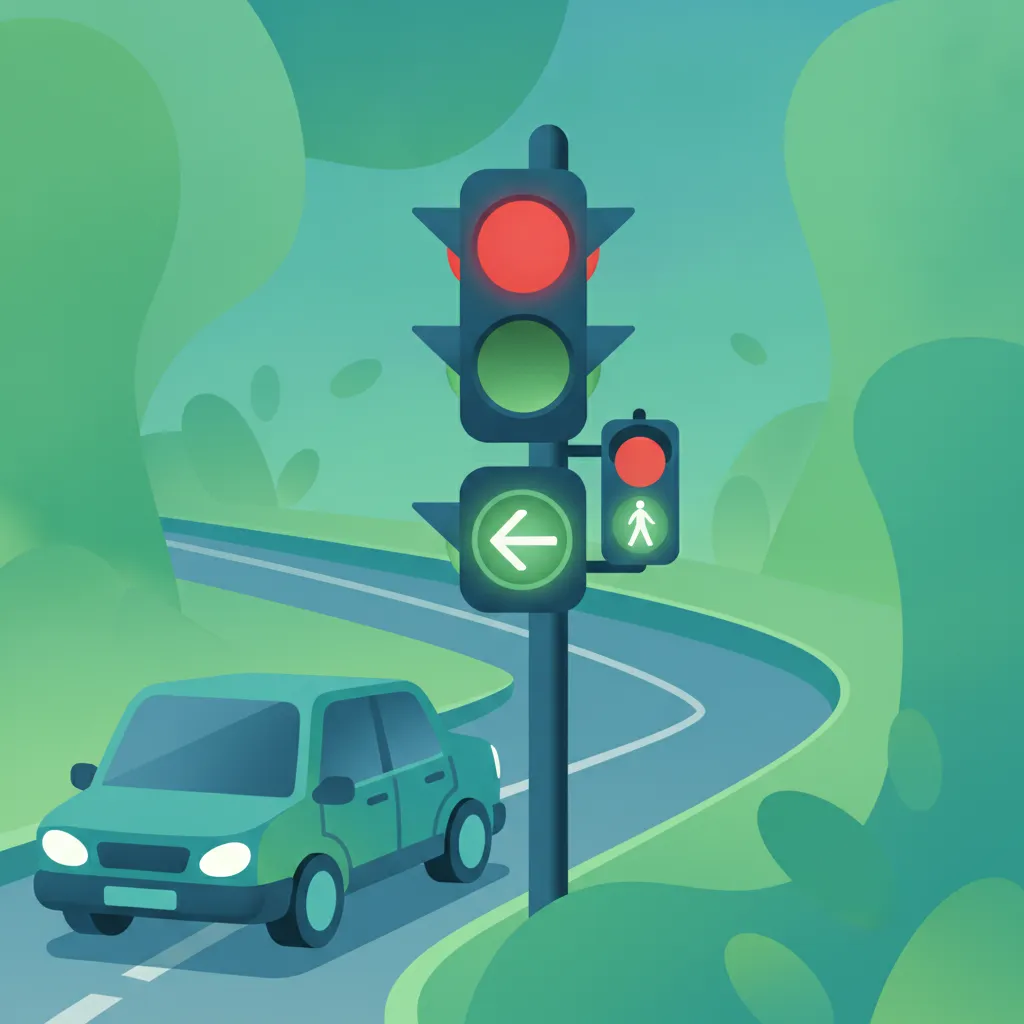
This lesson provides a detailed explanation of traffic light systems and the correct response to each signal. It covers the standard red, amber, and green light sequence, as well as specific signals for pedestrians and cyclists that AM riders must also obey. The meaning of flashing amber and red lights is also clarified to ensure correct and safe behavior at signalized intersections.
Gain a deeper understanding of specific Belgian traffic regulations crucial for Category AM drivers. This lesson covers detailed explanations of speed limits, right-of-way at intersections, and safe overtaking maneuvers.
This lesson introduces the core principles of priority that govern traffic flow in Belgium, with a primary focus on the 'priority from the right' rule. It explains how to identify priority roads indicated by signs and how to act at uncontrolled intersections where the default rule applies. Understanding these rules is critical for AM riders to navigate junctions, intersections, and roundabouts safely and without conflict.
This lesson provides a clear definition of the Category AM license as specified by Belgian law. It details the specific types of vehicles covered, such as mopeds, light quadricycles, and speed pedelecs, outlining their legal limits on engine capacity and maximum speed. Learners will understand the permissions granted by an AM license and the specific context of their participation in public traffic as motor vehicle operators.
This lesson details the various legal speed limits applicable in Belgium, including those for urban, residential, and school zones. It explains the underlying safety rationale for these limits, linking speed to the severity of accidents and the time available to react to hazards. Learners will understand the difference between the maximum legal speed and a safe, appropriate speed for the prevailing conditions.
This lesson provides a detailed explanation of traffic light systems and the correct response to each signal. It covers the standard red, amber, and green light sequence, as well as specific signals for pedestrians and cyclists that AM riders must also obey. The meaning of flashing amber and red lights is also clarified to ensure correct and safe behavior at signalized intersections.

This lesson details the safe and systematic approach to different types of intersections, both signal-controlled and uncontrolled. It explains how to use road signs and markings to determine right-of-way and when to stop or yield. The importance of comprehensive scanning for traffic from all directions and adjusting approach speed is emphasized to ensure safe passage.

Overtaking safely is a critical driving skill. This lesson explains where and how overtaking is permitted in Belgium, the importance of correct signaling, and maintaining a sufficient speed differential. Learners will understand the rules for passing on motorways and single-carriageway roads, and how to identify zones where overtaking is prohibited.
This lesson outlines the system of penalties for traffic violations in Belgium, ensuring riders are fully aware of the consequences of illegal behavior. It covers common offenses like speeding and explains the structure of fines and the demerit point system that can lead to license suspension. The content emphasizes the significant financial and legal repercussions of non-compliance, reinforcing the importance of lawful and responsible riding.

This lesson provides specific instructions for navigating roundabouts, a common feature on Belgian roads. It covers the rules of priority upon entry, the correct lane choice based on the intended exit, and the proper use of signals. Learners will understand how to safely circulate and exit, while being mindful of other vehicles, particularly larger ones with significant blind spots.
This lesson outlines the complete process for obtaining a Category AM license in Belgium, starting with the minimum age and health requirements. It details the sequence of theoretical and practical exams that candidates must pass to demonstrate their competence. The content also explains the administrative procedures for vehicle registration and securing mandatory insurance, ensuring all legal prerequisites are understood before riding.
This lesson provides a comprehensive overview of the mandatory lighting systems for all Category AM vehicles under Belgian law. It details the required functions of headlamps, rear lights, brake lights, and turn signals, explaining their importance for communication and visibility. Learners will understand the legal standards for this equipment and how to perform simple pre-ride checks to ensure all lights are functioning correctly.
Find clear answers to common questions learners have about Legal Responsibilities on the Road. Learn how the lesson is structured, which driving theory objectives it supports, and how it fits into the overall learning path of units and curriculum progression in Belgium. These explanations help you understand key concepts, lesson flow, and exam focused study goals.
While the fundamental traffic rules apply to all, the system of penalties is tailored to the severity of the offence. As an AM rider, you must be aware that violations such as speeding or ignoring priority will result in fines and can lead to a suspension of your riding rights.
It depends on the vehicle type and speed. Mopeds must generally follow the speed and positioning rules defined by road signs. Always check for specific cycling infrastructure or signs that mandate which part of the road you must occupy.
In Belgium, priority from the right is a fundamental rule. If you fail to grant priority where required, you commit a serious traffic offence which will be heavily penalized and is a common reason for failing the theory exam.
Yes, you are legally required to carry proof of insurance and your registration documents whenever you operate your moped or speed pedelec on public roads in Belgium.
Ready to focus your Belgian driving theory revision? Utilize our powerful search tool to pinpoint exact topics, road signs, or difficulty levels. Engage with practice questions that directly address your learning needs and solidify your understanding of Belgian traffic laws for your upcoming exam.