
Explore comprehensive explanations of all essential Belgian driving theory topics and road rules. This section clarifies key concepts, traffic laws, and specific scenarios crucial for passing your official Belgian driving licence exam. Gain a deep understanding of priority rules, road signs, and local traffic conventions, equipping you with the knowledge to navigate Belgian roads safely. Prepare effectively for your theory test by mastering these fundamental principles and concepts.
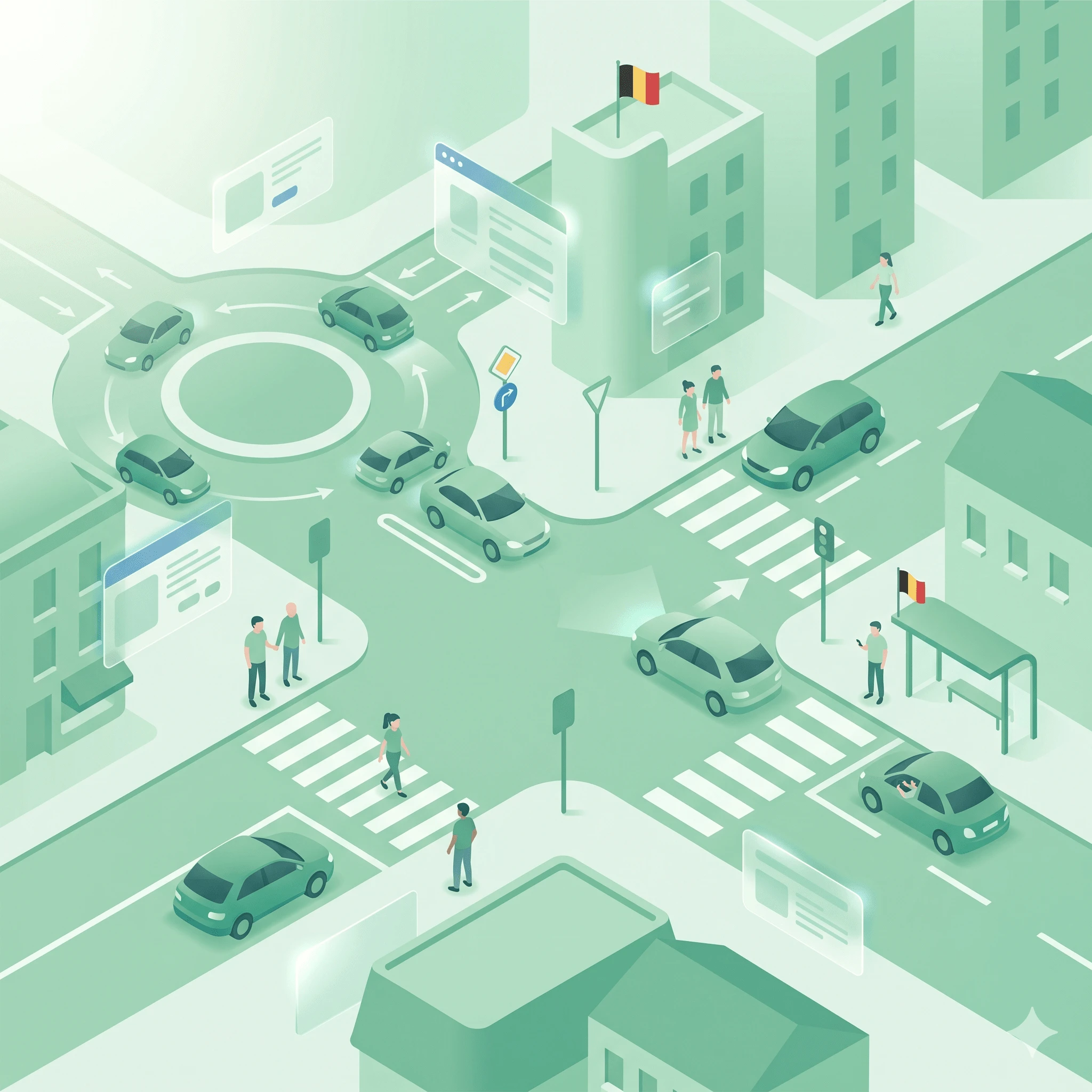
Navigate our comprehensive directory to master essential traffic rules, priority situations, and complex road signs required for your exam. Target your preparation by focusing on specific Belgian driving theory subjects to ensure total road confidence.
10 topics
8 topics
6 topics
5 topics
3 topics
2 topics
2 topics
1 topic
1 topic
1 topic
1 topic
1 topic
Dive into essential Belgian driving theory topics to prepare for your exam. Search for specific traffic rules or explore our structured set of subjects for comprehensive exam study.
Filter by category
10 theory topics found
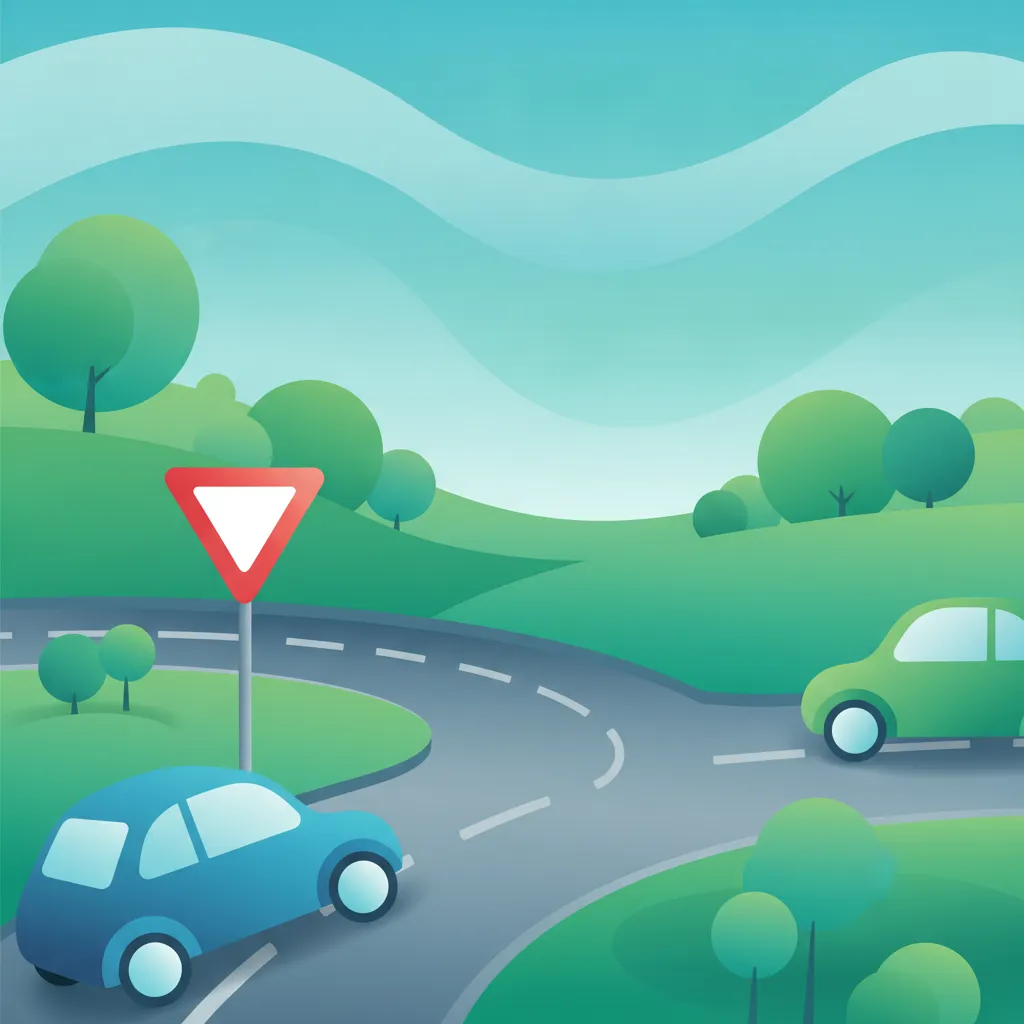
In Belgium, understanding when and how to give way is critical for every driver. These rules define who has priority in various traffic situations, from basic intersections with 'priority from the right' to complex junctions with specific road signs and markings. This page breaks down the core principles of yielding, ensuring you can make safe decisions and avoid common errors on the road and in your theory test.
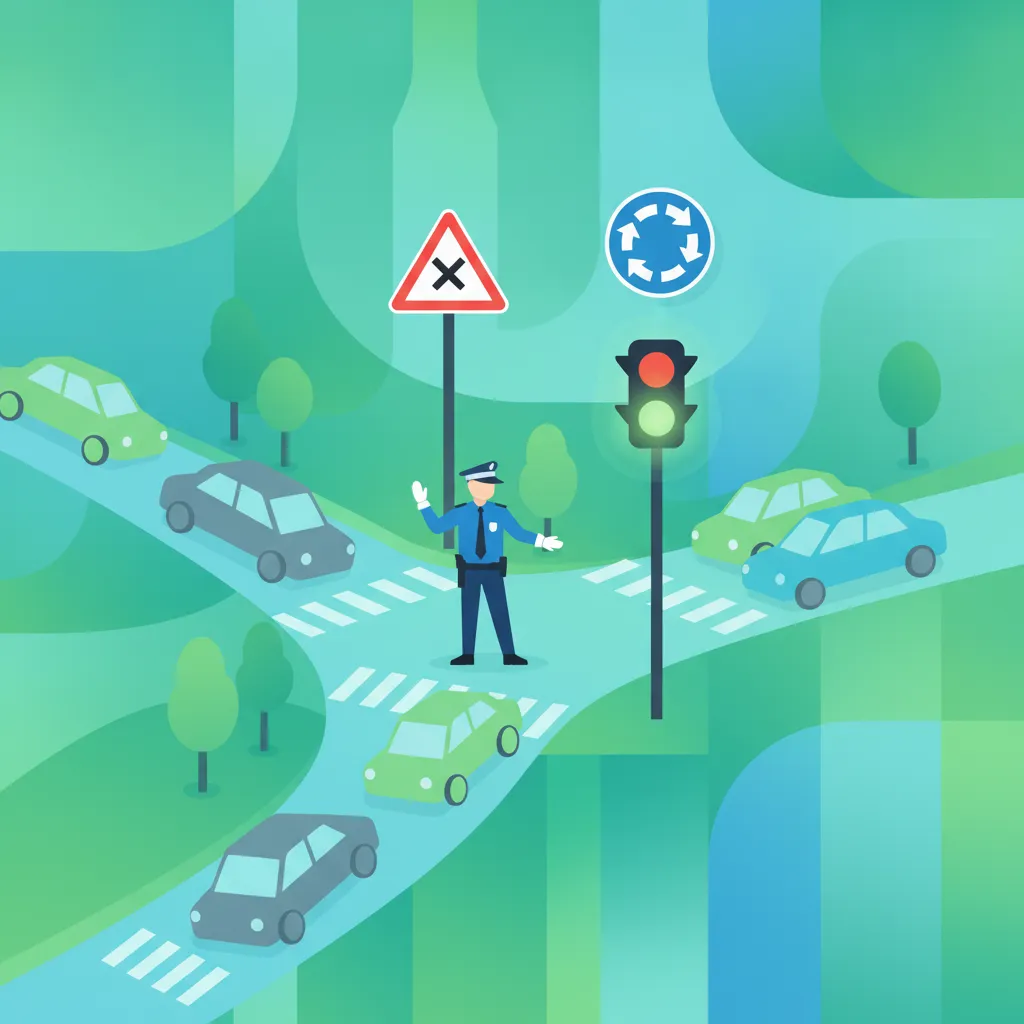
Right of way rules dictate which road user has permission to proceed first when paths intersect, preventing collisions and ensuring smooth traffic flow. In Belgium, these rules follow a strict hierarchy, starting with instructions from qualified officers, followed by traffic lights, road signs, and finally, general traffic rules like 'priority from the right'. This page will clarify these crucial distinctions for your driving success.
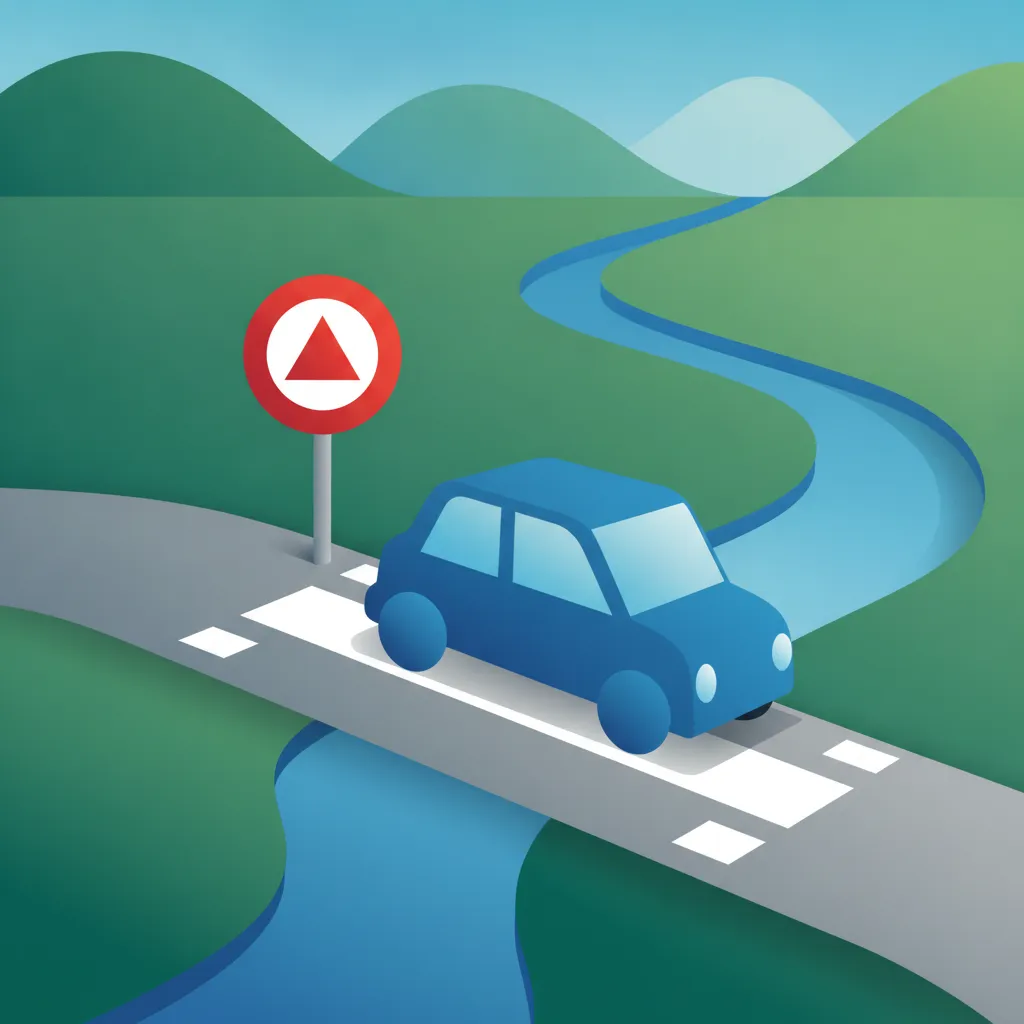
A stop sign, officially known as traffic sign B5 in Belgium, requires all drivers to bring their vehicle to a complete halt before proceeding. This crucial regulatory sign is installed at intersections or crossings where visibility may be limited or where there is a high risk of collision. Unlike a yield sign, a stop sign demands an absolute pause to ensure you can thoroughly assess traffic before safely continuing.
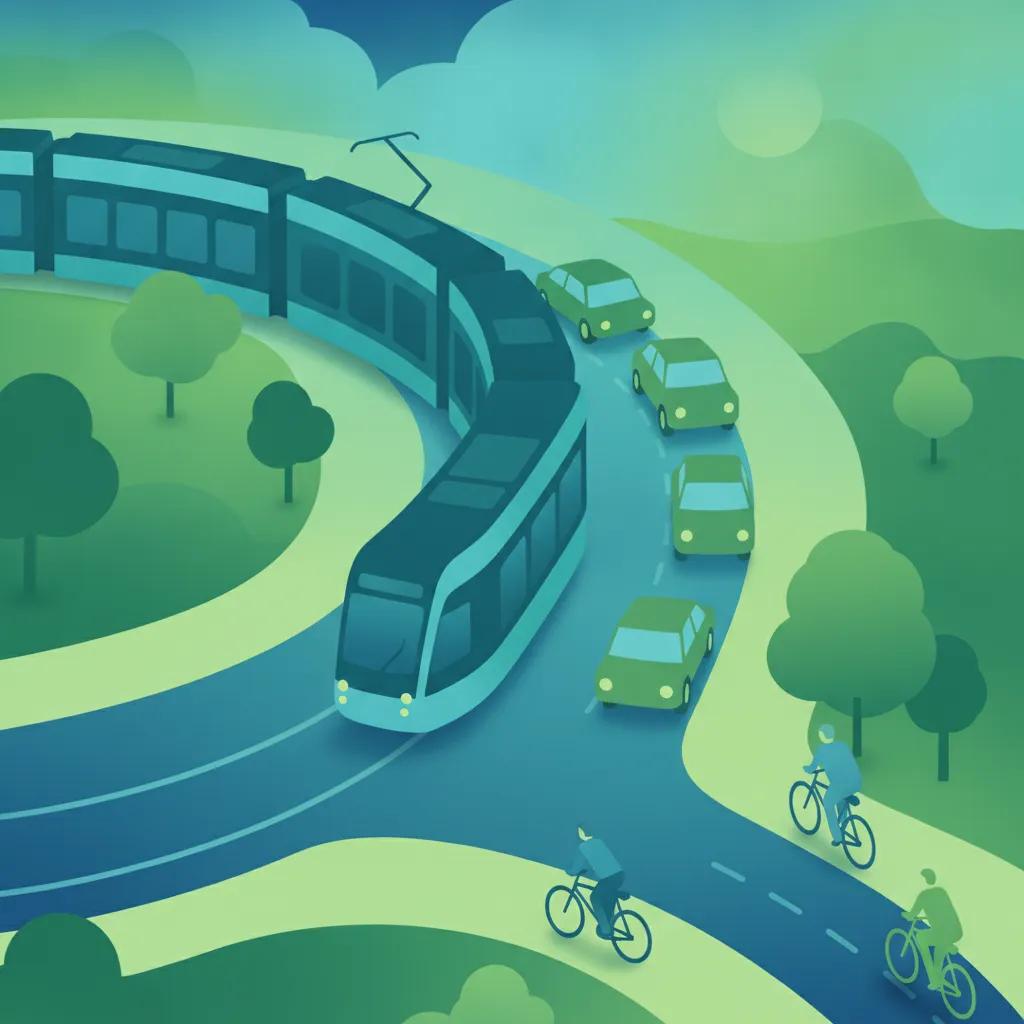
Trams and certain public transport vehicles, like buses, operate under special priority rules in Belgium due to their size, fixed routes, and passenger load. Unlike regular vehicles, they often override standard priority rules, including "priority from the right". This section clarifies when and why you must yield to them, ensuring you navigate urban traffic safely and correctly.
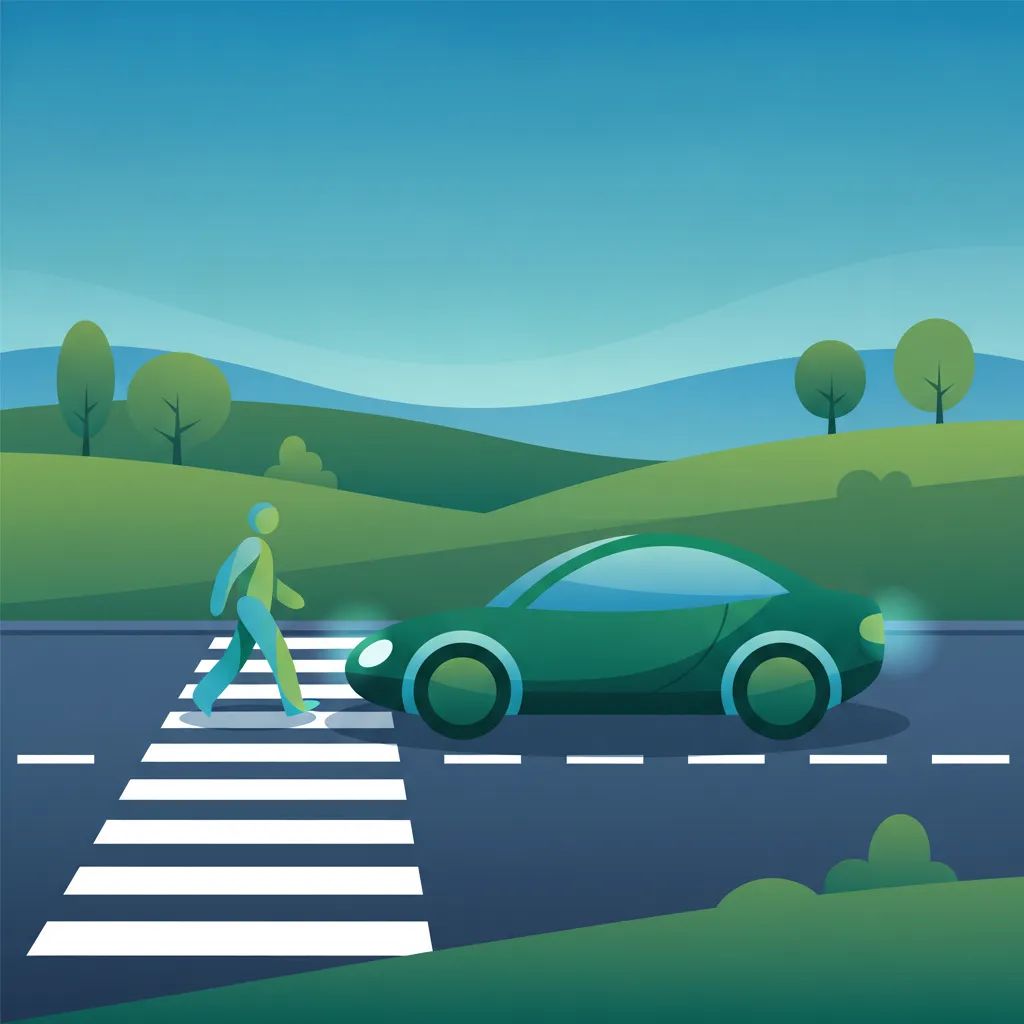
Pedestrian priority defines specific situations where drivers must give way to people on foot. In Belgium, protecting vulnerable road users like pedestrians is a fundamental principle of the traffic code. This page explains the key scenarios where pedestrians have the right of way, from marked crossings to turning situations, ensuring you drive safely and responsibly.
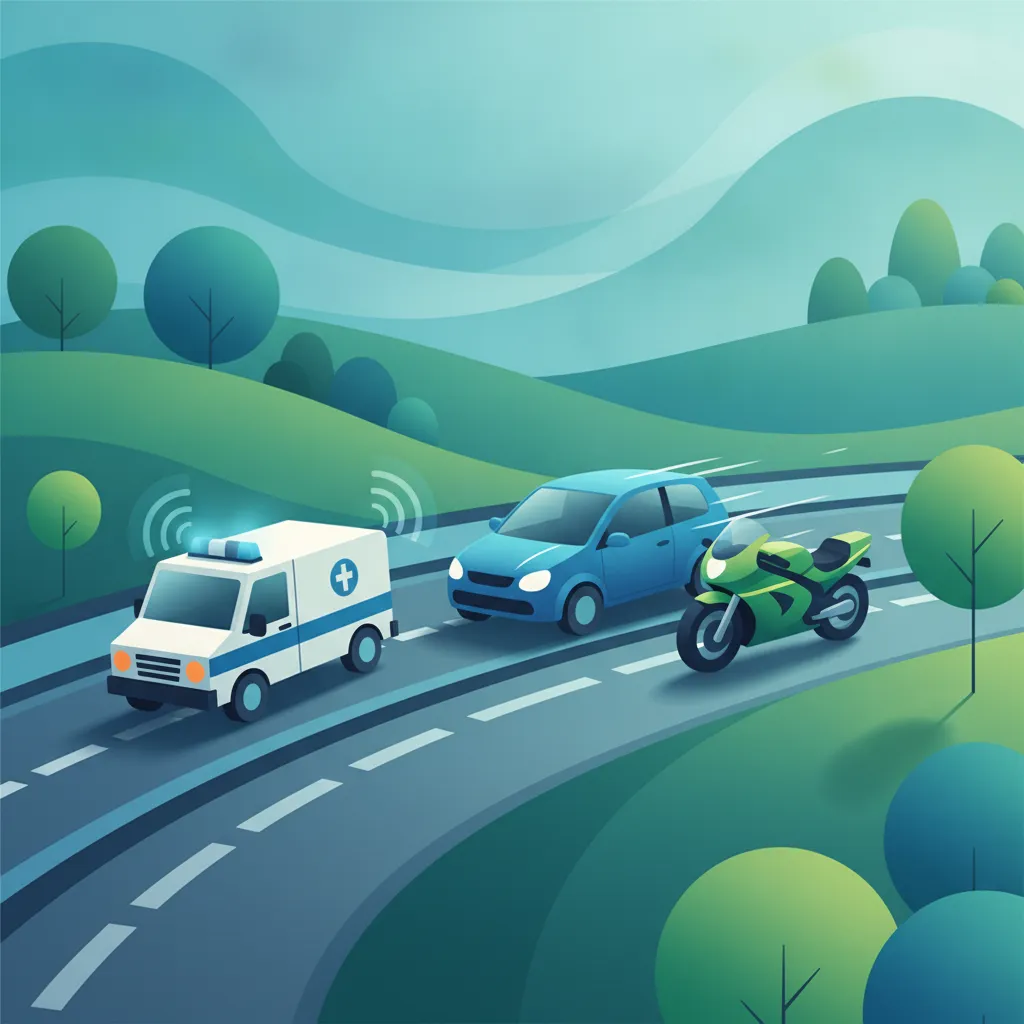
In Belgium, emergency vehicles on an urgent mission, identified by their flashing blue lights and special sirens, always have priority. All other road users are legally obliged to immediately clear the road and, if necessary, stop. This ensures that police, ambulances, and fire services can reach incidents without delay, but requires drivers to respond calmly and predictably without causing further hazards.
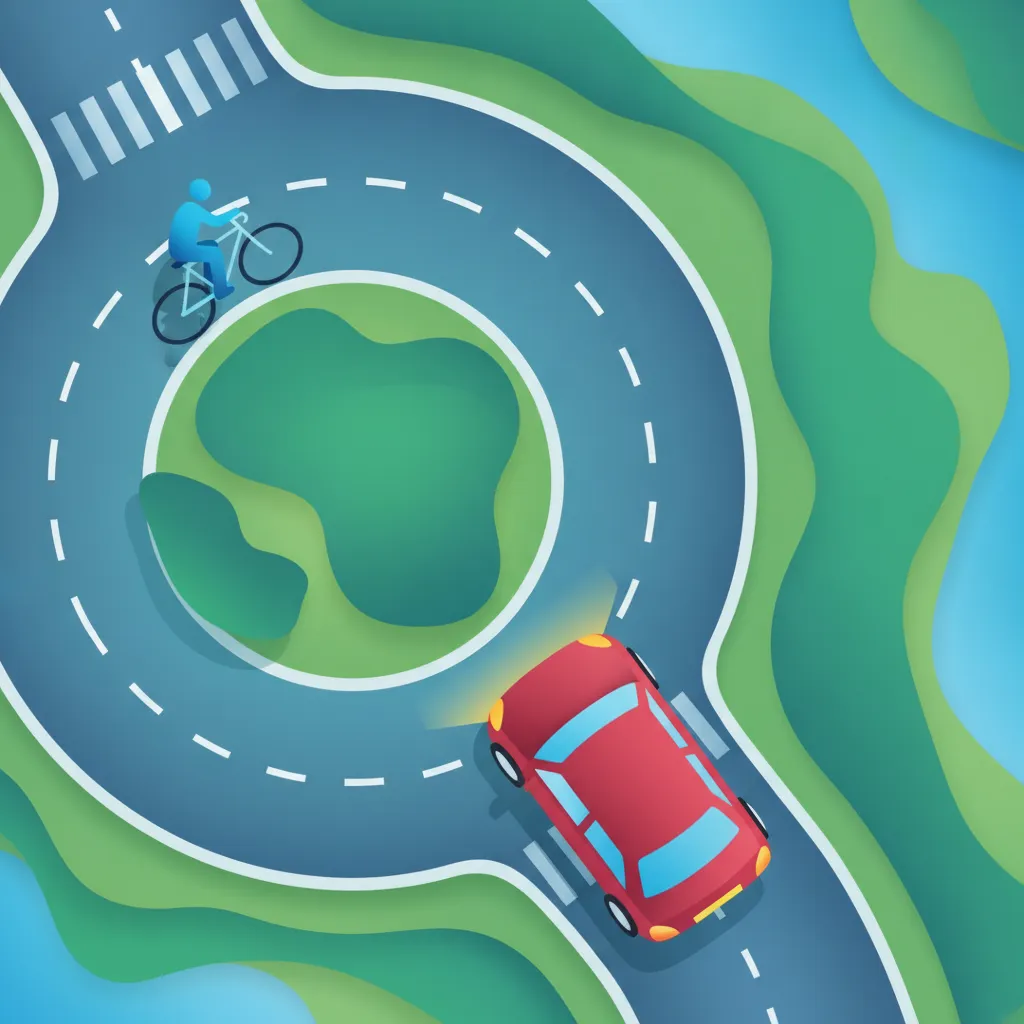
Roundabouts are designed to improve traffic flow and safety at intersections, but they operate under specific priority rules in Belgium. Generally, vehicles already circulating inside a roundabout have priority over those entering. However, a key Belgian rule states that motorized vehicles inside the roundabout must yield to cyclists and speed pedelecs who are also circulating. This page clarifies how to approach, enter, circulate, and exit a Belgian roundabout correctly.
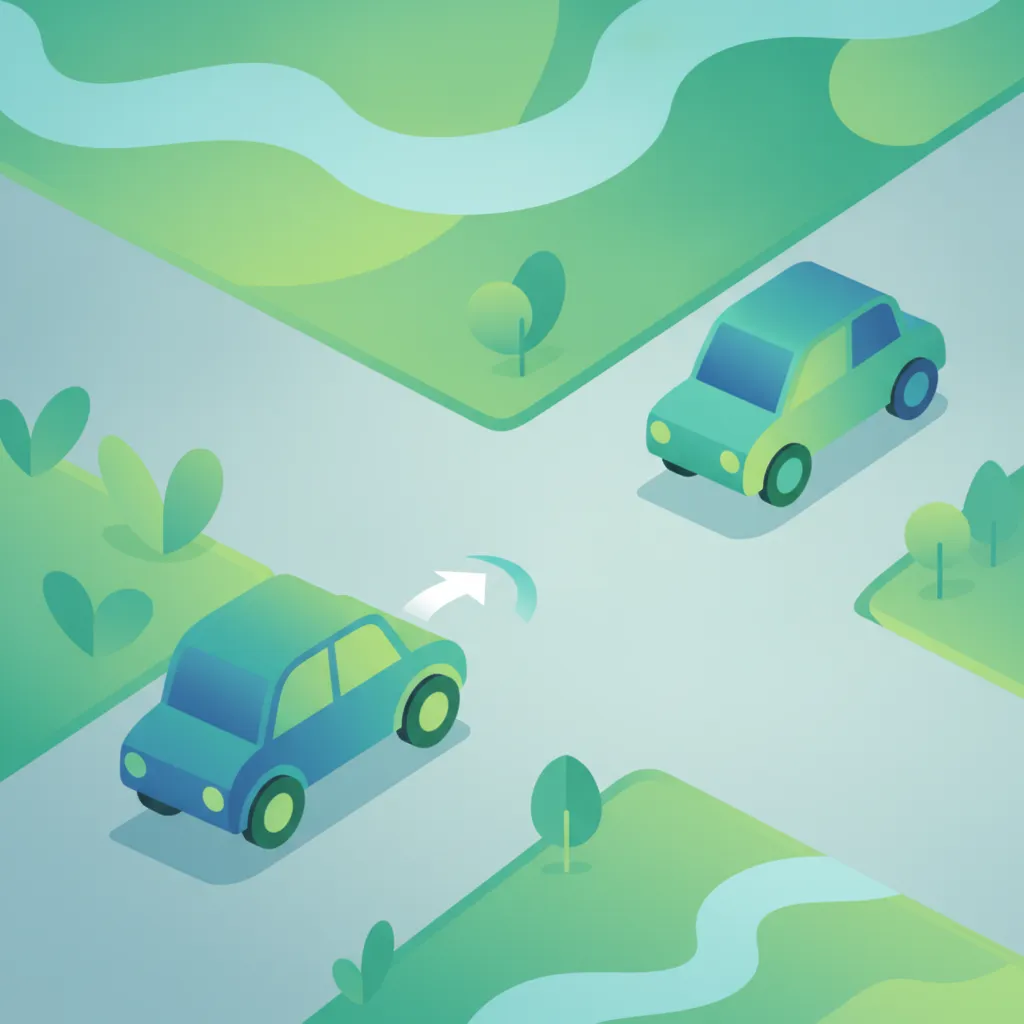
In Belgium, not all intersections are regulated by traffic lights, signs, or road markings. These are known as uncontrolled intersections, and they require drivers to apply general right-of-way rules. The most important principle is 'priority to the right' (priorité de droite), which means you must yield to any vehicle approaching from your right side. Always be vigilant and prepared to adapt to real-world conditions.
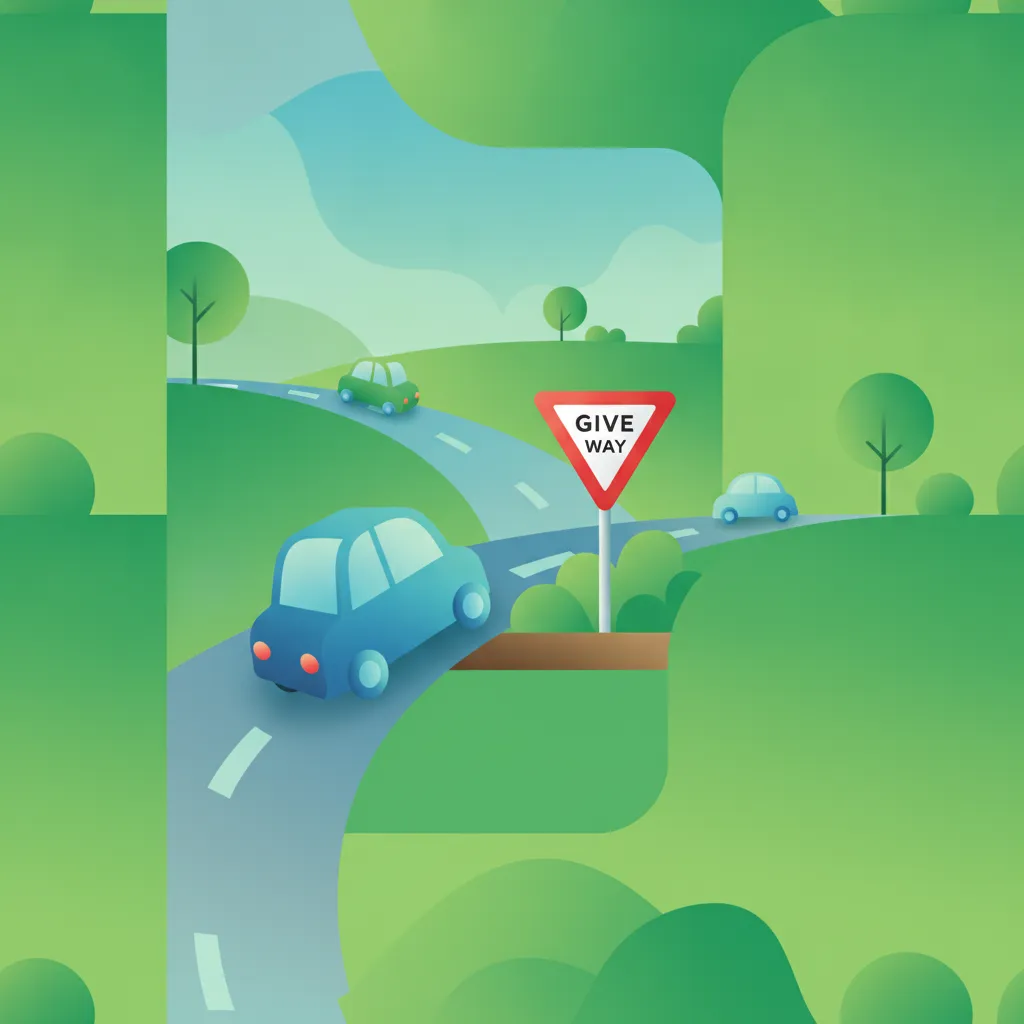
The Give Way sign, officially known as B1 in Belgium, instructs drivers to yield priority to other road users before proceeding. This means you must slow down, carefully observe approaching traffic, and only continue when it is safe to do so without forcing others to brake or swerve. It's crucial to understand that, unlike a Stop sign, a complete stop is not always mandatory if the road is clear.
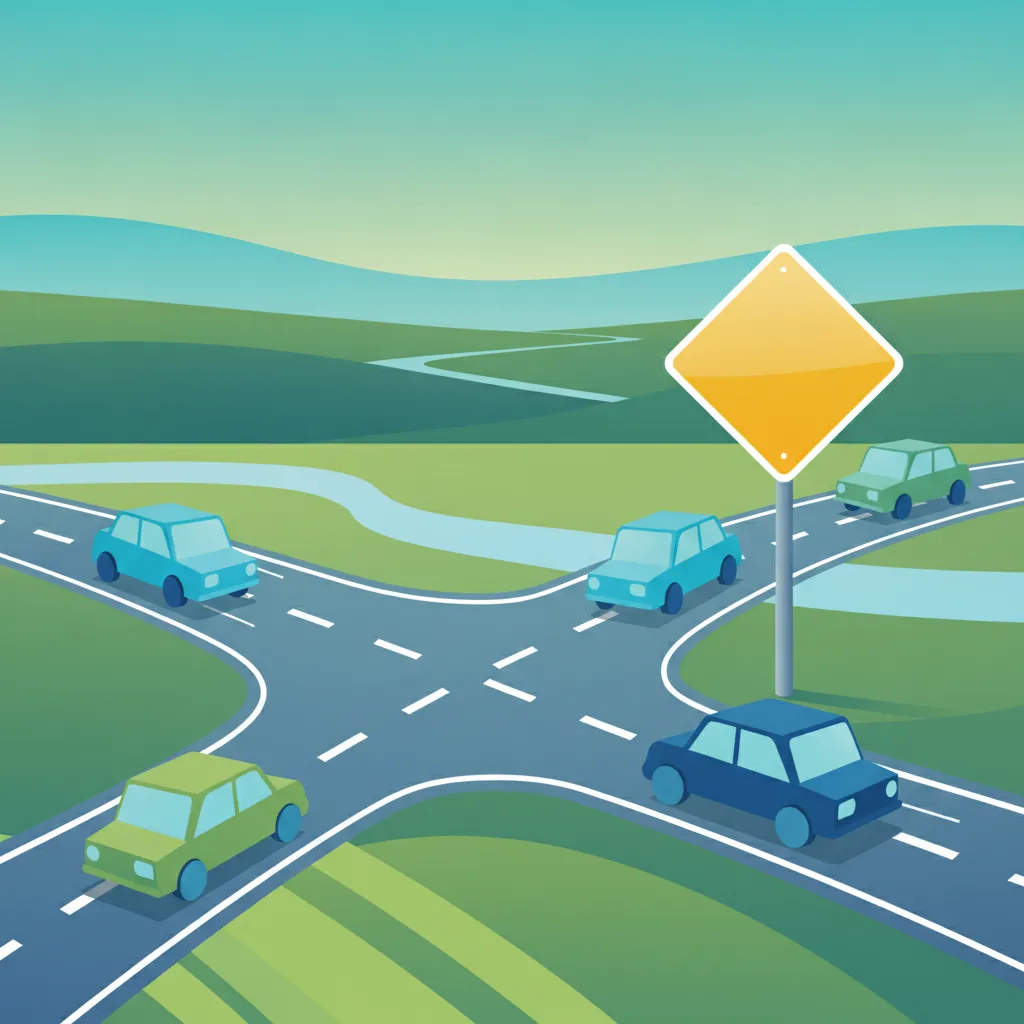
A priority road is designated to ensure a continuous flow of traffic, giving vehicles on it precedence over those entering from side roads. In Belgium, understanding these rules, recognizing the specific 'priority road' (B9) sign, and knowing when to yield or proceed is fundamental for passing your driving theory test and driving safely.
Explore our library of Belgian driving theory articles. Discover clear explanations on priority rules and hazard perception, gaining essential knowledge for your exam and confident driving on Belgian roads.
Belgian Driving Theory Articles & Guides