
Logo
German Driving Theory Courses

Lesson 5 of the Urban Traffic, Bus Rules, Special Signals, Routes and Public Transport Interaction unit

German Bus & Coach Theory (D): Route Planning and Junction Navigation

This lesson guides you through the complexities of professional route planning and safe junction navigation for large passenger vehicles. You will learn to anticipate complex traffic flows and position your vehicle correctly to ensure passenger safety and operational efficiency during your daily duties.
route planningjunction navigationD licence theorypassenger transportvehicle positioning
German Bus & Coach Theory (D): Route Planning and Junction Navigation

Lesson content overview

German Bus & Coach Theory (D)

Route Planning and Junction Navigation for Professional Drivers

Effective route planning and skilled junction navigation are fundamental competencies for all professional drivers, particularly those operating passenger vehicles in categories D1, D1E, D, and DE. This comprehensive lesson details the principles and practical skills required to plan journeys, anticipate road conditions, and safely navigate a variety of junctions. Mastering these skills ensures passenger comfort, reduces stress, and significantly enhances road safety and traffic flow.

The Importance of Advanced Route Planning

Thorough route planning is the bedrock of any successful journey. For professional passenger vehicle drivers, this goes beyond merely finding the fastest route; it involves assessing suitability for large vehicles, anticipating potential hazards, and ensuring adherence to schedules. Pre-journey planning helps to minimize unexpected situations, reduce last-minute decisions, and maintain a calm and professional demeanor behind the wheel.

Digital Navigation vs. Traditional Maps

Modern technology offers powerful navigation aids, but traditional methods still hold value.

Definition

Digital Navigation

The use of electronic devices such as GPS systems or smartphone applications to provide real-time route guidance, including turn-by-turn instructions, lane guidance, and traffic updates.

Digital navigation systems are indispensable for their real-time accuracy and ability to adapt to changing traffic conditions. They can suggest alternative routes, alert drivers to upcoming lane changes, and even provide visual cues for complex intersections. However, over-reliance can lead to drivers neglecting road signs and their own observations.

Definition

Paper Maps

Traditional, physical maps used for plotting routes, identifying landmarks, and understanding the overall road network layout.

Paper maps, while requiring more interpretation, offer a broader overview of the route and surrounding areas, which can be beneficial for understanding the larger context of a journey or when digital signals are unavailable. They encourage a deeper understanding of geographical layouts and can serve as a crucial backup. Professional drivers should be proficient in using both, leveraging digital tools for immediate guidance while maintaining the ability to interpret a map for strategic overview.

Planning for Large Passenger Vehicles

When planning a route for a bus or coach (categories D1, D1E, D, DE), specific considerations are paramount:

  • Vehicle Dimensions: Always ensure the chosen route accommodates the vehicle's height, width, length, and weight. Bridges, tunnels, narrow streets, and weight-restricted roads must be checked in advance.
  • Turning Radius: Large vehicles require a significantly greater turning radius. Routes with tight turns or multiple sharp corners should be avoided or approached with extreme caution, requiring earlier lane positioning.
  • Passenger Stops: Integrate planned stops, pick-up, and drop-off points into the route, considering accessibility and safety for passengers.
  • Traffic Restrictions: Be aware of zones with access restrictions for heavy goods vehicles or buses, environmental zones, or times when certain roads are closed.

Tip

Always cross-reference navigation aid instructions with official road signs and your own assessment of the road environment, especially when operating a large passenger vehicle.

Mastering Junction Types and Navigation

Junctions are points of conflict on the road, where multiple traffic streams converge or diverge. Understanding their specific characteristics and rules is crucial for safe navigation.

Roundabouts (Kreisverkehr)

Roundabouts are circular intersections designed to improve traffic flow and reduce the severity of collisions compared to traditional intersections. In Germany and most of Europe, traffic circulates counter-clockwise.

The most critical rule at a roundabout is to yield to traffic already circulating within the roundabout.

Navigating a Roundabout

  1. Approach: Reduce speed and observe traffic signs. Position your vehicle in the appropriate lane well in advance. Generally, the right lane is for exiting, the left lane for turning left or proceeding further around, and the middle lane for going straight, though markings will dictate this.

  2. Yield: At the entrance, stop or slow down to yield to vehicles already in the roundabout (from your left). Only enter when there is a safe gap.

  3. Circulate: Once inside, maintain your lane and observe traffic. Do not signal when entering unless exiting immediately at the first exit (right turn).

  4. Exit: Signal right as you pass the exit before your intended exit. For large vehicles, ensure sufficient space for the turning radius, potentially swinging slightly wide if safe and necessary, but never entering the lane of oncoming traffic. Check blind spots for cyclists and pedestrians.

Warning

For larger passenger vehicles, be particularly vigilant for cyclists and pedestrians, who may be obscured by your vehicle's extended blind spots when entering or exiting a roundabout. Your turning radius will also require more space, potentially causing you to occupy more than one lane visually as you navigate the curve.

T-Junctions

At a T-junction, one road (the terminating road) ends by meeting another (the through road) at a right angle. Priority rules are typically indicated by signs or markings.

  • Yielding: Drivers on the terminating road usually have to yield to traffic on the through road. If there are no signs, the "right-of-way" rule (Rechts-vor-links) applies, meaning traffic coming from the right has priority.
  • Lane Positioning: Position your vehicle correctly for a left or right turn. For a right turn, stay as far right as safe. For a left turn, approach the center line of your lane.
  • Blind Spots: Be aware of blind spots, especially when turning left, as oncoming traffic or vehicles making a right turn from the opposite direction might be obscured.

Four-Way Intersections

These intersections involve four roads meeting, forming a cross shape. Priority can be determined by:

  • Traffic Signals: The most common method. Adhere strictly to the light indications (red, yellow, green).
  • Road Signs: Stop signs or yield signs (Vorrang gewähren) clearly indicate who has priority.
  • Right-of-Way Rule (Rechts-vor-links): If no signs or signals are present, vehicles approaching from the right have priority. This rule is particularly important in residential areas or less-trafficked zones.

Signalized Intersections

Traffic lights (Verkehrsampeln) regulate movement at busy intersections, requiring strict adherence to their indications.

  • Green Light: Proceed if the way is clear. If turning left, yield to oncoming traffic unless a green arrow (Grünpfeil) for turning left is displayed.
  • Yellow Light: Prepare to stop if safe to do so. Do not accelerate to "beat" the light.
  • Red Light: Stop before the stop line.
  • Arrows: Green arrows indicate a protected movement, meaning you have priority in that direction.

Precision Lane Discipline at Junctions

Correct lane discipline is paramount for smooth, predictable, and safe driving. It minimizes sudden maneuvers, reduces the risk of collisions, and clearly communicates your intentions to other road users. This is even more critical for drivers of large passenger vehicles due to their size and reduced agility.

Early Lane Positioning

The most crucial aspect of lane discipline is advance lane positioning. You must position your vehicle in the correct lane well before reaching a junction.

  • Turning Right: Move into the rightmost available lane. If multiple lanes turn right, choose the one most suitable for your vehicle size and the flow of traffic.
  • Turning Left: Position your vehicle in the designated left-turn lane. If no dedicated lane exists, move towards the center of your side of the road, but ensure you do not impede oncoming traffic. For large vehicles, this often means needing extra space, so ensure you have a clear path.
  • Proceeding Straight: Remain in the lane designated for through traffic. Avoid unnecessary lane changes.

Tip

For large passenger vehicles, early lane positioning means identifying your required lane even two or three intersections before your turn. This allows ample time for safe transitions, especially in busy urban environments.

Understanding Lane Markings and Signage

Road markings (Fahrbahnmarkierungen) and overhead signs provide critical information about lane assignments.

  • Arrows on Road Surface: Indicate which direction traffic in that lane must or may proceed (e.g., straight, left turn only, right turn only, or straight/left).
  • Overhead Gantry Signs: Often display arrows and destination names, guiding drivers into the correct lane well in advance.
  • Direction Signs: Inform drivers about upcoming turns and exits, allowing them to prepare.

Warning

Failing to observe lane markings and signs, or making last-minute lane changes, is a common cause of accidents and traffic disruptions, particularly involving larger vehicles.

Utilizing Navigation Aids Safely

Navigation aids are powerful tools, but their effective and safe use requires driver skill and attentiveness.

Integrating GPS Guidance with Road Observation

While GPS provides invaluable turn-by-turn instructions, it is essential not to rely on it blindly.

  • Cross-Reference: Always cross-reference GPS instructions with actual road signs, markings, and the prevailing traffic situation. GPS data can sometimes be outdated, inaccurate, or fail to account for temporary conditions.
  • Anticipate: Use the GPS display to anticipate upcoming maneuvers, but actively look for physical road signs that confirm or clarify the instructions.
  • Minimize Distraction: Input destinations and adjust settings before starting your journey or only when the vehicle is safely stopped. Distraction from navigation devices is a significant cause of accidents.
Definition

Navigation Aid

Any device or system, digital or physical, that provides route guidance and helps a driver reach their destination.

Common Mistakes with Navigation Aids

  • Ignoring Road Signs: Solely following GPS audio cues without looking at road signs can lead to missing crucial lane guidance or taking an incorrect turn.
  • Last-Minute Adjustments: Waiting until the last moment to react to a GPS instruction can force dangerous lane changes.
  • Outdated Maps: Relying on old maps can lead to encountering closed roads, new road layouts, or incorrect speed limits. Regularly update digital navigation systems.

Tackling Large Vehicle Challenges at Complex Junctions

Operating a large passenger vehicle (bus or coach) introduces unique challenges at junctions that demand heightened awareness and specific techniques. These vehicles have different dynamics compared to cars, requiring drivers to adapt their approach significantly.

Increased Turning Radius and Off-Tracking

Definition

Turning Radius

The minimum turning circle a vehicle can achieve. Larger vehicles have a significantly larger turning radius, meaning they need more space to execute a turn.

Due to their length, buses and coaches exhibit off-tracking, where the rear wheels follow a tighter path than the front wheels during a turn. This means the vehicle's rear can swing wide or cut into an adjacent lane or curb.

  • Wide Approach: When turning, especially left, it is often necessary to approach the turn wider than a car would. This might involve temporarily moving towards the right before swinging left to ensure the rear of the vehicle clears obstacles.
  • Clearance Checks: Constantly check mirrors and blind spots to ensure sufficient clearance from other vehicles, pedestrians, cyclists, lampposts, and other roadside furniture throughout the entire turning maneuver.
  • Anticipate Needs: Plan turns carefully, identifying the widest possible path to ensure the vehicle does not encroach on other lanes or curbs.

Extended Blind Spots

Large vehicles have extensive blind spots (tote Winkel) that are not visible in mirrors. These areas are particularly dangerous at junctions, where vulnerable road users (pedestrians and cyclists) are often present.

  • Mirror Checks: Perform comprehensive mirror checks (interior, side, and convex mirrors) before, during, and after a turn.
  • "Lifesaver" Check: Before initiating a turn, especially right, perform a quick head check (a "lifesaver") to visually scan the area immediately adjacent to the vehicle that mirrors cannot cover. This is critical for detecting cyclists or pedestrians.
  • Observation Windows: Utilize any observation windows or cameras available on the vehicle to enhance visibility.
  • Reduced Speed: Approach junctions at a reduced speed, providing more time to observe and react to anything in your blind spots.

Impact of Vehicle Load and Dynamics

The weight and distribution of passengers can influence vehicle handling, braking, and acceleration, especially at junctions.

  • Braking Distance: A fully loaded bus requires a longer braking distance. Adjust your approach speed to junctions accordingly.
  • Stability: Sudden steering inputs or harsh braking at junctions can affect passenger comfort and stability, particularly if passengers are standing. Aim for smooth, controlled maneuvers.
  • Acceleration: Slower acceleration from a stop means you need larger gaps in traffic before entering a junction.

Note

Always prioritize the safety and comfort of your passengers. Smooth acceleration, gentle braking, and controlled steering are key elements of professional passenger transport, especially around junctions.

Key Rules and Regulations for Junction Navigation

Adhering to specific traffic regulations is mandatory for safe and legal operation of passenger vehicles on German roads.

Advance Lane Positioning

Drivers must position their vehicle in the appropriate lane well before a junction. This is not merely a recommendation but a mandatory requirement, especially for larger vehicles. Failure to do so can result in fines and dangerous traffic situations.

  • Rationale: Prevents sudden lane changes that can lead to accidents, ensures predictable driver behavior, and allows other road users to anticipate your intentions.
  • Example: A coach driver moving into the dedicated left-turn lane at least 50-100 metres before the intersection to accommodate the vehicle's length and avoid cutting across traffic.

Right-of-Way at Junctions

Understanding and applying right-of-way rules is critical to prevent collisions.

  • Roundabouts: Vehicles already circulating in a roundabout have priority (Vorfahrt). Entering vehicles must yield.
  • Signage: Follow instructions from yield signs (RoadSign roadKey="B01" title="Yield Sign"), stop signs (RoadSign roadKey="B02" title="Stop Sign"), and traffic lights.
  • Right-of-Way Rule (Rechts-vor-links): If no signs or signals, traffic from the right has priority. This applies to unmarked intersections.

Speed Reduction Before Junctions

Speed must be reduced to a safe level (angemessene Geschwindigkeit) before entering any junction. This allows for safe maneuvering, response to other traffic, and sufficient reaction time, especially if visibility is limited.

  • Rationale: High speeds reduce reaction time and increase the severity of potential accidents.
  • Example: Slowing down significantly before a T-junction with limited visibility due to parked cars or buildings.

Lane Usage and Turning Signals

Use designated turning lanes where provided, and always signal your intentions clearly and early.

  • Turning Signals (Blinker): Mandatory before turning, changing lanes, or exiting a roundabout. Early signaling informs other drivers and reduces uncertainty.
  • Dedicated Lanes: Where marked by arrows or signs, these lanes must be used for their specified direction.

Pedestrian Priority

At marked pedestrian crossings (Fußgängerüberweg) or zebra crossings (Zebrastreifen), vehicles must yield to pedestrians who intend to cross or are already crossing, regardless of the driving lane.

  • Rationale: Protects vulnerable road users who have priority at designated crossings.
  • Example: Stopping for pedestrians at a zebra crossing immediately before a junction, even if your traffic light is green.

Warning

Specific regulations regarding mandatory use of bus lanes or specific turning procedures for coaches may vary locally. Always consult up-to-date local traffic laws and your company's operational guidelines.

Common Violations and Avoiding Mistakes

Professional drivers must be acutely aware of common errors at junctions to prevent violations, accidents, and delays.

  1. Late Lane Changes: Attempting to switch lanes just before the junction, leading to sudden braking, cutting off other drivers, and increasing collision risk.
  2. Failure to Yield: Entering a roundabout without yielding to circulating traffic, or failing to yield at a T-junction or to pedestrians at crossings.
  3. Speeding Through Junctions: Not reducing speed sufficiently, leading to inadequate reaction time and loss of control.
  4. Incorrect Signal Use: Failing to signal, signaling too late, or signaling incorrectly, confusing other road users.
  5. Ignoring Blind Spots: Particularly dangerous for large vehicles, leading to collisions with cyclists or pedestrians who may be hidden.
  6. Over-reliance on GPS: Not verifying GPS instructions with road signs, leading to wrong turns or entering prohibited zones.
  7. Misjudging Vehicle Dimensions: Cutting corners too sharply or not allowing enough space for the vehicle's turning radius, risking collision with curbs, obstacles, or other vehicles.

Adapting to Varying Conditions

Route planning and junction navigation are not static skills; they require constant adaptation to changing environmental and operational contexts.

Weather Conditions

  • Rain, Fog, Ice: These conditions drastically reduce visibility and vehicle grip. Increase following distance, reduce speed, and initiate braking and signaling much earlier. Lane markings may be obscured, requiring even greater reliance on road signs.
  • Strong Winds: Can affect the stability of high-sided passenger vehicles, especially when turning or exposed at junctions. Maintain a firm grip on the steering wheel and anticipate lateral movement.

Road Type and Traffic Density

  • Urban Areas: Characterized by frequent intersections, heavy traffic, and numerous vulnerable road users. Demands constant vigilance, frequent lane changes, and precise maneuvering. Advance planning is critical to avoid delays.
  • Rural Roads: May have fewer junctions, but they can be less clearly marked, have obstructed views, or irregular priority rules. Speed adaptation and careful observation are essential.
  • Autobahnen/Motorways: Junctions primarily involve merging and diverging traffic. Requires careful speed matching and mirror checks for seamless integration into high-speed traffic flows.

Vehicle Load and Maintenance

  • Heavily Loaded Vehicle: Increases braking distances and affects acceleration. Plan for larger gaps in traffic at junctions and adjust speed earlier.
  • Mechanical Issues: A vehicle with reduced braking efficiency or steering problems requires extreme caution. Consider alternative routes to avoid complex junctions or seek immediate repair.

Interaction with Vulnerable Road Users

Pedestrians and cyclists are particularly vulnerable at junctions.

  • Increased Vigilance: Always anticipate their presence, especially when turning.
  • Yielding: Always yield to pedestrians at marked crossings and often to cyclists, depending on specific signage and local regulations.
  • Eye Contact: Try to make eye contact with pedestrians and cyclists to confirm their intentions.

Core Concepts Recap

  • Proactive Planning: Use navigation tools and maps to plan routes, accounting for large vehicle dimensions and restrictions.
  • Precision Lane Discipline: Select and occupy the correct lane well in advance of a junction, using signals clearly and early.
  • Right-of-Way Mastery: Understand and apply priority rules at roundabouts, T-junctions, four-way intersections, and signalized intersections.
  • Adaptable Speed Management: Adjust speed appropriately for approach, maneuver, and exit, considering visibility, weather, and vehicle load.
  • Enhanced Awareness for Large Vehicles: Compensate for extended blind spots and greater turning radii by taking wide turns, performing thorough checks, and exercising extreme caution.
  • Vigilance: Always cross-reference navigation aids with road signs and be extra cautious around vulnerable road users.

Learn more with these articles

Check out these practice sets

Lesson recap

Quick summary before you move on

Fast revision

This lesson covers route planning and junction navigation specifically for professional drivers of large passenger vehicles (Categories D and D1) in Germany. It explains how to plan routes accounting for vehicle dimensions, turning radii, and access restrictions, and details correct procedures for navigating roundabouts, T-junctions, four-way intersections, and signalized junctions. Key emphasis is placed on early lane positioning, understanding off-tracking behavior, compensating for extended blind spots, and maintaining vigilance around vulnerable road users. The content also covers safe use of navigation aids and adapting driving to weather, road type, and vehicle load conditions.


Core takeaways

Main ideas from this lesson

A short set of high-value points that capture the most important learning from this lesson.

Large passenger vehicles require significantly earlier lane positioning than cars due to their extended length and turning radius.

Off-tracking means the rear wheels follow a tighter path than front wheels during turns, causing the vehicle's rear to swing wide.

Comprehensive mirror checks and head checks (lifesaver checks) are essential at every junction due to extended blind spots on buses and coaches.

Always cross-reference GPS navigation with actual road signs and markings; digital aids can be outdated or inaccurate.

Yield to pedestrians at marked crossings (Zebrastreifen) regardless of traffic light signals if they intend to cross.

Remember this

Details worth keeping in mind

Point 1

On German roundabouts, traffic circulates counter-clockwise and you must yield to vehicles already inside before entering.

Point 2

The Rechts-vor-links rule applies at unmarked intersections: traffic from the right has priority.

Point 3

Yellow light means prepare to stop; do not accelerate to beat the signal.

Point 4

When turning left in a large vehicle, approach wider (swing right first) to ensure the rear clears obstacles.

Point 5

A fully loaded bus requires longer braking distances—adjust approach speed and gaps accordingly.

Watch for this

Frequent learner mistakes

Making last-minute lane changes before a junction because early lane positioning was neglected.

Failing to perform a head check (lifesaver) before turning, missing cyclists or pedestrians in blind spots.

Relying solely on GPS audio cues without observing lane markings or overhead signs.

Misjudging the turning radius and cutting corners too sharply, risking collision with curbs or other vehicles.

Entering a roundabout without yielding to circulating traffic from the left.

Search topics related to Route Planning and Junction Navigation

Explore search topics learners often look for when studying Route Planning and Junction Navigation. These topics reflect common questions about road rules, driving situations, safety guidance, and lesson level theory preparation for learners in Germany.

German D licence theory route planningnavigating junctions with a bus theory testprofessional driver lane selection rules Germanylarge vehicle turning radius theory questionshow to use navigation aids for passenger transport vehiclespassing D1 driving theory exam junction navigation

Related driving theory lessons for Route Planning and Junction Navigation

Browse additional driving theory lessons that cover connected traffic rules, road signs, and common driving situations related to this topic. Improve your understanding of how different rules interact across everyday traffic scenarios.

Navigating Complex Junctions for Large Passenger Vehicles

Learn essential German theory for large vehicles at roundabouts and multi-lane intersections. This lesson covers correct lane positioning and advanced navigation techniques to ensure safe and efficient travel through complex urban environments.

junction navigationlarge vehicle dynamicsprofessional drivingD licence theoryurban traffic
Vehicle Dimensions and Clearance Requirements lesson image

Vehicle Dimensions and Clearance Requirements

This lesson covers the dimensional limits for heavy vehicles, focusing on height, width, and length restrictions. It explains how to interpret clearance signage for bridges, tunnels, and overhead obstacles, and discusses the implications for route planning. The content also addresses the importance of understanding turning radii and swept paths to avoid collisions.
German HGV Theory - C/CEDimensions, Masses, Axle Loads and Operating Limits
View lesson
Shared Road Situations (Bicycle Lanes, Tram Tracks) lesson image

Shared Road Situations (Bicycle Lanes, Tram Tracks)

This lesson focuses on complex traffic environments where different types of road users share the same space. It provides guidance on situations like driving on streets with integrated tram tracks or where bus and bicycle lanes are part of the roadway. The content emphasizes understanding the specific priority rules and being extra vigilant to anticipate potential conflicts in these busy, shared zones.

German Driving Theory BVulnerable Road Users, Public Transport and Special Traffic Situations
View lesson
Turning Techniques for Large Vehicles lesson image

Turning Techniques for Large Vehicles

This lesson teaches the fundamental techniques for safely turning a large passenger vehicle. It explains the concepts of turning radius, swept path, and off-tracking, where the rear wheels follow a tighter path than the front wheels. Learners will understand how to position the vehicle correctly before a turn and manage their speed to navigate corners without encroaching on other lanes or hitting curbs.
German Bus & Coach Theory (D)Turning, Blind Spots, Reversing, Terminals and Vehicle Combinations
View lesson
Autobahn Driving for Passenger Vehicles lesson image

Autobahn Driving for Passenger Vehicles

This lesson provides instruction on the rules and best practices for operating a large passenger vehicle on the Autobahn. It covers the principles of strict lane discipline, regulations for minimum speed, and correct procedures for overtaking and merging. The importance of maintaining significantly increased following distances at high speeds and planning for exits well in advance is a key focus.
German Bus & Coach Theory (D)Rural Routes, Autobahnen, Tunnels, Weather and Long-Distance Service
View lesson
Urban Traffic Dynamics lesson image

Urban Traffic Dynamics

This lesson explores the complex and fast-paced nature of urban traffic environments. It covers topics such as high traffic density, frequent pedestrian crossings, and complex intersections that require heightened awareness. Learners will develop strategies for adapting their speed and lane positioning to navigate these challenges safely, especially during peak rush hour periods and in areas with traffic calming measures.
German Bus & Coach Theory (D)Urban Traffic, Bus Rules, Special Signals, Routes and Public Transport Interaction
View lesson
Interaction with Pedestrians and Cyclists at Crossings lesson image

Interaction with Pedestrians and Cyclists at Crossings

This lesson focuses on the interaction between heavy vehicles and vulnerable road users at crossings, particularly when turning right. It covers the need for heightened vigilance, the importance of properly using mirrors, and correct signaling to alert others. The content highlights legal responsibilities and safe distance requirements to prevent accidents.
German HGV Theory - C/CEUrban Deliveries, Vulnerable Road Users and Restricted Environments
View lesson
Approaching Intersections, Identifying Priority, and Decision-Making lesson image

Approaching Intersections, Identifying Priority, and Decision-Making

This lesson teaches a structured method for approaching any intersection. It covers identifying the type of junction, determining who has the right-of-way based on signs or rules, and performing thorough visual checks. The focus is on developing a safe and decisive approach to reduce risk in these high-conflict areas.
German Driving Theory AMJunctions, Turning, Roundabouts and Mixed Traffic
View lesson
Vehicle Length, Width, Height, and Turning Radius lesson image

Vehicle Length, Width, Height, and Turning Radius

This lesson examines the direct impact of a passenger vehicle's dimensions on its operation. It explains key concepts such as turning radius, swept path, and rear overhang, which are crucial for safe maneuvering in confined areas. Learners will understand how to account for these characteristics when positioning the vehicle in a lane, making turns, and navigating challenging urban environments to avoid collisions.
German Bus & Coach Theory (D)Vehicle Dimensions, Smooth Control, Speed, Braking and Following Distance
View lesson
Driving on Autobahnen and Kraftfahrstraßen with Heavy Vehicles lesson image

Driving on Autobahnen and Kraftfahrstraßen with Heavy Vehicles

This lesson explains the specific regulations for operating heavy vehicles on Autobahnen, including speed limits, lane discipline, and overtaking rules. It discusses the use of dedicated truck lanes and the importance of maintaining appropriate following distances. The content also covers procedures for merging and exiting high-speed roads safely.
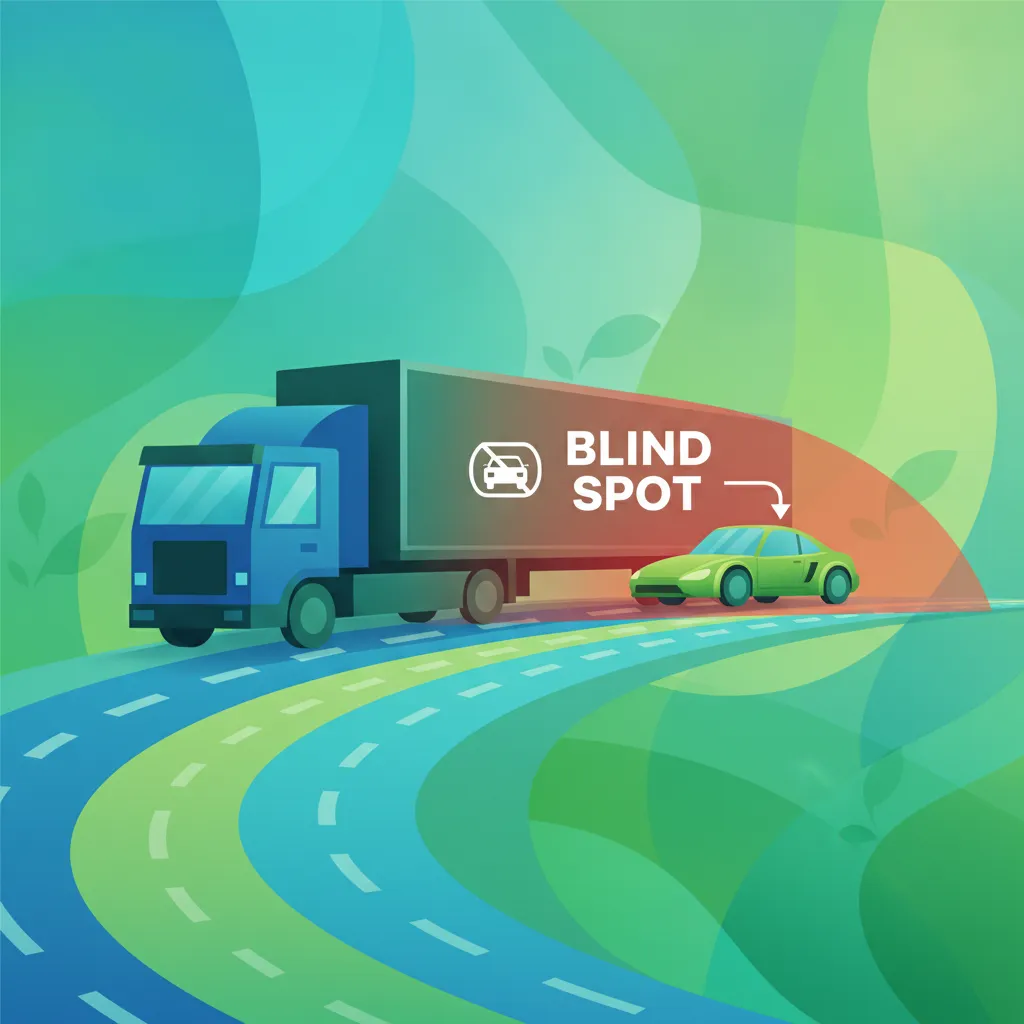
German HGV Theory - C/CERural Roads, Autobahnen, Tunnels, Routes, Weather and Long-Distance Risks
View lesson
Blind Spot Management for Trucks and Combinations lesson image

Blind Spot Management for Trucks and Combinations

This lesson focuses on the blind spot zones specific to trucks and vehicle combinations, explaining where these zones are located. It covers the use of blind spot mirrors and other aids to enhance driver awareness during lane changes and turns. The content stresses the importance of maintaining safe distances from vulnerable road users.

German HGV Theory - C/CEMirrors, Blind Spots, Turning, Reversing and Manoeuvring
View lesson

Advanced Route Planning and Navigation Aids

Explore sophisticated route planning strategies and the effective use of navigation aids for passenger transport in Germany. This theory content focuses on optimizing routes for large vehicles, considering traffic conditions and regulatory requirements for professional drivers.
route planningnavigation aidsprofessional drivingD licence theorylarge vehicle dynamics
Long-Distance Service Planning lesson image

Long-Distance Service Planning

This lesson focuses on the logistical and safety aspects of planning long-distance passenger services. It covers the legal requirements for driving hours and rest periods, which are monitored by a tachograph. Learners will understand the importance of proactive fatigue management, scheduling regular breaks, and planning routes that include appropriate rest stops to ensure both driver alertness and passenger comfort throughout the journey.
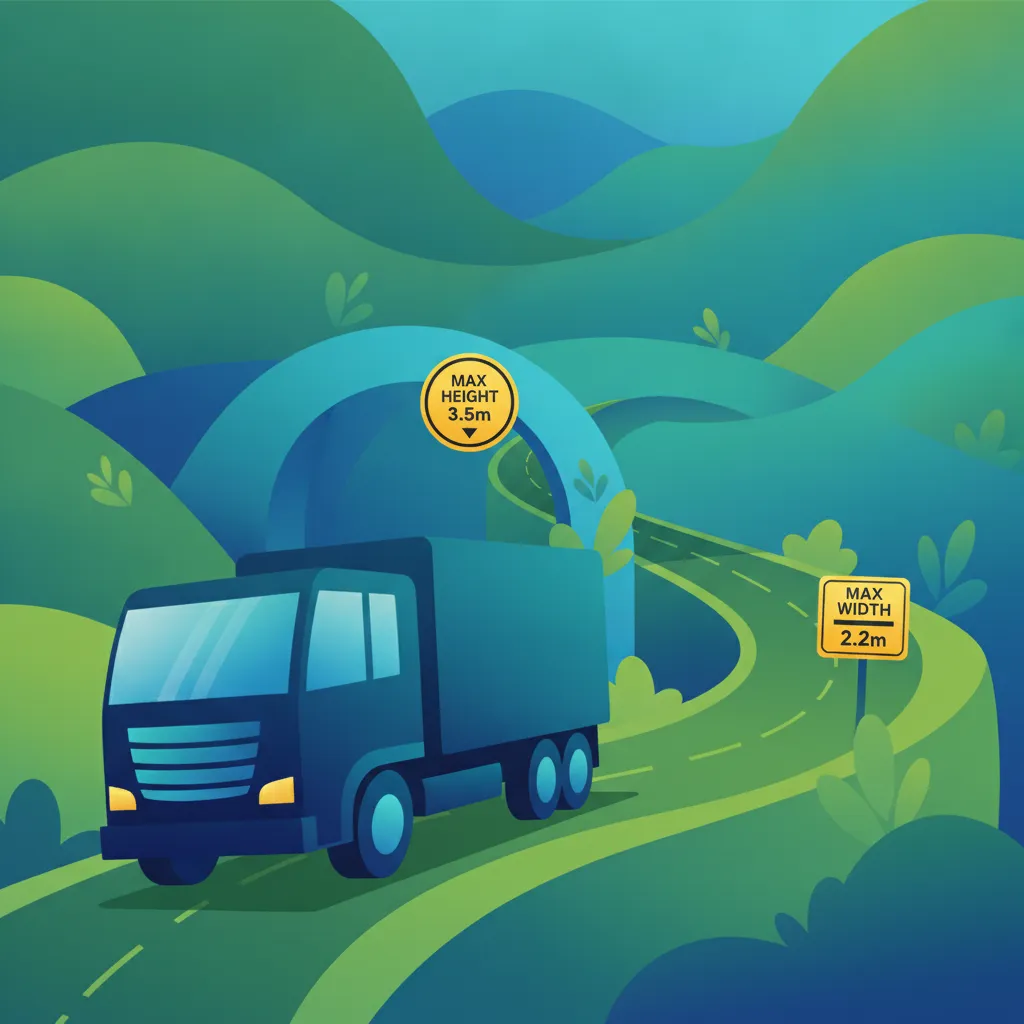
German Bus & Coach Theory (D)Rural Routes, Autobahnen, Tunnels, Weather and Long-Distance Service
View lesson
Route Planning Considering Height, Width, and Weight Limits lesson image

Route Planning Considering Height, Width, and Weight Limits

This lesson focuses on the importance of thorough route planning for heavy vehicles, taking into account dimensional and weight limits. It discusses how to use mapping tools and road signage to identify bridges, tunnels, and roads with restrictions. The content also covers how to plan alternative routes to avoid impassable areas.
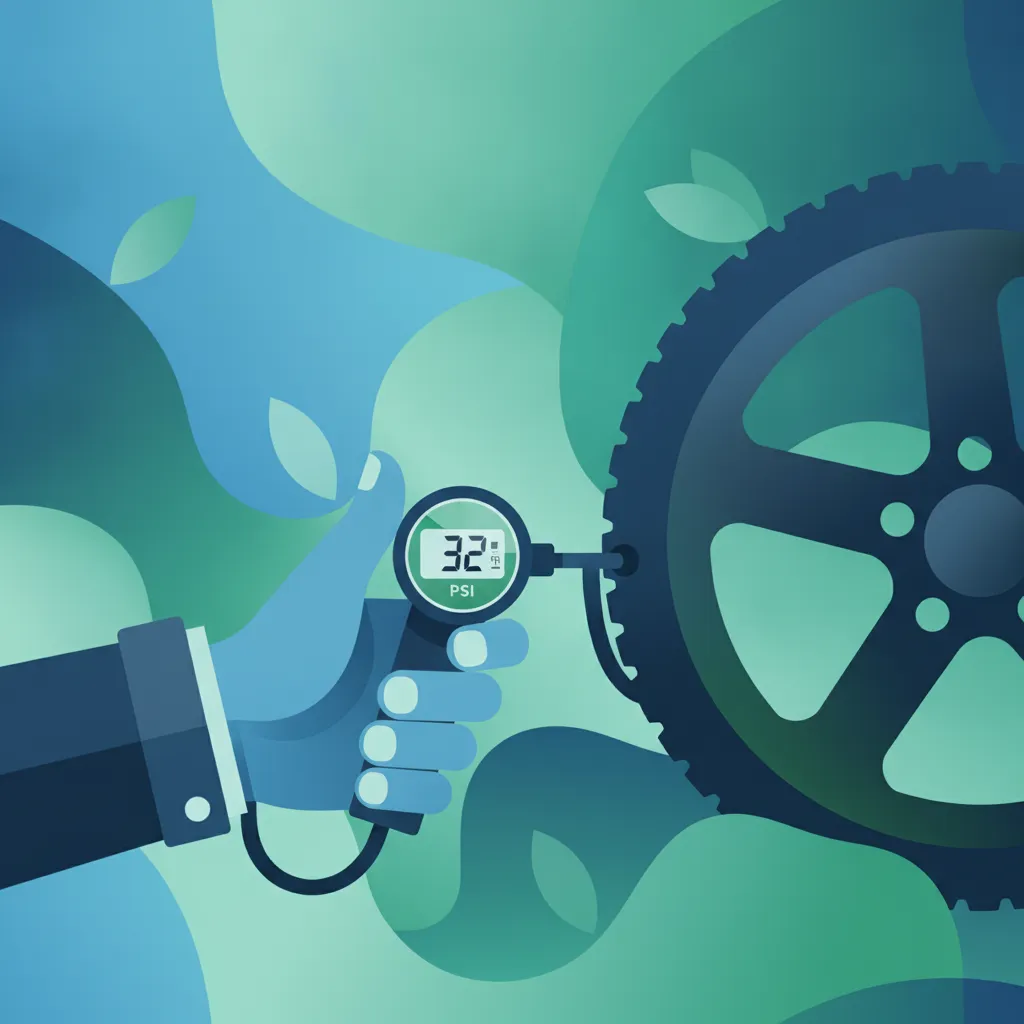
German HGV Theory - C/CERural Roads, Autobahnen, Tunnels, Routes, Weather and Long-Distance Risks
View lesson
Safety Checks and Daily Inspection Routine lesson image

Safety Checks and Daily Inspection Routine

This lesson teaches the systematic pre-trip inspection routine that every professional driver must perform. It covers a comprehensive checklist of visual and functional checks, including lights, tires, mirrors, and wipers. The lesson also emphasizes verifying the presence and condition of mandatory safety equipment, such as emergency exits, the fire extinguisher, and the first-aid kit, to ensure the vehicle is safe to operate.
German Bus & Coach Theory (D)Passenger Vehicle Construction, Controls, Safety Checks and Roadworthiness
View lesson
Overview of Road Signs Relevant to AM Riders lesson image

Overview of Road Signs Relevant to AM Riders

This lesson introduces the various categories of German road signs, focusing on their meaning and application for AM riders. It covers regulatory signs like speed limits, warning signs for hazards, and informational signs for guidance. Learners will be ableto identify signs by their shape, color, and symbols, ensuring correct interpretation while riding.
German Driving Theory AMGerman Road Signs, Signals, Markings, and Priority Rules
View lesson
Information Signs lesson image

Information Signs

This lesson explains the function of informational signs, which provide helpful guidance for navigation and services. You will learn how to read directional signs on all types of roads, including the Autobahn, and understand distance markers to upcoming cities and exits. The lesson also covers the symbols for services such as fuel stations, restaurants, and tourist attractions.
German Driving Theory BGerman Signs, Supplementary Signs, Signals and Road Markings
View lesson
Rural Road Characteristics lesson image

Rural Road Characteristics

This lesson examines the specific hazards associated with driving on rural roads. It covers how to handle narrow lanes, sharp bends, and poor road surfaces, as well as how to anticipate and safely interact with slow-moving agricultural vehicles or livestock. Strategies for speed adaptation due to limited visibility and the risks associated with overtaking in these conditions are thoroughly discussed.
German Bus & Coach Theory (D)Rural Routes, Autobahnen, Tunnels, Weather and Long-Distance Service
View lesson
Tunnel Driving and Signage lesson image

Tunnel Driving and Signage

This lesson details the specific regulations and safety considerations for driving in tunnels. It explains the importance of using headlights, adhering to lower speed limits, and maintaining a steady pace to ensure smooth traffic flow. Learners will also be taught how to interpret tunnel-specific signage and the correct procedures to follow in case of a breakdown or fire, including locating emergency exits and breakdown bays.
German Bus & Coach Theory (D)Rural Routes, Autobahnen, Tunnels, Weather and Long-Distance Service
View lesson
Special Traffic Signals for Passenger Vehicles lesson image

Special Traffic Signals for Passenger Vehicles

This lesson familiarizes drivers with the various special traffic signals and signs that apply exclusively to buses and other public transport vehicles. It covers the interpretation of bus-only signals (often showing bars or letters), flashing priority indicators, and lane-use control signs. Correctly understanding these signals is crucial for legal compliance and for taking advantage of public transport priority measures in urban areas.

German Bus & Coach Theory (D)Urban Traffic, Bus Rules, Special Signals, Routes and Public Transport Interaction
View lesson
Blind Spot Management lesson image

Blind Spot Management

This lesson provides a comprehensive guide to identifying and managing the significant blind spots around a large passenger vehicle. It covers the correct adjustment and use of all mirrors, supplemented by camera systems, to gain maximum visibility. The importance of performing physical checks ('shoulder checks') before turning or changing lanes is emphasized to detect smaller road users like cyclists and pedestrians who may be hidden from view.
German Bus & Coach Theory (D)Turning, Blind Spots, Reversing, Terminals and Vehicle Combinations
View lesson
Roundabouts, Yielding Rules, and Navigation Strategies lesson image

Roundabouts, Yielding Rules, and Navigation Strategies

This lesson provides clear instructions on how to navigate roundabouts in Germany. It explains the crucial rule of yielding to traffic already inside the circle, proper lane choice for your intended exit, and the correct use of signals. Safe interaction with cyclists and pedestrians at roundabout exits is also covered.

German Driving Theory AMJunctions, Turning, Roundabouts and Mixed Traffic
View lesson

Frequently asked questions about Route Planning and Junction Navigation

Find clear answers to common questions learners have about Route Planning and Junction Navigation. Learn how the lesson is structured, which driving theory objectives it supports, and how it fits into the overall learning path of units and curriculum progression in Germany. These explanations help you understand key concepts, lesson flow, and exam focused study goals.

Why is lane selection more critical for Category D vehicles than for cars?

Because of their length and width, passenger vehicles often require multiple lanes or wider sweeps to turn safely. Choosing the wrong lane early can force you into hazardous maneuvers or require you to block lanes, risking safety and traffic flow.

How do navigation aids affect my responsibilities as a professional driver?

While navigation aids are helpful, the driver remains legally responsible for verifying routes against physical restrictions like bridge heights or weight limits. Never rely solely on GPS; always verify the route for your specific vehicle dimensions.

What should I look for when navigating roundabouts with a large bus?

Always watch for smaller road users like cyclists who may be in your blind spot when you exit the roundabout. Stay in your lane and use your mirrors constantly to ensure you are not squeezing other road users against the kerb.

How does vehicle length impact my turning at urban junctions?

Long vehicles have a 'rear-wheel cut-in' effect. You must wait until your rear wheels are clear of the corner before completing the turn to ensure you do not hit the kerb, street furniture, or pedestrians.

Ready to Target Your German Driving Theory Practice?

Begin your targeted revision now. Use our practice search to quickly find specific German driving theory questions. Filter by StVO rules, road signs, or hazard perception to create your focused study plan. Master challenging areas and prepare confidently for your theoretical driving test.

Search Theory Practice Sets

Continue your German driving theory learning journey

German road signsGerman article topicsSearch German road signsGerman driving theory homeGerman road sign categoriesGerman driving theory topicsSearch German theory articlesGerman driving theory coursesGerman Driving Theory B courseGerman driving theory articlesGerman driving theory practiceGerman practice set categoriesGerman Driving Theory AM courseGerman HGV Theory - C/CE courseGerman Motorcycle Theory A courseGerman driving licence proceduresGerman Bus & Coach Theory (D) courseSearch German driving theory practiceGerman driving theory terminology A–ZGerman driving theory terms and glossaryScope, Responsibilities and Professional Context unit in German HGV Theory - C/CEAM Licence, Vehicle Types and Rider Responsibility unit in German Driving Theory AMDimensions, Masses, Axle Loads and Operating Limits unit in German HGV Theory - C/CERoad Users, Core Behaviour Rules and Safe Communication unit in German Driving Theory BGerman Road Signs, Signals, Markings, and Priority Rules unit in German Driving Theory AMMotorcycle Construction, Controls, Equipment and Safety Checks unit in German Motorcycle Theory AA1, A2 and A Licence Scope, Progression and Rider Responsibility unit in German Motorcycle Theory ADriver's License Class B, Training, Examination and Driver Responsibility unit in German Driving Theory BPassenger Vehicle Construction, Controls, Safety Checks and Roadworthiness unit in German Bus & Coach Theory (D)Urban Traffic Dynamics lesson in Urban Traffic, Bus Rules, Special Signals, Routes and Public Transport InteractionD1, D1E, D and DE Scope, Passenger Duty of Care and Professional Responsibility unit in German Bus & Coach Theory (D)Bus Lanes and Priority Rules lesson in Urban Traffic, Bus Rules, Special Signals, Routes and Public Transport InteractionInteraction with Trams and Light Rail lesson in Urban Traffic, Bus Rules, Special Signals, Routes and Public Transport InteractionRoute Planning and Junction Navigation lesson in Urban Traffic, Bus Rules, Special Signals, Routes and Public Transport InteractionSpecial Traffic Signals for Passenger Vehicles lesson in Urban Traffic, Bus Rules, Special Signals, Routes and Public Transport Interaction