
This lesson provides essential training on how to safely navigate roundabouts while operating moped or scooter class vehicles in Germany. By building on your knowledge of priority rules, you will learn the correct approach, signaling requirements, and safe positioning to handle these common junctions.
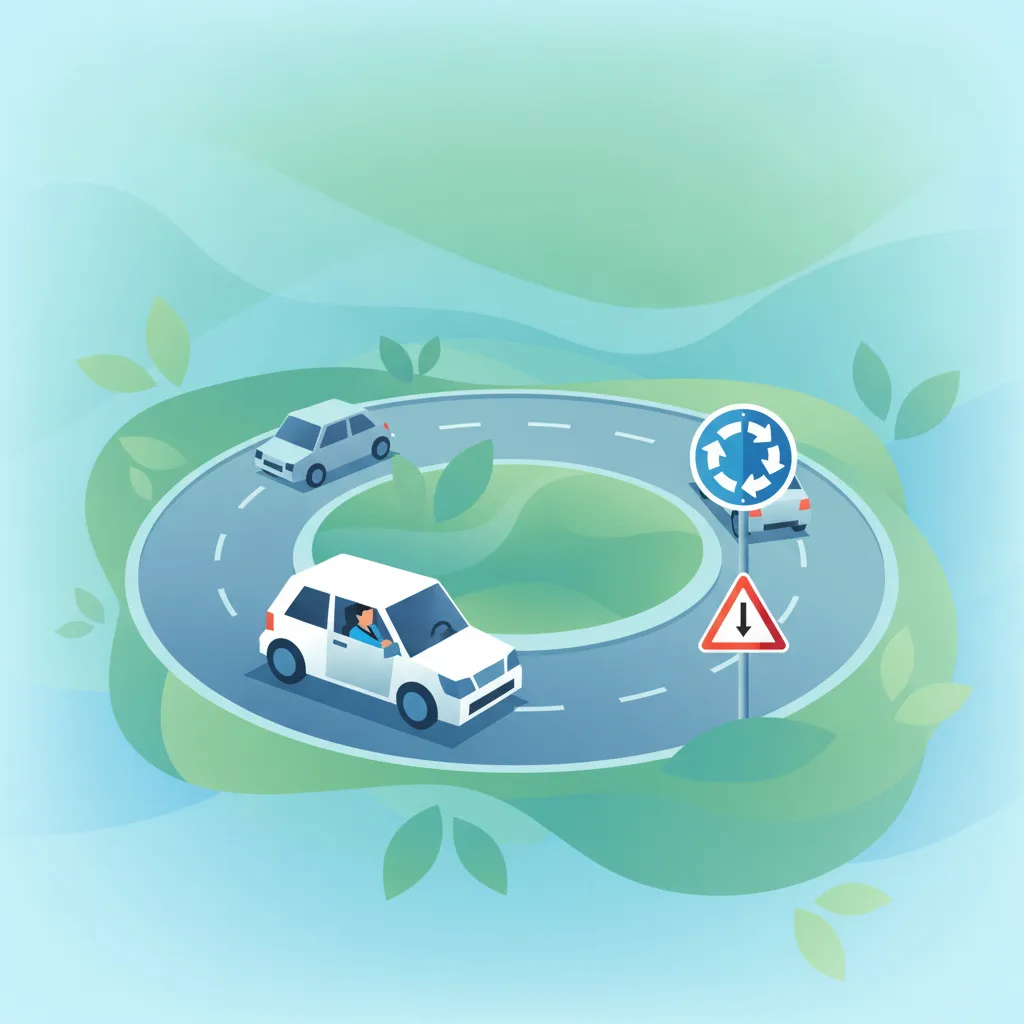
Lesson content overview
This lesson teaches AM licence holders how to safely navigate German roundabouts (Kreisverkehr) by following the fundamental rule of yielding to circulating traffic under StVO §8, selecting the correct lane before entry based on intended exit, and signaling right when approaching an exit under StVO §9. It emphasizes protecting vulnerable road users—yielding to pedestrians at marked crossings and cyclists sharing the lane—and adapting speed to conditions. For theory exam preparation, understanding priority rules, lane discipline, signaling timing, and pedestrian/cyclist obligations at roundabouts forms a critical foundation for both passing the test and riding safely in real German traffic.
A short set of high-value points that capture the most important learning from this lesson.
The single most important rule at any German roundabout is to yield to traffic already circulating inside it—this priority overrides the usual 'priority to the right' rule.
In multi-lane roundabouts, choose your lane before entry based on your intended exit: outer lane for exits 1–2 (turning right), inner lane for exits 3 and beyond (continuing or turning left).
Activating your right turn signal when approaching your exit is mandatory under StVO §9 and must be done early enough for other road users to anticipate your exit.
Always yield to pedestrians at marked crossings (Fußgängerüberwege) and cyclists at roundabout exits—failure to do so endangers vulnerable road users and violates StVO.
Approach roundabouts at reduced speed to allow time for observation, safe gap selection, correct lane positioning, and reaction to unexpected hazards.
Explore all units and lessons included in this driving theory course.
Traffic already inside the Kreisverkehr always has priority; you must wait for a safe gap before entering.
Signal right to exit, never signal left or upon entry unless a lane change before entry is required.
In multi-lane roundabouts: outer lane = early exits, inner lane = late exits or continuing around.
Cyclists sharing the lane inside a roundabout have priority over vehicles exiting; pedestrians at zebra crossings always have right-of-way.
Lane changes inside a roundabout are discouraged—plan your lane choice before entry to avoid risky maneuvers.
Failing to yield to traffic already inside the roundabout, assuming instead that the right-hand entry has priority—this is the most dangerous and common error.
Signaling too late or not at all when exiting, which causes confusion for following traffic, waiting vehicles, and pedestrians at the exit.
Entering a multi-lane roundabout in the wrong lane, forcing dangerous lane changes within the confined roundabout space.
Not stopping for pedestrians at marked crossings at roundabout exits, endangering vulnerable road users and committing a traffic violation.
Entering the roundabout at excessive speed, reducing reaction time and making it harder to judge safe gaps, especially on a smaller moped or scooter.
Lesson content overview
A short set of high-value points that capture the most important learning from this lesson.
The single most important rule at any German roundabout is to yield to traffic already circulating inside it—this priority overrides the usual 'priority to the right' rule.
In multi-lane roundabouts, choose your lane before entry based on your intended exit: outer lane for exits 1–2 (turning right), inner lane for exits 3 and beyond (continuing or turning left).
Activating your right turn signal when approaching your exit is mandatory under StVO §9 and must be done early enough for other road users to anticipate your exit.
Always yield to pedestrians at marked crossings (Fußgängerüberwege) and cyclists at roundabout exits—failure to do so endangers vulnerable road users and violates StVO.
Approach roundabouts at reduced speed to allow time for observation, safe gap selection, correct lane positioning, and reaction to unexpected hazards.
Explore all units and lessons included in this driving theory course.
Traffic already inside the Kreisverkehr always has priority; you must wait for a safe gap before entering.
Signal right to exit, never signal left or upon entry unless a lane change before entry is required.
In multi-lane roundabouts: outer lane = early exits, inner lane = late exits or continuing around.
Cyclists sharing the lane inside a roundabout have priority over vehicles exiting; pedestrians at zebra crossings always have right-of-way.
Lane changes inside a roundabout are discouraged—plan your lane choice before entry to avoid risky maneuvers.
Failing to yield to traffic already inside the roundabout, assuming instead that the right-hand entry has priority—this is the most dangerous and common error.
Signaling too late or not at all when exiting, which causes confusion for following traffic, waiting vehicles, and pedestrians at the exit.
Entering a multi-lane roundabout in the wrong lane, forcing dangerous lane changes within the confined roundabout space.
Not stopping for pedestrians at marked crossings at roundabout exits, endangering vulnerable road users and committing a traffic violation.
Entering the roundabout at excessive speed, reducing reaction time and making it harder to judge safe gaps, especially on a smaller moped or scooter.
Explore search topics learners often look for when studying Roundabouts, Yielding Rules, and Navigation Strategies. These topics reflect common questions about road rules, driving situations, safety guidance, and lesson level theory preparation for learners in Germany.
Browse additional driving theory lessons that cover connected traffic rules, road signs, and common driving situations related to this topic. Improve your understanding of how different rules interact across everyday traffic scenarios.
Explore complex roundabout scenarios including multi-lane entries, exits, and yielding rules in Germany. Understand advanced strategies for safe navigation and correct lane usage in varied traffic conditions, building on basic roundabout theory.
This lesson covers the principles of effective route planning and the practical skills for navigating different types of junctions. It provides guidance on using navigation aids and understanding the specific challenges large vehicles face at roundabouts and complex intersections. Emphasis is placed on correct lane selection and positioning well in advance of a turn to execute the maneuver safely and without impeding other traffic.
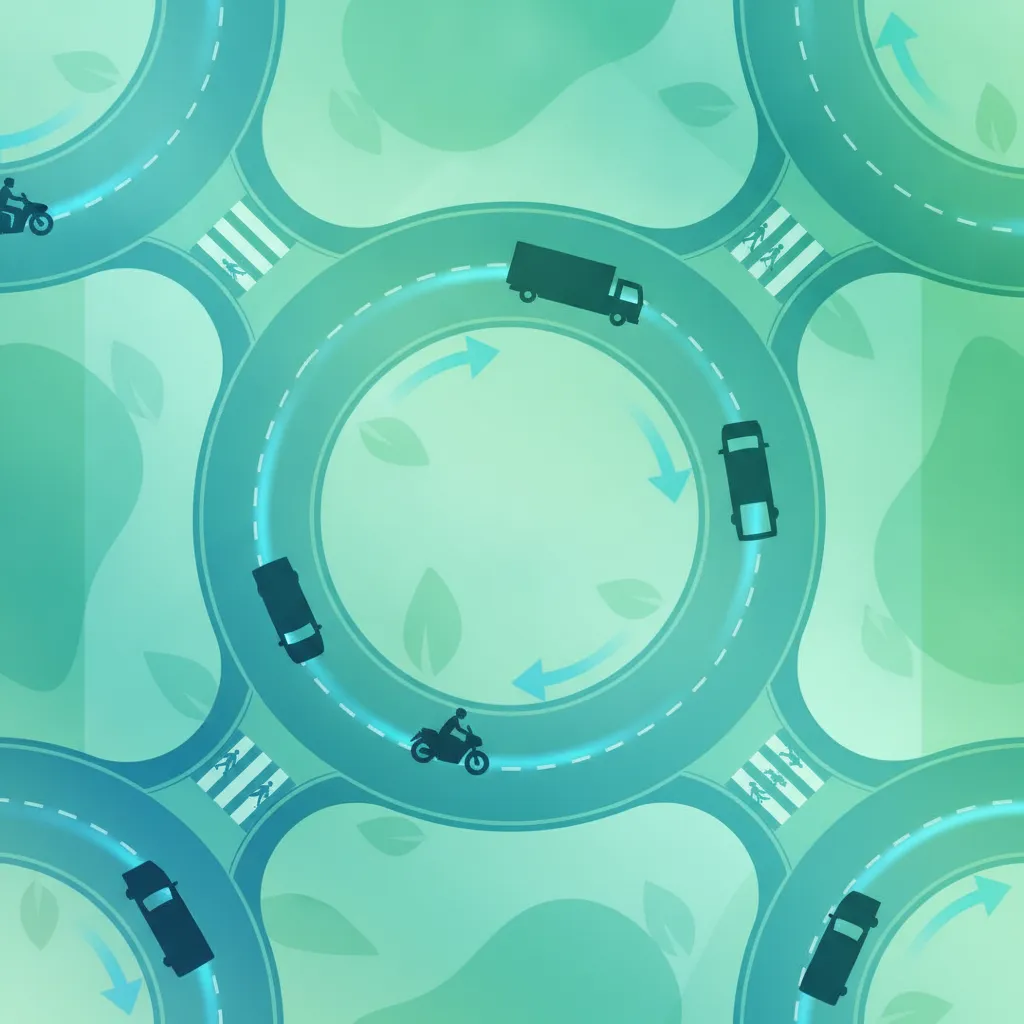
This lesson focuses on the specific techniques for safely navigating roundabouts, a common feature in urban traffic. Learners are taught the correct lane selection for their intended exit, the importance of proper signaling upon entry and exit, and maintaining an appropriate speed. The content highlights the need to yield to circulating traffic and to be aware of other vehicles changing lanes within the roundabout.

This lesson explains the specific rules for driving in roundabouts ('Kreisverkehr'), a common feature on German roads. It covers the correct procedure for approaching and entering, the rule that traffic already in the circle has priority, and the requirement to signal before exiting. The lesson also addresses the unique characteristics of mini-roundabouts and how to interact with cyclists and pedestrians around them.
This lesson details the safe approach and navigation of various intersection types, including those controlled by traffic lights, stop signs, and give-way signs. Emphasis is placed on comprehensive observation of traffic flow, establishing eye contact with other road users, and ensuring clear visibility before proceeding. The lesson also covers correct lane positioning for turning and the importance of anticipating pedestrian movements.

This lesson provides a step-by-step guide to executing turns safely at intersections and other locations. It details the full observation sequence (mirrors, signal, blind spot check) required before initiating a turn. The lesson covers correct lane positioning for both left and right turns and explains the rules for performing U-turns or three-point turns where permitted.
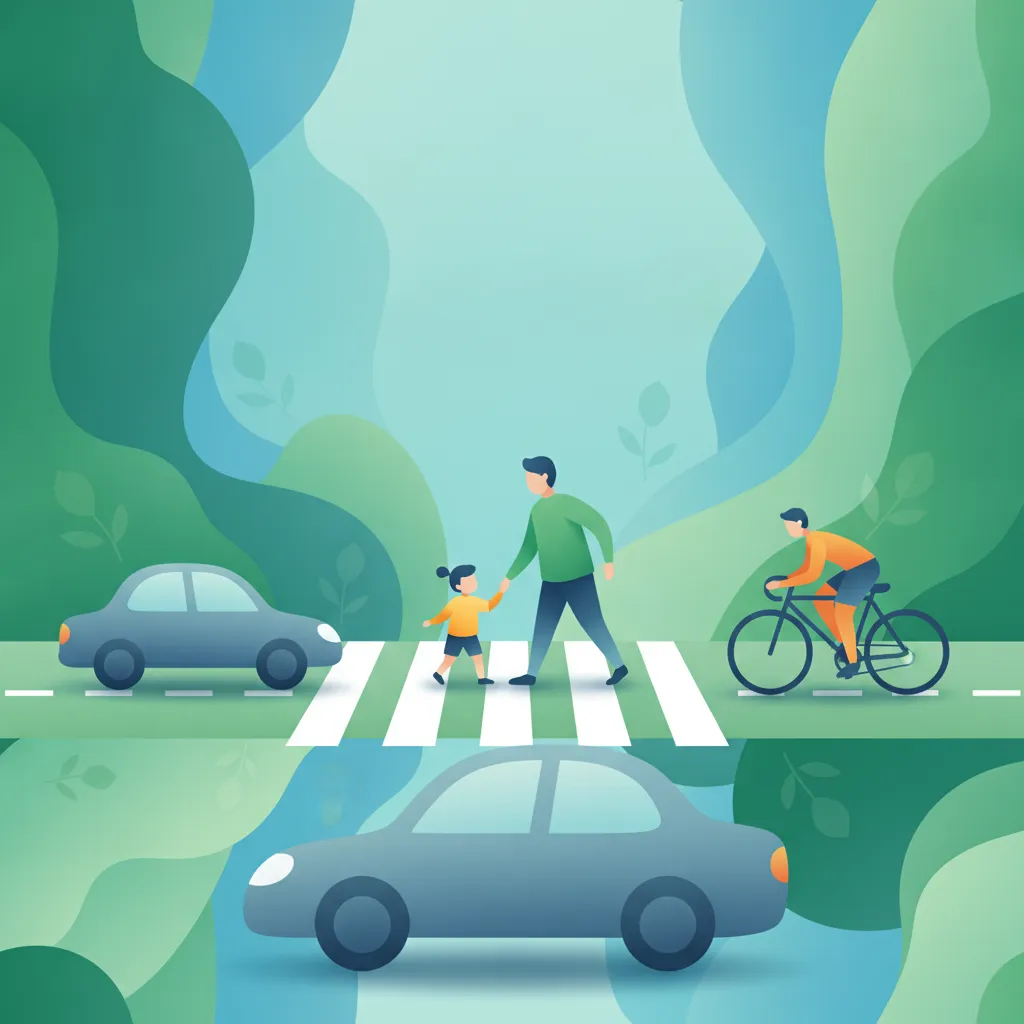
This lesson focuses on the interaction between heavy vehicles and vulnerable road users at crossings, particularly when turning right. It covers the need for heightened vigilance, the importance of properly using mirrors, and correct signaling to alert others. The content highlights legal responsibilities and safe distance requirements to prevent accidents.

This lesson teaches a structured method for approaching any intersection. It covers identifying the type of junction, determining who has the right-of-way based on signs or rules, and performing thorough visual checks. The focus is on developing a safe and decisive approach to reduce risk in these high-conflict areas.

This lesson teaches the fundamental techniques for safely turning a large passenger vehicle. It explains the concepts of turning radius, swept path, and off-tracking, where the rear wheels follow a tighter path than the front wheels. Learners will understand how to position the vehicle correctly before a turn and manage their speed to navigate corners without encroaching on other lanes or hitting curbs.
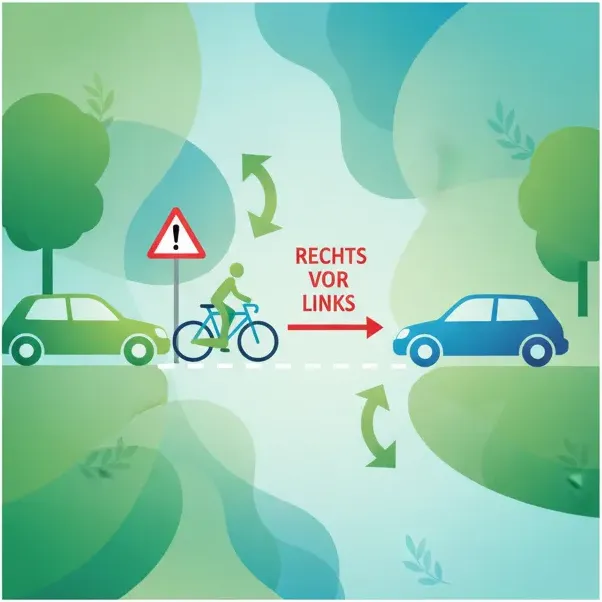
This lesson provides a detailed guide to navigating various types of intersections safely and correctly. It explains how priority is determined by traffic signs (such as the priority road, yield, and stop signs) and traffic lights. The lesson also covers complex scenarios, including the rules for turning left across oncoming traffic, to ensure you can handle any junction with confidence.

This lesson examines the concepts of turning radius and swept path, explaining how a heavy vehicle's size influences the space required for a turn. It highlights the importance of maintaining proper lane positioning to accommodate the vehicle's dimensions. The content provides guidance on planning maneuvers and accounting for off-tracking during cornering.
Learn crucial safety measures for navigating German roundabouts when interacting with cyclists and pedestrians. This lesson focuses on right-of-way, visibility, and communication strategies at roundabout entries and exits.
This lesson explains the specific rules for driving in roundabouts ('Kreisverkehr'), a common feature on German roads. It covers the correct procedure for approaching and entering, the rule that traffic already in the circle has priority, and the requirement to signal before exiting. The lesson also addresses the unique characteristics of mini-roundabouts and how to interact with cyclists and pedestrians around them.
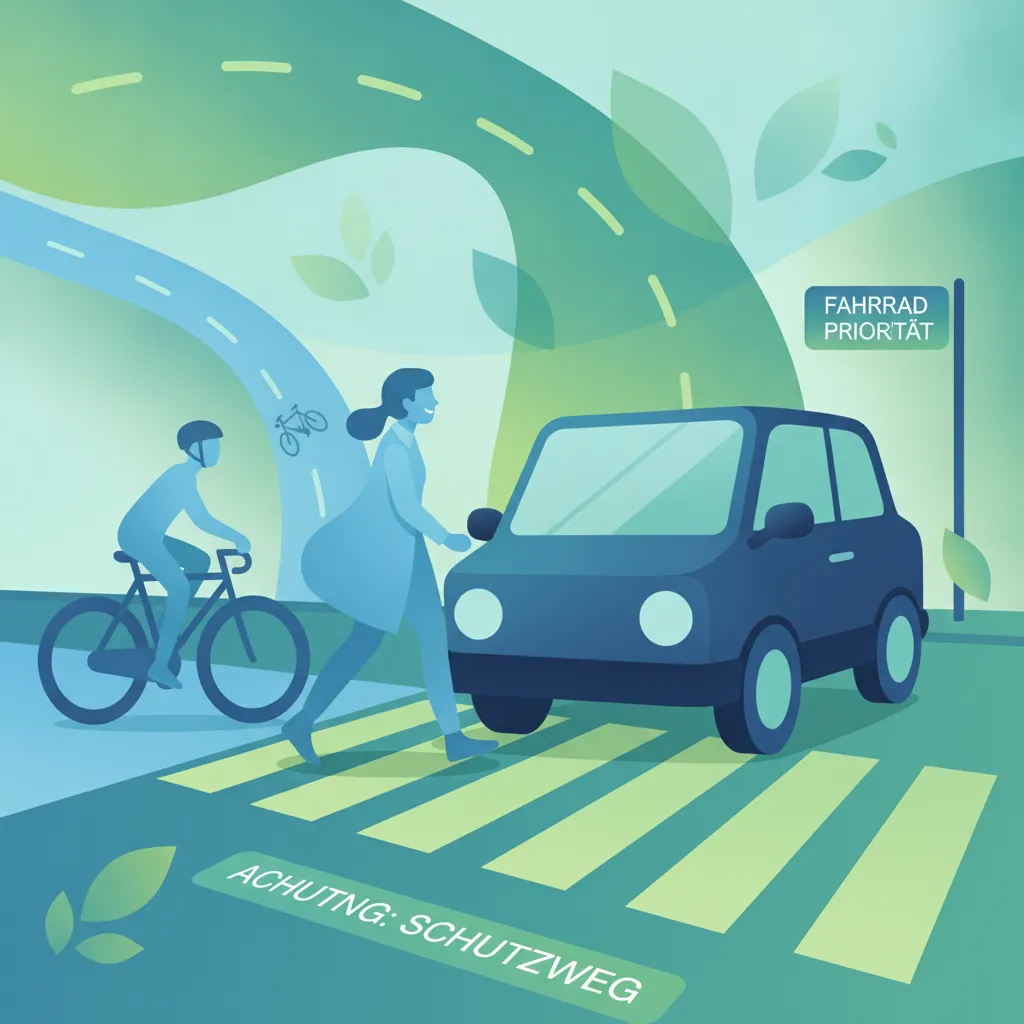
This lesson provides specific guidance on how to safely share the road with pedestrians and cyclists, who are among the most vulnerable road users. It covers the rules of conduct at zebra crossings, traffic lights for pedestrians, and designated cycle lanes. The content emphasizes the importance of vigilance, yielding right-of-way, and maintaining a safe distance to prevent accidents in urban and rural environments.

This lesson teaches riders how to interact safely and predictably with pedestrians, cyclists, and public transport vehicles. It highlights the importance of yielding at designated crossings, maintaining a safe passing distance, and anticipating the movements of buses and trams. The content emphasizes using eye contact and clear signaling to foster safe and respectful interactions with all road users.

This lesson covers the correct and safe way to interact with cyclists. It explains the different types of bicycle infrastructure, such as dedicated cycle paths and advisory bike lanes on the road. Key topics include maintaining the legally required minimum passing distance, checking for cyclists before turning right, and being aware of the risk of 'dooring' when parked.
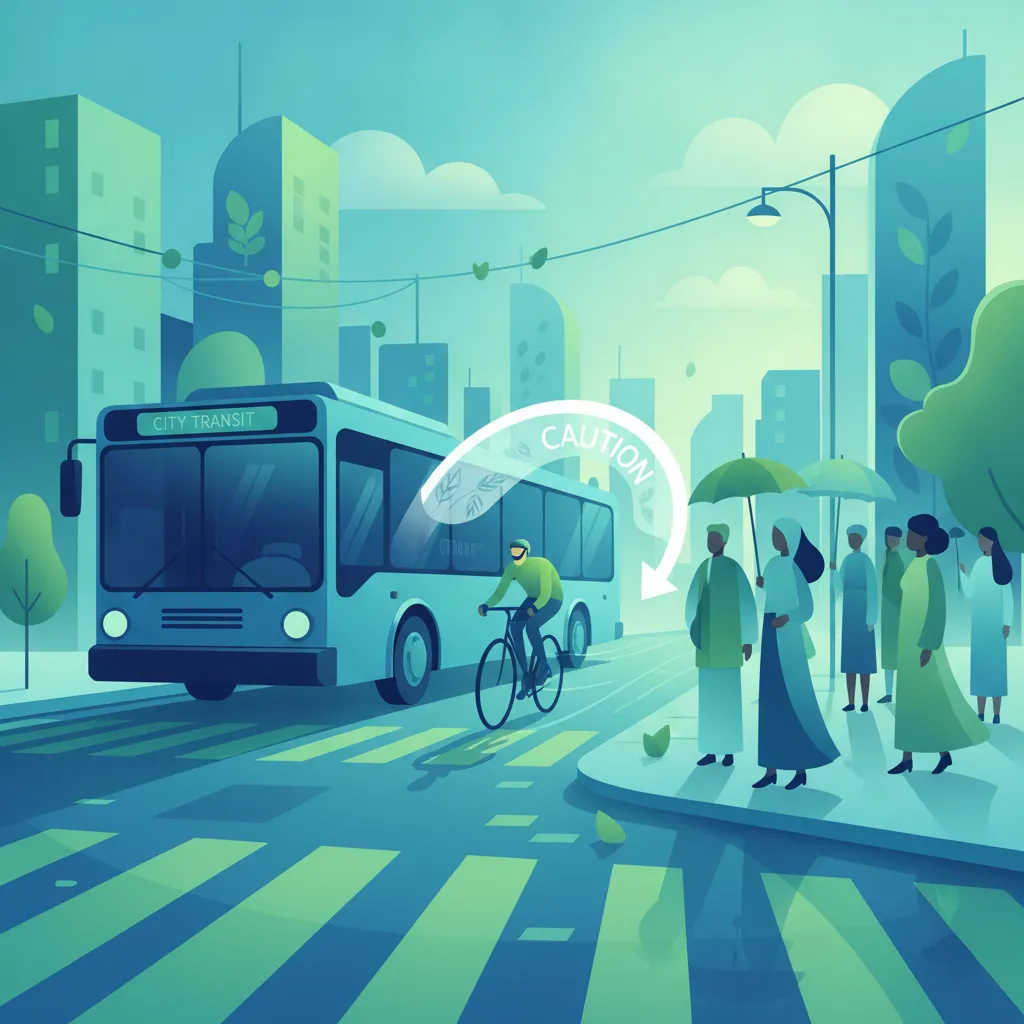
This lesson focuses on the critical moments of interaction with pedestrians and cyclists near bus stops, a common location for accidents. It reinforces the importance of reducing speed, yielding right-of-way, and constantly monitoring blind spots during the stopping process. Learners will practice techniques like making eye contact and using signals to communicate intentions, creating a safer environment for everyone around the vehicle.

This lesson focuses on the particular care required when driving near pedestrians, with a special emphasis on children and the elderly, whose behavior can be unpredictable. It covers the rules for yielding at zebra crossings and the importance of reducing speed near schools, playgrounds, and residential areas. The goal is to instill a habit of constant vigilance and readiness to stop.
This lesson focuses on the specific techniques for safely navigating roundabouts, a common feature in urban traffic. Learners are taught the correct lane selection for their intended exit, the importance of proper signaling upon entry and exit, and maintaining an appropriate speed. The content highlights the need to yield to circulating traffic and to be aware of other vehicles changing lanes within the roundabout.
This lesson details the safe approach and navigation of various intersection types, including those controlled by traffic lights, stop signs, and give-way signs. Emphasis is placed on comprehensive observation of traffic flow, establishing eye contact with other road users, and ensuring clear visibility before proceeding. The lesson also covers correct lane positioning for turning and the importance of anticipating pedestrian movements.
This lesson focuses on the interaction between heavy vehicles and vulnerable road users at crossings, particularly when turning right. It covers the need for heightened vigilance, the importance of properly using mirrors, and correct signaling to alert others. The content highlights legal responsibilities and safe distance requirements to prevent accidents.

This lesson addresses the critical skill of safely interacting with other road users, particularly vulnerable ones like pedestrians and cyclists. It covers rules for yielding at crosswalks, maintaining a safe passing distance, and being aware of the limited visibility of a moped to car drivers. The focus is on fostering a defensive and cooperative mindset in mixed traffic.
Find clear answers to common questions learners have about Roundabouts, Yielding Rules, and Navigation Strategies. Learn how the lesson is structured, which driving theory objectives it supports, and how it fits into the overall learning path of units and curriculum progression in Germany. These explanations help you understand key concepts, lesson flow, and exam focused study goals.
No, in Germany, you do not use your indicator when entering a roundabout. You only signal when you are about to exit the roundabout.
Unless signs indicate otherwise, vehicles already inside the roundabout have priority over those entering. Always yield to traffic coming from your left.
It is generally unsafe to overtake a cyclist within a roundabout. Stay behind them, maintain a safe distance, and wait until you have exited the roundabout and it is safe to proceed.
Pedestrians often cross at roundabout exits. Even if you have the right of way as a vehicle, you must remain vigilant and be prepared to stop to prevent accidents.
Begin your targeted revision now. Use our practice search to quickly find specific German driving theory questions. Filter by StVO rules, road signs, or hazard perception to create your focused study plan. Master challenging areas and prepare confidently for your theoretical driving test.