
This lesson focuses on the vital role tyres play in vehicle safety and performance, forming a key part of your vehicle maintenance knowledge for the Patente B exam. You will learn how to properly check your tyre pressure, ensure your tread depth meets the legal minimums in Italy, and identify signs of uneven wear. Mastering these skills is essential for maintaining grip, ensuring effective braking, and preventing dangerous situations like aquaplaning on the road.
Lesson content overview
Tyres are the only part of your vehicle that makes contact with the road, making their condition paramount for safety, handling, and overall driving performance. Understanding how to maintain your tyres correctly, from monitoring pressure to checking tread depth and identifying wear patterns, is a fundamental responsibility for every driver undertaking the Italian Patente B theory course. Proper tyre maintenance directly influences your vehicle's grip, braking capabilities, fuel efficiency, and significantly reduces the risk of accidents, particularly in adverse weather conditions.
Tyre pressure refers to the amount of air inside your tyre, typically measured in bar, kilopascals (kPa), or pounds per square inch (psi). Maintaining the correct tyre pressure is crucial because it dictates the shape and size of the tyre's contact patch with the road. This contact patch is where all acceleration, braking, and steering forces are transmitted.
Optimal tyre pressure ensures that the tyre deforms correctly under the vehicle's weight, allowing the full width of the tread to make even contact with the road. This maximizes grip, provides predictable handling, and ensures efficient braking. Incorrect pressure, however, can lead to a host of problems.
It is essential to check tyre pressure when the tyres are "cold." Cold pressure is measured when the vehicle has been stationary for at least three hours or has not been driven for more than 2 kilometres. After driving, tyres heat up due to friction and the compression of air, causing the internal pressure to increase. This elevated reading is called warm pressure and is not suitable for routine checks as it will give a misleadingly high figure. Always measure pressure against the manufacturer's recommended cold pressure specifications.
Underinflation: When tyres are underinflated, the edges (or shoulders) of the tread bear most of the load, causing them to wear out prematurely. The tyre also flexes more, leading to increased rolling resistance and excessive heat generation. This significantly reduces fuel efficiency, impairs handling, lengthens braking distances, and increases the risk of a tyre blowout, especially at higher speeds.
Overinflation: Conversely, overinflated tyres cause the centre of the tread to bulge out and make primary contact with the road, leading to faster wear in the middle. The smaller contact patch reduces grip, especially in wet conditions, and makes the ride harsher. Overinflated tyres are also more susceptible to damage from potholes and road debris.
Regular Pressure Checks: Check your tyre pressure at least once a month and always before any long journey. Don't forget to check the spare tyre as well! The correct pressure values for your vehicle, including adjustments for full loads, are usually found in the vehicle's handbook, on a sticker inside the driver's door jamb, or on the fuel filler flap.
Vehicle manufacturers provide different tyre pressure recommendations for normal loading and for full or maximum loading. If you plan to carry a full complement of passengers or significant luggage, you must increase your tyre pressure to the higher values specified in your vehicle manual. Failure to do so can lead to severe underinflation for the given load, causing excessive heat buildup and potential tyre failure.
Temperature also affects tyre pressure; cold weather causes pressure to drop. For every 10°C decrease in ambient temperature, tyre pressure can drop by approximately 3-5%. Therefore, it is particularly important to recheck and adjust tyre pressure during seasonal changes, especially when temperatures begin to fall in autumn and winter.
Ensure tyres are cold. If you’ve driven, wait a few hours or check them first thing in the morning.
Locate the recommended tyre pressure values in your vehicle's manual or on a sticker (often inside the driver's door jamb or fuel filler flap).
Remove the dust cap from the tyre valve.
Firmly press a reliable pressure gauge onto the valve stem. Note the reading.
If the pressure is too low, add air using an air compressor until it reaches the recommended level.
If the pressure is too high, gently press the pin in the centre of the valve stem to release air until the correct pressure is reached.
Replace the dust cap on the valve stem. Repeat for all tyres, including the spare.
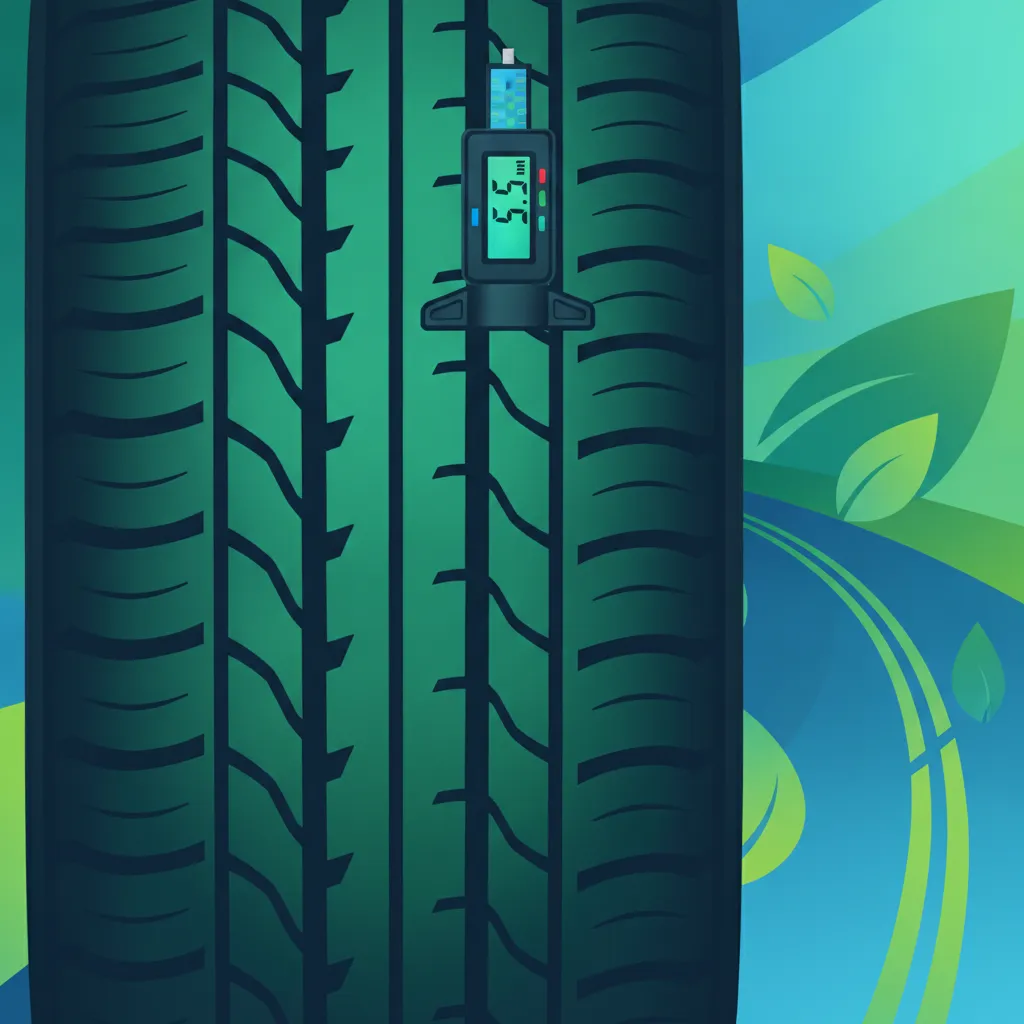
Tyre tread depth is the vertical distance from the top of the tread block to the bottom of the deepest groove, measured in millimetres (mm). The tread pattern is specifically designed to channel water away from the contact patch between the tyre and the road surface, preventing a dangerous phenomenon known as aquaplaning. Adequate tread depth is crucial for maintaining grip, especially in wet conditions, and for effective braking.
In Italy, as stipulated by the Codice della Strada, tyres must have a minimum legal tread depth of 1.6 mm across the central three-quarters of the tread width. This regulation is strictly enforced to ensure that tyres retain their ability to displace water and provide sufficient friction. Driving with tyres below this legal limit is not only extremely dangerous but also illegal, carrying penalties such as fines and the potential for your vehicle to be stopped.
Aquaplaning occurs when a layer of water builds up between the tyre's tread and the road surface, causing the tyre to lose contact with the road. When this happens, the driver loses steering control and braking ability, leading to a very high risk of an accident. Sufficient tread depth is the primary defence against aquaplaning, as the grooves efficiently channel water away, allowing the tyre to maintain contact. As tread depth wears down, a tyre's ability to evacuate water diminishes significantly, drastically increasing the risk of aquaplaning even at lower speeds.
Most modern tyres have Tread Wear Indicators (TWIs) molded into the main grooves. These are small raised bars that become flush with the tread surface when the depth has worn down to the legal minimum (1.6 mm). While TWIs provide a quick visual check, for precise measurement, especially if wear is uneven, a dedicated tread depth gauge is recommended.
Park your vehicle safely and ensure the handbrake is engaged.
Examine the tyre surface for any signs of uneven wear.
Insert the probe of the tread depth gauge into a main tread groove. Make sure it's perpendicular to the tyre surface.
Press the gauge's shoulder firmly against the tread block. Read the measurement displayed.
Repeat this process at several points around the tyre's circumference and across its width, focusing on the central three-quarters of the tread. If any measurement falls below 1.6 mm, the tyre must be replaced.
Tyres can reveal a lot about your vehicle's health and maintenance. Uneven wear patterns on your tyres are visual indicators of underlying issues such as incorrect tyre pressure, improper wheel alignment, or mechanical problems with the suspension or braking system. Recognizing these patterns early can prevent further damage to your tyres and other vehicle components, while also improving safety.
Wear on the Centre of the Tread: This typically indicates overinflation. When a tyre is overinflated, the centre bulges, causing it to carry most of the vehicle's weight and wear down faster. This reduces the contact patch, leading to less grip and a harsher ride.
Wear on Both Outer Edges (Shoulders): This is a classic sign of underinflation. An underinflated tyre sags at the centre, forcing the outer edges to bear the load and wear prematurely. This increases rolling resistance, generates excessive heat, and compromises handling and braking.
Wear on Only One Side (Inner or Outer Shoulder): Uneven wear concentrated on just one side of the tyre often points to incorrect wheel alignment. If your wheels are not perfectly aligned, they will "drag" across the road rather than rolling smoothly, causing rapid wear on one edge. This can also be caused by worn suspension components.
Feathering or Scalloping (Uneven Patchy Wear): Irregular wear, appearing as dips and rises or "feathered" edges across the tread blocks, can indicate wheel imbalance or worn suspension components (e.g., shock absorbers). These issues can cause the tyre to bounce or vibrate, leading to inconsistent contact with the road and patchy wear.
If you notice any unusual wear patterns on your tyres, it's crucial to have them inspected by a qualified mechanic. Addressing these issues promptly can save you money on premature tyre replacement and, more importantly, ensure your vehicle remains safe to drive.
While tread depth is a critical factor, it's not the only determinant of a tyre's roadworthiness. Tyres, even with adequate tread, degrade over time due to exposure to UV light, temperature fluctuations, and general environmental factors. The rubber compounds harden and become brittle, reducing flexibility and grip. This process, known as rubber aging, can lead to microscopic cracks, delamination, and an increased risk of sudden tyre failure.
Most tyre manufacturers and safety experts recommend replacing tyres that are six years old or older from their date of manufacture, regardless of how much tread they have left or how often they have been used. The manufacturing date is indicated by the DOT code (Department of Transportation) stamped on the tyre's sidewall. The last four digits of this code represent the week and year of manufacture (e.g., "1522" means the 15th week of 2022).
Even if a tyre looks good and has sufficient tread, an old tyre can be dangerous. Rubber degradation is often invisible from the outside but can compromise the tyre's structural integrity, increasing the risk of a blowout.
The Italian Codice della Strada (Highway Code) places significant emphasis on tyre maintenance for vehicle safety. Drivers are legally obligated to ensure their vehicle's tyres meet specific standards:
Non-compliance with these regulations can lead to substantial fines, points on your driving license, and the vehicle being impounded or ordered off the road until the issues are rectified. More importantly, it dramatically increases accident risk and can complicate insurance claims.
The condition of your tyres has a profound and immediate impact on every aspect of your driving experience:
As you prepare for your Italian Patente B theory test, remember that diligent tyre maintenance is a non-negotiable aspect of safe driving.
By diligently maintaining your tyres, you are not only complying with the law but also actively contributing to your own safety and the safety of other road users.
This lesson covers essential tyre maintenance knowledge required for the Italian Patente B exam, focusing on three critical areas: tyre pressure monitoring (always check when cold using manufacturer specifications), tread depth compliance (minimum 1.6 mm across central three-quarters of tread), and wear pattern recognition (which diagnoses underinflation, overinflation, misalignment, or suspension issues). Proper tyre maintenance directly affects braking distance, handling stability, aquaplaning resistance, and fuel efficiency. The Codice della Strada mandates compliance with these standards, and drivers must also consider tyre age (replace at 6 years) alongside tread condition.
A short set of high-value points that capture the most important learning from this lesson.
Tyres are the only point of contact between vehicle and road, making their condition paramount for safety and handling
In Italy, the legal minimum tread depth is 1.6 mm across the central three-quarters of the tread width as per Codice della Strada
Always check tyre pressure when tyres are cold (stationary for 3+ hours or driven less than 2 km) using manufacturer-recommended values
Tyre wear patterns visually indicate underlying problems: centre wear means overinflation, edge wear means underinflation, one-sided wear suggests misalignment
Replace tyres that are six years old or older regardless of tread depth due to rubber degradation, checking the DOT code on the sidewall
Explore all units and lessons included in this driving theory course.
Tyre pressure drops approximately 3-5% for every 10°C decrease in ambient temperature
Underinflated tyres cause outer edge wear and increase rolling resistance, fuel consumption, and risk of blowout
Overinflated tyres cause centre wear, reduce the contact patch, and make the ride harsher with less grip in wet conditions
Tread Wear Indicators (TWIs) are small raised bars that become flush with the tread surface when depth reaches the legal 1.6 mm minimum
Modern safety systems like ABS and ESC depend on proper tyre grip to function effectively
Checking tyre pressure when tyres are warm after driving, which gives a falsely high reading
Assuming a tyre with adequate tread depth is safe without checking its age (6+ year old tyres need replacement)
Neglecting to check the spare tyre during regular pressure checks
Failing to adjust tyre pressure for heavy loads as specified in the vehicle manual
Not recognizing that unusual wear patterns indicate mechanical problems beyond simple tyre replacement
Lesson content overview
A short set of high-value points that capture the most important learning from this lesson.
Tyres are the only point of contact between vehicle and road, making their condition paramount for safety and handling
In Italy, the legal minimum tread depth is 1.6 mm across the central three-quarters of the tread width as per Codice della Strada
Always check tyre pressure when tyres are cold (stationary for 3+ hours or driven less than 2 km) using manufacturer-recommended values
Tyre wear patterns visually indicate underlying problems: centre wear means overinflation, edge wear means underinflation, one-sided wear suggests misalignment
Replace tyres that are six years old or older regardless of tread depth due to rubber degradation, checking the DOT code on the sidewall
Explore all units and lessons included in this driving theory course.
Tyre pressure drops approximately 3-5% for every 10°C decrease in ambient temperature
Underinflated tyres cause outer edge wear and increase rolling resistance, fuel consumption, and risk of blowout
Overinflated tyres cause centre wear, reduce the contact patch, and make the ride harsher with less grip in wet conditions
Tread Wear Indicators (TWIs) are small raised bars that become flush with the tread surface when depth reaches the legal 1.6 mm minimum
Modern safety systems like ABS and ESC depend on proper tyre grip to function effectively
Checking tyre pressure when tyres are warm after driving, which gives a falsely high reading
Assuming a tyre with adequate tread depth is safe without checking its age (6+ year old tyres need replacement)
Neglecting to check the spare tyre during regular pressure checks
Failing to adjust tyre pressure for heavy loads as specified in the vehicle manual
Not recognizing that unusual wear patterns indicate mechanical problems beyond simple tyre replacement
Explore search topics learners often look for when studying Tyres, Pressure, and Tread Depth. These topics reflect common questions about road rules, driving situations, safety guidance, and lesson level theory preparation for learners in Italy.
Browse additional driving theory lessons that cover connected traffic rules, road signs, and common driving situations related to this topic. Improve your understanding of how different rules interact across everyday traffic scenarios.
Learn to identify and interpret common tyre wear patterns, such as central wear, edge wear, and feathering. Understand how these signs indicate underlying issues with tyre pressure, alignment, or suspension, crucial for vehicle safety and compliance with Italian road laws.
This lesson offers comprehensive knowledge on motorcycle tyres, covering how to interpret specifications like size, load index, and speed rating. It emphasizes the critical relationship between correct tyre pressure, handling, and grip on various road surfaces. Learners will acquire the skills to perform regular tread inspections and recognize the criteria for timely tyre replacement to ensure safety.
This lesson focuses on how to adapt riding techniques to maintain traction on compromised surfaces. It identifies common hazards such as wet leaves, manhole covers, gravel, and painted lines that can reduce the tyre's grip. Learners will understand how to use smooth and gentle throttle, brake, and steering inputs to prevent traction loss and maintain control in these challenging situations.
This lesson explains the difference between daily checks and long-term scheduled maintenance. It covers the legal requirement for periodic technical inspections ('revisione') to certify a vehicle's roadworthiness and the importance of adhering to manufacturer-recommended service intervals. Learners will understand their crucial role in reporting any mechanical defects promptly to ensure issues are rectified, maintaining the vehicle's safety and reliability over its service life.
This lesson details three interconnected and critical safety areas: tyres, suspension, and wheels. It teaches drivers how to conduct thorough visual inspections of tyres for correct inflation, sufficient tread depth, and any signs of damage. The lesson also explains the function of different suspension types and emphasizes the absolute importance of checking that all wheel fastenings are secure to prevent catastrophic failure.
This lesson details the importance of adhering to a motorcycle's recommended maintenance schedule to ensure safety and reliability. It explains the typical service intervals for changing critical fluids like oil and brake fluid, as well as replacing wear-and-tear items such as brake pads and tyres. The content highlights how preventative maintenance is key to identifying potential issues before they become hazardous.

This lesson teaches riders how to maintain a safe following distance using the two-second rule, which accounts for reaction time and braking distance. It covers grip management, explaining how tire condition and road surfaces like wet asphalt affect traction. Mastering these concepts is essential for anticipating hazards and preventing rear-end collisions.

This lesson provides a detailed guide to understanding road markings and pavement symbols in Italy. It explains the critical difference between continuous and broken lane lines regarding overtaking, the function of stop lines and yield markings at intersections, and the meaning of directional arrows painted in lanes. The content also covers markings for pedestrian crossings, bus lanes, and designated parking areas.
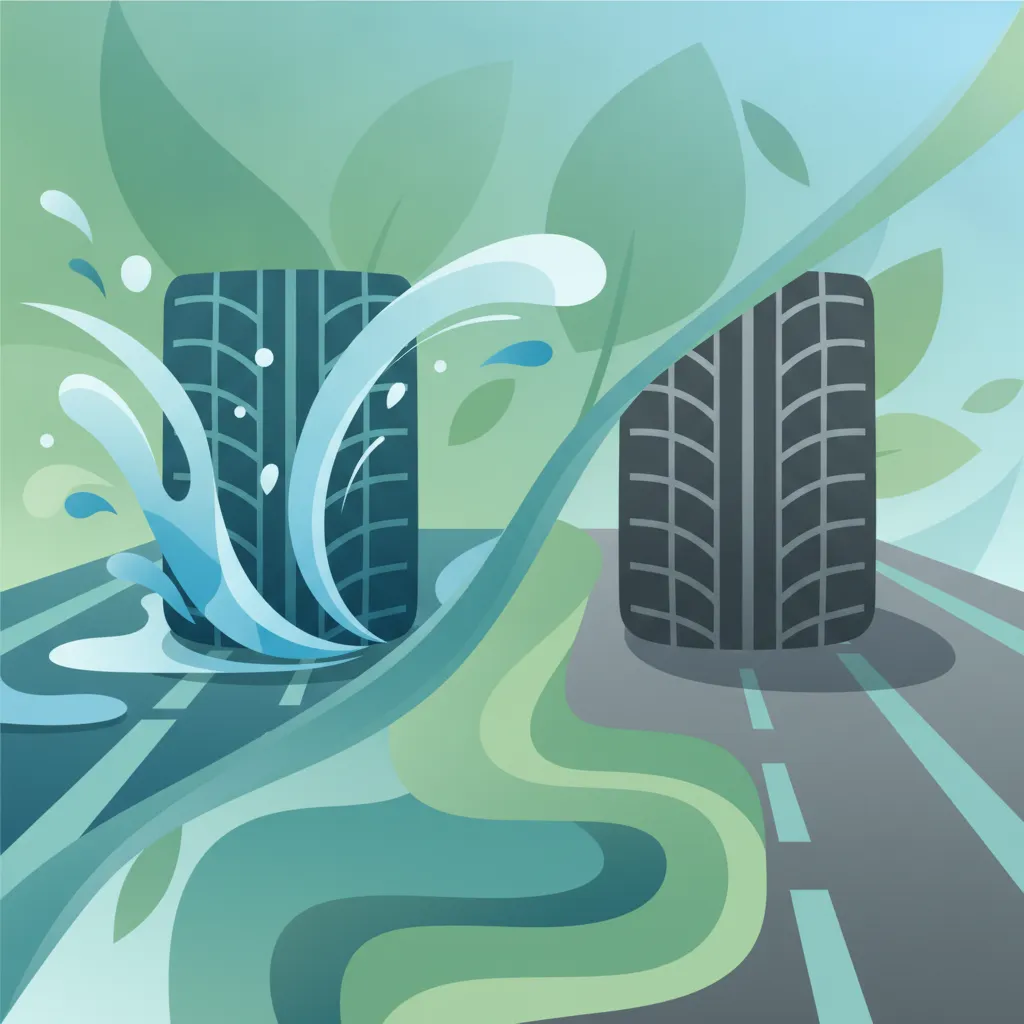
This lesson explains the physical effects of different weather conditions on motorcycle safety. It details how rain reduces tyre adhesion and increases the risk of hydroplaning, while fog severely limits visibility, requiring a significant reduction in speed. The content also covers how extreme heat and cold can affect tyre pressure and compound performance, necessitating adjustments from the rider.

This lesson explores the practical, on-road consequences of the different motorcycle license categories. It analyzes how power and weight restrictions directly affect a motorcycle's handling, acceleration, and braking capabilities. Learners will understand how these factors shape riding strategies and safety considerations, highlighting the competency development needed for each successive license level.

This lesson focuses on the principles of correct vehicle positioning to enhance safety and stability. It teaches how to maintain a central position within the lane and how to adjust this position to navigate curves, prepare for turns, or create more space from potential hazards. Understanding how to adapt to the road's geometry is crucial for smooth and safe driving.
Understand the importance of tyre age beyond tread depth. This lesson covers rubber degradation, how to check tyre manufacture dates using the DOT code, and when tyres must be replaced to meet Italian road safety standards and legal requirements.
This lesson offers comprehensive knowledge on motorcycle tyres, covering how to interpret specifications like size, load index, and speed rating. It emphasizes the critical relationship between correct tyre pressure, handling, and grip on various road surfaces. Learners will acquire the skills to perform regular tread inspections and recognize the criteria for timely tyre replacement to ensure safety.
This lesson details three interconnected and critical safety areas: tyres, suspension, and wheels. It teaches drivers how to conduct thorough visual inspections of tyres for correct inflation, sufficient tread depth, and any signs of damage. The lesson also explains the function of different suspension types and emphasizes the absolute importance of checking that all wheel fastenings are secure to prevent catastrophic failure.
This lesson explains the difference between daily checks and long-term scheduled maintenance. It covers the legal requirement for periodic technical inspections ('revisione') to certify a vehicle's roadworthiness and the importance of adhering to manufacturer-recommended service intervals. Learners will understand their crucial role in reporting any mechanical defects promptly to ensure issues are rectified, maintaining the vehicle's safety and reliability over its service life.
This lesson details the importance of adhering to a motorcycle's recommended maintenance schedule to ensure safety and reliability. It explains the typical service intervals for changing critical fluids like oil and brake fluid, as well as replacing wear-and-tear items such as brake pads and tyres. The content highlights how preventative maintenance is key to identifying potential issues before they become hazardous.
This lesson explains the physical effects of different weather conditions on motorcycle safety. It details how rain reduces tyre adhesion and increases the risk of hydroplaning, while fog severely limits visibility, requiring a significant reduction in speed. The content also covers how extreme heat and cold can affect tyre pressure and compound performance, necessitating adjustments from the rider.
This lesson teaches riders how to maintain a safe following distance using the two-second rule, which accounts for reaction time and braking distance. It covers grip management, explaining how tire condition and road surfaces like wet asphalt affect traction. Mastering these concepts is essential for anticipating hazards and preventing rear-end collisions.
This lesson focuses on how to adapt riding techniques to maintain traction on compromised surfaces. It identifies common hazards such as wet leaves, manhole covers, gravel, and painted lines that can reduce the tyre's grip. Learners will understand how to use smooth and gentle throttle, brake, and steering inputs to prevent traction loss and maintain control in these challenging situations.

This lesson teaches drivers how to adapt their technique for various adverse weather conditions. It explains the risks of reduced grip and visibility in rain, fog, snow, and ice, and the need to significantly increase following distances and reduce speed. The content covers how to avoid and correct skids, the proper use of lights in poor visibility, and the legal requirements for winter tyres or snow chains in certain areas.

This lesson provides an in-depth focus on sharing the road with the most vulnerable users. It teaches drivers to be acutely aware of pedestrians at crossings, cyclists filtering through traffic, and motorcyclists who may be in blind spots. The lesson emphasizes the importance of leaving extra space, signaling intentions clearly, and exercising extreme caution at junctions, where the majority of serious incidents occur.
This lesson emphasizes the rider's responsibility to ensure their vehicle is in safe, working order through regular maintenance and pre-ride checks. It outlines a simple yet effective routine for inspecting critical components like tires, brakes, lights, and mirrors. Performing these checks helps prevent mechanical failures and ensures the vehicle is always compliant and roadworthy.
Find clear answers to common questions learners have about Tyres, Pressure, and Tread Depth. Learn how the lesson is structured, which driving theory objectives it supports, and how it fits into the overall learning path of units and curriculum progression in Italy. These explanations help you understand key concepts, lesson flow, and exam focused study goals.
For passenger vehicles in Italy, the minimum legal tread depth is 1.6 mm. Driving with tyres below this limit is illegal, dangerous, and a common topic in the theory exam.
Correct pressure ensures the tyre makes optimal contact with the road, providing better grip and shorter braking distances. Incorrect pressure can lead to uneven wear, overheating, and loss of vehicle control, which are all tested concepts.
Uneven wear is often visible by checking the tread pattern across the width of the tyre. It can be caused by improper inflation, wheel misalignment, or worn suspension components, all of which affect vehicle safety.
Yes. Worn tyres significantly increase the risk of aquaplaning on wet roads. During winter months or in heavy rain, having sufficient tread depth is critical for effective water evacuation and safety.
Start searching now to pinpoint exactly which Italian driving theory topics, road signs, or traffic rules you need to master. Use our advanced filters to build a custom practice session and ensure you're fully prepared for every aspect of your official driving licence exam.