
This lesson introduces the core mechanical systems of a standard passenger vehicle, including the engine, transmission, steering, and braking components. Understanding how your car operates is a fundamental requirement for the Italian Patente B theory exam and helps you become a more responsible and observant driver. By mastering these basics, you will gain the knowledge necessary to maintain vehicle safety and react correctly to mechanical feedback while driving.
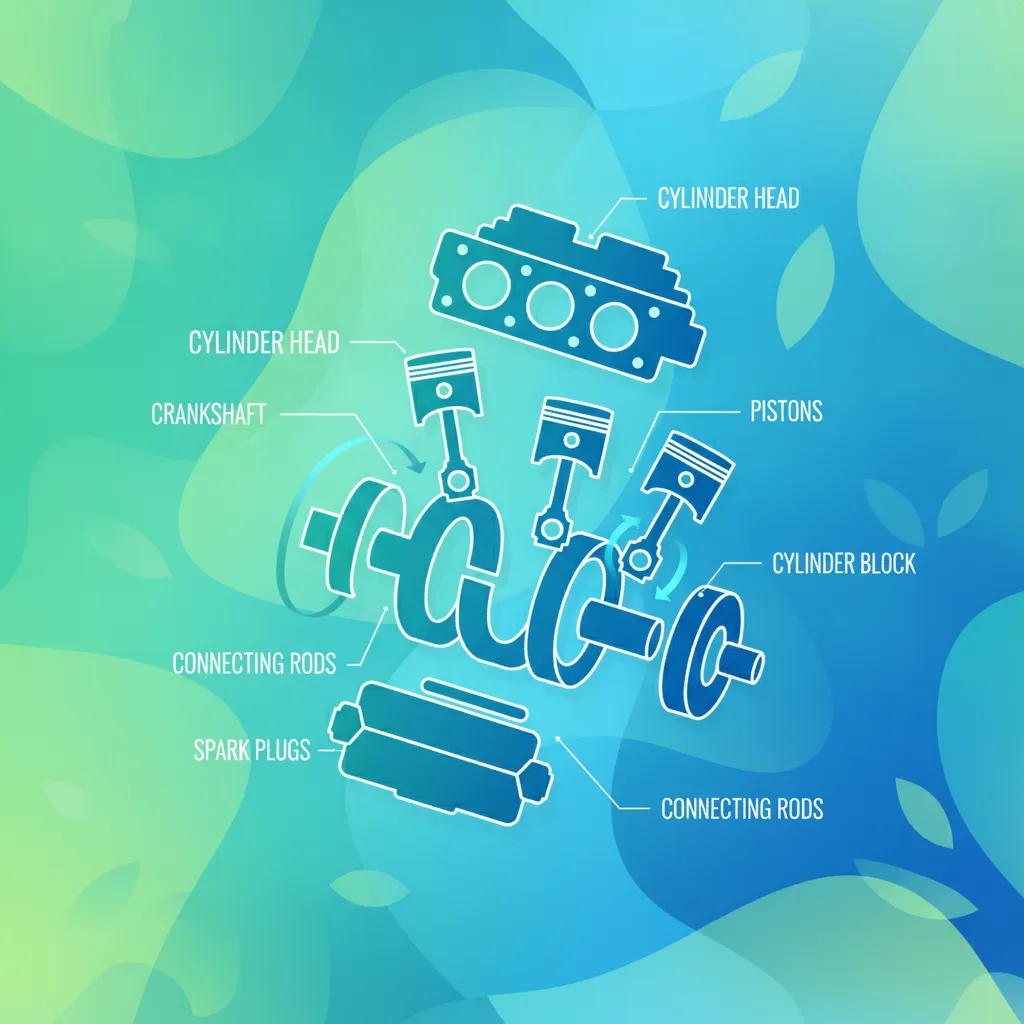
Lesson content overview
Understanding the fundamental components of a passenger vehicle is crucial for every aspiring driver preparing for their Italian Patente B theory examination. This lesson provides a comprehensive overview of the engine, transmission, steering, and braking systems – the core mechanical elements that translate your intentions into vehicle movement, direction, and stopping. A deep grasp of how these systems operate, how they interact, and their proper maintenance ensures safe driving, helps in anticipating vehicle behavior, and enables recognition of potential malfunctions.
The engine is the powerhouse of any vehicle, responsible for converting energy stored in fuel (or electricity) into the mechanical energy required to move the car. This rotational force, known as torque, is what propels the vehicle forward. Modern vehicles employ various engine types, each with distinct characteristics.
The driver primarily controls the engine's output through the accelerator pedal (throttle). Pressing the pedal increases the supply of fuel and air to the engine, leading to higher engine RPM (revolutions per minute) and greater power output, which in turn increases acceleration. Releasing the pedal reduces power, allowing the vehicle to decelerate or maintain speed.
Regular maintenance, including timely oil changes and filter replacements, is vital for engine longevity and performance. Neglecting these can lead to reduced efficiency and costly damage.
In Italy, as in many other jurisdictions, drivers have specific responsibilities regarding engine use:
The transmission, often referred to as the gearbox, is a critical link between the engine and the wheels. Its primary function is to adapt the engine's output (torque and speed) to the varying demands of driving. Engines operate most efficiently within a specific RPM range, but vehicles need to move at a wide range of speeds and require different levels of power (e.g., for starting from a standstill, climbing hills, or cruising on a motorway). The transmission selects the appropriate gear ratio to match these needs.
Manual Transmission: This system requires the driver to manually select gears using a gear lever and to operate a clutch pedal. The clutch temporarily disconnects the engine from the gearbox, allowing for smooth gear changes without grinding gears. Manual transmissions offer drivers greater control over power delivery and can sometimes be more fuel-efficient if operated skillfully.
Automatic Transmission: In an automatic system, gear changes occur without driver intervention, based on the vehicle's speed, engine load, and accelerator input. This simplifies driving, especially in heavy traffic, as there is no clutch pedal to operate.
Continuously Variable Transmission (CVT): A CVT provides an infinite range of gear ratios rather than fixed gears. This allows the engine to operate at its most efficient RPM for any given speed, resulting in very smooth acceleration and often improved fuel economy.
Correct gear selection is paramount for efficient and safe driving:
Engaging reverse gear while the vehicle is moving forward can cause severe damage to the transmission. Always bring the vehicle to a complete stop before selecting reverse.
The steering system allows the driver to control the direction of the vehicle by changing the angle of the wheels, typically the front wheels. This critical system is the primary means of navigating roads, avoiding obstacles, and maneuvering the vehicle safely.
Driver input through the steering wheel is translated into physical movement of the wheels via a series of mechanical components. The most common type in modern passenger vehicles is the rack-and-pinion steering system, known for its direct feel and responsiveness. A pinion gear on the end of the steering column meshes with a rack, a linear gear, converting the rotational motion of the steering wheel into the linear motion needed to turn the wheels.
To make steering easier, especially at low speeds or when parking, most modern vehicles are equipped with power steering. This system amplifies the driver's steering effort.
Maintaining proper control over the steering system is paramount for safety:
The braking system is one of the most vital safety features of any vehicle, designed to reduce speed or bring the vehicle to a complete stop. It functions by converting the vehicle's kinetic energy (energy of motion) into heat through friction.
As a driver, you are legally obliged to ensure your vehicle is safe and roadworthy. This includes making sure all primary systems—engine, transmission, steering, and braking—are in proper working order before and during every journey.
Ignoring the proper use and maintenance of these systems can lead to dangerous situations and potential legal penalties:
Regular vehicle inspections and adherence to manufacturer-recommended service schedules are fundamental responsibilities of every driver.
The effective operation of your vehicle's components is highly dependent on various external factors. Drivers must constantly adjust their use of the engine, transmission, steering, and brakes to suit the prevailing conditions.
The engine, transmission, steering, and braking systems do not operate in isolation; they are deeply interconnected.
A malfunction in one system can critically affect the performance and safety of others. For instance, a failing engine might not provide enough power for safe overtaking, while compromised brakes directly affect your ability to steer away from a hazard after an emergency stop.
Mastering the knowledge of these basic vehicle components not only prepares you for the Italian Patente B theory test but also empowers you to be a more confident, efficient, and above all, safer driver on the road.
This lesson covers the four fundamental vehicle systems—engine, transmission, steering, and braking—essential for the Italian Patente B exam. It explains how engines generate torque through fuel combustion or electric power, how transmissions manage that power through gear selection, how steering directs vehicle movement via rack-and-pinion systems, and how braking systems slow the vehicle through friction conversion. The content emphasizes safe driving practices including two-handed steering control, anticipatory braking, proper gear selection for conditions, and the interdependence of all systems for road safety. Learners also gain understanding of maintenance responsibilities and common mechanical violations to avoid.
A short set of high-value points that capture the most important learning from this lesson.
The engine converts fuel or electric energy into rotational force (torque) to move the vehicle, controlled through the accelerator pedal
The transmission adapts engine power to road demands by selecting appropriate gear ratios for starting, accelerating, and cruising
Proper gear selection affects fuel efficiency, acceleration capability, and enables engine braking on descents
The braking system converts kinetic energy into heat through friction; smooth, anticipatory braking prevents brake fade and maintains control
All vehicle systems (engine, transmission, steering, braking) are interdependent; a failure in one compromises the others and overall safety
Explore all units and lessons included in this driving theory course.
Switch the engine off when leaving the vehicle parked, even briefly, per Italian traffic law
Keep both hands on the steering wheel while driving unless briefly operating other controls
The handbrake is for holding a stationary vehicle or emergency stops only, not for regular deceleration
Engine braking through downshifting helps prevent brake fade on long downhill stretches
Dashboard warning lights require prompt attention as they signal potential safety issues
Starting a manual car in gear without fully depressing the clutch, causing unexpected lurching and potential collision
Engaging reverse gear while the vehicle is still moving forward, which severely damages transmission components
Riding the clutch by keeping the pedal partially pressed, leading to premature clutch disc wear and costly repairs
Driving with only one hand on the steering wheel, reducing reaction speed and evasive maneuver capability
Ignoring dashboard warning lights or neglecting brake fluid levels and pad wear, compromising braking effectiveness
Lesson content overview
A short set of high-value points that capture the most important learning from this lesson.
The engine converts fuel or electric energy into rotational force (torque) to move the vehicle, controlled through the accelerator pedal
The transmission adapts engine power to road demands by selecting appropriate gear ratios for starting, accelerating, and cruising
Proper gear selection affects fuel efficiency, acceleration capability, and enables engine braking on descents
The braking system converts kinetic energy into heat through friction; smooth, anticipatory braking prevents brake fade and maintains control
All vehicle systems (engine, transmission, steering, braking) are interdependent; a failure in one compromises the others and overall safety
Explore all units and lessons included in this driving theory course.
Switch the engine off when leaving the vehicle parked, even briefly, per Italian traffic law
Keep both hands on the steering wheel while driving unless briefly operating other controls
The handbrake is for holding a stationary vehicle or emergency stops only, not for regular deceleration
Engine braking through downshifting helps prevent brake fade on long downhill stretches
Dashboard warning lights require prompt attention as they signal potential safety issues
Starting a manual car in gear without fully depressing the clutch, causing unexpected lurching and potential collision
Engaging reverse gear while the vehicle is still moving forward, which severely damages transmission components
Riding the clutch by keeping the pedal partially pressed, leading to premature clutch disc wear and costly repairs
Driving with only one hand on the steering wheel, reducing reaction speed and evasive maneuver capability
Ignoring dashboard warning lights or neglecting brake fluid levels and pad wear, compromising braking effectiveness
Explore search topics learners often look for when studying Basic Vehicle Components and Functions. These topics reflect common questions about road rules, driving situations, safety guidance, and lesson level theory preparation for learners in Italy.
Browse additional driving theory lessons that cover connected traffic rules, road signs, and common driving situations related to this topic. Improve your understanding of how different rules interact across everyday traffic scenarios.
Understand the fundamental components of a car including the engine, transmission, steering, and braking systems. Learn how these core mechanical parts work together to ensure safe vehicle operation and control on Italian roads.

This lesson provides a thorough examination of the Italian motorcycle theory test's structure and content. It details the number of questions, the multiple-choice format, and the minimum score required to pass for the A1, A2, and A license categories. The content is designed to prepare learners for the specific knowledge areas and administrative procedures involved in taking the official exam.

This lesson provides a comprehensive guide to a vehicle's lighting systems and their correct use according to the Codice della Strada. It explains the functions of low beams, high beams, fog lights, and daytime running lights, detailing when each should be used to ensure visibility for the driver and by other road users. Proper use of lighting is critical for safety during night driving and in conditions of poor visibility.

This lesson details the proper and legal application of a vehicle's horn, lights, and signals as primary communication tools. It explains the specific circumstances for using high beams, low beams, and fog lights to maximize visibility without dazzling other drivers. The content also clarifies the rules for using the horn, turn indicators, and hazard lights to signal intentions, warn of danger, or indicate an emergency situation.
This lesson focuses on the vital systems for visibility and communication: mirrors, lighting, and signals. It provides instruction on the proper adjustment of mirrors to minimize blind spots and the correct use of headlamps, indicators, and brake lights as per Italian regulations. The content underscores how maintaining these systems in full working order is crucial for being seen and signalling intentions clearly in traffic.
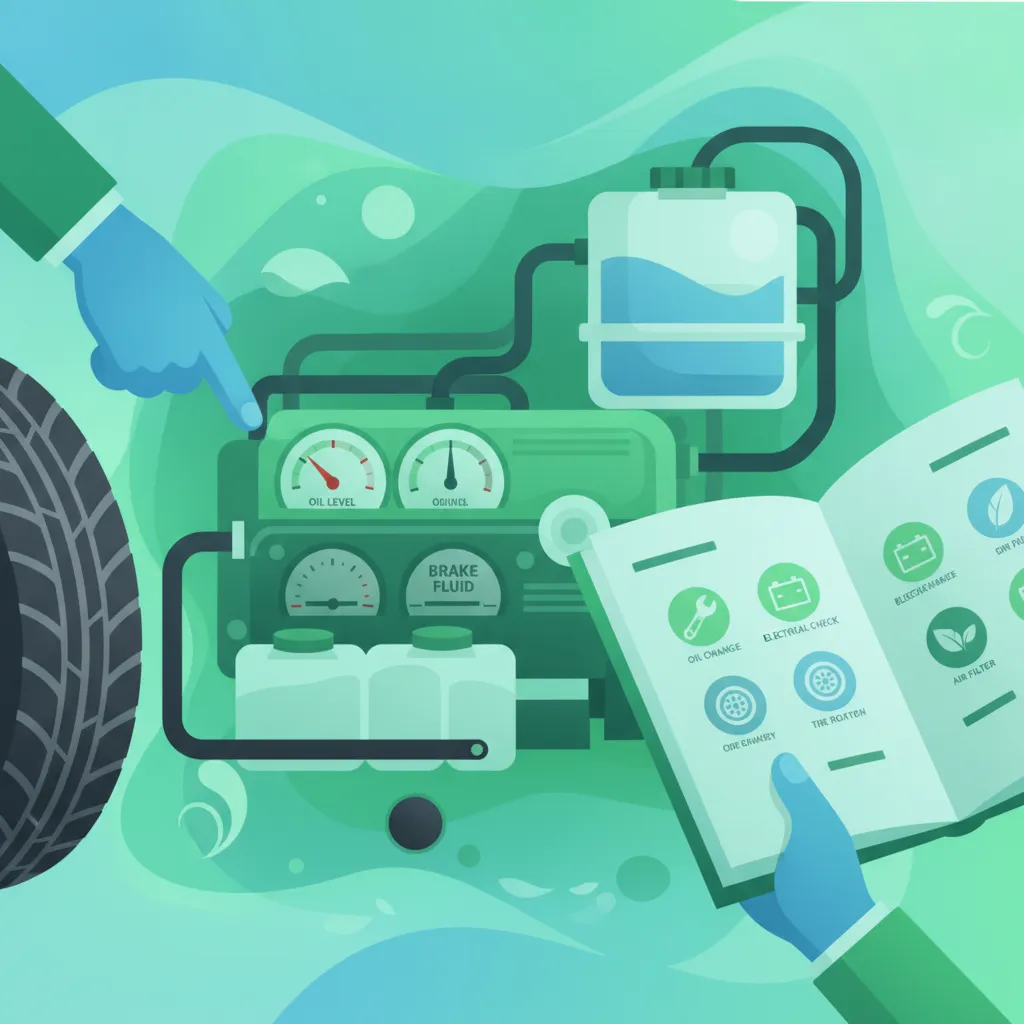
This lesson explains the difference between daily checks and long-term scheduled maintenance. It covers the legal requirement for periodic technical inspections ('revisione') to certify a vehicle's roadworthiness and the importance of adhering to manufacturer-recommended service intervals. Learners will understand their crucial role in reporting any mechanical defects promptly to ensure issues are rectified, maintaining the vehicle's safety and reliability over its service life.

This lesson provides an in-depth analysis of motorcycle braking systems, clearly defining the distinct roles of the front and rear brakes. It covers the mechanics of hydraulic disc brakes and explains the function and benefits of an Anti-lock Braking System (ABS). Learners will understand the principles of brake balance for achieving maximum stopping power and the importance of routine maintenance on pads, discs, and fluid.

This lesson focuses on the principles of correct vehicle positioning to enhance safety and stability. It teaches how to maintain a central position within the lane and how to adjust this position to navigate curves, prepare for turns, or create more space from potential hazards. Understanding how to adapt to the road's geometry is crucial for smooth and safe driving.
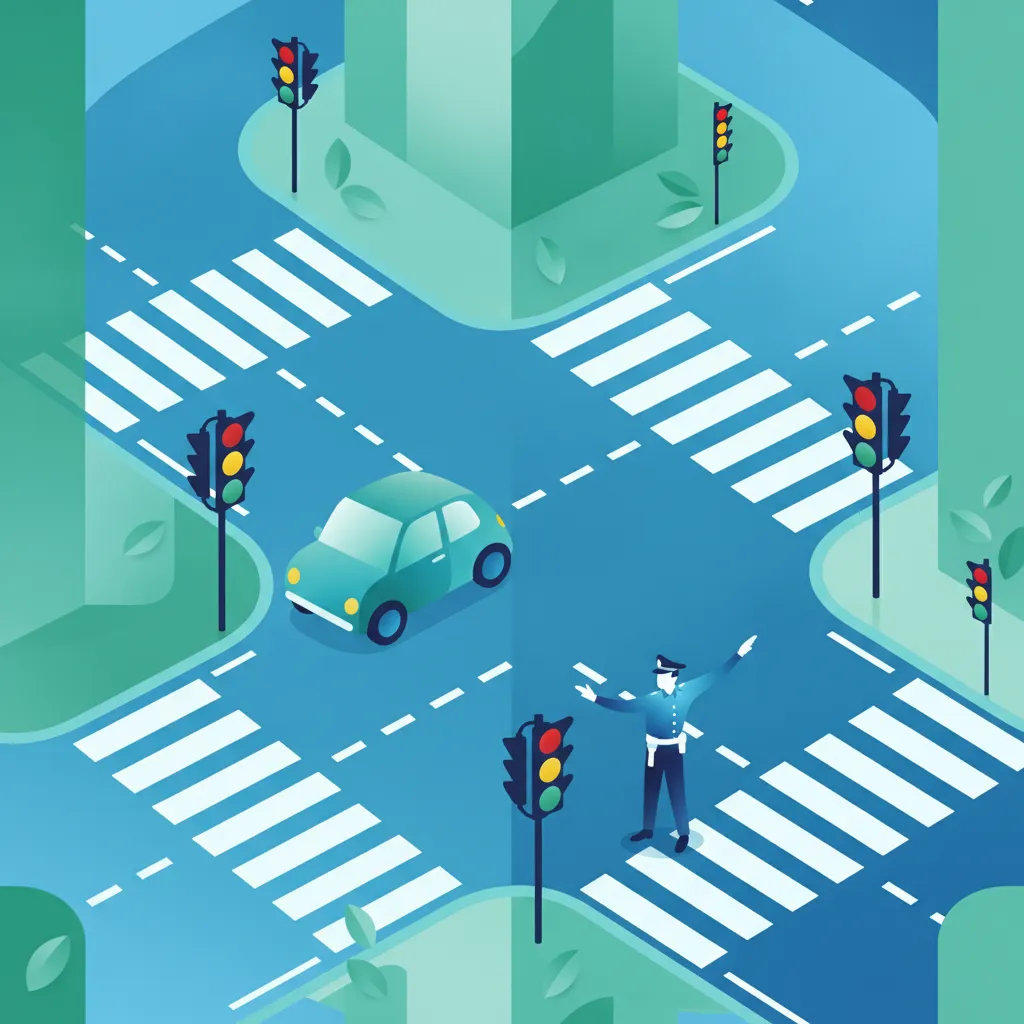
This lesson explains the function of Italian traffic light systems and the meaning of various road markings. You will learn the rules for red, amber, and green signals, including flashing lights and directional arrows. It also covers how to interpret lane lines, stop lines, and other surface markings that dictate correct vehicle positioning and movement.
This lesson covers the complete set of lighting, reflective equipment, and protective guards mandated for heavy vehicles. It explains the function of each light, from headlights to side markers, and the importance of keeping them clean and operational to ensure the vehicle is visible to others. The lesson also details the legal requirements and safety purpose of side guards and rear underrun protection, which are designed to protect vulnerable road users in a collision.
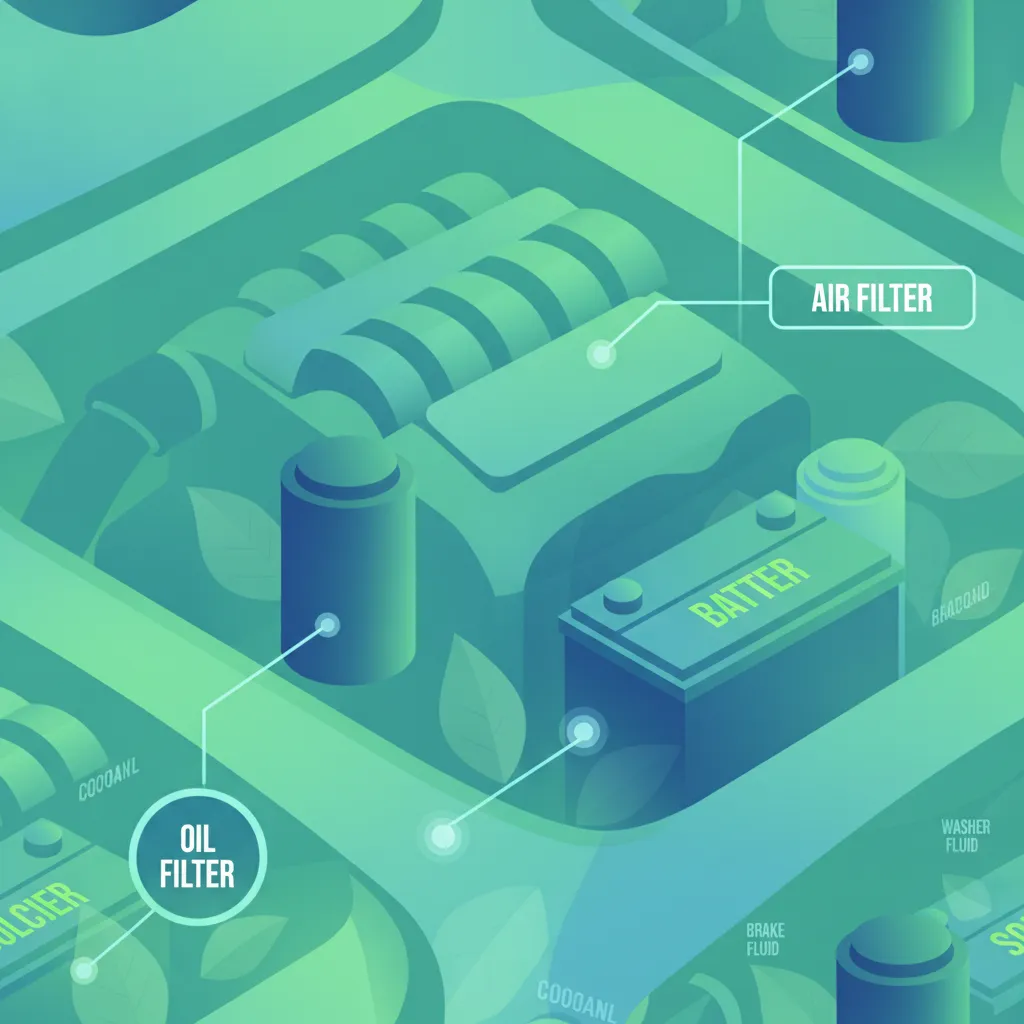
This lesson details the importance of adhering to a motorcycle's recommended maintenance schedule to ensure safety and reliability. It explains the typical service intervals for changing critical fluids like oil and brake fluid, as well as replacing wear-and-tear items such as brake pads and tyres. The content highlights how preventative maintenance is key to identifying potential issues before they become hazardous.
Explore the legal obligations of Italian drivers regarding vehicle safety systems. Understand common violations related to engine, steering, and brake systems, and learn how to maintain your vehicle for compliance with the Codice della Strada.
This lesson explains the difference between daily checks and long-term scheduled maintenance. It covers the legal requirement for periodic technical inspections ('revisione') to certify a vehicle's roadworthiness and the importance of adhering to manufacturer-recommended service intervals. Learners will understand their crucial role in reporting any mechanical defects promptly to ensure issues are rectified, maintaining the vehicle's safety and reliability over its service life.

This lesson provides an in-depth focus on sharing the road with the most vulnerable users. It teaches drivers to be acutely aware of pedestrians at crossings, cyclists filtering through traffic, and motorcyclists who may be in blind spots. The lesson emphasizes the importance of leaving extra space, signaling intentions clearly, and exercising extreme caution at junctions, where the majority of serious incidents occur.

This lesson examines the set of legal obligations for all drivers holding a Patente B license under the Codice della Strada. It covers mandatory responsibilities such as maintaining valid vehicle insurance, ensuring proper registration, and adhering to periodic technical inspection (revisione) schedules. The content also emphasizes the legal requirement to carry necessary documents while driving and the penalties for non-compliance.
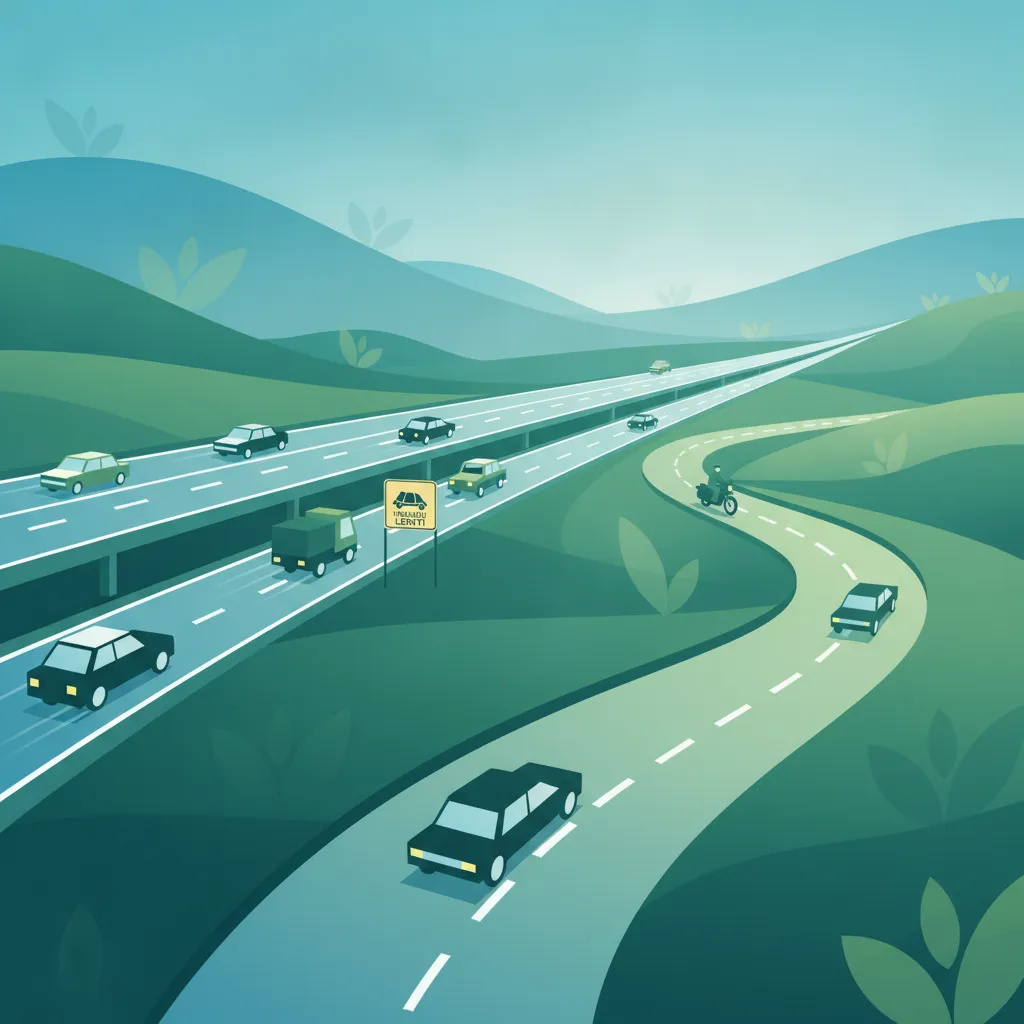
This lesson provides essential rules and techniques for driving on Italian motorways (autostrade) and major extra-urban roads. It explains how to safely merge onto the motorway from an entry ramp, the strict lane discipline required (drive right, overtake left), and how to exit correctly. The content also covers speed regulations, maintaining a safe following distance at high speed, and procedures for using service areas and handling emergencies.
This lesson focuses on the comprehensive duties of a motorcyclist, from ensuring vehicle and equipment legality to following traffic regulations. It covers key obligations mandated by the Codice della Strada, such as mandatory insurance coverage and adherence to environmental rules. The material reinforces the importance of responsible road conduct and the legal consequences of non-compliance.

This lesson provides a step-by-step guide for managing a vehicle breakdown safely. It reinforces the procedure for stopping on the hard shoulder, activating hazard lights, and placing a warning triangle at the correct distance. The lesson emphasizes the importance of wearing high-visibility clothing, exiting the vehicle from the side away from traffic, and waiting in a safe location before contacting a roadside assistance service.
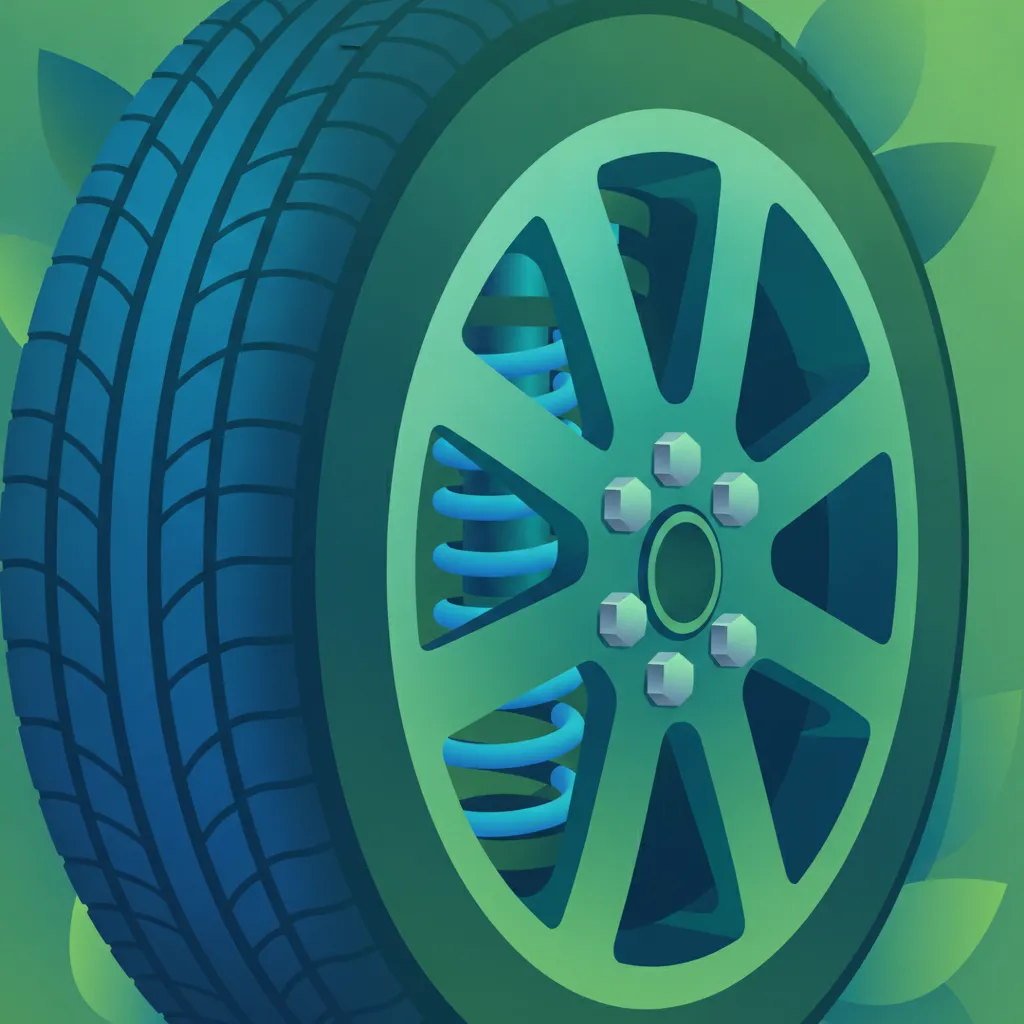
This lesson details three interconnected and critical safety areas: tyres, suspension, and wheels. It teaches drivers how to conduct thorough visual inspections of tyres for correct inflation, sufficient tread depth, and any signs of damage. The lesson also explains the function of different suspension types and emphasizes the absolute importance of checking that all wheel fastenings are secure to prevent catastrophic failure.

This lesson delves into the specific articles of the Italian Codice della Strada that apply to heavy goods vehicles. It outlines the core legal and professional obligations of a driver, including the heightened duty of care owed to other road users and the responsibility for the vehicle's roadworthiness and load. Learners will understand the legal consequences of non-compliance, such as fines and sanctions, reinforcing the importance of adhering to all traffic regulations.
This lesson provides a structured, step-by-step guide to conducting a thorough pre-drive inspection. It outlines a systematic walk-around procedure, covering critical checks of tyres, wheels, lights, brakes, fluid levels, mirrors, and load security before starting any journey. Emphasizing this daily routine helps instill the professional habit of verifying vehicle roadworthiness and identifying potential issues before they become dangerous on the road.

This lesson focuses on the specific regulations and techniques for operating a heavy vehicle on high-speed motorways. It covers mandatory lane discipline for trucks, the rules governing overtaking other heavy vehicles, and the specific speed limits that apply. Best practices for merging onto and exiting the motorway, maintaining safe following distances, and using the hard shoulder only in genuine emergencies are also detailed.
Find clear answers to common questions learners have about Basic Vehicle Components and Functions. Learn how the lesson is structured, which driving theory objectives it supports, and how it fits into the overall learning path of units and curriculum progression in Italy. These explanations help you understand key concepts, lesson flow, and exam focused study goals.
Understanding vehicle systems is necessary because a driver must be able to recognize when a vehicle is not in a safe state to be driven, helping to prevent accidents caused by mechanical failure.
No, the exam focuses on functional awareness rather than complex repair. You need to understand how components like brakes, lights, and tyres work and why their proper maintenance is a legal and safety obligation.
Questions often focus on the braking system, the purpose of ABS, the importance of correct tyre pressure, and the function of essential lighting systems, as these are directly linked to active safety.
It provides the mechanical context for why regular technical inspections, known as revisione, are mandatory in Italy to ensure all systems are operating within legal safety limits.
Start searching now to pinpoint exactly which Italian driving theory topics, road signs, or traffic rules you need to master. Use our advanced filters to build a custom practice session and ensure you're fully prepared for every aspect of your official driving licence exam.