
This lesson is essential for Category C drivers in Poland, focusing on the environmental responsibilities inherent in HGV operations. You will explore critical regulations concerning vehicle emissions, including Euro 6 standards, and understand rules for mitigating noise pollution. Mastering this topic is vital for passing your Polish theory exam and becoming a responsible, eco-conscious professional driver.
Lesson content overview
Operating a heavy goods vehicle (HGV) involves a significant responsibility beyond safe driving and cargo management. Professional drivers of Category C vehicles play a crucial role in mitigating the environmental impact of road transport. This lesson provides an in-depth understanding of the pollutants generated by HGVs, the stringent European and Polish regulations designed to control them, the advanced technologies employed in modern trucks, and the essential eco-driving techniques that contribute to a more sustainable logistics sector. Compliance with these regulations is not only a legal obligation but also a vital practice for protecting public health, meeting climate targets, and reducing operational costs.
Heavy goods vehicles, like all internal combustion engine vehicles, emit various substances into the atmosphere. While advancements in engine technology and after-treatment systems have significantly reduced these emissions over the years, their cumulative impact, especially in dense urban areas or along major transport corridors, remains a key environmental and public health concern. Understanding these emissions is the first step toward effective mitigation.
Vehicle exhaust contains several substances that are harmful to human health and the environment. These are broadly categorized into regulated gases, particulates, and greenhouse gases.
Substances released in exhaust gases that affect air quality and health, including nitrogen oxides (NOₓ), carbon monoxide (CO), hydrocarbons (HC), particulate matter (PM), and carbon dioxide (CO₂).
Nitrogen Oxides (NOₓ): This group includes nitric oxide (NO) and nitrogen dioxide (NO₂). NOₓ contributes to the formation of ground-level ozone (smog), acid rain, and respiratory diseases. High combustion temperatures in diesel engines are a primary cause of NOₓ formation.
Carbon Monoxide (CO): A colorless, odorless, and poisonous gas produced by incomplete combustion of fuel. While more prevalent in petrol engines, diesel engines can also emit CO, especially when operating inefficiently. It reduces the blood's ability to carry oxygen.
Hydrocarbons (HC): Unburnt fuel molecules released in the exhaust. These contribute to smog formation and can contain toxic compounds. Efficient combustion and catalytic converters help reduce HC emissions.
Particulate Matter (PM): These are microscopic solid and liquid particles suspended in the air, primarily soot from diesel combustion. PM is categorized by size, such as PM₁₀ (particles less than 10 micrometers) and PM₂.₅ (less than 2.5 micrometers). PM₂.₅ is particularly dangerous as it can penetrate deep into the lungs and even enter the bloodstream, causing respiratory and cardiovascular problems.
Beyond direct pollutants, heavy vehicles also emit carbon dioxide (CO₂). While not directly harmful to human health in the same way as NOₓ or PM, CO₂ is the most significant greenhouse gas contributing to global climate change.
A greenhouse gas emitted from the combustion of fossil fuels, measured in grams per kilometer (g/km) or grams per kilowatt-hour (g/kWh), which is a primary driver of global warming.
The amount of CO₂ emitted is directly proportional to the amount of fuel consumed. Therefore, reducing fuel consumption through eco-driving and efficient vehicle operation is a primary method for lowering a truck's carbon footprint. European climate policies, such as the EU Green Deal, set ambitious targets for CO₂ reductions, requiring compliance at every level, including individual vehicle operations.
To combat environmental pollution, the European Union has progressively introduced increasingly strict emission standards for new vehicles, known as the Euro standards. These standards dictate the maximum permissible levels of various pollutants that a vehicle can emit.
The Euro standards have evolved from Euro 0 (pre-1990s) to the current Euro 6, with each iteration driving significant technological advancements in engine design and exhaust after-treatment systems. Each Euro standard sets specific limits for NOₓ, CO, HC, and PM.
The Euro standards primarily apply to newly registered vehicles. An older vehicle cannot typically be upgraded to meet a newer Euro standard without complex, approved, and re-certified retrofitting.
Euro 6 is the latest and most stringent emission standard for heavy-duty vehicles, applying to all new registrations in the EU since September 2014. It sets particularly low limits for nitrogen oxides (NOₓ) and particulate matter (PM) from diesel engines.
Key Euro 6 Limits for Heavy Diesel Engines:
For drivers and operators in Poland and across the EU, ensuring that new trucks are Euro 6 compliant is mandatory. This compliance is verified through type-approval documents and checked during periodic technical inspections.
Many European cities, including some in Poland, have introduced Low-Emission Zones (LEZs) to improve air quality in urban areas. These zones restrict access for vehicles that do not meet certain emission standards, often targeting older, more polluting HGVs.
An urban area with restrictions on vehicles not meeting specific emission standards, often requiring Euro 6 compliance for heavy vehicles to enter without penalty.
For example, a Euro 6-compliant truck may access Warsaw's LEZ without penalties, while older trucks (e.g., Euro 5 or lower) might be prohibited or require special permits. Drivers must be aware of LEZ regulations for their routes and ensure their vehicle's compliance to avoid fines and operational disruptions. Failing to comply with LEZ rules can result in significant penalties and restriction of access.
Modern HGVs are equipped with sophisticated after-treatment systems designed to clean exhaust gases before they are released into the atmosphere. These systems are crucial for meeting the strict Euro 6 standards.
The Diesel Particulate Filter (DPF) is a ceramic filter designed to trap particulate matter (soot) from diesel exhaust. These filters can capture up to 99% of soot particles.
A device in the exhaust system that captures and periodically burns off soot particles from diesel engine exhaust, preventing their release into the atmosphere.
To prevent the filter from becoming blocked, the trapped soot must be periodically burned off through a process called regeneration. This can happen passively (during high-temperature driving) or actively (when the engine management system intentionally increases exhaust temperature). Drivers must be aware of DPF regeneration warnings and follow procedures to ensure successful regeneration. Ignoring these warnings can lead to filter blockage, increased back-pressure, higher fuel consumption, and potential engine damage or even immobilization.
Selective Catalytic Reduction (SCR) is the primary technology used to reduce nitrogen oxide (NOₓ) emissions in modern diesel HGVs.
An after-treatment system that uses a liquid-reductant agent, typically AdBlue, to convert harmful nitrogen oxides (NOₓ) in the exhaust into harmless nitrogen and water.
The SCR system injects a urea-water solution, commonly known as AdBlue, into the exhaust stream before it enters a catalytic converter. Inside the catalyst, a chemical reaction converts the NOₓ into inert nitrogen gas and water vapor.
A non-toxic, clear liquid solution of 32.5% high-purity urea and 67.5% deionized water, used in SCR systems to reduce nitrogen oxide emissions from diesel engines.
Drivers must ensure that the AdBlue tank is adequately filled. Running out of AdBlue will cause the SCR system to deactivate, leading to a sharp increase in NOₓ emissions, potential legal penalties, and in many modern trucks, activation of an engine limp-mode to prevent further operation until the AdBlue is refilled. It is crucial to use only certified AdBlue solutions to maintain system integrity and efficiency.
Another component often found in emission control systems is the Diesel Oxidation Catalyst (DOC). This device helps reduce carbon monoxide (CO) and unburnt hydrocarbons (HC) by oxidizing them into carbon dioxide (CO₂) and water. It often precedes the DPF and SCR units in the exhaust stream. The DOC operates without the need for an additive and is crucial for the overall efficiency of the after-treatment system.
Maintaining these complex systems is paramount for environmental compliance and vehicle longevity. Regular service checks, proper AdBlue replenishment, and prompt attention to warning lights (especially DPF regeneration alerts) are essential. Tampering with or removing emission control systems is illegal and carries severe penalties. Any issues identified during routine maintenance or vehicle inspections must be rectified immediately.
Beyond exhaust emissions, noise generated by HGVs also constitutes a significant environmental concern, particularly in residential areas. Excessive noise pollution impacts community health, disrupts sleep, and can lead to stress-related conditions.
HGV noise originates from several sources:
Regulations are in place to limit the permissible noise levels from vehicles. The EU Directive 2000/14/EC, implemented into Polish law (e.g., through relevant Rozporządzenia – regulations), sets maximum permissible sound pressure levels.
Decibel measurement weighted for human hearing (A-weighting), commonly used for assessing environmental noise levels due to its correlation with how humans perceive sound.
For newly registered heavy diesel vehicles, the noise level is typically limited to ≤82 dB(A) when measured under standardized conditions (e.g., at 7.5 meters distance during a drive-by test). Drivers must ensure their vehicle's exhaust and engine noise remain within these limits.
Drivers have a direct impact on noise levels:
Eco-driving is a set of driving practices aimed at minimizing fuel consumption and emissions without compromising safety or journey times. It is a fundamental responsibility for Category C drivers, contributing to both environmental protection and cost efficiency. Studies consistently show that eco-driving can reduce fuel consumption by 5-10%.
A set of driving practices that minimizes fuel consumption and greenhouse gas emissions while maintaining safety and journey times, achieved through smooth operation, optimal speed, and efficient gear selection.
The core principle of eco-driving is to operate the vehicle as smoothly and efficiently as possible, minimizing unnecessary energy expenditure. This means avoiding sudden changes in speed, optimizing the use of engine power, and planning ahead.
For diesel HGVs, maintaining the engine within its optimal RPM (revolutions per minute) band is crucial for fuel efficiency. This typically falls between 1,000 and 1,500 RPM, sometimes extending to 2,000 RPM, depending on the engine. Modern trucks often have engine management systems and automated manual transmissions (AMTs) that assist with this.
Upshift Early: Shift to a higher gear as soon as possible, allowing the engine to operate at lower, more fuel-efficient RPMs.
Avoid Over-revving: Do not let the engine rev unnecessarily high before shifting.
Use Engine Braking Wisely: Utilize engine braking (retarder, intarder) to slow down, saving wear on service brakes and converting kinetic energy into usable heat, rather than simply wasting it as friction.
Leverage Torque: Modern diesel engines produce high torque at low RPMs; drivers should utilize this to pull loads efficiently without excessive acceleration.
Maintaining a steady, optimal cruising speed is more fuel-efficient than constantly accelerating and decelerating. For most HGVs on motorways, this optimal speed is typically around 80-90 km/h.
Anticipation is a cornerstone of eco-driving. By looking far ahead and anticipating traffic flow, road signs, and junctions, drivers can avoid sudden braking and acceleration.
Effective route planning contributes significantly to lower emissions:
Idling consumes fuel and emits pollutants without moving the vehicle. Modern HGVs often have automatic engine shut-off systems after a certain period of idling. Drivers should avoid unnecessary idling, especially when parked or waiting.
Cold starts and initial warm-up periods are less fuel-efficient and produce higher emissions. While some idling is necessary for engine warm-up in cold weather, it should be kept to a minimum (1-2 minutes) before driving gently until the engine reaches operating temperature. Using a block heater in very cold conditions can reduce warm-up time and associated emissions.
To ensure ongoing environmental compliance, heavy goods vehicles in Poland are subject to mandatory periodic technical inspections. These inspections verify that vehicles continue to meet safety, emission, and noise standards throughout their operational life.
In Poland, vehicles must undergo a Stationary Technical Inspection (STK) (Stacja Kontroli Pojazdów). For Category C vehicles, this inspection is typically required annually.
A mandatory annual Polish vehicle inspection conducted at an authorized station to verify conformity with safety, emission, and noise limits.
During an STK, specialized equipment is used to measure exhaust emissions (e.g., for CO, HC, NOₓ, and PM) and noise levels (dB(A)). Visual checks of the exhaust system, DPF, and SCR components are also performed to ensure their integrity and proper functioning. The use of approved AdBlue solutions and the condition of tires also contribute to the overall environmental performance assessment.
If a vehicle fails its STK due to emission or noise issues, it cannot be legally operated until the deficiencies are rectified. The inspection station will issue a certificate detailing the failures. The operator must then arrange for repairs (e.g., DPF cleaning, SCR system repair, muffler replacement) and resubmit the vehicle for a re-inspection. Operating a heavy vehicle without a valid STK certificate carries legal penalties, including fines and potential prohibition of operation, leading to significant operational downtime.
Compliance with environmental regulations is a continuous responsibility. Drivers must be aware of the specific legal requirements that govern their daily operations.
Understanding common pitfalls is crucial for avoiding penalties and ensuring responsible operation.
Ignoring DPF Regeneration Alerts:
Driving with Insufficient or Empty AdBlue Tank:
Exceeding Noise Limits in Sensitive Areas:
Using Non-Approved or Low-Quality Fuel:
Operating a Non-Euro 6 Vehicle in a Low-Emission Zone (LEZ):
Failing to Pass the Annual STK Due to Emission/Noise Issues:
Overloading the Vehicle:
Various external and internal factors can influence a heavy vehicle's emissions and noise output. Professional drivers must adapt their practices to these changing conditions.
When driving near pedestrians or cyclists, safe speeds and smooth maneuvers are paramount. Abrupt braking followed by rapid acceleration not only poses a safety risk but also creates spikes in emissions and noise. Maintaining a steady, moderate pace and anticipating their movements reduces the need for such inefficient driving cycles.
Professional heavy goods vehicle drivers are at the forefront of the effort to reduce the environmental footprint of road transport. This requires a comprehensive understanding of regulatory frameworks, technical vehicle systems, and practical driving techniques.
Remember that every action you take as an HGV driver, from how you accelerate to how you maintain your vehicle, directly impacts fuel consumption, emissions, and noise levels. Your commitment to eco-driving and compliance with regulations contributes significantly to public health, climate protection, and the economic sustainability of your operations.
Key Takeaways for HGV Drivers:
This lesson links closely with knowledge acquired in other modules of the Polish Category C Heavy Goods Vehicle Theory curriculum, reinforcing the interconnectedness of safe, efficient, and environmentally responsible driving. For instance, understanding vehicle construction (Lesson 2) helps in maintaining emission systems, while knowledge of driving maneuvers (Lesson 4) directly informs eco-driving practices. Similarly, managing load (Lesson 3) impacts fuel economy, and managing driver fatigue (Lesson 8.1) ensures consistent application of eco-driving principles.
This lesson covers the environmental responsibilities of Category C HGV drivers in Poland, focusing on Euro 6 emission standards that limit NOₓ to ≤0.08 g/kWh and PM to ≤0.01 g/kWh for new vehicle registrations. Drivers must understand advanced after-treatment systems including DPF for particulate capture and SCR with AdBlue for nitrogen oxide reduction, ensuring both components are properly maintained and regenerated. Noise pollution regulations set maximum limits of ≤82 dB(A) for heavy vehicles, with drivers responsible for managing speed, exhaust condition, and tire pressure in sensitive areas. Eco-driving techniques such as maintaining optimal engine RPM, anticipatory driving, minimizing idling, and effective route planning can reduce fuel consumption by 5-10%, while annual STK inspections verify ongoing compliance with all environmental standards.
A short set of high-value points that capture the most important learning from this lesson.
Euro 6 is the mandatory emission standard for new HGV registrations since September 2014, setting strict limits of NOₓ ≤0.08 g/kWh and PM ≤0.01 g/kWh for heavy diesel engines
The Diesel Particulate Filter (DPF) traps up to 99% of soot particles and requires periodic regeneration through passive or active processes to prevent blockage and engine damage
Selective Catalytic Reduction (SCR) technology uses AdBlue to convert harmful nitrogen oxides into harmless nitrogen and water, and drivers must maintain adequate AdBlue levels to avoid penalties and limp-mode activation
Noise from HGVs originates from engine, exhaust, tire-road interaction, aerodynamics, and braking, with a regulatory limit of ≤82 dB(A) for newly registered vehicles
Eco-driving techniques including early upshifting, optimal RPM management (typically 1,000-1,500 RPM), anticipation, and minimizing idling can reduce fuel consumption by 5-10%
Explore all units and lessons included in this driving theory course.
DPF captures soot; DPF regeneration warnings must be heeded to prevent filter blockage, increased fuel consumption, and potential immobilization
SCR requires AdBlue (32.5% urea solution); running empty deactivates the system, increases NOₓ emissions sharply, and triggers engine limp-mode
Annual STK (Stationary Technical Inspection) in Poland verifies ongoing emission and noise compliance for Category C vehicles
Low-Emission Zones (LEZs) in Polish cities restrict access to non-Euro 6 vehicles; drivers must check route requirements to avoid fines
Cold weather, hilly terrain, heavy loads, and poor vehicle maintenance all increase fuel consumption and emissions—eco-driving adaptation is essential in these conditions
Ignoring DPF regeneration alerts, which can lead to filter blockage, higher back-pressure, increased fuel consumption, and costly engine damage
Allowing the AdBlue tank to run empty, causing SCR deactivation, sharp NOₓ emission increases, and potential engine operational restrictions
Failing to monitor noise levels in residential zones by not reducing speed or checking exhaust system condition, leading to community complaints and potential violations
Using non-compliant or low-quality diesel fuel that exceeds EN 590 sulfur limits, which damages DPF and SCR catalytic systems
Operating older non-Euro 6 vehicles in Low-Emission Zones, resulting in access restrictions, fines, and contribution to urban air pollution
Lesson content overview
A short set of high-value points that capture the most important learning from this lesson.
Euro 6 is the mandatory emission standard for new HGV registrations since September 2014, setting strict limits of NOₓ ≤0.08 g/kWh and PM ≤0.01 g/kWh for heavy diesel engines
The Diesel Particulate Filter (DPF) traps up to 99% of soot particles and requires periodic regeneration through passive or active processes to prevent blockage and engine damage
Selective Catalytic Reduction (SCR) technology uses AdBlue to convert harmful nitrogen oxides into harmless nitrogen and water, and drivers must maintain adequate AdBlue levels to avoid penalties and limp-mode activation
Noise from HGVs originates from engine, exhaust, tire-road interaction, aerodynamics, and braking, with a regulatory limit of ≤82 dB(A) for newly registered vehicles
Eco-driving techniques including early upshifting, optimal RPM management (typically 1,000-1,500 RPM), anticipation, and minimizing idling can reduce fuel consumption by 5-10%
Explore all units and lessons included in this driving theory course.
DPF captures soot; DPF regeneration warnings must be heeded to prevent filter blockage, increased fuel consumption, and potential immobilization
SCR requires AdBlue (32.5% urea solution); running empty deactivates the system, increases NOₓ emissions sharply, and triggers engine limp-mode
Annual STK (Stationary Technical Inspection) in Poland verifies ongoing emission and noise compliance for Category C vehicles
Low-Emission Zones (LEZs) in Polish cities restrict access to non-Euro 6 vehicles; drivers must check route requirements to avoid fines
Cold weather, hilly terrain, heavy loads, and poor vehicle maintenance all increase fuel consumption and emissions—eco-driving adaptation is essential in these conditions
Ignoring DPF regeneration alerts, which can lead to filter blockage, higher back-pressure, increased fuel consumption, and costly engine damage
Allowing the AdBlue tank to run empty, causing SCR deactivation, sharp NOₓ emission increases, and potential engine operational restrictions
Failing to monitor noise levels in residential zones by not reducing speed or checking exhaust system condition, leading to community complaints and potential violations
Using non-compliant or low-quality diesel fuel that exceeds EN 590 sulfur limits, which damages DPF and SCR catalytic systems
Operating older non-Euro 6 vehicles in Low-Emission Zones, resulting in access restrictions, fines, and contribution to urban air pollution
Explore search topics learners often look for when studying Environmental Impact, Emissions, and Noise Regulations. These topics reflect common questions about road rules, driving situations, safety guidance, and lesson level theory preparation for learners in Poland.
Browse additional driving theory lessons that cover connected traffic rules, road signs, and common driving situations related to this topic. Improve your understanding of how different rules interact across everyday traffic scenarios.
Explore essential eco-driving strategies tailored for Category C heavy goods vehicles. Learn how to optimize gear selection, speed management, and route planning to minimize fuel consumption and reduce environmental impact, as required by Polish road rules.
This lesson introduces the principles of eco-driving, a set of techniques designed to minimize fuel consumption and emissions. It explains how factors like smooth acceleration, maintaining a steady speed, and anticipating traffic flow can lead to significant fuel savings. Learners will understand the benefits of reducing unnecessary idling, using cruise control effectively on appropriate terrain, and planning routes to avoid congestion, contributing to both economic and environmental sustainability.
This lesson introduces the concept of eco-driving, a style that promotes fuel efficiency and reduces environmental impact. It teaches techniques such as maintaining a steady speed, anticipating traffic flow to avoid unnecessary braking, and ensuring the vehicle is well-maintained. These simple habits can lead to significant savings on fuel and reduce a driver's carbon footprint.
This lesson explains the specialized techniques required for initiating movement and bringing a heavy, loaded truck to a halt. It emphasizes fine clutch and throttle control to overcome inertia without causing driveline stress or cargo shift. Learners will also study methods for smooth, gradual braking that account for the vehicle's significant momentum, ensuring safety, passenger comfort, and the integrity of the cargo while minimizing wear on the braking system.
This final lesson consolidates the principles of eco-driving and places them in the wider context of environmental responsibility. It recaps techniques like smooth acceleration and braking, maintaining correct tire pressure, and removing unnecessary weight from the vehicle. The goal is to instill driving habits that are not only economical but also contribute to reducing pollution and conserving resources.
This lesson focuses on optimizing powertrain performance through skilled driving techniques. It teaches learners how to select the correct gears and shift points by understanding the engine's torque curve, which is crucial for both efficient acceleration and fuel economy. Additionally, the content details the proper application of engine braking and retarders to control speed on descents, preserving the service brakes and maintaining vehicle control without excessive fuel use.
Understand the key Polish and EU regulations governing heavy goods vehicle emissions, including Euro 6 standards, DPF, and SCR systems. Learn about noise pollution limits and compliance requirements for professional drivers.

This lesson provides an overview of the key EU regulations that harmonize the road transport industry across member states. It focuses on the standardized rules for drivers' hours and rest periods, which are designed to combat fatigue and enhance safety. The content also explains the principles of cabotage—the transport of goods within one member state by a haulier from another—and the necessary documentation for smooth and legal cross-border operations.
This lesson addresses the increasingly common restrictions on HGV access to urban areas and designated low-emission zones. It explains how to identify these zones through specific signage and understand the criteria for entry, which may be based on the vehicle's emission standard or subject to time-of-day limitations. Learners will become familiar with the necessity of obtaining special permits for city center deliveries and the legal consequences of violating these access regulations.

This lesson provides a detailed breakdown of vehicle classifications relevant to the Category C licence. It explains the concept of 'dopuszczalna masa całkowita' (permissible total weight) and how it defines a vehicle's category. Learners will identify different truck types, such as rigid vehicles, based on their axle configurations and understand the specific roadworthiness and registration requirements for each class, ensuring correct vehicle operation under the law.
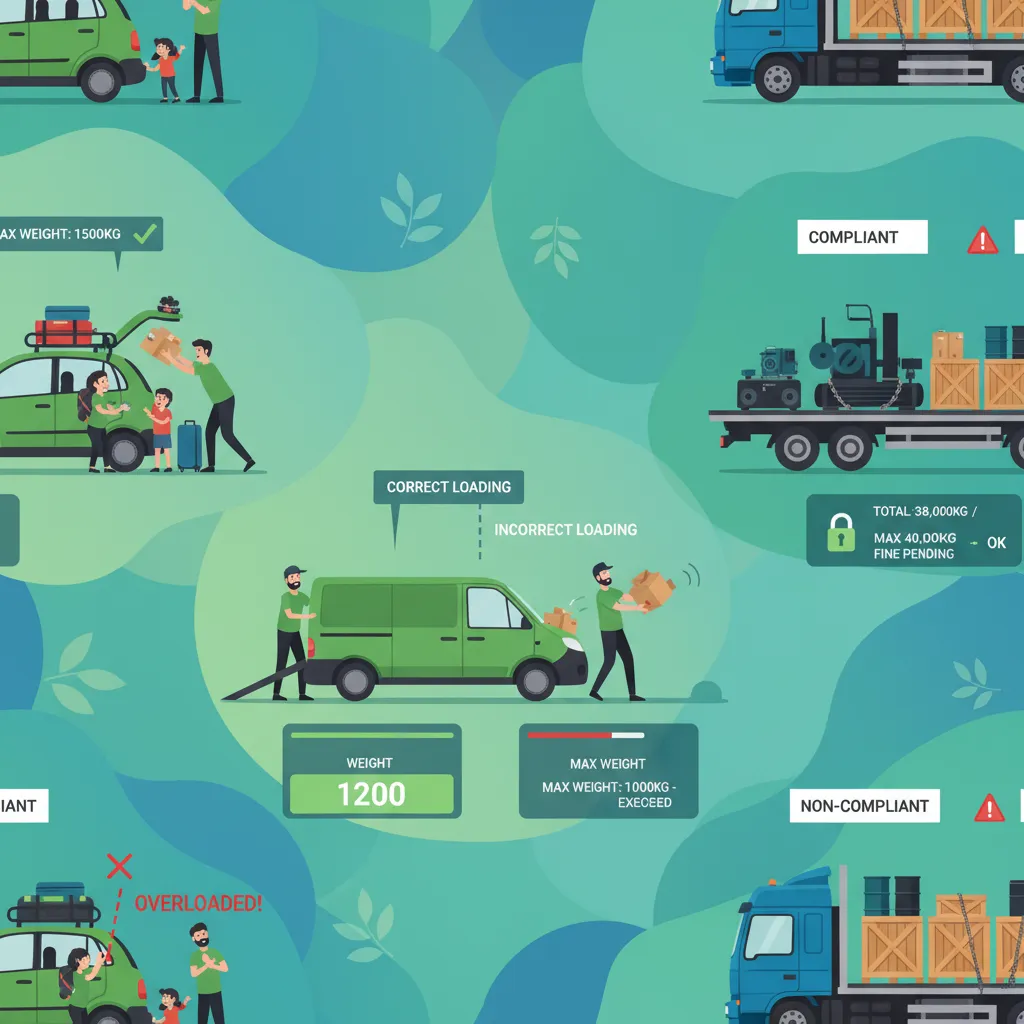
This lesson introduces the legal framework governing vehicle and axle weight limits in Poland and the EU. Learners will understand how to determine a vehicle's maximum permissible payload and interpret official load charts and documentation. The content covers the importance of correct weight distribution to avoid exceeding individual axle limits and explains the serious legal and safety consequences of operating an overloaded vehicle.
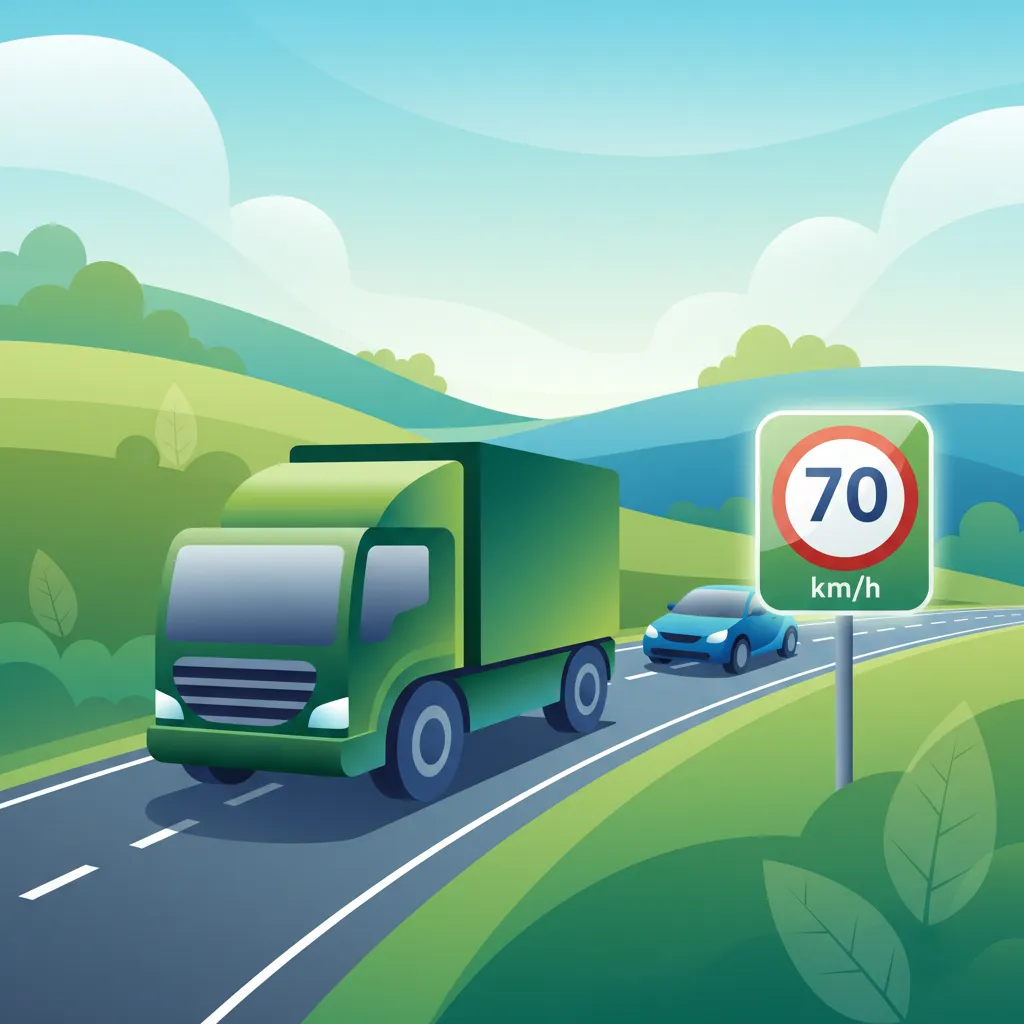
This lesson outlines the statutory speed limits that professional drivers of Category C vehicles must adhere to on Polish roads. It clearly distinguishes the maximum permitted speeds in built-up areas, on single carriageways, and on motorways. The content also explains how to interpret road signs that may indicate temporary or vehicle-specific speed restrictions, ensuring drivers remain compliant with the law and avoid penalties from speed enforcement measures.

This lesson outlines the essential legal paperwork associated with freight transport. It details the purpose and content of key documents like the load manifest, cargo declaration, and official weight certificates. Learners will understand their legal responsibility to verify that all documentation is accurate and complete before departure, and the importance of maintaining proper records for potential inspections by transport authorities or for cross-border customs procedures.
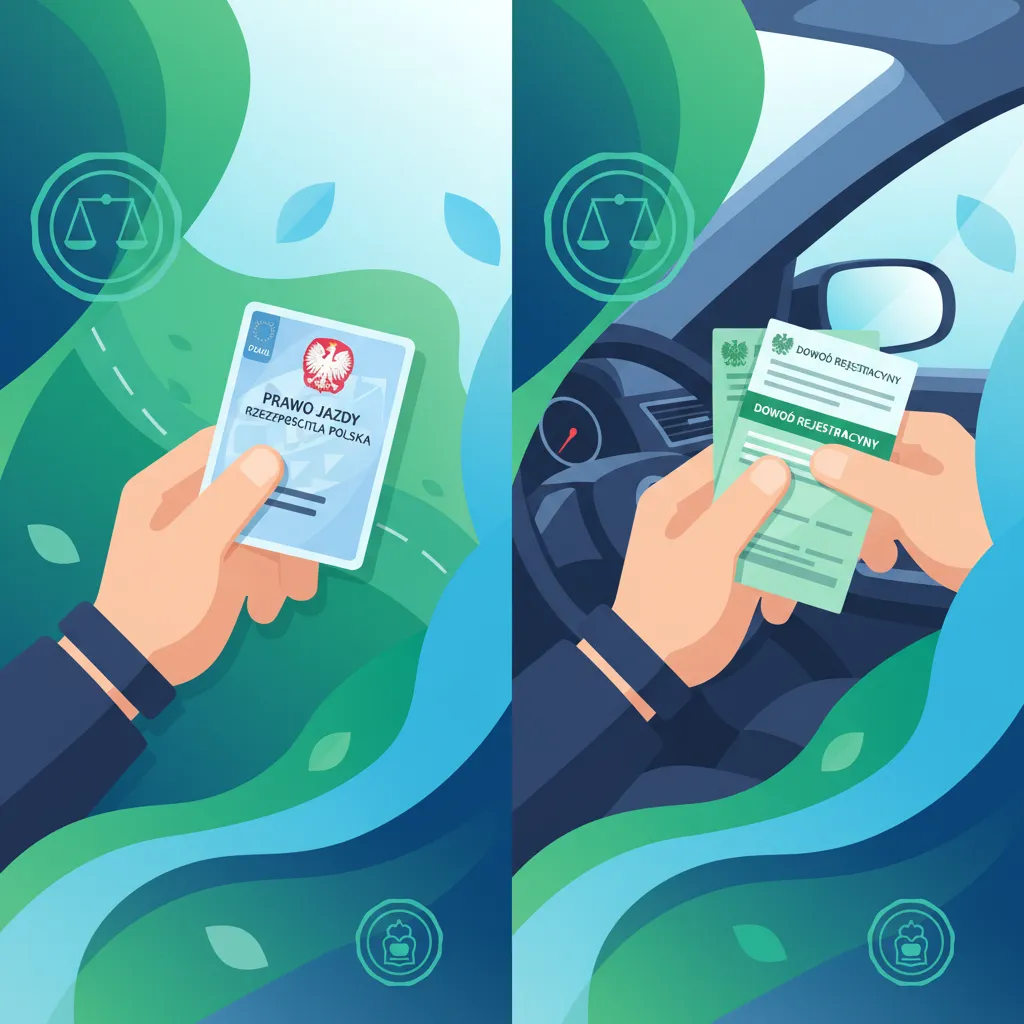
This lesson focuses on the critical documentation every professional driver must carry and maintain. It covers the driver's licence, vehicle registration, and tachograph records, explaining their legal importance and proper management. Learners will also study the requirements for transport permits, cargo declarations, and safety inspection reports, ensuring full compliance with Polish and EU regulations to avoid penalties and operational delays during roadside checks.
Find clear answers to common questions learners have about Environmental Impact, Emissions, and Noise Regulations. Learn how the lesson is structured, which driving theory objectives it supports, and how it fits into the overall learning path of units and curriculum progression in Poland. These explanations help you understand key concepts, lesson flow, and exam focused study goals.
In Poland, as part of the EU, Heavy Goods Vehicles primarily adhere to Euro emission standards. The most recent and stringent standard for new vehicles is Euro 6, which sets limits on pollutants like nitrogen oxides (NOx) and particulate matter. Understanding these standards is key for Category C drivers.
Eco-driving for Category C vehicles involves techniques like smooth acceleration, anticipating traffic, appropriate gear selection, and using engine braking. These practices significantly reduce fuel consumption, which directly lowers CO2 emissions and other pollutants, contributing to a smaller environmental footprint.
Yes, HGVs are subject to noise limits to reduce environmental and urban disturbance. These regulations cover engine noise, exhaust systems, and general vehicle operation. Drivers must ensure their vehicles are well-maintained to comply with these standards, especially in residential areas.
HGV drivers must ensure their vehicles pass regular technical inspections that often include checks for emissions and noise levels. Maintaining proper vehicle documentation, including proof of compliance with emission standards (e.g., Euro 6), is essential for legal operation in Poland and across EU borders.
Build custom practice sessions tailored precisely to your needs. Focus on areas requiring improvement, review specific Polish road signs, or master complex traffic rules to ensure full preparation for your official driving license exam.